Support

Yiwu

About

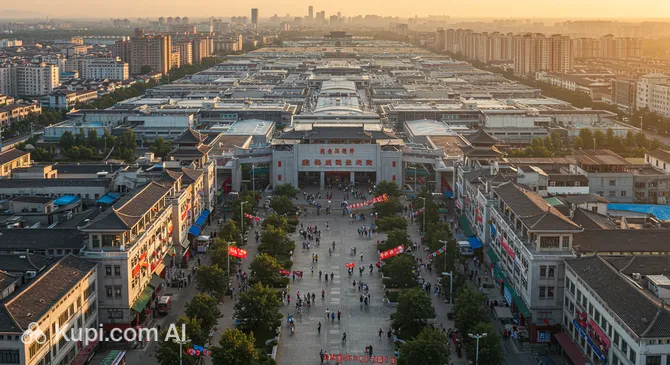
Yiwu is a vibrant city located in the central part of Zhejiang Province, renowned globally as a powerhouse of international trade. Often referred to as the "World's Supermarket," this energetic destination in China attracts business travelers and tourists alike with its unique atmosphere of commerce and innovation. With a population of over 1.2 million people, it serves as a dynamic bridge connecting local craftsmanship with global markets, nestled in a basin surrounded by scenic hills.

Yiwu. Source: Kupi.Binoculars

While modern commerce dominates its current identity, the region possesses a rich cultural background. Exploring the history of Yiwu reveals a fascinating transformation from a humble agricultural county to a bustling modern metropolis. The city experiences a subtropical monsoon climate, offering four distinct seasons that provide a changing backdrop to its busy streets and lush parks.

Visitors are often drawn to the colossal International Trade City, a market complex so vast it is considered a tourist attraction in its own right. Beyond the shopping districts, you can find tranquility at Desheng Rock, a scenic area perfect for hiking and enjoying panoramic views of the landscape. The city also offers beautiful green spaces like Luo Binwang Park, dedicated to a famous Tang Dynasty poet born in the area.

Whether you are visiting to witness the sheer scale of global trade or to explore the local culture hidden amidst the markets, Yiwu offers a truly distinct experience. Its blend of fast-paced business energy and welcoming hospitality makes it a fascinating stop for any traveler venturing through the province.

Weather Overview

Yiwu experiences a subtropical monsoon climate with four distinct seasons, each bringing its own character to the city. To help pack the right clothing for your trip, it is helpful to review the detailed weather in Yiwu before you travel.

Summers are typically hot and humid, particularly in July and August when average daytime temperatures often reach highs of around 34°C. June is the wettest month of the year, with rain occurring on approximately 20 days, so an umbrella is an essential travel companion during this time. In contrast, winters are chilly but generally manageable, with average temperatures in January and December hovering around 6°C to 7°C.

Spring and autumn offer milder transitions, though spring tends to see frequent damp days. October is often considered a pleasant time to visit, with comfortable average temperatures of 19.2°C and fewer rainy days compared to the summer peak. Overall, you can expect hot summers with frequent rain, especially in June, and cool, drier winters.

Interesting Facts

Beyond its reputation as a global trading hub, Yiwu holds a collection of surprising stories and unique distinctions that often go unnoticed by casual visitors.

  • The World's Longest Cargo Route: Yiwu is the eastern terminus of the Yixin'ou railway line, which stretches all the way to Madrid, Spain. Covering approximately 13,000 kilometers, this freight route is the longest in the world, surpassing the Trans-Siberian Railway and physically linking this Chinese city with the heart of Europe.

  • Feathers for Sugar: The city's massive commercial empire has humble roots in a historical tradition known as "Chicken Feathers for Sugar." Centuries ago, local peddlers would walk through villages exchanging homemade brown sugar for chicken feathers to make dusters, a practice that ignited the region's enduring entrepreneurial spirit.

  • The Yiwu Index: The market here is so influential that it has its own economic indicator called the "Yiwu China Small Commodities Index." Economists monitor the prices and sales of goods in the city to spot global trade trends and even predict international events based on bulk merchandise orders.

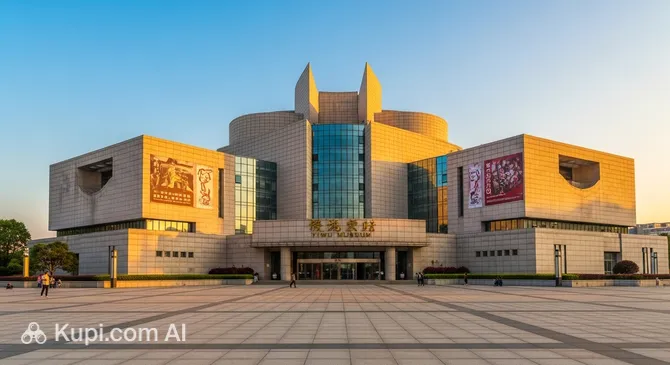
  • Preserving Heritage: While modern skyscrapers and markets dominate the skyline, the Yiwu Museum offers a quiet retreat into the past. It houses thousands of artifacts that trace the region's development from the Neolithic age to its current status as a commercial powerhouse.

Yiwu Museum. Source: Kupi.Binoculars

How to Get There

Reaching Yiwu is relatively straightforward thanks to its strategic location in Zhejiang Province and its status as a major global trade hub. Whether you are arriving for business or leisure, there are several transport options available. For a comprehensive overview of all routes and travel tips, you can check the detailed guide on how to get to Yiwu.

Travelers looking for the most convenient air route can fly directly into Yiwu Airport (IATA: YIW). Located just 6.0 km from the city center, it is the quickest entry point. A taxi ride from this airport to downtown Yiwu typically takes about 30 minutes. Although it is a smaller regional hub compared to its neighbors, it handles a steady flow of passengers and offers excellent proximity to the city's main markets.

Alternatively, many international visitors choose to land at Hangzhou Xiaoshan International Airport (IATA: HGH). This major aviation hub is located in the city of Hangzhou, approximately 108 km from Yiwu. It offers a much wider range of flight connections. From here, a transfer by taxi or bus to Yiwu takes around 3 hours.

For clarity, here is a summary of the main airports serving the region:

Airport Name City Passenger Traffic Km from City
Hangzhou Xiaoshan International AirportHangzhouVery High108.2
Ningbo AirportNingboHigh146.3
Yiwu AirportYiwuMedium6.0
Quzhou AirportQuzhouMedium120.4
Dongyang Hengdian AirportDongyangUnknown25.8

If you are traveling by train, you might pass through major regional hubs before reaching your final destination. One significant interchange point is Hangzhou Railway Station. Please note that this station is located in the city of Hangzhou, about 110 km away from Yiwu. If you were to take a taxi or bus directly from this station to Yiwu, the journey would take approximately 3 hours. It serves a massive volume of travelers annually, making it a key node in the province's transport network.

Below is a list of railway stations in the wider vicinity that may be relevant for your travel planning:

Station City Passenger Traffic Km to Center
Hangzhou Railway StationHangzhouVery High110.3
Yuyao North Railway StationYuyaoMedium137.4
Linhai Railway StationLinhaiMedium123.0
Tongxiang Railway StationNanqiaotouMedium144.7
Shaoxing Railway StationShaoxingMedium92.6

Main Attractions

While Yiwu is primarily famous for its colossal markets, the city and its surroundings offer a surprising variety of scenic and cultural spots. From bustling shopping complexes to ancient towns and tranquil parks, there is plenty to explore beyond the business districts.

The most iconic destination is undoubtedly the International Trade City. Often called the "Sea of Commodities," this is not just a wholesale market but a designated 4A-level tourist attraction. Visitors are often overwhelmed by the sheer scale of the complex, which spans five distinct districts and houses tens of thousands of booths. It is a fascinating place to witness the pulse of global trade, where you can find virtually any small commodity imaginable, from toys and jewelry to electronics and crafts.

For a deeper dive into the region's heritage, the Yiwu Museum is an essential stop. Located near the city center, this modern facility preserves the local history and culture. One of its most interesting exhibits details the "Chicken Feathers for Sugar" tradition, explaining how early itinerant traders laid the foundation for the city's current economic success. The museum also displays fine collections of local ceramics and calligraphy, offering a quiet counterpoint to the busy markets.

Travelers seeking a glimpse of traditional China should visit Fotang Ancient Town. Located roughly 10 kilometers from the city center, this historic area features well-preserved architecture from the Ming and Qing dynasties. Walking along the old streets by the river, you can admire the exquisite wood carvings on the Hui-style buildings, visit old temples, and sample traditional local snacks. It provides a charming and photogenic contrast to the modern skyscrapers of downtown Yiwu.

Nature lovers will appreciate a hike up Desheng Rock. This scenic spot features rugged cliffs and strange rock formations, with a historic temple perched near the summit. The climb is manageable for most fitness levels and rewards hikers with panoramic views of the sprawling city and the surrounding countryside. It is a popular weekend getaway for locals looking to escape the urban bustle and enjoy fresh air.

Another serene spot within the city is Xiuhu Park, home to the historic Da'an Pagoda. Dating back to the Song Dynasty, the pagoda is a resilient symbol of Yiwu's long history. The park itself is beautifully landscaped with lakes and pavilions, making it a perfect place for a leisurely afternoon stroll or to watch locals practicing Tai Chi.

Local Cuisine

The culinary landscape of Yiwu is a fascinating blend of traditional Zhejiang flavors and a surprising international influence brought by its status as a global trade hub. While the local palate typically favors the fresh, savory, and slightly sweet notes characteristic of the region, the city is also famous for its "Exotic Street," where you can find some of the most authentic Middle Eastern and South Asian cuisine in China.

Among the traditional local delicacies, the Donghe Meat Pie is a must-try street food. Originating from the Donghe area, this savory pancake is rolled out until it is paper-thin and filled with a fragrant mixture of minced meat and scallions. It is pan-fried to a perfect crispness, offering a delightful crunch with every bite. Another signature dish is Fotang White Sliced Mutton. This dish relies on the quality of the local goat meat, which is boiled simply to preserve its natural flavor and served cold with a dipping sauce of soy, vinegar, and chili.

Yiwu has a deep historical connection to sugar production, famously known for the "Chicken Feathers for Sugar" trade story. This heritage is best tasted in the local Brown Sugar products. Visitors should try the traditional brown sugar stalks or ginger tea sweetened with this local specialty. To understand the cultural significance of this ingredient, you can visit the Yiwu Museum, which documents the history of the sugar exchange that sparked the city's commercial spirit.

When it comes to drinks, the region is known for its Red Rice Wine (Hongqu Jiu), a traditional alcoholic beverage with a distinct reddish hue and a mellow, rich taste. For a non-alcoholic option, warm brown sugar water with ginger is a popular comfort drink, especially during the cooler months.

The food culture in Yiwu is vibrant and communal, with the Binwang Night Market being a central hub for dining. Here, locals and tourists mingle among hundreds of stalls selling everything from spicy barbecue skewers to fresh seafood and fruit. The atmosphere is electric, making it the perfect place to experience the city's energetic nightlife while sampling a wide variety of snacks.

Travel Tips

Welcome to Yiwu, a bustling metropolis where business and culture intersect in fascinating ways. To ensure your visit to this global trade hub is as smooth and enjoyable as possible, we have compiled a set of essential tips to help you navigate the city like a pro.

  1. Clothing and Gear: Since you will likely spend hours walking through the massive International Trade City, bringing a pair of extremely comfortable walking shoes is the most important packing decision you can make. In terms of weather, pack lightweight, breathable fabrics for the hot and humid summer months, and bring warm layers and a sturdy umbrella for the damp, chilly winters. A universal power adapter is also recommended, as China uses types A, C, and I outlets.
  2. Transportation: While public buses are available and affordable, the most convenient way for tourists to get around is by using taxis or ride-hailing apps like DiDi (accessible via Alipay). Taxis are plentiful and relatively inexpensive, but most drivers do not speak English, so having your destination written in Chinese is crucial. For regional travel, the Jinhua-Yiwu-Dongyang rail transit line offers a modern and efficient connection to neighboring areas.
  3. Finances: The local currency is the Renminbi (RMB or CNY). While cash is accepted, Yiwu, like the rest of the country, runs almost entirely on mobile payments. Before you arrive, download Alipay or WeChat and link your international credit card; this will allow you to pay for everything from street food to taxi rides effortlessly. ATMs are available at major banks, but relying solely on physical cards is not recommended as many smaller vendors do not accept them.
  4. Health and Safety: Yiwu is generally a very safe city for travelers. Pharmacies are easy to spot by their green cross signs, and many basic medications are available over the counter, though carrying a prescription is wise for specific needs. It is advisable to drink bottled water rather than tap water to avoid any stomach issues. In case of a medical emergency, dial 120 for an ambulance.
  5. Communication: Mandarin Chinese is the primary language. While many merchants in the International Trade City speak basic "trade English," communication can be challenging outside commercial zones. It is essential to have a translation app installed on your phone that works offline. Purchasing a local SIM card upon arrival is highly recommended to ensure you have constant internet access for navigation and translation.
  6. Local Etiquette: Business culture runs deep here. When exchanging business cards, always use two hands to offer and receive them as a sign of respect, and take a moment to read the card before putting it away. In general interactions, a polite nod or a simple "Ni hao" (Hello) is a welcomed greeting. Modesty and patience are valued virtues, especially during business negotiations.
  7. What to Avoid: Avoid losing your temper or shouting in public, even if you are frustrated during a negotiation or a travel delay. Causing a scene causes someone to "lose face," which makes resolving the situation much harder. Additionally, avoid assuming that all shops are open late; despite the city's busy nature, wholesale markets operate on strict daytime schedules.
  8. Market Hours: A specific tip for Yiwu is to time your shopping correctly. The famous International Trade City (Futian Market) opens early in the morning but closes promptly around 5:00 PM. Unlike retail malls that stay open late, this is a wholesale hub, so plan your visits for the morning or early afternoon to ensure you have ample time to explore.

Armed with these practical insights, you are ready to dive into the energy of Yiwu with confidence. Whether you are here to marvel at the markets or explore the local heritage, a little preparation goes a long way in making your trip memorable and stress-free.

Entertainment & Nightlife

When the sun sets and the wholesale markets close their doors, Yiwu transforms into a lively hub of entertainment that reflects its multicultural population. The city's nightlife is a unique blend of bustling Chinese street culture and international flair, catering to the thousands of traders and visitors who reside here. From energetic night markets to sophisticated lounges, the evening atmosphere is vibrant, welcoming, and surprisingly diverse.

The heartbeat of the city's nightlife is undoubtedly the Binwang Night Market, often referred to as the Santing Road Night Market. This is not just a place to shop; it is a sprawling open-air venue where the energy is palpable. Stretching for several blocks, it comes alive after 6:00 PM with hundreds of stalls selling clothing, crafts, and accessories. The air is filled with the aroma of sizzling street food, from spicy tofu to grilled squid, making it a perfect spot for a casual evening stroll and a late-night snack.

For a more cosmopolitan experience, travelers should head to the famous Exotic Street (located near the Binwang area and Chengbei Road). This district is the social epicenter for Yiwu's international community. Here, you will find a dense concentration of Middle Eastern restaurants, shisha lounges, and bars that stay open late into the night. The atmosphere is relaxed and friendly, with patrons sitting on outdoor terraces enjoying water pipes and tea. It is a fantastic place to mingle with people from all over the world and enjoy cuisines ranging from Turkish kebabs to authentic Italian pizza.

Those looking for a more upbeat vibe can explore the city's clubbing and bar scene. While Yiwu is not a party capital like Shanghai, it boasts several lively venues. Club 88 and similar establishments in the city center offer thumping music and dance floors, often frequented by younger locals and expats. KTV (Karaoke) is also a massive part of local entertainment; luxury KTV clubs are scattered throughout the city, offering private rooms where groups can sing and drink in a more intimate setting.

Practically speaking, enjoying Yiwu at night is convenient and affordable. The dress code is generally casual, even in bars and clubs, reflecting the city's pragmatic business culture. Prices for food and drinks are reasonable compared to larger Chinese metropolises. Getting around is easy; taxis are plentiful at night, and ride-hailing apps like DiDi are the safest and most efficient way to return to your hotel. The city is very safe for night walks, though it is always wise to keep an eye on your belongings in crowded markets.

If you prefer daytime cultural entertainment before your night out, the city offers several enriching options. You can visit the Yiwu Museum to explore the region's history or catch a performance at the Yiwu Cultural Square. Whether you are bargaining at a night stall or relaxing in a lounge on Exotic Street, Yiwu's entertainment scene offers a memorable glimpse into its role as a global meeting place.

Parks & Museums

While Yiwu is celebrated for its bustling commerce, the city also offers a surprising array of tranquil green spaces and cultural institutions that provide a welcome respite from the busy markets. Visitors can easily find serene parks and informative museums that showcase the region's natural beauty and its long, fascinating history.

One of the most popular green retreats in the city center is Xiuhu Park. This beautifully landscaped area is centered around Da'an Pagoda, an ancient structure dating back to the Song Dynasty, which serves as a historic landmark amidst the modern skyline. The park features traditional pavilions, winding bridges, and calm lakes, making it a favorite spot for locals to practice Tai Chi in the morning or enjoy a leisurely boat ride. It offers a perfect blend of natural scenery and classical Chinese architectural elements.

For those seeking a more expansive natural environment, Futian Wetland Park is an excellent choice. Located conveniently near the International Trade City, this ecological park functions as the city's "green lung." It features extensive wooden boardwalks that meander through lush vegetation and water bodies, attracting various bird species. It is a fantastic place for a relaxing walk or a picnic after a day of shopping, offering a stark and refreshing contrast to the concrete and glass of the nearby business districts.

To understand the deeper cultural context of this trade hub, a visit to the Yiwu Museum is essential. This modern facility houses a comprehensive collection of artifacts that trace the local history from the Neolithic Hemudu culture to the present day. Visitors can explore exhibits detailing the unique "Chicken Feathers for Sugar" trade tradition, which laid the foundation for Yiwu's economic rise, as well as admire fine examples of local calligraphy, ceramics, and folk art.

Another cultural highlight is the Zhu Danxi Memorial Hall, dedicated to one of the four great doctors of the Jin and Yuan dynasties who was a native of Yiwu. This site acts as both a memorial and a museum of traditional Chinese medicine, offering insights into ancient medical practices and the life of this renowned historical figure. The architecture itself is traditional and serene, providing a quiet atmosphere for contemplation.

For an authentic local experience, try visiting the parks shortly after sunrise. This is when they are most vibrant with community life, filled with residents engaging in sword dancing, fan dancing, and other traditional exercises. It is a wonderful opportunity to witness the unhurried, lifestyle-oriented side of Yiwu that few business travelers get to see.

Getting Around

Navigating Yiwu is relatively convenient thanks to a developing modern transport network that caters to its massive flow of business travelers. The backbone of the public transit system is the extensive bus network, which includes standard city buses and a more efficient Bus Rapid Transit (BRT) system. The BRT lines run on dedicated lanes, allowing them to bypass traffic congestion and providing a faster connection between key locations like the International Trade City, the railway station, and the downtown area.

A major recent addition to the city's infrastructure is the Jinhua-Yiwu-Dongyang Rail Transit, often referred to as the Jinyidong Line. This light rail system functions somewhat like a metro, connecting Yiwu with the neighboring cities of Jinhua and Dongyang. For tourists, this is a comfortable and reliable way to travel longer distances across the region, featuring modern stations and bilingual announcements that make navigation easier compared to the local bus network.

When it comes to paying for rides, the system is heavily digitized. While traditional cash (coins or small notes) is still accepted on buses, exact change is required, and drivers cannot provide change. The most common and convenient method is mobile payment via Alipay or WeChat. Travelers can activate a "Transport Code" within these apps, which generates a QR code to be scanned upon boarding. Bus fares are typically very low, usually ranging from 1.5 to 2 RMB, while rail fares are distance-based.

For those who prefer a more direct route, taxis are ubiquitous and affordable. You can hail them on the street, but using ride-hailing apps like DiDi (which is integrated into Alipay) is highly recommended for tourists. These apps eliminate the language barrier by allowing you to input your destination in English or by selecting a location on the map. Taxis are metered, and drivers are generally honest, though it is always wise to ensure the meter is running when you start your journey.

For short trips or "last-mile" connectivity, shared bicycles are scattered throughout the city. You can unlock these bright blue or yellow bikes using the same mobile payment apps used for buses. Public transport typically operates from early morning, around 6:00 AM, until the evening. Most bus lines stop running between 6:00 PM and 9:00 PM, though the rail line and some main bus routes operate later. If you plan to stay out late, be prepared to rely on taxis to get back to your accommodation.

Accommodation

Accommodation in Yiwu is designed primarily to cater to the massive influx of global merchants and business travelers who visit the city year-round. As a result, the hospitality sector is well-developed, offering a wide spectrum of options ranging from efficient budget guesthouses to high-end luxury hotels. While the focus is heavily on practical business amenities, leisure travelers will also find comfortable and modern places to stay.

The most popular area to stay is undoubtedly near the International Trade City (Futian Market). Staying here allows traders and tourists to walk directly to the market districts, saving time on the daily commute. This area is packed with mid-range business hotels that offer essential services like reliable Wi-Fi and breakfast buffets tailored to international palates. Alternatively, the City Center offers a more vibrant atmosphere with easier access to shopping malls, the Binwang Night Market, and a wider variety of dining and nightlife options.

For those seeking luxury, Yiwu boasts several five-star establishments and well-known international hotel chains. These properties typically provide premium facilities such as swimming pools, fitness centers, and executive lounges, serving as calm retreats after a busy day of walking through the markets. On the other end of the spectrum, budget travelers can find clean and affordable express hotels or youth hostels, though these are less common than standard business accommodations.

Price Range and Booking:

  • Budget: Simple rooms can be found for approximately 150–250 RMB per night.
  • Mid-Range: A comfortable 3 to 4-star business hotel typically costs between 300–600 RMB.
  • Luxury: High-end stays generally start from 600 RMB and can go upwards of 1,000 RMB depending on the brand and season.

Most accommodations can be easily booked via major international platforms like Trip.com, Booking.com, or Agoda. However, it is worth noting that some smaller local guesthouses may only list on Chinese apps, so sticking to larger platforms is often easier for international visitors.

Booking Tip: While room availability is generally good, the city fills up quickly during major events, particularly the annual Yiwu International Commodities Fair in October. During these peak trade periods, room rates can double or triple, and hotels may be fully booked weeks in advance. It is highly recommended to secure your reservation well ahead of time if your travel dates coincide with these large-scale exhibitions.

Nearby Cities

For those looking to explore the surroundings, Yiwu serves as an excellent base for day trips to several interesting nearby locations. Just a short journey away lies the provincial capital, Hangzhou, renowned globally for the breathtaking West Lake and its rich tea culture, offering a perfect blend of natural beauty and history. Closer to Yiwu is Jinhua, the administrative center of the region, where travelers can explore the magnificent Double Dragon Cave and enjoy the slower pace of a historic city. Another fascinating option is Shaoxing, a traditional water town famous for its canals, ancient bridges, and legendary yellow rice wine.

City Population Distance (km)
Hangzhou 9,523,000 108
Shaoxing 2,521,964 91
Lishui 2,507,396 94
Jinhua 1,463,990 49
Zhuji 1,157,938 48

These nearby destinations offer a glimpse into the diverse culture and landscapes of the region, providing memorable experiences just a short distance from the bustling markets of Yiwu.

Shopping & Souvenirs

Shopping in Yiwu is an experience unlike any other in the world. As the city is globally recognized as the largest wholesale market for small commodities, the sheer volume and variety of goods available here are staggering. While the primary focus is on bulk trade for international export, the shopping landscape offers plenty of opportunities for individual tourists to find unique items, imported goods, and local specialties at competitive prices.

The crown jewel of the city's commercial scene is the International Trade City (Futian Market). Spanning five massive districts, this complex is where the world comes to buy everything from toys and jewelry to electronics and hardware. For a typical tourist, the most accessible area is the Import Commodities Mall located in District 5. Unlike the wholesale-only booths in other districts, this section is designed for retail, offering high-quality imported products from over 100 countries, including wine, cosmetics, and food, often at prices lower than in other Chinese cities.

For those looking for a more conventional modern retail experience, Yiwu Heart Shopping Center is the premier destination. Located in the city center, this large mall houses a mix of international fashion brands, electronics stores, and a wide array of dining options. It provides a comfortable, air-conditioned environment perfect for spending an afternoon browsing latest trends or catching a movie.

If you prefer the lively atmosphere of street commerce, the Binwang Night Market (also known as Santing Road Night Market) is a must-visit. Coming alive after sunset, this bustling strip is packed with hundreds of stalls selling inexpensive clothing, shoes, accessories, and handicrafts. It is also a fantastic place to bargain; vendors here are accustomed to dealing with tourists, and a friendly negotiation is part of the fun. The market is also famous for its street food, allowing you to snack while you shop.

When searching for souvenirs to bring home, Yiwu offers distinct local options beyond the standard mass-produced goods. The region is famous for Yiwu Brown Sugar, a traditional product often sold in solid blocks or as ginger tea, known for its rich flavor and health benefits. Another popular local gift is Jinhua Ham, a cured meat delicacy from the neighboring area that is prized across China. Of course, given the nature of the city, you can also find an endless supply of affordable jewelry, scarves, and toys that make for easy gifts.

Understanding the operating hours is crucial for a successful shopping trip. The wholesale markets, including the International Trade City, operate on a strict schedule, typically opening at 9:00 AM and closing promptly at 5:00 PM. In contrast, shopping malls like Yiwu Heart and the Binwang Night Market stay open much later, usually until 9:30 PM or 10:00 PM. Payment methods are heavily digital; while some larger stores accept credit cards, the vast majority of vendors prefer mobile payments via Alipay or WeChat Pay. It is highly recommended to have one of these apps set up on your phone, as cash is becoming less common.

Regarding tax refunds, China operates a departure tax refund scheme for international tourists. While this is more common in major hubs like Shanghai or Beijing, some designated large department stores or international brands in Yiwu may participate. Look for the "Tax Free" signage at the entrance or customer service desk. If eligible, you will need to spend a minimum amount (usually 500 RMB) in a single store and present your passport to process the refund forms.
Reached the end of the page?

That means the route is fully explored
