Support

Huzhou

About

Huzhou is a captivating destination known for its serene water landscapes and deep cultural roots. Located on the southern shores of the majestic Lake Tai, this city offers a perfect blend of ancient tradition and modern innovation, making it a hidden gem for travelers seeking both relaxation and discovery.

Situated in the northern part of Zhejiang Province in China, the city is home to a population of over 1.5 million residents. Its strategic location makes it a vital hub in the Yangtze River Delta, celebrated for its temperate climate, lush scenery, and the gentle pace of life that contrasts with the bustle of larger metropolises.

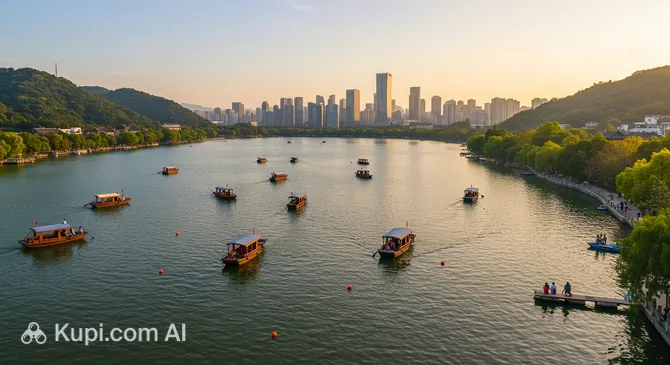
Huzhou. Source: Kupi.Binoculars

The history of Huzhou is inextricably linked to the production of fine silk and tea. Often referred to as the "City of Silk," it is renowned as one of the birthplaces of silk culture and is famous for the exquisite Huzhou writing brush, which has been a treasure of Chinese calligraphy for centuries.

Visitors are often drawn to the stunning Sheraton Huzhou Hot Spring Resort, an architectural marvel shaped like a glowing ring over the water, which lights up the night sky. For those seeking a glimpse into the past, the Nanxun Ancient Town offers beautifully preserved canals, stone bridges, and historic architecture that transport travelers back to a bygone era.

Whether you are exploring its misty mountains, admiring modern landmarks, or enjoying a cup of locally grown tea by the lakeside, Huzhou promises a memorable experience. It is a truly delightful destination for anyone looking to discover the authentic charm of the region.

Weather Overview

The climate in Huzhou is characterized by distinct seasonal changes, ranging from hot, humid summers to chilly winters. To help you pack appropriately for your trip, it is helpful to review the detailed weather in Huzhou before your departure.

Summers are typically warm, with July and August seeing the highest temperatures; the average during these months is around 29.6°C, with maximums reaching up to 32.4°C. This period also brings the most frequent rainfall, with July experiencing approximately 17 wet days. Conversely, winters are cold and drier in terms of precipitation volume. In January, the average temperature drops to 5.0°C, with lows dipping to 2.0°C.

Spring and autumn offer moderate conditions ideal for sightseeing. May presents a comfortable average of 21.9°C, while October cools down to around 18.9°C. While the total precipitation volume recorded is generally low—peaking at just 10mm in June—travelers should expect frequent dampness, as the number of wet days remains significant throughout much of the year.

Interesting Facts

Beyond its scenic waterways and modern landmarks, Huzhou holds fascinating secrets that date back millennia. This city is not only a visual delight but also a historical powerhouse where key elements of traditional culture were born.

  • The Cradle of Tea Culture: While many regions grow tea, Huzhou is where tea culture was formally codified. It was here that Lu Yu, revered as the Sage of Tea, wrote The Classic of Tea during the Tang Dynasty, creating the world's first definitive work on cultivating, brewing, and drinking tea.

  • World's Oldest Silk: The city is often called the "Source of the World's Silk" for a scientifically proven reason. Archaeological excavations at the Qianshanyang site in Huzhou unearthed silk fabrics dating back over 4,000 years, providing some of the earliest physical evidence of silk production in human history.

  • The "Donut" Hotel's Secrets: The iconic Sheraton Huzhou Hot Spring Resort is famous for its ring shape, but few visitors realize the engineering feat extends beneath the surface. The structure features two levels that are submerged underwater, anchoring the massive "horseshoe" into the bed of Lake Tai.

How to Get There

Reaching this scenic destination is convenient thanks to the robust transportation network of the Yangtze River Delta. Whether you prefer flying or taking a high-speed train, there are multiple routes to consider. You can read a detailed guide on how to get to Huzhou to explore all available options and plan your journey efficiently.

The city of Huzhou does not have its own airport, but it is well-served by major aviation hubs in neighboring cities. One of the closest options is Sunan Shuofang International Airport (WUX) in Wuxi, located approximately 74 km away; a taxi ride from here takes about 2 hours and 10 minutes. Another excellent choice is Hangzhou Xiaoshan International Airport (HGH) in Hangzhou, situated roughly 81 km from Huzhou, with a transfer time of around 2 hours and 20 minutes by road. For international travelers, Shanghai Hongqiao International Airport (SHA) in Shanghai is a significant gateway about 124 km away, requiring approximately 3 hours and 30 minutes by car, though high-speed trains often provide a faster connection from the airport's railway station.

For clarity, here is a summary of the main airports:

Airport Name City Passenger Traffic Km from City
Shanghai Hongqiao International Airport Shanghai Very Large 123.9
Hangzhou Xiaoshan International Airport Hangzhou Large 80.7
Sunan Shuofang International Airport Wuxi Medium 74.2
Changzhou Airport Changzhou Medium 117.6
Wuhu Xuanzhou Airport Wuhu Small 138.2

Traveling by train is often the most convenient method for reaching the city directly. You can arrive at Huzhou Railway Station, which is located just 7.4 km from the city center, making the final leg of your journey very short—typically around 30 minutes by taxi. This station connects Huzhou to the extensive high-speed rail network of the region. Alternatively, travelers may pass through Hangzhou Railway Station in Hangzhou, about 67.5 km away, which serves as a major transit point for the province.

Below is a list of relevant railway stations in the vicinity:

Station City Passenger Traffic Km to Center
Hangzhou Railway Station Hangzhou Very Large 67.5
Huzhou Railway Station Huzhou Large 7.4
Tongxiang Railway Station Nanqiaotou Small 60.1
Jiaxing South Railway Station Shenjiabang Small 71.3
Suzhou Yuanqu Railway Station Suzhou Small 69.5

Main Attractions

Huzhou offers a delightful array of attractions that range from ancient water towns to sweeping natural landscapes. The city's rich history as a center for silk and tea production is reflected in its cultural sites, while its location near mountains and lakes provides ample opportunity for outdoor exploration.

One of the most significant highlights is Nanxun Ancient Town, a water town that distinguishes itself with a unique blend of traditional Chinese architecture and Western stylistic influences. Once the home of wealthy silk merchants, the town features elegant gardens, such as the famous Little Lotus Manor, and historic libraries. Walking along its tranquil canals and crossing its stone bridges offers visitors a peaceful glimpse into the region's prosperous past without the heavy crowds often found in similar destinations.

For nature enthusiasts, Moganshan National Scenic Area is an unmissable retreat located within the administration of Huzhou. Famous for its endless oceans of bamboo forests, tea plantations, and cool summer temperatures, it has long been a favored getaway. The mountain is dotted with historic 19th-century villas built by foreigners and China's elite, offering a fascinating mix of history and hiking trails that wind through the lush greenery.

In the heart of the city lies Feiying Park, home to the architectural marvel known as Feiying Tower. This structure is rare in Chinese architecture because it consists of a "tower within a tower"—a smaller, ancient stone pagoda preserved inside a larger outer brick pagoda. The park itself provides a quiet environment for a stroll, allowing tourists to appreciate local history and the intricate carvings found on the inner pagoda.

Another spectacular natural site is the Anji Bamboo Sea, located in Anji County. This vast forest was the filming location for the celebrated movie Crouching Tiger, Hidden Dragon and offers a surreal landscape of emerald green bamboo covering the rolling hills. Visitors can take a walk through the dense groves, ride a toboggan slide, or simply enjoy the fresh air and the sound of wind rustling through the leaves, making it a perfect spot for photography and relaxation.

Local Cuisine

The culinary landscape of Huzhou is a delicious reflection of its geography, blending the fresh, aquatic flavors of Lake Tai with the earthy abundance of the surrounding mountains. As part of the renowned Zhejiang cuisine tradition, local food here is characterized by its freshness, tenderness, and a preference for preserving the natural taste of ingredients. Whether you are dining in a lakeside restaurant or exploring a street food stall, the city offers a feast for the senses.

Perhaps the most iconic delicacy associated with the city is the Huzhou Zongzi. While these glutinous rice dumplings are eaten across China, the Huzhou variety is legendary for its unique pillow-like rectangular shape and exquisite texture. They come in both sweet and savory versions; the sweet ones are typically filled with red bean paste or lard, while the savory options often feature marinated pork. These dumplings are so integral to the local culture that the city is frequently referred to as the "Capital of Zongzi."

Given its location on the southern bank of one of China's largest freshwater lakes, seafood plays a pivotal role in the local diet. Visitors must try the Three Whites of Taihu: White Fish, White Shrimp, and Silver Fish. These ingredients are celebrated for their delicate flavor and are usually prepared simply—often steamed or blanched—to highlight their freshness. The White Fish is particularly prized for its tender meat, while the tiny Silver Fish is often cooked with eggs in a smooth, savory custard.

For those exploring the city's snacks, the Ding Lianfang Thousand-Sheet Bean Curd Bun is a local institution with over a century of history. Unlike traditional buns, the wrapping is made from thin layers of tofu skin (bean curd sheets) rather than dough, filled with a savory mixture of pork and sesame. These are typically served in a bowl of light vermicelli soup, making for a comforting and hearty meal.

In the historic water town of Nanxun, the cuisine takes on a rustic charm. Here, you can savor Nanxun Braised Pork Trotters, which are cooked slowly in a rich soy sauce mixture until they are incredibly soft and flavorful. To complete the gastronomic experience, pair your meal with a cup of locally grown Anji White Tea or Mogan Huangya, both of which cleanse the palate and perfectly complement the region's light and savory dishes.

Travel Tips

Welcome to Huzhou, a city where ancient silk history meets the tranquil beauty of Lake Tai. To ensure your journey through this scenic part of Zhejiang Province is as smooth and enjoyable as possible, we have compiled a set of practical tips covering everything from packing essentials to navigating local customs.

  1. Clothing and Gear: The climate in Huzhou is distinct, with hot, humid summers and chilly, damp winters. If visiting in summer, bring lightweight, breathable fabrics and sun protection. For winter travelers, thermal layers and a warm coat are essential, as the dampness can make it feel colder than the thermometer reads. Since you will likely be walking through ancient towns like Nanxun or hiking in Moganshan, pack sturdy, comfortable walking shoes.
  2. Transportation: While Huzhou does not have an extensive metro system like Shanghai, its public bus network is reliable and inexpensive. However, for most tourists, taxis and ride-hailing apps are the most convenient options. Downloading the DiDi app (the local equivalent of Uber) is highly recommended, as it allows you to book rides with an English interface and avoids language barriers with drivers.
  3. Finances: The local currency is the Chinese Yuan (CNY/RMB). While major hotels may accept international credit cards, daily life in China is dominated by mobile payments. It is crucial to set up Alipay or WeChat Pay on your phone before arrival, as many smaller shops and restaurants do not accept cash or foreign cards. You can link most international bank cards to these apps for easy payment.
  4. Health and Safety: Huzhou is a very safe city for travelers. Pharmacies are easily identifiable by a green cross sign, though you may need a translation app to find specific medicines. Tap water is generally not safe to drink directly; always opt for bottled water or boiled water provided in hotels. Mosquito repellent is advisable if you plan to visit the wetlands or bamboo forests in the warmer months.
  5. Communication: Mandarin is the official language, though locals may speak the Wu dialect among themselves. English proficiency is limited outside of high-end hotels and major tourist sites. Install a translation app like Baidu Translate or a voice translation tool on your phone. A local SIM card or an international roaming package with data is vital for navigation and translation.
  6. Local Etiquette: Politeness is highly valued. When handing over money or a business card, use both hands as a sign of respect. Dining etiquette is communal; wait for the host or the eldest person to start eating. If you are sharing food, use the serving chopsticks provided rather than your own to pick from the central dishes.
  7. What to Avoid: Avoid public displays of anger or frustration. Causing someone to "lose face" by shouting or arguing in public is considered extremely rude and will not help resolve issues. Also, never leave your chopsticks sticking vertically into a bowl of rice, as this resembles incense burning for the dead and is considered bad luck.
  8. Tea Purchasing Tip: Since Huzhou is the birthplace of tea culture and famous for Anji White Tea, buying tea is a popular activity. When shopping, it is perfectly acceptable to ask to taste the tea before purchasing. A reputable shopkeeper will be happy to brew a fresh cup for you, allowing you to appreciate the aroma and flavor before you commit to a price.

With these practical tips in hand, you are well-prepared to embrace the slow-paced charm and cultural richness of Huzhou. Whether you are sipping tea by the lake or marveling at historic architecture, a little preparation will go a long way in making your trip truly unforgettable.

Entertainment & Nightlife

While Huzhou is often celebrated for its tranquil daytime scenery, the city transforms as the sun sets, offering a nightlife scene that blends dazzling light shows with lively local culture. Unlike the frenetic energy of larger metropolises, entertainment here is more relaxed and scenic, focusing on vibrant night markets, lakeside promenades, and bustling commercial districts.

The crown jewel of evening entertainment is undoubtedly the Taihu Ancient Town. Located within the Longemont Paradise complex, this is not a historical relic but a grand, constructed venue designed specifically for tourism and nightlife. After dark, the area comes alive with spectacular light displays, water shows, and often fireworks that reflect beautifully off the water. It is a fantastic spot to wander, enjoy street performances, and sample local snacks in a festive atmosphere.

For those seeking a more urban vibe, the city center’s Yishang Street is the place to be. This pedestrianized commercial hub is the heartbeat of local nightlife, packed with fashion boutiques, milk tea shops, and restaurants. The atmosphere here is energetic and youthful, making it a perfect location to mingle with locals. Just a short walk away lies Aishan Square, another bustling district where you can find a mix of casual bars and eateries set against a backdrop of restored historical architecture.

If you are looking for a place to enjoy a drink, the options range from casual pubs to upscale lounges. The Wuxing District hosts several bars and KTV (karaoke) clubs where the music pumps until the early hours. For a more sophisticated evening, the lounge bars within luxury hotels, such as the iconic Sheraton, offer impeccable cocktails accompanied by stunning views of Lake Tai. The dress code in most venues is casual to smart-casual, and the crowds are generally friendly and welcoming.

Huzhou is a very safe city for night walks, even in less crowded areas. Getting around is convenient; taxis are readily available, but using a ride-hailing app like DiDi is the most efficient way to navigate, especially late at night. Prices for entertainment are generally moderate compared to Shanghai or Hangzhou. The best time to head out is around 7:00 PM, when the city lights are fully active and the streets are most vibrant.

While the nights are exciting, the city also offers plenty of daytime diversions. Before the sun goes down, visitors can explore the rich collections at the Huzhou Museum, enjoy family fun at the Hello Kitty Park, or catch a cultural performance at the Huzhou Grand Theatre. Whether day or night, the city provides a diverse array of activities to keep every traveler entertained.

Parks & Museums

Huzhou is a city where nature and culture intertwine seamlessly, offering visitors a chance to step away from the urban bustle and immerse themselves in serene landscapes and profound history. From classical gardens that inspired ancient poets to modern museums preserving the region's artistic legacy, the city provides a rich tapestry of experiences for the thoughtful traveler.

One of the most poetic green spaces in the city is Lianhuazhuang Park (Lotus Flower Manor). Once the private retreat of the renowned Yuan Dynasty calligrapher Zhao Mengfu, this classical garden is a masterpiece of landscape design. It features winding corridors, elegant pavilions, and extensive ponds filled with lotus flowers that bloom spectacularly in the summer. It is an ideal spot for tourists to admire traditional Chinese garden architecture and enjoy a quiet afternoon surrounded by willow trees and historic stone tablets.

For those seeking panoramic views and fresh air, Renhuang Mountain Park offers a refreshing escape. Located just north of the city center, this expansive area combines lush forestry with well-maintained hiking trails. The highlight is the climb to the summit, where the majestic Renhuang Pagoda stands. From the top, visitors are rewarded with a sweeping bird's-eye view of Huzhou’s cityscape and the shimmering expanse of Lake Tai in the distance, making it a favorite spot for photographers and nature lovers alike.

To delve into the city's identity as the "City of Silk" and "Source of Tea," a visit to the Huzhou Museum is essential. The museum's permanent collection showcases thousands of artifacts, including Neolithic pottery, ancient silk fabrics, and exquisite porcelain. The exhibitions are well-curated to tell the story of the region's development over thousands of years. The architecture of the building itself is noteworthy, designed to reflect the fluidity of water and the texture of stone, symbolizing the local geography.

Culturally unique to this region is the China Hubi Museum, dedicated entirely to the Huzhou writing brush. As the birthplace of this essential tool of Chinese calligraphy, the city takes great pride in its craftsmanship. The museum details the intricate 72-step process of making a single brush and displays rare historical examples. It is a fascinating stop for anyone interested in art and history, offering a deep dive into how these delicate instruments shaped Chinese literature and painting.

For a truly authentic experience, try to visit the smaller Huzhou Silk Museum near the city center. While less grand than the main city museum, it offers an intimate look at the silk-making process, from cocoon to loom. An insider tip for visitors is to explore the grounds of Lianhuazhuang Park early in the morning; you will often find locals practicing Tai Chi or playing traditional instruments, providing a genuine glimpse into the daily life and spirit of Huzhou.

Getting Around

Navigating Huzhou is relatively straightforward, even though the city does not yet possess an extensive urban subway system like its larger neighbors. The primary mode of public transportation for getting around the city center and its surrounding districts is the public bus network. These buses are frequent, reliable, and cover a wide range of routes, connecting major residential areas with tourist attractions, railway stations, and commercial hubs.

The bus fleet is modern and almost entirely air-conditioned. Route numbers are clearly displayed, but destination signs are predominantly in Chinese. For tourists, the most useful routes are often the "Tourism Lines" (often marked with a "Y" or specific tourist branding) which connect the city center to key sites like the Sheraton resort, Renhuang Mountain, and the ancient towns. Operating hours generally run from around 6:00 AM to 9:00 PM or 10:00 PM, though some night lines may operate later.

When it comes to payment, the system is highly digitized. The standard fare for a single bus ride is typically 2 RMB. While you can still pay with cash, you must have the exact change as drivers do not carry money. The most convenient method for travelers is to use mobile payment apps like Alipay or WeChat Pay. Within these apps, you can activate a "Transport Code" (often found under "City Service" or "Transport"), which generates a QR code that you scan upon boarding. Physical transit cards usually work as well if they are part of the China T-Union system, but mobile apps are far more prevalent.

For those who prefer a more direct and comfortable mode of travel, taxis are abundant and affordable. You can hail standard taxis on the street; they are generally metered, and it is advisable to ensure the driver engages the meter at the start of the trip. Alternatively, ride-hailing apps like DiDi (the local equivalent of Uber) are extremely popular and often more convenient for non-Chinese speakers, as the app allows you to input your destination in English and pays the driver automatically.

Cycling is another excellent way to explore the city, particularly around the scenic Taihu Lake area. Huzhou has a well-integrated bike-sharing system. You will see colorful dockless bicycles parked on sidewalks, provided by companies like HelloBike or Meituan. To use these, you simply scan the QR code on the bike using the respective app or through Alipay/WeChat. It is an inexpensive and pleasant alternative for short trips or leisurely rides along the waterfront.

While there is no urban metro system within the city itself, Huzhou is well-connected to the regional high-speed rail network for intercity travel. However, strictly for moving within the city limits, visitors should rely on road transport. A unique feature to keep in mind is the water transport available in specific areas; in water towns like Nanxun or on Lake Tai, traditional sculling boats and larger ferries serve as both transport and sightseeing vessels, offering a slower, more atmospheric way to travel.

A final practical tip for tourists is to always have the name and address of your destination written in Chinese characters on your phone or a piece of paper. Most bus drivers and taxi drivers have limited English proficiency, so showing the Chinese address is the surest way to get where you need to go. Avoiding the morning (7:30 AM – 9:00 AM) and evening (5:00 PM – 6:30 PM) rush hours will also make your journeys significantly more comfortable.

Accommodation

Accommodation in Huzhou caters to a wide variety of preferences and budgets, ranging from international luxury resorts to charming, family-run guesthouses. Whether you are looking for a modern hotel with lakeside views, a rustic retreat in the mountains, or a convenient city-center base for business, the city offers high-quality options that reflect its status as a premier leisure destination in the Yangtze River Delta.

The most popular area for tourists is undoubtedly the Taihu Lake Tourism Resort Zone. Located along the southern shores of the lake, this district is home to high-end resorts and spa hotels that offer sweeping water views and easy access to leisure facilities. It is the perfect location for travelers seeking relaxation, offering a resort-style atmosphere that feels removed from the urban bustle yet remains accessible.

For a more culturally immersive experience, consider staying in Nanxun Ancient Town. Here, you can find boutique inns and traditional guesthouses converted from historic homes. Staying within the water town allows you to experience the tranquil atmosphere early in the morning or late at night after the day-trippers have left. Alternatively, nature lovers often head to the Moganshan area, which is famous for its eco-lodges and beautifully restored villas nestled in the bamboo forests.

In terms of iconic accommodation, the Sheraton Huzhou Hot Spring Resort stands out not just as a hotel but as a city landmark. Known locally as the "Moon Hotel" or "Donut Hotel" due to its distinctive ring shape, it offers luxury amenities and spectacular light shows at night. While it is on the higher end of the price spectrum, it provides a unique architectural experience that defines the modern skyline of Huzhou.

For those prioritizing convenience and budget, the Wuxing District (city center) offers numerous mid-range business hotels and reliable chain establishments. Staying here places you close to shopping streets like Yishang Street, transport hubs, and local restaurants. Prices in the city center are generally more moderate compared to the premium rates found at the lakeside resorts or the exclusive mountain retreats.

Booking Tips: Huzhou is a popular weekend getaway for residents of neighboring major cities. Consequently, prices for hotels—especially in scenic areas like Moganshan and around Lake Tai—can spike significantly on Fridays and Saturdays. To secure the best rates and availability, it is highly recommended to book your accommodation at least a few weeks in advance if you plan to visit during the weekend or on national holidays. Most hotels can be easily booked via major international platforms or local Chinese travel apps.

Nearby Cities

For those looking to explore the surroundings, Huzhou serves as an excellent base for day trips to several interesting nearby locations. The region is densely packed with historic and cultural gems, allowing travelers to easily experience the diversity of the Yangtze River Delta.

One of the most popular choices is Hangzhou, the provincial capital located less than an hour away. It is world-renowned for the UNESCO-listed West Lake, a masterpiece of landscape design that has inspired poets and artists for centuries. Another unmissable destination is Suzhou, often referred to as the "Venice of the East." Famous for its exquisite classical gardens and intricate network of canals, it offers a glimpse into the refined lifestyle of ancient Chinese scholars. Closer to the lake's northern shore lies Wuxi, a city that blends modern development with natural beauty, best known for the massive Lingshan Grand Buddha and the scenic Yuantouzhu (Turtle Head Isle) park.

City Population Distance (km)
Hangzhou 9,523,000 69
Suzhou 5,352,924 65
Changzhou 3,601,079 102
Wuxi 3,245,179 70
Xuanzhou 2,532,938 110

These nearby destinations offer a glimpse into the diverse culture and landscapes of the region, making them perfect additions to any itinerary centered around Huzhou.

Shopping & Souvenirs

Shopping in Huzhou offers a delightful blend of modern retail therapy and traditional cultural exploration. While the city may not have the sheer density of luxury megastores found in neighboring Shanghai, it is renowned for its high-quality local craftsmanship and historic specialties. Visitors can expect to find a diverse range of options, from bustling pedestrian streets lined with contemporary fashion boutiques to quiet, atmospheric shops dedicated to centuries-old artisanal traditions.

The commercial heartbeat of the city is undoubtedly Yishang Street. Located in the city center, this pedestrianized zone is a vibrant mix of restored historical architecture and modern storefronts. It is the perfect place to stroll, browse for clothing, and soak up the lively atmosphere. Adjacent to this is the area around Aishan Square, which serves as a major hub for both shopping and dining, offering a variety of department stores and smaller retail outlets that make it a convenient one-stop destination for travelers.

For those seeking international brands and a comprehensive shopping experience, the city boasts several modern malls. Wanda Plaza is a reliable and popular choice, providing a vast array of fashion labels, electronics, and entertainment facilities under one roof. Another key destination is Intime City, which caters to a trendy crowd with its wide selection of cosmetics, apparel, and lifestyle goods. These complexes offer a comfortable, climate-controlled environment, which can be a welcome escape during the humid summer months.

While traditional open-air markets are evolving, the spirit of the bazaar thrives in the city's ancient towns and specialty districts. In places like Nanxun Ancient Town, the narrow streets along the canals function as bustling markets where visitors can find unique handicrafts, local snacks, and antiques. These areas are ideal for finding items with local character that are not available in standard department stores, and they offer a more relaxed, scenic shopping environment.

When it comes to souvenirs, Huzhou is famous for its "Three Treasures," making gift-hunting a rewarding experience. The most iconic item to purchase is the Huzhou Writing Brush (Hubi). Renowned for its exquisite craftsmanship, it is considered one of the finest tools for calligraphy in China and makes for a sophisticated gift. Silk products are also a must-buy; as one of the birthplaces of silk culture, the city offers high-quality scarves, garments, and bedding at competitive prices. Additionally, tea lovers should look for Anji White Tea, a rare and delicate variety grown in the nearby mountains.

Most shopping malls and major stores typically open around 10:00 AM and close between 9:30 PM and 10:00 PM. Smaller boutiques and street shops may have more flexible hours, often staying open later in the summer. In terms of payment, cash is becoming increasingly rare. The vast majority of transactions, from high-end purchases to street snacks, are made using mobile payment apps like Alipay or WeChat Pay. It is highly recommended to have one of these apps set up on your phone, as many smaller vendors do not accept international credit cards.

Regarding tax-free shopping, opportunities for immediate tax refunds are generally less prevalent here compared to major global hubs like Beijing or Shanghai. While some large department stores or international chains may participate in tax refund schemes for eligible overseas visitors, it is not a guaranteed facility in every shop. It is best to check for "Tax Free" signage at the entrance or inquire at the customer service desk before making significant purchases.
Reached the end of the page?

That means the route is fully explored