Support

Yancheng

About

Welcome to Yancheng, a captivating destination known for its expansive wetlands and rich ecological diversity. Located in the coastal region of the Jiangsu province in China, this city offers a refreshing escape from the hustle and bustle of typical urban life. With a population of over 7 million, Yancheng is a significant hub that harmoniously balances modern development with the preservation of its stunning natural landscapes.

The city's name literally translates to "Salt City," a nod to its ancient past as a major center for salt production. Visitors interested in the deep cultural roots of the region can explore the history of Yancheng to learn how this vital industry shaped its development over thousands of years. Today, the city stands as a testament to resilience and transformation, blending its heritage with a forward-looking spirit.

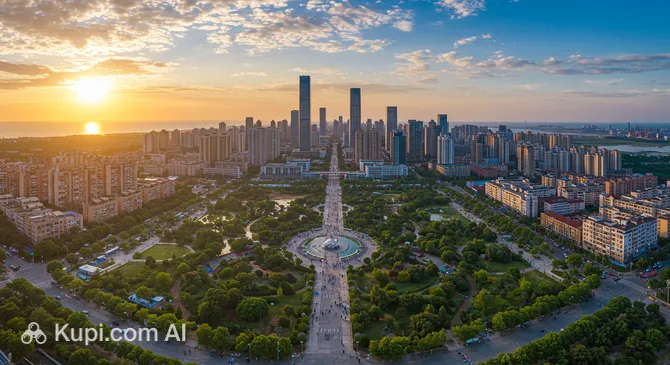
Yancheng. Source: Kupi.Binoculars

Yancheng is globally renowned for its unique ecosystem, particularly the Yancheng Coastal Wetlands, which are recognized as a UNESCO World Heritage site. Nature enthusiasts flock here to visit the Red-crowned Crane Nature Reserve, the largest wintering ground for these majestic birds. Another highlight is the Dafeng Milu Deer Nature Reserve, where the rare Pere David's deer roam freely, offering a remarkable glimpse into successful wildlife conservation efforts.

Whether you are a birdwatcher, a history buff, or simply seeking a peaceful retreat near the Yellow Sea, Yancheng promises an unforgettable experience. We invite you to discover the serene beauty and vibrant culture of this remarkable city on your next journey.

Weather Overview

Travelers planning a visit should be prepared for distinct seasonal changes, as the weather in Yancheng shifts noticeably throughout the year. Winters are generally cold and dry, with January seeing average temperatures around 2.9°C and lows dipping to -1.4°C. In contrast, the summer months bring warmth and humidity; July is typically the hottest time, with average temperatures of 28.1°C and daily highs often exceeding 31°C.

Rainfall is more frequent during the warmer season, particularly in July, which records about 18 wet days compared to the drier winter months like December, which sees only about 5 wet days. Spring and autumn offer a pleasant middle ground, with May averaging a comfortable 20.7°C. Overall, you can expect warm summers with occasional rain and cold, dry winters, making it important to pack accordingly based on your travel dates.

Interesting Facts

Beyond the famous wetlands and wildlife reserves, Yancheng holds fascinating secrets that link its dynamic geography to ancient legends and literary history. Here are a few unique aspects of the city that often surprise visitors:

  • The Growing Coastline: Unlike many coastal regions facing erosion, Yancheng is actually expanding. Massive amounts of silt deposited by the Yellow and Yangtze rivers cause the coastline to extend outward by approximately 200 meters every year, constantly creating new land and habitats.

  • The "Four-Unlike" Beast: The Milu deer found here are culturally known as sibuxiang, or "the four unlikes." According to local lore, this unique creature possesses the neck of a camel, the hooves of a cow, the tail of a donkey, and the antlers of a deer, yet it belongs to none of these species.

  • A Literary Birthplace: The city shares a deep connection with one of China's Four Great Classical Novels, Water Margin. It is believed that the author, Shi Nai'an, lived in seclusion in the Dafeng area of Yancheng, drawing inspiration from the local landscapes to write his masterpiece.

How to Get There

Reaching this coastal destination is convenient thanks to its developing transport network, which connects it well with other parts of the country. Whether you prefer flying directly into the local air hub or traveling through neighboring cities, you can find more about how to get to Yancheng to help plan your itinerary efficiently.

The most direct entry point is **Yancheng Nanyang International Airport** (IATA: YNZ). Situated just 9.7 km from the city center, this airport offers the fastest access to the downtown area. A taxi or shuttle bus ride from here is very quick, typically taking around 35 minutes. As the city's primary aviation hub, it handles a significant number of domestic and international flights, making it the top choice for most visitors.

If direct flights are unavailable, you might consider **Yangzhou Taizhou Airport** (IATA: YTY), located in the city of Yangzhou, approximately 96.5 km from Yancheng. While it requires a longer transfer time of about 2 hours and 45 minutes by road, it serves as a viable alternative with good regional connections. Another option is **Huai'an Lianshui Airport** (IATA: HIA) in Huaian, which is roughly 107.5 km away and offers similar accessibility for travelers arriving from different directions.

The following table outlines the main airports in the region, including distance and traffic details:

Airport Name City Passenger Traffic Km from City
Nantong Xingdong Airport Nantong Large 161.1
Yangzhou Taizhou Airport Yangzhou Medium 96.5
Yancheng Nanyang International Airport Yancheng Medium 9.7
Huai'an Lianshui Airport Huaian Medium 107.5
Lianyungang Airport Lianyungang Medium 148.3

For those utilizing the railway network, several major stations in surrounding cities serve as key transit points for reaching the region. The closest major hub among these is Zhenjiang Railway Station (IATA: ZUJ) in the city of Zhenjiang, located about 144.9 km from Yancheng. From there, travelers can continue their journey by taxi or bus, which generally takes about 4 hours.

Another possibility is arriving at Suzhou Yuanqu Railway Station (IATA: YUQ) in Suzhou, which is approximately 227.7 km away. While further out, it connects to a broader high-speed rail network, offering an alternative route for those exploring the wider province.

Below is a list of nearby regional railway stations:

Station City Passenger Traffic Km to Center
Huzhou Railway Station Huzhou Very Large 275.8
Zhenjiang Railway Station Zhenjiang Large 144.9
Suzhou Yuanqu Railway Station Suzhou Medium 227.7

Main Attractions

Yancheng National Nature Reserve is undoubtedly the crown jewel of the region's tourism. As part of the UNESCO World Heritage-listed Migratory Bird Sanctuaries, this expansive wetland is a paradise for birdwatchers and nature photographers. It is most famous for being the largest wintering ground for the endangered red-crowned crane. Visitors arriving between November and March are often treated to the spectacular sight of these elegant birds dancing and foraging among the reeds. The reserve provides well-maintained observation decks and educational centers, allowing guests to appreciate the delicate coastal ecosystem without disturbing the wildlife.

Another must-visit destination is the Dafeng Milu National Nature Reserve, dedicated to the preservation of the Pere David’s deer, also known as the Milu. This species, once extinct in the wild in China, has been successfully reintroduced here in its native habitat. Tourists can take guided tours or electric cart rides through the park to see herds of these unique creatures roaming freely in the grass and marshlands. The reserve is not only a triumph of conservation but also a serene spot to enjoy the tranquility of nature, far removed from city noise.

For those who enjoy scenic water landscapes, Dazong Lake Scenic Area offers a delightful retreat. Famous for its extensive reed marshes, the lake features a fascinating "Water Maze" that visitors can explore by boat. Navigating through the winding waterways surrounded by tall reeds is a peaceful and immersive experience. The area is also renowned for its fresh seafood, particularly the Dazong Lake hairy crabs, making it a perfect spot for travelers who want to combine sightseeing with local culinary delights.

Adding a touch of vibrant color to the city is the Holland Flower Park (also known as Dafeng Holland Flower Sea). This attraction brings a slice of European charm to Jiangsu with its Dutch-style architecture, windmills, and vast fields of tulips. It is especially popular in spring when millions of flowers are in full bloom, creating a stunning tapestry of colors. Beyond the floral displays, the park hosts cultural performances and offers beautiful backdrops for photography, making it a favorite among families and couples.

Local Cuisine

The culinary landscape of Yancheng is a delightful reflection of its geography, blending the fresh, delicate flavors of Huaiyang cuisine with the bounty of the Yellow Sea and local wetlands. Known historically as the "Salt City," Yancheng has developed a food culture that emphasizes freshness, soup-based dishes, and the natural taste of ingredients. The local palate generally favors savory and mild flavors, making it very accessible to travelers.

A quintessential gastronomic experience here begins in the morning with a bowl of Dongtai Fish Soup Noodles. This dish is the pride of the region and is renowned for its milky-white, nutrient-rich broth. The soup is painstakingly prepared by boiling crucian carp, eel bones, and pork bones for hours until the liquid becomes thick and flavorful. Served with smooth noodles and a sprinkle of chopped herbs, it is considered not just a breakfast but a nutritious start to the day that locals cherish.

For a traditional feast, visitors must try the Yancheng Eight Bowls (Ba Da Wan). This historic banquet style consists of eight semi-soup dishes served in specific bowls, traditionally reserved for weddings and festivals but now available in many local restaurants. The selection typically includes comfort foods like braised pork meatballs, sliced chicken cakes, and glutinous rice cakes. It is a perfect way to sample a variety of textures and flavors in one sitting, showcasing the home-style warmth of the city's cooking.

Given the city's extensive wetlands, aquatic delicacies are a staple. The Dazong Lake Hairy Crab is a seasonal highlight, particularly in autumn, prized for its golden roe and sweet, tender meat. Beyond crabs, the local table often features "drunk" mud snails and various shellfish prepared with wine and ginger to highlight their freshness. These dishes are best enjoyed at local seafood restaurants where the catch is often brought in daily.

To complement the meal, locals often enjoy Huangjiu (yellow rice wine), which pairs exceptionally well with river food and seafood, helping to balance the "cool" nature of the dishes. For non-alcoholic options, green tea is a staple, often consumed during the leisurely "morning tea" rituals that are popular in the Jiangsu province. Whether dining in a bustling downtown restaurant or a quiet eatery near the wetlands, the food in Yancheng offers a comforting and authentic taste of eastern China.

Travel Tips

Preparing for a trip to Yancheng involves more than just packing your bags; knowing a few local insights can transform your visit from good to exceptional. To help you navigate the "Salt City" with confidence and ease, we have compiled a list of essential practical tips tailored to this unique coastal destination.

  1. Clothing and Gear: Since Yancheng experiences four distinct seasons, your wardrobe should match the calendar. Summers are hot and humid, requiring breathable fabrics, while winters can be quite cold, so bring a warm coat and layers. Most importantly, pack sturdy, waterproof walking shoes if you plan to visit the wetlands or nature reserves, as the terrain can be muddy and uneven.

  2. Getting Around: The city does not currently have a metro system, so the primary modes of public transport are buses and taxis. For the most convenient experience, use ride-hailing apps (often accessible via Alipay) to book cars, as this overcomes language barriers with drivers. Taxis are also plentiful and affordable, but always ensure the driver uses the meter.

  3. Money Matters: The local currency is the Renminbi (RMB). While credit cards are accepted in major hotels, daily life in Yancheng is dominated by mobile payments like Alipay and WeChat Pay. It is highly recommended to set up one of these apps on your phone before arrival. Keep a small amount of cash for small vendors or elderly shopkeepers who might not use digital platforms.

  4. Health and Safety: Yancheng is generally a very safe city for tourists. However, you should strictly avoid drinking tap water; always opt for bottled or boiled water. Pharmacies are widely available and can be identified by a green cross sign, but carrying a basic travel kit with your own preferred over-the-counter medications is a smart precaution.

  5. Staying Connected: English is not widely spoken outside of high-end hotels and major tourist centers. A reliable translation app that works offline or with image recognition is essential for reading menus and asking for directions. Buying a local SIM card or an eSIM with a data plan is the best way to ensure you have internet access for maps and translation tools.

  6. Local Etiquette: Politeness is highly valued here. When handing over a business card, money, or a gift, use both hands as a sign of respect. If you are dining with locals, wait for the host or the eldest person to start eating before you begin. It is also polite to leave a little food on your plate at the end of a banquet to show that you were fed well.

  7. What to Avoid: Do not feel obligated to tip in restaurants or taxis, as it is not part of the local culture and can sometimes be confusing to service staff. Additionally, avoid raising your voice or showing visible anger in public disputes, as maintaining "face" and public harmony is culturally important.

  8. Birdwatching Tip: If your main goal is to see the famous red-crowned cranes, timing is everything. Plan your visit between November and February and head to the reserves early in the morning. This is when the birds are most active, and the morning light over the wetlands provides the most stunning photography opportunities.

Armed with these practical tips, you are well on your way to a smooth and enjoyable adventure in Yancheng. Embrace the local customs, explore the breathtaking natural landscapes, and enjoy the warm hospitality that this fascinating city has to offer.

Entertainment & Nightlife

As the sun sets over the Yellow Sea coast, Yancheng transforms from a quiet eco-city into a vibrant hub of evening entertainment. While it may not have the frenetic pace of larger metropolises, the city offers a surprisingly diverse nightlife scene that caters to both energetic party-goers and those seeking a relaxed cultural experience. The nightlife here is characterized by a blend of modern European-style districts, traditional riverside promenades, and bustling commercial blocks where locals gather to unwind.

For those looking to dive into the heart of the action, the European Style Street (Oufeng Street) is the premier destination. This district is architecturally designed to resemble a European town, complete with Venetian-style waterways and clock towers. At night, it becomes a neon-lit playground lined with lively gastropubs and Western-style bars. It is the perfect place to start your evening with a cocktail or a cold beer while soaking in the dynamic atmosphere. Another trendy hotspot is KK-PARK, a newer commercial block that combines shopping with entertainment. It is particularly popular among the city's younger crowd, offering a fashion-forward vibe alongside numerous milk tea shops and snack stalls.

If you prefer a more traditional ambiance, Water Street (Shuijie) offers a stunning contrast. Located near the Chuanchang River, this area features ancient-style architecture that glows beautifully under golden floodlights. It is not just for sightseeing; the street is packed with traditional teahouses and local eateries where you can savor authentic flavors. You might even catch a live performance of Huai opera, a local art form that often takes place on open-air stages here. It is an ideal spot for a leisurely night walk followed by a late-night supper of local specialties.

For travelers seeking specific types of venues to enjoy music and drinks, the city offers a variety of options beyond the main districts. You can find stylish lounge bars that are well-regarded for their decor and extensive drink menus, making them favorites for social gatherings. For those who prefer higher energy, there are clubs featuring DJs and dance floors that stay open late. Additionally, for a unique dining experience that feels like a step back in time, look for local restaurants with nostalgic decor that serve as lively spots for night dining and cultural immersion.

Practical advice for enjoying Yancheng at night is straightforward. The peak hours for bars and clubs typically run from 9:00 PM to 2:00 AM. Prices are generally moderate compared to first-tier Chinese cities; expect to pay around 40-60 RMB for a cocktail and 15-30 RMB for a beer. Taxis are plentiful and affordable at night, but using ride-hailing apps is the most convenient way to get around, especially if you don't speak Chinese. The city is very safe, and walking around major districts like Oufeng Street or the city center is secure even late at night.

Before the sun goes down, Yancheng offers plenty of daytime entertainment to fill your schedule. You can explore the fascinating exhibits at the Yancheng Museum to understand the region's salt-making history or take a relaxing boat ride at Dazong Lake. For families, the city's parks provide ample space for leisure before the evening festivities begin.

Parks & Museums

Yancheng is a city where nature and culture intertwine seamlessly, offering visitors a delightful mix of manicured urban green spaces and impressive cultural institutions. While the city is globally famous for its vast outlying wetlands, the downtown area and its immediate surroundings provide accessible parks and world-class museums that celebrate the region's unique heritage as the "Salt City."

For a relaxing break within the city limits, Yandu Park is a favorite among locals and tourists alike. Located in the heart of the district, this expansive park features a large central lake where visitors can rent boats or simply stroll along the willow-lined embankments. It is an excellent spot for a morning jog or a leisurely afternoon picnic. Another urban gem is Julong Lake Park, known for its modern landscape design and open plazas. It serves as a green lung for the city, offering beautiful views of the surrounding skyline and providing a vibrant space for kite flying and community events.

To truly understand the soul of the city, a visit to the China Sea Salt Museum is essential. Housed in a striking building designed to resemble irregular salt crystals, the museum is an architectural landmark in its own right. Inside, comprehensive exhibits detail the thousands of years of salt production history that shaped Yancheng's economy and culture. Visitors can see ancient tools, dioramas of salt fields, and historical documents that illustrate how this vital mineral influenced the development of civilization in eastern China.

Another significant cultural venue is the Yancheng Museum. This facility offers a broader look at the region's past, displaying artifacts ranging from Neolithic pottery to exquisite porcelain and calligraphy from later dynasties. The museum provides context to the local Huai opera and folk arts, making it a great educational stop for history enthusiasts. The exhibits are well-curated, often featuring English descriptions that help international visitors appreciate the depth of local traditions.

In terms of historical architecture, the area around the Chuanchang River is historically significant as the transportation artery for the salt trade. While much of the city is modern, the reconstructed traditional architecture along Water Street (Shuijie) pays homage to this era. Walking here during the day allows you to appreciate the intricate wood carvings and classic flying eaves of the buildings, which house cultural centers and teahouses reflecting the lifestyle of old Yancheng.

For a lesser-known experience, consider visiting the Yongning Temple. Although it is a reconstructed site, it offers a tranquil atmosphere and beautiful Buddhist architecture that stands in contrast to the bustling city streets. It is a quiet place to observe local religious practices and enjoy a moment of reflection amidst the scent of burning incense.

Getting Around

Navigating Yancheng is straightforward and affordable, primarily relying on an extensive bus network and a modern rapid transit system. Unlike some of China's mega-cities, Yancheng does not currently have an underground metro system. Instead, the public transportation backbone is the Super Rapid Transit System (SRTS), often described as a "ground metro." These specialized high-capacity buses operate on dedicated lanes at street level, frequently running directly beneath the corridors of the city's elevated highway network. This unique infrastructure allows them to bypass general traffic congestion, ensuring speed and punctuality similar to a light rail system.

Complementing the SRTS is a comprehensive web of standard city bus lines. These buses reach virtually every corner of the city, including tourist attractions like the wetlands and parks that might be further afield. Routes are identified by numbers, and bus stops typically display information in Chinese, though route numbers are in Arabic numerals. Most buses operate from early morning, around 6:00 AM, until late evening, typically ending service between 9:00 PM and 10:00 PM, although some night lines may run later.

The payment system in Yancheng is highly digitized, mirroring the rest of the country. The most convenient way to pay is via mobile apps like Alipay or WeChat Pay. Within these apps, you can activate a "Transport Code" (often found under "Travel" or "City Service") which generates a QR code to be scanned as you board. For international visitors who may not have these set up, traditional payment methods are still an option. You can pay with cash by dropping coins or notes into the fare box upon entry, but be aware that no change is given, so you must have the exact fare ready—usually 1 RMB for regular buses and slightly more for some express lines.

For those planning to stay longer or traveling across the province, the Jiangsu T-Union Card is a physical smart card that works on public transport in Yancheng and many other cities in the region. These can be purchased and topped up at major bus terminals or authorized service centers. Using a card or mobile payment is not only convenient but also speeds up the boarding process.

If you prefer a more private or direct mode of transport, taxis are plentiful and relatively inexpensive. They can be hailed on the street and are easily recognizable by their green or yellow colors. Always ensure the driver uses the meter. Alternatively, ride-hailing apps are extremely popular and often easier for tourists as they allow you to input your destination in English (if using a localized version of the app) and see the estimated fare upfront. DiDi Chuxing is the primary service used here, accessible via its own app or as a mini-program inside Alipay.

For short distances, shared bicycles offer a fun and flexible way to see the city. You will find dockless bikes from major providers lined up on sidewalks throughout the downtown area. To use them, you simply scan the QR code on the bike using Alipay or the specific provider's app. It is an excellent option for "last-mile" travel, such as getting from a bus stop to your hotel or exploring the scenic paths around the city's lakes and parks.

Accommodation

Finding the perfect place to stay in Yancheng is relatively easy, as the city offers a broad spectrum of accommodation options to suit various budgets and travel styles. The hospitality landscape here ranges from high-end international luxury hotels and reliable domestic business chains to budget-friendly guesthouses. Since Yancheng is a major commercial and ecological hub in Jiangsu, the standard of service is generally high, with many modern facilities emerging in recent years to cater to the growing number of tourists and business travelers.

For most visitors, the most convenient area to stay is the city center, particularly within the Tinghu and Yandu districts. Staying here places you close to major shopping complexes, local dining streets like Water Street, and the convenient SRTS bus network. If your primary reason for visiting is to explore the specific nature reserves, such as the Milu Deer Reserve or the Holland Flower Park, you might consider booking accommodation in the Dafeng District. While it is further from the main downtown core, it significantly reduces travel time to these outlying attractions.

When planning your booking, it is important to note that accommodation prices in Yancheng are generally quite reasonable compared to major tourist hubs like Shanghai or Nanjing. Budget travelers can find clean and comfortable rooms for approximately 150–300 RMB per night, while mid-range business hotels typically cost between 350–600 RMB. Luxury stays at five-star establishments usually start around 700 RMB. Prices can rise during Chinese public holidays and the peak birdwatching season in winter, so booking in advance is recommended during these times.

A crucial tip for international travelers is to verify that your chosen hotel is licensed to accept foreign guests. In China, not all budget inns or smaller hostels have the authorization to host non-Mainland ID holders. To avoid any inconvenience upon arrival, it is best to book through major international travel platforms or check the hotel's policy explicitly. Most 4-star and 5-star hotels automatically have this clearance and offer staff who can communicate in English, ensuring a smoother check-in experience.

Nearby Cities

For those looking to explore the surroundings, Yancheng serves as an excellent base for day trips to several interesting nearby locations:

City Population Distance (km)
Lianyungang 4,700,000 163
Yangzhou 4,559,797 127
Changzhou 3,601,079 172
Zhenjiang 3,210,418 146
Huaian 2,632,788 100

One of the most culturally rich destinations within easy reach is Yangzhou. Known for its exquisite classical gardens and the scenic Slender West Lake, this city offers a glimpse into traditional Chinese aesthetics and leisure. Yangzhou is also famous for its contribution to Huaiyang cuisine, particularly its morning tea culture and the renowned Yangzhou fried rice. A walk through its historic Dongguan Street allows visitors to admire well-preserved architecture and traditional crafts.

Located just 100 kilometers away, Huaian is another fantastic option for a day trip. As a historical hub along the Grand Canal, it boasts a rich heritage related to water transport and culinary arts. It is considered one of the birthplaces of Huaiyang cuisine, making it a top destination for food lovers. The city is also home to the Government Office of the Viceroy of Water Transport, a significant historical site that showcases the region's administrative importance in ancient times.

For those interested in legends and coastal scenery, Lianyungang offers a unique mix of mountains and sea. It is famously home to Huaguoshan (Flower and Fruit Mountain), the legendary home of the Monkey King from the classic novel Journey to the West. The mountain features lush trails, ancient temples, and playful wild monkeys, providing an adventurous contrast to the flat wetlands of Yancheng.

These nearby destinations offer a glimpse into the diverse culture and landscapes of the region.

Shopping & Souvenirs

Shopping in Yancheng offers a delightful mix of modern convenience and traditional charm. As the city has developed into a bustling commercial hub, visitors can find everything from high-end international luxury brands to unique local handicrafts. The retail landscape is split between gleaming multi-story shopping malls in the downtown area and lively pedestrian streets where the local culture feels more palpable. Whether you are looking for the latest fashion or a keepsake that reflects the "Salt City" heritage, you will find plenty of options to explore.

The commercial heart of the city beats strongest along Jianjun Road (Jianjun Middle Road). This has long been the primary shopping artery of Yancheng, lined with a mix of department stores, fashion boutiques, and electronics shops. It is a bustling district where locals go for their daily needs and leisure, offering a vibrant atmosphere day and night. Walking down this street provides a true sense of the city's energy, with neon signs lighting up the evening and a constant flow of shoppers moving between the various retail outlets.

For a comprehensive modern shopping experience, the city boasts several impressive malls. The Golden Eagle International Shopping Center on Jianjun Road is the premier destination for upscale shopping. It houses a wide array of international cosmetic brands, designer clothing, and a well-stocked supermarket in the basement. Another favorite is the Wanda Plaza, a massive complex located in the Yandu District. It is a one-stop destination for families, featuring not only major fashion retailers but also a cinema, an arcade, and floors dedicated to diverse dining options.

If you prefer a more cultural shopping environment, a visit to Water Street (Shuijie) is essential. Located near the Chuanchang River, this area mimics the architectural style of ancient China. While it is a major tourist attraction, it also functions as a market for traditional goods. Here, you can browse through small stalls selling local snacks, tea, and handicrafts while enjoying the scenic backdrop of pagodas and waterways. It is particularly atmospheric in the evening when the red lanterns are lit.

When searching for the perfect souvenir, Yancheng offers unique items that you won't find elsewhere. Given the city's history, salt carvings are a signature gift; these intricate sculptures made from sea salt are both beautiful and culturally significant. Another highly prized local craft is Dongtai Hair Embroidery. Originating from the nearby Dongtai area, this art form uses human hair to create detailed, ink-wash-style pictures and is considered a masterpiece of Jiangsu craftsmanship. Additionally, plush toys or artwork featuring the red-crowned crane or Milu deer make for charming gifts, celebrating the city's famous wildlife reserves.

Most shops and malls in Yancheng operate from around 10:00 AM to 10:00 PM daily. Payment methods have become highly digitized; while cash is accepted, the vast majority of transactions are settled using mobile apps like Alipay or WeChat Pay. It is highly recommended to have one of these apps set up on your phone. International credit cards are typically only accepted in large shopping malls or high-end hotels, so carrying some cash or using mobile payment is advisable for smaller vendors.

Regarding tax refunds, the system is gradually expanding in China. While Yancheng may not have as many tax-free counters as Shanghai or Beijing, some large department stores like Golden Eagle may offer tax refund services for eligible international tourists. Look for the "Tax Free" signage at the entrance or customer service desk, and be sure to have your passport handy to process any potential refunds on large purchases.
Reached the end of the page?

That means the route is fully explored