Support

Lianyungang

About

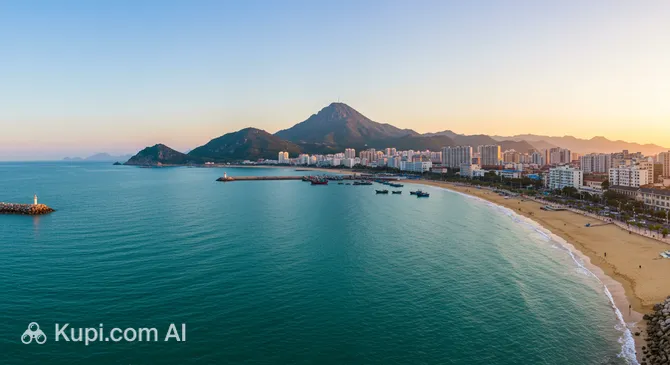
Nestled along the coast of the Yellow Sea, Lianyungang is a captivating destination that serves as a bridge between the ancient world and modern development. As a major port city in the northeastern part of Jiangsu Province, it offers a unique mix of scenic beauty, cultural depth, and bustling maritime activity. The city is renowned for its diverse landscape, featuring both rugged mountains and expansive seascapes.

Lianyungang. Source: Kupi.Binoculars
With a population of approximately 4.7 million people, this vibrant metropolis is strategically significant as the eastern terminus of the New Eurasian Land Bridge. Visitors traveling to China will find that Lianyungang boasts a distinct atmosphere, influenced by its coastal geography and temperate climate, which provides four distinct seasons and refreshing sea breezes suitable for year-round exploration.

One cannot discuss this city without mentioning its legendary status. The fascinating history of Lianyungang is deeply intertwined with Chinese folklore. It is famously home to Mount Huaguoshan (Flower and Fruit Mountain), known globally as the home of the Monkey King from the classic novel Journey to the West. This mystical connection draws countless visitors eager to explore the Water Curtain Cave and the lush surroundings that inspired the tale.

Beyond its mythological fame, the city offers relaxing beaches and fresh seafood, making it a delightful stop for travelers. Whether you are hiking the trails of its scenic mountains or gazing out at the busy harbor, Lianyungang promises an unforgettable experience full of discovery and charm.

Weather Overview

Lianyungang experiences a temperate climate characterized by four distinct seasons, influenced significantly by its coastal location. For those planning a trip and needing a detailed breakdown, the weather in Lianyungang offers comprehensive monthly data to help you pack accordingly.

Winters are generally cold and dry, with January being the coldest month. Average temperatures hover around 1.7°C, and nights can drop to -2.6°C. Precipitation is minimal during this time, often recording just 0mm to 1mm, resulting in crisp, dry days.

Spring brings a refreshing change as temperatures climb steadily. By May, the average temperature reaches a comfortable 21.0°C. This season remains relatively dry, making it a pleasant time for outdoor activities and hiking before the summer heat arrives.

The summer months are warm and humid. July is typically the peak, with average temperatures of 27.5°C and highs reaching 30.5°C. This is also the wettest period of the year; travelers should be prepared for frequent showers, as July can experience up to 18 wet days. Expect warm summers with occasional rain and cold, dry winters.

Autumn offers a mild retreat from the summer heat. September maintains a warmth of 23.2°C, but by November, the air cools significantly to an average of 10.8°C. Rainfall decreases sharply during this transition, returning to the drier patterns typical of the colder months.

Interesting Facts

Beyond the main attractions and its mythical reputation, Lianyungang holds many fascinating secrets waiting to be uncovered. This coastal city is not just a gateway to legends but also a hub of geological wonders and ancient mysteries.

  • The Crystal Capital: Lianyungang administers Donghai County, which is widely known as the "Crystal Capital of China." The area boasts massive deposits of natural quartz and crystal, hosting one of the largest crystal markets in the country where visitors can find everything from raw gemstones to intricate carvings.

  • The Oriental Book of Heaven: The Jiangjunya Rock Carvings, located on Jinping Mountain, are a puzzling archaeological site dating back thousands of years. These Neolithic petroglyphs depict strange symbols, human faces, and crops, leading experts to describe them as an ancient "celestial book" whose full meaning remains deciphered.

  • A Quest for Immortality: Local history is deeply tied to the legend of Xu Fu, a court sorcerer from the Qin Dynasty. It is believed that he set sail from this region in search of the elixir of eternal life for the Emperor, a voyage that supposedly led him to Japan, linking the city to ancient maritime explorations.

How to Get There

Reaching this coastal city is relatively straightforward, with several transport options available for visitors. Whether you prefer flying or taking a train to a nearby hub, planning your journey is the first step to enjoying the region's scenic beauty. For a detailed guide on all available routes and transportation tips, you can read more about how to get to Lianyungang.

For air travel, the most convenient entry point is Lianyungang Airport (IATA: LYG). Located directly in Lianyungang, it sits approximately 21.1 km from the city center. A taxi or shuttle ride from this airport to the downtown area typically takes around 50 minutes, making it the most direct option for tourists. This regional hub handles a significant volume of passengers annually, connecting the city to various domestic destinations.

Alternatively, travelers can fly into Linyi Airport (IATA: LYI), which is situated in the city of Linyi. This airport is about 89.7 km away from Lianyungang. While it requires a longer transfer—approximately 2 hours and 35 minutes by road—it serves as a viable alternative if direct flights to Lianyungang are unavailable. Huai'an Lianshui Airport (IATA: HIA) in Huaian is another option, located roughly 90.3 km away, offering similar travel times for the transfer.

For clarity, here is a summary of the main airports:

Airport Name City Passenger Traffic Km from City
Linyi AirportLinyiMedium89.7
Yancheng Nanyang International AirportYanchengMedium157.8
Huai'an Lianshui AirportHuaianMedium90.3
Lianyungang AirportLianyungangMedium21.1
ShanziheRizhaoSmall89.4

Regarding rail transport, visitors should be aware of the distances involved with certain regional hubs. One of the major stations in the wider region is Zhenjiang Railway Station (IATA: ZUJ). It is important to note that this station is located in the city of Zhenjiang, which is approximately 266.6 km from Lianyungang. Due to this considerable distance, a transfer by car or bus from Zhenjiang would take roughly 7 hours. While it is a busy station with high passenger traffic, it is advisable to check for closer rail connections if available, or plan for a long onward journey.

Here is the information for the railway station listed:

Station City Passenger Traffic Km to Center
Zhenjiang Railway StationZhenjiangLarge266.6

Main Attractions

Lianyungang is a city where mountain legends meet coastal charm, offering a diverse range of sights for every type of traveler. From mythical peaks to relaxing beaches, the city's top attractions highlight its natural beauty and deep cultural roots.

Mount Huaguoshan (Flower and Fruit Mountain) is undoubtedly the city's most famous landmark, celebrated globally as the legendary home of the Monkey King from Journey to the West. Visitors can explore the mystical Water Curtain Cave and hike to the summit of Yunu Peak, the highest point in Jiangsu Province. The mountain is often shrouded in a sea of clouds, creating a magical atmosphere that brings the classic tale to life, making it an essential stop for literature fans and hikers alike.

For those seeking a seaside escape, Liandao Island offers a perfect retreat. Connected to the mainland by the longest sea dike in China, this scenic island features lush forests and pristine shorelines. Dashawan Beach and Suma Bay are the main highlights, providing soft sands for sunbathing and swimming. It is a fantastic spot to enjoy fresh seafood, coastal walks, and the refreshing breeze of the Yellow Sea.

Yuwan Scenic Area is a natural paradise often referred to as the "Zhangjiajie of East China" due to its stunning rock formations and water features. Located at the southern foot of Huaguoshan, it is renowned for its cascading waterfalls, particularly the majestic Three Dragon Falls. This area is ideal for nature lovers who want to enjoy tranquil hiking trails, lush greenery, and the soothing sound of rushing water.

History enthusiasts should not miss Kongwang Mountain, known for its significant religious heritage. The mountain is home to ancient Buddhist rock carvings that date back to the Eastern Han Dynasty, making them some of the earliest examples in China. Exploring the Dragon Cave and admiring the weathered stone statues offers a quiet and contemplative experience, providing a fascinating glimpse into the region's spiritual past.

Local Cuisine

The culinary landscape of Lianyungang is heavily defined by its location on the shores of the Yellow Sea, making it a paradise for seafood lovers. While the local cooking style draws influence from the delicate and fresh flavors of Huaiyang cuisine, it distinguishes itself with a bolder, savory profile typical of coastal communities. The ingredients here are prized for their freshness, often cooked simply to highlight their natural taste.

Seafood is the undisputed star of the table. Visitors should not miss the chance to try Ganyu Crab, which is celebrated for its plump meat and rich roe, particularly during the autumn months. Another local favorite is the Saltwater Jellyfish, often served as a cold appetizer with vinegar and garlic; its texture is delightfully crisp and refreshing. For those who enjoy shellfish, the variety of clams and Oriental Prawns available in local restaurants is extensive and always served fresh from the harbor.

For the more adventurous foodie, Lianyungang offers a unique specialty known as Guanyun Doudan. This dish features the bean worm, a green larva found on soybean plants. While it may sound unusual to outsiders, it is a highly regarded delicacy in the region, prized for its high protein content and tender texture. It is typically prepared in a rich soup or stir-fried with eggs and vegetables, offering a flavor that locals often describe as a cross between crab meat and tofu.

To accompany these savory dishes, the most iconic local beverage is Huaguoshan Yunwu Tea (Cloud and Mist Tea). Grown on the high, misty slopes of the famous Flower and Fruit Mountain, this green tea is renowned for its chestnut-like aroma and smooth, lingering sweetness. It is the perfect drink to cleanse the palate after a seafood feast.

The food culture in Lianyungang is vibrant and social. For a lively dining experience, tourists often head to Haitang Road Food Street in the Lianyun District, where dozens of restaurants display live tanks of seafood for customers to choose from. In the evenings, the city comes alive with night markets serving barbecue and local snacks like Ganyu Pancakes, thin and crispy sheets often wrapped around savory fillings. Whether you are dining in a seaside restaurant on Liandao Island or grabbing a quick bite at a street stall, the flavors of Lianyungang are sure to leave a lasting impression.

Travel Tips

Welcome to Lianyungang, a city where mythical mountains meet the rolling waves of the Yellow Sea. To help you navigate this unique blend of coastal charm and cultural legends in China with ease, here are some practical tips for your journey.

  1. Clothing and Gear: Since the city experiences distinct seasons, your wardrobe should match the time of year. Summers are warm and humid, especially in July, so lightweight, breathable clothing and a sturdy umbrella are essential. If you plan to hike Mount Huaguoshan, bring comfortable, non-slip hiking shoes. For winter visits, pack a heavy coat and layers to handle the dry, cold winds coming off the sea.
  2. Transportation: The public bus system in Lianyungang is extensive and affordable, connecting major attractions like the train station and the coast. However, for international tourists, ride-hailing apps (integrated into platforms like Alipay) or regular taxis are often more convenient. Taxis are metered and reasonably priced; just be sure to have your destination written in Chinese to show the driver.
  3. Finances: The local currency is the Chinese Yuan (CNY). While cash is accepted, the city operates largely on digital payments via Alipay or WeChat Pay, which can now be linked to international credit cards. It is highly recommended to set this up before arrival. International cards are rarely accepted directly at small shops or local restaurants, so keep some cash for emergencies.
  4. Health and Safety: Lianyungang is generally very safe for travelers. Pharmacies are easily identifiable and marked with a green cross, but carrying a basic travel kit is wise as English instructions on local medicine may be scarce. Always drink bottled or boiled water, as tap water is not potable.
  5. Communication: Mandarin is the primary language, and English proficiency may be limited outside of major hotels and tourist centers. It is crucial to have a translation app installed on your phone (one that works offline or without a VPN is best). Purchasing a local SIM card or an eSIM with data is necessary for navigation and translation apps to function smoothly.
  6. Local Etiquette: When dining, especially at seafood restaurants, it is polite to wait for the host to start the meal. If you are toasting, tap your glass lower than the person you are honoring. Handing over money or cards with both hands is a sign of respect that locals appreciate.
  7. What to Avoid: Be cautious when interacting with the wild monkeys on Mount Huaguoshan. While they are a popular attraction, they can be aggressive if they see food or crinkly plastic bags. Avoid feeding them directly or teasing them, as they are wild animals and can snatch belongings.
  8. Additional Tip: If you visit the seafood markets or restaurants near the coast, always confirm the price of seafood "per jin" (500g) before ordering. This is standard practice and prevents any surprises when the bill arrives, allowing you to enjoy the famous local crab and prawns worry-free.

Armed with these practical insights, you are ready to explore the home of the Monkey King and enjoy the fresh sea breeze without hassle. Lianyungang is a city that rewards the prepared traveler with stunning views and unforgettable flavors.

Entertainment & Nightlife

While Lianyungang is primarily known for its mythical mountains and quiet coastal charm, the city comes alive after sunset with a blend of vibrant street life and modern entertainment. The nightlife here is less about thumping mega-clubs and more about social dining, lively night markets, and karaoke, reflecting the relaxed pace of a seaside town. Visitors will find that the evening hours are the best time to mingle with locals and experience the city's energetic pulse.

For those seeking a nostalgic atmosphere, Minzhu Road Old Street (Democratic Road) in the Haizhou District is the place to be. This pedestrian street features restored Republic-era architecture that lights up beautifully at night. It is a bustling hub where tourists can enjoy a leisurely night walk, browse through souvenir stalls, and find cozy bars or teahouses tucked away in historic buildings. The vibe here is cultural and laid-back, making it perfect for couples and families.

If you are looking for a more local and energetic experience, head to Yanhe Alley. As the sun sets, this area transforms into a sensory explosion of neon lights and sizzling woks. It is one of the city's most popular night markets, offering not just food but a lively crowd atmosphere that lasts well into the night. It is an excellent spot to grab a beer, try spicy local barbecue (Shao Kao), and watch the world go by.

For a modern entertainment experience, the area around Suning Plaza in the city center offers a concentration of commercial nightlife. Here, you can find modern cinemas, shopping malls that stay open late, and numerous KTV (karaoke) venues. Karaoke is a staple of Chinese nightlife, and these venues range from opulent private rooms to casual spots, often serving fruit platters and drinks. The dress code in most places is casual, and the crowd is typically young and friendly.

Practical advice for a night out in Lianyungang includes starting your evening around 8:00 PM, as many markets and outdoor venues wind down by midnight, although bars and KTVs stay open much longer. Prices are generally affordable compared to larger metropolises like Shanghai. Getting around is safe and convenient; taxis are plentiful at night, and ride-hailing apps are widely used. The city is very safe for night walks, even in less crowded areas, but sticking to well-lit main streets is always good practice.

During the day, entertainment options shift towards cultural and family-friendly activities. Visitors can explore the Lianyungang Municipal Museum to dive deeper into the region's history or catch a performance at the local grand theater. For families, the city's various amusement parks and public squares offer pleasant spaces to relax before the evening festivities begin.

Parks & Museums

Lianyungang is a city that seamlessly blends its mythological landscapes with a rich tapestry of history, offering visitors a variety of green spaces and cultural institutions. From the legendary peaks that inspired classic literature to modern museums showcasing geological treasures, the city provides ample opportunities to explore both nature and heritage.

Huaguoshan National Geopark is the crown jewel of the city's green spaces. While famous for its connection to the Monkey King, it serves as a stunning ecological retreat in its own right. The park features dense forests, strange rock formations, and ancient trees, making it a refreshing escape for hikers and nature enthusiasts. Beyond the legends, the park is a sanctuary for diverse plant species and offers panoramic views of the city and the distant sea from its highest points.

For a more relaxed, urban experience, Cangwu Green Park is a favorite among locals and a perfect spot for a leisurely afternoon. Located in the city center, this expansive park is beautifully landscaped with willow-lined paths, lotus ponds, and traditional pavilions. It acts as the city's "green lung," where visitors can rent boats, enjoy picnics, or simply observe the daily life of residents practicing calligraphy or flying kites on the open lawns.

Delving into the region's past, the Lianyungang Municipal Museum is an essential stop for history buffs. The museum houses an impressive collection of artifacts, but its most famous exhibit is the well-preserved female corpse from the Western Han Dynasty, often referred to as Lianyungang's "Sleeping Beauty." The galleries also display ancient bronze ware, calligraphy, and ceramics that narrate the story of the city's development as a port and cultural hub over thousands of years.

Given the region's reputation as the "Crystal Capital of China," a visit to the Donghai Crystal Museum is a unique experience. Located in nearby Donghai County, this specialized museum is dedicated to the geological wonder of quartz crystals. It showcases massive, raw crystal formations alongside exquisite carvings and jewelry. It is an educational and visually striking venue that explains the formation of these minerals and their significance to the local economy and art scene.

For an authentic local experience, try visiting Cangwu Green Park early in the morning, around 7:00 AM. This is when the park is most vibrant with authentic culture, as elderly locals gather to practice Tai Chi, sword dancing, and traditional opera singing—a heartwarming spectacle that few tourists get to see.

Getting Around

Navigating Lianyungang is convenient and straightforward, primarily relying on an extensive road-based network. Unlike some of China's larger metropolises, the city does not currently operate an underground metro system. Instead, the backbone of public transportation is the Bus Rapid Transit (BRT) system. These buses run on dedicated lanes, functioning much like a surface subway, and connect major districts, the railway station, and popular tourist sites with high efficiency and speed.

Complementing the BRT is a comprehensive network of regular city buses that reach into residential neighborhoods and suburban areas. For tourists, the BRT lines (often marked with a "B" prefix) are the most useful as they are faster and the stations are easy to identify. Operating hours for most bus lines typically range from 6:00 AM to 10:00 PM, though some rural or feeder routes may stop running earlier in the evening.

When it comes to payment, the system is highly digital. The most convenient way to pay for rides is through mobile apps like Alipay or WeChat Pay. You can activate a specific "Transport Code" within these apps, which you simply scan at the card reader upon boarding. Physical transport cards (such as the Jiangsu T-Union card) are available at authorized outlets, but for short-term visitors, mobile payment is far easier. If you prefer cash, be aware that buses operate on a self-service ticketing basis; you must insert the exact fare (usually 1 or 2 CNY) into the coin box, as drivers do not provide change.

For a more direct and private mode of travel, taxis are plentiful and relatively inexpensive compared to Western standards. They can be hailed on the street or found at designated stands near stations and shopping centers. Alternatively, ride-hailing apps like DiDi (accessible via a standalone app or within Alipay/WeChat) offer a user-friendly interface where you can input your destination in English, overcoming potential language barriers with drivers.

For short distances and leisurely exploration, shared bicycles and electric scooters are scattered throughout the city. Platforms like HelloBike and Meituan Bike allow you to unlock these vehicles by scanning a QR code with your smartphone. This is a popular and eco-friendly way to travel between the beach areas or along the scenic coastal paths, offering a breezy alternative to sitting in traffic.

A practical tip for visitors is to have the Chinese names of your destination and hotel saved on your phone. While the BRT stations often have announcements in English, bus stop signs and taxi drivers predominantly use Chinese. Additionally, avoid traveling during the morning (7:30–9:00 AM) and evening (5:00–6:30 PM) rush hours if possible, as the roads can become quite congested despite the efficiency of the BRT system.

Accommodation

Finding the perfect place to stay in Lianyungang is relatively easy, as the city offers a diverse range of accommodation options to suit various budgets and travel styles. From modern high-rise hotels in the commercial center to scenic resorts near the coast and mountains, visitors can choose between urban convenience and natural tranquility. The hospitality sector here is well-developed, featuring a mix of reliable domestic chains and an increasing number of international standard hotels.

For most tourists, the Haizhou District serves as the most strategic base. As the city's downtown core, it is packed with shopping centers, dining options, and entertainment venues. Staying here places you close to the main railway station and major transport hubs, allowing for easy access to the Bus Rapid Transit (BRT) lines that connect to the rest of the city. It is the best choice for travelers who value easy logistics and a lively urban atmosphere.

Alternatively, if your itinerary focuses on nature and relaxation, consider staying in the Lianyun District or near Mount Huaguoshan. The Lianyun District is located by the sea and offers proximity to the port, Liandao Island, and excellent seafood restaurants. Hotels in this area often provide sea views and a refreshing coastal breeze. Accommodation near the foot of Flower and Fruit Mountain is ideal for hikers wanting an early start on the trails, offering a quieter, more scenic environment away from the city center's hustle.

In terms of pricing, Lianyungang is generally more affordable than China's Tier-1 cities.
Budget: Clean and basic hostels or budget chain hotels typically cost between 100 and 250 CNY per night.
Mid-Range: Standard 3-to-4-star hotels with good amenities usually range from 300 to 600 CNY.
Luxury: Upscale hotels and resorts can start from 700 CNY, offering premium services, swimming pools, and superior views.

Booking is most conveniently done through major online travel platforms. Booking Tip: If you are visiting during the peak summer season (July and August) or during Chinese national holidays (such as the Golden Week in October), it is essential to book your room weeks in advance, as popular hotels fill up quickly. For international travelers, it is also wise to double-check that your chosen accommodation is licensed to accept foreign guests, a policy that is standard for larger hotels but can vary with smaller guesthouses.

Nearby Cities

Lianyungang's strategic location in northeastern Jiangsu Province makes it an excellent starting point for exploring the wider region. Several prominent cities are situated within a manageable distance, offering travelers a chance to experience the diverse culture, history, and landscapes of East China.

The closest major urban center is Linyi, located just 97 km to the north in Shandong Province. Known for its rich history and vibrant markets, it is easily accessible for a quick getaway. Another nearby destination is Suqian, situated approximately 112 km away. This city is celebrated for its floral heritage and as the hometown of the ancient warlord Xiang Yu.

For those willing to travel a bit further, the historic transportation hub of Xuzhou lies roughly 183 km to the west, offering deep insights into Han Dynasty culture. To the south, Yancheng (163 km) is famous for its wetlands and red-crowned crane reserves. Meanwhile, the renowned coastal city of Qingdao is about 194 km away, attracting visitors with its German colonial architecture and famous beer culture.

Here is a summary of the nearby cities, their populations, and distances from Lianyungang:

City Population Distance (km)
Linyi 11,018,365 97
Suqian 4,986,192 112
Yancheng 7,260,240 163
Xuzhou 9,259,000 183
Qingdao 5,818,255 194

Shopping & Souvenirs

Shopping in Lianyungang offers a delightful mix of modern retail experiences and unique local commerce. While the city features large, contemporary malls typical of major Chinese urban centers, it is most famous for its specialized markets, particularly those dedicated to crystals and seafood. Visitors can expect to find everything from high-end international fashion brands to traditional handicrafts and geological treasures.

For a blend of shopping and history, Minzhu Road Old Street (Democratic Road) in the Haizhou District is the premier destination. This pedestrianized street is lined with restored architecture from the Republic of China era, creating a nostalgic atmosphere. It is an excellent place to browse for local crafts, traditional snacks, and cultural souvenirs while enjoying a leisurely stroll. The area is especially lively in the evening when the heritage buildings are illuminated.

Travelers looking for a modern shopping experience should head to the city center, where major complexes like Suning Plaza and Wanda Plaza are located. These sprawling malls provide a comprehensive retail environment with department stores, international clothing chains, electronics shops, and cinemas. They are also great places to escape the weather, offering air-conditioned comfort and a wide array of dining options on their upper floors.

The most distinctive feature of the local shopping scene is undoubtedly the Donghai Crystal City. Located in Donghai County, which is administered by Lianyungang, this is one of the largest crystal markets in the world. The complex houses thousands of stalls selling natural quartz and crystal in every imaginable form—from raw geological specimens and massive geodes to delicate jewelry and intricate carvings. It is a wholesale hub that attracts buyers globally, but retail tourists are equally welcome to haggle for unique pieces.

When it comes to souvenirs, crystal products are the obvious choice. Whether you are looking for a simple amethyst bracelet or a high-quality pair of crystal glasses, the variety and prices in Lianyungang are hard to beat. Another popular local gift is Huaguoshan Yunwu Tea, a premium green tea grown on the misty slopes of the Flower and Fruit Mountain. For foodies, vacuum-packed dried seafood or savory snacks made from local marine life are excellent edible mementos.

Most shopping malls and major retail stores in Lianyungang operate from 10:00 AM to 10:00 PM daily. Markets, especially those outdoors, may open as early as 8:00 AM and close around sunset, though night markets will run late. Digital payment methods are ubiquitous; Alipay and WeChat Pay are the primary ways to pay, even at small market stalls. While major malls accept international credit cards, it is advisable to carry some cash or have mobile payments set up for smaller vendors.

Regarding tax refunds, while China has a tax-free shopping policy for international tourists in designated stores, it is less commonly available in Tier-3 cities compared to hubs like Beijing or Shanghai. Tourists should look for the "Tax Free" signage at the entrance of large department stores in Suning Plaza or Wanda Plaza and inquire at the service desk before making significant purchases.
Reached the end of the page?

That means the route is fully explored