Support

Jining

About

Jining is a pivotal destination for travelers interested in the profound depth of Eastern philosophy and culture. Located in the southwest of Shandong Province, this prefecture-level city plays a crucial role in the cultural landscape of China. With a population exceeding 9 million people, Jining is a bustling hub that seamlessly blends its ancient traditions with modern vitality, offering visitors a unique glimpse into the nation's spiritual heartland.

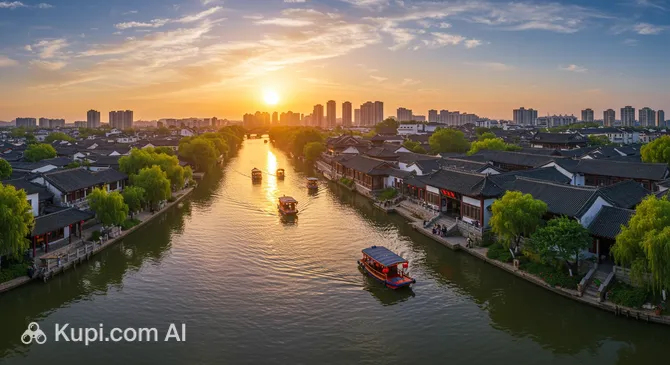
Often referred to as the "Hometown of Confucius and Mencius," the city is celebrated as the cradle of Confucianism. Visitors delving into the history of Jining will discover a region that has significantly shaped Chinese thought and ethics for millennia. Geographically, it is also known as the "Canal Capital," situated along the famous Beijing-Hangzhou Grand Canal, which has historically fueled its economic and cultural exchanges.

Jining. Source: Kupi.Binoculars

The city serves as the gateway to the UNESCO World Heritage sites in nearby Qufu, including the magnificent Temple of Confucius, the Cemetery of Confucius, and the Kong Family Mansion. Beyond its philosophical heritage, Jining offers natural beauty at Weishan Lake, the largest freshwater lake in northern China, known for its stunning lotus flowers in summer. Whether you are exploring the poetic legacy at Taibai Tower or wandering through ancient temple complexes, Jining invites you to experience a journey rich in history and serenity.

Weather Overview

Jining experiences a distinct four-season climate, characterized by warm, humid summers and cold, dry winters. Travelers should be prepared for significant temperature shifts throughout the year, with spring and autumn offering mild and comfortable transitions that are often ideal for outdoor exploration.

During the winter months of December through February, temperatures typically average between 1.1°C and 4.0°C, with January nights dropping as low as -4.0°C. In contrast, the summer season from June to August brings heat and increased humidity, with average temperatures climbing to around 28°C and daily highs peaking near 32.6°C. Rainfall is most frequent during this period, particularly in July, which sees about 14 wet days. To help you pack appropriately for these seasonal variations, you can view the detailed forecast for the weather in Jining.

Interesting Facts

Beyond the main attractions, Jining holds many fascinating secrets that reveal its diverse character and historical depth. This region is not only a sanctuary for philosophers but also a land of literary legends and surprising global influence.

  • Garlic Capital of the World: While famous for philosophy, the region is also an agricultural powerhouse. Jinxiang County, administered by Jining, is globally renowned for its massive garlic production, exporting its harvest to over 160 countries and significantly influencing the worldwide market.

  • Home of Heroes: Liangshan County within Jining is the legendary setting for Water Margin (or Outlaws of the Marsh), one of China's Four Great Classical Novels. The tales of the 108 rebels who gathered at Mount Liang have made this area a pilgrimage site for those interested in traditional martial arts and loyalty.

  • The Poet's Second Home: The celebrated Tang Dynasty poet Li Bai had a profound connection to this city, living here for approximately 23 years. He considered Jining his second hometown, and his legacy is immortalized at the Taibai Tower, where he is said to have frequently enjoyed wine and composed poetry.

  • Command Center of the Canal: Jining was not merely a stop along the Grand Canal; it was the operational heart of this ancient waterway. For centuries during the Yuan, Ming, and Qing dynasties, it housed the highest administrative agency managing the canal's affairs, giving it a status far superior to other cities along the route.

How to Get There

Reaching this historic city is relatively straightforward given its location in the prosperous Shandong Province. Whether you prefer flying or taking the train, there are several options to suit your itinerary. For a comprehensive overview of all routes and transport modes, you can read more about how to get to Jining to plan your journey effectively.

The most convenient gateway for air travelers is Jining Airport (IATA: JNG), which is located approximately 26.7 km from the city center. As a regional hub, it offers direct access to the area, with a travel time of around 60 minutes by taxi or shuttle bus. Alternatively, for a wider range of international and domestic flights, visitors often fly into Jinan Yaoqiang International Airport (IATA: TNA). Please note that this airport is located in the city of Jinan, about 169.7 km away. The transfer from Jinan to Jining by road takes approximately 4.5 hours.

For clarity, here is a summary of the main airports:

Airport Name City Passenger Traffic Km from City
Jinan Yaoqiang International Airport Jinan Large 169.7
Xuzhou Guanyin Airport Xuzhou Medium 174.7
Linyi Airport Linyi Medium 170.7
Jining Airport Jining Medium 26.7
Mudan Heze Small 80.5

If you are considering arriving by train, you may look into major railway hubs in the broader region. The Zhengzhou Railway Station (IATA: TTZ) is a significant transport node, though it is located in the city of Zhengzhou, roughly 266.7 km from Jining. Another option is the Xingtai Railway Station (IATA: HXN) in Xingtai, situated about 263.5 km away. From these stations, travelers would need to arrange significant additional ground transportation, such as a long-distance bus or a connecting train, to reach their final destination in Jining.

For clarity, here is a summary of the railway stations:

Station City Passenger Traffic Km to Center
Xingtai Railway Station Xingtai Medium 263.5
Zhengzhou Railway Station Zhengzhou 266.7

Main Attractions

Jining is a city where history breathes through every street and structure, primarily known as the cradle of Chinese civilization due to its association with Confucius and Mencius. While the city center offers its own charm, the surrounding areas, particularly Qufu, house some of the most significant cultural heritage sites in the world. Visitors here can expect a journey that bridges the gap between ancient philosophy and natural beauty.

Temple of Confucius

Located in Qufu, just a short distance from Jining's urban core, the Temple of Confucius is a masterpiece of ancient architecture and one of the three largest palace complexes in the country. Originally built in 478 BC, it has been expanded by emperors over centuries to honor the Great Sage. Tourists are drawn to its grand yellow-tiled roofs, massive red pillars, and the famous Dacheng Hall. It is a place of immense spiritual significance, offering a deep dive into the traditions that have shaped Chinese society for millennia.

Kong Family Mansion

Adjacent to the temple stands the Kong Family Mansion, the historical residence of the direct descendants of Confucius. For generations, the "Duke Yansheng" lived and worked here, making it the largest aristocratic manor in history aside from the imperial palace. Exploring its labyrinth of courtyards, study halls, and private gardens gives visitors a rare glimpse into the luxurious lifestyle and strict etiquette of China’s most prominent family. The mansion is renowned for its well-preserved artifacts and intricate interior designs.

Cemetery of Confucius (Confucius Forest)

Completing the trinity of UNESCO sites in Qufu is the Cemetery of Confucius, the largest and best-preserved family graveyard in the world. It serves as the final resting place for Confucius and over 100,000 of his descendants. The cemetery is actually a vast, serene man-made forest filled with ancient trees and stone statues. Walking along the shaded paths provides a peaceful and contemplative experience, allowing travelers to reflect on the enduring legacy of the philosopher in a tranquil natural setting.

Weishan Lake

Moving away from philosophy to nature, Weishan Lake offers a stunning ecological retreat. As the largest freshwater lake in northern China, it is famous for its spectacular lotus blooms during the summer months. Visitors can take boat tours to navigate through the reeds and lotus fields, observing local birdlife and enjoying the cool breeze. The lake is also celebrated for its cuisine, particularly dishes featuring fresh carp and other aquatic products, making it a favorite spot for food enthusiasts.

Taibai Tower

Situated in the heart of Jining city, Taibai Tower is a tribute to Li Bai, one of the greatest poets of the Tang Dynasty. Historical records suggest that Li Bai lived in Jining for over two decades and frequently visited this site to drink wine and compose poetry. The current structure, with its classic architectural style, houses exhibits related to the poet's life and calligraphy. It stands as a cultural landmark, connecting the modern city with its rich literary past.

Local Cuisine

The culinary landscape of Jining is a delightful exploration of Shandong (Lu) cuisine, one of the Eight Great Culinary Traditions of China. Known for its emphasis on fresh ingredients, savory flavors, and exquisite soups, the food here reflects both the region's agricultural abundance and its deep historical roots. The local palate generally favors salty and crisp profiles, with a strong tradition of braising and distinct sauce-heavy preparations.

A highlight of the region is the aristocratic Kong Family Cuisine (Confucius Mansion Cuisine). Originating from the nearby district of Qufu, this intricate style of cooking was developed over centuries to entertain emperors and high officials visiting the Confucius family. It is characterized by elaborate preparation, high-quality ingredients, and naming conventions based on poetry or auspicious meanings. Dishes such as "Eight Immortals Crossing the Sea" are not merely meals but cultural experiences that blend gastronomy with ceremony.

For those interested in local specialties, the Weishan Lake Carp is a must-try. This specific variety of carp, famous for having four nostrils, is prized for its tender meat and nutritional value. It is often served braised in a rich brown sauce or sweet and sour, showcasing the freshwater bounty of the north's largest lake. Another staple is Jining Paste Porridge (Huzhou), a thick, savory breakfast dish made from millet and soy, often enjoyed with pickled vegetables or fried dough sticks.

Jining also boasts a significant Hui community, which has contributed to a vibrant Halal food scene. Travelers can easily find authentic Islamic restaurants serving delicious beef and mutton dishes, particularly soups and roasted meats that are perfect for warming up during the cooler months. Whether you are dining in a historical banquet hall or a bustling street stall, the flavors of Jining offer a genuine taste of Northern Chinese heritage.

Travel Tips

Planning a trip to Jining, the spiritual home of Confucianism, is an exciting endeavor that rewards preparation. To help you navigate this historic city with ease and respect for its deep cultural roots, here are some practical tips designed to make your journey as smooth and enjoyable as possible.

  1. Clothing and Gear: Jining has distinct seasons, so pack accordingly. Summers are hot and humid, requiring light, breathable fabrics, while winters can be freezing, necessitating heavy coats and layers. Since visiting the Temple of Confucius and other heritage sites involves extensive walking, bring sturdy, comfortable shoes. When visiting temples, dress modestly; avoid overly revealing clothing out of respect for the sanctity of the sites. A universal power adapter is also essential, as China uses types A, C, and I plugs.

  2. Transportation: Public buses are a reliable and inexpensive way to get around the city, but for convenience, taxis and ride-hailing apps are recommended. Download the DiDi app (the local equivalent of Uber), which often has an English interface and allows you to pay digitally. If you plan to visit Qufu, note that it is a district within Jining but requires travel; high-speed trains to Qufu East Station or dedicated tourist buses are the most efficient options. Car rental is generally not advised for tourists due to complex traffic conditions and the requirement for a Chinese driver's license.

  3. Finances: The official currency is the Renminbi (RMB/CNY). While cash is accepted, the region operates as a nearly cashless society. It is highly recommended to set up Alipay or WeChat Pay on your phone before arrival, as you can now link international credit cards to these apps. This will make paying for everything from street food to museum tickets much easier. International cards (Visa/Mastercard) are typically only accepted at large hotels or major tourist centers. Tipping is not part of the local culture and is not expected.

  4. Health and Safety: Jining is generally very safe for tourists. Pharmacies are widely available and can be identified by a green cross sign; however, staff may not speak English, so having a translation app ready is helpful. A crucial health tip is to never drink tap water; always buy bottled water, which is cheap and readily available. Be cautious when crossing streets, as traffic flows can be heavy and electric scooters often ride silently on sidewalks.

  5. Communication: Mandarin is the primary language. English proficiency is relatively low outside of major hotels and the main ticket offices in Qufu. It is vital to download a translation app like Google Translate (with the offline Chinese package) or Baidu Translate. Additionally, many Western apps (Google, Facebook, Instagram) are blocked; ensure you have a roaming plan that bypasses the firewall or install a reliable VPN before you enter the country to stay connected.

  6. Local Etiquette: As the cradle of Confucianism, respect for hierarchy and elders is deeply ingrained here. A slight nod or a handshake is a standard greeting. When handing over or receiving something, such as a business card or money (if using cash), use both hands as a sign of respect. In public, avoid loud or boisterous behavior, especially in temples or quiet cultural sites.

  7. What to Avoid: Be mindful of your chopstick etiquette. Never stick your chopsticks vertically into a bowl of rice, as this resembles incense burning for the dead and is considered very inauspicious. Also, avoid losing your temper or shouting in public; causing someone to "lose face" is a serious social faux pas and will not help resolve any issues.

  8. Plan for Qufu: Since the "Three Kongs" (Temple, Mansion, and Cemetery of Confucius) are the highlight for most visitors, allocate a full day specifically for this area. The sites are massive, and rushing through them diminishes the experience. Start early in the morning to beat the tour groups, and consider hiring a local guide at the entrance to fully understand the historical context, which isn't always explained in English signage.

By keeping these practicalities in mind, you will be well-equipped to immerse yourself in the rich history and local life of Jining. Embrace the cultural differences, enjoy the incredible local cuisine, and have a wonderful time exploring the land where Chinese philosophy began.

Entertainment & Nightlife

Jining offers a nightlife scene that is distinctively more cultural and relaxed than the frenetic energy of China's mega-cities. Rather than a landscape dominated by loud nightclubs, the evening entertainment here focuses on immersive cultural experiences, vibrant night markets, and scenic strolls along ancient waterways. The atmosphere is generally welcoming and safe, characterized by locals enjoying late-night dining, outdoor performances, and the illuminated beauty of the city's historical architecture.

To experience the city's identity as the "Canal Capital," the best place to visit is the Grand Canal scenic belt or the bustling Bamboo Pole Lane (Zhugan Xiang) in the city center. These areas come alive at night with lights reflecting off the water and a lively atmosphere filled with local snacks and handicrafts. It is a perfect setting for a leisurely walk, allowing visitors to soak in the charm of the ancient waterway that has defined Jining's history for centuries.

For a deep dive into traditional heritage, head to the Liaohe Ancient Street in the Qufu district. This restored area highlights the region's rich Lu culture and Confucian traditions rather than the canal themes found in the city center. The street glows with red lanterns and features traditional architecture, tea houses, and folk art performances. It is a bustling hub where tourists can explore local crafts and enjoy a vibrant, historical ambiance distinct to the birthplace of Confucius.

For a more spectacular evening, Nishan Sacred Land offers a world-class cultural night tour. Also located in Qufu, this massive resort complex is famous for its "Golden Voice and Jade Resonance" performance and a stunning drone and firework show that illuminates the night sky above the giant statue of Confucius. It provides a modern, high-tech interpretation of traditional philosophy and is widely considered a must-see attraction for evening visitors.

If you are looking for a more conventional bar or lounge experience, the commercial districts around the city center, such as those near Wanda Plaza or along Yunhe Road, typically offer a selection of modern bars and karaoke (KTV) venues. These spots attract a younger crowd and are great for enjoying a beer or cocktail in a contemporary setting. The dress code is usually casual, and venues tend to stay open until around 2:00 AM, though KTVs often operate later.

Navigating Jining at night is convenient and affordable. Taxis are readily available, and ride-hailing apps like DiDi are the most efficient way to get around, especially if you are moving between the city center and outlying districts like Qufu. The city is very safe for night walks, particularly in well-lit areas. Average costs for a night out are reasonable, with street food costing a few yuan and drinks in bars priced similarly to other second-tier Chinese cities.

For daytime entertainment, the city offers equally enriching experiences. You can immerse yourself in history at the Jining Museum, which houses extensive collections detailing the region's canal culture and Confucian heritage. Families might enjoy a day at Jining Fantawild Glorious Orient, a large-scale theme park that combines high-tech amusements with Chinese historical themes, providing fun and education before the sun sets.

Parks & Museums

While Jining is globally renowned for its philosophical roots, the city also boasts a refreshing array of green spaces and cultural institutions that offer a break from the bustling urban pace. The parks here are not just recreational areas but often carry deep historical significance, blending natural beauty with ancient legends. Similarly, the city's museums provide a focused lens on the region's pivotal role in the history of the Grand Canal and Confucian thought.

Nanchi Park (South Pool Park)

Located in the southern part of the city, Nanchi Park is a historical landscape that dates back to the Tang Dynasty. It is famous for the "Nanchi Lotus," traditionally considered one of the Eight Sceneries of Jining. The park is steeped in history; it is said that the great calligrapher Wang Xizhi once washed his inkstone here. Today, visitors can wander through classical pavilions, cross zigzag bridges over calm waters, and admire the lush lotus blooms in summer. It serves as a perfect spot for a quiet morning walk to observe locals practicing Tai Chi amidst ancient-style architecture.

Taibai Lake Scenic Area

For a more expansive natural experience, the Taibai Lake Scenic Area (formerly Beihu) offers a massive ecological wetland ecosystem just a short distance from the city center. Known as the "Kidney of the City," this area features vast stretches of water, reed marshes, and diverse bird species. It is an excellent destination for cycling enthusiasts and families, offering well-paved paths and boat rides. The park seamlessly integrates leisure facilities with nature conservation, providing a modern eco-tourism experience that contrasts with the city's ancient sites.

Jining Museum

To truly understand why Jining is called the "Canal Capital," a visit to the Jining Museum is essential. The museum houses an impressive collection of artifacts that trace the development of the Beijing-Hangzhou Grand Canal and its impact on the region's economy and culture. Exhibits include ancient porcelain, jade, and bronze wares discovered in the area. The museum effectively narrates the story of how this waterway transformed Jining into a commercial powerhouse during the Ming and Qing dynasties.

Temple and Cemetery of Mencius

Located in the nearby city of Zoucheng (under Jining's administration), this site is dedicated to Mencius, known as the "Second Sage" after Confucius. While often overshadowed by the sites in Qufu, the Temple of Mencius acts as a significant open-air museum of architecture and philosophy. The complex preserves historical steles, ancient cypress trees, and grand halls that reflect the scholar's importance in Chinese history. It offers a quieter, more introspective atmosphere compared to the often crowded sites of his predecessor.

Insider Tip

If you visit Nanchi Park early in the morning, you will witness a vibrant slice of local life that few tourists see. Elders often gather to practice water calligraphy on the pavement—writing poetry with large brushes dipped in water that evaporates minutes later. It is a poetic and ephemeral performance that perfectly captures the artistic spirit of the city.

Getting Around

The public transport system in Jining is primarily reliant on an extensive and efficient network of buses, as the city does not yet have a fully operational metro or subway system. For most travelers, buses serve as the backbone of daily commuting, connecting the urban center with key districts and tourist sites. The fleet is modern, with many vehicles being electric or hybrid, offering a comfortable ride. You will frequently see "K" numbered buses (e.g., K91), which typically denote air-conditioned or express routes that are faster and more direct than standard lines.

When it comes to paying for your ride, the system is highly digital. While you can still use cash, you must have the exact fare (usually 1 or 2 RMB) as drivers do not carry change. The most convenient method for tourists is to use mobile payment apps like Alipay or WeChat Pay. Both apps have a "Transport" or "Ride Code" feature that generates a QR code specific to the local transit system. You simply scan this code at the card reader near the bus entrance. Physical "Jining City Cards" (Yikatong) are also available at local service centers, but they are generally less practical for short-term visitors than mobile apps.

For a more direct and private mode of travel, taxis are abundant and relatively inexpensive compared to Western standards. You can hail a standard taxi on the street, which is easily recognizable by its distinct livery. Alternatively, ride-hailing apps are extremely popular and often easier for non-local speakers. DiDi is the primary service used here; it offers an English interface in its app (or via the Alipay mini-app), allowing you to input your destination and pay automatically, eliminating language barriers and the need for cash.

Since many of the region's most famous attractions, such as the Temple of Confucius, are located in the Qufu district (about 45-50 km from downtown Jining), you will likely need to use intercity transport. Dedicated tourist buses and intercity coaches run frequently between Jining's main bus stations and Qufu. Additionally, high-speed trains connect the areas via the Jining North and Qufu East stations, turning a potentially long drive into a quick railway journey. Be sure to check the latest schedules at the station or on travel apps, as frequencies can vary.

For short distances within the city center, shared bicycles are a fantastic option. You will find rows of colorful bikes (typically blue or yellow) parked on sidewalks. These can be unlocked by scanning a QR code with Alipay or WeChat. They are perfect for navigating the last mile from a bus stop to your hotel or for exploring the scenic banks of the Grand Canal at your own pace. The cost is negligible, often just a few cents per ride.

Regarding rail transit, the city has been developing a monorail system known as the "Cloud Rail" (Yun Gui), specifically designed to connect major tourist hubs. However, as construction and testing phases can be prolonged, it is best not to rely on this as your primary mode of transport unless you see it actively in service. Stick to the reliable bus network and taxis for the most stress-free experience.

Accommodation

Accommodation in Jining caters to a broad spectrum of travelers, ranging from budget-conscious backpackers to those seeking five-star luxury. The city offers a mix of modern high-rise hotels, efficient business inns, and culturally themed guesthouses. Generally, the standard of service and amenities is high, with prices often being more affordable than in China's major metropolises like Beijing or Shanghai.

For most tourists, the choice of location depends largely on their itinerary. If your primary goal is to explore the heritage sites, staying in the Qufu district is highly recommended. Qufu is approximately an hour's drive or a short high-speed train ride from downtown Jining, and it offers a unique selection of boutique hotels designed with traditional Chinese architecture and courtyards. These accommodations often provide an immersive experience, blending modern comfort with the serene atmosphere of the ancient city.

Alternatively, if you prefer the conveniences of a modern urban center, downtown Jining (particularly the Rencheng District) is the most practical option. Staying here places you close to major shopping hubs, lively night markets, and the scenic Grand Canal. The city center is home to several well-known international and domestic hotel chains, offering reliable amenities such as western-style breakfasts, gyms, and English-speaking staff.

Booking Tips and Prices

The price range for accommodation in Jining is generally very reasonable. A standard room in a mid-range hotel typically costs between 200 and 400 RMB per night, while luxury options can range from 600 to over 1,000 RMB. It is advisable to book your stay in advance, especially if you are visiting during the Confucius Culture Festival in late September or during the national "Golden Week" holiday in early October, when rooms in Qufu can sell out quickly.

Most travelers book their accommodation through major online platforms. While international sites are widely used, downloading Chinese travel apps can sometimes offer a broader selection of local guesthouses and better deals. Always check if your chosen hotel is authorized to host foreign guests, although most medium-to-large hotels in Jining and Qufu are fully equipped to welcome international travelers.

Nearby Cities

For those looking to explore the surroundings, Jining serves as an excellent base for day trips to several interesting nearby locations:

One of the most popular choices is Jinan, the capital of Shandong Province. Known as the "City of Springs," it is famous for its artesian springs, most notably the Baotu Spring, and the scenic Daming Lake. It offers a perfect mix of natural beauty and historical significance, making it ideal for a cultural excursion. Alternatively, travelers can visit Heze, renowned as the "Peony Capital of China." This city is a visual delight, especially in spring when the peonies are in full bloom, and it also boasts a rich tradition of martial arts and folk opera.

Another fascinating destination is Xuzhou in the neighboring Jiangsu Province. As a major historical hub often associated with the Han Dynasty, it features impressive museums and ancient terracotta warrior sites that differ distinctively from those in Xi'an, offering a deep dive into early Chinese history.

City Population Distance (km)
Xuzhou 9,259,000 149
Heze 8,795,939 103
Shangqiu 7,816,831 140
Liaocheng 5,952,128 128
Jinan 5,600,000 145

These nearby destinations offer a glimpse into the diverse culture and landscapes of the region.

Shopping & Souvenirs

Shopping in Jining offers a fascinating mix of modern retail convenience and deep-rooted cultural tradition. As a city that bridges the gap between contemporary development and ancient history, visitors can find everything from high-end international fashion brands to unique handicrafts that reflect the region's Confucian heritage. Whether you are looking for the latest electronics in a gleaming shopping mall or hunting for traditional artifacts in a bustling local market, the city provides a diverse retail landscape that caters to all tastes and budgets.

The commercial heart of the city is centered around Taibai Road and Guhuai Road. These bustling thoroughfares are lined with department stores, boutique shops, and restaurants, making them the primary destination for locals and tourists alike. For those visiting the Qufu district, the area surrounding the Temple of Confucius transforms into a vibrant cultural shopping zone. Here, the streets are filled with vendors selling calligraphy, books, and traditional artwork, creating an atmosphere that feels like stepping back in time.

For a comprehensive modern shopping experience, Wanda Plaza (located in the High-tech Zone or on Taibai Road) is a go-to destination. It houses a vast array of clothing stores, a cinema, and numerous dining options, offering a familiar environment for international travelers. Another prominent retail hub is the Jining Ginza Mall, part of a popular Shandong chain known for its high-quality goods, supermarket, and wide selection of cosmetics and apparel.

Travelers seeking a more authentic local vibe should visit Bamboo Pole Lane (Zhugan Xiang). This historical street has been the center of the city's bamboo industry for centuries. Walking through this narrow, lively lane, you can watch craftsmen at work and purchase a variety of handmade bamboo products, from practical household items to intricate artistic carvings. It is one of the few places where the city's old commercial spirit remains perfectly preserved.

When it comes to souvenirs, Jining boasts several "Geographic Indication" products that make for meaningful gifts. The Nishan Inkstone, originating from the birthplace of Confucius, is prized by calligraphers and collectors for its smooth texture and cultural significance. Kai Wood Carvings from Qufu are another top choice; these intricate sculptures, often depicting historical figures or walking sticks, are crafted from a unique local wood. Additionally, Luxi Brocade offers beautiful, hand-woven textiles featuring colorful geometric patterns.

Most large shopping malls and department stores operate from approximately 10:00 AM to 10:00 PM daily. Smaller street shops and markets may open earlier, around 9:00 AM, and close by early evening. Digital payment methods are dominant; Alipay and WeChat Pay are accepted almost everywhere, including small market stalls. While major malls accept international credit cards, it is advisable to carry some cash or have your mobile payment apps set up for smaller vendors.

Regarding tax refunds, Jining is not a primary hub for tax-free shopping compared to major metropolises like Beijing or Shanghai. While some large, high-end department stores may technically offer tax refund services for international visitors, the procedure can be complex and staff may not be familiar with it. It is best to ask customer service desks in major malls explicitly about "Tax Free" options upon arrival, but generally, tourists should not rely on this availability for everyday purchases.
Reached the end of the page?

That means the route is fully explored