Support

Dongying

About

Welcome to Dongying, a unique and dynamic city located on the northern coast of Shandong Province in China. Often referred to as the "Oil City" due to the presence of the Shengli Oilfield, it is perhaps most famous geographically as the place where the mighty Yellow River flows into the Bohai Sea. With a population of approximately 2.1 million residents, Dongying offers a fascinating blend of modern urban planning and vast, tranquil natural landscapes.

Dongying. Source: Kupi.Binoculars

The city stands on the Yellow River Delta, a region known for its constantly evolving terrain created by the sediment deposited by the river. This geological process has shaped the area significantly over time. To understand how this region transformed from a saline-alkali expanse into a thriving ecological and industrial hub, you can explore the history of Dongying. Although the city itself was officially established relatively recently in 1983, the land holds deep significance as the youngest territory in the country, constantly growing into the sea.

Travelers are primarily drawn here to visit the spectacular Yellow River Delta National Nature Reserve. This vast wetland ecosystem is a paradise for birdwatchers, serving as a vital stopover for millions of migrating birds, including rare red-crowned cranes and oriental white storks. Another highlight is witnessing the "Yellow and Blue Confluence," where the muddy yellow waters of the river meet the deep blue of the ocean, creating a stark and memorable visual contrast.

With its wide, clean avenues, refreshing air, and harmonious balance between industrial development and ecological preservation, Dongying is an inviting destination. Whether you are a nature enthusiast eager to see untouched wetlands or a traveler looking to experience a distinct side of the eastern coast, this city welcomes you to discover its wonders.

Weather Overview

The climate in this region features four distinct seasons, varying significantly in temperature and humidity throughout the year. To help plan your visit, it is useful to understand the typical weather in Dongying before you travel. Generally, the city experiences hot, humid summers and cold, dry winters.

During the summer months of June through August, temperatures peak, with July averaging around 28.1°C and daily highs often exceeding 31°C. This is also the wettest period of the year, with July and August seeing about 12 rainy days each. In contrast, winter is quite chilly; January is the coldest month with an average temperature of -0.7°C and lows dipping to -5.1°C. Precipitation is rare during the winter season, with only about 2 wet days per month.

Spring and autumn serve as comfortable transition periods. May, for instance, offers pleasant averages around 21.5°C, while October sees cooler temperatures averaging 15.5°C. Overall, you can expect warm summers with occasional rain and cold, dry winters.

Interesting Facts

Beyond its reputation as an industrial hub and ecological marvel, Dongying holds several fascinating cultural and geographical secrets that surprise many visitors. Here are some unique aspects of the city that go beyond the guidebooks:

  • Home of the Master Strategist: Guangrao County, located within Dongying, is widely celebrated as the hometown of Sun Wu (Sun Tzu), the legendary ancient military general and author of The Art of War. The city honors this heritage with a dedicated memorial temple and park, making it a pilgrimage site for history buffs.

  • A Natural "Red Carpet": While the yellow river water is famous, the wetlands transform into a stunning crimson landscape in autumn. This phenomenon is caused by a salt-tolerant plant called seepweed (Suaeda salsa), which turns a vibrant red as it matures, creating a vast, colorful "carpet" that stretches across the delta.

  • Birthplace of Lüju Opera: Dongying is the cradle of Lüju (Lu Opera), one of China's most significant local opera styles. Originating from simple folk songs sung by farmers in the region, it has evolved into a recognized intangible cultural heritage, distinct for its melodic tunes and portrayal of daily rural life.

  • A City of Hot Springs: Beneath the oil-rich ground lies another natural treasure: geothermal water. Dongying has been recognized as a "City of Hot Springs," with numerous resorts utilizing the mineral-rich waters that spring from deep underground, offering a relaxing contrast to the city's industrial energy.

How to Get There

Reaching this part of Shandong Province is relatively convenient, with options ranging from a local airport to major international hubs nearby. Whether you prefer a direct flight or a combination of air and ground travel, you can find a route that suits your itinerary. For a comprehensive guide on all available transportation methods, you can read more about how to get to Dongying.

The most convenient entry point is the city's own Dongying Airport (DOY). Located just 13 km from the city center, it primarily serves domestic routes. A taxi ride from here to the downtown area is quick, typically taking around 40 minutes depending on traffic. This is the ideal choice for travelers connecting from other major Chinese cities.

For international travelers or those seeking more flight options, the Jinan Yaoqiang International Airport (TNA) in Jinan is a significant hub located approximately 144.7 km away. It offers a wider range of connections. Traveling from Jinan to Dongying by road usually takes about 2.5 hours. Another major alternative is the Qingdao Jiaodong International Airport (TAO) in Qingdao, situated about 199.9 km from Dongying. The journey from Qingdao by car or bus is manageable, taking approximately 3.5 hours, and the airport provides extensive international links.

For clarity, here is a summary of the main airports serving the region:

Airport Name City Passenger Traffic Km from City
Qingdao Jiaodong International Airport Qingdao Large International 199.9
Tianjin Binhai International Airport Tianjin Large International 221.0
Jinan Yaoqiang International Airport Jinan Large International 144.7
Dongying Airport Dongying Regional 13.0
Weifang Airport Weifang Regional 95.9

Main Attractions

Dongying is a destination where nature’s power and ancient history converge, offering visitors a distinct variety of experiences. While known industrially, the city has cultivated impressive scenic areas and cultural sites that highlight its unique geographical position and heritage. Here are some of the top places to explore during your visit.

Yellow River Delta National Nature Reserve

Undoubtedly the most famous site in the region, this reserve is where the majestic Yellow River concludes its long journey and flows into the Bohai Sea. It is one of the few places in the world where you can witness the earth "growing" due to the constant sediment deposition. The reserve is a haven for nature lovers, boasting vast wetlands that serve as a sanctuary for millions of migratory birds, including the rare red-crowned crane. Visitors often take boat tours to see the "confluence of yellow and blue," a striking visual line where the muddy river water meets the clear blue sea.

Sun Tzu Cultural Park

Located in Guangrao County, this expansive park is dedicated to Sun Wu (Sun Tzu), the celebrated ancient military strategist and author of The Art of War. As Dongying is considered his hometown, this site serves as a significant cultural landmark. The park features traditional architecture, a dedicated museum detailing his life and philosophy, and an imposing statue of the strategist himself. It offers a peaceful yet educational atmosphere, perfect for those interested in Chinese history and military culture.

Swan Lake Park

For a relaxing day outdoors, Swan Lake Park offers a massive expanse of water and greenery. Originally a reservoir, it has been transformed into a scenic leisure area often referred to as the "Lake of the North." The park is famous for its tranquil environment and, as the name suggests, the migratory swans that visit the area. It is an excellent spot for walking, picnicking, or simply enjoying the fresh air away from the city center.

Qingfeng Lake Park

Situated in the heart of the city's modern district, Qingfeng Lake Park is one of the largest urban parks in the province. It serves as a central recreational hub for locals and tourists alike, featuring beautifully landscaped gardens, traditional pavilions, and scenic bridges. The park is surrounded by key cultural institutions, including the Yellow River Culture Museum and the city library, making it a convenient stop to combine a leisurely stroll with a bit of local culture.

Local Cuisine

The culinary scene in Dongying is deeply rooted in Lu Cuisine (Shandong Cuisine), one of China's eight great culinary traditions. Thanks to its unique geographical location where the Yellow River meets the Bohai Sea, the local diet offers a rich fusion of freshwater river delicacies and saltwater seafood. The flavors here are typically savory, fresh, and tender, with a strong emphasis on preserving the natural quality of the ingredients.

The absolute star of the local table is the Yellow River Mouth Hairy Crab. These crabs are renowned across the country for their thin shells and abundant, rich roe. Raised in the nutrient-rich waters of the delta, they are best enjoyed simply steamed to highlight their natural sweetness. Autumn is the peak season for these delicacies, and visiting during this time without trying them would be a missed opportunity for any seafood lover.

For those who prefer meat, Guangrao Donkey Meat is a celebrated local specialty, often referenced by the famous Chinese saying: "Dragon meat in heaven, donkey meat on earth." It is typically served cold, spiced, and thinly sliced, or found in rich, warming soups. Another staple you must try is the Lijin Pan-Fried Bun (Shuijianbao). These buns are distinctive for their golden, crispy bottom crust and soft, fluffy top, usually stuffed with savory pork, mutton, or vegetable fillings.

Dining in Dongying often involves a toast with Baijiu, a strong Chinese grain spirit that is a staple at social gatherings throughout Shandong Province. The locals are known for their warm hospitality, and sharing a drink is a common way to bond. For non-alcoholic options, fresh soybean milk is a popular breakfast drink, while various herbal teas are commonly served with heavier meals to aid digestion.

The food culture here is unpretentious and hearty, reflecting the generous spirit of the region. Locals often frequent lively seafood restaurants where you can select your fresh catch directly from tanks. In the evenings, the city comes alive with night markets offering grilled oysters, spicy clams, and skewers. Portions in Shandong are famously large, so it is highly recommended to order a variety of dishes to share with friends or family.

Travel Tips

Visiting Dongying offers a fascinating glimpse into the intersection of China's industrial prowess and its stunning natural landscapes, but navigating a less tourist-heavy destination requires a bit of preparation. To help you make the most of your trip to the Yellow River Delta, here are some essential practical tips to ensure a smooth and enjoyable experience.

  1. Clothing and Gear: The weather varies significantly by season. Summers are hot and humid, so breathable, light clothing is best, while winters can be freezing and windy, requiring heavy down jackets and thermal layers. Since the Yellow River Delta National Nature Reserve involves plenty of walking on varying terrain, bring sturdy, comfortable walking shoes. If you are visiting in spring or autumn, a windbreaker is essential to protect against the coastal breezes.

  2. Transportation: Dongying is a spacious city with wide avenues, and attractions are often spread out. There is no metro system, so the most convenient way to get around is by taxi or ride-hailing apps like DiDi (the local equivalent of Uber). Public buses are available and affordable but can be challenging to navigate without reading Chinese. Car rental is generally not an option for tourists unless you possess a valid Chinese driver's license.

  3. Finances: The local currency is the Chinese Yuan (CNY). While high-end hotels may accept international credit cards, daily life in Dongying runs on mobile payments. It is highly recommended to set up Alipay or WeChat Pay on your phone before arrival, as even small street vendors prefer these methods. Keep some cash as a backup, but be aware that ATMs accepting foreign cards may be limited to major branches of the Bank of China or ICBC.

  4. Health and Safety: Dongying is a very safe city for travelers. Pharmacies are widely available and can be identified by a green cross sign, though staff may not speak English. It is advisable to bring a small supply of basic medications, such as painkillers or stomach relief, as specific Western brands might be hard to find. In case of a medical emergency, head to a major public hospital, such as the Dongying People's Hospital.

  5. Communication: Mandarin is the primary language, and English proficiency among locals—including taxi drivers and shopkeepers—is generally low. A reliable translation app (like Baidu Translate or a voice translation tool) is absolutely essential for daily interactions. Ensure you purchase a local SIM card upon arrival or activate an international roaming plan to access navigation and translation tools, as Western maps and apps may not function reliably.

  6. Local Etiquette: People in Shandong Province are known for their warm hospitality and straightforward nature. If you are invited to a meal, expect generous portions; it is polite to sample a bit of everything but not necessary to clear your plate completely, as leaving a little food signifies that the host provided more than enough. When drinking, a toast is often expected—maintain eye contact and hold your glass slightly lower than your host's as a sign of respect.

  7. What to Avoid: Never drink tap water directly; always boil it first or purchase inexpensive bottled water from convenience stores. Additionally, avoid relying solely on Google Maps, as the data can be outdated or offset in China; download local alternatives like Baidu Maps or Gaode Maps (Amap) for accurate navigation.

  8. Nature Enthusiast Tip: If you are visiting specifically for the wetlands, bring a good pair of binoculars or a camera with a telephoto lens. The birds, including the majestic red-crowned cranes, are often viewed from a distance to protect their habitat, and having the right gear will significantly enhance your viewing experience.

By keeping these practicalities in mind, you can focus less on logistics and more on the unique beauty of the Yellow River's mouth. Dongying is a welcoming city ready to be explored, and a little preparation goes a long way in unlocking its hidden charms.

Entertainment & Nightlife

Entertainment in Dongying offers a relaxed and authentic glimpse into local life, distinct from the frenetic energy of China's larger metropolises. The nightlife here is less about thumping nightclubs and more about social connection, centered around communal dining, singing, and leisure. The atmosphere is generally casual and welcoming, allowing visitors to easily blend in with the friendly locals.

The city's evening energy is split between its two main districts: West City (Xicheng) and East City (Dongcheng). For the most vibrant experience, head to the Xicheng District, particularly the commercial zones along Jinan Road. This area is the bustling heart of the city, where neon lights stay on late and the streets remain lively. In contrast, Dongcheng offers a quieter, more modern ambiance, perfect for those seeking a peaceful evening stroll amidst wide avenues and landscaped parks.

A quintessential part of Dongying's nightlife is the "Shao Kao" (Barbecue) culture. As evening falls, particularly in the warmer months, the scent of charcoal-grilled skewers fills the air. Locals gather at roadside tables to enjoy lamb skewers, grilled oysters, and vegetables, accompanied by light domestic beer. It is a spirited and noisy affair that captures the essence of Shandong hospitality. For a more structured entertainment experience, the area around Wanda Plaza in Xicheng is a key hub. This massive complex concentrates a variety of dining options, a cinema, and nearby KTV (karaoke) lounges where you can rent a private room to sing the night away.

If you prefer a quiet drink in a more sophisticated setting, the lounge bars within the city's major hotels, such as the Blue Horizon International Hotel, provide a refined atmosphere with a good selection of beverages. These venues are ideal for a nightcap and offer a stark contrast to the lively street food scenes outside. The dress code throughout the city is very relaxed; smart-casual or comfortable travel attire is appropriate for almost every venue, including bars and restaurants.

Navigating Dongying at night is safe and convenient. The city boasts a low crime rate, making it secure for evening walks in well-lit commercial areas. Taxis are readily available and affordable, but using a ride-hailing app like DiDi is often the most efficient way to get around if you don't speak Chinese. Most bars and restaurants close around midnight or 1:00 AM, though some barbecue stalls and KTVs may operate later into the night.

During the daylight hours, the city offers several cultural and educational diversions. You can explore the Dongying History Museum to gain insights into the region's past or visit the Shengli Oilfield Science and Technology Exhibition Centre to understand the industrial heritage that shaped the modern city. These venues provide a fascinating context to the city before you head out to enjoy its evening charms.

Parks & Museums

Dongying offers a surprisingly rich tapestry of cultural and ecological attractions that go far beyond its industrial reputation. While the city is famous for its vast wetlands, its urban planning includes meticulously designed green spaces, and its museums provide deep insights into the two forces that shaped the region: the Yellow River and the Shengli Oilfield. Visitors will find a harmonious blend of nature, history, and modern science throughout the city.

Dongying Botanical Garden

For those seeking a diversity of flora beyond the wetland reeds, the Dongying Botanical Garden is a sprawling oasis of color and tranquility. As one of the largest botanical gardens in the province, it features specialized zones dedicated to various plant species, including a fragrant rose garden, a bamboo forest, and an extensive collection of salt-tolerant plants unique to the region. It is a favorite spot for locals to practice Tai Chi in the morning or enjoy leisurely boat rides on the central waterways, offering a perfect escape from the urban bustle.

Yuelai Lake Park

Replacing the hustle of the city with serene water views, Yuelai Lake Park is a verified gem in Dongying’s ecological landscape. This expansive park is designed around a massive central lake, providing a refreshing open space for jogging, kite flying, and family outings. The park features well-maintained walking paths lined with willow trees and seasonal flowers, making it a picturesque location for an afternoon stroll. Its tranquil atmosphere and clean air make it a prime example of the city’s commitment to "wetland city" urban planning.

Yellow River Culture Museum

To truly understand the soul of the city, a visit to the Yellow River Culture Museum is essential. This impressive facility houses thousands of artifacts that chronicle the history of the Yellow River, from its geological formation to its impact on Chinese civilization. The exhibits create a narrative of the river's "dragon" spirit, showcasing ancient pottery, folk art, and detailed models of the changing river course. It is a fascinating educational stop that contextualizes the massive delta landscape you see outside.

Yellow River Delta Bird Museum

Given Dongying's status as a critical habitat for migratory birds, the Yellow River Delta Bird Museum is a significant cultural institution. Known as the largest bird-themed museum in China, it offers a close-up look at the region's biodiversity without disturbing the wildlife. The museum displays over a thousand specimens, including the rare oriental white stork and red-crowned crane, set against realistic dioramas of the wetland environment. It provides an excellent educational experience, helping visitors appreciate the ecological importance of the delta before they visit the actual reserve.

Shengli Oilfield Science and Technology Exhibition Centre

As the "Oil City," Dongying’s development is inextricably linked to the discovery of the Shengli Oilfield. This exhibition center offers a unique look into the petroleum industry, blending geology with technology. Visitors can explore interactive displays explaining how oil is formed, extracted, and processed. The museum experience is designed to be engaging, featuring models of drilling rigs and multimedia presentations that highlight the history of the workers who built the city from the ground up, making it a compelling tribute to human ingenuity and industrial progress.

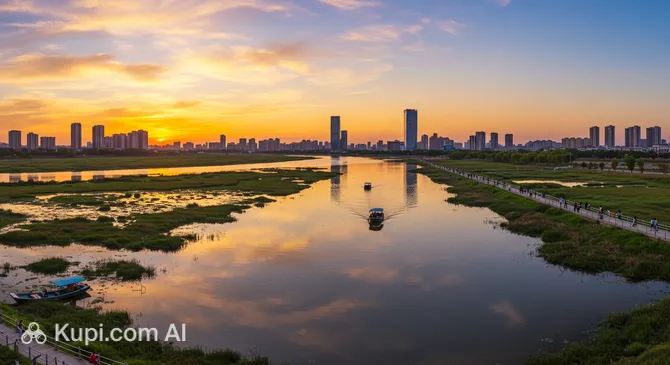
Insider Tip: For a truly authentic and less-visited landscape, drive towards the coast to see the vast salt pans of the region. Dongying has a long history of salt production, and the geometric, mirror-like pools create a surreal and photogenic scene, especially during sunset when the water reflects the changing colors of the sky.
Getting Around

Public transport in Dongying is primarily road-based, as the city does not currently have a metro or light rail system. The layout of the city is unique, split mainly between the East City (Dongcheng) and the West City (Xicheng), which are separated by a significant distance. Consequently, getting around requires a bit of planning, with the public bus network and taxis serving as the main modes of transportation for both locals and visitors.

Public Buses form the backbone of the city's transit system. The network is extensive, connecting the two main districts, industrial areas, and major attractions. Most buses are modern, air-conditioned, and comfortable. Fares are very affordable, typically costing 1 or 2 CNY per ride, regardless of the distance. However, tourists should be aware that bus operating hours in Dongying can be shorter than in China's larger metropolises. While major routes connecting the East and West districts may run until around 8:00 PM or 9:00 PM, many local lines stop operating as early as 6:00 PM or 7:00 PM.

Regarding payment, the system has largely gone digital, though cash is still accepted. If you choose to pay with cash, you must have the exact change (usually coins or 1 CNY notes) to drop into the fare box upon entry, as drivers cannot give change. For a more seamless experience, most travelers use the "Transport" mini-apps within Alipay or WeChat to generate a QR code for scanning. Physical IC transport cards exist for residents, but they are generally not necessary for short-term visitors given the convenience of mobile payments.

For most tourists, taxis and ride-hailing services are the most convenient alternatives. Taxis are plentiful and can be hailed on the street; they are generally colored green, blue, or yellow. They are metered and relatively inexpensive compared to Western standards, though the fare can add up if you are traveling the long distance between the East and West districts. Alternatively, the DiDi app (China's version of Uber) is highly recommended. It allows you to input your destination in English (in the specific English version of the app) and pay automatically, effectively bridging the language gap.

For short trips within a district, shared bicycles are a popular and eco-friendly option. You will see blue (HelloBike), yellow (Meituan), or green (DiDi Bike) bicycles parked on sidewalks throughout the city. Dongying's terrain is flat and the roads are wide, making cycling a pleasant way to explore parks or travel the "last mile" to your hotel. These bikes are unlocked using the respective apps or through Alipay/WeChat scanning.

To navigate the system effectively, it is crucial to download a reliable map app like Gaode Maps (Amap) or Baidu Maps, as international map services are often inaccurate or outdated in this region. Since English signage at bus stops can be limited, it is a good practical tip to have the name of your destination written in Chinese characters on your phone to show a driver or a local if you need assistance.

Accommodation

Finding the right place to stay in Dongying is relatively straightforward, as the city offers a range of accommodation options designed to suit both business travelers and tourists. The selection spans from high-end luxury hotels and well-equipped mid-range establishments to budget-friendly guesthouses. Since the city is a major industrial hub, many hotels maintain high standards of service and amenities to cater to corporate guests, ensuring a comfortable stay for leisure travelers as well.

When choosing a location, it is important to understand the city's unique layout, which is divided into two main districts separated by a distance of about 15 to 20 kilometers. The West City (Xicheng) is the older, more bustling commercial center. Staying here places you in the middle of the action, with easy access to shopping malls, lively night markets, and a wide variety of restaurants. It is the best choice if you prefer a vibrant atmosphere and want to be close to the local street life.

In contrast, the East City (Dongcheng) is the newer administrative district, characterized by wide avenues, modern government buildings, and expansive parks like Qingfeng Lake Park. The atmosphere here is significantly quieter and more spacious. This area is ideal for travelers seeking a peaceful environment, modern facilities, and closer proximity to the Dongying Airport. Shuttle buses and taxis frequently connect the two districts, so travel between them is manageable regardless of where you base yourself.

In terms of pricing, accommodation in Dongying is generally very affordable compared to China's major tourist hubs like Beijing or Shanghai. You can often find excellent value for money, with 4-star and 5-star hotels offering premium rooms at rates that would be considered mid-range elsewhere. Local hotel chains, such as the renowned Blue Horizon brand which originated in Shandong, are particularly popular and offer a reliable standard of luxury and local hospitality.

For booking, it is highly recommended to use major online travel platforms. While walk-ins are possible, booking in advance is a smart move, especially during national holidays or the peak autumn season when visitors flock to see the red wetlands. International travelers should ensure their chosen hotel is authorized to host foreign guests, a detail usually specified on booking sites. Always carry your passport for check-in, as it is a strict requirement for all visitors.

Nearby Cities

For those looking to explore the surroundings, Dongying serves as an excellent base for day trips to several interesting nearby locations. The region is well-connected, allowing travelers to easily experience the diverse history and culture of Shandong Province.

Located less than 100 kilometers away, Zibo is a destination rich in heritage. Known as the capital of the ancient Qi State and the "Ceramic Capital" of China, it offers visitors a chance to explore world-class ceramics museums and ancient ruins. Similarly accessible is Weifang, famous globally as the "Kite Capital of the World." Travelers here can delve into traditional Chinese folk arts, visit the extensive Kite Museum, and appreciate the intricate woodblock prints that the region is celebrated for. Closer still is Binzhou, which shares the Yellow River heritage and offers a quieter, authentic glimpse into local life along the delta.

City Population Distance (km)
Jinan 5,600,000 163
Binzhou 3,928,568 62
Weifang 2,636,154 92
Zibo 2,631,647 88
Pingdu 1,378,900 135

These nearby destinations offer a glimpse into the diverse culture and landscapes of the region, ranging from bustling historical capitals to centers of traditional craftsmanship.

Shopping & Souvenirs

Shopping in Dongying offers a practical and authentic experience that reflects the city's dual identity as an industrial hub and a wetland sanctuary. While it may not boast the high-end luxury fashion avenues of Beijing or Shanghai, the city provides a mix of modern retail complexes and lively local streets where you can find everything from daily necessities to unique regional specialties. The retail scene is generally divided between the older, bustling West City (Xicheng) and the newer, more spacious East City (Dongcheng), giving visitors two distinct atmospheres to explore.

For a taste of the city's commercial energy, head to the Xicheng District, particularly the area along Jinan Road. This is the traditional commercial heart of Dongying, lined with a multitude of clothing boutiques, sporting goods stores, and local shops. It is a great place to walk around, soak in the local vibe, and find affordable fashion or accessories. The streets here are often busy with locals, especially in the evenings, offering a stark contrast to the quiet vastness of the nearby wetlands.

If you prefer a modern, one-stop shopping experience, the city features several large malls. Wanda Plaza, located in the West City, is a popular destination for both locals and tourists. It houses a wide array of international and domestic brands, a cinema, and numerous restaurants on the upper floors. Another reliable option is the Ginza Mall (Inzone), a prominent department store chain in Shandong Province. You will find branches in both the East and West districts, offering high-quality cosmetics, electronics, and supermarket goods in a comfortable, air-conditioned environment.

Given Dongying's location at the mouth of the Yellow River and its proximity to the sea, local markets are heavily focused on fresh produce. While there isn't a famous "tourist" market, the local seafood markets are worth a visit to see the day's catch, ranging from shellfish to river fish. In the warmer months, night markets often spring up near major residential and commercial areas in Xicheng, selling inexpensive clothes, phone accessories, and plenty of street food snacks.

When it comes to souvenirs, Dongying offers unique items rooted in its geography. The most famous local product is the Yellow River Mouth Hairy Crab. Known for its rich flavor, it is a seasonal delicacy available in autumn; while fresh crabs are hard to transport internationally, vacuum-packed options are sometimes available. For a more lasting keepsake, look for Black Pottery, a traditional craft that utilizes the unique soil of the Yellow River delta. Additionally, reed handicrafts—such as intricate paintings or woven items made from the abundant wetland reeds—make for lightweight and culturally significant gifts.

Most shops in Dongying operate daily from around 10:00 AM to 10:00 PM, including weekends. Payment methods are overwhelmingly digital; international credit cards are rarely accepted outside of major hotels or high-end mall counters. It is essential to have Alipay or WeChat Pay set up on your phone, as even small market vendors rely on QR codes for transactions. Cash is accepted but is becoming less common for small purchases.

Travelers should note that tax-free shopping and refund services are generally not available in Dongying. Unlike the major international hubs in China, the retail infrastructure here is primarily geared towards domestic consumers, so visitors should not expect to claim VAT refunds at the airport or in stores.

Reached the end of the page?

That means the route is fully explored