Support

Tangshan

About

Tangshan is a compelling city located in the northeast of the Hebei province in China. Often recognized as the "Porcelain Capital of the North," it is a major industrial hub that has transformed into a modern metropolis. Situated near the coast of the Bohai Sea and neighboring Beijing and Tianjin, the city is home to approximately 3.4 million people. Its strategic location and distinct four-season climate make it a significant stop for travelers exploring the region.

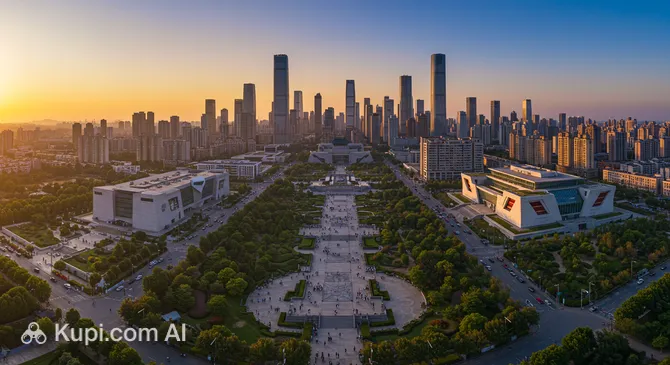
Tangshan. Source: Kupi.Binoculars

The city is perhaps best known for its incredible spirit of resilience. Visitors exploring the history of Tangshan will discover a moving narrative of recovery and rebirth following the devastating earthquake of 1976. Today, Tangshan stands as a testament to human determination, having rebuilt itself into a vibrant urban center with broad avenues, modern architecture, and extensive green spaces.

Tourists will find several unique attractions that highlight the city's culture and heritage. The Tangshan Earthquake Memorial Park is a poignant site that honors the past while celebrating the city's recovery. For art lovers, the local ceramic tradition is world-renowned, and visitors can explore museums dedicated to this delicate craft. Nature enthusiasts will appreciate South Lake Park (Nanhu Park), a massive ecological park that has turned a former mining area into a beautiful landscape of lakes and gardens.

Whether you are interested in industrial heritage, touching historical sites, or the nearby UNESCO-listed Eastern Qing Tombs, Tangshan offers a unique and inspiring experience. It is a city that surprises many visitors with its greenery and modernity, extending a warm welcome to all who come to witness its remarkable story.

Weather Overview

Tangshan experiences a distinct four-season climate characterized by significant temperature variations throughout the year. When planning your trip, it is helpful to check the detailed weather in Tangshan to pack appropriately. Winters are generally cold and very dry, with January being the coldest month, seeing average temperatures drop to around -2.8°C and minimums reaching as low as -7.9°C.

In contrast, the summer months bring heat and increased humidity. July is typically the warmest time of year, with average temperatures rising to 27.5°C and daily highs often exceeding 31°C. This season also sees the highest frequency of precipitation, particularly in July and August, which record about 14 wet days each. Spring and autumn offer milder transitions, with May and September providing pleasant average temperatures of roughly 20°C to 22°C. Expect warm summers with occasional rain and cold, dry winters.

Interesting Facts

Beyond the main attractions and its well-known story of resilience, Tangshan holds fascinating secrets that reveal its deep cultural and historical significance. Here are a few unique aspects of the city that often surprise visitors:

  • The Cradle of Modern Industry: Tangshan is famous for achieving "Seven Firsts" in China's industrial history. It was the birthplace of the country's first standard-gauge railway, the first steam locomotive (named the "Rocket of China"), and the first successful mechanized coal mine, cementing its legacy as a pioneer of modernization.

  • The Underwater Great Wall: In the Qianxi County area of Tangshan, a unique section of the Great Wall at Panjiakou Pass is partially submerged in a reservoir. This rare sight, where the ancient stone structure dives into the water, creates a stunning contrast between history and nature that is unlike any other part of the wall.

  • Home of Shadow Puppetry: The city is renowned for its exquisite Tangshan Shadow Play, a folk art that uses intricate puppets made from donkey hide. Known for its delicate carving and distinct singing style, this tradition is celebrated as a national intangible cultural heritage.

  • Birthplace of Bone China: While the city is generally known for ceramics, it is specifically the birthplace of Chinese bone china. Today, Tangshan produces the vast majority of the country's high-grade bone china, which is prized globally for its thinness, whiteness, and transparency.

How to Get There

Reaching Tangshan is relatively convenient due to its proximity to major Chinese transportation hubs like Beijing and Tianjin, as well as its own developing infrastructure. Whether you are arriving from within China or from abroad, there are several routes to consider. For a detailed breakdown of all available options, you can read more about how to get to Tangshan to plan your journey effectively.

The city is served by its own airport, Tangshan Sannuhe Airport (TVS), which is the closest option for travelers. Located just 19.0 km from the city center, it primarily handles domestic regional flights. For international travelers or those looking for more frequent connections, Tianjin Binhai International Airport (TSN) is a major alternative. This airport is located in the city of Tianjin, approximately 90.4 km from Tangshan. A journey by taxi or bus from Tianjin Binhai to Tangshan typically takes around 2 hours and 35 minutes.

Another significant option is the massive Beijing Capital International Airport (PEK), one of the busiest aviation hubs in the world. Situated in Beijing, it is about 145.4 km away from Tangshan. While further away, it offers extensive global connections. Travelers landing here can expect a ground transfer time of approximately 4 hours to reach Tangshan.

For clarity, here is a summary of the main airports:

Airport Name City Passenger Traffic Km from City
Beijing Capital International AirportBeijingVery Large145.4
Beijing Daxing International AirportBeijingLarge152.7
Tianjin Binhai International AirportTianjinLarge90.4
Tangshan Sannuhe AirportTangshanSmall19.0
Qinhuangdao Beidaihe AirportYejituoSmall75.4

Regarding rail travel, the region is well-integrated into China's vast railway network. While Tangshan has its own stations, travelers exploring the wider Hebei province might encounter Baoding Railway Station (BVQ). It is important to note that this station is located in the city of Baoding, which is approximately 248.7 km from Tangshan. Due to the significant distance, a transfer by road from Baoding to Tangshan would take roughly 6.5 hours, so checking for more direct train routes to Tangshan's local stations is advisable.

Below is the data for the railway station mentioned:

Station City Passenger Traffic Km to Center
Baoding Railway StationBaodingLarge248.7

Main Attractions

Eastern Qing Tombs

One of the most significant historical sites in the region is the Eastern Qing Tombs, located in Zunhua within Tangshan's administrative area. As a UNESCO World Heritage Site, it stands as the largest and best-preserved imperial mausoleum complex in China. The site is the final resting place for five emperors, 15 empresses, and numerous imperial concubines. Tourists are particularly drawn to the tomb of Empress Dowager Cixi, which is renowned for its incredibly lavish interior and intricate stone carvings, offering a fascinating glimpse into the grandeur and artistry of China's imperial past.

Kailuan National Mine Park

For a unique look at the city's identity, the Kailuan National Mine Park offers a deep dive into industrial history. Tangshan is often celebrated as the "Cradle of Chinese Modern Industry," and this park preserves the site of one of the country's first mechanized coal mines. Visitors can explore a comprehensive museum detailing the evolution of industry or take an exciting underground tour. The experience allows guests to descend into restored mining tunnels, providing an immersive perspective on the working conditions and technological advancements of the early 20th century.

Panjiakou Underwater Great Wall

Nature and history converge spectacularly at the Panjiakou Reservoir, home to the famous "Underwater Great Wall." Unlike typical sections of the ancient fortification that run along mountain ridges, this unique segment dives directly into the water, the result of a dam project constructed in the 1970s. It is a favorite destination for photographers and outdoor enthusiasts. Travelers can take boat tours to get up close to the submerged watchtowers, enjoying the surreal contrast between the rugged ancient stone and the calm, expansive lake waters.

Tangshan Earthquake Memorial Park

A visit to the city is incomplete without pausing at the Tangshan Earthquake Memorial Park. This poignant site is dedicated to the memory of the devastating 1976 earthquake and the city's remarkable recovery. The park features a massive Memorial Wall engraved with the names of victims, serving as a powerful tribute to those lost. It is a place of deep emotional resonance that allows visitors to understand the resilience of the local people and the sheer scale of the reconstruction efforts that shaped modern Tangshan.

South Lake Park (Nanhu Park)

For a relaxing escape, South Lake Park serves as the city's "green lung" and a model of ecological restoration. Once a subsidence area caused by coal mining, it has been transformed into a beautiful landscape of vast lakes, lotus ponds, and manicured gardens. It is an excellent spot for walking, boating, and cycling. In the evenings, the park often features dazzling light shows and illuminated fountains, making it a vibrant destination for nightlife and leisure.

Local Cuisine

Tangshan offers a distinctive culinary experience that blends the savory, hearty flavors typical of Northern China with the fresh abundance of the Bohai Sea. Due to its coastal location, seafood plays a major role in the local diet. Visitors can expect to find high-quality prawns, crabs, and shellfish prepared in various ways, from simple steaming to rich braising in soy sauce. The cuisine here is generally salty and savory, sharing some characteristics with neighboring Beijing and Tianjin but maintaining its own unique local identity.

One of the city's most famous snacks is the Tangshan Honey Pastry (Fengmi Matang). This sweet treat has a history dating back hundreds of years and is renowned for its intricate preparation. The pastry is made from flour and honey, fried to a golden crisp, and shaped into loose, flower-like layers that are paper-thin. It is sweet but not cloying, making it a perfect souvenir or a tea-time companion. Another must-try street food is the Chessboard Baked Cake (Qizi Shaobing). These small, round cakes resemble pieces from a Chinese chess set and are typically filled with savory meat stuffing, offering a delightful crunch on the outside and a soft, flavorful interior.

For a heartier meal, look for the celebrated Wanli Xiang Roast Chicken. This dish is a local favorite known for its tender meat and deep, aromatic flavor, achieved through a special blend of spices and slow cooking techniques. It is often cited as one of the top traditional foods in the region. The dining scene in Tangshan ranges from bustling night markets, where you can grab these snacks on the go, to sit-down restaurants that serve elaborate banquets centered around the catch of the day.

When it comes to beverages, locals often enjoy pairing their meals with beer, a popular choice in this industrial city, or traditional Chinese spirits like Baijiu during festive occasions. For non-alcoholic options, soybean milk and various teas are staples accompanying breakfast or light meals. The food culture in Tangshan is unpretentious and welcoming, inviting tourists to explore authentic flavors in a lively, down-to-earth atmosphere.

Travel Tips

Visiting Tangshan offers a unique glimpse into a city defined by its industrial heritage and remarkable spirit of resilience, but a smooth trip requires a bit of preparation. To help you navigate the "Phoenix City" with ease and confidence, here are some practical tips designed to enhance your travel experience.

  1. Clothing and Gear: The weather in Tangshan varies significantly by season. If you visit in winter, bring heavy thermal clothing, gloves, and a hat, as temperatures frequently drop below freezing. Summers are hot and humid, so light, breathable fabrics are best, along with a sturdy umbrella for the rainy season in July and August. Since you will likely be walking extensively at sites like South Lake Park or the Eastern Qing Tombs, comfortable walking shoes are a must.

  2. Transportation: While Tangshan has an extensive bus network, the routes and signs are predominantly in Chinese, which can be challenging for international visitors. The most convenient way to get around is by using taxis or ride-hailing apps like DiDi (the local equivalent of Uber), which often have English interfaces. If you plan to visit the Great Wall sections or tombs on the outskirts, hiring a private driver for the day is often the most efficient option.

  3. Finances: The official currency is the Renminbi (RMB). While major hotels may accept international credit cards, daily life in Tangshan runs on mobile payments. It is highly recommended to set up Alipay or WeChat Pay on your phone before arrival, as even small street vendors prefer these methods. Always carry some cash for emergencies, but do not rely solely on foreign cards.

  4. Health and Safety: Tangshan is generally a very safe city for tourists. However, as an industrial hub, air quality can vary; travelers with respiratory issues might want to check daily pollution levels and carry a mask if necessary. Pharmacies are common and usually marked with a green cross, but bring your own prescription medications. Never drink tap water; always opt for bottled or boiled water.

  5. Communication: English is not widely spoken outside of high-end hotels and major tourist offices. It is essential to download a reliable translation app that works offline. Since popular Western apps (like Google Maps and WhatsApp) are blocked in China, ensure you have a roaming plan or a local SIM card with data to access navigation and translation tools. Buying a SIM card at the airport upon arrival in China is the easiest solution.

  6. Local Etiquette: When visiting the Tangshan Earthquake Memorial Park, maintain a somber and respectful demeanor, as this is a site of deep emotional significance for locals. In general interactions, a polite nod or a handshake is the standard greeting. If you are dining out, remember that sharing food is common; wait for the host to start eating before you begin.

  7. What to Avoid: Avoid taking photos of people without permission, especially at the memorial sites where locals may be mourning. Additionally, avoid getting into loud arguments or losing your temper in public; maintaining "face" and public harmony is culturally important, and patience will get you much further than frustration.

  8. Shopping Tip: As the "Porcelain Capital of the North," Tangshan is the perfect place to buy high-quality bone china. When shopping in local ceramic markets, it is acceptable to negotiate prices politely. Look for the "Tangshan Bone China" mark to ensure authenticity, and ask the shopkeeper to pack your items securely for travel.

By keeping these practical tips in mind, you will be well-equipped to explore everything from Tangshan's moving history to its modern marvels. Enjoy your journey through this dynamic city, and embrace the warm hospitality of its people!

Entertainment & Nightlife

Tangshan offers a nightlife scene that is vibrant yet distinctly grounded in local culture, shifting the focus from frantic clubbing to social dining, immersive entertainment, and scenic evening strolls. While the city may not rival Beijing's international party scene, it provides a warm and lively atmosphere where visitors can experience the authentic lifestyle of Northern China after dark.

The heart of the city's evening entertainment is undoubtedly the Lubei District, particularly the areas surrounding Wanda Plaza and Yuanyang City. These commercial hubs come alive at night, bustling with young locals and travelers. Here, you will find a dense concentration of modern bars, pubs, and karaoke (KTV) lounges, which are a staple of Chinese nightlife. The atmosphere in these districts is casual and welcoming, with most venues operating well past midnight. There is generally no strict dress code; smart-casual attire is perfectly suitable for almost any bar or lounge in the city.

For a unique combination of dining and entertainment, Tangshan Banquet (Tangshan Yan) is a standout venue that serves as a living museum of local culinary culture. It is more than just a restaurant; it is an immersive experience featuring traditional architecture, lantern-lit streets indoors, and live folk performances. It is an excellent place to spend an evening sampling local snacks and soaking in a nostalgic atmosphere that celebrates the region's heritage.

If you prefer a more visual spectacle, the area around South Lake Park (Nanhu Park) transforms beautifully at night. The park hosts impressive light shows and illuminated fountain performances that reflect over the water, creating a romantic and photogenic setting. Nearby, the Tangshan Grand Theatre offers a more sophisticated evening out, regularly staging concerts, operas, and theatrical plays in a stunning architectural landmark that glows against the night sky.

Practicalities for a night out in Tangshan are straightforward. The city is very safe, and walking in well-lit commercial areas like Lubei is secure for tourists. Public transport winds down around 9:00 PM or 10:00 PM, so the best way to get around is by taxi or ride-hailing apps like DiDi, which are plentiful and affordable. A typical taxi ride within the city center at night will cost very little, making it easy to hop between dinner and a bar.

Beyond the nightlife, Tangshan offers engaging daytime entertainment options. Families and culture enthusiasts can explore the city's various museums or enjoy the amusement facilities often found near the major parks. Whether you are catching a matinee at the theater or exploring the bustling shopping districts during the day, the city provides a balanced mix of leisure activities to fill your itinerary before the sun goes down.

Parks & Museums

Tangshan has successfully transformed from a purely industrial hub into a city that embraces ecological restoration and cultural preservation. Beyond its famous memorial sites, the city offers a variety of lush parks and specialized museums that provide a deeper understanding of its local heritage and artistic achievements.

Dachengshan Park is one of the city's most prominent green spaces, located just north of the city center. Centered around Dacheng Hill, the park is steeped in history, with legends dating back to the Tang Dynasty. It serves as a comprehensive recreation area featuring a zoo, botanical gardens, and winding hiking trails. For tourists, climbing to the pavilion at the summit offers a rewarding panoramic view of the evolving Tangshan skyline, blending the old city layout with modern developments.

Another favorite among locals is Phoenix Mountain Park (Fenghuangshan Park). Situated in the heart of the city, this park is named after the hill that resembles a resting phoenix. It is a lively spot where visitors can observe authentic local life, from morning Tai Chi practitioners to families enjoying leisure time. The park is beautifully landscaped with pavilions and shaded walkways, making it a perfect urban retreat for a relaxing afternoon stroll.

For those interested in the artistic soul of the "Porcelain Capital," the Tangshan Ceramics Museum is an essential stop. This facility is dedicated to the city's centuries-old ceramic tradition, showcasing exquisite examples of bone china, jade porcelain, and industrial ceramics. Visitors can learn about the complex firing processes and admire masterpieces that have been presented as state gifts, offering insight into why Tangshan's craftsmanship is renowned globally.

The Tangshan Museum, located at the foot of Phoenix Mountain, offers a broader look at the region's cultural timeline. Its exhibits cover everything from prehistoric relics to the folk arts that define the area, such as the famous Tangshan Shadow Play and Pingju Opera. It is a fantastic place for history buffs to contextualize the city's resilience and cultural depth beyond its industrial achievements.

In terms of architecture, the Tangshan Grand Theatre stands out as a modern landmark. Its sleek, contemporary design contrasts with the city's older industrial structures, symbolizing Tangshan's cultural renaissance. Nearby, the Monument to the Anti-Seismic Struggle in the central square remains a powerful architectural symbol, distinct from the memorial park, standing tall to commemorate the collective strength of the people.

For a truly authentic experience, try visiting Dachengshan Park shortly after sunrise. This is when the park is most vibrant with local culture, as residents gather to practice calligraphy with water on the pavement, sing traditional opera, or engage in sword dancing—a candid glimpse into the city's community spirit that few tourists see.

Getting Around

Navigating Tangshan is relatively straightforward, although the city relies primarily on an extensive bus network and taxis rather than a subway system. Unlike some of its larger neighbors, Tangshan does not currently have an operational metro for urban transit. The public transportation system is designed to handle the daily commute of its millions of residents effectively, offering an affordable and authentic way for visitors to explore the city's districts and reach major attractions.

The public bus system serves as the backbone of local transport. It covers the entire urban area and extends to suburban districts like Fengnan and Kaiping. Buses are generally modern, clean, and air-conditioned. Route numbers are clearly displayed, but station names and announcements are predominantly in the local language. Most regular bus lines operate on a flat-fare basis, typically costing around 1 or 2 RMB per ride, making it an incredibly economical way to get around.

When it comes to payment, the city has fully embraced digital solutions. While you can still pay with cash, you must have the exact change ready to drop into the fare box upon boarding, as drivers do not carry change. For a smoother experience, most locals and travelers use mobile payment apps like Alipay or WeChat Pay, which feature "Transport" mini-apps that generate a QR code for scanning. If you are traveling across multiple cities in the region, a China T-Union transport card (often purchased in Beijing or Tianjin) may also work on Tangshan buses, offering a convenient "tap-and-go" option.

For those seeking more comfort or direct routes, taxis are plentiful and reasonably priced. You can easily flag one down on the street; a green light on the roof indicates the taxi is available. All legitimate taxis are equipped with meters, and you should ensure the driver uses it. Alternatively, ride-hailing apps are extremely popular and often easier for tourists since you can input your destination in English (depending on the app version) or pinpoint it on a map. DiDi is the primary service provider here, offering options from budget rides to premium cars.

Shared bicycles provide a fantastic alternative for short distances, especially for exploring areas like South Lake Park or the city center's wide avenues. You will find rows of dockless bikes (usually blue, yellow, or green) on sidewalks throughout the city. These can be unlocked using the scan function within Alipay or WeChat. It is a healthy and flexible way to see the city at your own pace, bridging the gap between bus stops and your final destination.

Practical advice for tourists includes being mindful of operating hours. Unlike in major metropolises where transport runs late into the night, many bus routes in Tangshan stop operating around 8:00 PM or 9:00 PM. If you plan to enjoy the nightlife, be prepared to take a taxi back to your accommodation. Additionally, since English signage at bus stops can be limited, it is highly recommended to have a navigation app on your phone to track your route in real-time and know exactly when to get off.

Accommodation

Accommodation in Tangshan reflects its status as a growing modern metropolis, offering a wide spectrum of options that cater to both business travelers and leisure tourists. The city provides everything from luxurious five-star international hotels to functional mid-range business chains and budget-friendly guesthouses. Because Tangshan is a major industrial hub, the standard of service in higher-end establishments is generally excellent, often comparable to what one might find in larger cities like Beijing, but at a more competitive price point.

When choosing where to stay, location is key to a convenient experience. The most popular area for tourists is the Lubei District, particularly around the commercial hubs of Wanda Plaza and Yuanyang City. Staying here places you in the heart of the action, with easy access to shopping malls, restaurants, and the city's vibrant nightlife. For those seeking a quieter, more scenic environment, the area surrounding South Lake Park (Nanhu Park) offers resort-style accommodations where you can enjoy lake views and peaceful gardens while still being a short taxi ride from the city center.

Booking Tips and Prices

Travelers should be aware that accommodation prices in Tangshan are generally very reasonable. A stay in a high-quality, mid-range hotel typically costs significantly less than in neighboring Beijing or Tianjin. Luxury options are also quite affordable by international standards. However, it is important to book in advance, especially during major Chinese holidays like the Spring Festival or National Day Golden Week, when availability can tighten.

For international visitors, a crucial tip is to ensure your chosen hotel is licensed to accept foreign guests. Not all budget or smaller properties in China have this authorization. It is highly recommended to book through major international platforms like Trip.com, Agoda, or Booking.com, as these sites usually indicate whether a property can host non-Chinese citizens. Always have your passport ready for check-in, as registration with the local police is a mandatory procedure handled by the hotel staff.

Nearby Cities

For those looking to explore the surroundings, Tangshan serves as an excellent base for day trips to several interesting nearby locations. The region offers a mix of bustling metropolises, historical treasures, and scenic landscapes, allowing travelers to experience the diversity of Hebei province and its neighbors.

Tianjin is a major highlight located just a short distance away. As one of China's four direct-controlled municipalities, it offers a fascinating blend of Chinese heritage and European architectural influence. Visitors can stroll through the "Five Great Avenues" to see historic colonial-era mansions, explore the Ancient Culture Street for traditional crafts, or enjoy a ride on the massive Eye of Tianjin Ferris wheel. It provides a cosmopolitan contrast to Tangshan's industrial charm.

For history enthusiasts, Zunhua is an essential stop. This smaller city is world-famous for being the home of the Eastern Qing Tombs, a UNESCO World Heritage Site. Here, travelers can explore the grand mausoleums of emperors and empresses set against a backdrop of mountains. It is a quiet, contemplative destination that offers a deep dive into China's imperial past.

Another worthwhile destination is Qian'an, known for its proximity to unique sections of the Great Wall, such as the Xifengkou underwater section (part of the Panjiakou area). The city has also focused heavily on ecological restoration, creating large parks and water areas that make for pleasant outdoor excursions.

City Population Distance (km)
Tianjin 10,368,000 104
Zunhua 737,011 58
Qian'an 728,160 60
Sanhe 652,042 98
Hangu 332,793 52

These nearby destinations offer a glimpse into the diverse culture and landscapes of the region, making them perfect additions to your itinerary.

Shopping & Souvenirs

Shopping in Tangshan offers a delightful mix of modern retail experiences and traditional treasure hunting. As a rapidly developing metropolis, the city boasts large, contemporary shopping complexes that rival those in bigger cities, featuring international brands and entertainment facilities. However, the true highlight for any visitor is exploring the local specialty stores, particularly those dedicated to the city's world-famous ceramic industry. Whether you are looking for high-end fashion or a delicate piece of craftsmanship to take home, Tangshan provides a diverse range of options.

The primary hub for shopping is located in the Lubei District, which serves as the commercial heart of the city. Here, broad avenues are lined with department stores and boutiques. The area surrounding the Anti-Seismic Monument Square and Xinhua Road is particularly lively, offering a blend of established retail giants and smaller, independent shops. This district is perfect for a walking tour, allowing tourists to soak in the urban atmosphere while browsing for clothes, electronics, and local goods.

For a one-stop shopping experience, the city's modern malls are the best destination. Tangshan Wanda Plaza is a favorite among locals and tourists alike, housing a vast array of fashion retailers, restaurants, and a cinema under one roof. It is a convenient place to find familiar global brands. Another prominent destination is Yuanyang City (often referred to as Ocean City), a sprawling complex that combines shopping with leisure activities, making it an excellent spot for families to spend an afternoon.

If you are interested in local culture, you must visit the markets and specialty shops dedicated to ceramics. Since Tangshan is known as the "Porcelain Capital of the North," finding a dedicated Ceramics Market or visiting the factory outlets is a highlight. These venues offer everything from daily tableware to exquisite artistic pieces at prices significantly lower than what you would find elsewhere. Additionally, bustling food markets in the residential areas are great for finding local snacks and observing daily life.

When it comes to souvenirs, Bone China is the undisputed top choice. Known for its thin, translucent, and durable quality, a tea set or a decorative vase made in Tangshan is a prestigious gift. Beyond ceramics, food items are popular to bring back. Tangshan Honey Pastry (Fengmi Matang) is a sweet, flaky treat that travels well. Visitors should also look for Qianxi Chestnuts, a regional specialty famous throughout China for their sweetness and soft texture.

Most shopping malls and large department stores operate from around 10:00 AM to 9:30 PM or 10:00 PM. Smaller street shops may close earlier, while night markets can stay open late. regarding payment, digital wallets like Alipay and WeChat Pay are the standard and are accepted almost everywhere, from luxury counters to street vendors. While major malls accept credit cards, cash is still useful for smaller transactions, though it is becoming less common.

Regarding tax refunds, China does have a tax-free shopping policy for international tourists in designated stores. While this is more common in major hubs like Beijing or Shanghai, some large department stores in Tangshan may participate in the scheme. Look for the "Tax Free" signage at the entrance or customer service desk, and be sure to have your passport handy if you wish to apply for a refund on eligible purchases.
Reached the end of the page?

That means the route is fully explored