Support

Chaoyang

About

Welcome to Chaoyang, a captivating destination situated in the western part of the Liaoning province. Known for its remarkable paleontological discoveries and deep cultural roots, this city offers a unique window into the ancient past of China. With a population of over 3 million, it serves as a bustling regional hub that beautifully balances its rich heritage with modern development, providing travelers with an authentic glimpse into life in the northeast.

The region boasts a legacy that stretches back millennia, earning it a prestigious reputation among historians and archaeologists. Visitors fascinated by the past will find the history of Chaoyang particularly intriguing, especially its distinction as a center of the "Three Yan" culture. The city is often celebrated as the birthplace of the first flower and the first bird, making it a globally significant site for fossil enthusiasts and researchers alike.

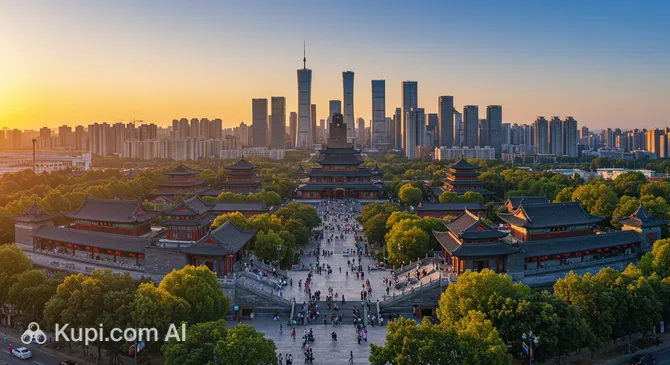
Chaoyang. Source: Kupi.Binoculars

Beyond its reputation as a "Fossil Kingdom," Chaoyang is home to impressive architectural landmarks. The majestic North Pagoda and South Pagoda stand as testaments to the city's spiritual and artistic traditions, drawing pilgrims and tourists to admire their intricate designs. Nature lovers can explore the Bird Fossil National Geopark, where the secrets of prehistoric life are unveiled in a stunning geological setting.

Whether you are a history buff, a nature enthusiast, or simply a traveler seeking off-the-beaten-path adventures, Chaoyang promises an unforgettable experience. We invite you to plan your visit and discover the ancient wonders and warm hospitality of this extraordinary city.

Weather Overview

Chaoyang experiences a continental climate with four distinct seasons, characterized by significant temperature variations throughout the year. When planning your visit, it is helpful to check the weather in Chaoyang to ensure you pack appropriately for the specific time of your travel.

Winters in the city are cold and dry, making warm clothing a necessity. January is typically the coldest month, with average temperatures dropping to -8.1°C and minimums reaching as low as -13.8°C. Precipitation is extremely rare during this season, with December often seeing zero wet days and January averaging only one.

In contrast, the summer months bring warmth and a higher frequency of rainfall. July is the hottest month, featuring an average temperature of 24.9°C and highs around 29.4°C. This is also the wettest period of the year, with July and August each averaging about 13 wet days. Expect warm summers with occasional rain and cold, dry winters.

Spring and autumn serve as pleasant transitional periods. May offers comfortable averages of 18.0°C, while September begins to cool down with an average of 18.3°C. These months are generally drier than summer, with fewer wet days, making them excellent times for exploring the outdoor attractions of the region.

Interesting Facts

Beyond the main attractions, Chaoyang holds many fascinating secrets that reveal its profound significance in both human history and the natural world. Here are some unique facts that highlight the city's extraordinary heritage:

  • Double Sacred Relics: The North Pagoda is a site of immense spiritual rarity. During restoration work in 1988, archaeologists discovered reliquaries containing the sharira (sacred relics) of not just one, but two Buddhas—Sakyamuni and Dipankara—making it a unique destination for pilgrims.

  • The First Flower: While the region is known for fossils, it specifically yielded the Archaefructus liaoningensis. This discovery is scientifically hailed as the "first flower," pushing the history of angiosperms (flowering plants) back to the Jurassic period.

  • Dragon City: In ancient times, the city was known as Longcheng, or "Dragon City." It served as the capital for three consecutive dynasties—the Former Yan, Later Yan, and Northern Yan—during the chaotic Sixteen Kingdoms period.

  • Origin of the Dragon Totem: The nearby Niuheliang archaeological site, belonging to the Hongshan Culture, unearthed the famous jade "pig-dragon." This artifact is considered one of the earliest physical representations of the dragon in Chinese culture, dating back over 5,000 years.

How to Get There

Reaching this historic part of Liaoning province requires a bit of planning, as direct connections may depend on your point of departure. While the city is well-connected by road, international travelers often arrive via major transport hubs in neighboring cities. You can find more detailed information about all ways to reach Chaoyang on our dedicated page, but here is an overview of the most convenient options nearby.

The city of Chaoyang does not have a major commercial airport listed in the immediate vicinity, so most visitors fly into airports in surrounding cities. The closest option is Jinzhou Airport (JNZ), located in the city of Jinzhou, approximately 99 km away. The transfer from there by taxi or bus typically takes around 3 hours. Alternatively, you can fly into Chifeng Airport (CIF) in Chifeng, which is about 147 km from Chaoyang. This regional hub handles a significant number of passengers, and the ground journey to your destination takes approximately 4 hours.

For clarity, here is a summary of the main airports nearby:

Airport Name City Passenger Traffic Km from City
Chifeng Airport Chifeng Medium 147.4
Jinzhou Airport Jinzhou Small 99.1
Caledonia Airport Chengde Small 205.1
Anshan Teng'ao Airport Anshan Small 207.8
Yingkou Lanqi Yingkou Small 197.0

For those preferring rail travel, it is important to note that the major railway stations listed are also located in other cities, requiring a subsequent transfer. The Fuxin Railway Station (FFF) in Fuxin is the nearest significant rail hub, situated about 109 km from Chaoyang. From there, a taxi or bus ride takes roughly 3 hours. Another option for travelers is the Liaoyang Railway Station (LQQ) in Liaoyang, a busy station located approximately 229 km away. Visitors arriving here will need to arrange further transport to reach Chaoyang.

Below is a list of the nearest railway stations:

Station City Passenger Traffic Km to Center
Liaoyang Railway Station Liaoyang Large 229.0
Fuxin Railway Station Fuxin Large 108.9
Anshanxi Railway Station Anshan 211.9
Yingkou East Railway Station Yingkou 196.4
Bayuquan Railway Station Yingkou 206.9

Main Attractions

Chaoyang is often referred to as a "cultural corridor" where history and nature intersect in spectacular ways. For travelers, the city offers a fascinating mix of ancient geological wonders and profound spiritual heritage. Whether you are an archaeology enthusiast or a lover of scenic landscapes, the main attractions here provide a journey through time, from the Mesozoic era to the dynasties of imperial China.

Undoubtedly, the crown jewel of the city's tourism is the Chaoyang Bird Fossil National Geopark. This site is globally renowned and often described as a "Paleontological Mecca." It sits on the strata where the world's first bird and first flowering plant fossils were discovered. Visitors can explore a vast museum housing incredibly preserved specimens of ancient life, including dinosaurs, pterosaurs, and early mammals. The park also features an on-site excavation hall, allowing you to see exactly how these treasures are unearthed from the rock, offering a rare glimpse into the "Pompeii of the Cretaceous."

For those interested in religious history and architecture, Phoenix Mountain (Fenghuang Shan) is a must-visit destination located just a short distance from the city center. It has been a sacred site for Buddhism for over 1,600 years, dating back to the Eastern Jin Dynasty. As you hike up the scenic trails, you will encounter ancient temples nestled among lush greenery and dramatic cliffs. The mountain is not only a place of spiritual solace but also offers panoramic views of the surrounding landscape, making it perfect for both pilgrims and nature photographers.

In the heart of the city, the North Pagoda and South Pagoda stand as silent sentinels of Chaoyang's glorious past as the "Three Yan Capital." The North Pagoda is particularly significant, as it is one of the few ancient structures in the world where relics of two Buddhas were found. These pagodas are masterpieces of brick architecture, showcasing the intricate styles of the Liao Dynasty. Walking around these historic monuments provides a serene contrast to the modern bustle of the city streets and offers a tangible connection to the region's deep Buddhist roots.

Finally, a trip to Chaoyang would be incomplete without acknowledging the Niuheliang Archaeological Site. Although situated a bit further out in the prefecture, it is a pivotal attraction for understanding Chinese civilization. This site belongs to the Hongshan Culture and is famous for the "Goddess Temple" and the discovery of the jade pig-dragon. It challenges traditional views on the origins of civilization in the region, offering tourists a chance to stand on the ground where complex societies thrived over 5,000 years ago.

Local Cuisine

The local cuisine of Chaoyang is a hearty reflection of its location in Northeast China, offering flavors that are robust, savory, and deeply satisfying. Rooted in the traditions of "Dongbei" cooking, the food here is designed to provide warmth and energy during the cold winters, with a strong emphasis on wheat, millet, and preserved vegetables. Dining in Chaoyang is not just about sustenance; it is a communal experience characterized by generous portions and a welcoming atmosphere.

One of the most iconic dishes you must try is Stewed Chicken with Mushrooms (Xiao Ji Dun Mo Gu). This classic regional staple typically uses wild hazelnuts mushrooms, which add a distinct earthy aroma to the tender chicken and glass noodles. Another local favorite is Suancai Bairou, a comforting hot pot dish featuring pickled Chinese cabbage and thin slices of pork belly. For breakfast, locals often gravitate towards Chaoyang Miancha, a savory porridge made from millet flour and topped with a rich sesame sauce, offering a unique texture and nutty flavor that distinguishes it from versions found in other parts of China.

Chaoyang is also famous for its unique snacks and local produce. Be sure to try the traditional Sesame Flakes (Zhimapian), a crispy and sweet pastry that has been produced in the region for generations. Additionally, the city is a major producer of millet, so you will often find various millet-based cakes and porridges accompanying meals, showcasing the grain's versatility in local cooking.

When it comes to beverages, the city offers something truly special: Sea Buckthorn Juice. Chaoyang is home to vast forests of sea buckthorn (shaji), and the bright orange berries are pressed into a tart, vitamin-rich juice that is both refreshing and healthy. For those seeking something stronger, the local grain alcohol (baijiu) is a popular choice at dinner tables, often shared among friends to toast a special occasion.

The food culture in Chaoyang is vibrant and unpretentious. Locals love to gather at night markets and street food stalls, especially in the warmer months, to enjoy BBQ skewers (chuan'er). These grilled delights, seasoned with cumin and chili, are a staple of Liaoning's nightlife. Whether you are dining in a bustling "Iron Pot Stew" restaurant or grabbing a quick bite from a street vendor, the culinary scene here promises an authentic taste of life in the Northeast.

Travel Tips

To ensure your journey to Chaoyang is as smooth and enjoyable as possible, we have compiled a list of essential travel advice. As a city with deep historical roots and a distinct local culture, a little preparation goes a long way in helping you navigate daily life and connect with the friendly locals.

  1. Clothing and Gear: The climate here dictates your wardrobe. If visiting in winter, heavy insulation is non-negotiable; bring thermal layers, a high-quality down jacket, gloves, and a hat to withstand freezing temperatures. Summers are warm, so light, breathable fabrics are best, but always carry a compact umbrella for the rainy season in July and August. Since exploring the Bird Fossil National Geopark and hiking Phoenix Mountain involves significant walking, sturdy and comfortable walking shoes are a must.
  2. Transportation: In Chaoyang, taxis are the most convenient and affordable way to get around for tourists. You can hail them on the street, but it is highly recommended to use ride-hailing apps like DiDi (the local equivalent of Uber), which often have English interfaces or can be used via Alipay. Public buses are very cheap (usually 1 RMB), but routes and announcements are exclusively in Mandarin. Always have your destination written in Chinese characters to show the driver.
  3. Finances: The local currency is the Renminbi (RMB/CNY). While credit cards are accepted in high-end hotels, daily life in Chaoyang runs on mobile payments. It is strongly advised to set up Alipay or WeChat Pay on your phone and link your international bank card before arrival. Carry some physical cash for smaller vendors or taxi drivers who might not accept foreign-linked digital wallets. ATMs at major branches like the Bank of China are your best bet for withdrawing cash with international cards.
  4. Health and Safety: Chaoyang is generally a very safe city for travelers. However, tap water is not potable; always buy bottled water or boil it before drinking. Pharmacies are easily identifiable by a green cross sign, and many basic medications are available over the counter, though labels will be in Chinese. It is wise to bring a translation app to communicate your symptoms if you need specific medicine.
  5. Communication: English proficiency is not widespread outside of major hotels and tourist information centers. A reliable translation app on your smartphone is essential; apps like Baidu Translate or Microsoft Translator work well locally. Be sure to download an offline language pack before you arrive. To stay connected, purchase a local SIM card at the airport or a major telecom store, and consider installing a VPN beforehand if you need to access your usual international social media or email apps.
  6. Local Etiquette: The people of Northeast China (Dongbei) are known for their warm, straightforward, and hospitable nature. In restaurants, the atmosphere can be lively and loud, which is a sign of enjoyment rather than rudeness. When dining with locals, it is polite to try a bit of everything served. If alcohol is involved, toasting is a common social ritual; always stand or make eye contact when clinking glasses to show respect.
  7. What to Avoid: Given Chaoyang's status as a fossil hub, you will see many fossil replicas and stones for sale. Strictly avoid purchasing or attempting to export genuine ancient fossils without official certification and government permission. China has stringent laws regarding the protection of paleontological heritage, and taking undocumented fossils out of the country is illegal and can lead to severe penalties.
  8. Additional Tip: Wake up early to experience the local Morning Markets. These bustling street markets are where the city comes alive at dawn, offering a fantastic array of fresh produce, hot soy milk, and fried dough sticks. It is the perfect place to observe authentic daily life, try cheap and delicious breakfast snacks, and pick up some local Sea Buckthorn products as unique gifts.

Armed with these practical tips, you are ready to explore the ancient wonders of Chaoyang with confidence. Embrace the local customs, stay prepared for the weather, and enjoy the unique charm of this historic corner of Liaoning.

Entertainment & Nightlife

While Chaoyang may not boast the high-energy clubbing scene of a global metropolis, its nightlife offers a warm, authentic, and lively experience deeply rooted in the local culture of Northeast China. The evening entertainment here is less about thumping bass and velvet ropes, and more about communal dining, vibrant public squares, and scenic riverside walks. The city comes alive after dark in a way that allows visitors to mingle with locals and witness the genuine rhythm of life in Liaoning.

The heartbeat of the city's night activity is undoubtedly the Shuangta District, the central urban area. Here, the nightlife is dominated by the beloved "Dongbei" tradition of late-night barbecue. As the sun sets, the streets fill with the smoky, savory aroma of chuan'er (skewered meat) grilling over charcoal. Local restaurants and open-air stalls bustle with groups of friends sharing large platters of food and crates of local beer. For a more spirited evening, Karaoke (KTV) is a favorite pastime; you will find numerous KTV venues scattered throughout the city center where you can rent a private room and sing the night away in comfort.

For a blend of culture and relaxation, North Pagoda Square is the place to be. In the evenings, this area transforms into a social hub where residents gather for public dancing, exercise, and leisure. The illuminated North Pagoda provides a stunning ancient backdrop against the night sky, creating a perfect atmosphere for a casual stroll. Just adjacent to this is Murong Street, a quaint, antique-style street that offers a charming setting for night photography and souvenir shopping. Walking here feels like stepping back in time, with the warm glow of lanterns lighting the traditional architecture.

If you prefer a scenic escape, the Daling River Scenic Belt is a must-visit. This expansive riverside park is beautifully lit at night, with paved paths that are perfect for a safe and romantic evening walk. In the summer months, the cool river breeze attracts crowds who come to enjoy the light shows, fountains, and the peaceful ambiance away from the traffic. It is an ideal spot to unwind after a day of sightseeing.

When planning your night out, keep in mind that most shops close by 9:00 PM, but restaurants and KTVs often stay open much later, sometimes until 2:00 AM or 3:00 AM. The dress code is almost exclusively casual; comfort is key in this relaxed city. Prices are very affordable compared to bigger cities, with a hearty meal and drinks costing a fraction of what you would pay in Beijing or Shanghai. For transportation, taxis are plentiful and cheap at night, and ride-hailing apps like DiDi are the most convenient way to get back to your hotel safely.

During the day, Chaoyang offers a completely different set of wonders. Before the sun goes down, be sure to explore the world-renowned Bird Fossil National Geopark to see incredible paleontological treasures, or visit the museums that celebrate the region's rich history. These daytime adventures provide the perfect context for the ancient culture you will see reflected in the city's evening life.

Parks & Museums

Chaoyang offers a remarkable blend of ancient history and natural beauty, inviting visitors to explore its unique heritage through world-class museums and scenic green spaces. From the "Fossil Kingdom" that reveals life from millions of years ago to the serene landscapes that frame the city, the parks and cultural institutions here provide a deep understanding of the region's significance.

For those seeking to uncover the prehistoric secrets of the area, the Chaoyang Bird Fossil National Geopark is the premier destination. This expansive site is not just a park but a massive open-air museum that sits atop the actual geological strata where the world's first bird and first flowering plant fossils were found. The on-site museum houses an awe-inspiring collection of fossils, including dinosaurs, pterosaurs, and early mammals, offering a fascinating journey back to the Mesozoic Era. It is an educational treasure trove for families and science enthusiasts alike.

Another pivotal cultural institution is the Niuheliang Archaeological Site Museum. Located a bit further from the city center, this facility is dedicated to the Hongshan Culture, a Neolithic civilization that thrived over 5,000 years ago. The museum showcases the famous "Goddess Temple" and the jade pig-dragon, artifacts that have reshaped the understanding of Chinese civilization's origins. Walking through the exhibits, visitors can admire the sophisticated craftsmanship of ancient jade and pottery, gaining insight into the spiritual life of early human societies.

When it comes to natural retreats, Phoenix Mountain National Forest Park (Fenghuang Shan) stands out as the city's green lung and spiritual sanctuary. This park combines dense forests and dramatic rock formations with a rich tapestry of Buddhist history. As you hike the winding trails, you will encounter ancient temples and pagodas nestled among the trees. The climb rewards adventurous travelers with panoramic views of the city and the surrounding countryside, making it a perfect spot for both exercise and contemplation.

For a more relaxed outdoor experience within the city limits, the Daling River Scenic Belt offers a beautifully landscaped urban oasis. Known as the "Green Ribbon" of Chaoyang, this riverside park features miles of paved walking paths, lush gardens, and public squares. It is a favorite spot for locals to practice Tai Chi, fly kites, or simply enjoy a sunset stroll by the water. The park's artificial lake and wetland areas also attract various bird species, adding a touch of wildlife to the city center.

An insider tip for a truly unique experience is to visit the Gushan Mountain area in the autumn. While less famous than Phoenix Mountain, it offers spectacular foliage without the crowds. Additionally, keep an eye out for the smaller, private fossil galleries scattered around the city; while you cannot export the items, these small exhibitions often contain rare specimens and the owners are usually eager to share local stories about their discoveries.

Getting Around

Navigating Chaoyang is relatively straightforward, as the city relies primarily on an extensive network of public buses and affordable taxis rather than a complex metro system. For tourists, the public bus network is the most economical way to explore the main districts and reach popular attractions like the North and South Pagodas. The buses are generally reliable and cover most major streets, offering a window into the daily lives of the locals.

The payment system for public transport in Chaoyang has largely shifted towards digital solutions, aligning with the rest of the country. While you can still pay with cash, it is essential to have the exact fare—typically 1 RMB or 2 RMB depending on the route and air-conditioning—as drivers do not carry change. Coins and small notes are dropped into a box at the front entrance. However, the most convenient method is using a mobile payment app like Alipay or WeChat Pay. These apps have "Transport" features that generate a QR code, which you simply scan upon boarding. Physical IC transit cards exist for residents but are generally not necessary for short-term visitors given the ease of mobile payments.

Buses typically operate from early morning, around 6:00 AM, until early evening. It is important to note that unlike in major metropolises, many bus lines in Chaoyang stop running relatively early, often winding down between 7:00 PM and 8:00 PM. Therefore, if you are planning a late dinner or night out, you should not rely solely on the bus to get back to your accommodation. Always board at the front door and exit through the rear.

For greater flexibility, taxis are a very popular and inexpensive alternative. You can easily hail a taxi on the street, and they are distinctively colored, making them hard to miss. All legitimate taxis use a meter, so ensure the driver turns it on when you start your journey. For a more seamless experience, ride-hailing apps are highly recommended. DiDi (the local equivalent of Uber) is widely used and can be accessed via a standalone app or within Alipay/WeChat. This is particularly helpful for tourists as it removes the language barrier by allowing you to input your destination in English or pinpoint it on a map.

For short distances, shared bicycles are scattered throughout the city and offer a pleasant way to see the sights at your own pace. You will see rows of colorful bikes (usually blue or yellow) parked on sidewalks. These can be unlocked by scanning the QR code on the bike using the same Alipay or WeChat apps. It is an eco-friendly option perfect for riding along the Daling River Scenic Belt or moving between nearby points of interest in the city center.

A crucial piece of advice for international travelers is to utilize a map app like Baidu Maps or Amap (Gaode Maps) for route planning, as Google Maps may not be accurate or accessible. Since bus stops and announcements are almost exclusively in Mandarin, having your destination written in Chinese characters on your phone to show the driver or a local can be a lifesaver. This simple preparation ensures a smooth journey across this historic city.

Accommodation

Finding accommodation in Chaoyang is generally a straightforward experience, offering a range of options that cater to different budgets and travel styles. As a prefecture-level city rather than a major international metropolis, the hospitality scene here is dominated by practical mid-range business hotels and budget-friendly guesthouses. While you may not find ultra-luxury international resort chains, there are several upscale local hotels that provide excellent amenities, comfortable rooms, and reliable service for travelers looking for a bit more comfort.

When choosing an area to stay, location is key to maximizing your time. The most popular and convenient area for tourists is the Shuangta District (Double Pagoda District), which serves as the city center. Staying here places you within walking distance of the iconic North and South Pagodas, the bustling commercial streets, and a wide variety of restaurants and night markets. For those prioritizing easy transit, there are numerous hotels clustered around the railway station, offering quick access for early departures. Alternatively, if you prefer a quieter environment closer to nature, there are accommodation options near Phoenix Mountain, allowing for a peaceful retreat just a short drive from the urban core.

For international travelers, the most critical tip when booking accommodation in Chaoyang—and in smaller Chinese cities in general—is to verify that the hotel is licensed to accept foreign guests. In China, not all properties are authorized to host non-mainland ID holders. To avoid any inconvenience upon arrival, it is highly recommended to filter your search for "foreigner-friendly" properties on booking platforms or contact the hotel directly to confirm they can process a foreign passport.

In terms of pricing, Chaoyang is very affordable compared to China's first-tier cities. Budget travelers can find clean and basic rooms for very reasonable rates, while mid-range business hotels offer great value with modern facilities like Wi-Fi and breakfast included. Even the top-tier local hotels are generally priced moderately. Booking is best done through major online travel platforms such as Trip.com or Agoda, which are user-friendly for international visitors. During peak travel periods like the National Day holiday (early October) or Chinese New Year, it is advisable to book well in advance, as the best rooms fill up quickly.

Nearby Cities

Positioned conveniently in western Liaoning, Chaoyang serves as an excellent base for exploring the diverse surroundings. The region offers a variety of experiences, from vibrant coastal hubs known for their historical significance and seaside charm to inland destinations that showcase a unique blend of cultures. Travelers can easily venture out to discover areas rich in geological wonders, where the traditions of the northeast merge with those of the neighboring plains, providing a broader perspective on the local heritage and geography.

City Population Distance (km)
Chifeng 4,341,245 150
Qinhuangdao 3,146,300 196
Jinzhou 3,126,463 78
Huludao 2,623,541 101
Yingkou 2,428,534 181

These neighboring cities are easily accessible and offer a perfect opportunity for day trips or extended excursions to see more of what this fascinating part of China has to offer.

Shopping & Souvenirs

Shopping in Chaoyang offers a grounded and authentic experience that reflects the city's role as a regional hub in western Liaoning. Unlike the luxury-saturated avenues of China's major metropolises, the retail scene here is a blend of practical modern malls, bustling pedestrian streets, and traditional markets rich with local flavor. Visitors will find that shopping is less about high-end fashion and more about discovering unique local specialties, from renowned agricultural products to craftsmanship inspired by the region's ancient history.

Xinhua Road Pedestrian Street serves as the commercial heartbeat of the city. Located in the central Shuangta District, this vibrant thoroughfare is lined with a mix of department stores, clothing boutiques, and specialty shops. It is the perfect place to take a leisurely stroll, observe the local fashion trends, and pick up daily necessities. In the evenings, the area lights up and becomes a lively gathering spot for locals, offering a spirited atmosphere that is welcoming to tourists.

For a more cultural shopping experience, Murong Street is a must-visit destination. Situated adjacent to the historic North Pagoda, this street is designed with traditional architecture that echoes the city's ancient past. It is a treasure trove for those interested in antiques, local crafts, and curios. Walking down this street feels like stepping back in time, and it provides a charming backdrop for browsing through small stalls selling calligraphy, paintings, and stone carvings.

Travelers looking for a modern retail environment will find everything they need at Wanda Plaza on Huanghe Road. As the city's premier shopping complex, it houses a wide array of international and domestic brands, a cinema, and a comprehensive floor dedicated to dining. It offers a comfortable, climate-controlled escape where you can find familiar goods, electronics, and fashion. Another key shopping landmark is the Chaoyang Commercial City (Shangsha), a long-standing department store that remains a favorite among locals for its reliability and range of goods.

Markets play a crucial role in the daily life of Chaoyang's residents. The local Morning Markets are a spectacle in themselves, opening at the crack of dawn and wrapping up by mid-morning. These markets are the best places to buy fresh local fruits, such as the region's famous dates and apples, at unbeatable prices. For those interested in the region's geological fame, there are specialized markets and shops dealing in stones and agate. Chaoyang is known for its "Warring States Red Agate," a vibrant red stone that is crafted into beautiful jewelry and ornaments.

When searching for souvenirs, Chaoyang Millet is the city's most famous agricultural product. Known for its high nutritional value and quality, it is often sold in gift-ready packaging. Given the city's reputation as a "Fossil Kingdom," fossil replicas and fossil-themed educational toys are popular and legal gifts to take home. Additionally, Lingyuan Paper-cutting, a delicate and intricate folk art from the surrounding area, makes for a lightweight and culturally significant memento.

Most shops and malls in Chaoyang operate from around 9:00 AM to 9:00 PM, though supermarkets may open earlier and close later. Payment methods are overwhelmingly digital; Alipay and WeChat Pay are accepted almost everywhere, from large department stores to small street vendors. While major malls may accept credit cards, it is rare for smaller shops to do so, and cash is becoming less common, though still accepted. It is highly recommended to have a mobile payment app set up on your phone before you go shopping.

Tourists should be aware that Chaoyang does not typically offer a Tax-Free shopping scheme for international visitors. The VAT refund systems found in Beijing or Shanghai are generally not available here. Therefore, the price you see on the tag is the final price you will pay, although bargaining is acceptable and expected in street markets and smaller independent shops.
Reached the end of the page?

That means the route is fully explored