Support

Chifeng

About

Chifeng is a vibrant city located in the southeastern part of Inner Mongolia, China. Often referred to as the "Hometown of the Dragon," this destination offers a unique blend of ancient civilization and breathtaking natural landscapes. With a population of over 4.3 million, it stands as a significant cultural and economic hub in the region, acting as a bridge between the vast grasslands of the north and the bustling energy of the northeast.

The city is renowned for its deep historical roots, particularly as the cradle of the famous Hongshan Culture. Travelers eager to delve into the past will find the history of Chifeng truly captivating, especially given its reputation as the site where the iconic C-shaped jade dragon was unearthed. This rich heritage adds a layer of mystery and prestige to the region, attracting archaeologists and history buffs from around the world.

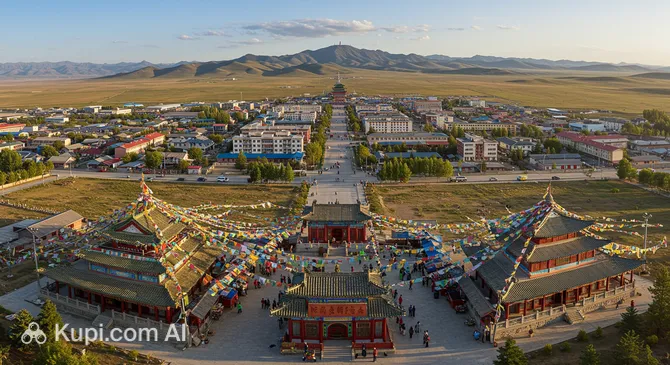
Chifeng. Source: Kupi.Binoculars

Beyond its historical allure, Chifeng boasts some of the most spectacular scenery in the country. Visitors can explore the magnificent Asihatu Stone Forest, a geological wonder featuring massive granite formations shaped by wind and time. For those seeking tranquility, the rolling green hills of the Ulan Butong Grassland offer a picturesque escape, perfect for photography and experiencing the local nomadic lifestyle.

Whether you are drawn by the whispers of ancient legends or the call of the wild, Chifeng promises an unforgettable journey. Its diverse geography, ranging from deserts to forests, ensures that every traveler finds something to admire. Plan your visit to discover the charm and beauty of this extraordinary city.

Weather Overview

Chifeng experiences a distinct continental climate with significant temperature variations between seasons. When planning your itinerary, it is helpful to check the weather in Chifeng to ensure you pack appropriately. The city generally sees long, cold winters and warm, relatively humid summers, offering different experiences depending on when you visit.

Winter is the coldest time of year, with January seeing average temperatures around -9.7°C and lows plunging to -15.8°C. This season is notably dry, with almost zero precipitation recorded from December through February. As spring approaches, temperatures climb steadily; by May, the average temperature reaches a comfortable 16.5°C, making it a pleasant time for sightseeing before the peak heat arrives.

Summer brings the warmest weather, with July averages hitting 23.9°C and highs reaching up to 29.0°C. This is also the wettest period, with July and August experiencing between 12 and 13 wet days each month. As autumn sets in, the air cools briskly, dropping from a mild 16.9°C in September to freezing levels by November. Overall, you can expect warm summers with occasional rain and cold, dry winters.

Interesting Facts

Beyond the main attractions and the famous dragon artifacts, Chifeng holds many fascinating secrets that add depth to its character. This city is not just a scenic destination but a place where geology, ancient empires, and unique local treasures converge.

  • The Meaning of "Red Peak": The name Chifeng literally translates to "Red Peak" in Chinese. This moniker is derived from a distinctive ochre-colored mountain located in the northeast of the city. Interestingly, its Mongolian name, Ulanhad, carries the exact same meaning, perfectly reflecting the region's dual cultural heritage.

  • Capital of the Khitan Empire: While today it is a modern hub, the area was once the political center of the powerful Liao Dynasty (907–1125). The ruins of the Liao Shangjing, or "Upper Capital," can still be found here, serving as a silent testament to the Khitan people who once ruled vast swathes of northern China.

  • Home of the Balin Stone: Chifeng is the exclusive source of the Balin Stone, one of the four most celebrated seal stones in the country. These stones are highly prized by artists and collectors, particularly the rare "chicken-blood" variety, known for its vibrant red patterns and smooth, jade-like texture.

  • A Paleontological Hotspot: The region is a significant site for dinosaur discoveries. Fossils dating back to the Cretaceous period are frequently unearthed here, making it a hidden gem for paleontology enthusiasts interested in life long before the rise of civilization.

How to Get There

Reaching this fascinating destination in Inner Mongolia is relatively convenient thanks to its local transport hub and connections in neighboring cities. For a detailed breakdown of routes and tips, you can read more about how to get to Chifeng to help plan your journey effectively.

The most direct method for travelers is to fly into Chifeng Airport (CIF). Conveniently situated just 3.3 km from the city center, it is the primary entry point for the region. Because of its close proximity, a taxi ride to downtown is very quick, typically taking around 10 to 15 minutes. This airport handles a significant number of travelers annually, ensuring regular connections to major cities.

If direct flights are unavailable, another option is Caledonia Airport (CDE) located in the city of Chengde. This airport is approximately 143 km away from Chifeng. While it requires additional ground travel—roughly 2.5 hours by taxi or bus—it serves as a viable alternative for exploring the wider region.

For clarity, here is a summary of the main airports:

Airport Name City Passenger Traffic Km from City
Chifeng Airport Chifeng Medium 3.3
Caledonia Airport Chengde Small 143.3
Jinzhou Airport Jinzhou Small 247.4
Qinhuangdao Beidaihe Airport Yejituo Small 288.6
Tangshan Sannuhe Airport Tangshan Medium 291.8

Travelers considering rail transport should note that while Chifeng is accessible by train, some visitors may route through nearby regional hubs depending on their point of origin. One such major hub is Fuxin Railway Station (FFF), located in the city of Fuxin, about 229 km from Chifeng. As a busy station with high passenger traffic, it offers robust connections, though you will need to arrange a transfer by bus or taxi to complete the journey to Chifeng, which takes approximately 3 to 4 hours.

Below is a summary of the nearby railway station data:

Station City Passenger Traffic Km to Center
Fuxin Railway Station Fuxin Large 229.3

Main Attractions

For those looking to explore the unique landscapes of the region, Yulong Sand Lake is a must-visit destination. Located in Ongniud Banner, this stunning area is famous as the discovery site of the "First Dragon of China," a C-shaped jade artifact that defines the city's historical identity. The park offers a rare combination of golden desert dunes and shimmering lakes, allowing visitors to experience the thrill of camel riding, sand sliding, and off-road driving while surrounded by breathtaking scenery.

Nature enthusiasts and bird watchers will find a paradise at Dali Lake, often described as a "lake like the sea." Situated in the Hexigten Global Geopark, it is one of the largest lakes in Inner Mongolia and serves as a vital stopover for migratory birds, including thousands of swans. The lake is surrounded by unique volcanic landforms and is renowned for its delicious carp, making it a perfect spot to enjoy both the local cuisine and the tranquil environment.

To truly understand the depth of the region's heritage, a visit to the Chifeng Museum is essential. This modern facility houses an impressive collection of artifacts spanning thousands of years, with a special focus on the Neolithic Hongshan Culture and the powerful Liao Dynasty. Highlights include exquisite jade carvings, ancient pottery, and gold ornaments that tell the story of the civilizations that once thrived in these northern grasslands.

Finally, no trip to the city would be complete without seeing its namesake, Hongshan Park. Located in the northeast of the city, this park features the iconic red ochre mountain that gave Chifeng (Red Peak) its name. The vibrant color of the rocks against the blue sky creates a striking visual, and the park offers pleasant walking trails where visitors can enjoy panoramic views of the urban landscape below.

Local Cuisine

The local cuisine in Chifeng is a delightful fusion of flavors that reflects its unique geographical position where the Inner Mongolian grasslands meet Northeast China. This blend creates a culinary landscape dominated by hearty meat dishes, savory pastries, and rich dairy products. For food lovers, the city offers a chance to experience the robust traditions of Mongolian nomadic culture alongside the comforting, savory tastes of Northern Chinese cooking.

The absolute must-try dish in the city is Chifeng Duijia. Often described as a Chinese burger, this iconic snack consists of a crispy, layered pastry bun filled with smoked pork. The meat is typically cured and smoked to perfection, offering a savory contrast to the crunchy, flour-based exterior. It is popularly eaten for breakfast but can be found at street stalls and restaurants throughout the day, serving as a delicious symbol of the local food culture.

Given its location in Inner Mongolia, lamb and mutton are staples of the local diet. Hand-stripped Mutton (Shouba Rou) is a traditional favorite where large chunks of meat are boiled in plain water to preserve their natural flavor. It is usually served with a dipping sauce of soy, garlic, and vinegar. Another regional specialty is Mongolian Hot Pot, featuring thinly sliced lamb cooked instantly in a boiling broth, perfect for warming up during the cold winters.

When it comes to beverages, Salty Milk Tea is ubiquitous. Unlike the sweet versions found elsewhere, this traditional Mongolian drink is made with brick tea and fresh milk, seasoned with salt. It is often served in bowls and can be mixed with stir-fried millet or dairy treats like Milk Tofu (dried cheese) for added texture. For those interested in alcoholic drinks, the region produces strong grain spirits, or Baijiu, and adventurous travelers might try Kumiss (fermented mare's milk), a traditional drink with a sour kick that is deeply rooted in steppe history.

The food culture in Chifeng is communal and unpretentious. Locals often gather in bustling breakfast shops to start the day with Duijia and a bowl of wonton soup or milk tea. In the evenings, restaurants serving roasted meats and hot pot become lively social hubs. Whether you are dining in a yurt-style restaurant on the outskirts or grabbing a quick bite from a street vendor, the portions are generous, reflecting the warm hospitality of the region.

Travel Tips

Visiting Chifeng is an exciting opportunity to witness the convergence of nomadic traditions and modern Chinese life, but a little preparation goes a long way in this unique region of Inner Mongolia. To help you navigate the local customs, climate, and logistics with ease, here are some essential practical tips for your journey.

  1. Clothing and Gear: The climate here varies drastically, so packing layers is essential. If visiting in winter, bring heavy-duty thermal wear, a down jacket, and non-slip boots, as temperatures drop significantly below freezing. In summer, light breathable clothing is fine, but carry a light jacket for cooler evenings on the grasslands. Don't forget a universal power adapter (China uses Types A, C, and I) and comfortable walking shoes for exploring the stone forests and parks.

  2. Transportation: Within the city, taxis are affordable and plentiful, making them the most convenient option for tourists. Ride-hailing apps like DiDi (often available in English) are highly recommended as they overcome language barriers by allowing you to input destinations directly. Public buses are available but can be confusing without Chinese language skills. For trips to the outlying grasslands or geological parks, hiring a private driver or joining a tour is often necessary.

  3. Finances: The official currency is the Chinese Yuan (RMB). While cash is accepted, China is a nearly cashless society. It is crucial to download Alipay or WeChat Pay and link your international credit card to their "tourist pass" features before you arrive. International cards (Visa/Mastercard) are rarely accepted directly at local shops or restaurants. ATMs from major banks like the Bank of China usually accept foreign cards for cash withdrawals.

  4. Health and Safety: Chifeng is generally a very safe city for travelers. Pharmacies are marked with a green cross, but staff may not speak English, so have a translation app ready or a photo of the medicine you need. It is advisable to drink bottled water rather than tap water. If you plan to spend time in the grasslands, bring insect repellent and sun protection, as the UV rays can be strong at higher altitudes.

  5. Communication: Mandarin Chinese is the primary language, though you will also hear Mongolian. English is not widely spoken outside of high-end hotels. You must install a translation app (like Baidu Translate or a reliable offline mode translator) before you go. Since many western apps (Google, WhatsApp, Instagram) are blocked, purchase a travel eSIM that includes roaming data to bypass these restrictions, or ensure you have a working VPN installed prior to arrival.

  6. Local Etiquette: When interacting with locals, especially those of Mongolian heritage, politeness is key. If you are offered a bowl of milk tea or alcohol, receive it with both hands or your right hand supported by your left; refusing outright can be seen as rude, so even a small sip is a polite gesture. Public displays of affection are generally modest.

  7. What to Avoid: Avoid stepping on the threshold when entering a traditional yurt or a temple; always step over it. This is a significant cultural taboo. Additionally, avoid discussing sensitive political topics. It is best to focus your conversations on culture, food, and travel experiences.

  8. Dining Insight: Be prepared for generous portions. In Chifeng, ordering food is often a communal affair. If you are dining with locals, the host will usually order more food than can be eaten to show hospitality. Don't feel pressured to finish everything on your plate, as leaving a small amount indicates that you were fed well and satisfied.

By keeping these tips in mind, you will be well-equipped to enjoy the warm hospitality and rugged beauty of Chifeng without the stress of logistical surprises. Embrace the local way of life, from the digital convenience of mobile payments to the timeless traditions of the grasslands, and have a wonderful trip!

Entertainment & Nightlife

Entertainment in Chifeng offers a distinct blend of modern urban energy and the warm, communal hospitality typical of Inner Mongolia. While it may not have the frenetic pace of China's coastal metropolises, the nightlife here is vibrant and deeply rooted in social dining and gathering. The city comes alive after sunset, with neon lights illuminating the broad avenues of the Xincheng District (New City) and the bustling, narrower streets of the Hongshan District (Old City).

The heart of Chifeng's nightlife is undoubtedly its culinary scene. Unlike cities where clubbing is the primary activity, here, the evening often revolves around barbecue (BBQ) and beer. In the warmer months, open-air night markets and street-side stalls appear, filling the air with the scent of roasted lamb skewers (chuanr) and cumin. The atmosphere is casual and loud, with locals toasting with "Ganbei" (bottoms up) late into the night. For a concentrated experience of this local vibe, travelers should explore the food streets in the Hongshan District, where the crowds are lively and the flavors are authentic.

For those seeking a more modern entertainment experience, the area around Wanda Plaza in the Xincheng District is a major hub. This sprawling complex and its surrounding streets are home to a variety of venues, including cinemas, trendy dessert shops, and bars. It is a popular spot for the younger crowd and offers a polished environment for a night out. Another key area is the commercial zone around Victoria Plaza, where you can find shopping, dining, and entertainment options clustered together, making it easy to hop from a restaurant to a karaoke lounge.

Karaoke (KTV) is a staple of nightlife in Chifeng, serving as the go-to after-dinner activity for friends and colleagues. You will find numerous KTV establishments ranging from opulent, palace-style venues with private rooms to smaller, budget-friendly spots. These venues usually operate until the early hours of the morning. The dress code throughout the city is generally relaxed and casual; you will rarely need formal attire unless attending a high-end business function.

If you prefer a quieter evening, a night walk along the banks of the Yingjin River offers a peaceful retreat. The riverside parks are well-lit and safe, providing a scenic view of the city skyline reflected in the water. It is a favorite spot for locals to take a stroll, practice square dancing, or simply enjoy the cool evening breeze after a hot summer day.

Practical advice for enjoying Chifeng at night includes timing and transport. The peak hours for dining and entertainment are generally from 8:00 PM to midnight. Prices are very reasonable compared to Beijing or Shanghai; a hearty BBQ meal with drinks can cost surprisingly little. Getting around is easy with taxis, which are abundant and affordable. Ride-hailing apps like DiDi are also highly effective. The city is very safe for night walks, but as with any travel, it is wise to stay in well-lit, populated areas and have your hotel address written in Chinese for the driver.

While the nights are for feasting and socializing, daytime entertainment in Chifeng offers a different cultural depth. Visitors can spend their days exploring the Chifeng Museum to see ancient jade artifacts or catching a performance at the local theaters, which occasionally host traditional Mongolian music and dance shows. Whether day or night, the city offers a welcoming environment for travelers to relax and immerse themselves in the local culture.
Parks & Museums

Chifeng offers a fascinating array of cultural and natural attractions that reflect its unique position as a crossroads between the Mongolian grasslands and the central plains. From expansive city parks to world-class museums, the city provides ample opportunities for visitors to explore its deep historical roots and enjoy its scenic beauty.

Hongshan Park is the city's most iconic green space, home to the distinctive red ochre mountain that gave Chifeng its name. It is a perfect spot for a morning hike, offering paved trails that lead to panoramic views of the urban landscape and the Yingjin River below. For a more relaxed atmosphere, Changqing Park serves as a central hub for locals. Here, visitors can stroll through manicured gardens and observe daily local life, from traditional morning exercises to impromptu musical performances.

The Chifeng Museum is an essential stop for understanding the region's significance, housing thousands of artifacts from the mysterious Hongshan Culture and the powerful Liao Dynasty. Its collection includes the famous C-shaped jade dragon and intricate gold ceramics that highlight the area's ancient civilization. Another cultural gem is the Prince Harqin’s Mansion, a sprawling architectural complex that functions as a museum. It offers a rare glimpse into the life of Mongolian nobility during the Qing Dynasty, featuring well-preserved courtyards and historical exhibits.

Beyond the main museums, the city is famous for its unique geology, which is celebrated at the Balin Stone Museum. This venue is dedicated to the region's prized "chicken-blood" stones, known for their vibrant red patterns and use in traditional seal carving. It is a fascinating destination for those interested in geology and traditional Chinese arts, showcasing some of the finest examples of stone art in the country.

For a truly authentic experience, consider visiting the antique and stone markets near the museum district on weekends. It is a lively place where locals gather to trade Balin stones and curious artifacts, offering a vibrant slice of modern Chifeng life away from the main tourist trails.

Getting Around

Navigating Chifeng is relatively straightforward, as the city relies primarily on an extensive bus network and a plentiful supply of taxis. Unlike China's mega-cities, Chifeng does not currently have an operational metro or subway system. Instead, the public transportation infrastructure is focused on road-based travel, which effectively connects the main urban districts of Hongshan, Songshan, and the Xincheng (New City) area.

The public bus system is the backbone of local transit. Buses are frequent, clean, and cover nearly every corner of the city, including major tourist sites, shopping districts, and the railway station. Most routes operate with a flat fare, typically 1 RMB, though some longer lines or air-conditioned buses in peak summer may charge slightly more. Passengers board at the front door and exit through the rear door.

When it comes to payment, the city is highly digital. While you can still pay with cash by dropping exact change (coins or bills) into the fare box upon entry, most locals use mobile payments. Tourists can easily pay using the "Transport" mini-apps within Alipay or WeChat. Simply open the QR code for public transport on your phone and scan it at the reader near the driver. Physical IC transport cards are available at local bus company offices, but for short-term visitors, mobile payment or cash is far more convenient.

For those who value comfort and speed, taxis are an excellent and affordable alternative. Taxis can be easily hailed on the street and are generally distinguished by their colorful liveries. All official taxis use a meter, and the flag-fall price is quite low compared to Western standards. It is advisable to have your destination written in Chinese to show the driver, as English proficiency among drivers is limited.

Ride-hailing apps, specifically DiDi, are widely used and highly recommended for tourists. The app is available in English and allows you to input your destination and pay automatically via a linked credit card or digital wallet. This eliminates the language barrier and ensures you don't have to worry about handling cash or explaining routes.

Another popular way to get around for short distances is by using shared bicycles. You will see yellow (Meituan) or blue (HelloBike) bikes parked on sidewalks throughout the city. These can be unlocked by scanning the QR code on the bike using the respective apps or Alipay. They are perfect for cruising along the riverbanks or moving between nearby attractions in the downtown area.

Practical advice for travelers includes being mindful of operating hours. Unlike in larger metropolises where transport runs until midnight, many bus lines in Chifeng stop running relatively early, often between 7:00 PM and 8:00 PM, although some main routes run later. Always check the schedule if you plan to stay out late, or be prepared to take a taxi. Additionally, avoid bus travel during the morning (7:30–8:30 AM) and evening (5:00–6:00 PM) rush hours if you prefer a less crowded journey.

Accommodation

Where to Stay:

Chifeng provides a diverse range of accommodation options that cater to various budgets and travel styles. While the city may not feature an extensive collection of famous international luxury chains, it boasts a solid selection of modern high-end hotels, reliable mid-range business chains, and affordable guesthouses. Whether you are visiting for a business trip or using the city as a base to explore the surrounding grasslands, you will find comfortable places to rest.

The most convenient areas to stay are generally divided between the Hongshan District (Old City) and the Xincheng District (New City). The Hongshan District is the bustling commercial heart of the city, ideal for travelers who want to be close to the railway station, lively food streets, and shopping centers. In contrast, the Xincheng District offers a more modern and spacious environment. It is home to newer developments, the municipal government, and major cultural sites like the museum, making it a quieter choice with generally newer hotel facilities.

For international travelers, it is important to note that accommodation prices in Chifeng are quite reasonable compared to major tourist hubs like Beijing. Budget options can often be found for under 200 RMB, while comfortable mid-range hotels typically range from 200 to 400 RMB per night. Even the city's top-tier hotels offer luxury amenities at relatively affordable rates.

When booking, it is highly recommended to use major international travel platforms or reputable Chinese apps to ensure the property is licensed to host foreign guests. During the peak summer tourist season (July and August), when visitors flock to the nearby grasslands, rooms can fill up quickly. Therefore, booking your accommodation well in advance is essential to secure your preferred location and rate.

Nearby Cities

For those looking to explore the surroundings, Chifeng serves as an excellent base for day trips to several interesting nearby locations:

City Population Distance (km)
Jinzhou 3,126,463 227
Chaoyang 3,044,641 150
Shuangqiao 733,000 163
Chengde 550,000 164
Beipiao 496,164 164

One of the most culturally significant destinations nearby is Chengde. Famous for the Imperial Mountain Resort, a UNESCO World Heritage site, it served as the summer retreat for Qing emperors to escape the heat of Beijing. The city is surrounded by the magnificent "Eight Outer Temples," which showcase a stunning mix of Tibetan and Han architectural styles, making it a perfect spot for those interested in imperial history and classical Chinese garden design.

Another excellent option is Chaoyang, located to the southeast in Liaoning Province. This city is renowned globally for its paleontological discoveries, earning it the title of a "fossil kingdom." Visitors can explore museums dedicated to ancient bird and dinosaur fossils found in the region. Additionally, the city features historic pagodas from the Liao Dynasty, offering a deep dive into the area's religious and architectural heritage.

These nearby destinations offer a glimpse into the diverse culture and landscapes of the region.

Shopping & Souvenirs

Shopping in Chifeng offers a distinctive blend of modern retail convenience and traditional Mongolian culture. While the city features contemporary malls with international brands, the real treasure lies in its local specialty stores. Visitors can expect to find a wide array of goods ranging from high-end fashion to unique ethnic handicrafts, with a particular emphasis on geological treasures and regional food products that are difficult to find elsewhere in China.

For a lively street shopping experience, the Hongshan Pedestrian Street in the old city center is a primary destination. This bustling area is packed with clothing boutiques, sporting goods stores, and local eateries. It is a great place to soak up the local atmosphere, watch the crowds, and find reasonably priced everyday items. Walking through this district provides a glimpse into the daily life of the locals and offers plenty of opportunities to pick up small gifts or snacks.

Travelers looking for a comprehensive, one-stop shopping experience should head to the Wanda Plaza in the Xincheng District. As one of the city's most modern shopping complexes, it houses a vast selection of fashion retailers, electronics shops, and a cinema, providing a comfortable environment for families and tourists alike. Another notable destination is Victoria Plaza, a large department store that offers a mix of cosmetics, jewelry, and apparel, catering to those looking for established domestic and international brands.

A highlight of the local shopping scene is the specialized market dedicated to the region's most famous export: the Balin Stone. Enthusiasts and collectors often visit the stone markets near the museum district or specialized dealers to browse intricate carvings and seal stones. These markets are more than just places to buy; they are cultural hubs where you can admire the craftsmanship that turns raw red-patterned stone into exquisite works of art.

When it comes to souvenirs, Balin Stone carvings are undoubtedly the top choice for a lasting memento. For those interested in edible treats, Chifeng is famous for its air-dried beef jerky, a savory and protein-rich snack that reflects the nomadic diet. Dairy products such as milk tofu (dried cheese) and salty milk tea powder are also popular. Additionally, traditional Mongolian handicrafts, including silver ornaments, horse-head fiddles, and woolen textiles, make for meaningful and culturally rich gifts.

Most shopping malls and large stores in Chifeng operate daily from around 10:00 AM to 9:30 PM, although smaller street shops may close earlier or stay open later depending on the season and customer flow. Payment methods are heavily digital; WeChat Pay and Alipay are the standard everywhere, from high-end boutiques to street vendors. While cash is accepted, carrying large amounts is unnecessary. International credit cards are generally only accepted in major malls or hotels, so having a mobile payment app set up is highly recommended.

Regarding tax refunds, Chifeng is not typically a major hub for tax-free shopping for international tourists compared to cities like Beijing or Shanghai. Visitors should not expect widespread "Tax Free" counters in local stores. It is best to assume that the price listed is the final price, although bargaining is acceptable and expected in independent stalls and markets, particularly when purchasing stones or souvenirs.

Reached the end of the page?

That means the route is fully explored