Support

Xilinhot

About

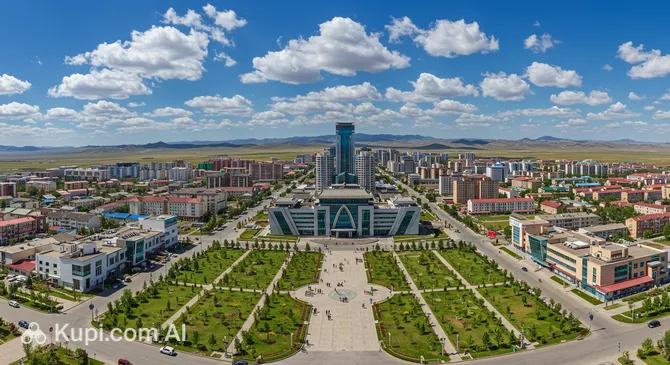
Xilinhot is a captivating destination located in the heart of the Inner Mongolia Autonomous Region. Often referred to as a pearl on the grasslands, this city serves as the administrative center of the Xilin Gol League and offers a fascinating blend of modern urban life and traditional Mongolian culture. It is a place where the vast, rolling steppes meet the conveniences of a developing city, making it an ideal base for travelers looking to explore the unique landscapes of northern China.

Xilinhot. Source: Kupi.Binoculars

Geographically, the city is situated on the Xilin Gol Grassland, one of the most famous prairie regions in the country. The climate here is characterized by distinct seasons, with cool, pleasant summers that attract visitors escaping the heat of other regions. With a population of approximately 270,000, Xilinhot maintains a welcoming atmosphere that is lively yet intimately connected to the surrounding nature.

The cultural roots of the area are profound. Delving into the history of Xilinhot reveals a past deeply connected to nomadic traditions and spiritual heritage. A testament to this legacy is the magnificent Beizi Temple, a large complex of Tibetan Buddhist architecture that dates back to the Qing Dynasty. This historical site stands as a spiritual anchor for the local community and a major point of interest for tourists.

Beyond its historical sites, Xilinhot is renowned for its stunning natural environment. The surrounding grasslands offer breathtaking scenery where visitors can see herds of horses and sheep grazing under expansive blue skies. It is also a prime location to experience authentic Mongolian customs, such as staying in a traditional yurt or tasting local dairy delicacies. Whether you are interested in history, nature, or culture, Xilinhot provides a memorable gateway to the enchanting world of the steppes.

Weather Overview

The local climate is defined by distinct seasons, offering a wide range of conditions depending on when you choose to visit. For travelers looking to plan their packing list, checking the current weather in Xilinhot is highly recommended. Generally, the city experiences a continental climate with significant temperature variations between summer and winter.

Summers are pleasant and warm, making this the peak season for exploring the grasslands. July is typically the hottest month, with an average temperature of 23.1°C and highs reaching approximately 29.2°C. This period also brings the most moisture to the region, with July and August seeing about 9 wet days each, although the total precipitation volume remains quite low.

Winters, on the other hand, are harsh and very dry. January is the coldest month, where the average temperature drops to -16.5°C and minimums can plummet to a freezing -22.5°C. Precipitation is scarce during these months, often resulting in cold, clear days. Overall, you can expect warm summers with occasional rain and cold, dry winters.

Interesting Facts

Beyond the main attractions, Xilinhot holds many fascinating secrets, from ancient geological wonders to prestigious cultural titles. Here are some unique facts about this city on the grasslands:
  • The Horse Capital of China: In 2010, the city and its surrounding league were officially awarded the title "Horse Capital of China." This region is considered the cradle of the indigenous Mongolian horse breed, revered for its incredible endurance and historical significance in the campaigns of the Mongol Empire.

  • Flat-Topped Volcanoes: Just south of the city lies the Pingdingshan Volcanic Group, a rare geological site. Unlike typical cone-shaped mountains, these ancient volcanoes have perfectly flat tops, looking as if they were sliced horizontally by a giant sword. It is a striking sight to see these table-like formations rising abruptly from the rolling green steppe.

  • The Sacred 13 Oboos: Overlooking the city from a hill behind the famous Beizi Temple is the Erdun Aobao Park. It features a unique line of 13 distinct stone cairns (oboos). These are not merely historical monuments but active spiritual sites where locals and herders gather to pray for good weather, safety, and prosperity.

  • Treasures in Fairy Rings: The grasslands around Xilinhot are famous for the "Xilin Gol White Mushroom," a culinary delicacy known as the "meat of vegetables." These wild mushrooms often grow in mystical circles known as "fairy rings" after summer rains and were historically so prized that they served as tributes to the imperial court.

How to Get There

Planning a trip to the grasslands requires knowing your transport options, and reaching this destination is relatively straightforward. For a comprehensive guide on routes and travel tips, you can read more about how to get to Xilinhot.

The most convenient entry point for most travelers is Xilinhot Airport (XIL). This regional hub handles a moderate volume of passenger traffic and offers connections to major cities like Beijing and Hohhot. It is located just 10 km from the city center, ensuring a quick transfer. A journey by taxi or airport bus typically takes around 35 minutes.

Another option in the broader region is Chifeng Airport (CIF). However, it is important to note that this airport is located in the city of Chifeng, approximately 297.5 km away from Xilinhot. Due to the significant distance, a transfer by road from here is quite long, taking roughly 8 hours. This route is usually recommended only if you plan to explore the Chifeng area before heading to the grasslands.

For clarity, here is a summary of the main airports:

Airport Name City Passenger Traffic Km from City
Xilinhot Airport Xilinhot Medium 10.0
Chifeng Airport Chifeng Medium 297.5

In addition to air travel, Xilinhot is accessible by train and long-distance bus. The railway connects the city to the wider Chinese rail network, with popular routes running from Beijing and the regional capital, Hohhot. Traveling by land is a scenic choice, offering visitors a chance to watch the urban landscape slowly give way to the vast, rolling steppes of Inner Mongolia.

Main Attractions

Xilinhot offers a rich tapestry of experiences that blend the spiritual depth of nomadic culture with the raw beauty of the Mongolian steppes. The city's attractions provide a perfect introduction to the region, ranging from ancient religious complexes to spectacular geological formations that define the local landscape.

At the cultural heart of the city stands the majestic Beizi Temple (Beizi Miao). Built during the Qing Dynasty, this extensive complex is a masterpiece of Tibetan Buddhist architecture and remains an active place of worship. Visitors can explore its ornate halls and peaceful courtyards, which serve as a sanctuary of tranquility. Just behind the temple is the Erdun Aobao Park, home to thirteen sacred stone cairns. A climb to the top of the hill here rewards travelers with panoramic views of the city and a chance to witness local customs of prayer and offering.

Nature enthusiasts should not miss the Xilin Nine Bends (Xilin Jiuqu), a breathtaking section of the Xilin River located just outside the city. As the river meanders through the lush Xilin Gol Grassland, it creates a series of serpentine curves that are particularly mesmerizing at sunset. The interplay of light on the winding water against the backdrop of the endless green steppe makes it a premier spot for photography and quiet reflection.

For a glimpse into the earth's ancient past, the Pingdingshan Volcanic Group is a must-visit destination. This unique geological park features a cluster of extinct volcanoes known for their flat, table-like tops, which contrast sharply with the surrounding rolling plains. Hiking up these formations offers a unique perspective on the region's geography and provides sweeping vistas of the volcanic field, which is especially striking in the golden light of early morning or late afternoon.

To fully appreciate the heritage of the area, a visit to the Xilin Gol Museum is highly recommended. The museum houses an impressive collection of artifacts, including traditional Mongolian costumes, nomadic tools, and historical relics from the Yuan Dynasty. It provides a comprehensive narrative of the region's history, helping visitors connect the sights they see outdoors with the rich cultural legacy of the people who have called these grasslands home for centuries.

Local Cuisine

The local cuisine of Xilinhot is a direct reflection of its location on the Xilin Gol Grassland, heavily influenced by traditional Mongolian nomadic culture. The food here is hearty, warming, and centered around what locals call "Red Food" (meat) and "White Food" (dairy products). For visitors, dining in Xilinhot is not just a meal; it is an immersion into the lifestyle of the steppes, where ingredients are fresh, simple, and prepared to highlight their natural flavors.

The undisputed king of the table is mutton. The region is famous for its high-quality sheep, which graze on wild herbs, giving the meat a distinctively tender texture and lack of gamey odor. The most iconic dish to try is Hand-Grabbed Meat (Shouba Rou). Large chunks of mutton are boiled in plain water without complex spices to preserve the original taste, then served hot. As the name suggests, it is traditionally eaten by hand, often dipped in a simple mixture of salt, chili oil, or soy sauce. For larger groups, a Roast Whole Lamb is a ceremonial feast that features crispy golden skin and succulent meat, symbolizing the highest hospitality of the host.

Dairy products play a crucial role in the daily diet and are often served as appetizers or snacks. You should definitely try Milk Tofu (Naidoufu), a solidified milk product that can be eaten fresh or dried, offering a sour and milky flavor profile unique to the region. Another staple is Mongolian Yoghurt, which is typically richer and more tart than the commercial varieties found elsewhere. These "White Foods" are believed to aid digestion and are a source of pride for local herders.

When it comes to beverages, the signature drink of Xilinhot is Salty Milk Tea (Suutei Tsai). Unlike the sweet bubble tea famous in other parts of Asia, this is a savory broth made from brick tea and fresh milk, often seasoned with salt. Locals drink it at every meal, sometimes adding fried millet, butter, or jerky to turn it into a hearty soup. For those looking for an alcoholic option, Kumiss (fermented mare's milk) is a traditional choice. It has a mild alcohol content and a sour, refreshing taste that has been enjoyed by nomads for centuries.

The food culture in Xilinhot blends urban convenience with traditional customs. In the city center, you will find numerous restaurants specializing in Mongolian hot pot, where thin slices of local lamb are cooked instantly in boiling broth. However, for the most authentic experience, tourists are encouraged to visit a Mongolian Yurt restaurant on the outskirts of the city or within the grasslands. Here, dining is a communal event often accompanied by traditional singing and the offering of a Hada (a ceremonial silk scarf), making the meal a memorable cultural performance.

Travel Tips

Visiting Xilinhot is a unique adventure that combines the comforts of a modern city with the rugged beauty of the Mongolian steppes, but a little preparation goes a long way. To help you navigate the local customs and vast landscapes with ease, here are some essential practical tips for your journey.

  1. Clothing and Gear: The weather on the grasslands can be unpredictable. Even in summer, the temperature drops significantly at night, so dressing in layers is crucial. Bring a windbreaker or a warm jacket for the evenings. Since the altitude is relatively high and the air is clear, the sun can be very strong; a wide-brimmed hat, sunglasses, and high-SPF sunscreen are non-negotiable accessories. If you plan to visit temples like Beizi Temple, dress modestly—avoid short skirts or sleeveless tops.

  2. Transportation: Within the city, taxis are plentiful and very affordable, making them the most convenient way to get around. Ride-hailing apps like DiDi are also available but require a working mobile data connection. For exploring the surrounding grasslands or volcanic parks, public transport is scarce; it is highly recommended to hire a private driver or join a local day tour, as renting a car can be complicated for foreigners without a Chinese driver's license.

  3. Finances: The local currency is the Chinese Yuan (RMB). While credit cards are accepted in major hotels, they are rarely used in local restaurants or shops. The dominant payment methods are mobile apps like Alipay and WeChat Pay, which can now be linked to international bank cards. It is wise to carry some cash for smaller transactions or in remote grassland areas where signals might be weak.

  4. Health and Safety: Xilinhot is generally very safe for tourists. However, the climate is extremely dry. To avoid nosebleeds or dry skin, bring a good moisturizer, lip balm, and stay hydrated. Pharmacies are marked with a green cross, but staff may not speak English, so have a translation app ready. Drink bottled water rather than tap water to prevent stomach issues.

  5. Communication: Mandarin Chinese is the primary language, though Mongolian is also widely spoken and appears on all signs. English proficiency is low, even in service industries. Before you arrive, download an offline translation app (like Baidu Translate) and ensure you have a VPN or roaming plan that allows access to your usual apps. Buying a local SIM card requires your passport and is best done at an official China Mobile or China Unicom store.

  6. Local Etiquette: When visiting a local home or a traditional yurt, never step on the threshold; step over it. If a host offers you tea or food, accept it with both hands (or your right hand supported by your left) to show respect. It is polite to taste a little of everything offered, especially dairy products, as refusing can be seen as rude.

  7. What to Avoid: Avoid touching people on the head, including children, as this is considered disrespectful in Mongolian culture. Additionally, do not take photos inside temples or of people praying without explicit permission. When walking around a religious site or a pile of sacred stones (Oboo), always move in a clockwise direction.

  8. Power Up: If you plan to spend a day on the grasslands, bring a high-capacity power bank. The scenic spots are far apart, and you will likely be using your phone constantly for photos and navigation, with few opportunities to charge your devices in the wild.

By keeping these tips in mind, you will be well-equipped to embrace the hospitality and breathtaking scenery of Xilinhot. Enjoy the freedom of the open plains and the rich cultural tapestry that makes this destination so special!

Entertainment & Nightlife

As the sun sets over the vast grasslands, Xilinhot transforms from a quiet administrative center into a vibrant hub of activity. While it may not possess the frenetic energy of China's coastal metropolises, the city offers a unique nightlife experience that blends modern urban entertainment with the warm, communal hospitality of Mongolian culture. The nightlife here is less about thumping nightclubs and more about hearty social gatherings, late-night dining, and immersive cultural experiences.

The epicenter of evening activity is undoubtedly Nadamou Street. This bustling commercial artery lights up with neon signs and is lined with restaurants, shops, and entertainment venues. It is the perfect place for a night walk, where you can soak in the local atmosphere and watch the city come alive. Another key area is Xilin Square, a massive public space where locals gather to socialize, dance to traditional music, and enjoy the cool evening air. The energy here is contagious, offering a genuine glimpse into the daily lives of the residents.

For those seeking a classic night out, the city's entertainment scene revolves heavily around dining and singing. Karaoke, or KTV, is a beloved pastime, and you will find numerous venues across the city where friends gather in private rooms to sing and drink beer. If you prefer a more relaxed evening of shopping and cinema, the Minsheng Shopping Centre on Nadamou Street is a popular destination. It offers a mix of retail stores, food courts, and entertainment facilities, making it a convenient one-stop spot for a night out. Similarly, the nearby Ginza Commercial Plaza provides a variety of dining options where you can sample local snacks late into the night.

A truly authentic Xilinhot night, however, often involves a feast. The "nightlife" for many revolves around Mongolian Yurt Resorts located on the city's outskirts. These venues offer a festive atmosphere where you can enjoy roast lamb, drink baijiu (local spirit), and watch traditional performances of throat singing (Khoomei) and Morin Khuur (horsehead fiddle) playing. It is a boisterous and welcoming environment where the dress code is casual, and the focus is on sharing food and stories.

Practicalities for a night out in Xilinhot are straightforward. The city is generally very safe, even for solo travelers walking at night. Taxis are abundant and inexpensive, making them the best way to hop between dinner, KTV, and your hotel. Most venues stay open late, with restaurants often serving customers well past midnight. Prices are reasonable compared to larger Chinese cities, allowing you to enjoy a full evening of entertainment without breaking the bank.

Before the night begins, daytime entertainment in Xilinhot provides a rich cultural context. Visitors can spend their day exploring the expansive Xilin Gol Museum to learn about the region's history or wandering through the serene courtyards of the Beizi Temple. These cultural landmarks offer a quiet counterpoint to the lively social scenes that emerge after dark, rounding out a perfect day on the steppes.

Parks & Museums

Xilinhot offers a refreshing balance of urban development and natural beauty, providing visitors with ample green spaces to relax and cultural venues to explore the region's deep roots. The city's parks are not just recreational areas but are often tied to the spiritual and ecological identity of the grasslands, while its museums serve as custodians of the rich Mongolian heritage and geological history.

One of the most significant natural areas within the city limits is the Xilin River National Wetland Park. This expansive ecological zone protects the winding Xilin River and its surrounding marshlands, creating a vital habitat for migratory birds and local wildlife. For tourists, it offers a network of wooden boardwalks and viewing platforms that allow for peaceful walks amidst reeds and water. It is an excellent spot for birdwatching or simply escaping the city noise to enjoy the fresh air of the steppe without traveling far.

Another prominent green space is Erdun Aobao Park, located on a hill directly behind the famous Beizi Temple. This park is unique because it blends recreation with profound spiritual significance. It is home to thirteen sacred stone cairns, or "oboos," which are central to local worship. Visitors can climb the stone steps to the summit for a panoramic view of Xilinhot's skyline against the backdrop of the endless grasslands. It is a place where locals come to exercise in the morning and offer prayers, providing a cultural immersion alongside scenic beauty.

When it comes to understanding the history of the region, the Xilin Gol Museum is the premier destination. This comprehensive facility houses a vast collection that spans from prehistoric times to the modern era. Highlights include impressive dinosaur fossils discovered in Inner Mongolia, traditional Mongolian costumes, and artifacts from the Yuan Dynasty. The museum effectively narrates the story of the nomadic lifestyle, showcasing yurts, tools, and instruments that explain how people have thrived on the plateau for centuries.

Given the city's title as the "Horse Capital of China," the Horse Culture Museum is another fascinating venue. It is dedicated to the relationship between the Mongolian people and their horses, which is intrinsic to their identity. Exhibits often display saddles, stirrups, and historical equipment, alongside art and photography that celebrate the spirit of the Mongolian horse. It provides valuable context for the equestrian events and festivals that frequently take place in the region.

For those interested in historical architecture, the Beizi Temple remains the city's most critical landmark. While it functions as an active monastery, its halls serve as a living museum of Tibetan Buddhist art. The intricate murals, statues, and traditional carpentry offer a glimpse into the religious devotion and artistic skills of the Qing Dynasty era. Walking through its quiet courtyards allows visitors to appreciate the architectural fusion of Han and Tibetan styles.

For a truly authentic experience, look for the smaller, community-focused botanical gardens or squares where locals practice traditional dances in the evening. A lesser-known tip is to visit the wetland park at dusk; the sunset reflecting off the meandering river creates a "nine bends" effect on a smaller scale, offering a photographer's paradise without the crowds found at major tourist spots.

Getting Around

The public transport system in Xilinhot is relatively simple and compact, reflecting the city's size and layout. The primary mode of public transportation is the bus network, which covers the main urban areas and connects key locations such as residential districts, shopping streets, and major tourist sites like Beizi Temple. There is no metro or tram system in the city, so buses serve as the backbone of mass transit for locals and visitors alike.

For tourists, using the bus is an affordable way to get around, though it requires a bit of preparation. The fare is typically a flat rate, usually 1 or 2 RMB per ride, depending on the season and whether the bus is air-conditioned. Payment is made upon boarding. While locals almost exclusively use mobile payment apps like WeChat Pay or Alipay by scanning a QR code near the driver, these systems can sometimes be difficult for short-term visitors to set up. Therefore, it is highly recommended to carry small denomination bills or coins (1 RMB notes or coins) to drop into the fare box, as drivers do not provide change.

Operating hours for buses in Xilinhot are somewhat shorter than in China's larger metropolises. Most routes begin service around 6:30 AM and stop running relatively early, often between 7:00 PM and 8:00 PM. If you are planning an evening out, you should not rely on the bus to get back to your hotel. Bus stops are marked with signs, but they are almost entirely in Chinese and Mongolian, so having a translation app or a destination card written in Chinese is essential for navigation.

Given the low cost and convenience, taxis are often the preferred option for travelers. Taxis are abundant and can be easily hailed on the street. The fares are very reasonable, with a low flag-fall price that covers the first few kilometers, making cross-town trips quite inexpensive. For those with mobile data, ride-hailing apps like DiDi are also available and offer the advantage of inputting your destination in English (depending on the app version) or pinning it on a map, eliminating language barriers with the driver.

For short distances, shared bicycles are a popular and eco-friendly alternative. You will see rows of colorful bikes (typically blue or yellow) parked on sidewalks throughout the city. These can be unlocked using the same mobile payment apps used for buses. Riding a bike is a pleasant way to explore the city center, especially during the mild summer months, allowing you to move at your own pace between the museums, parks, and restaurants.

Accommodation

Finding a place to stay in Xilinhot is an integral part of the travel experience, offering a choice between modern urban comfort and traditional nomadic living. The city provides a wide spectrum of accommodation options, ranging from standard business hotels and budget-friendly guesthouses in the city center to unique "yurt resorts" scattered across the surrounding grasslands. While international luxury chains are rare, visitors will find plenty of reputable local hotels that offer high standards of cleanliness and service.

For those who prioritize convenience and accessibility, the city center is the best area to base yourself. Staying near Nadamou Street or the central squares places you within walking distance of major attractions like the Beizi Temple and a plethora of dining options. Hotels in this area are typically modern, equipped with standard amenities such as Wi-Fi and hot showers, and provide easy access to taxis and public transport. This is the ideal choice for travelers who want to explore the museums and enjoy the nightlife after a day on the steppes.

However, the highlight for many tourists is staying in a Mongolian Yurt. Located on the outskirts of the city and further into the grasslands, these tourist camps offer a chance to sleep under the stars in a traditional round tent. It is important to note that these range from basic, authentic felt yurts with shared facilities to "deluxe" concrete yurts that mimic the traditional shape but include private bathrooms and air conditioning. These resorts often host bonfires and cultural performances in the evening, making them a popular choice for families and groups.

Regarding costs, accommodation in Xilinhot is generally very affordable compared to China's major metropolises. Budget travelers can find decent rooms or hostels for under 200 RMB per night, while mid-range hotels typically cost between 300 and 500 RMB. High-end local hotels and premium yurt resorts may charge upwards of 600 RMB, particularly during the peak season.

Booking Tip: Xilinhot sees a massive influx of tourists during the summer months, especially in July and August when the grass is greenest and the Naadam Festival takes place. During this period, rooms can sell out weeks in advance, and prices can double. It is highly recommended to book your accommodation well ahead of time using major online travel platforms to secure your preferred spot.

Nearby Cities

For those looking to explore the surroundings, Xilinhot serves as an excellent base for day trips to several interesting nearby locations:

City Population Distance (km)
Zhangjiakou 4,345,485 365
Chifeng 4,341,245 294
Shuangqiao 733,000 362
Erenhot 200,000 334
Fengning 99,673 306

One of the most unique destinations in the region is Erenhot, located northwest of Xilinhot on the border with Mongolia. Known globally as the "Dinosaur City," it is famous for the discovery of numerous Cretaceous-era fossils. Visitors are greeted by two massive dinosaur statues kissing over the highway and can explore the fascinating Dinosaur Geopark, making it a perfect spot for families and history enthusiasts.

To the southeast lies the city of Chifeng, a place of immense historical significance often called the "Hometown of the Dragon." It is the cradle of the ancient Hongshan Culture, where the iconic C-shaped jade dragon was found. Beyond its museums, Chifeng is the gateway to the spectacular Asihatu Stone Forest, a geological wonder featuring granite formations that have been sculpted by the wind into strange and beautiful shapes.

For those interested in winter sports or the Great Wall, Zhangjiakou in neighboring Hebei Province is a compelling option. As a co-host city of the 2022 Winter Olympics, it boasts world-class skiing facilities in the Chongli district. It also offers rich history, including the Dajingmen Gate, one of the most important passes of the Great Wall of China.

These nearby destinations offer a glimpse into the diverse culture and landscapes of the region.

Shopping & Souvenirs

Shopping in Xilinhot offers a delightful exploration of Mongolian culture, blending modern retail conveniences with traditional craftsmanship. While you will not find the high-end luxury boutiques typical of global fashion capitals, the city excels in offering authentic local products that reflect the heritage of the steppes. From bustling commercial streets to specialty stores selling nomadic goods, the shopping scene here is an extension of the local lifestyle, making it the perfect place to find unique treasures that you cannot buy anywhere else.

The primary hub for retail activity is Nadamou Street. This vibrant avenue serves as the commercial artery of the city, lined with a mix of clothing boutiques, electronics shops, and local specialty stores. It is a lively place to walk, especially in the evening when the neon lights are on and the sidewalks are busy with locals. Here, you can find everything from practical outdoor gear suitable for the grasslands to traditional Mongolian attire, including beautifully embroidered robes and hats.

For a more concentrated shopping experience, the city features several modern complexes. The Minsheng Shopping Centre is one of the most popular destinations, offering a department store style environment with floors dedicated to fashion, cosmetics, and household goods. Nearby, the Ginza Commercial Plaza provides a similar mix of retail and dining, serving as a convenient one-stop spot for travelers looking to resupply on essentials or browse contemporary Chinese fashion brands in a comfortable, climate-controlled setting.

To truly understand the local flavor, visiting a food market is essential. These markets are aromatic and colorful, dominated by the region's famous "White Food" (dairy) and "Red Food" (meat). You will see stalls piled high with various forms of dried cheese, milk curds, and butter. It is also the best place to see the local trade in meat, particularly the renowned Xilin Gol mutton and beef. While you might not be buying raw meat to take home, the atmosphere is authentically Mongolian and offers a glimpse into the daily diet of the residents.

When it comes to souvenirs, Xilinhot is a treasure trove of handicraft and culinary specialties. The most iconic item to bring back is Mongolian silver. Local artisans are famous for their intricate silver jewelry, bowls, and ornaments, which are deeply rooted in nomadic tradition. Another popular purchase is dried beef jerky, a savory, high-protein snack that was historically the ration of Mongol warriors; it is delicious and travels well. Additionally, look for high-quality cashmere and wool products, as the region produces some of the finest fibers in the world, perfect for warm scarves or sweaters.

Most shops in Xilinhot operate from around 9:00 AM or 10:00 AM until 9:00 PM, with supermarkets and some mall areas staying open a bit later. Payment methods have largely shifted to digital platforms; WeChat Pay and Alipay are universally accepted, even by small street vendors. While cash (RMB) is still accepted, carrying large amounts is unnecessary. International credit cards are rarely accepted outside of major hotels, so having a mobile payment app set up or enough cash for your purchases is highly recommended.

Regarding tax refunds, Xilinhot is not a major international duty-free hub. The tax-free shopping schemes found in major cities like Beijing or Shanghai are generally not available here. Tourists should expect to pay the marked price, which includes all applicable taxes. However, prices are often negotiable in smaller independent shops and market stalls, where a friendly attempt at bargaining can sometimes secure a better deal.
Nearby cities

Reached the end of the page?

That means the route is fully explored