Support

Zhangjiakou

About

Nestled in the northwestern part of Hebei province, Zhangjiakou is a captivating destination that serves as a vital gateway between the bustling capital of Beijing and the vast grasslands of Inner Mongolia. Often referred to by its historical name "Kalgan," this city in China offers a unique blend of rugged natural beauty and cultural significance. With a population of over 4 million, it is a vibrant urban center that has recently gained international acclaim as a premier hub for winter sports and outdoor adventure.

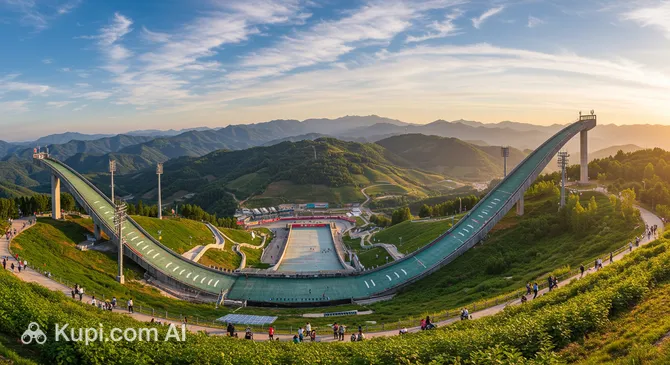
The city's geography is defined by its stunning mountainous terrain and crisp climate, which played a crucial role in its selection as a co-host for the 2022 Winter Olympics. While modern infrastructure has transformed the region into a skier's paradise, particularly in the famous Chongli District, the area remains deeply connected to its past. The history of Zhangjiakou is rich with stories of trade and defense, as it was once a major commercial center on the ancient Tea Road where merchants exchanged goods across the frontier.

Zhangjiakou. Source: Kupi.Binoculars

Travelers are often drawn to the majestic Dajingmen Gate, a rare and imposing section of the Great Wall that differs from other passes by serving as a direct entry point for trade rather than just a fortress. Beyond its historical sites, the city offers breathtaking natural escapes, such as the scenic Grassland Sky Road, which provides panoramic views of the rolling hills and wind turbines. Whether you are seeking the thrill of world-class skiing or a journey through ancient fortifications, Zhangjiakou invites you to explore its diverse and welcoming landscape.

Weather Overview

The climate in this region is characterized by distinct seasons, offering a variety of experiences depending on when you visit. Winters are generally cold and dry, creating ideal conditions for snow sports, with average temperatures in January dropping to around -9.9°C and minimums reaching -15.9°C. In contrast, summers are mild and pleasant, with July seeing average temperatures of 22.0°C and highs rarely exceeding 27.1°C, though this is also when rainfall is most frequent.

Spring and autumn serve as short transition periods, with temperatures rising to an average of 15.2°C by May and cooling down to 7.2°C in October. For a more comprehensive breakdown of what to expect during your stay, you can view the detailed weather in Zhangjiakou. Overall, travelers can expect warm summers with occasional rain and cold, dry winters.

Interesting Facts

Beyond the main attractions, Zhangjiakou holds many fascinating secrets that reveal its deep significance in history and modern innovation. From legendary ancient battles to unique culinary traditions, the city offers curious travelers plenty of surprises to discover.

  • The Cradle of Civilization: Zhuolu County in Zhangjiakou is celebrated as a legendary birthplace of Chinese civilization. It is said to be the site where the Yellow Emperor, the Yan Emperor, and the tribal leader Chi You fought the decisive Battle of Zhuolu roughly 5,000 years ago, an event that eventually led to the unification of the Huaxia tribes.

  • A Unique Great Wall Designation: While most strategic passes along the Great Wall are named "Guan" (meaning pass), the city's Dajingmen Gate is the only one designated as "Men" (meaning gate). This distinct naming convention highlights its historical primary function as a bustling trading port for tea and horses rather than solely a military fortification.

  • The Realm of Naked Oats: Unlike the rice-eating south or wheat-eating central plains, this region is famous for its unique staple crop: naked oats, known locally as "Youmian." The locals have developed intricate ways to prepare them, most notably rolling the dough into small honeycomb shapes before steaming, a culinary craft rarely seen elsewhere.

  • The Wind Capital: Zhangjiakou is often referred to as a "Wind Capital" due to its abundant wind resources. It was designated as the country's first National Renewable Energy Demonstration Zone and achieved a milestone by powering the 2022 Winter Olympics venues with 100% green electricity generated from local wind and solar farms.

How to Get There

Reaching this destination is relatively straightforward, thanks to its proximity to Beijing and the development of local infrastructure. Whether you prefer flying directly into the region or landing in a major international hub and continuing by ground transport, there are several viable options. For a complete overview of all travel methods and routes, you can read more about how to get to Zhangjiakou.

Travelers looking for the most convenient air route can fly directly into Zhangjiakou Ningyuan Airport (ZQZ). Located just 5 km from the city center, this regional airport serves domestic connections and offers a quick transfer to downtown, taking approximately 30 minutes by taxi or bus. For international visitors, the primary gateway is often the Beijing Capital International Airport (PEK) in Beijing. Although it is situated about 163 km away, it handles a vast number of global flights. From there, a road journey to Zhangjiakou takes roughly 4 hours and 25 minutes, though many travelers opt for the high-speed train connection from Beijing for a faster transfer.

For clarity, here is a summary of the main airports:

Airport Name City Passenger Traffic Km from City
Beijing Capital International AirportBeijingVery Large163.2
Beijing Daxing International AirportBeijingLarge190.8
Hohhot Baita International AirportHohhotMedium258.5
Datong AirportDatongSmall142.8
Zhangjiakou Ningyuan AirportZhangjiakouSmall5.0

Regarding rail travel, while the city is well-connected by train, some travelers might find themselves transiting through regional hubs. You can arrive at the Baoding Railway Station (BVQ) in the city of Baoding, which is approximately 217 km from Zhangjiakou. From there, you can get a taxi or bus, which takes about 5 hours and 45 minutes. While this is a considerable distance, Baoding serves as a significant transit point in the wider Hebei province rail network.

Below is the information for the railway station in the region:

Station City Passenger Traffic Km to Center
Baoding Railway StationBaodingMedium217.6

Main Attractions

Dajingmen is arguably the most significant historical landmark in the region and a must-visit for anyone interested in the Great Wall. Unlike other famous sections that serve primarily as defensive passes, this "Great Gate" was a vital trading point where northern nomadic tribes and central plain merchants exchanged goods. Constructed during the Ming Dynasty, it is renowned for the four large characters carved above the archway, which translate to "Magnificent Rivers and Mountains." Visitors can climb the ancient fortifications to enjoy a commanding view of the modern city on one side and the rugged mountains on the other, offering a perfect blend of past and present.

For winter sports enthusiasts, Wanlong Ski Resort in the Chongli District is a premier destination. As one of the earliest and most developed ski resorts in China, it is famous for its extended snow season and high-quality powder. The resort played a significant role in the area's development for the Winter Olympics and offers a wide range of trails suitable for both beginners and advanced skiers. Beyond the slopes, the surrounding area is equipped with modern amenities, making it a comfortable base for a snowy getaway.

Travelers looking to step back in time should explore the Jiming Post House (Jimingyi), located in Huailai County. This site is the largest and best-preserved ancient postal station in the country, once serving as a critical relay point for government couriers. The walled complex resembles a small ancient city, complete with vertical streets, old residences, and temples that have remained largely unchanged for centuries. Walking through its gates feels like entering a living museum of the Ming and Qing dynasties.

Another cultural gem is Nuanquan Ancient Town, located in Yu County. This historic settlement is famous for its unique defensive architecture, featuring castles that were built to protect villagers from bandits. However, its biggest draw for tourists is the spectacular "Da Shuhua" performance, a centuries-old tradition where local blacksmiths throw molten iron against the cold city walls to create a shower of sparks that look like a tree of fire. This dazzling display is a rare example of intangible cultural heritage that continues to captivate audiences today.

Local Cuisine

The culinary landscape of Zhangjiakou is a fascinating reflection of its geographical position on the boundary between the agrarian plains of Northern China and the nomadic grasslands of Inner Mongolia. This unique location has created a hearty and rustic food culture that prioritizes warming, energy-rich ingredients suitable for the region's cold climate. The local diet is heavily reliant on grains, mutton, and potatoes, offering flavors that are savory, robust, and deeply satisfying.

The absolute staple of the local table is Naked Oats, known in Chinese as "Youmian." Unlike traditional wheat noodles, Youmian is crafted from oat flour and is renowned for its high nutritional value and distinct, slightly nutty flavor. The most iconic preparation is Youmian Wowo, where the dough is hand-rolled into small, honeycomb-like cylinders and steamed in a basket. These are typically served with a variety of rich dipping sauces, such as savory mutton broth with mushrooms or a tangy vinegar and garlic sauce, allowing diners to customize the flavor to their liking.

For meat lovers, the influence of the nearby grasslands is unmistakable. Roast Whole Lamb is a celebrated dish, particularly popular in the Bashang area, where the meat is seasoned with local spices and roasted until the skin is crispy and the inside remains tender. Another must-try delicacy is Huai'an Smoked Meat, a traditional dish with a history spanning centuries. The pork is cured and smoked using specific woods, resulting in a firm texture and a transparent, amber-like appearance that is flavorful without being overly greasy.

When it comes to beverages, the region offers a surprising treat for wine enthusiasts. The Huailai and Shacheng areas of Zhangjiakou are among China's premier wine-producing regions, often compared to Bordeaux due to their similar latitude and climate. Visitors can enjoy high-quality dry white and red wines produced locally, which pair excellent with the hearty local fare. For a non-alcoholic option, almond tea is a soothing, warm drink often found in local eateries.

To truly experience the food culture, tourists should explore the bustling local markets and street food stalls. Here, you can find snacks like Yuxian Dried Tofu, a chewy and savory treat that is famous throughout the province. Dining in Zhangjiakou is generally a casual and communal affair, where large portions are meant to be shared. Whether you are sitting in a specialized Youmian restaurant or a lively night market, the atmosphere is welcoming and unpretentious, perfectly mirroring the rugged charm of the city itself.

Travel Tips

Welcome to Zhangjiakou! To ensure your trip to this Olympic city and historical hub is smooth and enjoyable, we have compiled some essential practical advice. Whether you are hitting the slopes in Chongli or exploring the ancient Dajingmen Gate, these tips will help you navigate the local nuances with ease.

  1. Clothing and Gear: The climate here is defined by its altitude and wind. Winters are freezing, often dropping below -15°C, so heavy thermal layers, a windproof down jacket, and non-slip boots are non-negotiable between November and March. Summers are mild but have strong UV radiation, so bring sunglasses and sunscreen. Don't forget a power bank to keep your phone charged for mobile payments, and a power adapter for Type A, C, or I sockets.
  2. Transportation: Getting around the city is easiest by taxi or ride-hailing apps like DiDi (the local equivalent of Uber), as English signage on public buses can be limited. If you are traveling between the city center and the ski resorts in Chongli, the high-speed train is the most efficient and comfortable option. Car rental is generally not recommended for tourists due to complex local traffic laws.
  3. Finances: The local currency is the Renminbi (RMB). While cash is accepted, China is a predominantly cashless society. It is highly recommended to download Alipay or WeChat Pay and link your international bank card before you arrive, as almost all vendors prefer mobile payments. Tipping is not customary in restaurants or taxis and is not expected.
  4. Health and Safety: Zhangjiakou is a safe destination for travelers. Pharmacies are widely available and usually marked with a green cross, but it is wise to bring your own supply of prescription medicines. The air can be quite dry, especially in winter, so stay hydrated and carry lip balm and moisturizer to prevent chapping.
  5. Communication: Mandarin is the primary language, and English proficiency may be limited outside of major hotels and ski resorts. A translation app like Baidu Translate is essential for daily interactions. You can purchase a local SIM card with a data plan at the airport or major telecom stores using your passport to stay connected and access navigation apps.
  6. Local Etiquette: Greetings are typically formal; a nod or a handshake is appropriate. When dining in a group, dishes are usually shared in the center of the table. It is polite to try a bit of everything offered to you. In public, queuing is generally respected, though personal space might be smaller than what you are used to in Western countries.
  7. What to Avoid: Never leave your chopsticks sticking vertically upright in a bowl of rice, as this resembles incense burning for the dead and is considered extremely bad luck. Additionally, avoid public displays of anger or shouting, as maintaining composure and "saving face" is culturally important.
  8. Additional Tip: Known locally as the "Wind Capital," the city experiences significant wind chill. Even if the forecast looks moderate, the wind can make it feel much colder. Always carry a scarf or a neck gaiter, and if you plan to visit the Grassland Sky Road, bring an extra layer regardless of the season.

With these practical tips in hand, you are well-prepared to embrace the rugged charm and warm hospitality of Zhangjiakou. We hope these suggestions help you focus on what matters most—enjoying the stunning landscapes and rich culture of this unique destination.

Entertainment & Nightlife

Entertainment in Zhangjiakou offers a distinct duality, split between the laid-back, local atmosphere of the city center and the modern, energetic après-ski culture in the mountainous Chongli District. While the main urban area is relatively quiet by metropolitan standards, it lights up with authentic local experiences after dark, whereas the ski resorts provide a more international nightlife vibe, especially during the winter sports season.

For those staying in the city center, the Qiaodong District is the primary hub for evening activity. Here, the nightlife is centered around social dining and relaxed gatherings rather than raucous clubbing. A must-visit spot is the Dida Plaza Night Market (also known as Diguang), which is arguably the most popular night market in the city. Located on North Shengli Road, this bustling street comes alive in the late afternoon and stays open until around 22:00. It is a sensory delight where you can sample local street food favorites like stinky tofu, roasted cold noodles, and spicy chicken fillets in a safe and lively environment.

If you are looking for a place to enjoy a drink and music, the city offers several welcoming venues. Momo Bar in the Qiaodong District is a well-regarded establishment known for its comfortable environment and reasonable prices, making it a great spot for a quiet conversation. For a slightly more upbeat atmosphere, Star Pub near the Tesco shopping area offers exquisite decoration and is popular among younger locals for parties and dating. The dress code in these city bars is generally casual, and the crowd is friendly and unpretentious.

In contrast, the Chongli District transforms into a vibrant playground for international tourists during the ski season. The nightlife here centers around the major resorts like Thaiwoo and Wanlong. Visitors can enjoy craft beers and Western-style dining at places like the Thaiwoo Brewing Company, which offers a classic après-ski experience with live music and a bustling crowd of winter sports enthusiasts. The atmosphere in Chongli is sporty and chic, with many patrons heading straight from the slopes to the bars in their ski gear.

For a truly unique evening spectacle, consider traveling to Nuanquan Ancient Town in Yu County to witness the Da Shuhua performance. This centuries-old tradition, often called "beating tree flowers," involves local blacksmiths throwing molten iron against cold brick walls to create an explosion of sparks that resembles a canopy of fire. It is a breathtaking alternative to traditional nightlife and offers a deep dive into the region's intangible cultural heritage.

During the day, entertainment in Zhangjiakou is equally diverse. History buffs can explore the Zhangjiakou Museum to learn about the city's role as a military stronghold, or walk along the historic walls of the Dajingmen Gate. Families might enjoy the various theme parks and cultural scenic areas scattered around the districts. Whether day or night, getting around is convenient via taxi or ride-hailing apps like DiDi. The city is very safe for night walks, though temperatures drop drastically at night, so dressing in heavy layers is essential, especially if you are exploring the outdoor markets.

Parks & Museums

While Zhangjiakou is world-renowned for its ski slopes and strategic military history, the city is also home to serene green spaces and insightful cultural institutions. For travelers looking to slow down and delve deeper into the local lifestyle, the city's parks and museums offer a perfect counterpoint to the adrenaline of the surrounding mountains.

Xitaipingshan Park is one of the most popular natural retreats located directly within the city limits. Often described as a "natural oxygen bar," this sprawling park covers the hillsides to the west of the city center. It features well-maintained hiking trails that lead to pavilions offering panoramic views of the urban skyline and the Qingshui River below. It is an excellent spot for a morning hike or a sunset walk, allowing visitors to appreciate the city's geography from a peaceful vantage point.

For a more relaxed experience, the Qingshui River Scenic Belt runs through the heart of the city, functioning as a linear park that connects various districts. This waterfront area has been beautifully landscaped with walking paths, gardens, and recreational plazas. It serves as the city's living room, where locals gather to fly kites, dance, or simply stroll along the water. In the summer, the breeze from the river provides a refreshing escape from the heat, making it a favorite spot for families.

To understand the rich tapestry of the region's past, a visit to the Zhangjiakou Museum is essential. Located in the Qiaodong District, this comprehensive museum showcases the city's evolution from a vital trade hub on the ancient Tea Road to a modern Olympic host. The exhibits are diverse, featuring artifacts from the Great Wall, displays on local folk customs, and a dedicated section on the 2022 Winter Olympics, highlighting the city's transformation into a winter sports capital.

For those interested in prehistoric history, the Nihewan Museum offers a fascinating journey back in time. Although located in the broader Zhangjiakou area (Yangyuan County), it is a world-class facility dedicated to the Nihewan Basin, often called the "Olduvai Gorge of the East." The museum houses an impressive collection of Paleolithic tools and fossils, providing evidence of early human activity in the region dating back nearly two million years. It is a must-visit for anthropology enthusiasts.

Beyond the museums, the Xuanhua Ancient City in the Xuanhua District stands as a monumental architectural landmark. Historically known as the "First City West of Beijing," it preserves significant structures like the Qingyuan Tower (Bell Tower) and the Zhenshuo Tower (Drum Tower). These imposing wooden structures, built during the Ming Dynasty, feature intricate craftsmanship and offer a glimpse into the architectural grandeur of ancient border defenses.

For a truly authentic local experience, try visiting the parks early in the morning, around 7:00 AM. You will likely witness groups of residents practicing Tai Chi, whipping spinning tops, or writing calligraphy with water on the pavement—a charming display of daily life in China that few tourists get to see up close.

Getting Around

Navigating Zhangjiakou is relatively straightforward, with a public transport system primarily reliant on an extensive bus network. Unlike some of the larger metropolises in the region, the city does not currently have an urban metro or subway system within the downtown area. Instead, buses serve as the backbone of local transit, connecting the main urban districts of Qiaodong and Qiaoxi with key residential areas, shopping centers, and transport hubs. The fleet has been significantly modernized in recent years, featuring many electric vehicles that align with the city's green energy initiatives.

For most bus routes, the fare is very affordable, typically costing around 1 to 2 RMB per ride. While some older buses may still have coin boxes for cash payments, carrying exact change is essential as drivers cannot provide it. However, the most convenient way to pay is digitally. Tourists can use the "Transport" mini-apps within Alipay or WeChat to generate a QR code, which is scanned upon boarding. Physical public transport cards (IC cards) are also available but are generally less practical for short-term visitors compared to mobile payments.

Taxis and ride-hailing services offer a flexible alternative for getting around, especially if you are traveling with luggage or visiting destinations not directly served by main bus lines. Official taxis are easily recognizable and can be hailed on the street; they operate on a meter, and rates are quite reasonable compared to capital cities. For a more seamless experience, the DiDi app (similar to Uber) is widely used and highly recommended for travelers, as it allows you to input your destination in English (or via map pins) and pays automatically, bridging the language gap with drivers.

A unique feature of the local transport network is the high-speed rail connection between the city center and the Chongli District, the hub for winter sports. While technically a train, this service functions almost like a rapid transit link for skiers and tourists, cutting the travel time between the downtown Zhangjiakou Railway Station and the Taizicheng Station in the mountains to roughly 15 minutes. During the ski season, dedicated shuttle buses also run frequently between the train stations and the major ski resorts.

For short distances within the city center, shared bicycles are a popular and eco-friendly option. You will find bikes from major operators like HelloBike or Meituan parked along sidewalks. These can be unlocked using their respective apps or through Alipay/WeChat. They are perfect for exploring the scenic areas along the Qingshui River or making quick trips between shops, though they are less suitable for the hilly terrain found in the outskirts.

Practical advice for tourists using public transport includes avoiding the morning and evening rush hours (7:30–9:00 and 17:00–18:30), when buses can become quite crowded. Most bus stops display route information in Chinese characters only, so it is highly advisable to have a navigation app like Baidu Maps or Amap installed on your phone. These apps provide real-time bus tracking and route planning, which is invaluable for ensuring you get off at the correct stop.

Accommodation

Accommodation in Zhangjiakou caters to two distinct types of travelers: those exploring the city's historical sites and those heading to the snow-covered slopes. The options range from standard business hotels and budget-friendly guesthouses in the urban center to world-class luxury resorts and serviced apartments in the mountainous areas. Whether you are looking for a quick stopover or a week-long ski vacation, the region offers facilities to match various budgets and travel styles.

The choice of where to stay largely depends on the primary purpose of your visit. There are two main hubs for accommodation:

  • Chongli District: This is the premier choice for winter sports enthusiasts and leisure travelers. As the host site for snow events during the 2022 Winter Olympics, Chongli boasts a high concentration of upscale ski resorts and holiday rentals. Staying here offers easy access to the slopes, often with ski-in/ski-out convenience. The area is designed for tourism, featuring high-end amenities, international dining options, and a resort-town atmosphere.
  • City Center (Qiaodong and Qiaoxi Districts): For visitors interested in historical landmarks like the Dajingmen Gate or those in transit between Beijing and Inner Mongolia, the downtown area is the most practical base. Here, you will find a wide selection of reliable mid-range and business hotels that offer great value and proximity to transport hubs like the railway station and airport. It is less "touristy" than Chongli but offers a more authentic slice of local urban life.

For those planning a trip, timing is everything. Booking Tip: If you intend to visit the ski resorts in Chongli during the peak winter season (December to February), it is essential to book your accommodation at least one to two months in advance. Rooms fill up quickly on weekends and holidays, and prices can surge significantly.

Regarding costs, the price gap between the city and the mountain districts can be substantial. In the downtown area, travelers can find comfortable mid-range hotels at very affordable rates year-round. In contrast, Chongli operates on a seasonal pricing model; winter rates are comparable to international ski destinations, while summer rates drop dramatically, offering luxury stays for a fraction of the cost. Most hotels can be booked via major international platforms, though smaller local guesthouses ("Nongjia Le") in rural areas may require direct contact or the use of local Chinese travel apps.

Nearby Cities

For those looking to explore the surroundings, Zhangjiakou serves as an excellent base for day trips to several interesting nearby locations. The region is well-connected by both high-speed rail and highways, making it easy to venture out and discover the rich history and diverse landscapes of Northern China.

One of the most popular excursions is to Beijing, the nation's capital. Located just a short high-speed train ride away, it offers world-famous attractions such as the Forbidden City and the Temple of Heaven. For travelers interested in ancient Buddhist art, Datong in neighboring Shanxi province is a must-visit. It is renowned for the spectacular Yungang Grottoes and the gravity-defying Hanging Temple. Closer to home, the historic town of Xuanhua provides a quick and rewarding trip, featuring well-preserved ancient towers and traditional architecture that date back to its time as a key military garrison.

City Population Distance (km)
Beijing 18,522,000 161
Datong 3,390,000 155
Xicheng 459,781 159
Xuanhua 409,745 25
Shacheng 114,569 69

These nearby destinations offer a glimpse into the diverse culture and landscapes of the region, ranging from bustling metropolises to quiet historical gems, ensuring that every traveler can find a day trip that suits their interests.

Shopping & Souvenirs

Shopping in Zhangjiakou offers a practical blend of modern retail convenience and distinct local character. While the city may not possess the sprawling luxury avenues of Beijing, it provides a satisfying experience for travelers looking for everything from high-quality winter sports gear to traditional regional handicrafts. As a major hub for skiing in China, the city has seen a rise in stores specializing in outdoor equipment, making it an excellent place to upgrade your slope-ready attire. Beyond the international brands, the local shops are treasure troves for agricultural specialties and folk art that reflect the rich cultural heritage of the Hebei province.

The commercial heartbeat of the city is primarily located in the Qiaodong District. One of the most vibrant thoroughfares is Shengli Road (Victory Road), which serves as a bustling artery lined with a mix of fashion boutiques, electronics stores, and local eateries. Walking down this street gives you a sense of the city's modern energy, offering plenty of options for casual window shopping. Another key area is around Jiefang Road, where the concentration of businesses and pedestrian traffic creates a lively atmosphere day and night.

For a more comprehensive "one-stop" shopping experience, the city features several large shopping malls that rival those in bigger metropolises. Parkson Shopping Center is a popular destination for locals and tourists alike, offering a wide range of cosmetics, branded clothing, and household goods in a comfortable, climate-controlled environment. Similarly, the Ginza Mall (Yinzuo) provides a modern retail space with a variety of international and domestic brands, along with a food court that is perfect for a mid-shopping break.

If you are looking for authentic souvenirs to bring home, Zhangjiakou has several unique specialties. The region is famous for Yuxian Paper Cutting, a traditional folk art form that is part of the Intangible Cultural Heritage of UNESCO. These intricate, colorful cuttings are dyed rather than pasted, making them vibrant and distinct gifts. Foodies should look for products made from Naked Oats (Youmian), such as pre-packaged noodles, or pick up a bottle of wine from the nearby Shacheng region, which is one of the country's premier grape-growing areas. Xuanhua Milk Grapes are also a celebrated local fruit, known for their unique shape and sweetness.

When it comes to markets, the local scene is often integrated with dining. While specific "tourist markets" are less common than in major capitals, the areas around the daily food markets and the previously mentioned night markets often feature stalls selling small trinkets, accessories, and local snacks. These spots are excellent for observing daily life and finding inexpensive, fun items.

Most shopping malls and department stores operate from around 10:00 AM to 9:30 PM or 10:00 PM. Smaller independent shops may close earlier or stay open later depending on the season and customer flow. In terms of payment, digital wallets are the norm; Alipay and WeChat Pay are accepted almost everywhere, from high-end malls to street vendors. While major shopping centers usually accept international credit cards (Visa/Mastercard), it is highly advisable to have a mobile payment app set up or carry some cash (Renminbi) for smaller transactions.

Regarding tax refunds, Zhangjiakou is not a designated tax-free shopping zone comparable to Hainan or major ports like Shanghai. While some large department stores may have policies for tax refunds on specific goods for international visitors, this is not widespread. It is best to inquire directly at the customer service desk of large malls if you are planning significant purchases, but generally, tourists should not expect a broad tax-free shopping environment.
Reached the end of the page?

That means the route is fully explored