Support

Shenyang

About

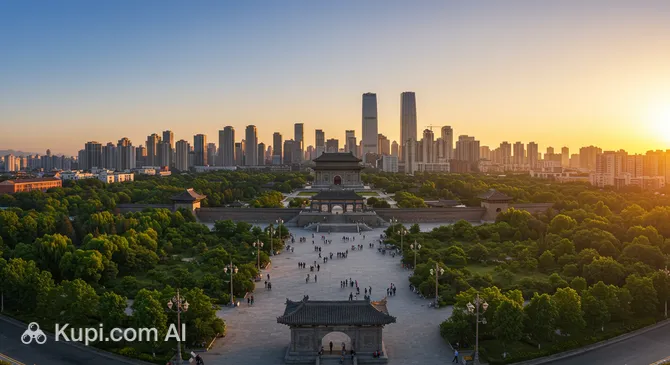
Welcome to Shenyang, the vibrant capital of Liaoning Province and the largest city in Northeast China. As a major industrial and cultural hub, this metropolis offers a fascinating blend of ancient imperial heritage and modern urban energy. With a population of nearly 8 million people, it is a bustling center that serves as a gateway to the region, boasting a distinct atmosphere that reflects its storied past and dynamic present.

Shenyang. Source: Kupi.Binoculars

Geographically, Shenyang is situated in the central part of Liaoning, enjoying a seasonal climate that ranges from warm, humid summers to cold, dry winters, which are often celebrated with spectacular ice and snow festivals. The city holds immense historical significance, having served as the capital for the Manchu-led Later Jin dynasty before the conquest of the central plains. You can delve deeper into the rich history of Shenyang by visiting its most famous landmark, the Mukden Palace. This UNESCO World Heritage site is one of the best-preserved royal palaces in the country, second only to the Forbidden City in Beijing.

Beyond its imperial architecture, the city offers other remarkable sights such as the serene Beiling Park, home to the North Mausoleum, and the historic Marshal Zhang's Mansion. Whether you are wandering through its expansive parks or exploring its busy shopping districts, Shenyang provides a unique travel experience. It is a destination that invites visitors to uncover the layers of time while enjoying the comforts of a modern city, making it a must-visit stop on any northeastern itinerary.

Weather Overview

Shenyang features a distinct seasonal climate, making it important to plan your wardrobe according to the time of year. The weather in Shenyang is generally characterized by substantial temperature variations between the seasons, offering a completely different experience depending on when you visit.

Winter in the city is freezing and noticeably dry. From December to February, average temperatures hover between -4.9°C and -9.2°C, with January nights frequently dropping to lows of -14.7°C. Precipitation is extremely rare during this period, resulting in crisp, cold days that require thermal layers and heavy coats to stay comfortable outdoors.

In contrast, the summer months bring heat and increased humidity. July is typically the warmest month, with an average temperature of 26.1°C and highs touching 30.1°C. Rainfall becomes more frequent during this season, with August experiencing about 14 wet days. Spring and autumn offer pleasant but shorter transitions, with May and September averaging around 18°C to 19°C. Expect warm summers with occasional rain and cold, dry winters.

Interesting Facts

Beyond the well-trodden paths of its imperial history, Shenyang holds a collection of intriguing secrets and unique urban features that often surprise visitors. From gravity-defying landscapes to vibrant cultural enclaves, the city offers much more than meets the eye.

  • One of the city's most baffling phenomena is the "Strange Slope" (Guipo), located about 30 kilometers to the northeast. This 80-meter slope creates an optical illusion where gravity appears to reverse; cars and bicycles seem to roll uphill without any power, while going "downhill" actually requires acceleration.

  • While Beijing's Forbidden City is world-famous, the Shenyang Imperial Palace offers a unique architectural distinction that predates its counterpart. It features rare Manchu-style elements, such as the Dazheng Hall, which is designed to resemble a nomadic tent, reflecting the origins of the dynasty before they conquered the central plains.

  • Shenyang is home to one of the largest Korean communities in China, centered around Xita (West Pagoda) Street. This bustling district is so culturally distinct that visitors often feel as though they have crossed an international border, with authentic cuisine, bilingual signs, and traditional customs thriving in the heart of the city.

  • Historically, the city was known to the West as "Mukden." It was here that the pivotal "Mukden Incident" took place in 1931, a staged event on a railway line that served as the catalyst for major geopolitical shifts in East Asia during the 20th century.

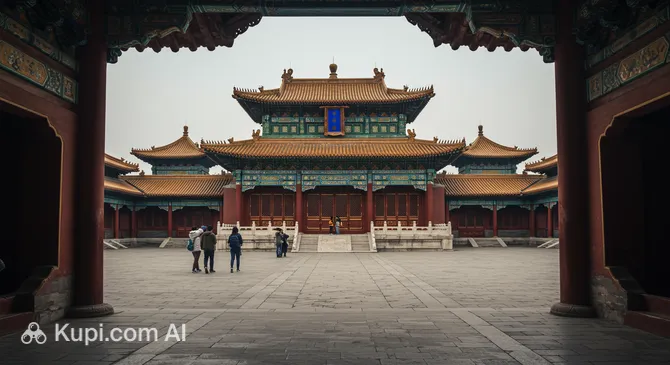
Shenyang Imperial Palace. Source: Kupi.Binoculars

How to Get There

As a major transportation hub in Northeast China, the city is well-connected to the rest of the country and the world. Whether you are arriving by air or rail, you have multiple convenient options. You can find more about how to get to Shenyang and detailed route information on our dedicated page.

The primary gateway for air travelers is Shenyang Taoxian International Airport (IATA: SHE). Located approximately 19 km from the city center, this is a major international airport serving a vast number of passengers annually. A taxi ride from the terminal to downtown Shenyang typically takes around 50 minutes. For those looking for alternatives, you can also fly into Anshan Teng'ao Airport (IATA: AOG). However, please note that this airport is located in the city of Anshan, about 92 km from Shenyang. Traveling from Anshan to Shenyang by car or taxi will take approximately 2.5 hours.

For clarity, here is a summary of the main airports:

Airport Name City Passenger Traffic Km from City
Shenyang Taoxian International Airport Shenyang High 18.8
Jinzhou Airport Jinzhou Low 204.7
Anshan Teng'ao Airport Anshan Low 91.5
Yingkou Lanqi Yingkou Low 167.1
Tonghua Sanyuanpu Airport Tonghua Low 194.7

If you prefer traveling by train, Shenyang North Railway Station is the most convenient option, situated just 1.3 km from the city center. It is a central hub for high-speed and regular trains connecting the city to the rest of China. Alternatively, you might arrive at Fushun Railway Station, which is located in the neighboring city of Fushun. Since this station is about 41 km from Shenyang, you would need to take a taxi or bus for approximately 80 minutes to reach your final destination.

Below is a list of the closest railway stations:

Station City Passenger Traffic Km to Center
Liaoyang Railway Station Liaoyang Medium 62.5
Benxi Railway Station Benxi Medium 62.8
Shenyang North Railway Station Shenyang 1.3
Fushun Railway Station Fushun 40.8
Tieling Railway Station Tieling 51.1

Main Attractions

Shenyang is a city where history comes alive, offering visitors a chance to walk through centuries of dynastic rise and fall. From imperial complexes that rival those in Beijing to sombre museums and expansive parks, the city's attractions provide a deep dive into the cultural heritage of Northeast China.

The crown jewel of the city is undoubtedly the Shenyang Imperial Palace. As one of the only two surviving royal palace complexes in China, this UNESCO World Heritage Site offers a rare glimpse into the early Qing Dynasty. Unlike the Forbidden City in Beijing, this palace features unique Manchu architectural styles, such as the Dazheng Hall with its octagonal shape and ten pavilions arranged like nomadic tents. It serves as a magnificent museum of history, art, and culture, allowing tourists to explore the living quarters and administrative halls of the early emperors.

Shenyang Imperial Palace. Source: Kupi.Binoculars

For a blend of natural beauty and historical grandeur, Beiling Park (Zhaoling Tomb) is a must-visit destination. This expansive park houses the tomb of Emperor Huang Taiji, the second emperor of the Qing Dynasty. Visitors can walk along the Sacred Way lined with stone animals and ancient pine trees, which create a serene and majestic atmosphere. In addition to the mausoleum, the surrounding park is a favorite spot for locals to practice tai chi, fly kites, and enjoy the outdoors, making it a perfect place to experience local life.

Another significant site is Marshal Zhang's Mansion, the former residence of the powerful warlord Zhang Zuolin and his son, Zhang Xueliang. This architectural marvel is a fascinating mix of styles, featuring a traditional Chinese courtyard complex alongside a European-style "Big Green Building" designed to resemble a Roman villa. The mansion provides intimate insight into the turbulent warlord era of the early 20th century and the personal lives of one of China's most influential families.

History enthusiasts should also visit the 9.18 Historical Museum (September 18th History Museum). Built near the site of the Mukden Incident, which marked the beginning of the Japanese invasion of Manchuria in 1931, the museum is a poignant reminder of the region's past struggles. The building itself is designed to look like an open calendar page set to that fateful date. Inside, extensive exhibits detail the history of the resistance war, offering a somber but educational experience that is crucial for understanding modern Chinese history.

Local Cuisine

The local cuisine in Shenyang is a hearty reflection of its location in Northeast China, offering robust flavors designed to warm you up during the cold winters. Known locally as "Dongbei" cuisine, the food here is famous for its generous portions, wheat-based staples like dumplings and noodles, and deep, savory tastes. Unlike the delicate dishes of the south, dining in Shenyang is an unpretentious and satisfying experience that focuses on rich stews, pickling, and braising.

One dish that defines the city's gastronomic soul is the Shenyang Chicken Frame (Jijia). It is often said that no chicken leaves Shenyang whole; the frames are prepared in various ways—smoked, fried, boiled, or tossed in spices. It is the ultimate comfort food and a popular late-night snack accompanied by cold beer. Another culinary icon is the Laobian Dumpling, a traditional brand with over a century of history. These dumplings are renowned for their unique stuffing process where the meat is sautéed before being wrapped, locking in savory juices that burst with every bite.

Due to the city's significant Korean population, particularly around the Xita (West Pagoda) area, authentic Korean cuisine is a major part of the local food scene. Visitors flock here for Cold Noodles (Lengmian), a refreshing dish of chewy buckwheat noodles served in a chilled, tangy broth, often topped with kimchi, cucumber, and a slice of beef. It provides a perfect contrast to the sizzling Korean barbecue found in the many restaurants lining the district.

When it comes to drinks, Shenyang is the proud home of Snow Beer (Xuehua), one of the best-selling beer brands in the world. You will find it on almost every table, serving as the standard accompaniment to the city's salty and oily dishes. For those seeking something stronger to combat the winter chill, local Baijiu (a strong sorghum spirit) is widely available and often shared enthusiastically during communal meals.

The food culture in Shenyang is vibrant and social. Locals love to gather in loud, bustling restaurants where dishes are served on large platters meant for sharing. Street food culture is also thriving, with night markets offering everything from candied haws to grilled skewers. Whether you are sitting in a century-old dumpling house or grabbing a spicy chicken frame on a street corner, the city's culinary landscape is sure to leave you full and satisfied.

Travel Tips

Visiting Shenyang offers a unique glimpse into the heart of Northeast China, but the region's distinct seasons and local customs require a bit of preparation to navigate successfully. To help you make the most of your journey to this historic metropolis, here are some essential practical tips designed to ensure a smooth and enjoyable experience.

  1. Dress for the Extremes: Shenyang experiences a continental climate with stark differences between seasons. If you visit in winter, heavy thermal layers, a high-quality down jacket, gloves, and non-slip boots are non-negotiable, as temperatures can drop well below freezing. In contrast, summers are warm and humid, requiring light, breathable fabrics. Regardless of the season, bring comfortable walking shoes for exploring the expansive grounds of the Imperial Palace and Beiling Park.
  2. Navigating the City: The Shenyang Metro is the most efficient and tourist-friendly way to get around, with signs available in English. Taxis are plentiful and affordable, but most drivers do not speak English; it is crucial to have your destination written in Chinese characters to show the driver. Ride-hailing apps like DiDi are very useful if you can download the English version. Car rental is generally not recommended for tourists due to complex traffic conditions and the requirement for a Chinese driving license.
  3. Currency and Payments: The local currency is the Chinese Yuan (CNY or RMB). While international credit cards are accepted at major hotels and high-end malls, they are rarely used in local restaurants or shops. The country is a nearly cashless society dominated by mobile payments; it is highly advisable to set up Alipay or WeChat Pay on your phone before arrival, as they now support linking international bank cards. Keep some cash on hand for small vendors or as a backup. Tipping is not part of the culture and is generally not expected.
  4. Staying Connected: Be aware that many popular western websites and apps (like Google, Facebook, and Instagram) are blocked in the region. To stay connected, consider purchasing a travel SIM card or an eSIM that offers data roaming, which often bypasses these restrictions. Since English proficiency is limited outside the hospitality sector, downloading an offline translation app and an offline map is essential for daily communication and navigation.
  5. Health and Safety: Shenyang is a very safe city for travelers, but standard precautions against pickpocketing in crowded markets should be taken. Tap water is not safe to drink; always opt for bottled or boiled water. Pharmacies are easily identifiable by a green cross, but carrying a basic personal medical kit is wise, as specific western brands may be hard to find.
  6. Local Etiquette: The people of Northeast China are known for their warmth and straightforwardness. Loud conversations in restaurants are common and signify a lively atmosphere, not aggression. When greeting locals, a simple nod or handshake is appropriate. If you are dining with locals, wait for the host to signal the start of the meal, and try a bit of everything offered to show respect.
  7. Dining Dos and Don'ts: When eating with chopsticks, never stick them vertically into your bowl of rice, as this resembles incense burning for the dead and is considered highly offensive. Also, avoid tapping your bowl with chopsticks, which is associated with beggars asking for food.
  8. Experience the Bath Culture: A unique aspect of Shenyang life is the bathhouse culture. Especially in winter, locals flock to large, resort-like bathhouses to soak, scrub, and relax for hours. It is a quintessential local experience; don't be shy to join in, but be prepared for full nudity in the gender-segregated bathing areas.

By keeping these practicalities in mind, you will be well-equipped to handle the local climate and navigate the cultural nuances of the city. Shenyang is a destination that rewards the prepared traveler with rich history, delicious food, and warm hospitality, promising an unforgettable adventure in the north.

Entertainment & Nightlife

When the sun sets over the industrial skyline, Shenyang transforms into a city of neon lights, sizzling street food, and lively entertainment. The nightlife here is robust and unpretentious, reflecting the warm and energetic character of the local people. While it may not have the global fame of Shanghai's Bund, the city offers a diverse range of evening activities, from high-energy dance clubs to laid-back jazz bars and bustling night markets.

The epicenter of unique nightlife in the city is undoubtedly Xita Street (West Pagoda). As the heart of the Korean community, this district operates almost 24/7 and offers an atmosphere that feels distinctly different from the rest of the city. The streets are lined with bilingual neon signs, and the air is filled with the scent of charcoal barbecue. Here, you can start your evening with a Korean feast, move on to a karaoke (KTV) session—a favorite local pastime—and end the night at one of the many bars that stay open until dawn. It is chaotic, colorful, and incredibly fun.

For a more artistic and modern vibe, head to the 1905 Re-Creative Space. Housed in a converted factory workshop, this area preserves the city's industrial heritage while hosting a trendy crowd. It features live music venues, intimate pubs, and cafes that serve craft beer and cocktails. The atmosphere here is hipster-chic and relaxed, making it a great place to mingle with local artists and expats. Dress codes in Shenyang are generally casual, though people tend to dress up a bit more for high-end clubs in the city center.

No night out in Shenyang is complete without visiting a night market. The Caita Night Market is one of the most famous, offering a sensory overload of food and drink. It is a fantastic place to grab a cheap bite, with stalls selling everything from grilled oysters and spicy crayfish to fresh fruit. The crowds here are dense, and the energy is infectious. Prices are very affordable, making it easy to sample a wide variety of local snacks without breaking the bank.

Regarding safety, the city is generally very safe for night walks, even in the late hours. However, standard precautions apply; keep an eye on your belongings in crowded markets. Public transport shuts down around 10:00 PM or 11:00 PM, so taxis or ride-hailing apps like DiDi are the best way to get around at night. Taxis are plentiful and inexpensive, but have your destination written in Chinese to show the driver.

While the nights are for revelry, the daytime offers its own array of cultural entertainment. Visitors can explore the city's rich history at the Shenyang Imperial Palace, which stands as a testament to the region's dynastic past. For those interested in the arts, the Shenyang Grand Theatre hosts operas, concerts, and plays in a striking architectural venue. Families might enjoy a day at Fantawild Adventure, a large amusement park located in the suburbs that offers rides and shows based on Chinese culture.

Parks & Museums

While Shenyang is famously known as an industrial powerhouse, the city surprises visitors with its abundance of lush green spaces and world-class museums. Beyond the factories and skyscrapers lies a city deeply connected to nature and fiercely proud of its cultural heritage. From expansive royal gardens to galleries showcasing ancient artistry and industrial might, Shenyang offers a diverse array of venues for exploration and relaxation.

Among the city's green lungs, Beiling Park stands out as the largest and most popular. Encompassing the historic Zhaoling Tomb, the park itself is a masterpiece of landscape design, featuring vast lakes, ancient pine forests, and manicured gardens. It is a vibrant hub of local life; if you visit in the morning, you will see residents practicing Tai Chi, dancing with ribbons, or writing water calligraphy on the pavement. Another significant natural area is the Shenyang Botanical Garden (also known as the International Horticultural Expo Garden). Located in the eastern suburbs, this massive park hosted the 2006 World Horticultural Exposition and features over 100 distinctive gardens, including a rose garden and an expansive herbal garden, making it a perfect escape for nature lovers.

For a deep dive into the region's rich history, the Liaoning Provincial Museum is an essential stop. As one of the most significant museums in the country, it houses tens of thousands of cultural relics, including renowned collections of ancient Chinese painting and calligraphy. It is particularly famous for its exhibits on the Hongshan Culture, showcasing Neolithic jade artifacts like the iconic "pig-dragon." For a starkly different perspective, the China Industrial Museum in the Tiexi District captures the soul of modern Shenyang. Housed in a former casting workshop, this museum documents the city's history as the "Eldest Son of the Republic," displaying massive machinery, locomotives, and industrial equipment that drove China's development in the 20th century.

History enthusiasts should not miss the Shenyang Imperial Palace, which functions as a comprehensive museum of Qing Dynasty art and architecture. Additionally, Dongling Park (Fuling Tomb) offers a blend of hiking and history. Resting on the slopes of Mount Tianzhu, it is the burial site of Nurhaci, the founder of the Qing Dynasty. The climb up the "108 Steps" to the mausoleum rewards visitors with panoramic views of the surrounding forest and river, providing a serene counterpoint to the city center.

For a truly authentic experience, take a stroll through Nanhu Park (South Lake Park) in the late afternoon. Unlike the major tourist sites, this park is a window into the everyday leisure of Shenyang's residents. You might stumble upon amateur choirs singing patriotic songs, intricate kite-flying displays, or groups playing traditional instruments. It is these unscripted moments in the city's public spaces that often leave the most lasting impression on travelers.

Getting Around

Navigating Shenyang is surprisingly straightforward for a metropolis of its size, thanks to a rapidly expanding and modern public transport network. The backbone of the city's transit system is the Shenyang Metro. It is clean, reliable, and efficient, making it the preferred choice for most travelers. The network currently consists of several lines that crisscross the city, connecting major railway stations, commercial districts, and key tourist attractions like the Imperial Palace and Beiling Park. Station announcements and signs are available in English, which significantly eases the stress of getting around for international visitors.

Complementing the underground system is an extensive bus network. With hundreds of routes covering every corner of the city, buses are a great way to reach destinations that are not immediately accessible by metro. While they can be slower due to traffic, they offer a scenic view of the city streets. Additionally, Shenyang boasts a modern tram system, primarily serving the Hunnan New District south of the city center. These sleek trams are a comfortable way to explore the newer developments and are linked to the metro system and the airport, offering a smooth ride through the city's expanding southern belt.

When it comes to paying for your rides, the city has largely embraced digital solutions. The most convenient method for tourists is to use mobile payment apps like Alipay or WeChat Pay, which allow you to scan a QR code at metro turnstiles or on bus readers. If you prefer a physical card, you can purchase a Shengjing Tong card (local transport smart card) at metro stations. This card requires a deposit and can be topped up with cash; it works on the metro, buses, and trams. Fares are very affordable, typically starting at a low base rate and increasing slightly with distance. If you must use cash on buses, be sure to have the exact change, as drivers do not carry coins.

For those who prefer a more direct route, taxis are plentiful and relatively inexpensive compared to Western standards. You can easily flag them down on the street; look for the illuminated "For Hire" sign on the dashboard. All legitimate taxis use a meter, so ensure the driver turns it on when you enter. Alternatively, ride-hailing apps are extremely popular and often more convenient if you don't speak the local language. DiDi is the main service provider, and its app (often available in English) allows you to input your destination and pay automatically, eliminating communication barriers.

For short distances, shared bicycles are ubiquitous throughout the city. You will see rows of colorful bikes (usually blue or yellow) parked on sidewalks. These can be unlocked using the same mobile payment apps mentioned earlier. Riding a bike is a fantastic way to explore the city's parks or navigate the last mile from a metro station to your hotel. However, always check the brakes and tires before unlocking, and remember to park in designated areas to avoid penalties.

Public transport generally operates from early morning, around 6:00 AM, until approximately 10:00 PM or 11:00 PM, depending on the line and season. If you are planning to travel during the morning (7:00 AM – 9:00 AM) or evening (5:00 PM – 7:00 PM) rush hours, be prepared for crowded carriages and buses. During these peak times, allowing a little extra time for your journey is a wise practical tip to ensure a stress-free experience.

Accommodation

Where to Stay:

Accommodation in Shenyang caters to a wide spectrum of travelers, ranging from luxurious five-star international chains to efficient business hotels and budget-friendly hostels. As a major metropolitan hub, the city offers high standards of hospitality at prices that are generally more affordable than in Beijing or Shanghai. Whether you are looking for opulence, convenience, or a simple place to rest, you will find suitable options spread across the city's key districts.

For most tourists, the best area to stay is in the Shenhe District or the Heping District. Staying in Shenhe places you right in the historical heart of the city, within walking distance of major attractions like the Shenyang Imperial Palace. This area is bustling with activity and offers easy access to Middle Street (Zhong Jie), one of the longest pedestrian shopping streets in China, ensuring that dining and shopping options are always nearby. Alternatively, the area around Taiyuan Street in Heping District is another excellent choice, known for its modern malls, entertainment centers, and vibrant atmosphere.

If your itinerary involves early morning trains or frequent travel to other parts of the province, consider booking a hotel near Shenyang North Railway Station. This area serves as a central business district (CBD) and features a high concentration of modern high-rise hotels. It offers excellent connectivity to the metro and airport shuttle buses, making it a strategic base for travelers prioritizing logistics and efficiency.

When it comes to booking, it is important to note that not all accommodation providers in China are authorized to host foreign guests. It is highly recommended to book through major international travel platforms or reputable Chinese apps that specifically filter for "foreigner-friendly" properties. During peak travel periods, such as the Chinese New Year or the winter ice festivals, rooms can fill up quickly, so booking at least a few weeks in advance is a smart move to secure the best rates and locations.

The price range for accommodation is quite reasonable. Budget travelers can find clean and comfortable hostels or economy hotels for a modest fee, while mid-range options often include breakfast and spacious rooms. Luxury seekers will be pleased to find that top-tier hotels in Shenyang offer world-class amenities, including indoor pools and spas, often at a fraction of the cost found in Western capitals.

Nearby Cities

For those looking to explore the surroundings, Shenyang serves as an excellent base for day trips to several interesting nearby locations:

City Population Distance (km)
Anshan 3,645,884 86
Siping 3,385,156 169
Tieling 2,717,732 63
Yingkou 2,428,534 162
Kuaidamao 2,324,439 194

One of the most popular destinations for a day trip is Anshan, located just south of Shenyang. It is famously known as the "Capital of Iron and Steel," but for tourists, its main draw is the spectacular Qianshan National Park (Thousand Mountains). This scenic area features rugged peaks, ancient temples nestled in the cliffs, and lush forests, offering excellent hiking opportunities. Additionally, the city is home to the Jade Buddha Palace, which houses the world's largest jade Buddha statue, a truly massive and impressive sight.

For those seeking a coastal atmosphere and relaxation, Yingkou is a fantastic choice. Situated near the Bohai Sea, this city is renowned for its high-quality hot springs and seaside resorts. It is an ideal spot to unwind in thermal waters after a week of traveling. Being a port city, Yingkou also offers an abundance of fresh local seafood, allowing visitors to indulge in delicious culinary experiences by the water.

Closer to Shenyang lies Tieling, a city that offers a mix of nature and culture. It is well-regarded for the Tieling Lotus Lake National Wetland Park, a vast and serene area perfect for birdwatching, boat rides, and enjoying nature away from the urban bustle. Tieling is also celebrated in popular culture as a hub of Northeast Chinese comedy, adding a unique cultural charm to its identity.

These nearby destinations offer a glimpse into the diverse culture and landscapes of the region.

Shopping & Souvenirs

Shopping:

As the commercial hub of Northeast China, Shenyang offers a dynamic shopping scene that seamlessly blends historic marketplaces with ultra-modern luxury retail. Whether you are looking for the latest international fashion, affordable wholesale goods, or traditional local crafts, the city provides a diverse range of options to satisfy every type of shopper. From bustling pedestrian streets to sprawling wholesale markets, shopping here is an integral part of the local lifestyle.

The city's most famous commercial artery is Middle Street (Zhong Jie). Recognized as one of the first commercial pedestrian streets in China, it has a history spanning nearly 400 years. Located just north of the Shenyang Imperial Palace, this vibrant district is packed with department stores, specialty shops, and restaurants. It is a place where old architecture meets modern neon, offering everything from gold jewelry and traditional snacks to contemporary clothing brands.

Another key destination is Taiyuan Street in the Heping District. Often compared to the Ginza district in Tokyo, this area is known for its upscale atmosphere and high concentration of modern shopping centers. It caters to a younger, fashion-forward crowd and features a mix of underground shopping malls and towering retail complexes, making it a perfect spot to spend an afternoon browsing and dining.

For those who prefer the comfort of large shopping malls, Shenyang boasts several world-class options. The MixC (Wanxiang City) is the go-to destination for luxury brands, offering a premium shopping experience with high-end boutiques, an ice rink, and gourmet supermarkets. Alternatively, Palace 66 near the Imperial Palace is an architectural landmark in itself, housing a vast array of international retailers and lifestyle brands under a massive, environmentally friendly roof.

If you are interested in a more chaotic but authentic local experience, a visit to the Wu'ai Market is essential. As one of the largest wholesale markets in China, it is a city within a city, consisting of multiple multi-story buildings. Here, you can find clothing, textiles, bags, and small commodities at incredibly low prices. Be prepared to bargain, as it is expected, and the sheer volume of goods can be overwhelming but rewarding for bargain hunters.

When it comes to souvenirs, Shenyang has several unique local specialties. The region is famous for Ginseng, a prized root used in traditional medicine, which makes for a high-quality gift. Feather paintings are another distinctive local craft, creating intricate landscapes and figures using colorful bird feathers. Additionally, Agate carvings are popular, as the province is rich in this mineral. For foodies, vacuum-packed local sausages or traditional pastries from established brands on Middle Street are great options to bring home.

Most shopping malls and department stores operate from around 10:00 AM to 9:30 PM or 10:00 PM. Independent shops may close slightly earlier. Payment methods are heavily digital; WeChat Pay and Alipay are the standard everywhere, from luxury malls to street vendors. While major shopping centers usually accept international credit cards (Visa/Mastercard), cash is becoming less common but is still accepted. It is highly recommended to set up a mobile payment app on your phone before shopping.

Tax-free shopping is available for international tourists at designated large department stores and malls. Look for the "Tax Free" signage at the entrance or customer service desk. To claim a refund, you will typically need to spend a minimum amount in one day at the same store and present your passport. It is advisable to ask the staff about the specific procedure and refund eligibility before making significant purchases.
Reached the end of the page?

That means the route is fully explored