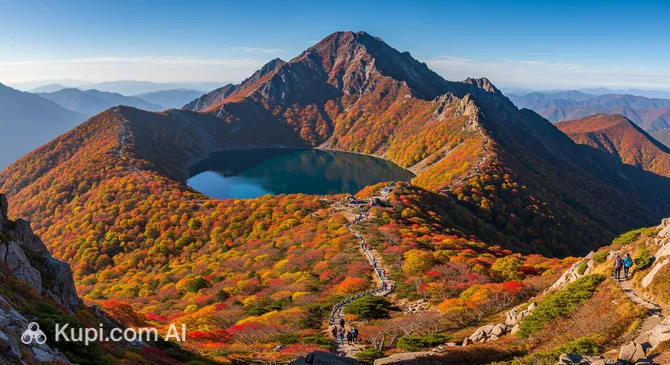
Shopping in Baishan offers a distinctive experience that reflects the city's identity as a gateway to the Changbai Mountains. While you will not find the endless rows of luxury fashion boutiques typical of Shanghai or Beijing, the city excels in offering high-quality local specialties and "mountain treasures." The retail scene is a mix of modern department stores in the city center and bustling traditional markets where the region's abundant natural resources take center stage. For tourists, the real joy of shopping here lies in discovering authentic products sourced directly from the surrounding forests, particularly ginseng, wild herbs, and unique geological stones.
The primary commercial hub is located in the Hunjiang District, the city's urban center. The streets surrounding the main squares are lined with a variety of shops selling clothing, electronics, and sporting goods. This area is vibrant and walkable, allowing visitors to browse through local brands and everyday necessities. For those staying in the Changbaishan International Resort area in Fusong County, the shopping experience is more upscale, with resort villages offering high-end ski gear, branded outdoor clothing, and boutique souvenir shops tailored specifically for international travelers.
For a more concentrated shopping experience, the city has several large malls. The Baishan Department Store (Baihuodalou) is a long-standing landmark where locals shop for everything from cosmetics to household goods. It provides a reliable place to find authentic Chinese brands and is often less crowded than malls in larger capitals. Another popular spot is the Heda Shopping Plaza, which offers a more modern environment with a mix of retail stores, restaurants, and entertainment facilities, making it a good place to spend a leisurely afternoon indoors.
To truly understand the local lifestyle, you must visit the markets. The morning markets in Baishan are legendary; they open as early as 5:00 AM and wrap up by mid-morning. Here, farmers sell freshly gathered wild vegetables, forest mushrooms, and seasonal fruits like blueberries. It is a sensory delight and the best place to see the "mountain treasures" in their rawest form. Night markets also operate in the warmer months, offering a festive atmosphere where you can buy inexpensive clothes, accessories, and local handicrafts while snacking on street food.
When it comes to souvenirs, Baishan is famously known as the "Hometown of Ginseng." Ginseng roots, both fresh and dried, are the most popular purchase. You can find them in varying grades and prices, from affordable roots for soup to premium wild ginseng worth thousands. Apart from herbs, the region is famous for Songhua Stone, a type of sedimentary rock used to make exquisite inkstones and carvings. These stones are prized for their natural wood-grain patterns and make for sophisticated, culturally rich gifts. Other excellent take-home items include dried black fungus (wood ear mushrooms), wild hazelnuts, and locally produced blueberry wine.
Most shops in Baishan operate from around 9:00 AM to 8:30 PM, though opening hours can extend later in the summer and shorten in the cold winter months. Markets operate on their own distinct schedules, with morning markets closing by 8:30 AM. regarding payment, mobile payments via Alipay and WeChat Pay are the standard everywhere, from large malls to street vendors. While major department stores accept credit cards, smaller shops and markets almost exclusively rely on mobile apps or cash (RMB). It is highly recommended to have your mobile payment set up before heading out to shop.
Tax-free shopping for tourists is not a widespread feature in Baishan compared to China's major international hubs. Visitors should generally expect to pay the listed price including tax. However, prices for local specialties like ginseng and mushrooms are significantly lower here at the source than in other parts of China, offering great value even without a tax refund scheme.