Support

Changchun

About

Changchun, the capital of Jilin Province, is a dynamic industrial and cultural hub located in the heart of Northeast China. Often referred to as the "City of Automobiles" and the "City of Film," it holds a significant place in the nation's industrial development while maintaining a surprisingly green and pleasant atmosphere. With broad avenues and a blend of architectural styles, this metropolis offers a unique window into the diverse character of the region.
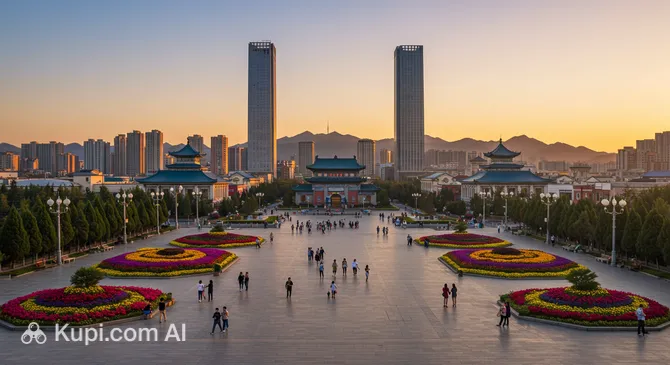
Changchun. Source: Kupi.Binoculars

Geographically situated in the center of the Northeast China Plain, the city experiences four distinct seasons. Although its name translates to "Long Spring," winters here can be cold and snowy, making it a great destination for ice and snow activities, while summers are generally mild and comfortable. Home to over 4.4 million people, the city balances its bustling urban energy with expansive natural spaces, earning it the reputation of a "Forest City" due to its high greenery coverage.

Visitors intrigued by the past will find the history of Changchun deeply fascinating, particularly evident in its well-preserved historical sites. A major highlight is the Museum of the Imperial Palace of Manchukuo, an architectural complex that offers a glimpse into the life of the last emperor. For nature lovers, Jingyuetan National Forest Park is a must-visit gem, boasting Asia's largest man-made forest and serving as a premier spot for skiing in winter and hiking in summer. Additionally, the Changchun World Sculpture Park showcases an impressive collection of art from around the globe, adding a modern artistic flair to the city's landscape.

Whether you are drawn by its cinematic heritage, its historical significance, or its beautiful parks, Changchun welcomes travelers with open arms. It is a destination that perfectly blends the charm of northern culture with modern sophistication, making it well worth a visit on your journey through the region.

Weather Overview

Changchun experiences a continental monsoon climate characterized by four distinct seasons, each offering a different atmosphere for visitors. The city is known for its long, cold winters and relatively short, warm summers. Generally, you can expect warm summers with occasional rain and cold, dry winters, making it essential to pack according to the season of your visit.

For those planning a trip, checking the detailed forecast is recommended, but knowing the general weather in Changchun can help set expectations. The winter months are freezing, with January being the coldest month, featuring an average temperature of -13.1°C and lows dipping to -18.3°C. Precipitation is minimal during this time, with very few wet days recorded.

In contrast, the summer brings warmth and life to the city. July is typically the hottest month, with an average temperature of 24.7°C, creating a comfortable environment for outdoor exploration. However, this is also the wettest period of the year; July and August can see up to 16 wet days each, so carrying an umbrella is advisable if you are traveling during these months.

Interesting Facts

Beyond its industrial prowess and historical sites, Changchun holds several fascinating distinctions that surprise many visitors. Here are a few unique aspects of the city that reveal its hidden character:

  • The Irony of the Name: The name "Changchun" literally translates to "Long Spring," which is quite deceptive given the local climate. In reality, the city has one of the shortest springs in the region, while its winters are famously long and cold, often lasting for nearly half the year.

  • Cradle of Cinema: This city is the birthplace of the modern film industry in China. The Changchun Film Studio produced the nation's first feature film, first puppet film, and first dubbed film, earning the city the nickname "The Hollywood of the East."

  • A City in a Forest: Changchun was the first city in the country to be designated a "National Forest City." Unlike many concrete-heavy urban centers, nearly half of its urban area is covered in greenery, and it boasts a unique layout where the forest and the city are seamlessly integrated.

  • Distinctive Urban Design: The city's layout is unique in Asia, featuring very broad avenues and numerous large roundabouts. This modern urban planning was implemented decades ago, designed to accommodate a volume of traffic that would not exist until many years later.

How to Get There

Reaching this vibrant industrial and cultural hub is relatively straightforward, thanks to its well-connected transport network. Whether you are arriving by air or rail, there are several convenient options to choose from. For a detailed breakdown of all routes and travel tips, you can read more about how to get to Changchun on our dedicated page.

The primary gateway for air travelers is Changchun Longjia International Airport (CGQ), located within the city limits approximately 35.3 km from the center. As a major regional hub, it handles a significant volume of passengers annually. A journey by taxi or bus from here to the city center typically takes around 75 minutes. Alternatively, travelers can fly into Harbin Taiping International Airport (HRB) in the neighboring city of Harbin. Although it is situated about 213.8 km away, it serves as a large international hub and can be a viable option for certain itineraries, with a transfer time by road estimated at roughly 5.5 hours.

For clarity, here is a summary of the main airports:

Airport Name City Passenger Traffic Km from City
Harbin Taiping International Airport Harbin Large 213.8
Changchun Longjia International Airport Changchun Large 35.3
Tongliao Airport Tongliao Medium 253.5
Songyuan Chaganhu Airport Songyuan Small 169.9
Tonghua Sanyuanpu Airport Tonghua Small 176.2

The region is also well-served by an extensive railway network. The most significant hub is Changchun Railway Station, which handles a very high volume of passengers and connects the city to numerous destinations across China. It is located about 35.5 km from the city center, with a transit time of about 75 minutes by road. Another nearby option is Jilin Railway Station in Jilin City, situated roughly 100.5 km away. Travelers arriving there can expect a transfer journey of approximately 2 hours and 50 minutes to reach Changchun.

Below is a list of the nearest railway stations:

Station City Passenger Traffic Km to Center
Changchun Railway Station Changchun Very High 35.5
Jilin Railway Station Jilin City Medium 100.5
Siping Railway Station Siping Medium 104.4
Harbin West Railway Station Harbin 232.0
Tieling Railway Station Tieling 221.9

Main Attractions

Changchun is a city where history and nature converge, offering travelers a diverse array of sights ranging from imperial relics to expansive forest parks. Whether you are a history buff, an art enthusiast, or an outdoor adventurer, the city's top attractions provide a deep dive into the unique character of Jilin Province.

The Museum of the Imperial Palace of Manchukuo is arguably the most historically significant site in the city. This complex served as the residence for Puyi, the last emperor of China, during his time as the figurehead of the Manchukuo state. Unlike the Forbidden City in Beijing, this palace features a unique blend of traditional Chinese, Japanese, and European architectural styles. Visitors can explore the well-preserved living quarters, administrative buildings, and exhibits that offer a sobering and detailed look into a turbulent era of the region's history.

For those seeking fresh air and natural beauty, Jingyuetan National Forest Park is an absolute must. Often described as the "Green Lung" of the city, this vast park centers around a picturesque crescent-shaped reservoir. It is a year-round destination: in the warmer months, it is perfect for hiking, boating, and cycling through lush woodlands, while in winter, it transforms into a premier ski resort and a hub for the famous Vasaloppet China Ski Festival.

Art lovers will find a haven at the Changchun World Sculpture Park. This sprawling urban park is not just a green space but a massive outdoor gallery showcasing thousands of works by sculptors from hundreds of countries. The pieces range from traditional to avant-garde, set against a backdrop of landscaped gardens and lakes. It is a serene place to stroll, allowing visitors to appreciate global artistic trends while enjoying a quiet escape from the city center.

Reflecting the city's reputation as the "City of Film," Changchun Movie Wonderland offers a more dynamic experience. Located near Jingyuetan, this film theme park focuses on special effects and cinematic magic. It is designed to immerse visitors in the world of movies through 4D theaters, space-themed exhibits, and interactive sets. It is an entertaining stop for families and anyone interested in the technical wizardry behind the silver screen.

Local Cuisine

The local cuisine of Changchun is a hearty reflection of its location in Northeast China, known as "Dongbei." The food here is famous for its generous portions, intense flavors, and heavy use of wheat-based staples like dumplings and noodles rather than just rice. Designed to keep locals warm during the long, harsh winters, the dishes are typically savory, salty, and rich, often featuring stews and braised meats that provide comfort and sustenance.

One of the most iconic dishes you must try is Guo Bao Rou (Double Cooked Pork Slices). This classic Dongbei specialty consists of sliced pork tenderloin, battered and deep-fried until crispy, then coated in a sweet and tangy sauce. Another local favorite is Di San Xian, a vegetarian dish meaning "Three Earthly Fresh," which combines stir-fried potatoes, green peppers, and eggplant in a savory soy-based sauce. For meat lovers, the Chicken and Mushroom Stew is a staple comfort food, often made with wild hazelnuts or mushrooms gathered from the nearby forests.

Due to the city's geographical proximity to the Korean peninsula and a significant ethnic Korean population in the province, authentic Korean flavors are also deeply integrated into the local food scene. Cold Noodles (Leng Mian) are particularly popular, especially in summer. These buckwheat noodles are served in a chilled, tangy broth topped with beef, kimchi, cucumber, and sometimes a slice of apple or pear, offering a refreshing contrast to the heavier local stews.

When it comes to drinks, Jilin Province is renowned as a major producer of ginseng, and this prized root finds its way into many local beverages. You can try Ginseng Tea for a non-alcoholic health boost or sample Ginseng Liquor, which is often infused with various herbs. For casual dining, local beers are the standard accompaniment to meals; the region has a strong beer culture, and lagers like Snow Beer are ubiquitous at dinner tables.

The food culture in Changchun is vibrant and unpretentious. Locals love to gather in lively restaurants where round tables are filled with large plates meant for sharing. Street food is also a significant part of the culinary landscape, particularly Chuan'r (BBQ skewers). As evening falls, the scent of charcoal-grilled lamb, beef, and vegetables fills the air at night markets, where friends gather to enjoy skewers spiced with cumin and chili flakes.

Travel Tips

Visiting Changchun offers a unique glimpse into the industrial and cultural heart of Northeast Asia, but the region's distinct climate and local customs require a bit of preparation. To help you navigate the "Spring City" with ease and confidence, here are some practical tips designed to make your journey as smooth as possible.

  1. Clothing and Gear: If you are visiting in winter, do not underestimate the cold. Temperatures often drop well below freezing, so heavy down jackets, thermal underwear, gloves, and a hat are essential. Since the streets can be icy, wear boots with good grip. In contrast, summers are mild and pleasant, requiring only light clothing, though a rain jacket is handy for the wet season in July and August.

  2. Transportation: The city has an efficient and expanding rail network, including both subway lines and a light rail system that connects major sites like the Puppet Emperor's Palace and Jingyuetan Park. Taxis are plentiful and very affordable compared to Western standards, but it is best to have your destination written in Chinese. Ride-hailing apps are widely used, but you will likely need a local version like DiDi.

  3. Finances: While the official currency is the Renminbi (RMB), cash is becoming increasingly rare in China. Most transactions, from malls to street food vendors, are done via mobile payment platforms like WeChat Pay or Alipay. It is highly recommended to set up the international version of Alipay and link your foreign credit card before you arrive. Carry a small amount of cash for emergencies, but rely on your phone.

  4. Health and Safety: Changchun is generally very safe for tourists. Pharmacies are marked with a green cross, but English-speaking staff are rare, so have a translation app ready. In winter, the air quality can fluctuate due to heating systems; checking the daily air quality index (AQI) and wearing a mask on hazy days is a sensible precaution for those with respiratory sensitivities.

  5. Communication: English is not widely spoken outside of high-end hotels and major universities. To get around, download an offline translation app and a map app that works locally (like Baidu Maps or Amap), as Western map services are often inaccurate or blocked. Buying a local SIM card at the airport upon arrival is crucial for staying connected and using mobile payment apps.

  6. Local Etiquette: People in Northeast China are known for being warm, straightforward, and enthusiastic. Conversations can sometimes sound loud to visitors, but this is usually a sign of friendliness rather than aggression. When dining, it is polite to leave a little food on your plate to show that the host has provided more than enough, and always accept a toast if offered.

  7. What to Avoid: Avoid taking "black taxis" (unlicensed cabs), especially at the airport or train stations. They often overcharge foreigners. Stick to the official taxi queues or marked vehicles. Also, avoid getting into arguments about prices after a service has started; always agree on the meter or a fixed price beforehand if the meter is not used.

  8. Additional Tip: Embrace the local bathhouse culture. In the freezing winter, locals love to spend hours in large bath centers (xiyu), which offer saunas, pools, buffets, and relaxation areas. It is a quintessential Northeast experience that is both relaxing and culturally immersive.

By keeping these practicalities in mind, you will be well-equipped to enjoy everything Changchun has to offer, from its snowy landscapes to its hearty cuisine. A little preparation goes a long way, ensuring your adventure in this fascinating corner of the world is memorable for all the right reasons.

Entertainment & Nightlife

Entertainment in Changchun is a spirited affair that defies the region's cold winters with warm hospitality and lively energy. While the city may not possess the high-gloss international club scene of Beijing or Shanghai, it offers a robust mix of bustling night markets, energetic karaoke (KTV) parlors, and a growing selection of bars. The nightlife here is heavily influenced by the local "Dongbei" culture, which emphasizes social dining, heavy toasts, and hearty entertainment, creating an atmosphere that is unpretentious and incredibly welcoming.

The undisputed epicenter of the city's evening activity is Guilin Road. This vibrant district acts as a magnet for the city's large university population and young professionals. As the sun sets, the streets light up with neon signs, and the air fills with the spicy aroma of sizzling street food. It is an excellent place to start the night, offering a kaleidoscope of snacks ranging from grilled cold noodles to spicy squid. Tucked behind the food stalls, you will find numerous quaint cafes, small pubs, and live music venues where the vibe is casual and the crowd is friendly.

For a more focused bar experience, Tongzhi Street—often historically referred to as "Mayflower Bar Street"—is a key destination. Here, you can find a cluster of pubs and lounges that cater to both locals and the expatriate community. The venues here range from quiet spots perfect for a conversation and a game of pool to more energetic bars featuring live bands playing pop and rock covers. The dress code throughout the city is generally casual; in winter, practical warmth takes precedence over high fashion, though the interiors of all venues are comfortably heated.

Karaoke is a cornerstone of entertainment in Changchun, as it is across much of the country. Large KTV venues are scattered throughout the city, particularly around the commercial hub of Hongqi Street. These are not merely singing booths but full-service entertainment complexes where groups rent private rooms, order fruit platters and cases of beer, and sing until the early hours. It is the quintessential way to socialize here. For a different kind of evening, the Wanda Plaza on Hongqi Street offers a modern mix of late-night cinema, shopping, and indoor dining options.

When planning a night out, keep in mind that the evening usually begins with a substantial dinner around 6:00 PM or 7:00 PM, followed by drinks or KTV. Prices are generally very affordable compared to China's first-tier cities; a beer in a standard bar might cost between 20 to 40 RMB. Getting around is safe and easy; taxis are plentiful and inexpensive, though using a ride-hailing app like DiDi is often more convenient for non-Chinese speakers. The city is very safe at night, even for solo walkers, but sticking to well-lit main roads like Chongqing Road or Renmin Street is always good practice.

During the daylight hours, the entertainment shifts towards culture and leisure. Beyond the major historical museums, visitors can explore the Changchun Zoological and Botanical Garden, which is particularly lovely in the warmer months. For families or those looking to escape the elements, the city's numerous shopping districts, such as the upscale malls along Chongqing Road, provide a mix of luxury brands, indoor amusement centers, and food courts, ensuring there is plenty to do before the sun goes down.

Parks & Museums

While the city is famous for its massive forest parks and imperial history, Changchun offers a wealth of other green spaces and cultural institutions that provide a deeper understanding of its local character. Beyond the well-trodden tourist paths, visitors can find serene lakes right in the city center and museums that celebrate everything from geological wonders to the golden age of cinema.

Nanhu Park (South Lake Park) is the city's premier urban sanctuary, often compared to Beijing's Summer Palace due to its expansive water features and traditional architectural elements. Located conveniently in the city center, it serves as the "living room" for locals who gather here for morning Tai Chi, kite flying, and boating in the summer. In winter, the frozen lake transforms into a playground for ice skating and sledding, offering a festive atmosphere amidst the snow-covered willows.

For a blend of natural beauty and wildlife, the Changchun Zoological and Botanical Garden is a delightful stop, particularly for families. This historic park combines lush botanical displays with animal enclosures, creating a relaxing environment for a stroll. The landscape is carefully designed to reflect different ecosystems, making it a scenic escape where you can admire both rare plant species and diverse fauna without leaving the urban area.

Delving into the region's rich heritage, the Jilin Provincial Museum is a key cultural venue. It houses an extensive collection of artifacts that trace the history of the province from ancient times to the modern era. One of its most famous exhibits features the Jilin Meteorite, the largest stony meteorite in the world, which fell in the region in 1976. The museum provides fascinating insights into the area's natural history and its role in the broader narrative of Northeast China.

Cinema enthusiasts should not miss the Changchun Film Studio Museum, located at the original site of the studio on Hongqi Street. Distinct from the theme-park-style Movie Wonderland, this museum preserves the authentic history of the "Cradle of New Chinese Cinema." Visitors can walk through preserved studios, view vintage equipment, and learn about the classic films produced here that shaped the nation's cultural landscape in the 20th century.

Architecturally, the city is an open-air museum of the Manchukuo era, best exemplified by the Eight Departments of Manchukuo (Badabu). These former government buildings, situated near Xinmin Street, showcase a unique blend of Japanese, Chinese, and Western architectural styles. While most are now used as hospitals or university buildings and cannot be entered, their imposing exteriors and distinct designs make for a compelling historical walking tour.

For a truly authentic local experience, hop on the Tram No. 54. This vintage tram line has been operating since the 1940s and offers a nostalgic ride through the city's streets. It is particularly beautiful in autumn when the tracks are lined with golden leaves, providing a perfect photo opportunity and a slow-paced way to observe the daily life of Changchun.

Getting Around

Navigating Changchun is relatively convenient thanks to a diverse public transport network that blends modern efficiency with a touch of history. The backbone of the city's transit is the Changchun Rail Transit system, which uniquely combines underground subway lines with above-ground light rail services. The light rail (Lines 3 and 4) was one of the first of its kind on the mainland, connecting key areas such as the railway station, the Puppet Imperial Palace, and Jingyuetan Park. The newer subway lines (Lines 1 and 2) offer rapid transit across the city center, providing a fast and comfortable way to beat the traffic.

For a more scenic and nostalgic journey, the city operates a historic tram system, most notably Line 54 and the newer Line 55. These trams are not just tourist attractions but fully functional parts of the daily commute. Riding the green-and-yellow trams offers a charming window into the city's past, especially as they rattle through tree-lined avenues. In addition to rail options, an extensive public bus network covers every corner of the metropolis. Buses are frequent and extremely affordable, though they can get crowded during peak rush hours in the morning and late afternoon.

When it comes to paying for rides, the system is modernized but still accommodates traditional methods. Fares are distance-based for the metro and light rail, typically ranging from 2 to 7 RMB, while bus and tram rides usually cost a flat fee of 1 or 2 RMB. Most locals use mobile payment apps like WeChat or Alipay to scan QR codes at turnstiles or on buses. However, for short-term visitors without access to local digital wallets, cash is still accepted. It is crucial to carry small denominations (1 RMB coins or notes), as bus drivers do not give change. Alternatively, you can purchase a rechargeable IC card (transport card) at metro stations, which is valid across all modes of public transport.

If you prefer a more direct and private mode of travel, taxis are ubiquitous and inexpensive compared to many Western cities. You can easily flag them down on the street; they are typically metered, and it is advisable to ensure the driver turns the meter on. Ride-hailing apps are also very popular and often more convenient if you can navigate the interface or have a translation tool, as they allow you to input your destination digitally, bypassing the language barrier. Bike-sharing services are available but are less practical in the harsh winter months.

Tourists should be aware of the operating hours to avoid getting stranded. The metro and light rail services generally start around 6:00 AM but stop running relatively early, often between 9:00 PM and 10:00 PM, which is earlier than in some other major metropolises. Buses may run slightly later, but service frequency drops significantly at night. Since English signage can be limited at smaller bus stops, it is highly recommended to have your destination written in Chinese characters or to use a map app to show the driver where you want to go.

Accommodation

Finding the perfect place to stay in Changchun is relatively easy, as the city boasts a wide array of accommodation options catering to both business travelers and tourists. As the capital of Jilin Province, the hospitality infrastructure is well-developed, ranging from opulent international five-star hotels to efficient, modern business chains and budget-friendly hostels.

For those who want to be in the heart of the action, the Chaoyang District is the most popular choice. This area serves as the commercial and entertainment center of the city, particularly around Chongqing Road and Renmin Square. Staying here places you within walking distance of major shopping malls, lively night markets, and a plethora of dining options. Many of the city's top-tier luxury hotels are located in this district, offering premium amenities and English-speaking staff, which can be a significant comfort for international visitors.

If your visit is focused on nature or winter sports, consider booking a hotel near Jingyuetan National Forest Park in the southeast. This area offers a distinct resort atmosphere, quite different from the bustling city center. Here, you can find spacious properties that cater to leisure travelers, providing easy access to the ski slopes in winter and hiking trails in summer. It is an ideal retreat for families or those seeking a quieter environment.

Travelers on a tight schedule or those using the city as a transit hub might prefer accommodation near the Changchun Railway Station. The area is packed with mid-range hotels and budget inns. While it is busier and perhaps less scenic than the downtown core, the convenience of being steps away from the high-speed train network and the main bus terminal is unbeatable for early departures or late arrivals.

A few practical tips will ensure a smooth check-in experience. In China, not all hotels are authorized to host foreign guests. It is highly recommended to book through major international travel platforms or to confirm directly with the hotel that they can accept non-mainland ID holders. Additionally, be prepared to pay a deposit upon arrival, which is fully refundable at checkout. During the peak winter season, especially around the Chinese New Year and the Vasaloppet Ski Festival, rooms can fill up quickly, so advance booking is essential.

Nearby Cities

For those looking to explore the surroundings, Changchun serves as an excellent base for day trips to several interesting nearby locations:

City Population Distance (km)
Siping 3,385,156 107
Songyuan 2,880,000 152
Tieling 2,717,732 208
Jilin City 2,396,000 99
Liaoyuan 1,176,239 104

Jilin City is undoubtedly the most popular destination for a short excursion, located less than an hour away by high-speed train. Uniquely sharing its name with the province, it is famous for the spectacular rime ice phenomenon along the Songhua River. In winter, the trees along the riverbanks are coated in delicate white frost, creating a fairytale landscape that attracts photographers from around the world. The city is also a gateway to some of the region's best ski resorts, such as Beidahu.

For travelers interested in local traditions, Songyuan offers a distinct cultural experience. It is home to Chagan Lake, renowned for its ancient winter fishing tradition. During the coldest months, visitors can witness the impressive spectacle of fishermen using traditional methods to harvest fish from beneath the frozen surface, a practice that has been preserved for centuries. Alternatively, Siping appeals to history enthusiasts; known as a "Hero City," it holds significant military history and offers museums dedicated to the strategic battles fought in the region.

These nearby destinations offer a glimpse into the diverse culture and landscapes of the region.

Shopping & Souvenirs

Shopping in Changchun offers a vibrant mix of modern retail experiences and traditional local commerce, reflecting its status as the capital of Jilin Province. The city is a major commercial hub in Northeast China, where visitors can find everything from high-end international luxury brands to unique regional specialties. Whether you are looking for the latest fashion trends, electronic gadgets, or authentic local handicrafts, the city provides a diverse array of options to suit every budget.

The beating heart of the city's retail scene is undoubtedly Chongqing Road. Often referred to as the "Golden Street" of Changchun, this bustling avenue is lined with upscale department stores, boutique shops, and restaurants. It is the perfect place for a leisurely stroll, allowing you to window shop at major establishments like the Charter Shopping Center or the Wanda Plaza. For a younger, trendier vibe, head to Guilin Road. Heavily influenced by nearby Korean culture, this district is packed with small fashion boutiques, accessory shops, and an endless variety of street food stalls, making it a favorite hangout for students and young travelers.

For those who prefer a comprehensive indoor shopping experience, the city boasts some impressive malls. The Eurasia Shopping Mall (Ou Ya) is particularly noteworthy; it is one of the largest shopping complexes in the world by floor area. You can easily spend an entire day here, as it houses not only countless retail outlets but also an indoor park and entertainment facilities. Another popular destination is The MixC, a high-end mall that offers a sophisticated environment featuring top-tier global brands and excellent dining options.

While modern malls dominate the skyline, the local market culture remains strong. The areas surrounding Guilin Road transform into a lively market atmosphere, especially in the evenings, where you can find quirky gadgets, clothes, and snacks. For a more traditional experience, various wholesale markets around the city sell local produce and goods, though these are more geared towards locals than tourists.

When it comes to souvenirs, Changchun is the ideal place to purchase the famous "Three Treasures of the Northeast." The most prominent of these is Ginseng, as Jilin Province is a major production base for this prized root. You can find it in various forms, from dried roots to teas and candies. Other popular local specialties include deer antler products, which are valued in traditional medicine, and Songhua Inkstones, which are beautifully carved from local stone and make for an elegant cultural keepsake.

Store opening hours in Changchun are generally tourist-friendly. Most large shopping malls and department stores operate from around 10:00 AM to 9:30 PM or 10:00 PM daily. Smaller boutiques and street shops may have more flexible hours, often staying open late into the evening during the summer. Payment is almost exclusively digital; while some large international stores accept credit cards, the vast majority of transactions are conducted via mobile apps like WeChat Pay or Alipay. It is highly recommended to have one of these set up on your phone, as cash is becoming increasingly rare.

Tax-free shopping is available for international tourists at select large department stores and malls in the city. If you see a "Tax Free" sign, you may be eligible for a VAT refund on purchases exceeding a certain amount. Be sure to carry your passport and ask the service desk for the necessary forms to process your refund at the airport or designated refund points upon departure.

Reached the end of the page?

That means the route is fully explored