Support

Siping

About

Siping is a fascinating city located in the western part of Jilin Province, often recognized for its strategic importance and rich cultural tapestry. Known historically as a vital transportation hub in Northeast China, the city sits at the convergence of three provinces, earning it the reputation of a "Heroic City" due to its pivotal role in regional development. Today, Siping offers travelers a unique blend of industrial heritage, deep-rooted Manchu traditions, and scenic landscapes that characterize the vast Songliao Plain.

Geographically, Siping is situated in the transition zone between the hilly terrain of the Changbai Mountains and the flat plains, providing it with fertile land that has made it a key grain production base. The city experiences a temperate continental monsoon climate with four distinct seasons; summers are warm and humid, while winters are cold and snowy, creating beautiful seasonal contrasts. With a population of approximately 3.3 million inhabitants, it serves as a bustling regional center where modern urban life meets traditional northeastern charm.

For those interested in the past, the history of Siping is deeply intertwined with the rise of the Manchu culture. One of the city's most significant attractions is the Yehe Ancient City, known as the ancestral home of the Yehe Nara clan and the birthplace of the famous Empress Dowager Cixi. Visitors can explore the reconstructed fortifications and learn about the customs of the Manchu people. Another key site is the Siping Battle Memorial Hall, which documents the city's crucial military history through extensive exhibits, offering a somber yet educational look at the events that shaped the region.
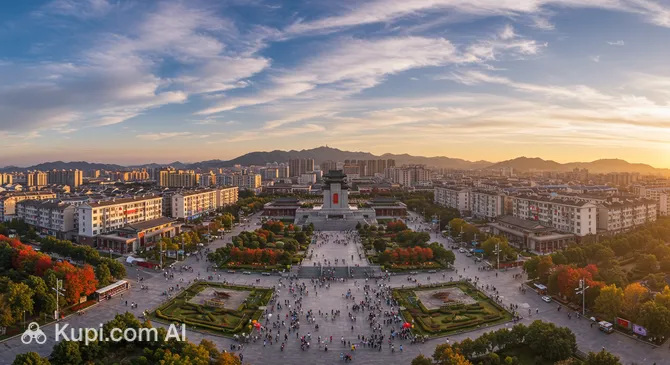
Siping. Source: Kupi.Binoculars

Nature enthusiasts will appreciate the Yitong Volcano Group National Nature Reserve, which features a cluster of ancient volcanoes and unique geological formations. The Shanmen Scenic Area is another highlight, offering lush greenery and a tranquil environment perfect for hiking and relaxation. Whether you are drawn by the echoes of ancient tribes, the stories of historic battles, or simply the warm hospitality of the Northeast, Siping invites you to discover its many stories and hidden gems.

Weather Overview

Travelers planning a visit should be prepared for distinct seasonal changes, as the weather in Siping is influenced by a continental monsoon climate. Winters are typically cold and very dry, with January being the coldest month; average temperatures hover around -11.7°C, and lows can dip to -16.9°C. Snowfall is possible, but precipitation remains minimal during this time, with very few wet days recorded between December and February.

By contrast, the summer months bring warmth and increased humidity. July is generally the warmest time of year, featuring an average temperature of 25.2°C and highs reaching up to 29.1°C. This season also corresponds with the region's rainy period; August, for instance, sees frequent precipitation with approximately 16 wet days. Overall, expect warm summers with occasional rain and cold, dry winters.

Spring and autumn serve as pleasant transition periods, offering milder conditions for exploration. May and September are particularly comfortable, with average temperatures ranging from 16.9°C to 17.6°C. These months provide a balanced climate, avoiding the bitter chill of winter and the peak heat of mid-summer.

Interesting Facts

Beyond the main attractions and historical sites, Siping holds many fascinating secrets that highlight its unique position in both military history and modern industry. This city is not just a transportation hub; it is a place defined by dramatic nicknames and surprising global connections.

  • The "Oriental Madrid": During the Chinese Civil War, the struggle for control over Siping was so fierce and strategically critical that international observers and historians likened the siege to the Battle of Madrid in the Spanish Civil War. The city changed hands four times in a series of grueling battles, earning it this dramatic title due to the intensity of the urban warfare.

  • Capital of Heat Exchangers: While it may seem like an obscure industrial detail, Siping is officially recognized as the "Capital of Heat Exchangers" in China. The city is home to hundreds of manufacturers specializing in this technology, producing a significant portion of the country's plate heat exchangers and setting national standards for the industry.

  • The Golden Corn Belt: Geographically, Siping sits at a latitude that places it squarely within one of the world's three major "Golden Corn Belts." Sharing similar soil conditions and climate with the US Corn Belt and the Ukrainian plain, the region possesses rich black earth that makes it an agricultural powerhouse.

  • A Name of Irony: The name "Siping" evolved from "Sipingkai," which broadly translates to "flat and peaceful in all four directions." This description of its accessible, flat terrain is historically ironic, as this very geography made it one of the most contested battlegrounds in Northeast China, rather than a place of peace.

How to Get There

Reaching Siping is relatively straightforward due to its location as a transportation node in Northeast China. While the city does not have its own commercial airport, it is conveniently situated between two major provincial capitals, allowing travelers to fly into neighboring hubs and complete the journey by ground transport. For a comprehensive overview of travel options, you can read more about how to get to Siping.

The closest major aviation hub is Changchun Longjia International Airport (CGQ), located in the city of Changchun, approximately 142 km from Siping. It serves as a key gateway to the region with numerous domestic and international flights. A journey by taxi or car from this airport to Siping typically takes approximately 2 hours. Alternatively, travelers can fly into Shenyang Taoxian International Airport (SHE) in Shenyang. Situated about 184 km away, this large international airport offers extensive connections, and the drive to Siping takes around 2.5 hours.

For clarity, here is a summary of the main airports:

Airport Name City Passenger Traffic Km from City
Shenyang Taoxian International AirportShenyangHigh184.0
Changchun Longjia International AirportChangchunHigh141.9
Tongliao AirportTongliaoMedium179.6
Songyuan Chaganhu AirportSongyuanLow227.3
Tonghua Sanyuanpu AirportTonghuaLow150.3

Traveling by train is often the most convenient method for reaching the city directly. Siping Railway Station is located right in Siping, just 7.6 km from the city center, making it an extremely accessible entry point. It handles a high volume of passengers annually, reflecting its status as a significant stop on the railway network. Travelers coming from further afield may also pass through or transfer at Changchun Railway Station in Changchun, a major regional hub located 142 km away, which offers extensive connections to the rest of the country.

Below is a list of the nearest railway stations:

Station City Passenger Traffic Km to Center
Changchun Railway StationChangchunVery High142.0
Siping Railway StationSipingHigh7.6
Shenyang North Railway StationShenyang168.0
Tieling Railway StationTieling118.1
Fushun Railway StationFushun146.6

Main Attractions

Siping offers a compelling mix of historical depth and natural beauty, making it a rewarding destination for travelers exploring Jilin Province. From its pivotal role in 20th-century military history to its roots as a cradle of Manchu culture, the city provides unique insights into the region's past. Below are some of the most notable places to visit.

Siping Battle Memorial Hall is undoubtedly the city's most prominent historical landmark. Located on the north side of Hero Square, this extensive museum commemorates the four fierce battles fought here between 1946 and 1948 during the Chinese Civil War. The intense urban warfare earned Siping the moniker "Oriental Madrid." Inside, visitors can explore a vast collection of artifacts, including historical photographs, weapons, and maps that detail the strategic importance of the city. A highlight for many is the panoramic painting hall, which uses realistic artwork and lighting to immerse guests in the atmosphere of the historic conflict.

For a deep dive into cultural heritage, the Yehe Ancient City is a must-visit. Situated in the southeastern part of the city, this site is famous as the ancestral home of the Yehe Nara clan, one of the most powerful families in Qing Dynasty history. It is often referred to as the "Hometown of Two Empresses" because it is linked to the lineage of both Empress Dowager Cixi and Empress Dowager Longyu. The reconstructed ancient town features traditional Manchu architecture, including fortifications, towers, and temples. It also serves as a popular film set for period dramas, allowing tourists to walk through streets that feel like a step back in time.

Nature lovers should head to Erlong Lake, a stunning scenic area often called the "Pearl of the Songliao Plain." The name, which translates to "Two Dragons Lake," comes from the two dragon-shaped mountain ranges that seem to guard the water. This massive reservoir is perfect for a relaxing day out, offering opportunities for boating, fishing, and birdwatching. In the summer, the cool breeze and lush green surroundings make it an ideal escape from the city heat, while the local restaurants nearby are known for serving fresh fish dishes caught directly from the lake.

Another excellent spot for outdoor enthusiasts is the Shanmen Scenic Area. Located just a short drive from the city center, this area is known for its picturesque landscape characterized by the rolling Banla Mountain and the tranquil Shanmen Reservoir. The scenery here is a harmonious blend of water and mountains, often compared to a "natural bonsai." Visitors can hike along the trails to enjoy panoramic views, visit local temples nestled in the hills, or simply enjoy a picnic by the water's edge. It is particularly beautiful in spring when the apricot blossoms cover the hillsides.

Local Cuisine

The culinary landscape of Siping is a hearty and flavorful reflection of its location in Northeast China. As part of the famous "Golden Corn Belt," the city offers cuisine that is robust, savory, and designed to provide warmth during the cold winters. Travelers here can expect generous portions, a heavy reliance on wheat-based foods, and rich, salty flavors characterized by the liberal use of garlic, scallions, and soy sauce.

The absolute must-try dish in the city is the famous Li Liangui Smoked Meat Pie (Xunrou Dabing). Originating in the region over a century ago, this delicacy consists of a crispy, multi-layered pancake filled with tender, aromatic pork that has been smoked with a blend of traditional Chinese herbs. It is typically served with a side of sweet bean paste and fresh green onions, creating a perfect balance of textures and savory notes. It is not just a meal; it is a cultural icon of Siping.

Beyond the famous meat pie, Siping is an excellent place to experience authentic Dongbei BBQ (Shao Kao). As the sun sets, the city's streets often fill with the scent of charcoal and cumin. Locals gather to enjoy skewers of lamb, beef, and vegetables, often grilling them right at the table or buying them from bustling street stalls. Another staple is Guobaorou, a classic Northeastern dish of pork slices coated in potato starch, deep-fried until crispy, and tossed in a tangy sweet and sour sauce.

When it comes to beverages, the local culture favors drinks that complement the rich food. Baijiu, a potent sorghum liquor, is a traditional favorite for social gatherings and celebrations, widely believed to help combat the winter chill. For a non-alcoholic option, freshly squeezed corn juice is incredibly popular here. Thanks to the region's high-quality maize production, the drink is sweet, creamy, and served hot, offering a comforting taste of the local harvest.

Dining in Siping is a communal and relaxed affair. Whether you are sitting in a specialized restaurant enjoying smoked meat pancakes or grabbing a quick bite at a night market, the atmosphere is welcoming and unpretentious. Visitors should also try the local "dipping vegetables" (Zhan Jiang Cai), a platter of raw fresh vegetables served with a savory soybean paste, which serves as a refreshing counterpoint to the heavier meat dishes.

Travel Tips

Visiting Siping offers a unique glimpse into Northeast China's history and culture, but a little preparation goes a long way to ensure a smooth journey. Here are some practical tips to help you navigate the city comfortably and make the most of your experience in this "Heroic City."

  1. Clothing and Gear: The climate in Siping varies drastically by season. If you visit in winter (December to February), heavy thermal clothing, a down jacket, gloves, and non-slip boots are essential as temperatures drop well below freezing. Summers are warm and humid, so light, breathable fabrics are best, but pack a compact umbrella for the rainy season in July and August. Comfortable walking shoes are a must for exploring sites like the Yehe Ancient City.
  2. Transportation: Siping is well-connected by an affordable public bus network, but for tourists, taxis are often the most convenient option. Taxis are inexpensive compared to Western standards, and ride-hailing apps like DiDi are widely used and reliable. Since the city does not have its own airport, you will likely arrive by high-speed train; the railway station is centrally located, making it easy to transfer to your hotel.
  3. Finances: The local currency is the Renminbi (CNY). While some high-end hotels may accept international credit cards, daily life in Siping runs on digital payments. It is highly recommended to set up Alipay or WeChat Pay on your phone before arrival, as even small street vendors prefer these methods. ATMs are available at major bank branches (like Bank of China or ICBC) for withdrawing cash, which is good to have as a backup.
  4. Health and Safety: Siping is generally a very safe city for travelers. However, tap water is not potable; always drink bottled water or boiled water provided by your hotel. Pharmacies are common and usually marked with a green cross, but carrying a basic travel kit with remedies for digestion or colds is wise. In winter, the indoor heating is very strong, so stay hydrated to avoid dryness.
  5. Communication: Mandarin is the primary language, and the local dialect can be quite strong. English is not widely spoken outside of major transport hubs or luxury hotels. It is crucial to download a translation app (like Baidu Translate) that works offline. Also, ensure you have a roaming plan or a local SIM card with a VPN-enabled service to access international apps and maps.
  6. Local Etiquette: The people of Northeast China are known for their warmth and directness. When dining, it is polite to accept food offered by your host, and toasts are a common part of social meals. When visiting the Siping Battle Memorial Hall, maintain a respectful and quiet demeanor, as this is a site of significant historical sorrow and national pride.
  7. What to Avoid: Avoid sticking your chopsticks vertically into a bowl of rice, as this resembles incense burning for the dead and is considered very bad luck. Additionally, do not be offended if locals speak loudly; this is often just a characteristic of the enthusiastic Northeastern communication style, not a sign of anger.
  8. Local Insight: Embrace the local dining schedule. Restaurants in Siping, and Northeast China in general, tend to close earlier than in the south. Dinner is usually eaten around 6:00 PM to 7:00 PM. If you get hungry late at night, look for a vibrant night market or a BBQ (Shao Kao) stand, which are the hubs of late-night social life.

With these practical tips in hand, you are ready to explore the "Oriental Madrid" with confidence and ease. Enjoy the rich history, the hearty cuisine, and the distinct charm that makes Siping a memorable stop in Jilin Province!

Entertainment & Nightlife

Nightlife in Siping is a distinctively local experience, offering a more relaxed and authentic atmosphere compared to China's bustling metropolises. Instead of high-energy electronic nightclubs, the evening entertainment here centers heavily on social dining, karaoke (KTV), and outdoor leisure. The city comes alive after sunset with the glow of neon signs from restaurants and the inviting aroma of charcoal grills, making it a perfect destination for travelers who want to unwind like a local.

The most vibrant areas for evening activities are divided between the Tiexi and Tiedong districts. The area surrounding the Siping Railway Station serves as a traditional hub where streets are lined with small eateries and shops that stay open late. For a more modern entertainment experience, Wanda Plaza in the Tiedong District is the go-to destination. This large complex is a one-stop-shop for nightlife, housing a cinema, numerous chain restaurants, and indoor arcades that attract a younger crowd.

A quintessential part of Siping's nightlife is the "Shao Kao" (BBQ) culture. As night falls, locals flock to barbecue restaurants to enjoy skewers of lamb, beef, and vegetables accompanied by cold beer or Baijiu. These venues are often lively and raucous, with a dress code that is entirely casual. After dinner, the night often continues at a KTV parlor. Karaoke is the primary form of late-night entertainment here, where groups of friends rent private rooms to sing and socialize in a comfortable, private setting.

For a glimpse into the local lifestyle, a visit to Hero Square (Yingxiong Square) in the evening is essential. This expansive public space transforms at dusk into a communal gathering spot. You will see groups of residents participating in synchronized square dancing, exercising, or simply strolling with their families. It offers a safe and welcoming atmosphere where tourists can observe the genuine warmth of the community without spending a penny.

Practicalities for a night out in Siping are straightforward. The city is very safe for night walks, though standard precautions should be taken in quieter areas. Public transport slows down in the evening, so taxis are the best way to get around; they are plentiful and very affordable. Most venues close by midnight or 1:00 AM, though some BBQ spots and KTVs may stay open later. Prices are generally lower than in major tourist cities, making a night out very budget-friendly.

While the nights are for relaxation, daytime in Siping offers its own array of cultural entertainment. History buffs can spend hours at the Siping Battle Memorial Hall, which provides a deep dive into the region's military past. For those interested in the arts, the Siping Grand Theater occasionally hosts performances ranging from traditional opera to modern concerts. Additionally, the city's parks provide a peaceful retreat for morning or afternoon walks before the evening festivities begin.

Parks & Museums

Siping offers a refreshing balance between its industrial heritage and a commitment to green living and cultural preservation. For travelers, the city presents a variety of well-maintained parks that serve as urban oases, alongside museums that safeguard the region's deep historical roots. Whether you are looking for a quiet place to stroll among local flora or a deep dive into the chronicles of Northeast China, the city has several rewarding spots to explore.

Siping Botanical Garden is a standout destination for nature lovers, functioning as a "green lung" for the city. This expansive garden is designed to showcase the diverse plant life of Jilin Province, featuring winding paths flanked by towering trees that provide a canopy of shade in the summer. It is particularly beautiful during the blooming season when the flower beds create a vibrant sea of color. The garden is divided into various sections, including areas for rare plants and themed landscapes, making it a perfect spot for photography and leisurely walking away from the city noise.

Another favorite among locals is South Lake Park (Nanhu Park), located conveniently within the city limits. This park is centered around a serene body of water, offering a peaceful atmosphere that contrasts with the bustling streets nearby. It features well-paved walking trails, traditional pavilions, and scenic bridges that cross the water, providing excellent vantage points for relaxation. In the early mornings and evenings, the park comes alive with residents practicing Tai Chi or enjoying light exercise, offering visitors a glimpse into the authentic daily life of Siping.

For a more civic experience, Hero Square serves as the monumental heart of the city. While it functions as a public plaza, its extensive green belts and manicured landscaping make it a key outdoor space. Dominated by the towering Monument to the People's Heroes, the square is not only a place of remembrance but also a vibrant community hub where people gather for social activities, kite flying, and evening dances.

The city's museums provide a fascinating window into its storied past. The Siping City Museum is the primary institution for understanding the broader history of the region, beyond just its military fame. The museum houses a collection of thousands of artifacts, ranging from Neolithic pottery and ancient coins to relics from the Liao and Jin dynasties. It offers a comprehensive narrative of human settlement in the Songliao Plain, making it an essential stop for those interested in archaeology and regional culture.

While the Siping Battle Memorial Hall is famous for its military history, it also stands as a significant museum in its own right. Inside, visitors can view an impressive array of historical photographs, military maps, and preserved equipment that detail the four major battles fought for the city. The museum is renowned for its large-scale panoramic painting hall, which uses sound and light effects to recreate the intensity of the 1940s conflict, providing an immersive educational experience that goes beyond standard static exhibits.

For a unique cultural encounter, the Yehe Ancient City functions as an open-air museum dedicated to the Manchu people. As the ancestral home of the Yehe Nara clan, the site features reconstructed fortifications and traditional dwellings that allow visitors to walk through history. The exhibits here focus on Manchu folk customs, including traditional clothing, archery, and shamanistic rituals, offering a rare insight into the lifestyle of the Qing Dynasty's ruling ethnic group.

Insider Tip: If you are willing to travel a bit further afield to Yitong County (under Siping's administration), the Yitong Manchu Folk Museum is a hidden gem. It is one of the few museums in China dedicated exclusively to Manchu culture, housing an extensive collection of ethnic artifacts that you won't find elsewhere. It’s a worthwhile detour for cultural anthropology enthusiasts.

Getting Around

Navigating Siping is a straightforward experience, as the city’s layout is logical and the public transportation options are efficient for a city of its size. Unlike the mega-cities of China, Siping does not currently operate a metro system. Instead, the public transit network relies almost entirely on a comprehensive bus system that connects the railway stations, commercial districts, and major residential areas. For most visitors, getting around involves a mix of public buses and affordable taxis.

The bus network is the backbone of local travel. Routes cover the majority of the city, including key tourist sites like Hero Square and the Siping Battle Memorial Hall. Buses are generally clean and frequent, although they can get crowded during peak commuting hours (7:00 AM–9:00 AM and 5:00 PM–7:00 PM). Most bus lines operate with a flat-rate fare structure, typically costing just 1 CNY per ride, though some longer routes or air-conditioned buses in summer may charge 2 CNY. It is an incredibly budget-friendly way to explore the city.

When it comes to payment, Siping is very much part of China’s digital revolution. While locals often use rechargeable IC transport cards, these are not necessary for short-term visitors. The most convenient way to pay is via the "Transport" mini-app within WeChat or Alipay, which generates a QR code that you scan upon boarding. If you do not have these apps set up, cash is widely accepted. However, you must have exact change as drivers do not carry money, and fare boxes do not dispense change. Always keep a few 1 CNY coins or notes handy if you plan to use cash.

For those who prefer a more direct and private mode of travel, taxis are ubiquitous and inexpensive. You can easily hail a taxi on the street; they are usually painted in distinct colors like green or red. All official taxis use a meter, and the flag-fall price is very low compared to Western standards. Alternatively, ride-hailing apps are extremely popular. DiDi Chuxing (the local equivalent of Uber) works reliably in Siping and is often easier for tourists because you can input your destination in the app, overcoming the language barrier with drivers who likely do not speak English.

A crucial piece of advice for tourists is to be mindful of operating hours. Unlike in Beijing or Shanghai where transport runs late into the night, bus services in Siping tend to wind down relatively early. Most routes stop running between 6:00 PM and 7:00 PM, although a few main lines may operate until 8:00 PM or slightly later. If you are planning a late dinner or a night out at a KTV, plan to take a taxi back to your hotel.

Finally, navigation apps are essential. Google Maps is often outdated or inaccessible in this region, so it is highly recommended to download Baidu Maps or Amap (Gaode Maps) before you arrive. Even if you cannot read Chinese characters, the visual tracking of your location is helpful. Additionally, always have the name and address of your hotel or destination written in Chinese characters on your phone or a piece of paper to show taxi drivers or helpful locals.

Accommodation

Finding accommodation in Siping is generally a straightforward process, offering travelers a range of options that cater primarily to practicality and comfort. The city’s hospitality sector is dominated by mid-range business hotels and budget-friendly guesthouses, designed to serve the needs of transit passengers and regional visitors. While you may not find an abundance of ultra-luxury international resort chains, there is a solid selection of modern, clean, and well-equipped establishments that ensure a pleasant stay.

The most convenient area for tourists to base themselves is undoubtedly near the Siping Railway Station, which sits at the junction of the Tiexi and Tiedong districts. Staying here places you right in the heart of the action, with easy access to public transportation, taxis, and the intercity rail network. For those seeking a more modern atmosphere with shopping and dining at their doorstep, the Tiedong District, particularly around major commercial hubs like Wanda Plaza, is an excellent choice. This area tends to host newer hotels with updated amenities.

When it comes to booking, a crucial tip for international travelers is to verify that your chosen hotel is licensed to accept foreign guests. In smaller Chinese cities like Siping, not every accommodation possesses the necessary permits to host non-Mainland Chinese ID holders. It is highly recommended to book through major international travel platforms or contact the hotel directly in advance to confirm they can process your registration.

Price-wise, Siping is very affordable compared to China's major metropolises. Budget travelers can find comfortable rooms for very reasonable rates, while mid-range hotels often provide excellent value, offering spacious rooms and breakfast buffets for a fraction of the cost you would pay in Beijing or Shanghai. During peak travel periods, such as the Chinese New Year or the summer school holidays, availability can tighten, so securing your reservation a few weeks early is always a wise strategy.

Nearby Cities

For those looking to explore the surroundings, Siping serves as an excellent base for day trips to several interesting nearby locations.

One of the most popular destinations is Changchun, the capital of Jilin Province, located just a short train ride away. Known as the "City of Automobiles" and the "City of Film," it offers a mix of industrial heritage and cultural depth. Visitors can explore the Museum of the Imperial Palace of Manchukuo, which provides a vivid look into the life of China's last emperor, or enjoy the artistic atmosphere of the Changchun World Sculpture Park.

To the south lies Shenyang, the historic capital of Liaoning Province. It is home to the majestic Mukden Palace, a UNESCO World Heritage site that rivals Beijing's Forbidden City in architectural splendor. The city also features the impressive Marshal Zhang's Mansion and offers a vibrant urban experience with bustling shopping districts and diverse culinary delights, making it a perfect spot for history buffs and foodies alike.

For nature lovers, Jilin City offers a scenic escape along the banks of the Songhua River. Famous for its spectacular winter rime ice, which turns the city into a white wonderland, it is equally beautiful in warmer months with attractions like Beishan Park and the Songhua Lake. It provides a more relaxed pace compared to the larger provincial capitals.

City Population Distance (km)
Shenyang7,964,000169
Changchun4,408,154107
Tongliao3,139,153179
Tieling2,717,732106
Jilin City2,396,000193

These nearby destinations offer a glimpse into the diverse culture and landscapes of the region.

Shopping & Souvenirs

Shopping:

Shopping in Siping provides a genuine slice of life in Northeast China. While it may lack the high-end luxury boutiques found in the country's mega-cities, the city offers a robust mix of modern commercial complexes and vibrant local marketplaces. Visitors can find everything from international fashion brands to unique regional specialties, all within a relatively compact city center that is easy to navigate.

The heart of the city's commercial activity is concentrated around the Siping Railway Station area, which serves as the junction between the Tiexi and Tiedong districts. The bustling streets here are lined with independent clothing boutiques, shoe stores, and local convenience shops. The pedestrian-friendly zones in the city center allow for a relaxed shopping stroll, where you can soak in the lively atmosphere of local urban culture and find affordable fashion items.

For a comfortable, modern shopping experience, Wanda Plaza in the Tiedong District is the premier destination. As a large integrated complex, it houses a wide array of domestic and international brands, electronics stores, and lifestyle outlets, providing a climate-controlled environment that is particularly welcome during the cold winter months. Another notable establishment is the Siping Department Store (Baihuodalou), a more traditional venue that has served the community for decades, offering a reliable selection of daily goods, cosmetics, and apparel.

To truly understand the local lifestyle, a visit to a morning market (Zao Shi) is essential. These open-air markets spring to life at dawn and are bustling with activity by 6:00 AM. Here, farmers sell fresh produce, wild mountain herbs, and inexpensive household items. It is a sensory experience filled with the calls of vendors and the vibrant colors of the harvest. For evening shopping, the night markets offer a mix of cheap accessories, toys, and clothes alongside the famous street food stalls.

When looking for gifts to take home, visitors should focus on the specialties of Jilin Province. The region is famous for its "Three Treasures of the Northeast," and you can easily find high-quality ginseng and deer antler velvet in local pharmacies and specialty shops; these are highly valued in traditional Chinese culture. Additionally, local agricultural products like pine nuts, hazelnuts, and wood ear mushrooms make excellent, practical gifts. For a delicious edible souvenir, look for vacuum-packed Li Liangui Smoked Meat, which allows you to bring a taste of Siping's culinary heritage home.

Most shopping malls and department stores operate from approximately 9:30 AM to 9:00 PM, though hours may extend slightly on weekends or holidays. Street shops and smaller boutiques typically follow similar schedules. Payment is almost exclusively digital; WeChat Pay and Alipay are the standards everywhere, from high-end malls to street stalls. Cash is accepted but becoming less common, and international credit cards are rarely accepted outside of major hotels or the largest shopping centers.

Travelers should note that Siping is generally not a hub for tax-free shopping for international tourists. Unlike major global cities like Beijing or Shanghai, the tax refund systems are not typically available in local malls or stores here. Prices are fixed in department stores and malls, but bargaining is expected and acceptable in street markets and independent stalls where prices are not clearly marked.

Reached the end of the page?

That means the route is fully explored