Support

Liaoyang

About

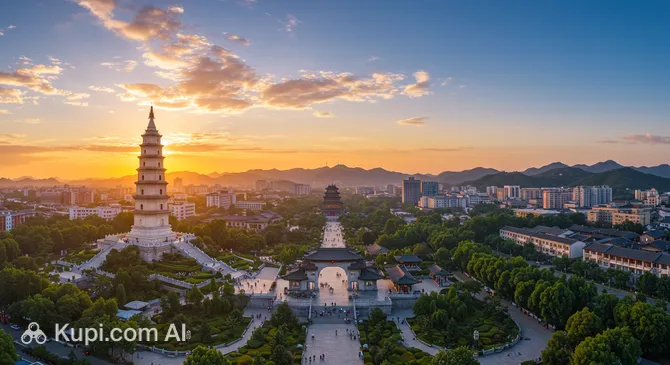
Liaoyang is a captivating destination located in the central part of Liaoning Province in Northeast China. As one of the oldest cities in the region, it serves as a bridge between the ancient past and the developing present. With a population of approximately 1.8 million people, Liaoyang offers a bustling yet historically rich atmosphere that distinguishes it from its larger neighbors.

Liaoyang. Source: Kupi.Binoculars

The city boasts a legacy that spans over 2,000 years, making it a treasure trove for culture enthusiasts. Exploring the history of Liaoyang reveals its former status as a significant military and political center across several dynasties. This deep heritage is evident in the architecture and the stories preserved within the city's walls, offering visitors a profound sense of time and tradition.

Among its most prominent attractions is the magnificent White Pagoda (Baita), a masterpiece of the Liao Dynasty that stands tall within the scenic White Pagoda Park. Nearby, the reconstructed Guangyou Temple impresses visitors with its grand scale and is known for housing a massive wooden Buddha statue. These sites, combined with the city's lush green spaces, make Liaoyang a delightful place for sightseeing.

If you are seeking a destination that combines significant cultural landmarks with authentic local charm, Liaoyang is an excellent choice. It invites travelers to step off the beaten path and discover the enduring spirit of Northeast China.

Weather Overview

Liaoyang experiences a continental monsoon climate characterized by four distinct seasons, offering a variety of atmospheric backdrops for your visit. Travelers can generally expect warm summers with occasional rain and cold, dry winters. To help you plan your packing list and daily itinerary, it is helpful to review the current weather in Liaoyang before your departure.

The winter months, from December through February, are significant for their freezing temperatures. January is typically the coldest time of the year, with average temperatures hovering around -8.5°C and lows occasionally dropping to nearly -14°C. Despite the cold, these months are very dry, with almost zero precipitation, meaning you will likely enjoy crisp, clear skies if you dress warmly enough.

In contrast, summer brings heat and humidity. July is usually the warmest month, with an average temperature of 26.1°C and highs reaching just over 30°C. This is also the wettest period of the year; August, for example, can see up to 15 wet days. Spring and autumn serve as pleasant transition periods, with May and September offering comfortable averages between 18°C and 19°C, making them ideal times for outdoor exploration.

Interesting Facts

Beyond the main attractions, Liaoyang holds many fascinating secrets that reveal its pivotal role in regional history and culture. Here are some unique insights into this ancient city:

  • For over a thousand years, Liaoyang, rather than the now-larger Shenyang, served as the primary political, economic, and military center of Northeast China. It was the capital of the region during multiple dynasties, dating back to the Warring States period.

  • The city has a significant connection to Chinese literature as the ancestral home of Cao Xueqin, the author of the masterpiece Dream of the Red Chamber. A memorial hall in the city is dedicated to his life and family history, celebrating this literary heritage.

  • In the early 17th century, the Manchu ruler Nurhaci established his capital in Liaoyang and built the "Eastern Capital" (Dongjing). Although the capital was later moved to Shenyang, remnants of the old city walls and gates from this era can still be found today.

  • The reconstructed Guangyou Temple is home to a breathtaking treasure: a massive statue of Sakyamuni Buddha made from camphor wood. It is widely considered one of the largest gilded wooden Buddha statues in the world, showcasing incredible craftsmanship.

How to Get There

Reaching this historic city is convenient due to its location in the heart of Liaoning Province, with excellent connections to regional transport hubs. For travelers planning their journey, you can find all ways to reach the city and detailed logistics on our dedicated page.

The city of Liaoyang does not have its own major international airport, so most visitors choose to fly into Shenyang Taoxian International Airport (SHE) in the neighboring city of Shenyang. Situated approximately 46 km from Liaoyang, this large international hub offers numerous connections. The transfer by taxi or shuttle bus generally takes about 90 minutes. Alternatively, you can utilize Anshan Teng'ao Airport (AOG) in Anshan, which is closer at roughly 37 km away. Although it is a smaller regional airport, the travel time to Liaoyang is shorter, taking approximately 75 minutes by road.

For clarity, here is a summary of the main airports:

Airport Name City Passenger Traffic Km from City
Shenyang Taoxian International Airport Shenyang Very Large 46.1
Jinzhou Airport Jinzhou Medium 168.8
Langtou Airport Dandong Medium 164.1
Anshan Teng'ao Airport Anshan Small 36.9
Yingkou Lanqi Yingkou Small 109.9

Train travel is often the most direct method for arriving in the city. You can arrive directly at Liaoyang Railway Station, which is conveniently located just 6.4 km from the city center. As a significant stop on the rail network, it handles a large volume of passengers annually, making it a reliable option. If necessary, travelers can also arrive at Benxi Railway Station in the city of Benxi, located about 43 km from Liaoyang. From Benxi, a taxi or bus ride to Liaoyang takes approximately 85 minutes.

Below is a list of the nearest railway stations:

Station City Passenger Traffic Km to Center
Liaoyang Railway Station Liaoyang Large 6.4
Benxi Railway Station Benxi Large 43.3
Anshanxi Railway Station Anshan 32.3
Shenyang North Railway Station Shenyang 63.0
Fushun Railway Station Fushun 88.8

Main Attractions

Liaoyang offers a fascinating mix of ancient history and cultural depth, with sites that reflect its former status as a regional capital. Visitors can explore a variety of landmarks ranging from towering pagodas to significant archaeological remnants.

White Pagoda (Baita) is undoubtedly the city's most iconic symbol and a must-visit for architecture enthusiasts. Located within White Pagoda Park, this octagonal solid brick structure dates back to the Liao Dynasty and stands over 70 meters tall. It is renowned for its exquisite relief carvings of Buddhas and flying Apsaras on its sides. Tourists enjoy walking through the surrounding park, which provides a scenic and peaceful environment to admire this masterpiece of ancient Chinese engineering.

Guangyou Temple, situated adjacent to the White Pagoda, is a grand complex that impresses with its sheer scale and architectural beauty. Although the original structure has seen many changes over centuries, the modern reconstruction is spectacular. It is particularly famous for housing a colossal gilded statue of Sakyamuni Buddha, carved from camphor wood, which is considered one of the largest of its kind in the world. The temple grounds offer a serene atmosphere for contemplation and photography.

Liaoyang Museum is the perfect destination for travelers wanting to understand the deep historical roots of the area. As Liaoyang was a political and military center for over two millennia, the museum holds an impressive collection of artifacts, including ancient tomb murals and bronze ware from the Han and Wei dynasties. It provides a comprehensive narrative of the region's development, making it highly interesting for history buffs.

Dongjing City Ruins offers a glimpse into the early rise of the Qing Dynasty. Established by Nurhaci in the early 17th century as his "Eastern Capital" before the move to Shenyang, this site preserves remnants of the old city walls and gates. Visiting these ruins allows tourists to step back in time and imagine the strategic importance of this location during the rise of the Manchu rulers.

Local Cuisine

The local cuisine in Liaoyang is a proud representation of Northeast Chinese (Dongbei) culinary traditions, known for its bold flavors, hearty ingredients, and generous portions. The food here is designed to keep you warm during the cold winters and satisfied after a long day of exploring. Travelers should expect dishes that are savory, salty, and rich in aroma, often characterized by the extensive use of soy sauce, garlic, and pickling techniques.

One of the absolute must-try specialties in the city is Xiaobeihe Mutton Soup. Originating from a local town within Liaoyang, this dish is famous throughout the region for its milky white broth and tender meat. Unlike some mutton dishes that can be gamey, this soup is meticulously prepared to be savory and refreshing. It is typically served with salt, cilantro, and chili oil on the side, allowing you to customize the flavor to your liking. It is best enjoyed with a side of crispy flatbread.

Another iconic dish you will encounter is Guo Bao Rou (Double-Cooked Pork Slices). This is a staple of Northeastern cuisine and consists of sliced pork tenderloin that is battered, deep-fried until crispy, and then coated in a sweet and sour sauce. The contrast between the crunchy exterior and the tender meat makes it a favorite among tourists. For those looking for something more rustic, try the Stewed Chicken with Hazel Mushrooms, a comforting slow-cooked meal that highlights the earthy flavors of local wild mushrooms.

When it comes to drinks, the local dining culture pairs perfectly with a cold glass of Snow Beer. Originating in this province, it is the most popular choice for washing down a heavy meal. For a more traditional and potent experience, you might try local Baijiu, a strong clear spirit that is often shared during toasts at group dinners. Non-alcoholic options include sweet plum juice or soybean milk, which are great for balancing spicy or salty foods.

The food culture in Liaoyang is unpretentious and social. Locals love to gather in bustling restaurants where dishes are placed in the center of the table to be shared. In the evenings, the city comes alive with barbecue restaurants and street food stalls serving Chuan'er (skewered meat). These spiced skewers, often made of lamb or beef and seasoned with cumin and chili, are a quintessential part of the nightlife. A pro tip for visitors: the portion sizes in Northeast China are legendary, so be careful not to overorder!

Travel Tips

Welcome to Liaoyang! To make the most of your journey through this ancient capital of Northeast China, a little preparation goes a long way. These practical tips will help you navigate the local customs, climate, and logistics with ease, ensuring a stress-free and memorable adventure.

  1. Pack for the Extremes: Liaoyang experiences a continental climate with significant temperature variations. If visiting in winter (December to February), heavy thermal clothing, a high-quality down jacket, gloves, and non-slip boots are non-negotiable due to freezing sub-zero temperatures. In summer, light and breathable fabrics are best for the heat and humidity, but always carry a compact umbrella for sudden monsoon showers. Comfortable walking shoes are essential for exploring the sprawling White Pagoda Park.
  2. Getting Around the City: Unlike some larger Chinese metropolises, Liaoyang does not rely on a metro system. The primary mode of public transport is the bus network, which is extensive and extremely affordable (typically 1 RMB per ride). Taxis are plentiful and inexpensive, but drivers rarely speak English. It is highly recommended to have your destination written in Chinese characters to show the driver, or use a ride-hailing app like DiDi, which can be linked to international numbers.
  3. Mastering Mobile Payments: While cash (Renminbi/CNY) is still accepted, daily life in Liaoyang—like the rest of China—is dominated by mobile payments. Apps like Alipay and WeChat Pay are used for everything from street food to taxi rides. It is wise to set up the "tourist pass" version of these apps before arrival. International credit cards are generally not accepted outside of high-end hotels, so keep some cash handy for small vendors and ensure you have a debit card that works at major ATMs like the Bank of China. Tipping is not part of the culture and is not expected.
  4. Health and Safety Essentials: Liaoyang is a very safe city for travelers, but standard precautions apply. Do not drink tap water; always purchase inexpensive bottled water or boil it first. Pharmacies are common and usually marked with a green cross, but staff may not speak English, so bringing a translation app or your own supply of prescription medications is advisable. In winter, be particularly careful on icy sidewalks.
  5. Overcoming Language Barriers: Mandarin is the primary language, often spoken with a distinctive Northeastern accent (Dongbei dialect). English proficiency is limited outside of major tourist hotels. To communicate effectively, download a translation app that works offline (like Baidu Translate or offline packages for Google Translate). You will also need a VPN installed on your phone before entering the country if you wish to access western social media, email services, or maps that are blocked in China.
  6. Local Etiquette: When visiting cultural sites like the Guangyou Temple, dress modestly and observe signage regarding photography; taking photos of Buddha statues is often prohibited and considered disrespectful. In social settings, the people of Northeast China are known for their warmth and straightforwardness. A handshake is a standard greeting. If invited to a meal, be prepared for generous portions, and remember that it is polite to try a bit of everything offered.
  7. What to Avoid: Avoid "losing face" or causing someone else to lose face by raising your voice or getting angry in public; patience is key in resolving any misunderstandings. Additionally, try to avoid traveling during the "Golden Week" holidays (early October and Chinese New Year), as transport and attractions in Liaoyang will be incredibly crowded with domestic tourists.
  8. Winter Life Hack: If you visit during the cold months, embrace the local bathhouse culture. Northeast China is famous for its large, well-equipped bathhouses and saunas. It is a quintessential local experience and the perfect way to warm up and relax after a day of sightseeing in the biting cold.

By keeping these tips in mind, you will be well-equipped to enjoy the rich history and warm hospitality of Liaoyang. Embrace the local lifestyle, try the hearty Northeastern cuisine, and enjoy your exploration of this fascinating corner of Liaoning Province.

Entertainment & Nightlife

Nightlife in Liaoyang reflects the city's authentic Northeastern character: it is less about flashy nightclubs and more about hearty social gatherings, late-night dining, and vibrant street energy. While you won't find the sprawling club scenes of Beijing or Shanghai here, the evening atmosphere is warm and welcoming, centered largely around the Baita District. The locals embrace the night with enthusiasm, often gathering to enjoy food, drink, and entertainment well into the late hours.

The primary rhythm of a night out in Liaoyang revolves around Shao Kao (barbecue). As the sun sets, the air fills with the smoky aroma of cumin and chili from countless barbecue joints and street stalls. This is the quintessential nightlife experience here: sitting on low stools with friends, ordering dozens of lamb skewers (chuan'er), and washing them down with the local favorite, Snow Beer. These venues are loud, lively, and unpretentious, often staying open until 2:00 AM or later. For a bustling concentration of these eateries, explore the streets surrounding White Pagoda Park, where the energy is palpable.

For a more modern and comprehensive entertainment experience, Wanda Plaza in the Baita District is the city's premier hub. This massive complex is not just for shopping; in the evenings, its upper floors and surrounding pedestrian streets come alive. Here, you will find a variety of entertainment options ranging from modern cinemas to trendy dessert shops and casual bars. It is also a popular spot for KTV (karaoke), which is the preferred late-night activity for many locals. Karaoke venues here are private and high-quality, perfect for groups who want to sing and drink in a comfortable, private room.

If you are looking for a cultural evening, the Liaoyang Grand Theatre is a standout venue. Located near the city center, this architectural landmark hosts a variety of performances, including traditional Chinese opera, concerts, and local variety shows. It offers a more sophisticated alternative to the raucous street food scene and provides a glimpse into the region's artistic heritage. Checking the schedule in advance is recommended, as shows are not daily.

Travel Tips for the Night:

  • Best Time: The nightlife peaks between 8:00 PM and 11:00 PM. In winter, streets empty out earlier due to the biting cold, so aim to be indoors by 9:00 PM.
  • Dress Code: The vibe is extremely casual. Jeans and comfortable layers are the norm everywhere, including bars and KTVs.
  • Safety & Transport: Liaoyang is generally very safe at night, even for solo travelers. The main districts are well-lit. Taxis are the best way to get around after buses stop running; they are plentiful and affordable, with most cross-town trips costing less than 20 RMB. Ride-hailing apps like DiDi are also reliable here.

During the daytime, entertainment in Liaoyang takes on a slower pace. Visitors can immerse themselves in history at the Liaoyang Museum, which houses artifacts spanning thousands of years, or enjoy a leisurely afternoon at the Longfeng Mountain Scenic Area just outside the city. For families, the parks offer boat rides and amusement facilities that are bustling on weekends.

Parks & Museums

Liaoyang offers a delightful blend of natural beauty and deep-rooted cultural heritage, providing visitors with serene green spaces and informative institutions that chronicle its long history. Whether you are looking to enjoy a leisurely stroll by the river or dive into the region's ancient past, the city’s parks and museums serve as perfect gateways to understanding local life.

White Pagoda Park (Baita Park) is the most prominent green space in the city center and a hub of daily activity for locals. Named after the towering Liao Dynasty pagoda that stands within its grounds, the park is beautifully landscaped with walking paths, flower gardens, and shaded areas. It is particularly interesting for tourists because it offers a glimpse into authentic local culture; if you visit in the early morning, you will see residents practicing Tai Chi, dancing, or playing traditional instruments. It is an ideal spot for a relaxing break between sightseeing stops.

For those willing to venture a bit further from the urban core, the Longfeng Mountain Scenic Area offers a refreshing escape into nature. Located just outside the city, this area is known for its lush forests, rugged peaks, and fresh air. It is a fantastic destination for hiking enthusiasts and nature lovers, offering panoramic views of the surrounding countryside. The mountain is also home to several temples, allowing visitors to combine outdoor recreation with spiritual exploration.

The Taizi River Scenic Belt is another excellent natural area, stretching along the banks of the Taizi River. This extensive waterfront park has been developed into a vibrant recreational zone with paved trails perfect for walking, jogging, or cycling. In the evenings, the riverside comes alive with lights and fountains, making it a romantic and peaceful place to unwind after a day of travel.

When it comes to museums, the Liaoyang Museum is the premier institution for history buffs. Housed in the former residence of a notable historical figure, the museum itself is an architectural gem featuring traditional courtyard designs. Inside, it boasts a vast collection of artifacts, including bronze ware, pottery, and exquisite tomb murals from the Han and Wei dynasties. It provides a comprehensive narrative of Liaoyang's role as a military and political capital in Northeast China for over two millennia.

Another cultural highlight is the Cao Xueqin Memorial Hall. This museum is dedicated to the life and family history of Cao Xueqin, the renowned author of the Chinese literary masterpiece Dream of the Red Chamber. The exhibits explore his ancestral connections to Liaoyang and the Manchurian culture that influenced his work. For literature fans, this is a fascinating stop that offers context to one of China's most important cultural contributions.

For a truly authentic experience, try visiting the parks during the weekends. You might stumble upon impromptu choir performances or amateur calligraphy artists practicing on the pavement with water brushes. These small, unscripted moments often become the most memorable parts of a trip to Liaoyang.

Getting Around

Navigating Liaoyang is relatively straightforward, as the city is compact compared to China's larger metropolises. The public transport system relies almost entirely on an extensive network of buses. There is no metro system in the city, but the bus routes are well-planned and cover all major districts, tourist attractions, and the railway station. For most visitors, the bus offers an authentic and economical way to get around, though learning the routes can require a bit of preparation.

The bus fleet is modern, and fares are extremely affordable, typically costing 1 RMB per ride, regardless of distance. Some air-conditioned buses or longer suburban lines may charge slightly more, usually up to 2 RMB. Payment is generally made upon entry at the front door. While locals use IC transit cards, these are not practical for short-term visitors. Instead, you can pay with exact cash—coins or small notes—dropped into the fare box next to the driver. Be aware that drivers do not give change, so carrying a supply of 1 RMB coins is essential if you plan to use cash.

For a more seamless experience, mobile payments have become the standard. If you have set up Alipay or WeChat Pay with the "tourist pass" feature or an international card, you can often scan the QR code located near the bus entrance. You will need to activate the "Transit QR Code" within the app, selecting Liaoyang as your location. This method is highly recommended as it eliminates the need to hunt for small change.

Taxis are a very popular and convenient alternative for tourists, especially given the language barrier that can make bus travel challenging. Taxis are plentiful and can be hailed on the street; they are usually distinctively colored (often green or yellow). Fares are metered and start at a low base rate, making cross-town trips quite inexpensive. Alternatively, ride-hailing apps like DiDi (accessible via the WeChat interface or a standalone app) allow you to book a car in English and pay automatically, which helps avoid miscommunication regarding your destination.

For short distances, the city is quite walkable, particularly around the White Pagoda Park area. You will also notice rows of shared bicycles (such as HelloBike or Meituan Bikes) parked on sidewalks. These can be unlocked using the respective apps or through Alipay/WeChat. They are an excellent way to bridge the gap between a bus stop and your final destination, provided you are comfortable cycling in city traffic.

A few practical tips will help you travel smoothly: Most bus lines in Liaoyang operate from around 6:00 AM to 7:00 PM or 8:00 PM. Unlike in major capital cities, public transport here winds down relatively early, so plan to take a taxi if you are out late at night. Avoid traveling during the morning (7:00–9:00 AM) and evening (5:00–6:30 PM) rush hours if possible, as buses can become quite crowded. Finally, since bus stops are listed in Chinese characters, having your destination written down in Chinese or using a map app with real-time transit info is invaluable for ensuring you get off at the right stop.

Accommodation

Finding accommodation in Liaoyang is generally straightforward and affordable, though the options are somewhat different from what you might find in China's major tourist hubs. The city primarily caters to domestic business travelers and regional tourists, meaning you will find a solid selection of functional mid-range hotels and budget guesthouses, rather than a wide array of international luxury chains. The hospitality standards are decent, offering clean and comfortable bases for exploring the city's historical sites.

For the most convenient experience, it is highly recommended to stay in the Baita District (White Pagoda District). This is the cultural and commercial heart of the city. Staying here places you within walking distance of the iconic White Pagoda Park and the Guangyou Temple, as well as modern amenities like the Wanda Plaza shopping complex. This area offers the perfect balance of sightseeing by day and easy access to restaurants and entertainment by night. Alternatively, if you are on a tight schedule, accommodations near Liaoyang Railway Station offer quick access to transport, though the immediate surroundings are busier and less scenic.

A critical tip for international travelers visiting Liaoyang is to be aware of the "foreigner acceptance" policy. In China, not all hotels are licensed to host non-Mainland citizens. In smaller cities like Liaoyang, many budget inns and smaller guesthouses may not have this license. To avoid any issues upon arrival, it is essential to confirm that your chosen hotel accepts foreign passports. Booking through major international platforms is often the safest way to filter for these properties.

In terms of pricing, Liaoyang offers excellent value. A comfortable stay in a reputable mid-range hotel typically costs between 200 and 400 RMB per night. These hotels usually provide reliable Wi-Fi, breakfast buffets, and English-speaking staff at the front desk. Budget options can be found for under 150 RMB, while the few high-end local hotels in the city may charge upwards of 500 RMB. It is advisable to book your room in advance, especially during Chinese national holidays when availability drops and prices rise.

Nearby Cities

Liaoyang is strategically situated in the central part of Liaoning Province, making it an excellent starting point for exploring the wider Northeast China region. The city is surrounded by several major urban centers, ranging from bustling provincial capitals to coastal getaways. Thanks to the highly developed high-speed rail and highway networks in this area, travelers can easily plan day trips or continue their journey to neighboring destinations with minimal travel time.

The closest neighbor is Anshan, located just 27 km to the south. Often referred to as China's "Capital of Iron and Steel," Anshan is also famous for the scenic Qianshan National Park and its relaxing hot springs. Due to the short distance, it is common for visitors to commute between the two cities in under 30 minutes by train or car.

To the north lies Shenyang, the provincial capital and the largest city in the Northeast. Approximately 62 km away, Shenyang is a massive metropolis rich in history, hosting the Mukden Palace and the Zhaoling Tomb. It serves as the primary transportation and commercial hub for the region, offering extensive shopping, dining, and cultural experiences that complement a trip to Liaoyang.

For those interested in coastal scenery or further historical exploration, Jinzhou and Huludao are located to the southwest. Jinzhou, about 178 km away, is a key gateway city with a mix of mountain and sea landscapes. Further down the coast is Huludao (211 km), known for its beaches and the ancient Jiumenkou Great Wall section nearby. To the north of Shenyang, you will find Tieling (124 km), a city known for its agricultural heritage and eco-tourism sites.

Here is a summary of the nearby cities to help you plan your itinerary:

City Distance (km) Population
Anshan 27 3,645,884
Shenyang 62 7,964,000
Tieling 124 2,717,732
Jinzhou 178 3,126,463
Huludao 211 2,623,541

Shopping & Souvenirs

Shopping in Liaoyang offers visitors a blend of modern convenience and traditional Northeastern Chinese culture. While the city may not rival the massive luxury retail hubs of Beijing or Shanghai, it provides a genuine local experience where you can find everything from high-end fashion to authentic regional specialties. The shopping scene is concentrated and easy to navigate, with a mix of sprawling multi-story malls and bustling open-air markets that reflect the daily rhythm of the locals.

The primary commercial hub of the city is located in the Baita District (White Pagoda District). This area serves as the bustling heart of Liaoyang, where you will find the highest concentration of stores, restaurants, and entertainment venues. The streets surrounding the White Pagoda Park are lined with smaller boutiques and independent shops selling clothing, electronics, and accessories. Walking through this district allows you to soak up the lively atmosphere while browsing for goods at competitive prices.

For a modern shopping experience, Wanda Plaza is the city's premier destination. Located centrally in the Baita District, this large complex houses a wide array of international and domestic brands, covering fashion, cosmetics, and sportswear. It is a one-stop-shop that also features a supermarket, a cinema, and numerous dining options on the upper floors. Another notable establishment is the Liaoyang Department Store, a more traditional venue that has served the community for years, offering a reliable selection of daily necessities, jewelry, and apparel.

To truly understand the local lifestyle, a visit to a morning market is essential. In Northeast China, morning markets are a cultural institution where residents gather at dawn to buy fresh produce, breakfast foods, and household items. While these are not typical tourist souvenir markets, they are vibrant and colorful places to explore. You can find local fruits, nuts, and cheap clothing items here, all while observing the energetic bargaining that takes place between vendors and locals.

When looking for souvenirs to bring back home, consider the famous "Three Treasures of the Northeast": ginseng, deer antlers (used in traditional medicine), and products made from marten fur. Due to the region's climate and geography, Liaoyang is also a great place to purchase high-quality wild mushrooms (such as hazel mushrooms) and wood ear fungus, which are dried and easy to pack. Additionally, the cold winters mean that you can find excellent quality thermal clothing and winter gear at very reasonable prices.

Most shopping malls and department stores in Liaoyang operate from approximately 9:30 AM to 9:00 PM, though hours may extend slightly on weekends or holidays. Independent street shops may close earlier or stay open later depending on the flow of customers. Payment is almost exclusively digital; Alipay and WeChat Pay are accepted everywhere, from high-end counters to street stalls. While major shopping centers accept credit cards, cash is rarely used, so having your mobile payment apps set up is highly recommended.

Regarding tax-free shopping, tourists should be aware that Liaoyang is not a major international entry point, and the tax refund system for foreign visitors is generally not available in local stores. Tax-free shopping is typically restricted to designated retailers in China's largest metropolises and international airports. Therefore, the price you see on the tag is usually the final price you will pay.
Reached the end of the page?

That means the route is fully explored