Support

Harbin

About

Welcome to Harbin, the capital of Heilongjiang Province and a captivating destination known for its unique blend of cultural influences. Often referred to as the "Ice City" due to its long, cold winters, this metropolis offers a distinct atmosphere that sets it apart from other major cities in China. With a population of over 3.8 million people, it serves as a key political, economic, and cultural hub in the northeastern region of the country.

Harbin. Source: Kupi.Binoculars

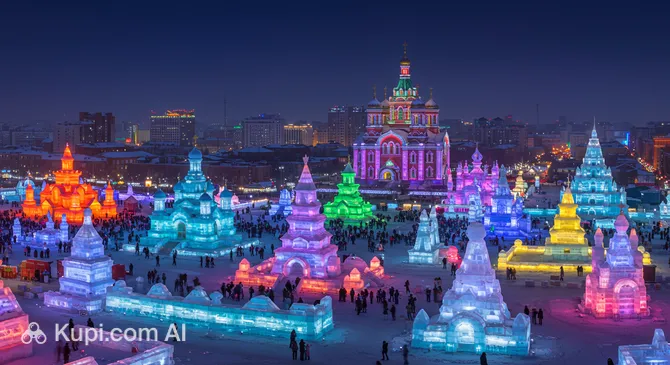
The city is renowned for its chilly climate, but locals have turned this feature into a spectacular asset. Harbin hosts the world-famous Harbin International Ice and Snow Sculpture Festival, transforming the landscape into a winter wonderland of massive, illuminated ice structures. Beyond the ice, the fascinating history of Harbin has left a permanent mark on its streetscape, most notably through the preservation of Russian-style architecture. Visitors can marvel at the magnificent Saint Sophia Cathedral, a former Russian Orthodox church that stands as a bold symbol of the city's multicultural past.

A stroll down Central Street (Zhongyang Pedestrian Street) offers a delightful mix of European Baroque and Byzantine facades, bustling shops, and local snacks. Whether you are braving the chill to see the ice lanterns or visiting in summer to enjoy the comfortable weather and the lush greenery of Sun Island, Harbin promises an unforgettable travel experience. It is a place where East meets West in a truly harmonious and picturesque way.

Weather Overview

Harbin experiences a distinct continental monsoon climate, characterized by significant seasonal contrasts. The weather in Harbin is famous for its long, freezing winters and short, pleasantly warm summers. Travelers should pack accordingly, as the city transforms from a snowy wonderland in the colder months to a lush, green destination during the warmer season.

Winter is the longest season and is known for its extreme cold and dry conditions. In January, the average temperature drops to approximately -17.0°C, with minimums plunging as low as -22.8°C. Despite the biting chill, precipitation is scarce, often recorded at 0mm with only about 2 wet days per month, resulting in crisp, clear skies ideal for viewing the ice sculptures.

By contrast, summer brings warmth and frequent rainfall. July is typically the hottest month, with an average temperature of 24.2°C and highs reaching 28.2°C. This is also the wettest time of year; June, July, and August each see between 16 and 17 wet days. The transitional seasons of spring and autumn are brief but mild, with April averaging 8.2°C and October cooling to 7.5°C before the frost returns.

Interesting Facts

Beyond the famous ice sculptures and snowy landscapes, Harbin holds fascinating secrets that reveal its rich cultural depth and unique lifestyle. This northeastern metropolis offers surprises that go far beyond its reputation as the "Ice City."

  • UNESCO City of Music: Harbin was the first city in China to be designated a "City of Music" by UNESCO. It is home to the country's oldest symphony orchestra, and during the summer, the city comes alive with thousands of free concerts held in parks and along the riverbanks.

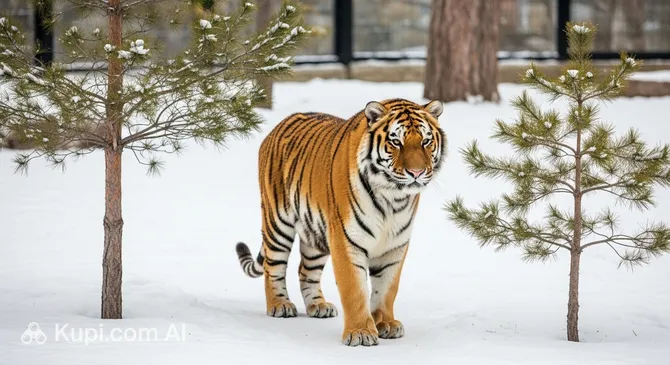
  • Home of the Siberian Tiger: The city hosts the Siberian Tiger Park, which is the largest natural park for wild Siberian tigers in the world. This sanctuary is dedicated to the preservation of the species and allows visitors to see these majestic animals roaming in a semi-natural environment.

  • China's Oldest Beer: The Harbin Brewery, established in 1900, produces the oldest beer brand in China. Locals are incredibly fond of their brew, and it is not uncommon to see people enjoying chilled beer even in the depths of winter to complement the hearty local cuisine.

  • River-Sourced Ice: The massive, crystal-clear ice blocks used to construct the spectacular festival sculptures are harvested directly from the frozen Songhua River. This traditional method ensures the ice is thick and durable enough to support the towering illuminated structures.

  • Recreated Russian Heritage: While much of the old architecture remains in the city center, Volga Manor in the suburbs offers a unique experience. This extensive estate features faithful recreations of historic landmarks that no longer stand in the city center, allowing visitors to step back into the city's multicultural past.

Siberian Tiger Park. Source: Kupi.Binoculars

How to Get There

Reaching the capital of Heilongjiang Province is relatively straightforward, as it serves as a major transportation hub in Northeast China. Whether you are arriving for the ice festival or a summer getaway, understanding your transit options is essential. You can read more about how to get to Harbin and the specific routes available on our detailed page.

The primary gateway for air travelers is Harbin Taiping International Airport (HRB). Located approximately 34 km from the city center, it is a busy international airport serving millions of passengers annually. The journey from the airport to downtown Harbin by taxi or shuttle bus typically takes about 70 minutes. For those who might find better flight connections elsewhere, Changchun Longjia International Airport (CGQ) is another viable option. However, please note that this airport is located in the city of Changchun, about 210 km away from Harbin.

For clarity, here is a summary of the main airports in the region:

Airport Name City Passenger Traffic Km from City
Harbin Taiping International Airport Harbin High 33.9
Changchun Longjia International Airport Changchun High 209.7
Daqing Shi Airport Daqing Medium 160.2
Qiqihar Airport Qiqihar Medium 266.3
Songyuan Chaganhu Airport Songyuan Low 181.9

China's extensive rail network makes train travel a popular choice. Harbin West Railway Station is a key high-speed train hub located just under 8 km from the city center. A taxi ride from here to the main districts takes approximately 32 minutes. Travelers may also transit through major regional hubs such as Changchun Railway Station, which is located in the city of Changchun, roughly 210 km from Harbin.

Below is a list of the nearest major railway stations:

Station City Passenger Traffic Km to Center
Changchun Railway Station Changchun Very High 210.1
Jilin Railway Station Jilin City High 211.2
Harbin West Railway Station Harbin 7.9

Main Attractions

Harbin is a city where history, culture, and nature converge to create a truly unique travel experience. From its Russian-influenced architecture to its wild natural parks, the city offers a variety of sights that captivate visitors year-round. While the ice festivals are the main draw in winter, the city's landmarks remain impressive throughout the seasons.

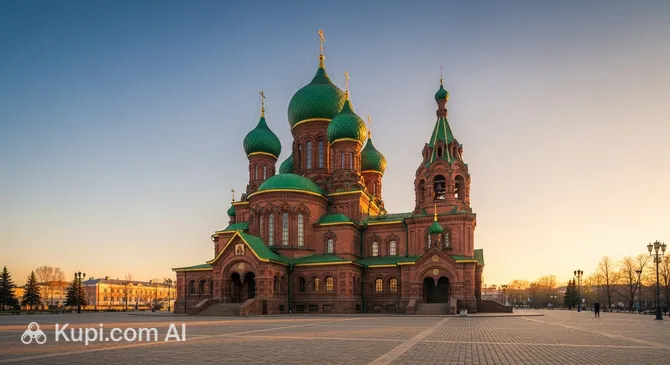
One of the most iconic symbols of the city is the Saint Sophia Cathedral. Built in 1907, this former Russian Orthodox church is a masterpiece of Neo-Byzantine architecture, featuring a massive green onion dome and striking red brick walls. It stands as a testament to Harbin's multicultural past and is now used as an art gallery showcasing the city's history. Tourists flock here to admire its grandeur and capture stunning photographs, especially when the square is illuminated at night.

Saint Sophia Cathedral. Source: Kupi.Binoculars

For wildlife enthusiasts, the Siberian Tiger Park offers a thrilling encounter with one of the world's most majestic creatures. Located on the north bank of the Songhua River, this expansive sanctuary is dedicated to the conservation of the endangered Siberian tiger. Visitors can take a safely protected bus tour through the park to observe tigers, lions, and even ligers roaming freely in a semi-natural environment, making it an educational and exciting adventure for families.

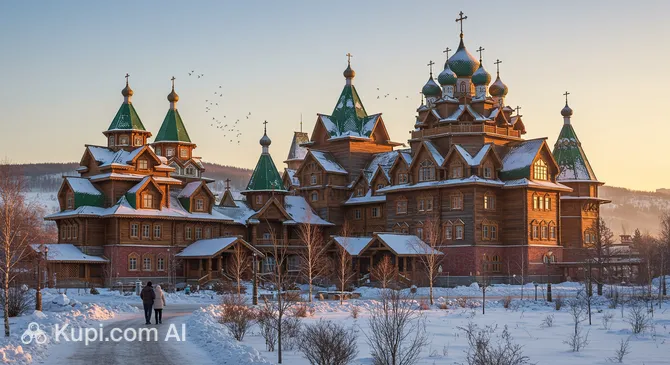
Those looking to immerse themselves further in the region's artistic and architectural heritage should visit Volga Manor. Situated on the banks of the Ashi River, this cultural theme park recreates the charm of classic Russian architecture with over 30 exquisite buildings, including a replica of the Saint Nicholas Church. It is a peaceful retreat where guests can enjoy boat rides, Russian cuisine, and picturesque gardens, offering a perfect escape from the bustling city center.

Volga Manor. Source: Kupi.Binoculars

Local Cuisine

The culinary landscape of Harbin is a fascinating reflection of its history, blending traditional Northeast Chinese (Dongbei) flavors with distinct Russian influences. Due to the region's harsh winters, the local cuisine is characterized by hearty, savory dishes with generous portion sizes designed to provide warmth and energy. Unlike the delicate and light flavors found in southern China, the food here is rich, salty, and intensely flavorful, making it a true comfort for travelers.

No visit to the city is complete without tasting Guobaorou (Double Cooked Pork Slices), a dish that famously originated in Harbin. It features sliced pork fried to a crispy golden perfection and coated in a sweet and sour sauce, offering a delightful crunch with every bite. Another iconic staple is the Harbin Red Sausage, a garlic-flavored smoked sausage that creates a direct link to the city's European heritage. It is widely sold in delis and markets, often eaten directly as a snack or paired with local bread.

Beverages are an integral part of the dining culture here. The city is the birthplace of China's oldest brewery, and locals are immensely proud of Harbin Beer. It is common to see residents enjoying a cold pint with barbecue or stew, even during the freezing winter months. For a non-alcoholic alternative, Kvass is a popular choice. This fermented drink made from rye bread has a unique tangy and sweet flavor profile, serving as another delicious reminder of the cross-cultural exchange that defines the region.

Dining in Harbin ranges from bustling street food stalls to elegant banquet halls. A stroll down the pedestrian streets often involves grabbing a milky Madieer Popsicle, a traditional treat enjoyed year-round. For tourists seeking a dining experience that perfectly matches the architectural vibe of the city, Volga Manor offers an excellent opportunity. Here, visitors can indulge in authentic Russian cuisine, such as borscht and blinis, within a beautifully recreated estate that transports you back to the city's historical roots.

Travel Tips

Preparing for a trip to Harbin requires a bit more foresight than your average destination, primarily due to its extreme winter climate and China's unique digital ecosystem. Here is a practical guide to help you navigate the "Ice City" with ease and ensure your adventure is as comfortable as it is memorable.

  1. Clothing and Gear: If you are visiting during the famous Ice and Snow Festival, do not underestimate the cold. Temperatures often drop below -20°C (-4°F). You will need thermal underwear, a heavy down jacket, windproof trousers, and a hat that covers your ears. Most importantly, wear sturdy, non-slip boots, as the sidewalks can be incredibly slippery. In summer, the weather is mild, so light, breathable clothing is sufficient.

  2. Transportation: The Harbin Metro is a reliable and warm way to travel between major districts and the railway stations. Taxis are affordable, but hailing one on the street during winter peak hours can be nearly impossible. It is highly recommended to use ride-hailing apps like DiDi (often accessible via the Alipay app in English) to book rides comfortably from indoors.

  3. Finances: The country is an almost cashless society. While major hotels may accept international credit cards, most shops and restaurants rely on mobile payments. Before you arrive, link your foreign credit card to Alipay or WeChat Pay; these apps are accepted everywhere, from luxury malls to street food stalls. Carry a small amount of cash (RMB) just in case, but do not rely on it as your primary payment method.

  4. Health and Safety: Harbin is generally very safe for tourists. The biggest risk is slipping on ice or frostbite. Keep your skin covered and buy "heat patches" (sticky heating pads) from local convenience stores to stick on your clothes for extra warmth. Pharmacies are marked with a green cross, but English service is rare, so have a translation app ready if you need medicine.

  5. Communication: English is not widely spoken, especially by taxi drivers and older locals. Download a translation app that works offline or has a voice conversation feature. Additionally, ensure you have a roaming data plan or a travel SIM card that allows you to access international websites, as many western apps are blocked by the local internet firewall.

  6. Local Etiquette: Northern Chinese culture is known for being warm and direct. In restaurants, it is common to order various dishes to share rather than individual plates. Tipping is not practiced and can even be seen as confusing; the price you see on the bill is the final price. When toasting, it is polite to lower your glass slightly below that of the oldest or most senior person at the table.

  7. What to Avoid: Avoid taking "black taxis" (unlicensed cabs) at the airport or train stations; stick to the official taxi queues or ride-hailing apps. Also, be careful not to touch or climb on the ice sculptures at the festival unless explicitly allowed—they are fragile art pieces, and safety staff will intervene quickly.

  8. Tech Survival Tip: The extreme cold in Harbin zaps battery life instantly. Your phone might shut down within minutes of being exposed to the freezing air. Keep your phone in an inside pocket close to your body heat when not in use, and bring a high-capacity power bank to keep your devices charged throughout the day.

By packing the right gear and setting up your digital payment tools beforehand, you will be all set to enjoy the magic of Harbin. Whether you are marveling at the frozen Songhua River or enjoying a warm Russian-style meal, these preparations will let you focus on the beauty of this unique northeastern city.

Entertainment & Nightlife

Entertainment in Harbin is a vibrant mix of cultural sophistication and lively social gatherings, heavily influenced by the city's love for ice, snow, and beer. When the sun sets, the "Ice City" does not freeze over; instead, it warms up with glowing neon lights, bustling night markets, and crowded beer halls. The nightlife here is distinct, ranging from the romantic illumination of historical Russian architecture to energetic bar streets where the local brew flows freely.

For those seeking the heart of the action, Central Street (Zhongyang Pedestrian Street) is the place to be. At night, this cobblestone thoroughfare transforms into a dazzling display of lights, with European-style buildings illuminated in warm gold tones. It is a safe and popular area for a night walk, packed with restaurants, Russian souvenir shops, and open-air beer gardens in the summer. Just a short walk away, the Saint Sophia Cathedral offers one of the most breathtaking night views in the city. The square surrounding the cathedral is peaceful in the evening, with the majestic structure glowing against the dark sky, making it a favorite spot for photographers and couples.

Travelers looking for a more energetic vibe should head to Gogol Street (Guogeli Street). This area is known for its concentration of bars, pubs, and KTV (karaoke) clubs. The atmosphere here is lively and casual, attracting a mix of young locals and expats. Since Harbin is the home of China's oldest brewery, drinking culture is social and hearty. You will find that the dress code is generally relaxed; smart-casual is acceptable almost everywhere, though in winter, the priority is always staying warm. For a more high-end cultural experience, the Harbin Grand Theatre hosts world-class operas, ballets, and concerts in an architectural masterpiece that looks stunning when lit up at night.

During the day, entertainment options are equally diverse. Visitors can explore the city's rich history at the Heilongjiang Provincial Museum or enjoy family-friendly fun at various amusement parks. In winter, the daytime is often spent at the Harbin Ice and Snow World, but it is worth noting that this venue is even more spectacular at night when the massive ice sculptures are lit with multicolored LED lights, creating a dreamlike fantasy world.

Practical advice for a night out in Harbin revolves largely around the weather. If you are visiting in winter, temperatures drop drastically after dark, so thermal layers are non-negotiable even for short walks. Taxis are the best way to get around at night; however, flagging one down can be difficult in extreme cold or during peak hours. It is highly recommended to use ride-hailing apps like DiDi to ensure you have a warm car waiting for you. Harbin is generally very safe for night walks, especially in well-lit districts like Central Street, but visitors should always be cautious of icy pavements. Prices for entertainment are reasonable compared to Beijing or Shanghai, with a pint of local beer often costing just a few dollars.

Parks & Museums

Beyond its reputation as a winter wonderland, Harbin boasts a surprising array of green spaces and cultural institutions that offer a glimpse into its rich heritage and natural beauty. From riverside promenades to galleries housed in historic buildings, the city provides ample opportunities for visitors to explore its artistic soul and enjoy the outdoors, regardless of the season.

One of the most significant natural areas is the Sun Island Scenic Area, located on the north bank of the Songhua River. In the summer, this expansive island serves as a cool retreat with lush wetlands, deer parks, and peaceful lakes perfect for picnics and boating. During winter, it transforms into the venue for the massive Sun Island International Snow Sculpture Art Expo, where artists from around the world create colossal snow masterpieces. It is a year-round destination that perfectly captures the city's dual character.

For a more urban nature experience, Stalin Park offers a delightful strip of greenery stretching along the southern bank of the river. Built in a distinct European style, this park is famous for its statues, flower beds, and the imposing Flood Control Monument. It is a favorite spot for locals to exercise, dance, and sing, offering tourists a chance to observe authentic daily life while enjoying a scenic walk by the water.

Harbin's museums are equally captivating, often housed in architectural landmarks that are exhibits in themselves. The Heilongjiang Provincial Museum, located in a Baroque-style building constructed in 1904, is the region's largest comprehensive museum. It houses thousands of historical relics, including fossils of prehistoric animals like woolly rhinos and mammoths, as well as artifacts detailing the culture of the Jurchen people and the history of the province.

Another essential cultural stop is the Saint Sophia Cathedral, which functions today as the Harbin Architectural Art Gallery. While the exterior is famous for its Neo-Byzantine grandeur, the interior offers a fascinating photographic journey through the city's past. The exhibitions here display old photographs and blueprints that narrate the architectural evolution of Harbin, helping visitors understand how it earned the nickname "Oriental Moscow."

For a truly authentic experience, consider visiting Zhaolin Park. While it is internationally famous for hosting the Ice Lantern Art Fair in winter, it holds historical significance as one of the city's earliest parks. In the warmer months, it is a quiet, leafy sanctuary in the city center where you can find monuments dedicated to local heroes and enjoy a peaceful break from the bustling streets.

Getting Around

Navigating Harbin is increasingly convenient thanks to a rapidly developing public transport network designed to handle the city's unique climate conditions. The backbone of the system is the Harbin Metro, which is modern, reliable, and crucially, heated during the freezing winter months. Currently, the network consists of three main lines (Lines 1, 2, and 3) that connect key districts, railway stations, and major tourist attractions. For visitors, the metro is the most user-friendly option, as station announcements and signs are available in English, and ticket machines are easy to use.

For destinations not reached by the subway, the city operates an extensive public bus network. There are hundreds of routes covering every corner of the metropolis, making it a very affordable way to get around. Most buses charge a flat fare, typically 1 or 2 RMB, regardless of the distance. However, buses can be challenging for international tourists as route maps and stop announcements are almost exclusively in Chinese. It is advisable to use a navigation app to track your route in real-time if you choose this mode of transport.

The payment system in Harbin has largely shifted towards digital solutions. While you can still use cash (exact change is required for buses), the most convenient method for tourists is mobile payment via Alipay or WeChat Pay. Both apps have a "Transport" or "Ride Code" feature that generates a QR code, which can be scanned at metro turnstiles and on bus card readers. Physical smart cards, known as the Harbin City Card (IC Card), are also available at metro customer service centers and can be topped up with cash, offering a hassle-free alternative if you prefer not to use your phone.

Taxis and ride-hailing services are popular alternatives, especially during the biting cold when waiting for a bus is uncomfortable. Official taxis are inexpensive compared to Western standards and can be hailed on the street, though they can be scarce during rush hour or bad weather. Ride-hailing apps like DiDi (often accessible within the Alipay interface) are highly recommended as they allow you to input your destination in English and pay automatically, eliminating language barriers with the driver.

A unique feature of Harbin's transport landscape is the Songhua River Ropeway. This cable car connects the city center with Sun Island and serves as both a mode of transit and a scenic attraction, offering panoramic views of the river and skyline. Additionally, during the summer months, ferries operate across the Songhua River, providing a pleasant and breezy way to travel between the banks, though these services are suspended when the river freezes over in winter.

Public transport typically operates from early morning, around 06:00, until approximately 22:30, though times can vary by line and season. Tourists should be aware that traffic congestion can be heavy in the city center, so the metro is often the fastest choice. If you plan to use the bus, always carry a few 1 RMB coins or notes just in case your digital payment fails, and try to have your destination written in Chinese characters to show the driver or locals if you need assistance.

Accommodation

Finding the perfect place to stay in Harbin is relatively easy, as the city offers a diverse range of accommodation options to suit every budget and travel style. From luxurious five-star international chains and charming boutique hotels to budget-friendly hostels and guesthouses, the "Ice City" is well-equipped to host its millions of annual visitors. Whether you are looking for a modern room with river views or a cozy spot near the historic districts, you will find plenty of choices.

For most tourists, the most convenient area to stay is the Daoli District, particularly near Central Street (Zhongyang Pedestrian Street). Staying here places you within walking distance of major historic landmarks, the Songhua River, and a plethora of dining and shopping options. This area is vibrant and safe, making it an excellent base for first-time visitors. Another popular option is the Nangang District, which is the commercial heart of the city and offers easy access to the railway stations and large shopping malls.

If you are seeking a unique accommodation experience that doubles as a cultural immersion, consider staying at Volga Manor. Located in the suburbs, this Russian-themed resort hotel offers guests the chance to sleep in beautifully recreated historic buildings surrounded by picturesque gardens and waterways. It is an ideal choice for those who want a quiet retreat away from the bustling city center while enjoying distinct architectural charm.

When planning your trip, timing is everything. If you intend to visit during the Harbin International Ice and Snow Sculpture Festival (typically late December to February), it is crucial to book your accommodation months in advance. During this peak season, room rates can triple, and the best hotels sell out quickly. For booking, international platforms are widely used, but regional apps often offer more competitive rates and a wider selection of local guesthouses. Prices generally range from very affordable for basic rooms to premium rates for luxury stays, especially during the winter festivities.

Nearby Cities

For those looking to explore the surroundings, Harbin serves as an excellent base for day trips to several interesting nearby locations. While the city itself offers plenty to do, the wider Heilongjiang and Jilin region is dotted with destinations that showcase the industrial heritage and natural beauty of Northeast China.

One of the most notable nearby cities is Daqing, often referred to as China's "Oil Capital." Located just a short train ride away, it offers a fascinating look into the country's industrial history through its museums and monuments. For nature lovers, Daqing is also home to the expansive Longfeng Wetland, the largest urban wetland in China, which provides a great spot for birdwatching. Another interesting destination is Songyuan, famous for the Chagan Lake. In winter, this area comes alive with a centuries-old tradition of ice fishing, where fishermen use massive nets to catch fish from beneath the frozen surface, a cultural spectacle that attracts visitors from all over.

City Population Distance (km)
Suihua 5,418,153 103
Daqing 2,904,532 151
Songyuan 2,880,000 158
Hailun 850,000 191
Dehui 839,786 154

These nearby destinations offer a glimpse into the diverse culture and landscapes of the region, providing a rewarding extension to your stay in Harbin.

Shopping & Souvenirs

Shopping in Harbin offers a distinctive experience that reflects the city's unique position as a cultural crossroads between China and Russia. Visitors will find a fascinating array of goods ranging from imported Russian delicacies and crafts to locally produced specialties. Whether you are looking for high-end fashion, winter gear to survive the cold, or quirky souvenirs, the city provides a mix of historic pedestrian streets, sprawling underground markets, and modern luxury malls.

The most famous shopping destination is undoubtedly Central Street (Zhongyang Pedestrian Street). Walking along this cobblestone avenue is an experience in itself, surrounded by European-style architecture. The street is lined with hundreds of stores selling everything from international brands to traditional Russian goods. It is the perfect place to hunt for fur coats, winter accessories, and imported products. Another key area is the commercial district around the Nangang area, specifically near the museum, where bustling streets meet major department stores.

For a more modern retail experience, the city boasts several large shopping complexes. Hongbo Century Square is particularly noteworthy; it is a massive underground shopping center located beneath the Heilongjiang Provincial Museum roundabout. It is a labyrinth of fashion boutiques and food stalls that is warm and comfortable even in the depths of winter. Additionally, the Charter Shopping Center offers a more upscale environment with a wide selection of cosmetics, clothing, and electronics.

Travelers looking for bargains and a lively atmosphere should visit the Toulong Light Market. Located near the Saint Sophia Cathedral, this wholesale market is a treasure trove for small commodities, clothing, and accessories at very competitive prices. It is a great place to practice your bargaining skills. For foodies, local grocery markets offer a glimpse into daily life, featuring piles of frozen fruits, local snacks, and the famous hardy breads of the region.

When it comes to souvenirs, Harbin is famous for its "Russian" goods, though buyers should be discerning about authenticity. Popular items include Matryoshka dolls (nesting dolls), intricate pocket watches, and Russian chocolate. A must-buy local specialty is the Harbin Red Sausage, a garlic-flavored smoked sausage that is often sold vacuum-packed for travel. Another unique gift is Dal Lieba, a large, round sourdough bread introduced by Russians a century ago, which remains a beloved staple in the city.

Most shopping malls and department stores operate from 10:00 AM to 9:00 PM or 9:30 PM. Small street shops may close earlier in winter due to the cold. Payment methods are overwhelmingly digital; Alipay and WeChat Pay are accepted almost everywhere, from luxury counters to street kiosks. While major malls accept international credit cards, smaller vendors do not, so having a mobile payment app set up is highly recommended.

Tax-free shopping is available for international tourists at select designated large department stores. Look for the "Tax Free" signage at the entrance or service desk. To claim a refund, you typically need to spend a minimum amount in one day at the same store and present your passport. It is best to inquire at the customer service center of the mall before making significant purchases.
Reached the end of the page?

That means the route is fully explored