Support

Daqing

About

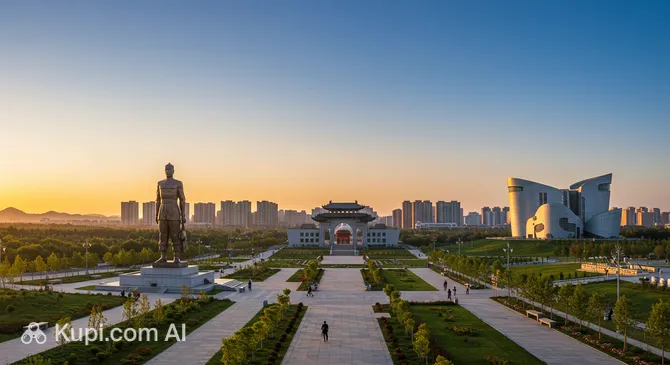
Daqing, widely known as the "Oil Capital" of China, is a city that offers a fascinating blend of industrial heritage and natural beauty. Located in the southwestern part of Heilongjiang Province, this vibrant metropolis is home to approximately 2.9 million people. While it is famous for its significant contribution to the nation's energy sector, Daqing surprises many visitors with its nickname, the "City of Natural Hundred Lakes," boasting vast wetlands and shimmering bodies of water that dot the urban landscape.

Daqing. Source: Kupi.Binoculars

The city experiences a continental monsoon climate, characterized by distinct seasons that transform the scenery throughout the year. The discovery of the massive oilfield here in 1959 was a pivotal moment that shaped the modern history of Daqing, turning a remote pasture into a thriving industrial hub. Today, travelers can explore this legacy at the Iron Man Wang Jinxi Memorial Hall, which pays tribute to the resilient spirit of the region's pioneers.

Beyond its industrial roots, Daqing is a haven for nature lovers. The Longfeng Wetland Nature Reserve is a standout attraction, offering a serene environment for birdwatching and leisurely walks right on the edge of the city. The area is also renowned for its geothermal resources, making its hot springs a perfect retreat for relaxation, especially during the crisp cooler months. Whether you are interested in modern history or seeking a peaceful escape among the lakes, Daqing provides a unique and memorable travel experience.

Weather Overview

Travelers to this region should be prepared for significant seasonal contrasts. The weather in Daqing is defined by a continental monsoon climate, resulting in distinct changes throughout the year. Winters are long and bitterly cold, with January temperatures often dipping to a minimum of -21.8°C, while the air remains crisp and largely dry with minimal precipitation.

Summer brings a complete transformation, offering warm and pleasant conditions perfect for exploring the outdoors. July is typically the warmest month, with average highs reaching 28.5°C. This season also sees the highest frequency of rainfall, with roughly 13 to 14 wet days per month from June to August, which helps maintain the city's vibrant wetlands.

Expect warm summers with occasional rain and cold, dry winters. If you prefer moderate conditions, the shoulder months of May and September offer agreeable average temperatures between 14°C and 16°C, making them excellent times for sightseeing.

Interesting Facts

Beyond the industrial skyline and the famous oil fields, Daqing holds fascinating secrets that surprise many visitors. This city is not merely an energy hub but a place where prehistoric history, natural wonders, and legendary human resilience intertwine in unexpected ways.

  • A Name Born of Celebration: The city's name, which literally translates to "Great Celebration," was not its original designation. It was bestowed upon the area in 1959 to commemorate the 10th anniversary of the People's Republic of China, coinciding perfectly with the discovery of the massive oil field that would change the nation's fortune.

  • The City of Hundred Lakes: Despite its reputation as an industrial powerhouse, Daqing is surprisingly aquatic. It is nicknamed the "City of Natural Hundred Lakes" because the urban area is interspersed with nearly 200 lakes and wetlands. This unique geography creates a striking contrast where oil rigs often sit majestically amidst reeds and shimmering waters, coexisting with diverse bird species.

  • A Prehistoric Treasure Trove: Daqing sits atop more than just oil; it rests on a prehistoric graveyard. The Daqing Museum houses one of the most significant collections of Quaternary mammal fossils in the country, including a rare display of complete woolly mammoth skeletons. It is one of the few places in the world where you can see a "herd" of these ancient giants preserved in such detail.

  • The Legend of the Iron Man: The city's spirit is personified by a local hero, Wang Jinxi, known as "Iron Man." A famous urban legend, rooted in fact, tells of him jumping into a mixing pool of cement and mud, using his own body as a mixer to prevent an oil well blowout when machinery failed. His legacy is so profound that statues and a memorial hall in Daqing are dedicated entirely to his determination.

How to Get There

Reaching the "Oil Capital" of China is relatively straightforward, thanks to its proximity to several key transportation hubs in Heilongjiang province. Whether you prefer to fly directly or travel by train through the region, there are multiple options for getting to Daqing efficiently.

The most convenient entry point by air is Daqing Shi Airport (DQA). Located within the city limits, approximately 18.3 km from the center, it serves as the primary direct gateway for travelers. A taxi or bus ride from this airport to downtown Daqing typically takes around 47 minutes. It is a regional airport with a moderate passenger volume, making arrival and departure procedures generally quick and easy.

For a wider range of international and domestic connections, many visitors choose to fly into Harbin Taiping International Airport (HRB). The city of Daqing does not host this major international hub; it is located in Harbin, about 139.1 km away. It is one of the busiest airports in the region, handling over 20 million passengers annually. From Harbin Taiping, a journey by taxi or long-distance bus to Daqing takes approximately 229 minutes, although many travelers prefer to transfer to a high-speed train for a faster connection.

For clarity, here is a summary of the main airports:

Airport Name City Passenger Traffic Km from City
Harbin Taiping International Airport Harbin Large 139.1
Daqing Shi Airport Daqing Medium 18.3
Qiqihar Airport Qiqihar Medium 115.8
Songyuan Chaganhu Airport Songyuan Small 161.2
Zalantun Chengjisihan Zalantun Small 227.1

Travelers can also access the region via the extensive railway network, often routing through major neighboring cities. One significant transit point is Harbin West Railway Station. The city of Daqing does not house this station; it is located in Harbin, approximately 150.1 km away. From there, you can get a taxi or bus, which takes about 245 minutes to reach Daqing, though connecting trains are usually the preferred method of travel.

Another major hub in the wider region is Changchun Railway Station. Situated in Changchun, roughly 292.3 km from Daqing, this station sees a very high volume of passengers. The road journey from Changchun to Daqing is quite long, taking approximately 458 minutes by car, so it is typically used as a transfer point for rail travel rather than for direct road access.

Below is a summary of these nearby railway stations:

Station City Passenger Traffic Km to Center
Changchun Railway Station Changchun Very High 292.3
Harbin West Railway Station Harbin Unknown 150.1

Main Attractions

Iron Man Wang Jinxi Memorial Hall is the cultural heart of the city, standing as a tribute to the resilience and determination of the workers who established Daqing's oil industry. Located in the Ranghulu District, the museum details the arduous "Battle for Oil" in the 1960s through an impressive collection of photographs, personal artifacts, and life-sized dioramas. It is a fascinating stop for tourists interested in modern history, offering a deeply human perspective on the industrial boom that defined the region.

For a journey much further back in time, the Daqing Museum is an unmissable highlight. This facility is world-renowned for housing one of the most significant collections of Quaternary mammal fossils in China. The main draw here is the spectacular display of complete woolly mammoth skeletons, which were unearthed in the local area. Visitors are often awestruck by the sheer scale of these prehistoric giants and the well-preserved fossils of ancient bison and hyenas that paint a vivid picture of the region's ecological past.

Nature lovers will find tranquility at the Longfeng Wetland Nature Reserve, which showcases the city's identity as the "City of Hundred Lakes." Unlike many remote reserves, this vast expanse of water and reeds lies remarkably close to the urban center. It serves as a vital habitat for hundreds of bird species, making it a paradise for birdwatchers and photographers. Wooden boardwalks allow visitors to wander deep into the wetlands, offering a peaceful escape and a chance to observe nature coexisting with the distant industrial skyline.

To experience the relaxing side of the region, travelers often head to the Beiguo Hot Spring in Lindian County, just north of the city proper. Daqing is rich in geothermal resources, and this resort is one of the premier spots to enjoy them. The complex features a variety of indoor and outdoor pools filled with mineral-rich water. It is particularly popular during the winter, where the unique experience of soaking in steaming water while surrounded by snow makes for a memorable travel moment.

Local Cuisine

The culinary scene in Daqing is a hearty reflection of its location in Northeast China, featuring flavors that are bold, savory, and designed to provide warmth during the long winters. As a part of the Dongbei region, the local diet relies heavily on wheat, preserved vegetables, and meat, but Daqing adds its own unique twist with an abundance of freshwater fish from its many lakes. Visitors will find that portions are famously generous, reflecting the warm hospitality of the locals.

One dish that is absolutely essential to try is Daqing Pit Roast, or "Keng Kao." This cooking method originated with the early oil workers who, lacking proper kitchens, dug pits in the ground to roast their food. Today, it has evolved into a local delicacy where marinated chicken, lamb legs, potatoes, and even eggs are roasted to perfection in specialized ovens that mimic the traditional earth pits. The result is meat that is crispy on the outside and tender on the inside, with a distinct, smoky aroma that defines the city's gastronomic identity.

Given its nickname as the "City of Hundred Lakes," it is no surprise that freshwater fish plays a central role on dining tables. The Iron Pot Stew is a regional favorite where large fish, often carp, are simmered in a huge cast-iron cauldron set right in the center of the table. The fish is typically stewed with tofu, glass noodles, and vegetables in a rich, savory sauce, often accompanied by cornmeal buns stuck to the side of the pot to steam. This communal dining experience is perfect for groups and offers a true taste of the local lifestyle.

When it comes to beverages, the local culture is heavily influenced by the nearby brewing traditions of Harbin. Light, refreshing lagers are the standard accompaniment to meals, consumed liberally by locals during social gatherings. For something stronger, especially in the colder months, Chinese white spirit (baijiu) is common. Non-alcoholic options often include soy milk and warm teas, which are staples at breakfast and throughout the day to combat the chill.

The food culture in Daqing is unpretentious and vibrant, best experienced in the bustling local restaurants and night markets. In the summer, street food stalls come alive, offering everything from grilled skewers to cold noodles, known as "Leng Mian," providing a lively atmosphere where tourists can mingle with residents. Whether you are sitting around a steaming iron pot in a rustic eatery or enjoying a sophisticated pit roast banquet, eating in Daqing is a social event that celebrates the region's pioneering history and natural bounty.

Travel Tips

Visiting Daqing offers a unique opportunity to witness the intersection of China's industrial might and its surprising natural beauty, but navigating this northeastern city requires some specific preparation. To help you make the most of your journey to the "Oil Capital," here are some practical tips designed to ensure a smooth and enjoyable experience.

  1. Clothing and Gear: The climate here dictates your packing list entirely. If visiting in winter (November to March), you must bring heavy-duty thermal gear, including a high-quality down jacket, insulated boots, gloves, and a hat, as temperatures frequently drop below -20°C. Summers are pleasant, but since Daqing is the "City of Hundred Lakes," the wetlands attract insects; packing effective mosquito repellent is essential for outdoor excursions. Electrical outlets typically support Type A, C, and I plugs, so a universal adapter is recommended.

  2. Transportation: For international tourists, taxis and ride-hailing apps are the most convenient ways to get around. Taxis are plentiful and affordable, but most drivers do not speak English, so have your destination written in Chinese. The DiDi app is a great alternative as it often features an English interface and automatic translation for messaging drivers. Public buses are available but can be confusing without a strong grasp of the local language.

  3. Finances: The local currency is the Renminbi (RMB). While cash is still accepted, daily life in China is dominated by mobile payments. It is highly advisable to download Alipay or WeChat Pay and link your international credit card before arrival, as even small street vendors prefer these methods. International credit cards are rarely accepted directly at merchants outside of major hotels. Tipping is not part of the local culture and is generally not expected.

  4. Health and Safety: Daqing is a safe city for travelers, but standard precautions apply. Do not drink tap water; always purchase bottled water, which is cheap and widely available. Pharmacies are marked with a green cross, but prescription medication should be brought from home in its original packaging. In case of emergency, dial 110 for police or 120 for an ambulance.

  5. Communication: English is not widely spoken in Daqing, even in some service sectors. Installing an offline translation app on your phone is crucial for basic communication and reading menus. To stay connected, purchase a local SIM card upon arrival (you will need your passport) and consider setting up a roaming plan or a VPN beforehand if you need to access websites and apps that are restricted in the region.

  6. Local Etiquette: Politeness is paramount. When handing over or receiving something—be it a business card, money, or a gift—use both hands as a sign of respect. Dining etiquette is also important; never stick your chopsticks vertically into a bowl of rice, as this resembles incense burning for the dead. Instead, place them on the provided rest or across the bowl when finished.

  7. What to Avoid: Avoid public displays of anger or raising your voice during a disagreement. In local culture, "saving face" is important, and aggressive confrontation will likely result in the other party shutting down rather than resolving the issue. Handle disputes calmly and privately whenever possible.

  8. Seasonal Insight: If you are visiting during the freezing winter months, take advantage of the local lifestyle hack: hot springs. Daqing is famous for its geothermal resources, and locals believe that soaking in the mineral-rich waters is the best way to combat the harsh cold and boost immunity. It is a quintessential Daqing experience that turns the biting weather into a cozy advantage.

By keeping these practicalities in mind, you can focus less on logistics and more on exploring the fascinating contrasts of Daqing, from its historic oil fields to its serene wetland reserves. A little preparation goes a long way in this distinct corner of Heilongjiang, ensuring your adventure is as comfortable as it is memorable.

Entertainment & Nightlife

While Daqing is primarily known for its industrial prowess, the city comes alive after sunset with a nightlife scene that reflects the warm, hearty spirit of Northeast China. The evening entertainment here is less about thumping mega-clubs and more about social gatherings, vibrant dining, and relaxed leisure. The atmosphere is generally welcoming and unpretentious, with locals eager to enjoy their time off after a hard day's work. The primary hubs for evening activities are concentrated in the Saertu District and the Ranghulu District, where bright neon lights and bustling streets create a lively urban energy.

For those seeking a classic night out, the commercial areas surrounding Wanda Plaza in the Saertu District are a safe bet. This modern complex and its vicinity serve as a one-stop destination for entertainment, housing a variety of bars, karaoke (KTV) lounges, and a cinema. The crowd here is a mix of young professionals and families, and the dress code is casual to smart-casual. It is an excellent place to start your evening, whether you want to catch a late-night movie or sip a cocktail in a western-style bar.

A quintessential part of the local nightlife experience is "Shao Kao" (barbecue). In Daqing, barbecue is not just a meal; it is a nocturnal event. As night falls, the air fills with the scent of cumin and charcoal from countless grill houses and street stalls. Jingliu Street and other backstreets in the city center often transform into culinary hotspots where groups of friends gather around low tables to enjoy grilled skewers and local beer. These venues typically stay open late, often until 2:00 or 3:00 AM, offering a loud, smoky, and incredibly friendly atmosphere that is central to the Dongbei lifestyle.

If you prefer a more cultural evening, the Daqing Grand Theatre (Daqing Opera House) is a standout venue. Located near Times Square, this architectural gem hosts a variety of performances, from traditional Chinese operas and symphonies to modern stage plays. It provides a sophisticated alternative to the bar scene, perfect for travelers interested in the arts. For a simple but pleasant night activity, a walk around Times Square (Shidai Square) offers a chance to see locals engaging in evening exercises and light shows, providing a glimpse into authentic community life.

During the day, entertainment options shift towards nature and family fun. Apart from the wetlands mentioned earlier, visitors can explore the city's amusement parks or visit the Daqing Oil Field Park, which combines leisure with educational exhibits about the city's history. These spots are great for leisurely strolls before the evening festivities begin.

Practicalities for a night out in Daqing are straightforward. The city is very safe for night walks, even in less crowded areas, though it is always wise to stay in well-lit districts. Taxis are the best way to get around at night; they are affordable and plentiful. Ride-hailing apps like DiDi are highly recommended for ease of payment and overcoming language barriers. Average prices for drinks and entertainment are moderate compared to Beijing or Shanghai, making a night out here very budget-friendly. Most bars and KTVs are busiest between 9:00 PM and midnight, so plan accordingly to experience the peak atmosphere.

Parks & Museums

While Daqing is globally recognized for its industrial achievements, the city has invested heavily in transforming its urban landscape into a "Green Oil Capital." Visitors are often surprised to find a metropolis where expansive parks, serene lakes, and modern cultural venues seamlessly coexist with the history of the oil fields. The city offers a refreshing mix of leisure spaces and educational institutions that provide a deeper understanding of the region's unique development.

One of the most popular recreational spots for locals and tourists alike is Liming Lake. Located in the High-Tech Development Zone, this scenic area serves as a tranquil counterpoint to the city's industrial bustle. The park features vast, calm waters ideal for boating in the summer and skating in the winter. Wide boardwalks and landscaped paths wind around the lake, making it a favorite destination for evening strolls when the city lights reflect beautifully off the water. It is a perfect example of how Daqing utilizes its natural wetlands to create accessible urban oases.

For those seeking a more immersive nature experience within the city limits, the Daqing Urban Forest Park is a must-visit. This extensive green belt functions as the "lungs" of the city, offering dense woodlands, manicured gardens, and open lawns perfect for picnics. It is particularly vibrant in the autumn when the foliage turns golden, drawing photographers and nature enthusiasts. The park provides a quiet retreat where the sounds of the city fade away, replaced by the rustling of leaves and bird songs.

Delving into the scientific side of the city's heritage, the Daqing Petroleum Science and Technology Museum offers a different perspective from the historical memorials. Often referred to as the "Underground Palace," this facility focuses on the geological and technological marvels of oil exploration. Through interactive exhibits and detailed models, visitors can explore the formation of oil reservoirs and the advanced engineering used to extract resources. The museum's architecture itself is noteworthy, designed to symbolize the fusion of technology and nature.

To explore the artistic soul of the region, travelers should head to the Daqing Art Museum. This venue showcases a variety of works ranging from traditional Chinese calligraphy and ink paintings to contemporary local art. It frequently hosts exhibitions that reflect the spirit of the Northeast, depicting the landscapes, the harsh winters, and the resilient culture of the people. It is a quiet, contemplative space that highlights the creative pulse thriving alongside the industrial heartbeat of the city.

For a touch of authentic local flavor, look for the smaller community squares during the summer months. Many of the city's lakes, such as those near the university districts, bloom with lotus flowers in July and August. A lesser-known pleasure is renting a bicycle to ride along the smaller wetland dikes at sunset, offering a private view of the "City of Hundred Lakes" that few tourists get to see.

Getting Around

Navigating Daqing is relatively straightforward, although the options are more limited compared to China's mega-cities. The public transport system relies almost entirely on an extensive bus network. There is currently no operational metro or light rail system in the city. Buses connect all major districts, including Saertu, Ranghulu, and the High-Tech Development Zone, as well as the railway stations and the airport. The routes are comprehensive, making it possible to reach most tourist attractions and commercial centers, though travel times can be longer due to the city's sprawling layout.

For tourists, taxis are often the most convenient and efficient way to get around. Taxis are plentiful on the streets and can be hailed easily, usually distinguished by their specific colors. They operate on a meter system, and fares are quite affordable compared to Western standards. For a more modern approach, ride-hailing apps are extremely popular. The DiDi app (the local equivalent of Uber) is widely used and often features an English interface, which solves the common problem of communicating your destination to a driver who does not speak English.

When it comes to payment, Daqing follows the cashless trend prevalent throughout the country. While buses accept cash, you must have the exact change (typically 1 or 2 RMB) to drop into the fare box, as drivers cannot provide change. The most common payment method is via mobile apps like Alipay or WeChat Pay, which generate a QR code to be scanned upon entry. Physical transport smart cards exist for locals, but for a short-term visitor, setting up a mobile payment account or carrying a stash of small coins and banknotes is much more practical.

Operating hours for public buses generally run from around 6:00 AM to 7:00 PM or 8:00 PM. It is important to note that unlike in some capital cities, bus services in Daqing may stop relatively early in the evening. If you are planning a night out to enjoy the local barbecue scene or visit a bar, you should plan to take a taxi back to your hotel. Taxis run 24 hours a day, though a night surcharge usually applies after 10:00 PM or 11:00 PM.

For short distances, shared bicycles are a fantastic alternative, especially given the city's relatively flat terrain and scenic lakeside paths. You will find bicycles from major operators like Meituan or HelloBike parked on sidewalks throughout the city. These can be unlocked by scanning a QR code with your Alipay or WeChat app. It is an eco-friendly way to explore the "City of Hundred Lakes" at your own pace, particularly around the parks and university areas during the warmer months.

A crucial piece of advice for international travelers is to always have your destination written in Chinese characters. Most bus drivers and taxi drivers do not speak English. showing the Chinese name of your hotel or attraction on your phone screen can save a lot of confusion. Additionally, using a map app on your phone to track your bus route in real-time is highly recommended, as bus stop announcements are typically in Chinese only.

Accommodation

Accommodation in Daqing caters primarily to business travelers and those visiting the oil fields, resulting in a landscape dominated by functional mid-range hotels and standard business chains. While you will not find an abundance of ultra-luxury international resorts, the city offers a solid selection of reliable 4-star and 5-star establishments that provide excellent comfort at reasonable prices. For budget-conscious travelers, there are numerous express hotels and guesthouses, though quality can vary significantly at the lower end of the price spectrum.

When choosing an area to stay, location is key due to the city's sprawling layout. The Saertu District is widely considered the most convenient area for tourists. It serves as the commercial heart of Daqing, home to major shopping centers like Wanda Plaza, a variety of restaurants, and the main long-distance bus station. Staying here puts you within easy reach of the city's nightlife and dining options. Alternatively, the Ranghulu District is a strategic choice for those arriving by train or interested in the city's industrial history, as it is closer to the railway station and the Iron Man Wang Jinxi Memorial Hall.

A crucial tip for international travelers is to confirm that your chosen hotel is licensed to accept foreign guests. In China, not all accommodation providers possess the necessary authorization to host non-Mainland Chinese citizens. It is highly recommended to book through major international travel platforms or reputable Chinese apps like Trip.com, where you can filter specifically for properties that allow foreign guests. Booking in advance is advisable, especially during the summer peak season or major national holidays when availability can tighten.

The general price range in Daqing is very traveler-friendly compared to first-tier cities like Beijing or Shanghai. You can often find high-quality, spacious rooms in upscale hotels for a fraction of the cost you would pay in a capital city. Mid-range options are plentiful and offer great value, typically including amenities like breakfast and Wi-Fi. Payment is almost exclusively digital or via credit card at larger hotels, so having your mobile payment apps set up before arrival will make the check-in process much smoother.

Nearby Cities

For those looking to explore the surroundings, Daqing serves as an excellent base for day trips to several interesting nearby locations:

City Population Distance (km)
Suihua 5418153 143
Qiqihar 5367003 124
Harbin 3830000 151
Baicheng 3669400 205
Songyuan 2880000 162

Among these options, Harbin is undoubtedly the most popular destination for travelers. As the provincial capital, it is renowned for its stunning Russian-influenced architecture, particularly the Saint Sophia Cathedral, and the world-famous Ice and Snow Festival held every winter. The high-speed train connection makes it incredibly easy to visit for a day to enjoy its unique blend of Eastern and Western cultures and walk along the historic Central Street.

Another fantastic option is Qiqihar, often referred to as the "Crane City." It is home to the Zhalong Nature Reserve, a vast wetland habitat that serves as a sanctuary for the endangered red-crowned crane. Nature enthusiasts will appreciate the chance to see these majestic birds in the wild. Additionally, Qiqihar is famous for its distinct style of barbecue, offering a culinary adventure that rivals Daqing's own roasted delights.

For those interested in traditional customs, Songyuan offers a unique experience, particularly in winter. The nearby Chagan Lake is famous for its centuries-old tradition of winter fishing, where fishermen use massive nets under the ice, a spectacle that attracts visitors from all over the country. These nearby destinations offer a glimpse into the diverse culture and landscapes of the region.

Shopping & Souvenirs

Shopping in Daqing offers a convenient and modern experience that reflects the city's status as a major industrial hub in Northeast China. While it may not be a global fashion capital, the city provides a solid mix of contemporary retail centers and traditional markets. Visitors will find that the commercial scene is well-developed, catering to the needs of its residents with everything from high-end international brands to affordable local necessities. The shopping environment here is relaxed and spacious, often centered around large indoor complexes that provide a refuge from the region's distinct weather conditions.

The primary commercial heart of the city is located in the Saertu District. This area serves as the bustling downtown core where the highest concentration of department stores and retail outlets can be found. It is the go-to destination for anyone looking to browse the latest fashion trends, electronics, or simply enjoy a day of window shopping. The streets surrounding the main squares in this district are lively and filled with smaller boutiques and shops selling a variety of goods.

For a comprehensive shopping experience, the city boasts several large malls. Wanda Plaza in the Saertu District is arguably the most popular destination for both locals and tourists. It is a massive lifestyle center that combines shopping, dining, and entertainment under one roof, featuring numerous international and domestic brands. Other prominent locations include the New Mart Shopping Mall, known for its wide selection of goods, and Daqing Shopping City, which is another staple in the region. These complexes typically offer a vast array of products ranging from cosmetics and clothing to well-stocked supermarkets in the basement.

If you are looking for a more authentic local vibe, the city's markets are worth exploring. While traditional open-air markets are less common in the harsh winter, indoor markets and night markets thrive during the warmer months. These bustling spots are perfect for finding inexpensive clothing, household items, and local snacks. They offer a glimpse into the daily life of the residents and are often the best places to bargain for small trinkets and accessories.

When it comes to souvenirs, Daqing and the surrounding Heilongjiang province have several unique specialties. The region is agriculturally rich, and Lindian Mung Beans are a famous local crop, often packaged as high-quality gifts. Nature's bounty is also a popular choice; visitors frequently purchase dried black fungus (wood ear mushrooms) and other wild forest mushrooms, which are high-quality regional staples. Additionally, Northern Agate stones and carvings are beautiful, lasting keepsakes that reflect the geological richness of the area.

Store opening hours in Daqing are generally tourist-friendly. Large shopping malls and department stores typically open around 9:30 AM or 10:00 AM and close between 9:00 PM and 10:00 PM. Smaller independent shops may close earlier. Regarding payment, cash is accepted, but the city is heavily digitized. The most common and convenient way to pay is via mobile apps like Alipay or WeChat Pay. International credit cards are usually only accepted in major malls or high-end hotels, so it is advisable to have a mobile payment method set up or carry sufficient cash for smaller vendors.

Regarding tax-free shopping, while the country has a tax refund scheme for international tourists, it is primarily implemented in major gateway cities like Beijing and Shanghai. In Daqing, finding stores that process tax refunds for foreign visitors can be difficult. It is best not to rely on getting a VAT refund here and to check for the specific "Tax Free" signage at the entrance of large department stores if you are planning significant purchases.
Reached the end of the page?

That means the route is fully explored