Support

Nenjiang

About

Welcome to Nenjiang, a captivating city located in the northwestern part of Heilongjiang Province in China. Sitting gracefully on the banks of the river that shares its name, this destination offers a unique blend of natural beauty and local charm. As a county-level city, it serves as an important bridge between the majestic Greater Khingan Mountains and the fertile Songnen Plain, providing visitors with a glimpse into the diverse landscapes of the region.

Nenjiang. Source: Kupi.Binoculars

The city is defined by its distinct northern climate, featuring cool, pleasant summers and snowy, picturesque winters that transform the scenery into a white wonderland. For those keen on understanding the region's past, the history of Nenjiang is deeply rooted in its strategic location as a historic communication hub and post station during the Qing Dynasty. This rich heritage adds a layer of cultural depth to the modern streets and buildings.

Travelers can enjoy a variety of experiences, from strolling along the scenic Nen River waterfront to exploring local parks that showcase the area's ecological diversity. The city's atmosphere is generally relaxed, making it an excellent spot for those looking to escape the hustle and bustle of major metropolises. Whether you are interested in historical sites or simply want to experience the authentic lifestyle of northern Heilongjiang, Nenjiang invites you to discover its hidden treasures.

Weather Overview

The climate in this region is characterized by distinct seasonal changes, offering travelers a different experience depending on when they visit. To help plan your trip effectively, it is helpful to review the current weather in Nenjiang before departure. Generally, the city experiences a continental climate with significant temperature variations throughout the year, ranging from deep freezes in winter to pleasant warmth in summer.

Winters are long, cold, and dry, making heavy winter clothing essential for any visit. January is typically the coldest month, with average temperatures dropping to around -20.7°C and minimums reaching as low as -26.6°C. Precipitation is extremely rare during this season, often resulting in crisp, clear days that are dry despite the biting cold.

In contrast, summers are comfortable and moderately warm. July is usually the peak of the season, with average temperatures hovering around 22.6°C and highs reaching up to 27.2°C. This period also sees more frequent moisture; for instance, August records about 16 wet days, although the total rainfall volume remains relatively low. Expect warm summers with occasional rain and cold, dry winters.

Spring and autumn serve as short transitional periods with rapidly changing temperatures. May and September offer milder conditions, with averages of 12.7°C and 13.5°C respectively, making them comfortable times for outdoor exploration before the extremes of the major seasons set in.

Interesting Facts

Beyond the scenic riverbanks and vast plains, Nenjiang holds several fascinating secrets that reveal its pivotal role in the region's history and economy. From its unexpected past as a seat of power to its agricultural fame, there is much more to this northern city than meets the eye.

  • A Former Provincial Capital: Surprisingly, this now-quiet city (historically known as Mergen) once served as the capital of Heilongjiang Province from 1690 to 1699. It was the seat of the Military Governor before the administration was moved south to Qiqihar, marking a brief but significant golden age in its history.

  • The Kingdom of Soybeans: Nenjiang is widely recognized as one of the most important agricultural hubs in China. It is frequently cited as the country's top county-level producer of non-GMO soybeans, earning it the nickname "Kingdom of Soybeans" due to its fertile black soil and massive annual harvest.

  • Gateway to the Greater Khingan Mountains: The city occupies a unique geographical position where the flat, fertile Songnen Plain transitions into the rugged forest region. This makes Nenjiang a natural gateway for travelers and trade moving north into the majestic Greater Khingan Mountains, bridging the agricultural lands with the forestry zones.

  • Hub of the Ancient Post Road: During the Qing Dynasty, the city was a crucial strategic node on the historic Mergen Post Road. This vital communication line connected inland regions to the borderlands of the Amur River, playing a key role in the defense and logistics of the northern frontier.

How to Get There

Reaching this northern destination is a straightforward experience, with options ranging from direct flights to scenic rail journeys through Heilongjiang Province. Whether you are arriving from a nearby city or a distant province, you can find detailed routes and transportation options for Nenjiang on our dedicated planning page.

Contrary to older information, the city is served by its own aviation hub, Nenjiang Mergen Airport (NJJ). This facility connects the city with major regional centers like Harbin and Beijing, making air travel the most convenient method for many tourists. If direct flights are unavailable, travelers can utilize Jiagedaqi Airport (JGD), located approximately 155 km away. Another viable alternative is Qiqihar Airport (NDG), a larger regional hub about 237 km south, which offers a wider range of connections and is accessible via a ground transfer of roughly 3 to 4 hours.

For those comparing arrival points, here is the data for airports in the wider vicinity:

Airport Name City Passenger Traffic Km from City
Jiagedaqi Airport Jiagedaqi Small 154.7
Heihe Airport Heihe Small 186.4
Ignatyevo Blagoveshchensk Medium 209.5
Zalantun Chengjisihan Zalantun Small 233.3
Qiqihar Airport Qiqihar Medium 237.1

For rail enthusiasts, the primary gateway is the Nenjiang Railway Station. Located centrally within the city, it serves as a key junction on the railway lines connecting the Greater Khingan Mountains forest area with the Songnen Plain. Regular trains arrive here from major cities such as Harbin, Qiqihar, and Jiagedaqi, offering a comfortable and affordable way to enjoy the passing landscapes of northeastern China.

Main Attractions

Exploring Nenjiang reveals a fascinating blend of historical depth and natural splendor. The city's attractions reflect its unique position as a former strategic hub and a gateway to the wilder landscapes of Heilongjiang. Whether you are a history buff or a nature lover, there are several key sites that capture the essence of this northern destination.

One of the most significant cultural stops is the Moergen Ancient Trail Posthouse Museum. As the city was historically known as Mergen, a vital node on the ancient post road connecting inland China to the borderlands, this museum offers a deep dive into that heritage. Visitors can explore exhibits detailing the history of the postal system, the lives of the couriers, and the strategic importance of the region during the Qing Dynasty. It is an educational experience that brings the "Post Station" legacy of the city to life.

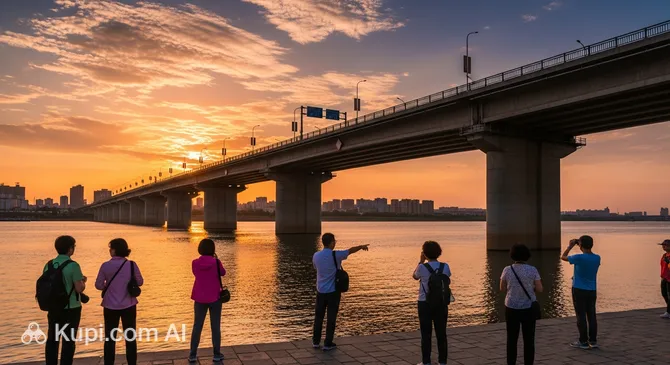
For a taste of local life and scenic beauty, the Nen River Riverside Park is the perfect destination. Located right in the city center along the banks of the Nen River, this expansive area serves as the community's living room. Tourists can enjoy leisurely walks along the waterfront, watch locals engage in morning exercises, or simply admire the wide, flowing waters that give the city its name. In summer, the cool river breeze provides a refreshing escape from the heat, making it a favorite spot for relaxation.

Nature enthusiasts should venture out to Nenjiang Gaofeng Forest Park. Situated a short distance from the downtown area, this park showcases the region's transition into the lush forestry of the Greater Khingan range. It offers a peaceful retreat with fresh air, dense woodlands, and walking trails. It is an excellent spot for hiking and photography, allowing visitors to immerse themselves in the pristine ecological environment that defines this part of Heilongjiang.

Finally, do not miss the Nenjiang Railway Station. While it is a functioning transport hub, the station building itself is a local landmark known for its distinct architecture and often noted for its unique color scheme. As a historical gateway that facilitated the development of the region, it stands as a testament to the city's growth and connection to the rest of China. It offers a quick but memorable photo opportunity for those arriving by train or exploring the city center.

Local Cuisine

The culinary scene in Nenjiang is a hearty reflection of its location in Northeast China, offering flavors that are bold, salty, and deeply satisfying. As part of the Dongbei region, the local diet is designed to combat the cold winters, featuring generous portions of wheat-based foods, stews, and preserved vegetables. However, the city's specific geography adds a unique twist, with the adjacent river providing an abundance of fresh ingredients that define the local palate.

A visit to Nenjiang would be incomplete without tasting the famous Nen River fish. Caught fresh from the cold, clean waters, the fish here is renowned for its tender meat and lack of muddy taste. Locals typically prepare it by braising it in a rich brown sauce or stewing it in large iron pots with tofu and glass noodles. Another regional staple is Suan Cai, or pickled Chinese cabbage. This fermented delicacy is often stewed with fatty pork belly and vermicelli, creating a sour and savory dish that warms the body instantly.

Given Nenjiang's reputation as the "Kingdom of Soybeans," soy-based products are exceptionally fresh and high in quality. You will find a dazzling array of tofu dishes, ranging from soft, silken tofu served with savory sauce to firm, dried tofu tossed in spicy salads. For meat lovers, the classic Dongbei dish Guo Bao Rou (double-fried pork slices in a sweet and sour sauce) is a crispy, golden delight that is popular in almost every local restaurant.

When it comes to beverages, the local culture leans towards drinks that complement the hearty food and social atmosphere. Baijiu, a strong Chinese sorghum liquor, is a traditional favorite, especially during festive dinners or cold winter nights. For a lighter option, Harbin Beer is the standard accompaniment to meals throughout the region. Non-alcoholic options include freshly ground soy milk, which is particularly rich and creamy here, often served warm with breakfast.

The food culture in Nenjiang is unpretentious and community-oriented. Locals love to gather in bustling restaurants where dishes are shared family-style around large round tables. In the warmer months, the city comes alive with street BBQ (Shao Kao) vendors. Sitting outdoors on small stools, enjoying skewers of grilled lamb, beef, and vegetables seasoned with cumin and chili, is a quintessential evening experience for both residents and tourists.

Travel Tips

Visiting Nenjiang is an exciting adventure into the unique culture and climate of Northern China, but it requires some specific preparation to fully enjoy the experience. To help you navigate the city with confidence and ease, here are some essential practical tips for your journey.

  1. Clothing and Gear: The climate here dictates your wardrobe. If visiting in winter, you must bring heavy-duty cold-weather gear, including thermal underwear, a thick down jacket, and insulated, non-slip boots to handle temperatures that can drop below -20°C. In summer, the weather is pleasant, but bring a light jacket for cooler evenings and comfortable walking shoes for exploring the riverbanks.

  2. Transportation: As a smaller city, Nenjiang does not have a metro system. Taxis are the most convenient and affordable way to get around; they are plentiful and can be hailed on the street. Since few drivers speak English, it is crucial to have your destination written in Chinese characters or pinned on a map app to show the driver.

  3. Finances: The local currency is the Chinese Yuan (CNY). While China is rapidly becoming a cashless society dominated by Alipay and WeChat Pay, international credit cards are rarely accepted in Nenjiang outside of major banks or high-end hotels. It is best to withdraw cash from an ATM or set up a mobile payment account tailored for international tourists before you arrive.

  4. Health and Safety: Nenjiang is a safe city for travelers, but general precautions apply. Pharmacies are easily engaging and usually marked with a green cross, though staff may not speak English. In winter, the biggest safety hazard is often slippery ice on sidewalks, so walk carefully. Always drink bottled or boiled water, as tap water is not safe for direct consumption.

  5. Communication: English proficiency is quite low in this region. You will need a translation app that works offline or with data. Buying a local SIM card is highly recommended for internet access. Remember that many Western apps and websites are blocked, so ensure you have the necessary software (like a VPN or roaming package) to stay connected.

  6. Local Etiquette: Northern Chinese culture is warm and hospitable. When dining in groups, dishes are often shared; use the serving spoons provided or the reverse end of your chopsticks to pick up food. It is customary to refuse a gift or favor a few times before accepting it to show modesty.

  7. What to Avoid: Avoid leaving your chopsticks sticking vertically into a bowl of rice, as this resembles incense burning for the dead and is considered very bad luck. Also, try not to be loud or boisterous in quiet public spaces or temples, although lively conversation in restaurants is perfectly normal.

  8. Market Insight: Embrace the local specialty by visiting a morning market. Since Nenjiang is famous for its non-GMO soybeans, look for vendors selling fresh, warm soy milk and tofu curds early in the morning—it is an incredibly fresh, healthy, and cheap breakfast experience you won't find elsewhere.

With these essentials in mind, you are ready to embrace the warmth of the local hospitality despite the northern chill. Whether you are here for the history or the nature, a little preparation will go a long way in making your trip to Nenjiang memorable and stress-free.

Entertainment & Nightlife

Entertainment and nightlife in Nenjiang offer a distinctively local experience that differs significantly from the pulsing electronic beats of China's mega-cities. Here, the evening culture is centered around community, hearty food, and social gatherings. The atmosphere is relaxed and unpretentious, reflecting the warm hospitality of the Dongbei people. Instead of high-end nightclubs with dress codes, you are more likely to find lively night markets, bustling barbecue joints, and karaoke venues where friends gather to sing the night away.

The epicenter of evening activity, particularly in the warmer months, is the Nen River Riverside Park. As the sun sets, this area transforms into a vibrant social hub. It is not just a park but a massive open-air venue where locals engage in "square dancing" (guangchang wu), play traditional instruments, and stroll along the illuminated waterfront. The mood here is festive and safe, making it the perfect place to immerse yourself in the local lifestyle. For tourists, simply walking here provides a wealth of entertainment and people-watching opportunities without spending a penny.

For those seeking a more spirited night out, the city's culinary scene acts as its primary nightlife engine. In Nenjiang, "going out" almost invariably involves Shao Kao (Chinese BBQ). The streets near the city center and the riverside come alive with the scent of charcoal and cumin. These barbecue restaurants often stay open late, serving skewers of lamb, beef, and vegetables alongside cold Harbin Beer. It is a noisy, cheerful environment where the dress code is casual, and the prices are very affordable.

If you are looking for indoor entertainment, KTV (Karaoke TV) is the undisputed king of nightlife in this region. You will find various KTV clubs scattered around the commercial districts, ranging from budget-friendly spots to more upscale venues with private rooms and elaborate decor. This is where the younger crowd tends to congregate after dinner. It is a private experience shared with your own group, rather than a public mixer, so it is best enjoyed if you are traveling with friends.

Regarding practicalities, the nightlife in Nenjiang wraps up relatively early compared to southern China. Most restaurants and markets wind down by 10:00 PM or 11:00 PM, though some BBQ spots and KTVs stay open later. The city is very safe for night walks, even for solo travelers, but standard precautions should always be taken. Taxis are the best way to get around at night; they are plentiful, cheap, and easy to flag down on the main streets. Just remember to have your hotel name written in Chinese, as English is rarely spoken by drivers.

During the daytime, the pace is equally leisurely but culturally rich. Visitors can explore the Moergen Ancient Trail Posthouse Museum to gain insight into the region's history or catch a movie at one of the local cinemas in the city center. For families or those seeking outdoor fun, the city's parks offer a pleasant escape, while the nearby Nenjiang Gaofeng Forest Park provides a more adventurous day trip option before returning to the city for a relaxing evening by the river.

Parks & Museums

Nenjiang offers a compelling mix of expansive green spaces and educational venues that highlight its identity as a historical frontier town in China. While the city is known for its agricultural prowess, its parks and museums provide a window into the rich cultural tapestry and ecological diversity of the Heilongjiang region.

For travelers seeking a modern ecological experience, Haijiang Park is a standout destination. Distinct from the city's older recreational areas, this park focuses on wetland conservation and natural beauty. Visitors can wander along wooden boardwalks that wind through lush vegetation, offering excellent opportunities for birdwatching and photography. It serves as a green lung for the city, providing a tranquil escape where the sounds of the bustling streets are replaced by the rustling of reeds and the calls of local wildlife.

In the heart of the city's social life lies Riverside Plaza (often referred to as People's Square). While the broader riverside area is perfect for strolling, this specific plaza acts as the community's living room. It is a vibrant gathering spot adorned with sculptures that reflect local culture. In the evenings, the plaza transforms into a stage for public life, where locals gather for collective dancing and socializing. It offers a fantastic vantage point to observe modern civic life against the backdrop of the flowing river, distinct from the quieter, tree-lined paths found elsewhere along the bank.

To truly understand the region's agricultural heritage, a visit to the Jiusan Museum is essential. Unlike the historical focus of the Posthouse Museum, this facility is dedicated to the history of land reclamation and the transformation of the "Great Northern Wilderness" (Beidahuang) into China's granary. The museum showcases the grit and determination of the pioneers who cultivated the black soil, featuring exhibits on vintage agricultural machinery and the development of the massive state farms that define the area's economy today.

For a touch of spiritual tranquility, Fazang Temple offers a peaceful retreat. This active Buddhist temple features traditional architecture with sweeping eaves and intricate details. It provides a serene atmosphere filled with the scent of incense and the quiet chanting of monks, standing in contrast to the agricultural and industrial themes that dominate much of the city's other attractions. It is a welcoming spot for those looking to reflect and appreciate the spiritual side of local culture.

Additionally, visitors interested in the scale of local agriculture can explore the grounds of Nenjiang Farm. As a functioning testament to the region's status as the "Kingdom of Soybeans," it offers a unique industrial tourism experience. Here, one can witness the vast, rolling fields and modern farming techniques that fuel the nation, providing a tangible connection to the city's reputation as a crucial food production hub.

Getting Around

Navigating Nenjiang is relatively straightforward, as the city's public transport system is designed to serve a compact urban area. Unlike larger metropolitan hubs, there is no metro or light rail system here. Instead, the primary mode of public transportation is the bus network, which connects key residential areas, the commercial downtown, and the railway station. For most tourists, getting around involves a mix of these public buses and the readily available, affordable taxis.

The public bus system is the most economical way to travel. Routes cover the main arteries of the city, and frequencies are generally reliable during the day. The fare is typically fixed at a very low rate, often just 1 to 2 RMB per ride, regardless of the distance. Buses are usually boarded at the front and exited at the rear. While route maps at bus stops are mostly in local characters, the layout of the city is simple enough that visitors can often manage with a translation app or by asking for help.

Regarding payment, the system has modernized rapidly. While you can still pay with cash, you must have the exact change ready to drop into the fare box as you board, as drivers do not carry change. However, the most convenient method is digital payment. Almost all buses are equipped with QR code scanners that accept WeChat Pay or Alipay. Travel cards (IC cards) exist for locals but are generally not worth the hassle for short-term visitors compared to using mobile apps or coins.

Taxis are an extremely popular alternative and are often the preferred choice for international travelers, especially given the language barrier on buses. Taxis can be hailed easily on the street and are inexpensive. Most taxis run on a meter, but for longer distances or trips to the outskirts, drivers might negotiate a flat rate. Ride-hailing apps like DiDi are also operational and can be a lifesaver if you want to input your destination digitally without needing to speak to the driver.

A crucial piece of advice for tourists concerns the operating hours and the weather. Public buses in Nenjiang often stop running earlier than in major cities, with many lines winding down between 6:00 PM and 7:00 PM. In winter, when temperatures drop significantly, waiting at a bus stop can be uncomfortable and potentially dangerous due to the cold. During these colder months, opting for a taxi is strongly recommended. Additionally, always have your destination written in Chinese characters to show the driver, as English proficiency among transport staff is limited.

For those visiting in the warmer months, walking is a pleasant option for exploring the city center and the riverside parks. Shared bicycles may be available, but their presence fluctuates, and they are typically removed or less usable during the harsh winter. Ultimately, for a hassle-free experience, keep small denominations of cash on hand or ensure your mobile payment apps are set up before you arrive.

Accommodation

Accommodation in Nenjiang is generally functional and affordable, catering primarily to domestic travelers and business visitors. Unlike major tourist hubs, the city does not feature an extensive array of international luxury hotel chains. Instead, visitors will find a solid selection of mid-range local hotels, business inns, and budget-friendly guesthouses. These establishments typically offer clean, comfortable amenities suitable for short stays, with warm heating systems that are absolutely essential during the harsh winter months.

For the most convenient stay, travelers should look for hotels in the city center, particularly around the Nenjiang Railway Station. Staying in this area ensures easy access to transportation for day trips to the surrounding forests or neighboring cities. Alternatively, the area along the Nen River offers a more scenic environment. Hotels here often provide pleasant views of the water and are within walking distance of the Riverside Park, making them ideal for those who enjoy evening strolls and a quieter atmosphere.

A critical tip for international tourists is to verify the registration policy before booking. In smaller Chinese cities like Nenjiang, not all accommodation providers are authorized to host foreign nationals (often referred to as "Shewai" hotels). It is highly recommended to contact the hotel directly or use international booking platforms that filter for properties accepting foreign guests to avoid any check-in complications upon arrival.

In terms of pricing, Nenjiang is very budget-friendly compared to China's provincial capitals. Most standard rooms fall into the budget to lower-mid-range category. Booking is best done through major online travel platforms, as they offer the most reliable inventory. While walk-ins are possible, booking in advance is advisable if you are visiting during the peak summer season or the Chinese New Year period, when many locals return home.

Nearby Cities

For those looking to explore the surroundings, Nenjiang serves as an excellent base for day trips to several interesting nearby locations:

One of the most unique destinations is Heihe, situated on the border with Russia along the Amur River. It offers a fascinating blend of cultures and serves as a gateway to the volcanic landscapes of the region. To the south lies Qiqihar, the second-largest city in the province, which is world-renowned for the Zhalong Nature Reserve, a sanctuary for endangered red-crowned cranes. Another notable option is Daqing, famous as the "Oil Capital" of China, where travelers can explore extensive wetlands and enjoy relaxing hot springs.

City Population Distance (km)
Suihua 5,418,153 310
Qiqihar 5,367,003 225
Daqing 2,904,532 289
Heihe 1,673,899 204
Hailun 850,000 232

These nearby destinations offer a glimpse into the diverse culture and landscapes of the region.

Shopping & Souvenirs

Shopping in Nenjiang offers a practical and authentic glimpse into the lifestyle of Northern China. While the city does not feature the high-end luxury boutiques found in metropolises like Shanghai or Beijing, it provides a robust selection of local goods, agricultural specialties, and everyday necessities. The shopping scene here is less about fashion trends and more about discovering regional treasures, from unique stones to the bounty of the rich black soil.

The primary commercial activity is concentrated in the downtown area. The central streets are lined with a mix of independent boutiques, sportswear outlets, and electronics shops. Walking through this district gives tourists a feel for the local pace of life, where brightly lit storefronts compete for attention with promotional music and bustling crowds. It is the best place to find winter clothing, which is plentiful and affordable given the region's climate.

For a more modern retail experience, visitors can head to the city's central department stores and shopping centers. These multi-story complexes typically house supermarkets in the basement, cosmetics and jewelry on the ground floor, and apparel on the upper levels. They are reliable spots for purchasing branded sportswear, toiletries, and warmer layers if you find yourself underdressed for the weather.

The most vibrant part of the local shopping culture, however, is the morning market. In Nenjiang, as in much of the Dongbei region, these open-air markets start at sunrise and wrap up by mid-morning. They are a sensory overload of fresh produce, steaming breakfast stalls, and household goods. It is an excellent place to observe locals bargaining for everything from river fish to wild vegetables gathered from the nearby forests.

When it comes to souvenirs, Nenjiang has two distinct claims to fame. First, the city is renowned for Nenjiang Agate. These beautiful, multi-colored stones found in the riverbed are crafted into jewelry, carvings, and ornaments, making for a unique and lasting memento. Second, as the "Kingdom of Soybeans," the local agricultural products are top-tier. Vacuum-packed organic soybeans, dried mushrooms, and black fungus (wood ear) from the Greater Khingan Mountains are popular gifts that travel well.

Opening hours for most retail stores and shopping centers generally run from 9:00 AM to 8:00 PM or 9:00 PM. However, smaller shops and markets operate on their own schedules, with morning markets closing as early as 8:30 AM. Payment is almost exclusively digital; WeChat Pay and Alipay are accepted everywhere, from large malls to street vendors. While cash is legally accepted, carrying small change is advisable as vendors may struggle to break large bills.

Tourists should note that tax-free shopping and VAT refund services are not available in Nenjiang. Prices are generally fixed in department stores, but bargaining is expected and encouraged in street markets and independent souvenir shops.
Reached the end of the page?

That means the route is fully explored