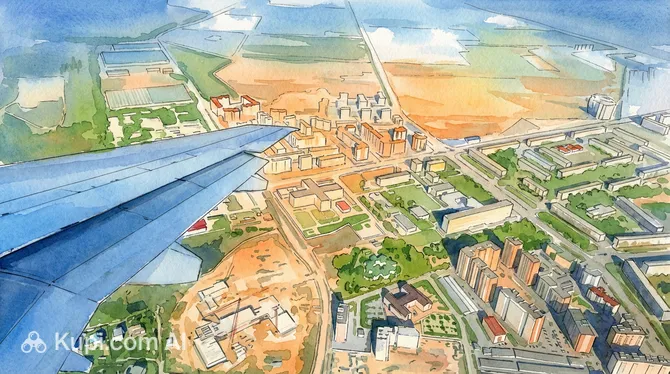
Welcome to Blagoveshchensk, a distinctive and historically significant city located in the Far East of the Russian Federation. As the administrative center of the Amur Oblast, it serves as a vital cultural and economic hub for the region. What makes this city truly unique is its geographical position: it is situated directly on the border with China, standing on the left bank of the Amur River, right across from the Chinese city of Heihe. This proximity creates a fascinating atmosphere where two distinct cultures meet, separated only by the width of a river.
Blagoveshchensk. Illustration.
Source: Kupi.com AI
Home to approximately 224,000 residents, Blagoveshchensk enjoys a continental climate with warm summers and cold, dry winters. The city layout is defined by the confluence of the Amur and Zeya rivers, providing picturesque waterfronts that are perfect for leisurely strolls. Visitors interested in the past can explore the rich history of Blagoveshchensk, which dates back to the mid-19th century and is reflected in its well-preserved architecture and monuments.
Among the city's top attractions is the Amur Embankment, a beautiful promenade offering stunning views of the skyline across the border. Another must-see landmark is the majestic Triumphal Arch, originally built to commemorate the visit of Tsarevich Nicholas. For those seeking spiritual heritage, the Cathedral of the Annunciation stands as a serene example of traditional orthodox architecture. Whether you are drawn by the unique border location or the charm of a Siberian city, Blagoveshchensk offers a memorable travel experience.
Weather Overview
The local climate is sharply continental, characterized by significant temperature differences between the seasons. Before packing your bags, it is helpful to check the current weather in Blagoveshchensk to ensure you are well-prepared for the conditions. The city experiences distinct seasonal shifts that transform the landscape throughout the year.
Winters are long, rigorous, and very dry. January is typically the coldest month, with an average temperature of -21.3°C and minimums plunging to -26.6°C. During this time, precipitation is virtually non-existent, with data showing 0mm of precipitation and only one or two wet days per month from December through February. Travelers visiting in winter need thermal clothing to handle the freezing conditions.
Conversely, the summer months bring warmth and higher humidity. July is the hottest month, boasting an average temperature of 22.8°C and highs reaching up to 27.3°C. This season is also when the region receives most of its moisture; July and August can experience around 14 wet days each. Expect warm summers with occasional rain and cold, dry winters, making the city a year-round destination for those prepared for its diverse elements.
Average monthly temperature
Average monthly precipitation
Interesting Facts
Beyond the main attractions, Blagoveshchensk holds many fascinating secrets and unique features that distinguish it from other Russian cities. Here are some intriguing details that reveal the true character of this border capital.
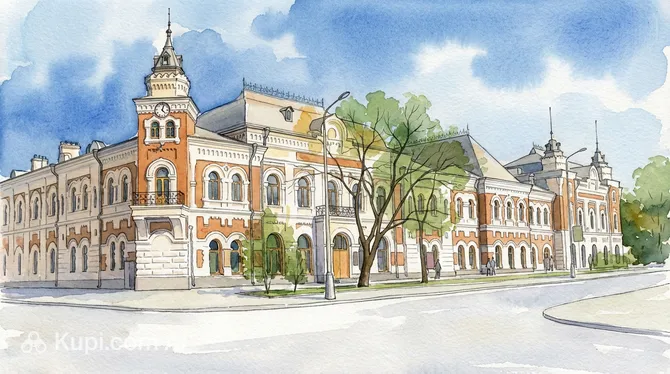
Triumphal Arch. Illustration.
Source: Kupi.com AI
Traveler photos:
Blagoveshchensk is the only administrative center of a Russian region located directly on the state border. Standing on the Amur River Embankment, visitors can clearly see the skyscrapers, Ferris wheel, and neon lights of the Chinese city of Heihe, which is situated just hundreds of meters away across the river.
The Amur region is often referred to as a "dinosaur capital" due to the significant paleontological discoveries made here, including the unique Olorotitan. You can see an impressive collection of these ancient fossils at the Amur Regional Museum of Local Lore named after G.S. Novikov-Daursky.
Unlike many older cities with chaotic street patterns, Blagoveshchensk was built according to a strict rectangular grid, reminiscent of an ancient Roman military camp. This distinct layout ensures that streets run parallel and perpendicular to the river, making navigation incredibly simple for newcomers.
The majestic Triumphal Arch seen today is actually a meticulous recreation. The original structure, built in 1891 to honor the visit of Tsarevich Nicholas, was destroyed in the 1930s, and the monument was only restored to its former glory in the early 2000s using archival photographs.
How to Get There
Reaching this unique border city is an adventure in itself, offering travelers a glimpse into the vast distances of the Russian Far East. Whether you prefer the speed of air travel or the rhythmic journey of a train, there are several convenient options available. You can find detailed information and more about how to get to Blagoveshchensk on our dedicated transport page.
For most visitors, the primary entry point is Ignatyevo (IATA: BQS). Located approximately 20 km from the city center, this airport serves as the main regional hub with steady passenger traffic. A taxi ride from the terminal to downtown Blagoveshchensk typically takes around 40 to 50 minutes. Interestingly, due to the city's unique geography, another nearby option is Heihe Airport (IATA: HEK). However, it is important to note that this airport is located in Heihe, China, just across the river. While it is physically close—about 19 km away—using this route requires crossing the international border.
For clarity, here is a summary of the main airports:
If you prefer rail travel, the city is well-connected to the extensive Russian railway network. You will arrive directly at Blagoveshchensk Railway Station, which is conveniently situated just 2.5 km from the city center, making the final leg of your journey very short. For those traveling on the main Trans-Siberian route who do not wish to switch to a branch line, a common alternative is to disembark at Belogorsk Station in the city of Belogorsk. This major hub is about 98 km away, and from there, you can take a bus or taxi to Blagoveshchensk, which takes approximately 2.5 hours.
Below is a list of the nearest railway stations:
Station
Passenger traffic
Distance
Blagoveshchensk Railway Station
—
2 km
Belogorsk Station
450 000
98 km
Vozzhayevka Station
—
99 km
Seryshevo Station
—
110 km
Yekaterinoslavka Railway Station
120 000
112 km
Svobodny Railway Station
350 000
132 km
Main Attractions
Blagoveshchensk offers a unique blend of historical heritage and modern leisure spaces, with its most defining feature being its proximity to the Chinese border. The city's layout and landmarks reflect its status as a gateway to the East, providing visitors with a variety of interesting sites to explore, from scenic promenades to deep dives into regional history.
The heart of the city's tourism is undoubtedly the Amur River Embankment. This beautifully paved promenade stretches along the river, offering unobstructed views of the Chinese city of Heihe on the opposite bank. It is the perfect place for a leisurely walk, roller skating, or simply enjoying the sunset over two countries at once. Along the path, you will find several sculptures, including the famous monument to the Border Guard with a Dog, which is a favorite spot for photos among locals and tourists alike.
Amur River Embankment. Illustration.
Source: Kupi.com AI
Traveler photos:
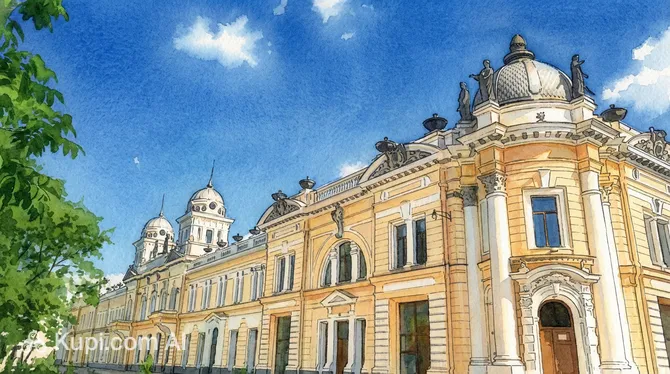
For those interested in the rich past of the Amur region, the Amur Regional Museum of Local Lore named after G.S. Novikov-Daursky is a must-visit. Housed in a historic brick building that was once a department store, the museum boasts an impressive collection of over 155,000 exhibits. Highlights include fascinating ethnographic displays of indigenous peoples and a renowned paleontological section featuring real dinosaur fossils found in the region, such as the Olorotitan.
Amur Regional Museum of Local Lore named after G.S. Novikov-Daursky. Illustration.
Source: Kupi.com AI
Traveler photos:
A significant spiritual and architectural landmark is the Cathedral of the Annunciation. Located on the site of the very first building constructed in Blagoveshchensk, this cathedral is a stunning example of traditional Russian Orthodox architecture. Although the original structure was lost, the modern recreation captures the grandeur of the past with its golden domes and intricate details, providing a serene atmosphere for reflection.
Cathedral of the Annunciation. Illustration.
Source: Kupi.com AI
Traveler photos:
The central hub for public events and festivities is Lenin Square. Situated adjacent to the embankment, this spacious square is surrounded by administrative buildings and features beautiful fountains and flowerbeds. It serves as the main venue for city holidays and parades. Just a short walk away, families can enjoy the City Park of Culture and Recreation, a green oasis offering amusement rides, walking paths, and a Ferris wheel that provides a panoramic view of the city and the river border.
Local Cuisine
The culinary landscape of Blagoveshchensk is inextricably linked to its unique geographical location on the border with China. The local food scene is a vibrant fusion where traditional Russian flavors meet authentic Chinese culinary traditions. It is often said that the Chinese food here is some of the best and most authentic to be found in Russia, adapted slightly to local tastes but retaining its original zest. For many tourists, a visit to a "chifanka"—a colloquial term for a Chinese eatery—is an essential part of the travel experience.
When it comes to signature dishes, the undisputed king of the local table is Guo Bao Rou, or sweet and sour pork. This dish consists of crispy, deep-fried pork slices coated in a glossy, tangy sauce, and it is a staple at almost every gathering. Another regional specialty worth trying is the fern salad (salat iz paporotnika). Harvested from the local taiga, the fern shoots are marinated or stir-fried with meat and spices, offering a taste that is characteristic of the Russian Far East. Of course, classic Russian staples like hearty borscht, savory pelmeni (dumplings), and blini (pancakes) are widely available and prepared with home-style care.
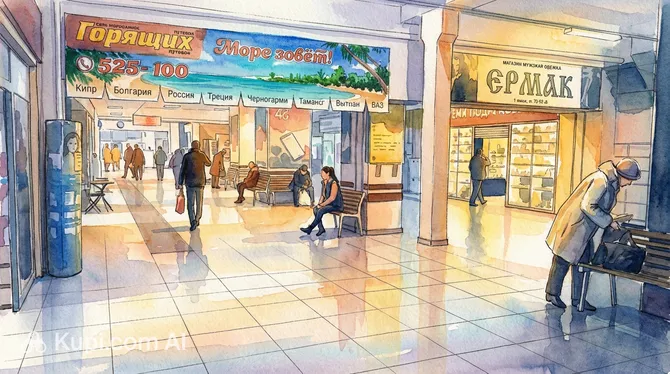
The dining culture in Blagoveshchensk is social and hearty. Chinese restaurants typically serve massive portions meant for sharing, making dining out a communal activity perfect for groups. For a more modern and varied experience, locals often head to large commercial centers. For instance, the Ostrova Shopping Mall offers a wide range of food court options and cafes where you can grab a quick bite or enjoy a leisurely meal in between shopping.
Ostrova Shopping Mall. Illustration.
Source: Kupi.com AI
Traveler photos:
If you are looking for a place to unwind in the evening, the city has a developing bar and nightlife scene. You might visit Piplz, a popular bar where you can enjoy a variety of beverages and a lively atmosphere. For those who prefer Asian-inspired flavors in a relaxed setting, Yaposha-San offers a menu that complements the city's eastern orientation.
As for drinks, tea culture is strong here, influenced by both Russian samovar traditions and Chinese tea ceremonies. You will find excellent varieties of green and black teas. In the warmer months, refreshing berry drinks like mors, made from cranberries or lingonberries, are very popular. Local beers and spirits are also commonly served in restaurants, often pairing robustly with the rich, flavorful dishes of the region.
Travel Tips
Visiting Blagoveshchensk offers a truly unique experience where Slavic culture meets the East, but traveling to this remote border city requires some specific preparation. To help you navigate the local nuances and make the most of your journey to the Amur region, we have compiled a list of essential practical advice.
Clothing and Gear: The climate here is extreme, so packing the right gear is crucial. If you visit in winter, bring heavy thermal underwear, a down parka, and insulated, non-slip boots, as temperatures drop significantly below freezing. Summers, conversely, are warm and humid; light, breathable fabrics are best. Since the city is on a river, mosquitoes can be active in the evenings, so packing a good insect repellent is highly recommended for summer walks along the embankment.
Transportation: The city center is laid out in a convenient grid pattern, making it very walkable. For longer distances, the public bus network is reliable and covers all major areas. However, for comfort and speed, ride-hailing apps like Yandex Go are the most convenient option for tourists; they are affordable and eliminate the language barrier when giving directions to a driver.
Finances: The official currency is the Russian Ruble (RUB). Be aware that credit and debit cards issued outside of the Russian Federation typically do not work due to banking limitations. It is essential to bring sufficient cash in USD or EUR to exchange at local banks upon arrival. ATMs are widespread, but they generally only service local cards.
Health and Safety: Blagoveshchensk is generally a safe city for travelers. Pharmacies (marked as "Apteka") are easy to find, and many central ones operate 24/7. The main safety precaution relates to the river: while the Amur River is beautiful, swimming is often restricted or prohibited in certain areas due to strong currents and the border status, so always look for signage before entering the water.
Communication: The primary language is Russian, and English proficiency among locals may be limited outside of major hotels. It is highly advisable to download an offline translation app and an offline map (like 2GIS) before you arrive. Buying a local SIM card is easy at mobile shops in the city center or the airport, provided you have your passport.
Local Etiquette: Russians value genuine politeness. When entering a home or even some hostels, it is customary and often mandatory to remove your shoes. A firm handshake is a standard greeting for men. In public transport, offering your seat to elderly people or pregnant women is not just polite but expected behavior.
What to Avoid: Since Blagoveshchensk is a border city, be very careful with photography near the riverbank and official checkpoints. Do not take photos of border guards, military personnel, or specific border infrastructure facilities, as this is strictly prohibited and can lead to questioning by authorities.
Border Zone Specifics: Remember that while China is visible across the river, you cannot simply cross the bridge without a visa. The "visa-free" regimes often discussed in media usually apply to organized tour groups or specific conditions, so do not attempt to cross the border spontaneously without checking the current visa rules for your nationality.
By keeping these practical tips in mind, you will be well-equipped to enjoy the hospitality and distinct character of Blagoveshchensk. Whether you are admiring the view of China from the promenade or enjoying a hearty local meal, a little preparation ensures your adventure in the Russian Far East is smooth and memorable.
Entertainment & Nightlife
While Blagoveshchensk may not have the frenetic pace of a metropolis, its nightlife scene is vibrant and welcoming, offering a variety of ways to unwind after a day of exploring. The city's unique location on the border adds a special charm to the evening atmosphere, with the neon skyline of China reflecting off the Amur River. Most of the evening entertainment is concentrated in the city center, particularly along Lenin Street and the blocks adjacent to the waterfront, making it easy to hop between venues.
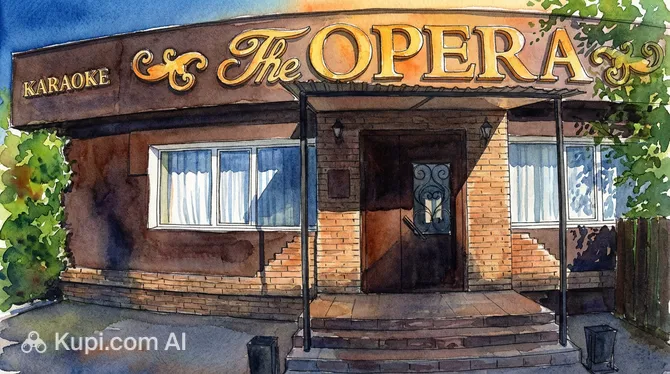
For those looking to experience the local clubbing scene, The Opera is one of the city's premier nightlife destinations. This venue operates as a nightclub and concert hall, frequently hosting DJ sets, themed parties, and performances by visiting artists. It attracts a stylish crowd and is the place to go if you want to dance late into the night. The atmosphere here is energetic, with modern sound and lighting systems setting the mood for a memorable evening.
The Opera. Illustration.
Source: Kupi.com AI
Traveler photos:
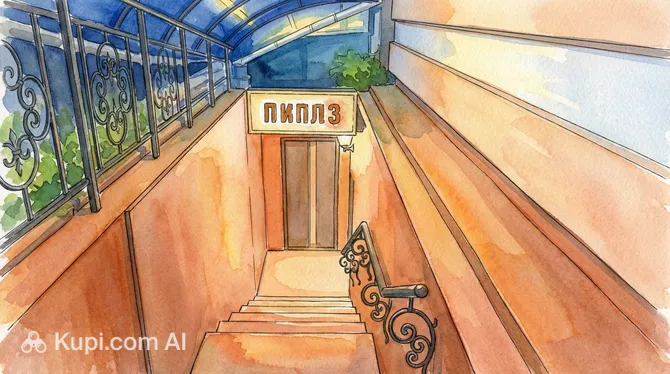
If you prefer a more relaxed bar setting where conversation flows as easily as the drinks, Piplz is a popular choice among locals and visitors alike. It offers a lively environment perfect for gathering with friends, enjoying a wide selection of beverages, and soaking in the local social vibe. For a different kind of evening entertainment, you might catch a movie at Shtorm Cinema, a modern complex that often serves as a leisure hub for youth and families.
Piplz. Illustration.
Source: Kupi.com AI
Traveler photos:
When planning a night out, keep in mind that the most active nights are Friday and Saturday. Bars typically start filling up around 8:00 PM, while nightclubs hit their peak after 11:00 PM. The dress code is generally smart casual; while not overly strict, looking neat is expected, and some clubs may have "face control" at the door. Prices in Blagoveshchensk are quite reasonable compared to larger Russian cities, allowing for a fun night out without breaking the bank.
In terms of safety, the city center is well-lit and generally safe for walking in the evening, especially near the main landmarks. However, as the night deepens, it is advisable to use a taxi to get back to your accommodation. Ride-hailing apps like Yandex Go are the most convenient and reliable way to get around at night, eliminating language barriers and ensuring a fixed price.
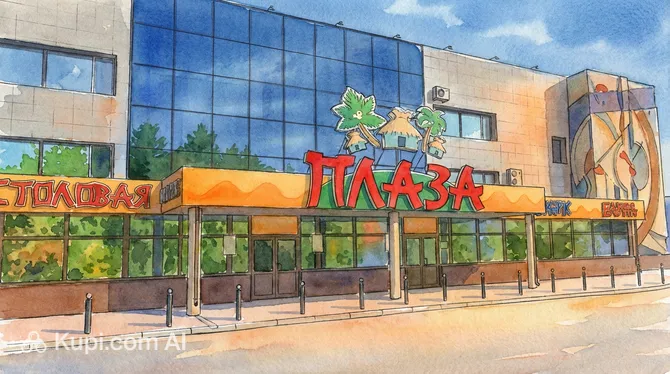
Beyond the nightlife, Blagoveshchensk offers enjoyable daytime entertainment options. Families and thrill-seekers can visit Plaza Water Park, an indoor facility that provides aquatic fun regardless of the weather outside. For a more tranquil experience, Pervomaysky Park is a lovely green space featuring walking paths and attractions, perfect for a leisurely afternoon stroll before the evening festivities begin.
Plaza Water Park. Illustration.
Source: Kupi.com AI
Traveler photos:
Parks & Museums
Blagoveshchensk is a city where history and nature are seamlessly interwoven, offering visitors a chance to explore its past while enjoying its green spaces. The city’s layout includes several squares and parks that serve as cultural landmarks, reflecting the heritage of the Amur region and providing serene spots for relaxation.
A prominent site for reflection is Victory Square. This expansive area is dedicated to the heroes of World War II and serves as a focal point for local commemorations. With its solemn atmosphere and well-maintained grounds, it provides a meaningful stop for those wishing to pay their respects to the city's defenders while admiring the surrounding architecture.
Victory Square. Illustration.
Source: Kupi.com AI
Traveler photos:
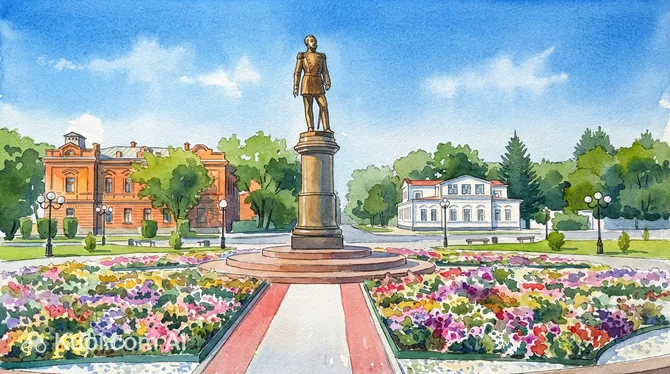
History enthusiasts should not miss the Monument to Nikolay Muravyov-Amursky. Located near the waterfront, this statue honors the Governor-General who founded the city and played a crucial role in securing the boundaries of the Russian Far East. It stands as a powerful symbol of the city's origins and offers a picturesque photo opportunity against the backdrop of the Amur River.
Monument to Nikolay Muravyov-Amursky. Illustration.
Source: Kupi.com AI
Traveler photos:
For a peaceful escape from the city center, Pervomaysky Park offers a lush, natural retreat. Known for its quiet pathways and diverse flora, this park is distinct from the more bustling amusement areas. It is an ideal location for a relaxing stroll, allowing visitors to enjoy the fresh air and the serene beauty of the local landscape away from the urban rhythm.
Pervomaysky Park. Illustration.
Source: Kupi.com AI
Traveler photos:
Getting Around
Navigating Blagoveshchensk is straightforward and convenient, as the city’s compact layout allows for easy movement between major attractions. The public transport system relies entirely on a network of buses and minibuses (known locally as marshrutkas). There is no metro, tram, or trolleybus system in the city. The bus routes are extensive, covering the city center, residential districts, and even connecting to the airport and suburban areas. For tourists, the buses are a reliable way to get from the historical center to parks or shopping malls.
Paying for your ride is simple and modern. While cash is always accepted, most buses and minibuses are equipped with terminals for contactless payment. You can use a standard bank card or a smartphone with NFC capabilities to pay the fare. The cost of a single trip is very affordable, typically ranging between 30 and 40 rubles. In most vehicles, you pay the driver or a conductor upon entry, though in some smaller minibuses, payment might be collected at the exit. It is always a good idea to carry some small change just in case.
Public transport generally operates from 6:00 AM until roughly 10:00 PM. If you plan to stay out late enjoying the nightlife, be aware that bus frequency drops significantly in the evening. For late-night travel, or if you simply prefer more comfort, taxis are the best alternative. Ride-hailing apps like Yandex Go and Maxim are extremely popular, offering fixed prices and eliminating the language barrier since you can set your destination on the map. The fares are reasonable, making taxis a common choice for visitors.
A truly unique feature of the local transport landscape is the connection across the Amur River. While not a standard city commute, the river crossing to the Chinese city of Heihe is a major transport artery. Depending on the season, travel is facilitated by ferries in the summer, hovercrafts during the transitional periods, and a floating pontoon bridge in winter. Additionally, the city is famous for the construction of the world's first cross-border cable car, designed to connect the two banks in just a few minutes, which promises to become a futuristic highlight of the local transit experience.
Accommodation
Blagoveshchensk provides a variety of accommodation options suitable for different travel styles and budgets. Visitors can choose from established, large-scale hotels that often host business travelers and delegations, to smaller, modern mini-hotels and cozy guesthouses. In recent years, the rental apartment market has also grown significantly, offering a "home away from home" experience that is particularly popular for families or those planning longer stays.
For the most convenient experience, it is highly recommended to stay in the city center, particularly near the Amur River Embankment. Staying in this area places you within walking distance of the main promenade, where you can enjoy the unique views of the Chinese city of Heihe across the river right from your doorstep or a nearby café. The district around Lenin Square is also a strategic location, offering easy access to administrative buildings, cultural attractions, and main transport links.
The cost of accommodation in Blagoveshchensk is generally moderate compared to Russia's largest metropolises like Moscow or St. Petersburg. Travelers can find affordable budget options as well as comfortable mid-range hotels with standard amenities. Luxury resorts are less common, but the higher-end business hotels offer excellent service and comfort.
When planning your trip, it is advisable to book your room in advance, especially during the summer months or major regional holidays when the city sees an influx of visitors. A useful tip for international tourists is to confirm visa registration support before booking. While larger hotels handle the mandatory migration registration for foreigners routinely, smaller guesthouses or private apartments might not always provide this service, so it is worth checking beforehand to ensure a smooth and compliant stay.
Nearby Cities
For those looking to explore the surroundings, Blagoveshchensk serves as an excellent base for day trips to several interesting nearby locations:
While some of the larger cities like Khabarovsk are better suited for overnight stays due to the distance, there are charming towns closer to Blagoveshchensk that are perfect for a single-day adventure. Belogorsk is the nearest major town, located less than two hours away by car or train. It is a significant transport hub on the Trans-Siberian Railway. Travelers can take a moment to admire the architecture of the railway station or visit the local history museum, enjoying the quiet atmosphere of a classic Far Eastern provincial town.
Another worthwhile destination is Svobodny, situated a bit further north. This city is historically notable as the birthplace of the legendary Soviet film director Leonid Gaidai, and you can find a monument dedicated to him here. More recently, Svobodny has gained fame for its proximity to the Vostochny Cosmodrome, Russia's modern spaceport. While the cosmodrome itself requires special arrangements to visit, the city offers a unique glimpse into the region's developing industrial and scientific identity.
These nearby destinations offer a glimpse into the diverse culture and landscapes of the region, providing a deeper understanding of life in the Russian Far East beyond the capital of the Amur Oblast.
Shopping & Souvenirs
Shopping in Blagoveshchensk is a unique experience heavily influenced by its proximity to the Chinese border. As a major trade hub in the Far East, the city offers a fascinating mix of goods, ranging from authentic Russian products to a vast array of imports from neighboring China. Whether you are looking for high-quality local foodstuffs, affordable textiles, or modern fashion, the local retail scene provides plenty of opportunities to find something special.
The city's retail life is concentrated along its central arteries. 50-letiya Oktyabrya Street is often considered the main shopping thoroughfare, lined with a variety of boutiques, jewelry stores, and electronics shops. Walking down this street, you can find everything from specialized tea shops selling exquisite Chinese varieties to stores offering local furs and gold, for which the Amur region is well known. Another key area is Lenin Street, which runs parallel to the river and features numerous souvenir shops and smaller convenience stores convenient for tourists exploring the embankment.
For a modern and comprehensive shopping experience, the city boasts several impressive malls. The largest and most popular destination is the Ostrova Shopping Mall. This massive complex is designed as a "city within a city," featuring themed streets like "Old Town" and "Grand Canal," and houses hundreds of stores, a cinema, and entertainment zones. It is the perfect place to spend a rainy day or find international brands. Another notable center is Flagman, located centrally, which offers a good selection of clothing, cosmetics, and accessories in a comfortable, modern setting.
Flagman. Illustration.
Source: Kupi.com AI
Traveler photos:
To truly understand the local commerce, a visit to the markets is essential. The Amur Fair (locally known as "Yarmarka") is a legendary spot where trade has flourished for decades. Here, you can find an abundance of affordable clothing, shoes, and household goods, many of which are imported directly across the river. For gastronomic souvenirs, head to the Central Market. This is the best place to buy fresh local produce, including pine nuts, berries from the taiga, and smoked fish.
When it comes to souvenirs, Blagoveshchensk offers distinct regional specialties. Amur honey is highly prized for its quality and ecology, often gathered from wild flowers in the taiga. Sweets from the local Zeya Confectionery Factory are a classic gift; look for their boxes of chocolates or "Ptichye Moloko" (Bird's Milk) souffle. Additionally, due to the cross-border culture, high-quality Chinese tea sets and tea bricks are widely available and make excellent gifts. Don't forget traditional Russian items like warm wool shawls or birch bark crafts, which are also popular.
Most shops in the city operate daily from 10:00 AM to 8:00 PM or 9:00 PM, while large shopping malls often stay open until 10:00 PM. Grocery supermarkets may operate 24/7. Payment by credit card is widely accepted in malls, restaurants, and most shops. However, if you plan to visit street markets or small kiosks, it is necessary to carry cash in Russian Rubles. While Russia has a Tax-Free system for foreign tourists (VAT refund) in participating locations, it is advisable to look for the "Tax Free" signage at the entrance of major stores or ask the staff directly, as availability can vary by retailer.