Support

Heihe

About

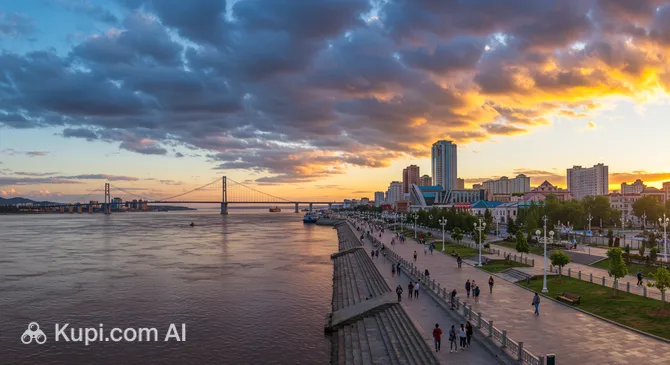
Heihe. Source: Kupi.Binoculars

Heihe is a captivating border city located in the northern part of Heilongjiang Province, sitting directly on the banks of the majestic Amur River (known locally as the Heilongjiang). Known for its unique geographical position, it faces the Russian city of Blagoveshchensk across the water, making it a vital hub for trade and cultural exchange in China. With a population of approximately 1.67 million residents, the city offers a distinctive atmosphere where different cultural influences blend seamlessly, evident in the local architecture, cuisine, and commerce.

The region is characterized by a continental monsoon climate, bringing distinct seasons with cool, pleasant summers that serve as a retreat from the heat, and snowy, picturesque winters. Visitors interested in the past can explore the fascinating history of Heihe, which has evolved from an ancient outpost to a modern gateway of international cooperation. This rich heritage adds depth to a visit, transforming a simple trip into a journey through time along the border.

Travelers are often drawn to the scenic Heilongjiang Park, a perfect spot for a riverside stroll with panoramic views of the Russian skyline on the opposite bank. For those seeking natural wonders, the nearby Wudalianchi Global Geopark is a must-visit destination, famous for its stunning volcanic landscapes and mineral springs. Whether you are intrigued by the "Twin City" dynamic or the rugged beauty of the north, Heihe invites you to experience its unique charm at the edge of the country.

Weather Overview

Heihe experiences a continental monsoon climate, characterized by distinct seasonal changes that dramatically transform the landscape. The city is known for its long, frigid winters and short, pleasant summers. To help you choose the best time for your visit, you can consult the detailed guide to the weather in Heihe before booking your trip.

Winter in this region is intense, with January typically being the coldest month. Average temperatures plummet to around -21.0°C, and nights can see lows reaching -26.4°C. Despite the biting cold, this season is remarkably dry, often recording 0mm of precipitation in December and January. Travelers visiting during this time must come prepared with heavy winter gear to withstand the freezing conditions.

In contrast, the summer months offer a comfortable retreat. July is the warmest time of year, with an average temperature of 22.8°C and daily highs peaking around 27.4°C. Expect warm summers with occasional rain and cold, dry winters. While the warmer months like August bring more frequent wet days compared to the arid winter, the climate remains generally favorable for sightseeing along the river.

Interesting Facts

Beyond the scenic river views and bustling markets, Heihe holds several fascinating distinctions that make it truly unique among Chinese cities. This border town is not just a transit point but a place where geography and history converge in surprising ways.
  • The Hu Line Anchor: Heihe is famous among geographers as the northern starting point of the "Hu Line" (Heihe-Tengchong Line). This imaginary diagonal line divides China into two parts with vastly different population densities, separating the crowded southeast from the sparsely populated northwest.

  • A View Abroad: It is one of the few cities in the world where you can clearly observe the daily life of a foreign nation with the naked eye. The Russian city of Blagoveshchensk is just across the narrow Amur River, allowing residents to enjoy the neighbor's skyline and even hear city sounds from across the water.

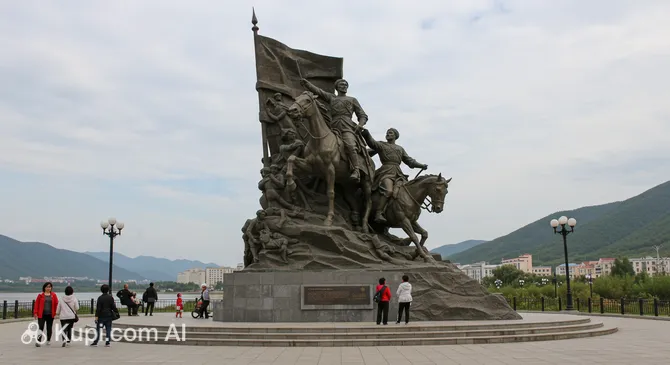
  • Historical Landmarks: The region's complex past is preserved in various sites, including the Cossacks Monument. This structure stands as a testament to the historical interactions and events that have defined this frontier area over the centuries.

  • The Ice Road: In winter, the river freezes so solidly that it historically served as a natural ice bridge. Before modern infrastructure was developed, this seasonal ice road allowed for direct vehicular transport and heavy trade flow right on the river's surface between the two countries.

Cossacks Monument. Source: Kupi.Binoculars

How to Get There

Reaching this northern border city is an adventure in itself, with options ranging from regional flights to cross-border transit. Whether you are arriving from within China or crossing the Amur River from Russia, planning your journey is essential. You can find detailed information and more about how to get to Heihe to help streamline your travel plans.

The most direct air route is via Heihe Airport (HEK), located within the city limits. This regional hub connects the area to other major Chinese cities and is situated approximately 17.7 km from the center. A trip by taxi or airport shuttle generally takes around 47 minutes. Alternatively, travelers can fly into Ignatyevo (BQS) in the neighboring city of Blagoveshchensk. Although it is only about 21.7 km from Heihe, it is located on the Russian side of the border, so you will need to account for crossing procedures. The drive to the border area takes approximately 53 minutes.

For clarity, here is a summary of the main airports:

Airport Name City Passenger Traffic Km from City
Ignatyevo Blagoveshchensk Medium 21.7
Jiagedaqi Airport Jiagedaqi Small 243.6
Heihe Airport Heihe Small 17.7

If you are considering rail travel near the border region, you might arrive at Blagoveshchensk Railway Station. It is located in the city of Blagoveshchensk, just 4.8 km across the river from Heihe. The short transfer to the border crossing takes about 27 minutes by taxi. Another significant transport hub in the vicinity is Belogorsk Station, situated in Belogorsk, roughly 100 km away. Reaching Heihe from there involves a road journey of approximately 170 minutes.

Here is an overview of the nearby railway stations:

Station City Passenger Traffic Km to Center
Belogorsk Station Belogorsk Medium 100.0
Svobodny Railway Station Svobodny Medium 134.7
Zavitaya Station Zavitinsk Small 138.0
Bureya Station Raychikhinsk Small 170.5
Blagoveshchensk Railway Station Blagoveshchensk 4.8

Main Attractions

Heihe offers a unique blend of historical landmarks and bustling commercial centers, reflecting its status as a major border city. Visitors can explore sites that highlight the region's complex past while also enjoying the vibrant shopping scene that draws travelers from both sides of the Amur River. From monuments preserving local heritage to modern malls filled with diverse goods, there is plenty to discover.

One of the most significant historical sites in the city is the Cossacks Monument. This structure serves as a poignant reminder of the area's rich and often complex history along the border. It is an intriguing stop for history buffs who want to understand the cultural and historical interactions that have shaped this frontier region over the centuries, offering a quiet place for reflection amidst the city's activity.

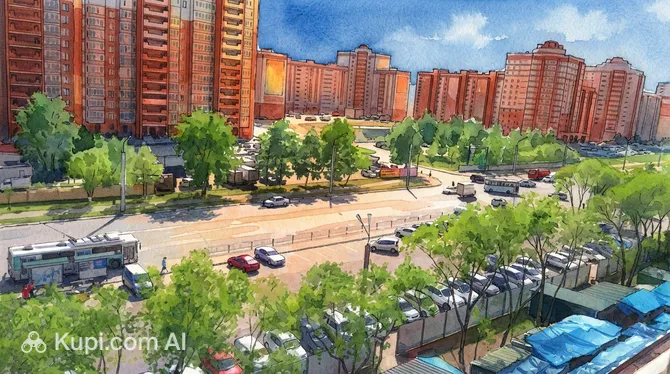
Dr. Smoke Shopping Mall. Source: Kupi.Binoculars

For those looking to experience the commercial vibrancy of the city, the Dr. Smoke Shopping Mall is a popular destination. Known for its wide array of goods, it is a great place to find local specialties and imported products. Tourists often visit to browse for souvenirs and experience the lively atmosphere of Heihe's cross-border trade, which gives the city its distinctive international flair.

Another key spot for shopping and leisure is the City Service and Shopping Complex. This modern facility offers a comprehensive shopping experience, catering to both locals and visitors. It provides a comfortable environment to explore various retail options, making it a convenient stop for those looking to purchase clothing, electronics, or local gifts during their stay in the city.

City Service and Shopping Complex. Source: Kupi.Binoculars

Local Cuisine

The culinary scene in Heihe is a delightful reflection of its unique position on the Sino-Russian border. The local food is dominated by Northeastern Chinese (Dongbei) cuisine, which is famous for its hearty portions, savory flavors, and heavy use of wheat-based staples. However, the proximity to Russia adds a distinct twist, creating a fusion environment where travelers can easily find authentic Russian breads, sausages, and soups served alongside traditional Chinese dishes.

One dish that every visitor must try is Guo Bao Rou (Double-cooked Pork Slices). This iconic regional specialty features crispy fried pork coated in a sweet and tangy sauce, offering a perfect balance of textures. Another culinary highlight is the Iron Pot Stew (Tie Guo Dun), a communal dining experience where fish—often fresh from the Amur River—or meat is simmered with vegetables, potatoes, and cornbread in a large iron cauldron right at your table. It is the ultimate comfort food for the region's cold winters.

When it comes to beverages, the local culture embraces both tradition and cross-border influences. Harbin Beer, produced in the provincial capital, is the standard accompaniment to meals and is renowned for its crisp taste. For a non-alcoholic option, you will frequently encounter Kvass (known locally as Gewasi), a fermented bread drink with Russian origins that has become a beloved local refreshment.

Dining in Heihe is a social affair, ranging from bustling morning markets selling fresh soy milk and fried dough to vibrant night markets filled with the smoke of BBQ skewers (Shao Kao). Street food is a major part of the lifestyle here, with vendors seasoning meats and vegetables with cumin and chili. For those exploring the city's commercial hubs, places like the City Service and Shopping Complex often feature spots to buy imported Russian snacks such as chocolate and honey, allowing tourists to taste the flavors of the neighbor across the river while they shop.

Travel Tips

Welcome to Heihe, a unique border city where Chinese and Russian cultures intertwine along the banks of the Amur River. To ensure your visit to this northern outpost is as smooth and enjoyable as possible, we have compiled a set of essential tips covering everything from navigating the local climate to managing your finances.

  1. Clothing and Gear: The most critical factor for packing is the season. Winters here are extremely cold, often dropping below -20°C, so you must bring heavy down jackets, thermal underwear, gloves, and hats. Sturdy, non-slip boots are essential for walking on icy streets. In summer, the weather is pleasant and mild, requiring only light clothing, though a light jacket is recommended for cooler evenings by the river.

  2. Transportation: The city is compact and does not have a metro system. Taxis are the most convenient and affordable way to get around; you can hail them on the street or use ride-hailing apps like DiDi (the local equivalent of Uber). Public buses are available and very cheap, but routes are displayed only in Chinese, making them challenging for first-time visitors without language skills.

  3. Finances: The official currency is the Chinese Yuan (CNY). While China is a digital-first society dominated by WeChat Pay and Alipay, cash is still accepted in Heihe, especially given the cross-border trade. It is highly advisable to set up Alipay or WeChat Pay with your international credit card before arrival, as Western cards (Visa/Mastercard) are rarely accepted directly at local shops or restaurants. ATMs at major branches like the Bank of China can dispense cash from foreign cards.

  4. Health and Safety: Heihe is generally a very safe city for tourists. Pharmacies are marked with a green cross, and basic medicines are easily available, though labeling will be in Chinese. In winter, the biggest safety hazard is slippery ice on sidewalks, so walk with caution. For serious medical issues, head to a major public hospital like the Heihe First People's Hospital.

  5. Communication: Mandarin is the primary language. English is not widely spoken, but due to the proximity to the border, you might find more locals who understand basic Russian than in other parts of China. It is essential to download a translation app that works offline or via a VPN. To access western apps like Google, WhatsApp, or Instagram, you must have a reliable roaming plan or a pre-installed VPN, as these services are blocked in China.

  6. Local Etiquette: People in Northeast China are known for being warm, straightforward, and hospitable. A simple nod or handshake is appropriate for greetings. When dining, it is polite to try a bit of everything if sharing dishes. Be aware that smoking indoors is still relatively common in some smaller eateries, though bans are stricter in modern malls.

  7. What to Avoid: As Heihe is a sensitive border zone, strictly avoid taking photographs of military personnel, border guards, or checkpoints near the bridge and river. This is taken very seriously by authorities. Also, avoid discussing sensitive political topics regarding the border or international relations.

  8. Morning Market Experience: For a truly local experience, wake up early and visit the morning markets. They open as early as 5:00 AM and are bustling with vendors selling fresh berries, steaming hot tofu pudding, and fried dough sticks. It is the best place to see the authentic lifestyle of the locals and enjoy a cheap, delicious breakfast.

By keeping these practical tips in mind, you will be well-prepared to embrace the distinct charm of Heihe. Whether you are marveling at the frozen river in winter or enjoying the breeze in summer, a little preparation ensures your adventure on the Sino-Russian border is memorable for all the right reasons.

Entertainment & Nightlife

As the sun sets over the Amur River, Heihe transforms from a bustling trade hub into a vibrant city of neon lights and lively social gatherings. The nightlife here is unique, heavily influenced by its proximity to Russia, creating an atmosphere where Chinese hospitality meets cross-border flair. While it may not have the massive clubbing scene of Shanghai or Beijing, the city offers a distinct mix of riverside leisure, spirited dining, and entertainment venues that keep the energy high well into the night.

The heart of the evening action is undoubtedly the Riverside Park promenade. Locals and tourists alike gather here to stroll along the water's edge, enjoying the cool river breeze and the stunning view of Blagoveshchensk on the opposite bank. The Russian city is brilliantly illuminated at night, creating a picturesque backdrop for evening walks. This area is safe, well-lit, and buzzing with activity, from impromptu outdoor dances to vendors selling glowing toys and snacks.

For those who prefer indoor entertainment and retail therapy as part of their evening, the city's commercial centers are major draws. The Dr. Smoke Shopping Mall is a popular destination that remains lively in the evening. It is not just a place to buy goods; it serves as a social hub where visitors browse imported Russian products and local specialties. Similarly, the City Service and Shopping Complex offers a comprehensive experience. Travelers often head here after dinner to explore the shops or find late-night snacks, immersing themselves in the bustling atmosphere of cross-border commerce that defines the city.

Dining is a central pillar of Heihe's nightlife. The city comes alive with the scent of Chinese BBQ (Shao Kao). You will find numerous restaurants and street stalls grilling spiced lamb skewers, vegetables, and seafood until the early hours. These venues are loud, cheerful, and welcoming, often accompanied by the clinking of beer glasses. For a more interactive experience, KTV (Karaoke) is the favorite local pastime. Private karaoke rooms are available throughout the city, ranging from opulent luxury suites to affordable budget options, where groups of friends sing and drink in privacy.

Practical Advice for Night Owls:

  • Timing: The most active hours are from 7:00 PM to midnight. While some BBQ joints and KTVs stay open later, most retail areas begin to wind down around 9:00 PM or 10:00 PM.
  • Getting Around: Taxis are plentiful and cheap at night. It is easy to hail one on the main streets or near the shopping complexes. Ride-hailing apps are also reliable.
  • Safety: Heihe is very safe for night walks, especially in the city center and along the river. However, always keep an eye on your belongings in crowded markets.
  • Dress Code: The vibe is casual. Unless you are attending a formal business dinner, comfortable clothing suitable for the weather is perfectly acceptable everywhere.

Before the evening festivities begin, the city offers plenty of daytime entertainment to fill your schedule. History enthusiasts should visit the Cossacks Monument, a significant site that offers insight into the region's complex historical narrative. Additionally, local museums and the expansive wetlands nearby provide excellent opportunities for cultural exploration and nature walks, ensuring your days are just as engaging as your nights.

Parks & Museums

Heihe offers a fascinating array of green spaces and cultural institutions that reflect its unique position on the Sino-Russian border. The city’s parks are not just places for relaxation but are deeply integrated into the daily lives of residents, offering front-row seats to the majestic Amur River. Meanwhile, its museums provide a window into the region's complex past, preserving the stories of the frontier and the diverse communities that have called this area home.

Heilongjiang Park is the crown jewel of the city's green spaces, stretching along the riverbank. It serves as the city's communal living room, where locals gather for morning exercises, evening strolls, and impromptu dances. The park is most famous for its unhindered views of Blagoveshchensk across the water, allowing visitors to admire the foreign skyline while surrounded by meticulously landscaped gardens and sculptures. In summer, the river breeze makes it a cool retreat, while in winter, it becomes a snowy wonderland often decorated with ice sculptures.

For nature enthusiasts willing to venture a bit further, the Wudalianchi Global Geopark is a world-class natural attraction located within the prefecture. Although it requires a trip out of the city center, it is an essential part of the region's natural heritage. Known as a "Natural Volcano Museum," it features a stunning landscape of cold mineral springs and ancient lava flows. It is a perfect destination for those looking to explore the raw, volcanic geology that shapes this part of Northern China.

In terms of cultural heritage, the Aihui History Museum stands as a significant institution. Located in the historic town of Aihui, a short drive from downtown, it is built on the site of the ancient city. The museum houses thousands of relics and offers a comprehensive look at the history of the border region, detailing the events surrounding the Treaty of Aigun and the interactions between the two neighboring nations over the centuries. The architecture itself is noteworthy, blending traditional styles with modern design elements.

Another important venue is the Heihe Museum, which focuses on the broader cultural and natural history of the area. Here, visitors can see exhibits ranging from prehistoric dinosaur fossils found in the Heilongjiang basin to artifacts showcasing the customs of local ethnic minorities, such as the Oroqen and Daur people. It provides a well-rounded introduction to the ecological and anthropological diversity of the region, making it a great stop for families and history buffs alike.

The city's landscape is also dotted with monuments that speak to its layered history. A notable site is the Cossacks Monument, which commemorates specific historical events along the border. Visiting this site offers a moment of reflection on the past struggles and the evolving relationship between the populations on either side of the river. It is a quiet spot that adds depth to the understanding of this frontier city.

For a truly authentic experience, take a walk through the Botanical Garden of Heihe during the warmer months. Less crowded than the riverside, it offers a peaceful escape with a variety of northern plant species. An insider tip for visitors is to look for the "Russian Oil Painting" galleries often found near the central pedestrian streets; these small, often privately-owned galleries display vibrant works by artists from across the border, highlighting the rich artistic exchange that defines modern Heihe.

Getting Around

Navigating Heihe is relatively straightforward compared to China's sprawling metropolises. The city does not have a metro or subway system, so the primary mode of public transportation for locals and visitors alike is the bus network. The city center is compact and laid out in a grid pattern, making it easy to understand the routes. For most tourists, a combination of public buses, taxis, and walking along the scenic riverfront is sufficient to reach all major attractions and commercial areas.

The public bus system is extensive and extremely affordable, covering the downtown area and connecting to key locations such as the railway station and the ferry terminal. Buses typically operate from early morning, around 6:00 AM, until the early evening. Be aware that in smaller cities like this, bus services often stop running earlier than in major capitals, with many routes winding down between 6:30 PM and 7:00 PM. It is advisable to check the specific schedule at the stop or ask your hotel concierge if you plan to stay out late.

When it comes to payment, the system is designed for efficiency. The fare is usually a flat rate of 1 CNY (Yuan) for most lines, regardless of the distance traveled. You must pay upon boarding by dropping the exact amount into the fare box next to the driver; no change is given, so it is essential to carry small coins or 1 Yuan notes. While locals almost exclusively use mobile payment apps like WeChat Pay or Alipay to scan a QR code on the bus, international tourists without these apps set up should stick to cash.

Taxis are a very popular and convenient alternative, especially during the freezing winter months when waiting at a bus stop can be uncomfortable. Taxis in Heihe are numerous and can be easily hailed on the street. The fares are quite low by international standards, with the flag-fall price covering the first few kilometers. Most drivers use the meter, but for longer trips or excursions to the outskirts, you might negotiate a flat rate. Ride-hailing apps like DiDi are also active here, offering a way to book a car in English if you have the app installed.

Given the city's flat terrain, walking is a pleasant option during the summer, particularly along the pedestrian-friendly Amur River promenade. Shared bicycles may be available, but their popularity and availability fluctuate heavily with the seasons; they are virtually non-existent during the harsh winter. If you are visiting when the river is frozen or during heavy snowfall, stick to motorized transport, as sidewalks can become slippery.

Accommodation

Finding accommodation in Heihe is generally straightforward, though the options differ slightly from major international tourist hubs. The city primarily caters to cross-border traders and domestic travelers, so the hospitality landscape is dominated by functional mid-range hotels and budget-friendly guesthouses. While you may not find ultra-luxury international chains here, there are plenty of comfortable, locally managed establishments that offer clean amenities and warm service. For those on a tighter budget, smaller inns and hostels are available, though quality can vary.

The most desirable area for tourists to stay is undoubtedly along the Heilongjiang (Amur) River waterfront. Hotels in this vicinity often provide rooms with spectacular views of the river and the skyline of Blagoveshchensk on the opposite bank. Staying here places you within walking distance of the scenic promenade, the morning markets, and the main pedestrian streets, making it easy to explore the city on foot. Alternatively, the central commercial district offers convenient access to shopping centers and transport links, bustling with activity day and night.

When planning your stay, an important booking tip for international travelers is to verify that your chosen accommodation is licensed to accept foreigners. In China, not all hotels are authorized to host non-Chinese citizens, a regulation known as "shewai." It is highly recommended to book through major international travel platforms or contact the hotel directly to confirm they can process foreign passports. This is especially crucial in border cities like Heihe where security regulations can be strictly enforced.

In terms of pricing, Heihe is quite affordable compared to China's Tier 1 cities. You can find excellent value for money, with comfortable mid-range rooms often costing significantly less than what you would pay in Beijing or Shanghai. Booking in advance is advisable if you plan to visit during the peak summer months or major Chinese holidays like the Spring Festival, as the best riverside rooms tend to fill up quickly. Most reservations can be made easily online, ensuring a smooth arrival experience.

Nearby Cities

For those looking to explore the surroundings, Heihe serves as an excellent base for day trips to several interesting nearby locations:
City Population Distance (km)
Hegang 1,058,665 381
Suihua 5,418,153 402
Qiqihar 5,367,003 417
Jiamusi 2,552,097 435
Daqing 2,904,532 445

One of the most compelling destinations in the wider region is Qiqihar, the second-largest city in the province. It is renowned for the Zhalong Nature Reserve, a massive wetland ecosystem that serves as a sanctuary for the endangered red-crowned crane. Visitors can witness these majestic birds in their natural habitat, making it a premier spot for wildlife enthusiasts and photographers alike.

Another city worth a visit is Daqing, famously known as the "Oil Capital" of China. Despite its industrial significance, the city is surprisingly scenic, characterized by numerous lakes and vast wetlands, earning it the nickname "City of a Hundred Lakes." It offers a unique mix of modern history and natural beauty, along with hot springs that provide a relaxing retreat.

These nearby destinations offer a glimpse into the diverse culture and landscapes of the region.

Shopping & Souvenirs

Shopping:

Shopping in Heihe is a unique experience that is heavily influenced by its status as a major gateway between China and Russia. The city serves as a vibrant trade hub where cultures and commodities merge, offering visitors a marketplace filled with an intriguing mix of Chinese manufacturing and Russian imports. Unlike typical retail destinations, the shopping scene here is less about high-end luxury fashion and more about cross-border commerce, local specialties, and affordable goods that reflect the region's distinct identity.

The main commercial activity is concentrated in the downtown area, particularly along the bustling Central Pedestrian Street. This lively thoroughfare is lined with a variety of shops, boutiques, and eateries, making it the primary destination for locals and tourists alike. Walking down this street, you will find everything from clothing and shoes to electronics and daily necessities. The atmosphere is energetic, especially in the evenings when neon lights illuminate the storefronts and street vendors set up their stalls.

For a more structured shopping environment, the city boasts several large complexes that cater to diverse needs. The Dr. Smoke Shopping Mall is a well-known destination, particularly popular for its wide selection of imported goods. It is an excellent place to browse for international products without crossing the border. Another key location is the City Service and Shopping Complex, which provides a comprehensive retail experience. Here, shoppers can find a mix of department store items, fashion, and household goods in a comfortable, modern setting.

Markets play a crucial role in the local lifestyle, with the Morning Market being a highlight for foodies and early risers. Opening at the crack of dawn, this market offers fresh local produce, wild berries from the surrounding forests, and river fish. For those interested in wholesale-style shopping or finding bargains, the various international trade centers in the city are treasure troves. These sprawling indoor markets are packed with stalls selling furs, leather goods, and small commodities, often targeting traders from across the river.

When it comes to souvenirs, Heihe offers items that you won't easily find elsewhere in China. The most popular purchases are Russian goods, such as chocolates, honey, vodka, and amber jewelry, which are widely available and authentic. On the local side, the region is famous for Northern Red Agate (Xunke Agate), a beautiful semi-precious stone often carved into intricate ornaments or jewelry. Additionally, local food specialties like wild blueberries, hazelnuts, and wood ear mushrooms make for excellent, lightweight gifts.

Stores in Heihe typically open around 9:00 AM and close between 8:00 PM and 9:00 PM, though some supermarkets and convenience stores may operate later. Payment is predominantly digital, with WeChat Pay and Alipay being the standard methods everywhere, from large malls to street vendors. Cash is accepted, but carrying small denominations is advisable. International credit cards are rarely accepted directly at merchant terminals, so it is essential to have a mobile payment app linked to your card or sufficient cash on hand. Tax-free shopping for tourists is not a widespread feature in Heihe's general retail stores, so visitors should not expect VAT refunds on standard purchases.
Reached the end of the page?

That means the route is fully explored