Support

Jiamusi

About

Welcome to Jiamusi, a captivating city located in the easternmost part of Heilongjiang Province in China. Often celebrated as the "Eastern Pole" of the country, it is the region where the sun rises first, casting its early golden rays over the land. With a population of over 2.5 million residents, Jiamusi serves as a vital transportation hub and a cultural center in the northeast, resting gracefully along the middle and lower reaches of the majestic Songhua River.

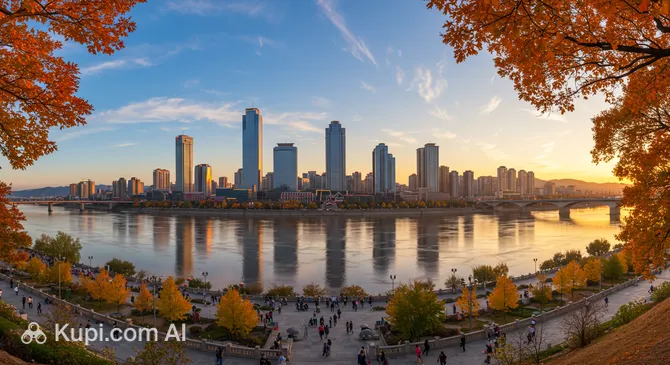
Jiamusi. Source: Kupi.Binoculars

The city boasts a distinct climate with four clear seasons, making it a wonderland for winter sports enthusiasts and a refreshingly cool retreat during the summer months. Delving into the history of Jiamusi reveals its fascinating evolution from an ancient post station into a modern industrial and agricultural powerhouse. This rich heritage has left a unique imprint on the city's architecture and the welcoming nature of its people.

Travelers are often drawn to the scenic Riverside Park, which offers stunning views of the water and is a perfect spot for leisurely strolls. The city is also a gateway to experiencing the unique culture of the Hezhe ethnic minority, known for their traditional fish-skin clothing and river-based lifestyle. Whether you are looking to explore snowy landscapes or enjoy the lush greenery of summer, Jiamusi invites you to discover its unique charm and authentic atmosphere.

Weather Overview

The climate in Jiamusi features distinct seasonal variations, ranging from freezing, dry winters to warm, humid summers. Travelers should be prepared for significant temperature shifts throughout the year. For instance, January is the coldest month with average temperatures plummeting to -17.8°C, while July is the warmest, offering pleasant averages of 23.2°C.

If you are planning a trip, it is helpful to check the detailed weather in Jiamusi forecast. Expect warm summers with occasional rain, as June and July can see up to 16 wet days per month, whereas winter remains largely dry with minimal precipitation. Whether you visit for the snowy landscapes or the lush summer greenery, dressing in layers is always recommended to adapt to the conditions.

Interesting Facts

Beyond the main attractions, Jiamusi holds many fascinating secrets that reveal its unique position in geography and history. Here are some intriguing facts about this northeastern city that often surprise visitors:

  • Spring in Jiamusi is celebrated with the blooming of Apricot Blossoms, a spectacular natural event. The city hosts an annual Apricot Blossom Festival, where major streets and parks are transformed into picturesque corridors of pink and white flowers, drawing locals and tourists to admire the vibrant scenery.

  • Due to its extreme eastern location within China, the city experiences some of the earliest sunrises in the country. In the height of summer, the sky begins to brighten as early as 3:00 AM, creating incredibly long days that are perfect for exploration.

  • Historically, Jiamusi was famous across Asia as a "Paper City." It was home to one of the largest paper mills on the continent for decades, a massive industrial feat that played a crucial role in the nation's manufacturing history and economic development.

  • The local Hezhe people possess a rare and ancient intangible cultural heritage known as "Fish Skin Art." Unlike any other group, they traditionally crafted waterproof clothing, shoes, and intricate ornaments entirely from the skins of river fish, a skill that is still preserved by local artisans today.

How to Get There

Reaching the northeastern city of Jiamusi is relatively straightforward, primarily due to its own dedicated airport and connections to the wider region. Whether you are arriving directly or exploring the surrounding provinces first, you can find more information in our detailed guide on how to get to Jiamusi.

The most convenient gateway for air travelers is Jiamusi Airport (IATA: JMU). Located directly in Jiamusi, it sits just 12.2 km from the city center, making the commute very quick. A taxi or shuttle ride to the downtown area typically takes about 40 minutes. As a key regional transport hub handling over a million passengers annually, it offers regular connections to major cities.

Alternatively, visitors can consider flying into Jixi Airport (IATA: JXA), which is situated in the city of Jixi. It is important to note that this airport is approximately 180.7 km away from Jiamusi. While it serves as a viable option for the broader region, the transfer to Jiamusi by car or bus will take considerably longer, estimated at around 3 to 4 hours depending on road conditions.

For clarity, here is a summary of the main airports:

Airport Name City Passenger Traffic Km from City
Jiamusi AirportJiamusiMedium12.2
Mudanjiang AirportMudanjiangMedium259.6
Suifenhe Dongning AirportSuifenheSmall263.9
Jixi AirportJixiSmall180.7

Regarding rail travel, while Jiamusi is a major rail hub in Heilongjiang, some travelers in the wider geographical vicinity might find themselves near stations in neighboring areas. The Dalnerechensk-1 Station is located in the city of Dalnerechensk, approximately 279 km from Jiamusi. Given the significant distance, arriving here would require a long onward journey by road, likely taking several hours.

Another regional stop is the Obluchye Railway Station, situated in Obluchye, about 252 km from the city. These stations are quite distant from Jiamusi's center, so they are generally less convenient for direct access compared to the city's local transport facilities, but they are part of the broader regional network.

Below is a list of these regional railway stations:

Station City Passenger Traffic Km to Center
Dalnerechensk-1 StationDalnerechenskSmall279.0
Obluchye Railway StationObluchye-252.0
Izvestkovaya StationObluchye-259.9
Birakan StationObluchye-265.4
Uril StationObluchye-270.3

Main Attractions

Located in the eastern part of China, Jiamusi is a city that beautifully blends natural landscapes with rich local culture. While it serves as a major transportation hub in Heilongjiang Province, it also offers several intriguing spots for travelers who wish to explore the unique charm of this northern frontier region.

One of the city's most prominent highlights is Yanjiang Park. Stretching along the southern bank of the Songhua River, this expansive green belt is a favorite among locals and visitors alike. It is an excellent place to experience the daily life of the city, where you can watch residents practicing traditional dances or simply enjoying a sunset walk. The park features monuments, sculptures, and a refreshing breeze from the river, making it a perfect spot for relaxation and photography.

For nature enthusiasts, Sifeng Mountain Scenic Area offers a delightful escape into the wild. Located just a short distance from the city center, this area is known for its rolling hills and lush forests. It is a fantastic destination for hiking, especially in autumn when the leaves turn vibrant shades of gold and red. The summit provides panoramic views of the surrounding countryside, allowing visitors to appreciate the vastness of the Heilongjiang landscape.

To gain a deeper understanding of the region's history and ethnography, a visit to the Jiamusi Museum is highly recommended. The museum houses a comprehensive collection of artifacts that trace the development of the area, from ancient times to the present day. It is particularly noted for its exhibits on the Hezhe people, one of China's smallest ethnic minorities, offering a rare glimpse into their unique fishing culture, traditional clothing, and folklore.

Local Cuisine

The culinary scene in Jiamusi is a vibrant reflection of its location in Northeast China, offering hearty flavors designed to warm the soul. As a city situated at the confluence of major rivers, the local cuisine is heavily influenced by the abundance of freshwater produce, as well as the robust, savory traditions of Dongbei cooking. Visitors will find that portions are generous, and the atmosphere in local eateries is always lively and welcoming.

One of the absolute must-try experiences here is the famous Jiamusi Barbecue. Distinct from other styles of Chinese BBQ, the local version is renowned for its unique marinades and dipping spices, which often incorporate a subtle sweetness alongside savory and spicy notes. Skewers of mutton, beef, and vegetables are grilled to perfection over charcoal and are typically enjoyed with "Shao Bing," a type of roasted flatbread that complements the smoky meat perfectly.

Given the city's proximity to the Songhua, Heilongjiang, and Ussuri rivers, fish dishes are a cornerstone of the local diet. The All-Fish Banquet is a celebrated dining experience where river fish is prepared in numerous ways, from braised and stewed to deep-fried. For the adventurous foodie, the Hezhe ethnic minority's traditional raw fish dish, known as Tala, offers a distinct taste of the region's cultural heritage, featuring fresh fish sliced thinly and dressed with vinegar and spices.

Another popular staple, particularly refreshing in the summer or as a contrast to hot barbecue, is Cold Noodles (Lengmian). Influenced by the region's demographics, these chewy buckwheat noodles are served in a chilled, tangy broth topped with kimchi, cucumber, and slices of beef. It is a dish that perfectly balances sweet, sour, and savory flavors.

When it comes to dining culture, Jiamusi comes alive at night. The city's night markets and street food stalls are the best places to immerse yourself in the local vibe. Here, locals gather to enjoy their meals accompanied by regional beverages. Harbin Beer, brewed in the provincial capital, is the standard accompaniment to barbecue, while those seeking something stronger might try the local Baijiu, a potent grain spirit that is a staple at festive gatherings.

Travel Tips

Visiting Jiamusi offers a unique glimpse into the life of China's northeastern frontier, but navigating this region requires a bit of preparation. To help you enjoy the local culture and landscapes without any hiccups, we have compiled a list of essential practicalities for your journey.

  1. Clothing and Gear: The weather in Jiamusi varies drastically by season. If you visit in winter, prepare for extreme cold; heavy down jackets, thermal underwear, insulated boots, and hats are non-negotiable necessities as temperatures drop significantly below freezing. Summers are pleasant but can get warm, so breathable fabrics are best. Since standard plugs are Type A, C, and I, bring a universal travel adapter to keep your devices charged.
  2. Transportation: Getting around Jiamusi is relatively straightforward. There is no metro system, but the bus network is extensive and extremely affordable, covering most major areas. Taxis are plentiful and inexpensive compared to Western standards; just remember to have your destination written in Chinese characters to show the driver. Ride-hailing apps like DiDi are also widely used and can be more convenient if you don't speak the language.
  3. Finances: The local currency is the Renminbi (RMB). While cash is accepted, China is a nearly cashless society dominated by mobile payments. It is highly recommended to set up Alipay or WeChat Pay and link your international credit card before arrival, as this is how you will pay for everything from street food to taxi rides. Tipping is not part of the culture and is generally not expected in restaurants or hotels.
  4. Health and Safety: Jiamusi is generally a very safe city for tourists. Pharmacies are easy to spot, usually marked with a green cross, but bring a supply of personal prescription medications as specific brands may be hard to find. Never drink tap water; always stick to bottled or boiled water. In winter, be cautious of icy sidewalks, which can be slippery.
  5. Communication: Mandarin is the primary language, and English proficiency is relatively low outside of major hotels. It is essential to download a translation app that works offline or has a voice translation feature. Since many Western apps and websites are blocked, consider purchasing a local SIM card upon arrival or setting up a roaming plan that allows unrestricted data access to stay connected.
  6. Local Etiquette: Politeness is highly valued. When greeting people, a slight nod or a handshake is common. If you are invited to a meal, wait to be seated, and remember that leaving your chopsticks sticking upright in a bowl of rice is a serious taboo, as it resembles incense offerings to the dead. Be prepared for friendly curiosity from locals, especially if you look like a foreigner.
  7. What to Avoid: Avoid losing your temper or shouting in public, as causing a scene makes everyone involved "lose face," which is socially uncomfortable. Also, try not to address people by their first names unless you have established a close friendship; using titles or family names is more respectful.
  8. Additional Tip: Because Jiamusi is located so far east, the sun rises very early, especially in summer (sometimes as early as 3:00 AM). If you are a light sleeper, bring a high-quality sleep mask to ensure you get a full night's rest before your daily explorations.

With these tips in mind, you are well-equipped to navigate the streets of Jiamusi with confidence. Embrace the local customs, stay warm, and enjoy the warm hospitality that defines this fascinating corner of the world.

Entertainment & Nightlife

Nightlife in Jiamusi is less about thumping nightclubs and more about vibrant social gatherings, culinary exploration, and riverside leisure. The city comes alive after dark, particularly in the warmer months, when the streets fill with locals enjoying the cool evening air. This laid-back atmosphere offers a refreshing contrast to the high-energy entertainment scenes found in other parts of China, focusing instead on shared meals, karaoke, and outdoor activities.

The heart of the city's evening social life beats strongest along the Songhua River. The Yanjiang Park area transforms at night into a bustling hub of activity. It is not just a park but a massive open-air venue where thousands of residents gather to participate in synchronized square dancing, exercise routines, and traditional performances. The vibe here is infectious and energetic, offering a perfect introduction to the local lifestyle. Nearby, you will find numerous beer gardens and open-air barbecue stalls during the summer, where you can sit on plastic stools, enjoy skewers, and drink local beer with the river breeze as your backdrop.

For a more food-focused night out, the Zhi Ma Hu Tong Night Market near Jiamusi University is a must-visit destination. This bustling street is a sensory overload of sights and smells, packed with vendors selling everything from "stinky tofu" and grilled cold noodles (Kaolengmian) to fresh fruit and small trinkets. It is particularly popular with the student crowd, making it a lively and affordable place to spend an evening. The dress code here is entirely casual, and it is the perfect spot to try authentic street snacks that you won't find in upscale restaurants.

If you prefer a more modern and indoor entertainment experience, Wanda Plaza in the city center is a reliable choice. Like many Wanda complexes across the country, it houses a variety of entertainment options under one roof, including a modern cinema, video arcades, and several KTV (karaoke) clubs. KTV is the quintessential nightlife activity here; private rooms can be rented by the hour, allowing groups to sing, drink, and eat in their own space. It is a great option for winter nights when the temperatures outside are too harsh for street markets.

While Jiamusi does not have a "bar street" in the Western sense, you can find scattered bars and pubs in the downtown commercial areas, often catering to a younger crowd with live music or quiet environments for conversation. Prices in Jiamusi are generally lower than in major metropolises like Beijing or Shanghai. A night out involving taxi rides, plenty of barbecue, and drinks is surprisingly affordable.

Regarding safety, Jiamusi is very safe for night walks, even late at night. Main streets remain well-lit, and the crime rate is low. Getting around is easy; taxis are plentiful and can be hailed on the street, but using ride-hailing apps like DiDi is often more convenient for non-Chinese speakers as it removes the language barrier. Most drivers will not speak English, so having your destination address in Chinese on your phone is essential.

For daytime entertainment, the city offers a slower pace. Apart from the historical exhibits at the local museum, visitors can explore Shuiyuanshan Park (Water Source Mountain Park) during summer for family-friendly fun. This popular recreation area features a zoo, amusement rides, and botanical gardens, making it a favorite spot for locals on weekends. The city's parks remain the primary venue for recreation, offering boat rides and green spaces that are best enjoyed under the sun.
Parks & Museums

Beyond its bustling riverfront, Jiamusi invites travelers to explore a variety of green sanctuaries and cultural institutions that celebrate the region's natural beauty and artistic spirit. From botanical gardens teeming with life to galleries showcasing local talent, the city offers diverse spaces for relaxation and discovery.

Shuiyuanshan Park (Water Source Mountain Park) is a comprehensive recreational area that serves as a perfect day-out destination for families and nature lovers. Located slightly apart from the city center, this expansive park combines a botanical garden with a zoo, allowing visitors to observe local wildlife and diverse plant species in one setting. The park is particularly popular in the summer when its lush landscapes are in full bloom, offering a cool retreat with shaded paths and amusement facilities for children.

Another gem in the city's green crown is Xinglin Park (Apricot Forest Park). As the apricot blossom is the official city flower of Jiamusi, this park becomes a breathtaking sea of pink and white every spring. It is a romantic and picturesque spot where locals gather to capture the beauty of the flowering trees. The park's serene atmosphere makes it an ideal location for a quiet morning jog or a leisurely afternoon stroll, surrounded by the delicate fragrance of the blossoms.

For art enthusiasts, the Jiamusi Art Museum offers a window into the creative soul of the region. The museum frequently hosts exhibitions featuring traditional Chinese calligraphy, ink wash paintings, and oil paintings created by local and provincial artists. Given the city's proximity to the border, you may also find works that reflect the cross-cultural artistic exchanges between China and Russia, providing a unique aesthetic perspective that defines this frontier city.

History buffs looking for something distinct from the main city museum should seek out the Time Memory Museum. Often associated with the city's railway heritage, this venue preserves the nostalgic atmosphere of Jiamusi's industrial past. Housed in a historic setting, it showcases artifacts and photographs that tell the story of how the railway shaped the city's development. It is a fascinating stop for those interested in architecture and the memories of a bygone era.

For a truly authentic local experience, try to visit during the Apricot Blossom Festival in late April or early May. During this time, the entire city seems to celebrate the arrival of spring, and parks like Xinglin are buzzing with photographers, hanfu (traditional clothing) enthusiasts, and cultural performances.

Getting Around

Reaching Jiamusi is convenient thanks to its status as a regional transportation hub in northeastern China. Travelers typically arrive via Jiamusi Dongjiao Airport, located approximately 10 kilometers east of the city center. The airport primarily serves domestic flights, connecting the city to major metropolises like Beijing, Shanghai, and Dalian. Alternatively, the Jiamusi Railway Station acts as a vital node for overland travel. It offers both high-speed and conventional train services, linking the city efficiently to the provincial capital, Harbin, and other parts of Heilongjiang, making it an accessible entry point for your journey.

Once within the city, navigating is relatively straightforward and affordable, even though there is currently no metro system. The primary mode of public transportation is the extensive bus network, which connects the city center with residential areas, the railway station, and major tourist spots like the Songhua River waterfront. Buses are frequent and reliable, with fares typically costing just 1 or 2 RMB. While exact change (coins or small bills) is accepted, the most common payment method is scanning a QR code via Alipay or WeChat.

Taxis are another very popular and convenient alternative. You will see them everywhere, and fares are significantly cheaper than in larger international cities. Most taxis are equipped with meters, and it is standard practice to use them. For travelers who do not speak Chinese, ride-hailing apps like DiDi (often integrated into Alipay) are highly recommended. These apps allow you to input your destination in English or select a location on a map, effectively removing the language barrier and handling payment automatically.

If you choose to hail a traditional taxi on the street, be prepared with your destination written in Chinese characters, as very few drivers speak English. It is also worth noting that during peak hours or extreme winter weather, finding an empty taxi can be challenging. In the colder months, waiting for public transport outdoors requires dressing in heavy layers, as temperatures can drop drastically.

For shorter distances, especially around the scenic riverfront parks or the commercial center, walking is a pleasant option during spring and autumn. While shared bicycles are available and can be unlocked via mobile apps, they are less practical during the harsh winter season when snow and ice cover the streets. Overall, the combination of intercity rail links and inexpensive local transport makes exploring Jiamusi stress-free for most visitors.

Accommodation

Finding accommodation in Jiamusi is generally straightforward, with options catering primarily to practical travelers and business visitors. The city offers a solid selection of mid-range business hotels, budget-friendly guesthouses, and a few upscale establishments. While you may not find an abundance of ultra-luxury international resorts, the local hospitality standards are high, providing clean and comfortable bases for exploring the region.

For the most convenient stay, consider booking a hotel in the city center, particularly in the Xiangyang District. This area places you within walking distance of major shopping centers like Wanda Plaza and a variety of dining options. Alternatively, staying near the Songhua River offers scenic views and easy access to Yanjiang Park for morning walks. For those with early train departures, the area surrounding the Jiamusi Railway Station provides numerous practical, albeit busier, lodging choices.

Prices in Jiamusi are quite reasonable compared to China's major tourist hubs. Most travelers can find excellent value in the mid-range category. It is advisable to book your accommodation in advance, especially if you are visiting during the summer peak or the icy winter festival season. When booking online through international platforms, ensure that your chosen hotel is licensed to accept foreign guests, as this is a specific requirement in many non-metropolitan parts of the country.

Nearby Cities

For those looking to explore the surroundings, Jiamusi serves as an excellent base for day trips to several interesting nearby locations.

Located just a short distance to the east, Shuangyashan is the closest option for a quick getaway. Often celebrated for its rugged natural beauty, this city is home to Qixing Peak, a scenic area that attracts hikers and nature lovers with its dramatic cliffs and lush forests. It offers a peaceful retreat from the urban bustle and is easily accessible for travelers who prefer not to spend hours in transit.

For a dive into history and culture, the provincial capital, Harbin, is reachable via high-speed train, making a long day trip entirely feasible. Known as the "Ice City," it is famous for its distinct Russian architecture, particularly the St. Sophia Cathedral and the cobblestoned Central Street. Whether you are visiting for the winter ice festivals or the summer beer gardens, Harbin provides a cosmopolitan contrast to the quieter frontier atmosphere of Jiamusi.

Another captivating destination is Mudanjiang, situated to the south. This city serves as the gateway to Jingpo Lake, a stunning volcanic barrier lake renowned for the Diaoshuilou Waterfall. The area is perfect for those who appreciate dramatic landscapes and water activities, offering a refreshing escape into the diverse geography of Heilongjiang Province.

City Population Distance (km)
Suihua 5418153 257
Harbin 3830000 306
Mudanjiang 2798723 255
Jixi 1862165 175
Shuangyashan 1462626 66

These nearby destinations offer a glimpse into the diverse culture and landscapes of the region, ranging from bustling metropolitan centers to serene natural retreats.

Shopping & Souvenirs

Shopping in Jiamusi offers a fascinating mix of modern retail convenience and the distinct flavor of a border trade city. While it may not rival the luxury fashion capitals of the south, the city provides a genuine local experience where visitors can find everything from high-end electronics to unique regional handicrafts. The proximity to the Russian border heavily influences the local market, making it an excellent place to hunt for imported goods and cultural artifacts that reflect the blending of Chinese and Russian traditions.

The commercial heart of the city beats strongest along Chang'an Road and the surrounding streets in the central district. This bustling thoroughfare is lined with a variety of shops, boutiques, and department stores that cater to all budgets. It is the primary destination for locals looking for clothing, shoes, and daily necessities. Walking down this street gives tourists a sense of the city's pulse, with bright neon signs and the constant hum of activity.

For a comprehensive one-stop shopping experience, Wanda Plaza is the city's premier modern shopping complex. Located centrally, it houses international fashion brands, sportswear chains, and lifestyle stores in a comfortable, climate-controlled environment. Another notable establishment is the Jiamusi Department Store (Baihuo Dalou), a more traditional venue that has served the community for decades, offering a wide range of goods from cosmetics to household items.

To truly understand the local lifestyle, you must visit the city's vibrant markets. In Northeast China, morning markets are a cultural institution. These early-morning gatherings are where farmers sell fresh produce, wild mushrooms, and river fish directly to consumers. For souvenirs and trinkets, the local wholesale markets often feature sections dedicated to imported Russian goods, including binoculars, dolls, and heavy wool coats, reflecting the strong trade ties with the neighboring country.

When it comes to souvenirs, Jiamusi has several unique specialties. The most culturally significant items are Hezhe fish skin crafts. The Hezhe ethnic minority, native to this river region, has a tradition of making clothing and art from dried fish skin; intricate fish skin paintings or small ornaments make for lightweight and culturally rich gifts. Additionally, due to the city's agricultural reputation, premium Jiamusi rice is famous across China for its quality, though it might be heavy to carry. Russian chocolates, vodka, and amber jewelry are also popular and widely available purchases.

Most shops in Jiamusi operate from around 9:00 AM to 9:00 PM, although supermarkets and some convenience stores may stay open later. Payment methods are overwhelmingly digital. While some larger department stores accept international credit cards, the vast majority of vendors, from mall kiosks to street stalls, rely on WeChat Pay or Alipay. It is highly advisable to have one of these apps set up on your phone. Cash is accepted but is becoming less common for small transactions.

Regarding tax refunds, Jiamusi is not typically a designated tax-free shopping destination for international tourists like Beijing or Shanghai. Visitors should not expect to process VAT refunds at local stores, so the price you see is generally the final price you pay.

Reached the end of the page?

That means the route is fully explored