Support

Jixi

About

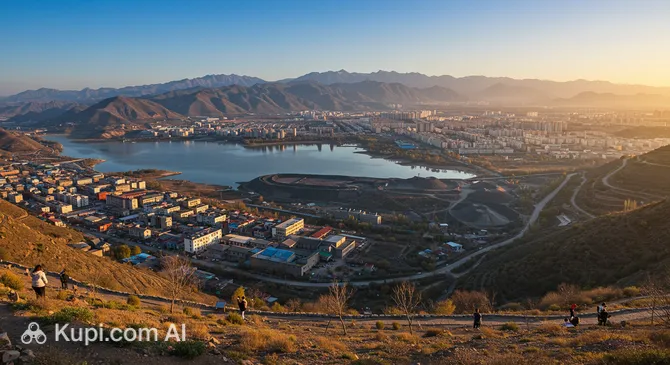
Jixi is a captivating city located in the southeastern part of the Heilongjiang province in China. Known historically as a major "Coal City" due to its rich mineral resources, the city has evolved into a destination that blends industrial heritage with breathtaking natural beauty. With a population of over 1.8 million people, it serves as an important economic and cultural hub in the region, offering a unique atmosphere where urban life meets the rugged wilderness of the northeast.

Jixi. Source: Kupi.Binoculars

Geographically, Jixi is situated near the Muling River and shares a border with Russia to the east. The city experiences a continental monsoon climate with cold, snowy winters and warm, pleasant summers, making it a place of dramatic seasonal changes. Exploring the history of Jixi reveals a fascinating past, from its rapid development as an energy base to its ancient roots involving the ancestors of the Manchu people. Today, it stands as a testament to resilience and transformation.

Travelers are often drawn to the magnificent Xingkai Lake (Khanka Lake), a vast body of water shared between China and Russia, known for its sandy beaches, wetlands, and diverse birdlife. Another significant site is the Hutou Fortress, which offers a poignant glimpse into the military history of the area during the Second World War. Whether you are interested in exploring lush nature reserves or learning about local culture, Jixi provides a memorable and distinct experience for those venturing into China's northeast.

Weather Overview

The climate in this region is classified as continental monsoon, featuring distinct seasons that offer widely varying experiences for travelers. Winters are long, cold, and dry, while the summer months bring warmth and a significant increase in humidity and rainfall. To help pack appropriately for your trip, it is helpful to review the detailed weather in Jixi before you depart.

January is typically the coldest month, with average temperatures dropping to -16.2°C and minimums reaching as low as -21.5°C. Conversely, July is the warmest time of year, with an average temperature of 22.5°C and highs peaking at 26.8°C. Precipitation is concentrated in the summer, particularly in June, which sees around 18 wet days. Expect warm summers with frequent rain and very cold, dry winters.

Interesting Facts

Beyond the main attractions, Jixi holds many fascinating secrets that reveal its strategic importance and unique cultural blend. From rare geological resources to pivotal moments in military history, this border city offers more than meets the eye.

  • The Oriental Maginot Line: The massive Hutou Fortress is often cited by historians as the site where World War II truly ended. Due to a communication breakdown, Japanese troops stationed here continued fighting for 11 days after the official surrender in 1945, making it the location of the war's final battle.

  • China's Graphite Capital: While historically famous for coal, Jixi has evolved into a global powerhouse for a different mineral. It was officially named the "Graphite Capital of China," holding vast reserves of high-quality graphite used to manufacture everything from electric vehicle batteries to artificial diamonds.

  • A Distinct Culinary Icon: The city is famous for "Jixi Cold Noodles" (Lengmian), a dish that differs significantly from the traditional sweet-and-sour Korean version. The local style is renowned for its savory, salty, and spicy broth, a flavor profile so beloved that it has become a defining symbol of the city's food culture.

  • The Imperial Fish: Xingkai Lake is home to the "Big White Fish" (Culter alburnus), one of China's most prized freshwater species. Known for its tender meat, this fish was historically served as a tribute delicacy to the imperial courts of the Tang, Song, and Qing dynasties.

How to Get There

Planning a trip to this northeastern hub offers several convenient transport options, whether you prefer flying directly or traveling overland through the scenic Heilongjiang province. For a comprehensive guide on the best routes and tips, you can read more about how to get to Jixi.

The most direct way to reach the city is by flying into Jixi Airport (IATA: JXA), which is conveniently located just 17.6 km from the city center. As a regional airport, it connects the area to major Chinese hubs, and the journey into town by taxi or shuttle bus typically takes around 45 minutes. Travelers can also consider arriving at Suifenhe Dongning Airport (IATA: HSF) in the city of Suifenhe, approximately 94 km away. The drive from there to Jixi takes roughly 2 hours and 40 minutes. Another alternative is Mudanjiang Airport (IATA: MDG) in Mudanjiang, located about 140 km from Jixi, with a transfer time of nearly 4 hours.

For clarity, here is a summary of the main airports:

Airport Name City Passenger Traffic Km from City
Knevichi Vladivostok Large 230.7
Jiamusi Airport Jiamusi Medium 176.5
Mudanjiang Airport Mudanjiang Medium 139.9
Suifenhe Dongning Airport Suifenhe Small 94.0
Jixi Airport Jixi Small 17.6

For those considering rail travel, it is important to note that the nearest major stations listed in our current data are located across the border in the Russian Federation, which may be relevant for travelers planning a multi-country itinerary. The Spassk-Dalny Railway Station is situated in Spassk-Dalny, approximately 165 km from Jixi. Another significant hub is the Ussuriysk Railway Station in Ussuriysk, located about 184 km away. Please be aware that accessing Jixi from these stations involves crossing the international border, so appropriate visas and travel time for customs should be considered.

Below is a list of these nearby railway stations:

Station City Passenger Traffic Km to Center
Ussuriysk Railway Station Ussuriysk Large 184.4
Spassk-Dalny Railway Station Spassk-Dalny Medium 165.3
Ruzhino Station Lesozavodsk Medium 194.5
Arsenyev Railway Station Arsenyev Small 220.5
Sibirtsevo Railway Station Chernigovka 167.9

Main Attractions

Jixi offers a compelling mix of pristine natural landscapes and profound historical sites, making it a unique destination in northeastern China. The city's tourism centers around its massive wetlands, border lakes, and reminders of the region's complex past. Whether you are a nature lover or a history buff, the area provides several distinct experiences worth exploring.

Xingkai Lake (Lake Khanka) is undoubtedly the region's most famous attraction. As the largest border lake in Northeast Asia, shared between China and Russia, it is renowned for its vast, ocean-like expanse and sandy beaches. The lake is a haven for biodiversity, serving as a vital stopover for migrating birds, including red-crowned cranes. Visitors flock here in the summer to enjoy the refreshing breeze, swim in the gentle waters, and taste the local specialty, the "Big White Fish." The surrounding wetland reserve offers a tranquil escape into untouched nature.

For those interested in military history, the Hutou Fortress in Hulin is a site of significant importance. Once part of a massive defensive line, this underground complex is often referred to as the "Oriental Maginot Line." Today, it serves as a museum and memorial, allowing visitors to explore the preserved tunnels and bunkers. It stands as a solemn reminder of World War II, offering a deep dive into the events that shaped the region in the mid-20th century.

Located conveniently within the city proper, Qilin Mountain offers a perfect spot for leisure and panoramic views. Named after the mythical Chinese creature due to its rugged, rock-strewn appearance, the mountain is a popular recreational area for locals and tourists alike. A climb to the top rewards hikers with a sweeping view of Jixi's urban landscape nestled against the backdrop of rolling hills. The park area features walking paths and pavilions, making it an excellent place to experience the daily life and culture of the city.

Local Cuisine

The local cuisine in Jixi is a vibrant reflection of its location in Heilongjiang, offering a unique blend of hearty Northeast Chinese (Dongbei) flavors and distinct Korean influences. The food scene here is characterized by bold tastes, generous portions, and a heavy reliance on wheat-based dishes, making it a paradise for those who enjoy savory and spicy comfort food. Exploring the city's culinary offerings is an essential part of the travel experience, with options ranging from bustling street stalls to specialized local restaurants.

The undisputed king of the local food culture is Jixi Cold Noodles (Lengmian). While cold noodles are popular throughout the region, the Jixi style is famous across China for its unique preparation. Unlike the traditional sweet and sour Korean version, Jixi cold noodles feature a savory, salty, and spicy broth that packs a punch. The noodles are typically pressed fresh on the spot, resulting in a chewy and satisfying texture. A meal of cold noodles is incomplete without ordering a side of La Cai, a variety of spicy marinated appetizers such as dried tofu, bellflower root, and meats, which locals mix into the noodles or eat alongside them for an explosion of flavor.

Given the city's proximity to the massive Xingkai Lake, freshwater fish is another gastronomic highlight. The most prestigious dish is the Xingkai Lake Big White Fish (Culter alburnus), considered one of the four famous freshwater fish in China. Known for its delicate, tender white meat and lack of small bones, it was historically served as a tribute to imperial courts. In local restaurants, it is best enjoyed steamed with light soy sauce and ginger to preserve its natural freshness, or stewed in a rich sauce for a more robust flavor.

For a warm and communal dining experience, especially during the cold winters, travelers should try the traditional Iron Pot Stew (Tie Guo Dun). This rustic dish involves cooking fish, chicken, or ribs with vegetables like potatoes, corn, and beans in a large iron cauldron set directly into the table. Cornbread buns are often slapped onto the side of the pot to steam, soaking up the savory juices. It is the perfect representation of the warm and hospitable spirit of Northeast China.

When it comes to drinks, the local culture heavily favors beer, particularly the regionally famous Harbin Beer, which pairs perfectly with spicy cold noodles and barbecue. For something stronger, local brands of Baijiu (grain liquor) are common at dinner gatherings. Non-alcoholic options include fresh soybean milk and various herbal teas, which help balance the spiciness of the local cuisine. Tourists will find that dining in Jixi is casual and lively, with "Cold Noodle Houses" found on nearly every street corner serving as the main social hubs for quick, delicious, and affordable meals.

Travel Tips

To ensure your visit to Jixi is as smooth and enjoyable as possible, we have compiled a set of essential travel tips. Whether you are here to explore the vast Xingkai Lake or taste the famous local noodles, these practical insights will help you navigate the city's unique climate and culture with confidence.

  1. Clothing and Gear: The most critical factor for packing is the season. If visiting in winter (November to March), you must bring heavy-duty cold-weather gear, including thermal underwear, a down jacket, a hat, gloves, and non-slip boots, as temperatures frequently drop well below freezing. Summers are warm but can be rainy, so breathable clothing and a compact umbrella or raincoat are essential. A universal power adapter is also recommended for charging your devices.

  2. Transportation: Within the city, taxis are the most convenient and affordable way to get around for tourists. Ride-hailing apps like DiDi are widely available and often easier to use than hailing a cab on the street if you don't speak Chinese. Public buses are very cheap (usually 1-2 RMB) and cover most routes, but they can be crowded. For trips to outlying attractions like Xingkai Lake, hiring a private driver or joining a local tour is often more reliable than public transit.

  3. Finances: The local currency is the Chinese Yuan (CNY). While credit cards are accepted at major hotels, Jixi is a cash-dominant or digital-payment society. It is highly advisable to set up Alipay or WeChat Pay on your phone before arrival, as even small street vendors prefer these methods. Carry some cash for backup, especially for smaller shops or transportation. ATMs are available, but ensure your card allows international withdrawals.

  4. Health and Safety: Jixi is generally a very safe city for travelers. However, strictly avoid drinking tap water; inexpensive bottled water is available everywhere. Pharmacies are marked with a green cross, but staff may not speak English, so having a translation app or a picture of the medicine you need is helpful. In winter, be cautious of ice on sidewalks to prevent slips and falls.

  5. Communication: English is not widely spoken in Jixi, even in service industries. It is crucial to download a reliable translation app that works offline before you arrive. Buying a local SIM card at the airport or a major telecom store is recommended for navigation and translation. Learning a few basic words like "Ni hao" (Hello) and "Xie xie" (Thank you) will go a long way with the friendly locals.

  6. Local Etiquette: Dining is a social affair here. It is polite to wait for the host or the eldest person to start eating. When using chopsticks, never stick them upright in your rice bowl, as this resembles incense burning for the dead and is considered taboo. Tipping is not part of the culture in China and is not expected in restaurants or taxis.

  7. What to Avoid: Avoid discussing sensitive topics or politics, as this is considered impolite. Also, try not to rely solely on international maps (like Google Maps), as they may not be accurate or accessible; local alternatives like Baidu Maps or Amap are far more precise for navigation.

  8. Local Insight: When ordering the famous Jixi Cold Noodles, be aware that the local style is often spicier and saltier than the versions found elsewhere. If you cannot handle heat, ask for "Wei La" (mildly spicy). Don't forget to order a side of "La Cai" (spicy mixed vegetables) to eat like a true local!

By keeping these tips in mind, you will be well-prepared to embrace the distinct charm of Northeast China. Jixi is a city that rewards the adventurous, so dress warmly, come with an appetite, and enjoy the warm hospitality of this fascinating border region.

Entertainment & Nightlife

Nightlife in Jixi offers a distinctively local experience that contrasts with the high-energy club scenes of China's major metropolises. Here, the evening entertainment revolves heavily around socializing, dining, and singing. The atmosphere is welcoming and unpretentious, with locals preferring to unwind over hearty meals and cold drinks rather than at dress-code-enforced nightclubs. For visitors, the city provides a genuine glimpse into the relaxed evening culture of Northeast China, where the nights are lively, friendly, and centered on communal enjoyment.

The primary hub for evening activities is the Jiguan District, particularly the areas surrounding the central commercial streets. One of the most popular destinations is Jixi Wanda Plaza. This modern complex serves as a one-stop shop for entertainment, housing a cinema, numerous retail outlets, and a variety of restaurants that stay open late. It is a favorite spot for young people and families to gather, watch the latest movies, or enjoy a comfortable dinner in a contemporary setting.

For a more traditional experience, a visit to the Cultural Square (Wenhua Square) in the evening is a must. As the sun sets, this vast public space transforms into a vibrant scene of local life. You will see groups of residents participating in synchronized square dancing, exercising, or simply strolling with their families. It is an excellent place to soak in the local vibe without spending a penny. Nearby, you can often find street vendors selling snacks and small trinkets, adding to the bustling atmosphere.

The true heart of Jixi's nightlife, however, beats in its restaurants and "Shao Kao" (barbecue) joints. In this region, barbecue is more than just food; it is a nightly ritual. Streets are lined with eateries serving skewered meats, vegetables, and seafood, grilled to perfection and seasoned with cumin and chili. These venues are typically open until the early hours of the morning. Pairing these spicy skewers with a local Harbin Beer is the quintessential way to spend a night out in the city. Karaoke (KTV) is also incredibly popular, with numerous venues offering private rooms for groups to sing and socialize in privacy.

From a practical standpoint, Jixi is safe for night walks, especially in well-lit commercial areas and main avenues. Taxis are plentiful and inexpensive, making them the best way to get back to your hotel after a night out; simply look for the illuminated taxi signs or use a ride-hailing app if you have one. Most venues do not have a strict dress code, so casual attire is perfectly acceptable everywhere, from barbecue stalls to KTV lounges. Prices are generally very affordable compared to larger Chinese cities.

While the nights are for feasting and relaxation, the daytime offers its own array of cultural activities. Before the sun goes down, visitors can explore the Jixi Museum to learn about the region's geological and historical evolution or take a refreshing hike up Qilin Mountain for panoramic views of the city. These daytime excursions provide a perfect balance to the culinary and social adventures that await after dark.

Parks & Museums

While Jixi is often recognized for its industrial background, the city and its surrounding areas are home to remarkable green spaces and cultural institutions that celebrate the region's unique heritage and ecology. From expansive wetlands teeming with migratory birds to museums that chronicle pivotal moments in world history, visitors will find plenty of opportunities to connect with nature and the past.

Xingkai Lake National Nature Reserve is a must-visit for nature enthusiasts, offering a different perspective from the popular bathing beaches. This vast wetland area on the northern shore of the lake is a sanctuary for biodiversity, particularly famous for birdwatching. It serves as a vital stopover for the red-crowned crane and other migratory species. Visitors can walk along wooden boardwalks that wind through the reeds, providing a peaceful setting to observe wildlife and enjoy the pristine air of this transboundary ecosystem.

For a green escape within the city limits, Qilin Mountain Park stands out as a favorite among locals. The park is centered around the rugged Qilin Mountain, named for its resemblance to the mythical Chinese beast. It features well-maintained hiking trails, stone steps, and shaded pavilions that lead to the summit. It is an excellent spot for a morning exercise routine or a leisurely afternoon stroll, rewarding climbers with panoramic views of Jixi's urban sprawl against the backdrop of distant hills.

Delving into the region's rich past, the Jixi Museum offers a comprehensive look at the city's development. The exhibits cover a wide range of topics, from the geological formation of the area and its abundant mineral resources to the folk customs of the Northeast. It places a special emphasis on the local coal mining history, which has been the lifeblood of the city's economy, as well as archaeological finds that trace human activity in the Muling River valley back thousands of years.

A more somber but historically significant site is the Hutou Fortress Museum located in Hulin. Built on the site of one of the largest Japanese fortifications from the World War II era, the museum serves as a memorial to the "Final Battle of the Second World War." Tourists can explore the remnants of underground bunkers and view extensive displays of historical artifacts, maps, and photographs. It provides a profound educational experience regarding the military history of Northeast Asia.

For a quieter, authentic experience, take a walk along the banks of the Muling River in the late afternoon. The riverside parks have been developed to provide open spaces for residents, and it is a great place to watch the sunset while observing local fishermen and families enjoying their daily leisure time away from the busy commercial districts.

Getting Around

The public transport system in Jixi is primarily reliant on an extensive network of buses, as the city does not currently operate a metro or tram system. Buses serve as the backbone of urban mobility, connecting the central Jiguan District with outlying residential areas, commercial hubs, and railway stations. For tourists, the bus network is a cost-effective way to navigate the city, though it can be somewhat crowded during peak commuting hours. In addition to standard city buses, minibuses often operate on routes connecting the city center to more distant mining districts or scenic spots like Xingkai Lake, offering a bridge between urban and rural transport.

When it comes to paying for your ride, simplicity is key. The standard fare for most bus routes within the city is very affordable, typically set at a flat rate of 1 or 2 RMB depending on the line and season (air-conditioned buses may charge slightly more). While locals frequently use rechargeable IC transport cards, short-term visitors are not required to purchase one. Instead, mobile payments have become the dominant method. You can easily pay by scanning a QR code generated within the Alipay or WeChat apps—look for the "Transport" or "Ride Code" feature within these applications. If you prefer to use cash, you must have the exact change ready to drop into the fare box upon entry, as drivers do not carry change.

For those seeking more comfort or flexibility, taxis are an extremely popular and reasonably priced alternative. You can hail taxis directly from the street, and they are easily engaging by their illuminated signs. Most taxis are metered, with fares starting at a low base rate, making them an economical choice even for longer trips across town. Ride-hailing apps, particularly DiDi (the local equivalent of Uber), are widely available and often preferred by travelers because they allow you to input your destination in English (if the app version supports it) or pin the location on a map, bypassing potential language barriers with drivers.

A few practical tips will help ensure a smooth journey. First, be mindful of operating hours; unlike in major metropolises, bus services in Jixi often wind down relatively early, with many routes stopping service between 6:00 PM and 7:00 PM. After these hours, taxis become the only viable option. Secondly, bus stops and route information are almost exclusively in local characters. It is highly advisable to have the name of your destination written down in Chinese characters or to save a screenshot of the route on your phone to show the driver or fellow passengers if you need assistance.

Accommodation

Where to Stay:

Accommodation in Jixi is primarily geared towards domestic travelers and business visitors, offering a range of options that are generally functional and affordable. The city does not host many high-end international luxury chains; instead, visitors will find a good selection of mid-range business hotels, standard budget inns, and local guesthouses. The quality of lodging has improved in recent years, with many modern establishments providing comfortable amenities suitable for international tourists.

For most travelers, the most convenient area to stay is the Jiguan District, particularly near the central commercial zones or the railway station. Staying here places you within walking distance of shopping centers like Wanda Plaza, numerous restaurants serving local cuisine, and transport links to outlying attractions. If your primary goal is to explore the natural scenery, you might consider booking accommodation near Xingkai Lake. While facilities there may be more rustic compared to the city center, staying lakeside offers immediate access to the beaches and wetlands, saving you the travel time from the downtown area.

Prices in Jixi are generally very reasonable compared to China's major metropolises. Travelers can expect to find comfortable mid-range rooms for a fraction of the cost of similar hotels in Beijing or Shanghai. Booking is best done through major international travel platforms or Chinese apps like Trip.com, which are more likely to list properties that are authorized to host foreign guests.

Booking Tip: A crucial detail for international travelers in smaller Chinese cities is to confirm that your chosen hotel is licensed to accept foreigners (often referred to as "Shewai" hotels). Not all budget guesthouses have this license, so it is highly recommended to book in advance through a reputable platform and double-check this requirement to avoid any issues upon arrival.

Nearby Cities

For those looking to explore the surroundings, Jixi serves as an excellent base for day trips to several interesting nearby locations. The region is dotted with cities that each offer a unique perspective on life in Heilongjiang, ranging from bustling river ports to scenic tourist hubs.

One of the most popular destinations is Mudanjiang, located relatively close to Jixi. It is a major regional center known for its proximity to the volcanic Jingpo Lake and its vibrant mix of cultures due to its history as a trade hub. Further north lies Jiamusi, a city situated along the lower reaches of the Songhua River. It is famous for its riverside parks and serves as the eastern gateway to the Sanjiang Plain, offering a pleasant environment for a relaxing visit. For those interested in more rugged landscapes, Shuangyashan offers access to forest parks and mountainous terrain, making it a quiet retreat for nature lovers.

City Population Distance (km)
Mudanjiang 2,798,723 134
Jiamusi 2,552,097 175
Shuangyashan 1,462,626 151
Hegang 1,058,665 234
Shangzhi 585,386 236

These nearby destinations offer a glimpse into the diverse culture and landscapes of the region.

Shopping & Souvenirs

Shopping in Jixi offers a blend of modern convenience and local character, reflecting the city's position as a border hub in Northeast China. While it may not be a global fashion capital, visitors will find a variety of retail experiences ranging from contemporary shopping malls to bustling street markets. The city is particularly known for its border trade products and regional agricultural specialties, making it a great place to pick up unique gifts that represent the distinct culture of Heilongjiang province.

The primary commercial activity is concentrated in the Jiguan District, which serves as the downtown core. Here, the streets are lined with a mix of clothing boutiques, electronics shops, and local eateries. Walking around the central commercial areas, tourists can experience the lively atmosphere of daily life in the city. This area is the best place to find general goods and observe the local fashion trends, which are heavily influenced by the harsh winters and practical needs of the region.

For a comprehensive, one-stop shopping experience, Jixi Wanda Plaza is the city's premier destination. Located in the city center, this large modern complex houses a wide array of domestic and international brands, covering fashion, cosmetics, and sportswear. It provides a comfortable, climate-controlled environment, which is especially appreciated during the freezing winter months or the humid summer. Beyond retail, the mall features a supermarket, a cinema, and numerous dining options, making it a popular leisure spot for locals and visitors alike.

Given Jixi's proximity to Russia, specialized markets and shops selling imported goods are a highlight of the local shopping scene. You can often find stores dedicated to Russian products, offering items such as chocolate, honey, liquor, and handicrafts like matryoshka dolls. Additionally, local food markets are vibrant places to explore. In the mornings, these markets bustle with vendors selling fresh produce, including the region's famous wild vegetables and river fish.

When it comes to souvenirs, the best items to bring back are those unique to the region's geography. Xingkai Lake White Fish is a top choice; vacuum-packed or dried versions are widely available and make for a savory gift. The fertile black soil of Northeast China also produces excellent agricultural products, such as black fungus (wood ear mushrooms), wild mushrooms, and ginseng, all of which are highly enlarged in traditional Chinese medicine and cuisine. High-quality honey and wild berry products from the surrounding forests are also popular purchases.

Most shops in Jixi operate from around 9:00 AM to 8:00 PM or 9:00 PM, though malls like Wanda Plaza may stay open slightly longer, especially on weekends. Payment methods are overwhelmingly digital. While some larger stores may accept credit cards, the vast majority of vendors, from mall outlets to street stalls, rely on WeChat Pay or Alipay. It is highly recommended to have one of these apps set up on your phone. Cash is generally accepted, but carrying small denominations is advisable as change might be scarce.

Regarding tax refunds, Jixi is not typically a designated tax-free shopping destination for international tourists. Unlike major metropolises like Beijing or Shanghai, the tax refund system is not widely implemented here. Visitors should plan their budget assuming that the listed price is the final price, without the expectation of claiming VAT refunds at the airport upon departure.
Reached the end of the page?

That means the route is fully explored