Support

Yanji

About

Yanji is a vibrant and culturally distinct city serving as the capital of the Yanbian Korean Autonomous Prefecture in Jilin Province. It offers a fascinating blend of traditions, making it a unique destination within China. With a population of over half a million, the city acts as a bustling economic and cultural hub, renowned for its clean streets, welcoming atmosphere, and the harmonious coexistence of diverse ethnic customs.

Geographically, the city is situated in a basin surrounded by hills, with the Yanji River flowing through its center. Its location near the borders of Russia and North Korea has significantly influenced the history of Yanji, creating a rich tapestry of cross-cultural exchange that is evident in the local architecture, bilingual signage, and daily life. The climate here features four distinct seasons, offering lush green summers and snowy winters that transform the landscape.
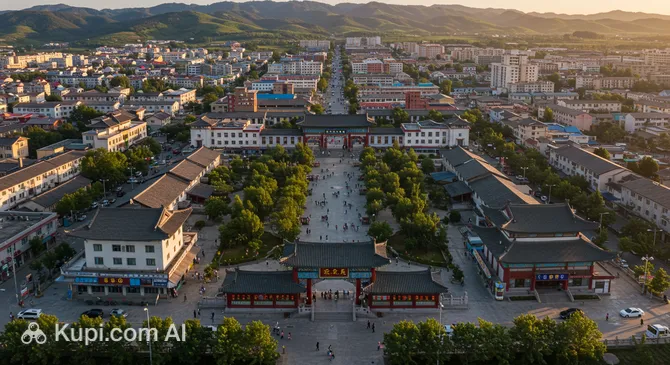
Yanji. Source: Kupi.Binoculars

Travelers are often drawn to the city for its exceptional culinary scene, which is famous nationwide. You simply cannot visit without trying the authentic Yanji cold noodles, a refreshing dish that perfectly represents the local flavor palette. For those who enjoy the outdoors, Mao'er Mountain National Forest Park provides scenic hiking trails and panoramic views of the urban skyline against a backdrop of pine forests. The city also serves as an excellent gateway for exploring the majestic Changbai Mountain nearby.

Whether you are a food enthusiast eager to explore unique flavors or a traveler looking to experience a different side of the region's heritage, Yanji promises an unforgettable journey. Its warm hospitality and distinctive cultural character make it a must-visit stop on any itinerary in northeastern Asia.

Weather Overview

The climate in this region is continental, marked by significant seasonal variations that travelers should consider when packing. To help you plan your visit effectively, you can consult the detailed guide to the weather in Yanji, which offers a comprehensive month-by-month breakdown.

Winters are notably cold and dry, extending from late November through February. January is typically the coldest month, with average temperatures hovering around -10.8°C and lows frequently dipping to -15.9°C. While the temperatures are freezing, precipitation is minimal, often recorded at 0mm, resulting in crisp and dry winter days.

In contrast, the summer months of June through August bring warmth and a higher frequency of rain. July is usually the warmest time of year, with average highs reaching 26.6°C. August is characterized by the highest number of wet days, averaging about 17 days with precipitation, so bringing an umbrella is advisable during this season.

Spring and autumn serve as pleasant transitional periods, with May and September offering comfortable average temperatures between 13°C and 16°C. Overall, you can expect warm summers with frequent rain and cold, dry winters.

Interesting Facts

Beyond the main attractions, Yanji holds many fascinating secrets that reflect its unique position at the crossroads of cultures and history. This border city offers more than just scenic views; it is a place where ancient discoveries and modern trends converge in unexpected ways.

  • A Hub for Paleontology: In recent years, the city has become a surprise hotspot for dinosaur researchers. Significant fossil discoveries from the Cretaceous period were unearthed right within the urban area at Longshan Mountain, leading to the identification of several new species and the establishment of a dedicated paleontology museum.

  • The "Coffee Capital" Phenomenon: Despite its relatively small population, Yanji boasts an incredibly high density of coffee shops. The city has developed a trendy café culture that rivals major international metropolises, with hundreds of independent coffee houses featuring elaborate designs, earning it a reputation as a hidden gem for caffeine enthusiasts.

  • Strict Bilingual Standards: Due to its status as the capital of the autonomous prefecture, the city maintains a distinct visual identity mandated by law. Every street sign, shop front, and government building must display text in both Chinese and Korean, creating a unique bilingual landscape that is rare elsewhere in the country.

  • The Morning River Market: The Shuishang Market is a vibrant daily ritual that vanishes by midday. Located along the riverbank, this massive open-air market is the most authentic place to experience local life, where vendors sell everything from spicy kimchi and wild vegetables to traditional rice cakes before the city fully wakes up.

How to Get There

Reaching this unique destination is relatively straightforward, with several transport hubs serving the region. Whether you are arriving by air or considering overland options from neighboring areas, you can find a route that suits your itinerary. For a detailed overview of all travel options, you can read more about how to get to Yanji.

The most convenient way to arrive is by flying directly into Yanji Chaoyangchuan Airport (YNJ). This is the city's primary air hub, located just 4.8 km from the city center. Because of its close proximity, a taxi or bus ride to downtown is very quick, taking approximately 30 minutes. The airport handles a significant volume of passengers annually, making it a well-equipped facility for travelers.

Alternatively, if you cannot find a direct flight, you might consider flying into Mudanjiang Airport (MDG) in the city of Mudanjiang. It is located about 181.5 km from Yanji. While further away, it serves as a regional option; however, be prepared for a longer transfer time of around 5 hours by road to reach your final destination.

For clarity, here is a summary of the main airports:

Airport Name City Passenger Traffic Km from City
KnevichiVladivostokLarge222.0
Yanji Chaoyangchuan AirportYanjiLarge4.8
Mudanjiang AirportMudanjiangMedium181.5
Changbaishan AirportBaishanMedium181.5
Suifenhe Dongning AirportSuifenheSmall204.3

For those exploring the wider region by train, there are railway stations in neighboring cities that can serve as transit points, although they require an additional transfer to reach Yanji. You can arrive at the Vladivostok Railway Station in the city of Vladivostok, which is approximately 197.6 km from Yanji. From there, you can get a taxi or bus, which takes about 5 hours and 15 minutes.

Another option in the vicinity is the Khasan Railway Station in Khasan. It is located roughly 106.3 km from Yanji, making it geographically closer, though transit availability should be checked in advance. The travel time from this station to Yanji by road is approximately 3 hours.

Below is a list of railway stations in the surrounding region:

Station City Passenger Traffic Km to Center
Vladivostok Railway StationVladivostokLarge197.6
Ussuriysk Railway StationUssuriyskLarge224.5
Khasan Railway StationKhasanSmall106.3
Artem Railway StationArtem221.0
Ugolnaya StationArtem212.8

Main Attractions

Yanji offers a delightful mix of cultural immersion and natural beauty, making it a rewarding destination for travelers. The city's attractions highlight its unique position as a center of Korean culture in China, ranging from educational museums to vibrant scenic parks.

Yanbian Museum is an essential stop for anyone wishing to understand the region's rich heritage. This modern facility houses an impressive collection of artifacts that chronicle the history, customs, and migration of the Korean ethnic group in China. Visitors can explore detailed exhibits featuring traditional clothing, musical instruments, and historical photographs, providing deep insight into the local identity and the area's development over the centuries.

For a more interactive cultural experience, the Chinese Korean Folk Custom Park is a top favorite among tourists. This sprawling complex is designed to replicate a traditional village, complete with authentic architecture, thatched-roof cottages, and manicured gardens. It is particularly famous for its vibrant atmosphere, where visitors can rent traditional Hanbok attire to take memorable photos against the beautiful backdrops, making it a lively spot that feels like stepping back in time.

Mao'er Mountain National Forest Park serves as the city's green lung and a popular recreation area. While it dominates the skyline, the real joy lies in climbing its well-maintained wooden boardwalks to the summit. The hike is accessible to most fitness levels and rewards you with a sweeping panoramic view of Yanji and the meandering Buerhatong River below, especially stunning during the golden hours of sunrise or sunset.

If you are looking to relax like a local, Yanji Park (Renmin Park) is the perfect destination. Located in the heart of the city, this historic park is a hub of daily life, filled with ancient pine trees and colorful flower beds. It is a fantastic place for people-watching, as residents often gather here for traditional dance, music performances, and leisure activities, offering a genuine glimpse into the city's community spirit.

Local Cuisine

The local cuisine in Yanji is a spectacular fusion of Chinese and Korean culinary traditions, creating a flavor profile that is distinct from anywhere else in China. Food is a central part of the city's identity, attracting visitors from across the country specifically for its gastronomic delights. The flavors are typically bold, featuring a balance of spicy, savory, and refreshing sweet-and-sour notes.

The absolute signature dish that every visitor must try is Yanji Cold Noodles (Lengmian). This refreshing meal consists of chewy buckwheat noodles served in a chilled, tangy beef broth, topped with slices of beef, boiled egg, kimchi, and often slices of apple or pear for sweetness. It is traditionally eaten year-round, even in the freezing winter, often accompanied by a side of crispy Guobaorou (sweet and sour pork) to contrast the textures and temperatures.

Another culinary staple is Yanbian BBQ. Unlike typical barbecue, this involves grilling skewered meat—usually mutton or beef—over charcoal right at your table. Many restaurants feature automatic rotating grills that ensure the meat is cooked perfectly evenly. The skewers are dipped in a special dry spice mix made of cumin, chili powder, and sesame seeds. For a comforting warm meal, Bibimbap (stone pot rice) and spicy beef soups are also incredibly popular, showcasing the region's rich comfort food culture.

When it comes to drinks, the local favorite is Makgeolli (known locally as Migeolli), a traditional milky rice wine. It has a low alcohol content and a slightly sweet, tangy taste, making it the perfect pairing for spicy dishes and BBQ. It is often served in large bowls rather than glasses. For non-alcoholic options, roasted barley tea is commonly served free of charge in restaurants, or you can try pine nut corn beverages which are a specialty of the Jilin region.

The food culture in Yanji is vibrant and social. Locals often start their day at the bustling morning markets, eating steaming hot rice cakes, savory tofu pudding, and spicy pickles before sunrise. In the evenings, the city comes alive with neon-lit restaurants and street food stalls. Dining is a communal affair here, with groups of friends gathering around grilling tables or sharing large bowls of noodles, creating a lively and welcoming atmosphere that defines the city's nightlife.

Travel Tips

Preparing for a trip to Yanji requires a bit of specific planning to fully enjoy its unique blend of Chinese and Korean cultures. These practical tips are designed to help you navigate local customs, handle logistics smoothly, and make your stay in this vibrant border city as comfortable as possible.

  1. Clothing and Gear: The weather dictates your wardrobe here. If visiting in winter (November to February), heavy insulation is non-negotiable; bring a high-quality down jacket, thermal layers, and boots with good grip, as the streets can be icy. Summers are warm but can be rainy, so a light raincoat is useful. Since plugs are Type A, C, or I (standard Chinese outlets), bring a universal adapter for your electronics.
  2. Transportation: Taxis are the most convenient and affordable way to get around Yanji, with starting fares being surprisingly low compared to other major cities. You can easily flag one down on the street, but using ride-hailing apps like DiDi (often accessible via Alipay) is recommended to overcome language barriers. Public buses are extensively available and cost very little, though routes are displayed in Chinese and Korean.
  3. Finances: Like the rest of China, Yanji is a nearly cashless society. International credit cards are rarely accepted directly at shops or restaurants. Before you arrive, download Alipay or WeChat Pay and link your international bank card to these apps; this will be your primary payment method for everything from street food to taxi rides. Carry a small amount of cash (RMB) just in case, but do not rely on it.
  4. Health and Safety: Yanji is a very safe city for tourists, even at night. Pharmacies are widely available and usually marked with a green cross, though you should have a translation app ready to describe your symptoms. Tap water is not safe for direct consumption, so stick to bottled water which is cheap and readily available everywhere.
  5. Communication: The primary languages are Mandarin and Korean, and English proficiency is relatively low outside of high-end hotels. It is essential to download a translation app that works offline or without a VPN. Since Google services may be inaccessible, ensure you have a suitable roaming plan or a local SIM card, which can be purchased at the airport or official telecom stores with your passport.
  6. Local Etiquette: Due to the strong Korean influence, showing respect to elders is important. When handing over or receiving money, cards, or gifts, it is polite to use both hands. In traditional restaurants with floor seating, remember to remove your shoes before stepping onto the raised platforms.
  7. What to Avoid: Do not leave a tip at restaurants or for taxi drivers; it is not part of the culture and may cause confusion or be refused. Also, avoid sticking your chopsticks vertically into a bowl of rice, as this resembles incense burning for the deceased and is considered taboo.
  8. Additional Tip: Wake up early to visit the West Market or the morning river market. The local day starts at dawn, and by 8:00 AM, the most authentic bustle of the morning trade is winding down. This is the best time to see the city's true character and grab a fresh, hot breakfast.

By keeping these practicalities in mind, you can navigate Yanji with the confidence of a seasoned traveler. The city's warm hospitality and fascinating cultural duality are best experienced when you are well-prepared, allowing you to focus entirely on the delicious food and scenic adventures.

Entertainment & Nightlife

Entertainment & Nightlife:

Yanji's nightlife is a dazzling spectacle of neon lights and vibrant energy, often earning it comparisons to the bustling streets of Seoul due to its distinctive aesthetic. As the sun sets, the city transforms into a glowing metropolis where bilingual signboards in Chinese and Korean light up the sky, creating a cinematic atmosphere. The vibe is distinctively youthful and cosmopolitan, largely driven by the local student population and the influx of tourists drawn to the city's unique border culture.

The absolute epicenter of evening entertainment is the area surrounding Yanbian University. This district is home to the famous "Internet Celebrity Wall" (Wanghong Wall), a massive building facade densely packed with illuminated shop signs that has become the city's most iconic night-time landmark. Inside and around this complex, you will find a high concentration of trendy bars, modern cafes, and KTV (karaoke) lounges. It is the perfect place to immerse yourself in the local scene, where the crowd is stylish, the music is upbeat, and the venues stay open late into the night.

For those who prefer an open-air atmosphere, the banks of the Burhatong River offer a lively yet relaxing experience. During the warmer months, the riverside area fills with locals enjoying night walks, and pop-up stalls often appear selling snacks and drinks. Another bustling spot is Hunchun Street, a major commercial artery that remains active well into the evening. Here, you can find numerous late-night eateries and casual pubs where you can enjoy local brews and the famous Yanbian barbecue in a spirited, communal setting.

Navigating the city at night is both safe and convenient. Yanji is known for its low crime rate, making it comfortable for tourists to walk around main districts even after midnight. Taxis are abundant and incredibly affordable, with starting fares around 5 RMB, allowing you to easily hop between the university district and your hotel without breaking the bank. There is generally no strict dress code for bars and clubs; a smart-casual look fits in perfectly with the trendy but relaxed local crowd.

While the nightlife is the main draw for many, daytime entertainment also offers cultural depth. Visitors can seek out performances by the Yanbian Song and Dance Troupe, which stages spectacular shows featuring traditional Korean ethnic dance and music. Additionally, the city features modern cinemas and shopping plazas that provide ample leisure options before the sun goes down and the neon lights take over.

Parks & Museums

While Yanji is widely celebrated for its neon-lit streets and culinary scene, the city also boasts a surprising array of tranquil green spaces and educational institutions. Beyond the bustling markets, visitors can find serenity in well-maintained parks and dive deeper into the region's unique heritage through its specialized museums.

Burhatong River Scenic Belt is the city's most accessible natural escape, acting as a linear park that traces the flow of the river through the urban center. This beautifully landscaped promenade is lined with weeping willows, flower beds, and paved paths, making it a favorite spot for locals to jog, cycle, or enjoy a leisurely evening stroll. In the summer, the riverbanks come alive with musical fountains and light shows, offering a refreshing contrast to the busy commercial districts nearby.

For a family-friendly outdoor experience, Youth Lake Park (Qingnianhu Park) offers a lively alternative to the city's quieter retreats. Located in the eastern part of Yanji, this expansive park centers around a large man-made lake where visitors can enjoy boating during the warmer months. The park is also known for its amusement facilities, including a Ferris wheel that provides a unique vantage point over the city, making it a popular destination for both relaxation and entertainment.

Yanji Paleontology Museum is a must-visit for science enthusiasts and families. Situated near the Longshan Mountain fossil site, this modern facility showcases the incredible discovery of Cretaceous-period dinosaur fossils found right within the city limits. The museum features impressive skeletal mounts, interactive exhibits explaining the region's prehistoric environment, and detailed displays of the "Yanji Longshan" fauna, highlighting the city's unexpected role in paleontological research.

Art lovers should explore the Yanbian Art Museum, which focuses on the artistic expressions of the region's diverse community. The gallery displays a rotating collection of works, including traditional calligraphy, ink paintings, and contemporary pieces by local artists. It provides a quiet space to appreciate how the unique cultural blend of the prefecture influences visual arts, offering a different perspective from the historical focus of other institutions.

In terms of architectural landmarks, the campus of Yanbian University stands out as a significant cultural site. The buildings are designed with a distinctive architectural style that fuses modern educational structures with traditional ethnic aesthetics, characterized by sweeping tiled roofs and intricate eaves. A walk around the perimeter offers a chance to admire this harmonious design, which has become a symbol of the city's identity.

For a truly authentic experience, venture to the Chenggizi Mountain City ruins located on the outskirts. This ancient archaeological site dates back to the Jurchen period and offers a hauntingly beautiful glimpse into the deep past. While less manicured than the city parks, the earth ramparts and remnants of the old fortress provide a quiet, atmospheric setting for history buffs willing to explore off the beaten path.

Getting Around

Navigating Yanji is surprisingly convenient and affordable, thanks to its compact size and efficient transport network. Unlike the sprawling metropolises of China, this city does not rely on a complex subway system. Instead, the public transportation infrastructure is primarily built around an extensive bus network and a highly accessible fleet of taxis, making it easy for visitors to reach all major attractions and commercial districts.

The public bus system is the backbone of local transit. It covers the entire urban area, with routes connecting the railway station, the airport, and the city center. A unique feature of the buses in Yanji is their bilingual nature; stop announcements and signage are provided in both Mandarin Chinese and Korean, reflecting the region's cultural identity. This makes navigation slightly easier for those who might be familiar with the Korean alphabet. Most buses are modern and comfortable, providing a reliable way to get around.

Fares for the bus are incredibly low, typically costing just 1 RMB or 2 RMB per ride, regardless of the distance. Payment is straightforward but digital-first. While you can still pay with cash, you must have the exact change as drivers do not carry coins. The most common method is scanning a QR code using Alipay or WeChat Pay. Tourists can activate the "Transport Code" mini-app within these platforms to pay seamlessly upon boarding.

Taxis are arguably the most popular choice for tourists due to their convenience and exceptionally low cost. The starting flag-fall price is among the lowest in the country, usually around 5 RMB, which covers the first few kilometers. You can easily hail a taxi on the street at almost any time of day. For those who prefer digital booking, ride-hailing apps like DiDi (often integrated into Alipay) are widely available and recommended, as they allow you to input your destination in English or via map pins, overcoming potential language barriers with drivers.

Regarding operating hours, public buses generally run from early morning, around 6:00 AM, until the evening. However, visitors should be aware that many bus lines stop running relatively early, often between 6:30 PM and 7:30 PM, although a few major routes may operate slightly later. Taxis operate 24 hours a day, ensuring you are never stranded after a night out enjoying the city's vibrant dining scene.

For practical advice, it is highly recommended to have your destination written down in Chinese characters if you are taking a taxi, as most drivers do not speak English. While the city is walkable, especially around the university and river areas, the winters can be harsh, making motorized transport essential during colder months. Currently, there are no shared bike schemes operating on a large scale like in Beijing or Shanghai, so relying on four wheels is your best bet.

Accommodation

Where to Stay:

Accommodation in Yanji has developed rapidly to meet the growing influx of tourists, offering a diverse range of options that cater to various budgets and preferences. Travelers can find everything from lively youth hostels and budget-friendly guesthouses to comfortable mid-range business hotels and upscale luxury resorts. The hospitality standards here are generally high, with many establishments featuring the city's signature bilingual signage and elements of Korean interior design.

When choosing a location, the area surrounding Yanbian University is widely considered the best place to stay for most tourists. This district places you right in the heart of the action, steps away from the famous "Internet Celebrity Wall," dozens of cafes, and the city's best nightlife. Alternatively, the City Center near the West Market is excellent for those who want to focus on shopping and experiencing the morning markets. For a quieter stay with scenic views, look for properties along the Burhatong River, which offer a peaceful atmosphere while remaining close to major transport routes.

For travelers seeking established and reliable comfort, the city boasts several well-known hotels. The Yanbian International Hotel is a prominent choice, often favored for its central location and comprehensive amenities suitable for both business and leisure guests. Another reputable option is the Yanji Baishan Hotel, which has a long-standing history in the city and offers a blend of traditional hospitality with modern conveniences.

Booking Tips: Yanji has become an incredibly popular destination in recent years, particularly during the summer months (July and August) and major Chinese holidays like the National Day Golden Week. During these peak times, hotels near the university district can sell out weeks in advance. It is highly recommended to book your room at least a month ahead to secure your preferred location.

In terms of pricing, Yanji is generally more affordable than China's major metropolises. Budget travelers can find clean, comfortable rooms for a very reasonable price, while even the higher-end luxury hotels offer rates that are excellent value for money compared to Beijing or Shanghai. Most accommodations can be booked via major international platforms like Trip.com or Booking.com, though using Chinese platforms (if you can read the language or use a translation tool) might unlock a wider variety of local guesthouses.

Nearby Cities

For those looking to explore the surroundings, Yanji serves as an excellent base for day trips to several interesting nearby locations. The region offers a mix of natural wonders and urban experiences that are easily accessible via the high-speed railway or by road.

Mudanjiang is a significant destination located to the north, often referred to as the "Snow City." It is famous for its stunning winter landscapes and serves as the primary gateway to Jingpo Lake, a volcanic barrier lake known for the magnificent Diaoshuilou Waterfall. Jilin City is another captivating option, renowned for the enchanting rime ice that coats the trees along the Songhua River during the colder months, creating a fairytale-like scenery. Baishan offers a retreat for nature lovers, situated close to the Changbai Mountain range and surrounded by lush forests perfect for hiking and exploration.

City Population Distance (km)
Mudanjiang 2,798,723 185
Jilin City 2,396,000 262
Baishan 1,296,127 276
Shulan 663,403 265
Shangzhi 585,386 286

These nearby destinations offer a glimpse into the diverse culture and landscapes of the region.

Shopping & Souvenirs

Shopping in Yanji is a distinctive experience that mirrors the city's cultural duality, offering a vast array of goods that blend Chinese variety with Korean trends. Visitors will find that the city serves as a massive distribution hub for Korean products, making it the perfect place to stock up on imported cosmetics, snacks, and fashion items without leaving the country. From bustling traditional wholesale markets to modern luxury department stores, the retail scene here is vibrant and affordable.

For a mix of high-end shopping and local heritage, the Yanji Department Store is the city's most iconic commercial landmark. Located in the city center, this multi-story complex houses international brands, jewelry, and a well-stocked supermarket, serving as a reliable one-stop destination. Alternatively, for a younger and trendier vibe, the district around Yanbian University is packed with boutique shops selling the latest Korean-style clothing, accessories, and beauty products, often open late into the evening.

The crown jewel of the local shopping scene is undoubtedly the West Market (Xi Shichang). This massive multi-level complex is more than just a market; it is a cultural institution where locals and tourists alike converge. The ground floors are dedicated to food products, while the upper levels feature endless rows of clothing, bedding, and household goods. It is an excellent place to practice your bargaining skills and find unique items at wholesale prices.

When it comes to souvenirs, Yanji offers plenty of signature local specialties that make for perfect gifts. Dried pollack (Mingtai fish) is a regional staple found everywhere, often sold in gift packs with dipping sauces. Ginseng and other traditional medicinal herbs are also high-quality buys here due to the proximity to the Changbai Mountains. Additionally, vacuum-packed kimchi, Korean rice wine, and varied rice cakes are popular edible souvenirs, alongside affordable and high-quality Korean skincare products.

Most shopping malls and large department stores operate from around 9:30 AM to 9:00 PM, while smaller boutiques in the university area may stay open later. Traditional markets like the West Market typically close earlier, around 4:30 PM or 5:00 PM, so it is best to visit them in the morning or early afternoon. As with the rest of the country, mobile payments via Alipay and WeChat Pay are the standard; cash is accepted but less common, and international credit cards are generally only usable in major shopping centers.

Regarding tax refunds, Yanji is not a primary duty-free zone for international tourists in the same way as major coastal cities. While some large department stores may technically have tax-free policies for eligible foreign visitors, the process can be complex and staff may not be familiar with it. It is generally advisable to assume that the listed price is final and to focus on the naturally low cost of goods rather than relying on tax rebates.

Reached the end of the page?

That means the route is fully explored