Support

Suifenhe

About

Suifenhe is a fascinating border city located in the southeastern part of the Heilongjiang province in China. Often referred to as a "golden passage" for trade, this city serves as a crucial gateway connecting the country with its neighbor, Russia. With a unique atmosphere that blends Chinese traditions with distinct Russian influences, Suifenhe offers travelers a cultural experience unlike any other in the region.

Geographically, the city sits nestled in a mountainous region, providing it with crisp air and scenic surroundings. Although it has a relatively modest population of around 60,000 residents, it bustles with commercial energy. To understand how this remote outpost became a thriving trade hub, one should explore the history of Suifenhe, which reveals its transformation over the last century from a quiet village into a significant international port.

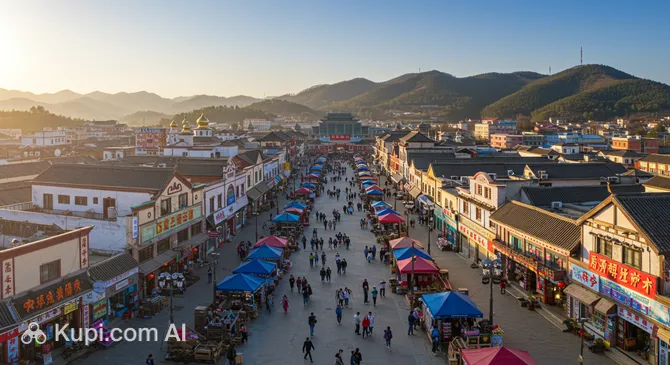
Suifenhe. Source: Kupi.Binoculars

Visitors are often drawn to the city's unique architectural landscape, where historical buildings showcase the area's cross-cultural heritage. Shopping is a major activity here, especially at the lively Russian commodity markets where tourists can find imported goods and souvenirs. For nature enthusiasts, the nearby National Forest Park offers excellent skiing opportunities during the winter months, making it a versatile destination for different interests.

Whether you are interested in cross-border culture, shopping for unique items, or enjoying winter sports, Suifenhe welcomes you with open arms. It is a perfect stop for those looking to see a different side of the country, where cultures meet in a harmonious blend.

Weather Overview

The climate in this region is marked by distinct seasonal changes, offering a varied experience for visitors throughout the year. To help you pack appropriately for your trip, it is recommended to check the detailed forecast for the weather in Suifenhe. Generally, the city experiences a continental climate where the contrast between the frozen winter months and the pleasant summer season is quite pronounced.

Winters here are rigorous and dry, typically spanning from November to March. January is the coldest month, with average temperatures dropping to -15.3°C and minimums plunging as low as -20.4°C. During this period, precipitation is extremely low, often recorded as 0mm, resulting in a cold but crisp atmosphere. Travelers visiting in winter should bring heavy thermal clothing to handle the freezing conditions.

By contrast, the summer months bring warmth and higher humidity. July is usually the warmest time of year, featuring an average temperature of 21.3°C and daily highs reaching around 25.4°C. This season is also when the city receives the most moisture; June, for example, can see up to 19 wet days. Expect warm summers with frequent rain and cold, dry winters, so timing your visit depends largely on your preference for snow or sunshine.

Interesting Facts

Beyond the main attractions, Suifenhe holds many fascinating secrets that highlight its unique position as a cultural bridge between nations. Here are some intriguing facts that make this border city truly special:

  • Suifenhe is distinct for being the first city in China to officially authorize the circulation of the Russian ruble alongside the renminbi. Since becoming a pilot zone for this currency experiment in 2013, it has allowed designated shops and businesses to accept the foreign currency directly, greatly facilitating cross-border trade.

  • The city is home to a significant piece of railway history, specifically the Old Suifenhe Railway Station built in 1899. This structure is a rare example of Russian Art Nouveau architecture in the region and serves as a tangible reminder of the city's origins as a key stop on the historic Chinese Eastern Railway.

  • Visitors walking through the downtown area will notice that the cityscape is almost entirely bilingual. Street signs, shop fronts, and advertisements prominently feature both Chinese characters and Cyrillic script, creating an atmosphere that feels like a seamless blend of two different countries.

  • Suifenhe is frequently referred to as the "Capital of Wood" due to its massive role in the timber trade. It serves as the largest distribution center for imported timber in the country, with vast quantities of wood passing through its port to supply furniture and construction industries nationwide.

How to Get There

Reaching this bustling border trade center is becoming increasingly convenient due to improved transport infrastructure. Whether you are traveling for business or leisure, there are several routes to consider. For a comprehensive guide on all available transport options, you can read more about how to get to Suifenhe on our detailed page.

The most direct way to arrive by air is via the Suifenhe Dongning Airport (HSF). This regional airport serves the city directly and is conveniently located approximately 25 km from the city center. A taxi or shuttle bus from here typically takes about 40 to 50 minutes. For travelers looking for more flight connections, the Mudanjiang Airport (MDG) is a significant alternative. Situated in the city of Mudanjiang, it is roughly 126 km away from Suifenhe. Travel from Mudanjiang to Suifenhe generally involves a train or bus ride, taking roughly 2 to 3 hours.

Another major international hub in the vicinity is Knevichi (VVO), located in Vladivostok, about 138 km from Suifenhe. While it handles a large volume of passengers, keep in mind that this airport is across the border, so appropriate travel documents for crossing between countries would be required.

For clarity, here is a summary of the main airports nearby:

Airport Name City Passenger Traffic Km from City
Knevichi Vladivostok High 138.3
Yanji Chaoyangchuan Airport Yanji Medium 218.4
Mudanjiang Airport Mudanjiang Medium 126.4
Suifenhe Dongning Airport Suifenhe Medium 24.8
Jixi Airport Jixi Small 97.8

Regarding rail travel, the region is well-connected, though the closest major hubs listed in the surrounding area are located in neighboring cities. The Ussuriysk Railway Station is a notable node situated in Ussuriysk, approximately 95 km from Suifenhe. Another option is the Sibirtsevo Railway Station in Chernigovka, which is about 105 km away. Travelers arriving at these stations would typically need to arrange for cross-border transport or local transfers to reach Suifenhe.

Below is a list of the nearest railway stations listed for the region:

Station City Passenger Traffic Km to Center
Ussuriysk Railway Station Ussuriysk Medium 95.1
Spassk-Dalny Railway Station Spassk-Dalny Small 134.8
Sibirtsevo Railway Station Chernigovka 105.4
Artem Railway Station Artem 142.9
Ugolnaya Station Artem 143.3

Main Attractions

Suifenhe is a city where history and geography have converged to create a unique set of landmarks. The local tourism scene is dominated by its proximity to the border and its rich architectural heritage. Visitors here can explore a mix of natural beauty, historical Russian-style buildings, and bustling trade areas that define the city's character.

One of the most prominent sites is the Suifenhe National Forest Park. Located just a short drive from the city center, this expansive natural area is a favorite destination for outdoor enthusiasts throughout the year. In the winter, it transforms into a premier ski resort, offering well-maintained slopes that cater to both beginners and experienced skiers. During the warmer months, the park becomes a lush green retreat perfect for hiking and enjoying the fresh mountain air, making it a versatile spot for nature lovers.

For those interested in the city's architectural legacy, the St. Nicholas Church is a must-visit. While the original wooden place of worship is no longer standing, the current stone structure is a striking example of the Russian influence that permeates the region. This preserved building features distinct architectural elements that provide a picturesque backdrop for photography and offer a glimpse into the spiritual and community history of the early settlers in this border town.

Another significant historical landmark is the Great White Building (Da Bai Lou). This elegant structure stands as a testament to the city's strategic importance in the early 20th century. Originally built as a residence and administrative center for high-ranking officials of the Chinese Eastern Railway, it showcases a distinct European style that contrasts beautifully with nearby modern architecture. Today, it serves as a reminder of the vital railway history that helped shape Suifenhe into the "Golden Passage" it is known as today.

Finally, no trip to the city is complete without experiencing the Suifenhe Port Scenic Area. This area surrounds the monumental national gateway (Guomen) that marks the border crossing. It is a place of great symbolic value, where tourists can stand at the very edge of the country. The site offers impressive views of the border infrastructure and the railway lines that connect the two nations, providing a tangible sense of the bustling trade and travel that flows through this critical checkpoint daily.

Local Cuisine

The local cuisine in Suifenhe is a fascinating culinary dialogue between two nations, blending the hearty, savory flavors of Northeast China with the rich, comforting traditions of Russia. This unique "border flavor" makes the city a gastronomic destination in its own right, where you can enjoy authentic Russian staples alongside classic Dongbei dishes. The fusion is so seamless that many restaurants offer bilingual menus, allowing diners to experience the best of both worlds in a single meal.

One of the most iconic foods you will encounter here is Dalieba, a large, round loaf of Russian-style rye bread. Unlike the soft, sweet breads found elsewhere in the country, Dalieba is dense, chewy, and slightly sour, with a hard crust that pairs perfectly with local smoked sausages or butter. Another must-try is Shashlik, or large meat skewers. While derived from the Russian tradition of grilling marinated meat, the local version is often seasoned with cumin and chili powder, creating a mouthwatering fusion that is best enjoyed hot off the charcoal grill. For a classic Chinese dish, do not miss Guobaorou (Sweet and Sour Pork), featuring crispy fried pork slices coated in a tangy sauce, which is a beloved staple of the region.

When it comes to beverages, the city offers a distinct selection that reflects its geography. Kvass is omnipresent here; this fermented non-alcoholic drink made from rye bread has a unique, slightly fizzy taste that is incredibly refreshing, especially during the warm summer months. For those looking for something stronger, the local drinking culture embraces both Chinese Baijiu and Russian Vodka, often enjoyed during communal meals to ward off the winter chill. You will also find excellent regional beers that complement the hearty local food perfectly.

The food culture in Suifenhe is vibrant and accessible, ranging from elegant western-style establishments to bustling street stalls. Tourists often flock to Russian restaurants, where the decor features heavy wooden furniture and intricate patterns, serving classics like Borscht (red beet soup) and creamy beef stews. For a more grounded experience, the morning markets are a hub of activity. Here, locals grab a quick breakfast of fried leek dumplings or warm soy milk while vendors sell fresh produce and imported Russian snacks like chocolate and honey.

Travel Tips

Welcome to Suifenhe, a vibrant crossroads where Chinese heritage meets Russian influence, creating a travel experience quite unlike any other in the region. To help you navigate this unique border city with ease and confidence, we have compiled a set of essential practical tips for your journey.

  1. Clothing and Gear: The weather in Suifenhe dictates your wardrobe choices entirely. If you visit between November and March, be prepared for severe cold; heavy down jackets, thermal layers, hats, gloves, and non-slip boots are mandatory as temperatures drop well below freezing. Summers are pleasant but can be rainy, so a light waterproof jacket or umbrella is recommended. Since you will likely do a lot of walking around the markets and hilly streets, bring comfortable, sturdy walking shoes.
  2. Transportation: Given the city's relatively small population of around 60,000, there is no metro system, but getting around is straightforward. Taxis are the most convenient and affordable option, often costing very little for trips within the city center. Walking is also a great way to explore the downtown area. Ride-hailing apps like DiDi are available, but flagging down a taxi is usually just as fast in this compact city.
  3. Finances: The official currency is the Chinese Renminbi (RMB/CNY). Uniquely, Suifenhe is one of the few places in China where the Russian Ruble is also widely accepted in designated shops and markets due to the heavy cross-border trade. While international credit cards are accepted in major hotels, daily life runs on digital payments (Alipay or WeChat Pay) or cash. It is wise to withdraw cash from ATMs at major banks if you haven't set up local mobile payment apps.
  4. Health and Safety: Suifenhe is generally a very safe city for tourists. Pharmacies are easily identifiable by a green cross sign, though they may not have English-speaking staff, so having a translation app or a photo of your medicine is helpful. Medical facilities are adequate for minor issues, but serious conditions might require transfer to a larger city. Always keep your passport handy, as random checks can happen near border zones.
  5. Communication: Mandarin Chinese is the primary language, but due to the city's nature, Russian is surprisingly common and often more useful than English. Many signs are bilingual (Chinese and Russian). English proficiency is relatively low outside of high-end hotels. To stay connected, purchase a local SIM card upon arrival (passport required) and download a VPN-free map app like Baidu Maps or Amap, as well as a translation tool.
  6. Local Etiquette: Locals are accustomed to foreign faces, particularly Russians, so the atmosphere is generally open and business-oriented. A simple nod or handshake is appropriate when meeting people. When shopping in the trade markets, bargaining is not just accepted but expected; do it with a smile and a friendly attitude to get the best price.
  7. What to Avoid: Strictly avoid taking photographs of border checkpoints, military personnel, or government buildings near the boundary line. This is a sensitive border zone, and security is tight; unauthorized photography can lead to confiscation of your camera or questioning by authorities.
  8. Shopping Insight: Suifenhe is famous for its "Russian goods" markets. However, be a discerning shopper. While many items like chocolate, honey, and crafts are authentic imports, verify the quality of higher-value items like amber or gold before purchasing. Most shops open early in the morning and close by early evening, so plan your shopping sprees for the daytime.

Armed with these practical tips, you are ready to immerse yourself in the bustling energy and cultural fusion of Suifenhe. Enjoy the unique atmosphere of this "Golden Passage" and have a safe, memorable trip!

Entertainment & Nightlife

Nightlife in Suifenhe is a unique reflection of its status as a border city, offering a vibrant mix of Chinese hospitality and Russian revelry. As the sun sets, the city lights up with neon signs in both Chinese and Cyrillic, creating an atmosphere that feels surprisingly international for a town of its size. The evening entertainment scene here is less about thumping techno clubs and more about lively social dining, karaoke (KTV), and cultural fusion, where beverages flow freely and cross-border friendships are forged over hearty meals.

The heart of the evening action can typically be found in the downtown area near the railway station and along the main commercial streets. Here, the "Russian style" is not just a theme but a way of life. The most popular way to spend a night out is at one of the city's renowned Russian-themed restaurants, which often transition from dining spots to lively party venues as the night progresses. These venues are widely appreciated by both locals and tourists for their energetic atmosphere, making them the perfect place to enjoy a heavy meal accompanied by live music and impromptu dancing.

Beyond the restaurants, the local nightlife culture is heavily centered around KTV (karaoke) clubs, which are scattered throughout the city center. These venues are where locals go to unwind, often featuring private rooms that cater to small groups of friends. For a more public and spontaneous experience, a walk through the city's central square in the early evening offers a glimpse into local life, where residents gather for group dancing and socializing under the city lights. The streets themselves are safe for night walks, though the winter chill can be biting, so dressing warmly is essential if you plan to explore on foot.

From a practical standpoint, enjoying a night out in Suifenhe is quite affordable compared to larger metropolises in China. A taxi ride across the city is inexpensive, usually costing just a few renminbi, making it easy to hop between venues. Most places accept mobile payments like WeChat Pay or Alipay, but it is wise to carry some cash, especially in smaller establishments. The city is generally very safe for tourists, but standard precautions apply; sticking to well-lit main streets and having your hotel address written in Chinese will ensure a smooth return trip.

Parks & Museums

While Suifenhe is primarily known for its bustling cross-border trade, the city also offers a surprising array of green spaces and cultural institutions that preserve its unique history. Visitors taking the time to look beyond the markets will find peaceful parks and museums that narrate the story of this "Golden Passage" connecting China and Russia.

Beihai Park is one of the city's most accessible green lungs, serving as a popular recreational spot for locals and tourists alike. Centered around a tranquil reservoir, the park features well-paved walking paths, traditional pavilions, and vibrant flower beds that bloom during the summer months. It is an excellent place to observe the daily life of residents, who gather here for morning exercises, dancing, and leisurely strolls away from the busy commercial districts.

Another natural highlight is the Riyue (Sun and Moon) Lake area. Nestled within the rolling hills surrounding the city, this scenic spot offers a more rustic escape into nature. The calm waters reflect the changing seasons, from the lush greenery of summer to the stark, snowy beauty of winter. It is an ideal location for photography enthusiasts and those seeking a quiet moment to breathe in the fresh mountain air that characterizes this region.

For a deep dive into the city's intriguing past, the Suifenhe Secret International Communication Line Memorial Hall is a significant cultural venue. This museum is dedicated to the history of the clandestine communication routes established between the Chinese Communist Party and the Soviet Union in the early 20th century. Through photographs, documents, and historical artifacts, visitors can learn about the covert operations and the pivotal role Suifenhe played as a bridge for revolutionary activities.

The Suifenhe City Museum serves as the custodian of the region's broader history. The exhibits here typically cover the development of the city from a small village to a major trade hub, with a strong focus on the construction and impact of the Chinese Eastern Railway. The collection includes railway equipment, historical maps, and items from the early Russian settlers, offering a comprehensive overview of how the convergence of cultures shaped the local identity.

In terms of historical architecture, the Russian Consulate Building (often referred to as the "Old Consulate") stands as a silent witness to the diplomatic history of the border. Although often viewed from the outside, its distinct brickwork and European design elements complement the other Russian-style heritage buildings in the city, forming an open-air gallery of early 20th-century architecture.

For a truly authentic experience, take a walk through the older residential neighborhoods near the railway tracks. Here, you might stumble upon smaller, unmarked heritage homes and stone structures that have survived the decades. These lesser-known corners offer a raw and unfiltered glimpse into the city's colonial-era past, often missed by tourists who stick solely to the main shopping streets.

Getting Around

Navigating Suifenhe is remarkably straightforward due to its compact size and modest population. Unlike China's sprawling metropolises, this border city does not have a metro, tram, or light rail system. Instead, the public transport network relies entirely on a system of buses and an abundance of affordable taxis, making it easy for visitors to move between the railway station, the trade markets, and the city center.

The public bus system serves as the backbone of local transit. There are several lines that cover the main arterial roads, connecting key locations such as the railway station and the major shopping districts. These buses are generally clean and run frequently during the day. For tourists, the routes are relatively simple to understand since most activity is concentrated in the downtown area. A bus ride is incredibly uniform in price, typically costing just 1 RMB per trip regardless of the distance traveled.

Regarding payment, the system is modernized but still accommodates cash. If you are taking the bus, you can pay by dropping a 1 RMB coin or bill into the fare box upon entry. It is essential to have exact change, as drivers do not carry change. For those with access to Chinese digital tools, scanning a QR code via WeChat Pay or Alipay is the standard method for locals. There are no specific tourist travel passes or day cards for the bus system, given the low cost and simplicity of the network.

Taxis are arguably the most popular and convenient option for visitors. Because the city is small, taxi fares are extremely low compared to other regions. It is common for rides within the city limits to cost a flat rate or a very low metered fare, often starting around 5 to 10 RMB. You can hail a taxi easily on the street, or use ride-hailing apps like DiDi if you have them installed. Taxis are available 24 hours a day, whereas the bus service typically winds down in the early evening, around 6:00 PM or 7:00 PM.

For a more leisurely pace, walking is a viable alternative, though visitors should be aware of the city's geography. Suifenhe is built on hilly terrain, so expect some inclines as you explore the streets. However, the distances between the main Russian markets and hotels are often short enough to cover on foot. While there are no shared bike schemes due to the steep roads and harsh winters, the compact nature of the downtown area makes walking a pleasant way to soak in the unique architecture.

A practical tip for tourists is to have the name of your destination written in Chinese characters. While many locals interact with Russian traders, English proficiency among bus drivers and taxi drivers is limited. Showing a written address or a location on a map app will ensure you get to your destination without hassle. Additionally, always carry small denominations of cash if you plan to use the buses, as finding change early in the morning can be difficult.

Accommodation

Accommodation in Suifenhe is largely tailored to its identity as a bustling border trade hub. The city offers a functional range of lodging options, primarily catering to business travelers, cross-border traders, and tourists passing through. Visitors will mostly find mid-range business hotels and budget-friendly guesthouses. While you will not find ultra-luxury international hotel chains here, there are several comfortable, higher-end local establishments that offer good amenities, including restaurants serving both Chinese and Russian cuisine.

The most convenient area to stay is undoubtedly the city center, particularly near the Railway Station and the main commercial districts. Staying in this area places you within walking distance of the famous Russian commodity markets, the central square, and a variety of dining options. Given the city's hilly terrain and compact size, choosing a central hotel minimizes the need for taxis and allows you to easily explore the unique streetscapes on foot.

Many hotels in Suifenhe are culturally unique, often featuring bilingual signage in Chinese and Russian to accommodate their frequent neighbors. It is common to find hotels equipped with facilities popular among Russian visitors, such as saunas and large banquet halls. The service style is generally practical and efficient, reflecting the commercial nature of the city.

Regarding costs, accommodation in Suifenhe is quite affordable compared to major Chinese metropolises. Budget options can be found for very reasonable prices, while even the top-tier local hotels fall into what would be considered a mid-range price bracket elsewhere. Booking is best done through major international or Chinese online travel platforms to ensure the property is licensed to host foreign guests, as some smaller inns may only accept domestic ID cards.

Booking Tip: Although the city rarely sees the overcrowding found in major tourist hubs, it is advisable to book your room in advance if you are visiting during the peak summer months or the winter ski season. Additionally, carrying a printed booking confirmation in Chinese is highly recommended to assist taxi drivers in finding your hotel quickly.

Nearby Cities

For those looking to explore the surroundings, Suifenhe serves as an excellent base for day trips to several interesting nearby locations:

One of the most notable destinations is Mudanjiang, located approximately 122 km away. As the regional hub, it offers a wider array of urban amenities and cultural sites compared to the border town. The city is best known as the gateway to the stunning Jingpo Lake, a volcanic barrier lake that is beautiful in both summer and winter. During the colder months, Mudanjiang also hosts impressive snow castle exhibitions, offering a magical winter experience that rivals larger festivals in the province.

Another excellent option for nature enthusiasts is Jixi, situated roughly 99 km from Suifenhe. This city is famous for its proximity to Xingkai Lake (known as Lake Khanka across the border), which is a massive body of water shared between China and Russia. The lake area is a haven for birdwatching, fishing, and enjoying serene wetland scenery, providing a peaceful retreat from the bustling trade atmosphere of the border.

City Population Distance (km)
Mudanjiang 2798723 122
Jiamusi 2552097 273
Jixi 1862165 99
Shuangyashan 1462626 248
Shangzhi 585386 267

These nearby destinations offer a glimpse into the diverse culture and landscapes of the region.

Shopping & Souvenirs

Shopping in Suifenhe is a distinctive experience that revolves entirely around its status as a bustling border trade hub. Known as the "Capital of Russian Goods" in China, the city serves as a massive commercial gateway where products from both nations flow freely. For tourists, this means access to a fascinating array of imported Russian commodities—from food and liquor to handicrafts—often at prices significantly lower than in other parts of the country. The atmosphere is less about high-end luxury boutiques and more about vibrant wholesale trade centers and lively markets.

The heart of the commercial action is located in the city center, particularly along the pedestrian-friendly streets surrounding the central square and the railway station. This area is packed with shops, independent boutiques, and signboards written in both Chinese and Cyrillic. A stroll down these streets offers a sensory overload of commerce, where loudspeakers often announce daily deals and shop owners converse fluently in Russian with cross-border visitors.

Unlike the modern, glass-clad shopping malls found in Beijing or Shanghai, Suifenhe's large retail spaces are typically multi-story trade centers. One of the most prominent is the Qingyun Market, a massive complex known for clothing, textiles, and light industrial products. These centers function somewhat like indoor bazaars where bargaining is common, and the variety of goods is overwhelming. They are excellent places to observe the sheer volume of trade that defines the city's economy.

For a more specialized experience, the Russian Goods Markets are the main attraction for domestic tourists. The Igor (Yiguer) Market is particularly famous, serving as a wholesale and retail distribution point for imported items. Here, you can wander through aisles stacked high with foreign products. Additionally, the local Morning Market is a must-visit for early risers. It offers a slice of local life where farmers sell fresh produce, wild mushrooms from the nearby mountains, and freshly caught river fish, providing a stark contrast to the imported goods found in the trade centers.

When it comes to souvenirs, Suifenhe offers items you won't easily find elsewhere in China. The most popular purchases include Russian food items such as honey, chocolate, candies, and the famous "Dalieba" bread. Russian vodka and beer are also widely available and very affordable. For non-food items, look for amber jewelry, tin crafts, military-style binoculars, and nesting dolls (Matryoshka). The city is also known for "purple gold" (a type of Russian gold), though visitors should purchase high-value items from reputable stores to ensure authenticity.

Stores in Suifenhe generally open around 9:00 AM and close between 5:00 PM and 6:00 PM, which is earlier than in many southern Chinese cities. However, restaurants and some shops in the nightlife districts stay open much later. Payment methods are highly digital; WeChat Pay and Alipay are universally accepted. A unique feature of Suifenhe is that the Russian Ruble is often accepted alongside the Chinese Renminbi (RMB) in many trade-focused establishments, reflecting the deep economic integration of the region.

Tourists interested in duty-free shopping should inquire about the Suifenhe Comprehensive Bonded Zone. This designated area allows for the purchase of imported goods with favorable tax policies. It is a popular spot for visitors looking to buy authentic foreign products, including cosmetics, food, and beverages, at competitive prices without the standard import duties.
Reached the end of the page?

That means the route is fully explored