Support

Mudanjiang

About

Nestled in the southeastern part of Heilongjiang Province, Mudanjiang is a dynamic city that serves as a gateway to some of the most breathtaking natural landscapes in Northeast China. Often referred to as a "Snow City" due to its long, picturesque winters, this destination offers a unique blend of urban energy and serene wilderness. With a population of approximately 2.8 million residents, it stands as an important regional hub that harmoniously combines industrial development with tourism appeal.

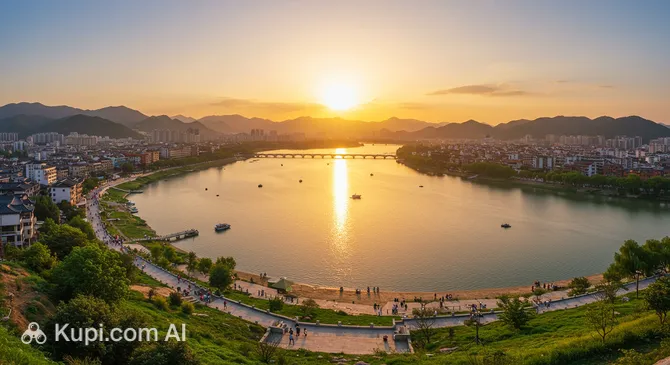
Mudanjiang. Source: Kupi.Binoculars

Geographically, Mudanjiang is situated in a basin surrounded by mountains, creating a distinct humid continental climate. Summers are warm and pleasant, making it a great escape from the heat elsewhere, while winters transform the region into a snowy wonderland perfect for ice and snow activities. Exploring the local culture reveals a fascinating past; the history of Mudanjiang is deeply intertwined with the development of the railway and its strategic position near the Russian border, resulting in a rich tapestry of cultural influences.

Travelers are primarily drawn to the city's spectacular surroundings, most notably the famous Jingpo Lake. This stunning volcanic barrier lake is renowned for its crystal-clear waters and the majestic Diaoshuilou Waterfall, which offers different but equally mesmerizing views in every season. Another natural marvel is the Underground Forest, formed inside ancient volcanic craters, providing a hiking experience unlike any other.

Whether you are seeking outdoor adventures among volcanic landscapes or looking to experience the charm of Northern Chinese culture, Mudanjiang welcomes you with open arms. It is an ideal stop for those wanting to discover the hidden gems of the Heilongjiang region.

Weather Overview

The climate in Mudanjiang is defined by distinct seasonal contrasts, offering travelers a variety of experiences depending on when they visit. The city typically experiences a continental climate characterized by comfortable, warm summers and long, freezing winters. For detailed forecasts and seasonal averages to help plan your trip, you can check the current weather in Mudanjiang.

Winter is the coldest period, particularly in January, when the average temperature drops to approximately -15.7°C and nighttime lows can plunge to -20.9°C. Conversely, summer brings pleasant warmth; July is usually the hottest month, with average temperatures of around 22.1°C and highs reaching 26.3°C. Precipitation is most frequent during the warmer season, with August seeing up to 18 wet days, while the winter months remain largely dry. Expect warm summers with frequent rain and very cold, dry winters ideal for enjoying the region's famous snow scenery.

Interesting Facts

Beyond the main attractions, Mudanjiang holds many fascinating secrets that reveal its deep historical roots and unique cultural tapestry. Here are a few intriguing details that add depth to this northern destination:
  • A Misleading Name: Although the Chinese characters for "Mudanjiang" literally translate to "Peony River," the name has nothing to do with flowers. It actually originates from the Manchu phrase "Mudan bira," which means "meandering river," perfectly describing the winding path of the waterway that cuts through the city.

  • Ancient Imperial Capital: Long before the modern city existed, this region was the heart of the powerful Balhae (Bohai) Kingdom. The ruins of its ancient capital, Shangjing Longquanfu, modeled after the Tang Dynasty's capital, can still be found in nearby Ning'an, offering a glimpse into a civilization that thrived over a millennium ago.

  • Tiger Sanctuary: The area is home to the Hengdaohezi Feline Breeding Center, which is the largest breeding base for Siberian tigers in the world. This facility plays a critical role in the conservation of this endangered species, housing hundreds of these majestic "Kings of the Forest."

  • Unique Railway Heritage: The town of Hengdaohezi also preserves a rare piece of architectural history: a fan-shaped steam locomotive depot built by the Russians in 1903. It stands as a unique testament to the era of the Chinese Eastern Railway and is one of the few remaining structures of its kind in the world.

How to Get There

Reaching this northern destination is convenient thanks to its well-connected transport hubs. Whether you are arriving by air or considering an overland journey from the surrounding regions, there are several options to suit your itinerary. For a comprehensive guide on all available routes and travel tips, you can read more about how to get to Mudanjiang.

The most direct way to visit is by flying into Mudanjiang Airport (MDG). Conveniently located within the city limits, it is just 6.0 km from the center. A taxi or bus ride from the airport is very quick, typically taking around 30 minutes. This airport serves as the primary gateway for most tourists, handling a significant number of passengers annually and offering good connections.

Alternatively, you can fly into Suifenhe Dongning Airport (HSF), which is situated in the neighboring city of Suifenhe, approximately 97.0 km from Mudanjiang. Travelers opting for this route should expect a ground transfer time of about 2 hours and 45 minutes. While smaller than the main city airport, it provides a viable alternative for accessing the region.

For clarity, here is a summary of the main airports in the vicinity:

Airport Name City Passenger Traffic Km from City
KnevichiVladivostokLarge239.1
Yanji Chaoyangchuan AirportYanjiLarge186.1
Mudanjiang AirportMudanjiangMedium6.0
Suifenhe Dongning AirportSuifenheSmall97.0
Jixi AirportJixiSmall148.2

Mudanjiang is well-integrated into China's domestic railway network, featuring a modern station with high-speed connections to provincial hubs like Harbin. However, for international travelers planning a multi-country itinerary or approaching via the land border from the Russian Federation, nearby Russian rail hubs can serve as important transit points. Vladivostok Railway Station in Vladivostok is a major option, located approximately 239.1 km away. Another accessible hub for cross-border travelers is the Ussuriysk Railway Station, situated about 205.5 km from the city.

Below is a list of the closest railway stations available in the neighboring border region:

Station City Passenger Traffic Km to Center
Vladivostok Railway StationVladivostokLarge239.1
Ussuriysk Railway StationUssuriyskMedium205.5
Sibirtsevo Railway StationChernigovka227.0
Artem Railway StationArtem242.3
Ugolnaya StationArtem239.3

Main Attractions

Mudanjiang is a city defined by its dramatic volcanic geology and pristine wilderness, offering a mix of natural wonders that change profoundly with the seasons. From mirror-like lakes formed by ancient eruptions to dense forests hiding in craters, the region provides a stunning backdrop for exploration. Below are some of the most captivating places to visit in and around the city.

Jingpo Lake is undoubtedly the crown jewel of the region. Known as "Mirror Lake," this vast body of water was created thousands of years ago when volcanic lava blocked the Mudan River. It is famous for its crystal-clear waters that reflect the surrounding mountains and rugged cliffs. Visitors can take boat tours to appreciate the serene scenery or hike along the shores to see the rugged basalt formations that hint at the area's fiery past.

Located at the northern outlet of Jingpo Lake, the Diaoshuilou Waterfall is often compared to Niagara Falls for its impressive width and power. In summer, the water crashes down into the Black Dragon Pool with a thunderous roar, creating a misty spectacle. In winter, the waterfall freezes into a magnificent curtain of ice, attracting photographers from around the world. A unique highlight here is the daily cliff-diving performance, where a local daredevil leaps into the waters below, a tradition maintained for decades.

For a truly unique natural phenomenon, the Crater National Forest Park, also known as the "Underground Forest," is a must-see. Located about 50 kilometers from Jingpo Lake, this area features a cluster of dormant volcanic craters. Over centuries, lush forests have grown inside these deep pits, creating a "sunken" forest effect. Walking along the wooden boardwalks that rim the craters offers a fascinating perspective on how life flourishes in the aftermath of volcanic activity.

Wildlife enthusiasts should not miss the Hengdaohezi Siberian Tiger Park. As one of the world's largest breeding centers for the endangered Siberian tiger, this facility plays a crucial role in conservation. Visitors can take protected bus tours through the park to see these majestic big cats roaming in a semi-wild environment. It offers a rare opportunity to observe the "King of the Forest" up close, particularly impressive against the snowy backdrop of a Heilongjiang winter.

During the winter months, the Mudanjiang Snow Castle on Jiangxin Island transforms the city into a frozen fairytale. While Harbin is famous for its ice, Mudanjiang specializes in massive, intricate snow sculptures. This seasonal attraction features enormous castles, slides, and artistic figures carved entirely from snow, illuminated by colorful lights at night, making it a magical experience for families and winter lovers.

Local Cuisine

The culinary scene in Mudanjiang is a delightful reflection of its geography, blending the hearty, savory flavors of Northeast China (Dongbei) with distinct Korean influences and fresh bounty from local waters. The food here is characterized by generous portions, rich sauces, and an emphasis on warmth and comfort, making it perfect for the region's cool climate. Whether you are dining in a bustling downtown restaurant or a lakeside eatery, the local gastronomy promises a satisfying experience.

A definitive highlight for any visitor is the famous Jingpo Lake Fish Feast. Sourced from the cold, deep waters of the volcanic lake, the fish here is celebrated for its exceptionally tender texture and fresh taste. Chefs prepare the catch in various ways, from braising and steaming to deep-frying, but the spicy stewed fish is particularly popular. The Crucian carp soup is another delicacy, renowned for its milky white broth and rich flavor, often considered a nutritious treat by locals.

As a city in Heilongjiang, Mudanjiang excels in classic Dongbei dishes. Guo Bao Rou (Double Cooked Pork Slices) is a staple you must try; it features crispy, deep-fried pork coated in a sweet and sour sauce that is lighter and tangier than southern variations. Another comfort food is the Hazel Mushroom Stew with Chicken, which utilizes wild mushrooms gathered from the surrounding forests, offering an earthy and aromatic flavor profile that perfectly represents the local terroir.

Due to the city's diverse demographics and proximity to the border, there is a strong presence of Korean-style cuisine. Cold Noodles (Leng Mian) are a favorite, especially in summer; these chewy buckwheat noodles are served in a chilled, tangy beef broth topped with kimchi, cucumber, and slices of beef. You will also find excellent stone pot bibimbap and spicy pickled vegetables accompanying many meals, adding a zesty kick to the savory local palate.

The dining culture in Mudanjiang is social and lively, often centered around shared plates and street food. In the evenings, the air fills with the scent of BBQ skewers (Shao Kao), a beloved local pastime. Locals gather at night markets to enjoy grilled lamb, beef, and vegetables seasoned with cumin and chili. These meals are typically washed down with a cold bottle of Harbin Beer, the region's most iconic lager, or a glass of strong Baijiu (sorghum liquor) to ward off the winter chill.

Travel Tips

Preparing for a trip to Mudanjiang requires a bit of foresight, especially given its distinct climate and deep-rooted local customs. To ensure your journey through this captivating "Snow City" is as smooth as the frozen surface of Jingpo Lake, here are some essential practical tips to help you navigate with confidence.

  1. Clothing and Gear: If you are visiting between November and March, prepare for extreme cold. You will need high-quality thermal underwear, a heavy down jacket, a windproof hat, and waterproof boots with good traction for icy streets. In contrast, summers are warm and humid, so light, breathable fabrics are best. Always bring a universal power adapter (Type A, C, or I) for your electronics.
  2. Transportation: Taxis are the most convenient way to get around and are quite affordable compared to Western standards. Ride-hailing apps like DiDi (often available in English) are highly recommended. Public buses are extensive and cheap (usually 1 or 2 CNY), but routes are listed only in Chinese, so have your destination written down in characters to show the driver.
  3. Finances: The local currency is the Renminbi (CNY). China is a nearly cashless society; most vendors, from malls to street stalls, prefer mobile payments like Alipay or WeChat Pay. It is crucial to set these up and link your international card before you arrive. Carry some cash for backup, but do not rely on international credit cards, as they are rarely accepted outside major hotels.
  4. Health and Safety: Mudanjiang is a very safe city for tourists. Pharmacies are easy to identify by a green cross sign, though prescriptions may be required for certain medications. The biggest safety risk is often the weather; in winter, sidewalks can be incredibly slippery, so walk carefully (do the "penguin walk") and stay hydrated despite the cold.
  5. Communication: Mandarin is the primary language, and English is not widely spoken outside of high-end hospitality venues. A reliable translation app (like Baidu Translate or Microsoft Translator) is essential for daily interactions. You can purchase a local SIM card at official China Mobile or China Unicom stores using your passport to stay connected.
  6. Local Etiquette: When greeting locals, a nod or a handshake is standard. If you are invited to a local home or a traditional restaurant with floor seating, remember to remove your shoes. At the dinner table, it is common custom for the host to order dishes for everyone to share; try a bit of everything to show appreciation.
  7. What to Avoid: Avoid leaving your chopsticks sticking vertically into a bowl of rice, as this resembles incense burning for the dead and is considered bad luck. Also, try not to lose your temper or shout in public disputes, as maintaining "face" and public harmony is culturally important.
  8. Additional Tip: If you visit during the freezing winter, look for street vendors selling frozen fruits like pears and persimmons. These rock-hard treats are a local specialty; you must let them thaw in a bowl of cold water until a layer of ice forms on the skin (which you then break off) before eating the sweet, sorbet-like flesh inside.

With these practical insights in hand, you are well-equipped to embrace the unique charm and adventures that await in Mudanjiang. Pack your warmest layers, download your maps, and get ready to enjoy the warm hospitality of Northeast China!

Entertainment & Nightlife

While Mudanjiang is widely known for its snowy landscapes and natural wonders, the city also offers a warm and welcoming nightlife scene that comes alive after the sun sets. Unlike the frenetic 24-hour party vibe of larger metropolises like Beijing or Shanghai, the evening entertainment here is more laid-back and social, deeply rooted in the local culture of dining, singing, and gathering with friends. The nightlife is heavily influenced by the city's proximity to the Korean peninsula and its chilly climate, which encourages cozy indoor activities.

The heart of the action can typically be found in the Dong'an District, particularly around the bustling Taiping Road. This pedestrian-friendly area serves as the commercial spine of the city, lined with shopping malls, eateries, and bright neon lights. In the evenings, locals flock here to stroll, shop, and enjoy the vibrant atmosphere. For a more modern entertainment experience, the area around Wanda Plaza is a major hub. This large complex is a one-stop destination featuring a high-end cinema, numerous restaurants, and several KTV (karaoke) lounges, which are the most popular form of nightlife entertainment in the region.

If you are looking for a specific place to experience local culture, the Mudanjiang Grand Theatre is a standout venue. Located near the river, this architectural landmark hosts a variety of performances, ranging from traditional Chinese operas and symphonies to modern stage plays. It provides a sophisticated evening out for travelers interested in the arts. Another popular spot for a relaxed evening is People's Park. In the warmer months, the park transforms into a lively social space where residents gather for public square dancing, exercise, and leisurely night walks under the illuminated trees.

Food is an integral part of the nightlife here, and no night out is complete without experiencing a traditional night market or barbecue street. Due to the strong Korean influence, you will find many restaurants serving authentic Korean BBQ and spicy dishes late into the night. The "Shao Kao" (Chinese BBQ) culture is legendary in Northeast China; look for busy streets filled with the smoke of charcoal grills where you can enjoy skewers of lamb, beef, and vegetables accompanied by local Harbin beer. It is a loud, friendly, and delicious way to mix with the locals.

For those planning to explore the city at night, safety is generally not a concern, as Mudanjiang is quite safe for tourists. Taxis are plentiful and affordable, making them the best way to get from your hotel to dinner or a KTV venue. Ride-hailing apps are also widely used. However, be mindful of the weather: winter nights can be bitterly cold, so dressing in heavy layers is essential if you plan to walk between venues.

During the daytime, the city offers a different pace of entertainment. Visitors can explore the Mudanjiang Museum to learn about the region's history, including the ancient Balhae Kingdom, or take a day trip to the scenic Jingpo Lake. Whether you are enjoying a cultural performance or sharing a meal of grilled skewers, the evenings in Mudanjiang offer a genuine slice of Northern Chinese life.

Parks & Museums

While Mudanjiang is often celebrated for its winter sports and volcanic landscapes, the city itself offers a variety of green spaces and cultural institutions that provide a deeper understanding of the region. Visitors taking a break from the slopes or the hiking trails will find well-maintained parks perfect for relaxation, as well as museums that preserve the area's unique history, ranging from ancient kingdoms to local folk traditions.

One of the most popular outdoor spots is Beishan Park (North Mountain Park), a scenic area that offers a refreshing escape within the city limits. As the city's largest comprehensive park, it features lush forested trails, traditional pavilions, and a prominent temple complex. It is the ideal vantage point for tourists; a hike to the summit rewards you with a panoramic view of the entire city and the winding Mudan River below. In the mornings, the park comes alive with locals practicing Tai Chi and dancing, offering a genuine slice of daily life.

For a leisurely stroll by the water, Jiangbin Park is the place to be. Stretching along the banks of the Mudan River, this promenade is a favorite among residents for evening walks and summer breezes. The park is beautifully landscaped with flower beds and sculptures, including the iconic "Eight Heroines" monument, which commemorates a significant moment in local history. It serves as a green corridor connecting the urban center with the natural flow of the river, making it a peaceful spot to watch the sunset.

To delve into the rich cultural tapestry of the region, a visit to the Mudanjiang Museum is highly recommended. This facility houses a diverse collection that spans the geological formation of the volcanic region to the human history of the area. Exhibits often include artifacts from the ancient Balhae (Bohai) Kingdom, ethnic costumes from the Manchu and Korean communities, and historical photographs documenting the city's development as a railway hub. It provides essential context for understanding the unique blend of cultures in Heilongjiang.

History enthusiasts willing to venture slightly further afield should explore the Museum of the Bohai Kingdom, located near the ancient ruins of Shangjing Longquanfu. This site was once the capital of a flourishing medieval kingdom over a thousand years ago. The museum displays exquisite pottery, roofing tiles, and architectural remnants that showcase the sophistication of this lost civilization, offering a fascinating contrast to the modern industrial city nearby.

For a truly authentic experience, try visiting People's Park during the winter months. While it is a standard green space in summer, in winter it often hosts dazzling ice lantern displays and snow sculptures on a smaller, more intimate scale than the massive festivals. It is a charming spot where you can see children playing on ice slides and locals enjoying the snow in a relaxed, community-focused atmosphere.

Getting Around

Navigating Mudanjiang is relatively straightforward, as the city is compact and well-served by a reliable network of public vehicles. The primary mode of public transportation for residents and visitors alike is the bus system. Unlike larger metropolises, the city does not currently operate a metro or tram system, meaning buses are the backbone of the daily commute. The fleet is generally modern, and the route network is extensive, effectively connecting key districts, the railway station, and major tourist spots like parks and shopping centers.

For most travelers, the cost of getting around is incredibly affordable. Bus fares are typically fixed at a flat rate of 1 CNY or 2 CNY per ride, regardless of the distance traveled. Payment is made immediately upon boarding at the front door. While locals often use rechargeable IC cards, tourists are best advised to use mobile payment apps like Alipay or WeChat Pay. These platforms feature "Transport" codes that you can scan at the terminal next to the driver. If you prefer to use cash, you must have the exact change ready to drop into the fare box, as drivers do not handle money and cannot provide change.

Taxis offer a comfortable and flexible alternative, which is especially valuable during the freezing winter months when waiting at an outdoor bus stop can be challenging. Taxis are plentiful and can be easily hailed on the street; look for the illuminated light on the roof indicating availability. The fares are metered and start at a low base rate, making them a cost-effective option for short trips or when carrying luggage. For a more seamless experience, ride-hailing apps like DiDi are widely used, allowing you to input your destination digitally and avoid communication difficulties.

When planning your daily itinerary, keep in mind that the operating hours for public transport here are often shorter than in major capital cities. Most bus lines begin service around 6:00 AM but may stop running as early as 7:00 PM or 8:00 PM, with only a few main routes operating later into the evening. Therefore, if you are enjoying the nightlife or dining out late, you should plan to take a taxi back to your accommodation.

A crucial tip for international visitors is to always have your destination written in Chinese characters. Bus stop signs and route maps are almost exclusively in the local language, and taxi drivers rarely speak English. Showing the driver a card or a screenshot of the location name on your phone will save you significant time and confusion. Additionally, be aware that during winter, traffic can be slower due to icy road conditions, so it is wise to allow extra travel time if you have a scheduled train or flight to catch.

For short distances during the warmer months, you will likely see shared bicycles parked along the sidewalks. These bike-sharing services, accessible via scanning a QR code with your mobile payment app, are a popular way to explore the riverfront or navigate the city center at your own pace. However, please note that these bikes are often removed or become much less practical during the winter season due to heavy snow and ice on the roads.

Accommodation

Accommodation in Mudanjiang covers a broad spectrum, catering to everyone from budget-conscious backpackers to travelers seeking comfort and luxury. As a key regional hub and tourist destination, the city offers a mix of modern high-rise hotels, reliable business chains, and smaller, family-run guesthouses. Whether you are visiting for the winter snow festivals or a summer retreat by the lake, you will find suitable lodging that balances quality with generally affordable rates compared to China's larger metropolises.

The most convenient area for tourists is undoubtedly the City Center, particularly around the Dong'an and Xi'an districts. Staying here puts you in the heart of the action, with easy access to the Mudanjiang Railway Station, bustling shopping streets like Taiping Road, and a wide variety of restaurants. This location is ideal for those who want to explore the urban culture and have seamless transport links to the airport and outlying attractions.

For a completely different experience, many travelers choose to stay near Jingpo Lake, located about 80 to 100 kilometers from the city center. This area is perfect for nature lovers who want to wake up to scenic views of the water and mountains. Accommodation here ranges from upscale resorts with lake views to traditional "Nongjiale" (farm stays), where you can experience rustic local hospitality and authentic home-cooked meals. Keep in mind that staying here isolates you from the city's conveniences, so it is best suited for the nature-focused leg of your trip.

Booking Tip: While there is usually plenty of availability, the city sees a significant influx of visitors during two peak seasons: the summer (July and August) for the cool lakeside weather, and the winter (December to February) for snow tourism. During these times, it is highly advisable to book your accommodation at least a few weeks in advance to secure your preferred location.

In terms of pricing, Mudanjiang is very wallet-friendly. Budget travelers can find clean, basic rooms in economy chain hotels, while mid-range options offer excellent value with amenities like hearty breakfast buffets and reliable heating—essential for the cold winters. Most bookings can be easily made through major international and Chinese online travel platforms. When booking, it is a good practice to confirm that the hotel is authorized to host international guests, as regulations can vary for smaller establishments.

Nearby Cities

Exploring the wider region around Mudanjiang reveals the diverse character of Northeast China. Located in Heilongjiang Province, the city serves as a convenient starting point for visiting other notable urban centers and scenic spots in the area. Whether you are interested in industrial heritage, winter sports, or river landscapes, the neighboring cities offer unique attractions worth a day trip or an extended stay.

Below is a list of the closest major cities, along with their distances and population sizes, to help you plan your regional itinerary:

City Population Distance (km)
Jixi 1,862,165 134
Shangzhi 585,386 151
Shulan 663,403 213
Jiamusi 2,552,097 255
Jilin City 2,396,000 259

Among these neighbors, Shangzhi is particularly notable for travelers as it serves as the gateway to the famous Yabuli Ski Resort, the largest and most prestigious ski destination in the country. Jilin City, located in the neighboring province, is renowned for its spectacular rime ice scenery along the Songhua River, which attracts photographers from all over the world during the winter months. To the east, Jiamusi stands as a major port city and agricultural hub, offering a glimpse into the bustling border trade and life along the lower reaches of the river.

Shopping & Souvenirs

Shopping in Mudanjiang offers a distinct experience that blends the convenience of modern Chinese retail with the unique flavor of a border city. While it may not rival the high-fashion luxury of Shanghai or Beijing, the city provides a fascinating array of goods that reflect its geographical position near Russia and the Korean peninsula. Visitors can expect to find bustling pedestrian streets, well-stocked department stores, and specialized markets offering everything from high-quality local agricultural products to imported curiosities.

The commercial heart of the city beats strongest along Taiping Road in the Dong'an District. This vibrant thoroughfare is the primary destination for locals and tourists alike, lined with a mix of historic department stores, brand-name boutiques, and lively eateries. Walking down this street, you can soak in the energetic atmosphere, especially in the evenings when neon lights illuminate the storefronts. It is the perfect place to window shop for clothes, electronics, and local snacks while observing the daily life of the city's residents.

For a more contemporary shopping experience, Wanda Plaza stands out as the city's premier modern mall. Located centrally, it offers a comprehensive "one-stop" environment featuring international fashion brands, a cinema, and a wide selection of restaurants. It provides a comfortable, climate-controlled refuge, which is particularly welcoming during the freezing winter months or the humid peak of summer. Another notable establishment is the Mudanjiang Department Store, a long-standing retail hub that carries a vast range of goods, from cosmetics to household items, often at competitive prices.

A unique aspect of shopping in Mudanjiang is the abundance of Russian goods. Due to the city's proximity to the border and its history as a trade hub, you will find numerous shops and markets dedicated to imported Russian products. These venues are treasure troves for tourists, selling items such as authentic Russian chocolate, vodka, heavy wool coats, amber jewelry, and classic Matryoshka dolls. Additionally, the local night markets are not just for food; they often feature stalls selling inexpensive clothing, accessories, and knick-knacks, perfect for bargain hunters.

When it comes to souvenirs, the region's agricultural specialties are the top choice. Mudanjiang is famous throughout China as the "Home of Black Fungus" (wood ear mushrooms). Buying a bag of dried black fungus or wild mushrooms gathered from the surrounding forests is a must, as the quality here is considered superior. Other popular local gifts include Ginseng and deer antler products, which are traditional Northeast Chinese health tonics. You can also find excellent Korean-style chili pastes and snacks, reflecting the area's diverse cultural influences.

Most large shopping malls and department stores operate daily from around 9:30 AM to 9:00 PM, though hours may extend slightly during holidays or summer weekends. Smaller boutiques and street stalls often stay open later. In terms of payment, digital methods are dominant; Alipay and WeChat Pay are accepted almost everywhere, from high-end counters to street vendors. While major malls may accept international credit cards, it is rare in smaller shops, so carrying some cash (CNY) is always a wise backup plan.

Regarding tax refunds, tourists should be aware that a tax-free shopping system for international visitors is not widely implemented in Mudanjiang compared to major global hubs like Beijing or Shanghai. Most purchases will include the standard tax, and refunds are generally not available at the point of sale or at the airport. It is best to assume the price you see is the final price.
Reached the end of the page?

That means the route is fully explored