Support

Talakan

About

Talakan is a unique and relatively young settlement located in the Amur Oblast of the Russian Federation. Often referred to as the "Pearl of the Bureya," this town is situated amidst picturesque hills and dense taiga, offering a distinct atmosphere that blends industrial achievement with serene natural beauty.

The settlement stands on the right bank of the Bureya River and serves as a gateway to one of the region's most significant engineering feats. Its existence is inextricably linked to the massive energy projects in the area. To understand how this modern town emerged from the wilderness, one should explore the history of Talakan, which began in the late 20th century specifically to house the builders and engineers of the local hydroelectric plant.

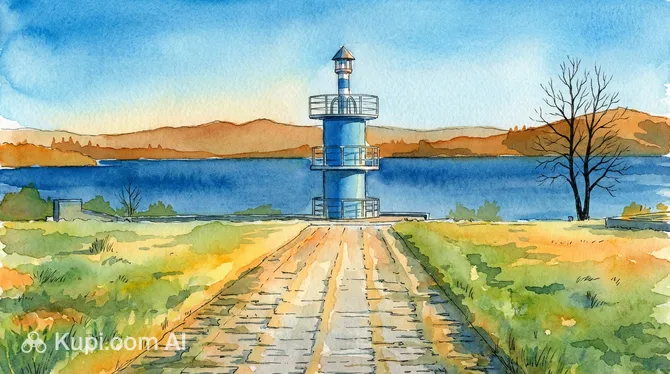
Talakan. Source: Kupi.Binoculars

Travelers are primarily drawn here to witness the grandeur of the Bureya Hydroelectric Power Station. The massive dam and the resulting reservoir, often called the "Bureya Sea," provide stunning panoramic views, especially from the local observation decks. The surrounding area is also perfect for outdoor enthusiasts, offering excellent opportunities for fishing, boating, and hiking in the pristine forest landscapes.

Whether you are interested in impressive industrial architecture or seeking a quiet retreat in nature, Talakan offers a memorable experience. It is a fascinating destination where human engineering stands in harmony with a backdrop of wild, untouched scenery.

Weather Overview

The climate in Talakan is sharply continental, characterized by distinct contrasts between the seasons. Winters are long and severe, with January being the coldest month, seeing average temperatures around -24.1°C and lows plunging to -30.0°C. Despite the deep freeze, this period is typically dry with very little precipitation.

Summer brings a pleasant transformation, offering warm days ideal for exploring the outdoors. July is the warmest month, with average temperatures of 21.7°C and highs reaching 26.2°C, though travelers should be prepared for more frequent rainfall, as August can have up to 17 wet days. Overall, you can expect warm summers with occasional rain and cold, dry winters. To ensure you are fully prepared for your trip, we recommend consulting the detailed weather in Talakan guide before packing.

Interesting Facts

Beyond the impressive hydroelectric plant, Talakan surprises visitors with its unique lifestyle and setting. This settlement is far more than just a dormitory for engineers; it possesses distinct characteristics that set it apart from typical industrial towns in the Russian Federation.

  • A Smokeless Town: Unlike many settlements in the region that rely on coal or fuel oil for warmth, Talakan takes advantage of its proximity to the power station. The town utilizes electricity for heating and cooking, which means there are no smoking chimneys or industrial smog, keeping the air exceptionally clean and fresh.

  • The "Little Switzerland" of the East: Travelers are often struck by the town's appearance, which resembles a neat European resort rather than a remote Siberian outpost. The colorful, modern apartment buildings and well-maintained paved streets create a vivid contrast against the backdrop of the wild, dark green taiga.

  • A Sea in the Forest: The reservoir created by the local dam is so vast that locals refer to it as the "Bureya Sea." This massive body of water has created its own microclimate, slightly softening the harsh winters, and has become a biodiversity hotspot where fishermen frequently catch trophy-sized pike and taimen.

How to Get There

Reaching this remote settlement in the Amur Oblast requires a bit of planning, as it is tucked away in a scenic, secluded area. While there are no direct flights or trains to the town itself, you can easily travel to nearby transport hubs and complete your journey by road. For a detailed guide on all available routes and tips for your trip, you can read more about how to get to Talakan.

The city of Talakan does not have its own airport, but you can fly into Ignatyevo (IATA: BQS) in the city of Blagoveshchensk, which is about 205 km from Talakan. This is the main regional air hub serving the area. From the airport, the journey by taxi or bus typically takes approximately 5 hours and 30 minutes, allowing you to enjoy the changing landscapes of the Russian Far East along the way. Another option is Heihe Airport (IATA: HEK), located across the border in Heihe, though this route involves crossing the international border.

For clarity, here is a summary of the main airports:

Airport Name City Passenger Traffic Km from City
Ignatyevo Blagoveshchensk Medium 204.9
Heihe Airport Heihe Small 212.2

Traveling by train is another popular option for reaching the region. The city of Talakan does not have a railway station, but you can arrive at the Bureya Station in the city of Raychikhinsk, which is about 60 km from Talakan. From there, you can get a taxi or bus, which takes about 2 hours. Alternatively, Zavitaya Station in Zavitinsk is located approximately 61 km away and offers similar transfer times. For those arriving from further afield, the major Belogorsk Station serves as a significant hub, though it is located roughly 148 km from the settlement.

Below is a list of the nearest railway stations to help you plan your route:

Station City Passenger Traffic Km to Center
Belogorsk Station Belogorsk Medium 148.1
Zavitaya Station Zavitinsk Small 61.3
Bureya Station Raychikhinsk Small 60.2
Obluchye Railway Station Obluchye 150.0
Uril Station Obluchye 115.7

Main Attractions

The primary draw for visitors to this region is undoubtedly the Bureya Hydroelectric Power Station. As the largest power plant in the Russian Far East, it is a marvel of modern engineering. Tourists can visit the dedicated observation deck, which offers a breathtaking view of the massive 140-meter high dam and the water cascading down. The sheer scale of the structure against the backdrop of the wild taiga makes for an unforgettable photo opportunity and a stark reminder of human industrial capability.

Created by the dam, the Bureya Reservoir is another major highlight, often referred to by locals as the "Bureya Sea." This vast body of water stretches for kilometers and has become a paradise for nature lovers and anglers. In summer, the reservoir is perfect for boat trips and picnics along the rocky shores. It is renowned for its excellent fishing opportunities, where enthusiasts can catch species such as pike, taimen, and lenok in the clean, cold waters.

For a touch of culture and architecture, the Church of St. George the Victorious is well worth a visit. Built to serve the spiritual needs of the station's builders and residents, this wooden church is a beautiful example of traditional Russian Orthodox architecture. Its golden domes and intricate timber construction provide a warm, serene contrast to the concrete grandeur of the nearby dam and the surrounding industrial facilities.

Finally, the town of Talakan itself acts as an attraction due to its unique layout and atmosphere. Often called a "resort town" by locals, it features well-maintained parks, a picturesque embankment, and neat housing blocks that differ significantly from typical remote settlements. A stroll through the town center offers a pleasant, quiet experience where you can enjoy the fresh air and the harmonious blend of urban comfort and dense forest surroundings.

Local Cuisine

The culinary landscape of Talakan is deeply influenced by its location in the Russian Far East, blending traditional hearty Russian staples with the natural bounty of the surrounding taiga and the vast Bureya Reservoir. While you will not find high-end gourmet dining here, the local food is robust, organic, and incredibly fresh, designed to sustain people through the harsh winters and fuel outdoor adventures.

The undisputed star of the local table is fresh river fish caught directly from the "Bureya Sea." Anglers and local cafes alike prize the catch of the day, which often includes pike, lenok, and taimen. A signature experience for any visitor is trying authentic ukha, a rich and clear fish soup cooked over an open fire on the banks of the reservoir. Smoked or pan-fried fish is also a common staple, offering a true taste of the region's aquatic resources.

Beyond the water, the surrounding forest plays a crucial role in the local diet. The Amur region is famous for its harvesting of wild plants, particularly bracken fern. Often salted or sautéed with meat and garlic, fern is a distinct delicacy of the Russian Far East that surprises many visitors with its mushroom-like flavor. During the warmer months, locals also gather wild berries such as lingonberries and blueberries, as well as various mushrooms, which find their way into homemade pies, jams, and savory stews.

When it comes to beverages, the choices reflect the need for warmth and comfort. Hot herbal teas, often brewed with locally gathered Ivan-chai (fireweed) and wild berries, are incredibly popular for staying warm. You will also find refreshing mors, a traditional non-alcoholic berry drink that is both tart and sweet. For those seeking something stronger, standard Russian vodka is common, often accompanied by pickled vegetables or salted fish as an appetizer.

The dining scene in Talakan is casual and unpretentious. Instead of fancy restaurants, you are more likely to find cozy cafes and canteen-style eateries (known as a stolovaya) that serve honest, home-style meals at affordable prices. However, the best "restaurant" in Talakan is arguably the outdoors; picnicking by the reservoir with grilled meat (shashlik) and fresh fish is an integral part of the local food culture, allowing you to enjoy your meal surrounded by stunning views of the dam and the taiga.

Travel Tips

Visiting Talakan offers a unique opportunity to see a modern settlement thriving in the heart of the wild Siberian taiga, but its remote location requires some specific preparation. To help you make the most of your journey to this "Pearl of the Bureya," here are some practical tips to ensure a smooth and enjoyable experience.

  1. Clothing and Gear: The climate here dictates your wardrobe. If visiting in winter, thermal underwear, a heavy down jacket, and insulated boots are mandatory to withstand temperatures dropping below -30°C. In summer, the days are warm, but the surrounding forest is full of insects; bring mosquito repellent and long-sleeved clothing for hikes. Comfortable, sturdy walking shoes are essential for exploring the hilly terrain and the dam area. Don't forget a standard European (Type C or F) power adapter for your devices.

  2. Transportation: Talakan is a compact, walkable settlement, and you can easily reach most shops, parks, and the embankment on foot. There is no public metro or tram system here. For trips to the Bureya Hydroelectric Station observation deck or the reservoir shoreline, you will likely need to hire a local taxi. Car rental services are virtually non-existent within the town itself, so arrangements should be made in larger cities like Blagoveshchensk if you prefer to drive.

  3. Finances: The local currency is the Russian Ruble (RUB). While major supermarkets may accept domestic bank cards, smaller shops and kiosks often prefer cash. It is crucial to note that international credit and debit cards may not work, so you should withdraw sufficient cash in a major city before arriving. There are ATMs in the town, but they can occasionally run out of bills or experience technical issues.

  4. Health and Safety: The town is generally very safe, but the surrounding nature poses risks. The Amur region is a habitat for ticks, which can carry encephalitis; always check your body after walking in the forest or tall grass. Pharmacies are available but do not operate 24/7, so bring a supply of any necessary prescription medications. Medical facilities are geared towards basic care and the needs of the plant workers.

  5. Communication: Do not expect to hear English spoken widely; the local population consists mainly of engineers and energy sector workers who speak Russian. It is highly recommended to download an offline translation app and an offline map of the region before you arrive. Mobile coverage is generally good within the town (providers like MTS or Megafon), but signals can disappear quickly as you venture deeper into the taiga.

  6. Local Etiquette: Talakan is a quiet, working town rather than a loud tourist hub. Residents take pride in the cleanliness of their "smokeless" city, so littering is strongly frowned upon. When entering a private apartment or a guest house, it is customary to remove your shoes immediately. A polite "Zdravstvuyte" (Hello) when entering a shop or meeting someone is always appreciated.

  7. What to Avoid: Be very careful with photography near the dam. The Bureya Hydroelectric Power Station is a strategic facility with strict security protocols. Do not take photos of security checkpoints, guards, or fenced-off technical areas, as this can lead to questioning by authorities. Stick to the designated observation decks for your pictures.

  8. Stock Up on Snacks: While there are grocery stores in town, the variety of specialized goods (such as specific dietary foods or high-end electronics) is limited compared to larger cities. If you have specific needs, it is best to buy these items in Blagoveshchensk before you start the 5-hour drive to the settlement.

By keeping these tips in mind, you can focus on the stunning contrast between industrial might and natural beauty that defines Talakan. A little preparation goes a long way in this remote corner of the world, ensuring your adventure is as comfortable as it is memorable.

Entertainment & Nightlife

Entertainment in Talakan is reflective of its status as a small, industrious settlement amidst the taiga: it is quiet, cozy, and community-focused rather than loud or chaotic. You will not find sprawling nightclub districts or neon-lit strips here. Instead, the evening scene revolves around a few local establishments where residents gather to relax after a shift at the power station, enjoy a meal, or celebrate special occasions.

For those looking to spend an evening out, options are modest but welcoming. Local dining spots and the restaurant at the main hotel serve as the primary social hubs for dining and gatherings. These venues offer a comfortable atmosphere where locals come to enjoy hearty food and conversation, often serving as the setting for birthdays and town celebrations. For cultural entertainment, the local House of Culture is the creative heart of the community, occasionally hosting concerts, holiday programs, and dances that bring the settlement together.

While the nightlife is subdued, daytime entertainment offers a different pace centered on the outdoors. Visitors can explore the stunning nature around the Bureya Reservoir or visit local recreational facilities. In winter, the focus shifts to indoor sports and cross-country skiing, while summer allows for long evenings by the water. Whether you are visiting for work or curiosity, the leisure time here offers a chance to experience the authentic, slow-paced life of the Russian Federation's eastern regions.

Practical advice for a night out in Talakan involves being prepared for the local economy and climate. It is highly recommended to carry cash, as card terminals in smaller venues may not always be reliable. The atmosphere is casual and unpretentious; there is no strict dress code, and practical, warm clothing is perfectly acceptable everywhere. Since the town is small, you can easily walk between venues, but be mindful of the low temperatures during winter evenings.

Parks & Museums

Talakan is often described as a "garden city" hidden within the taiga, where the boundary between urban comfort and wild nature is almost seamless. While it lacks the sprawling museum complexes of a metropolis, the settlement offers well-maintained green spaces and cultural venues that celebrate its unique identity as a hub of hydropower engineering.

The Talakan Embankment is the heart of the town's outdoor life and a favorite promenade for both locals and visitors. Overlooking the vast Bureya Reservoir, this scenic walkway offers fresh air and stunning views of the water, which stretches out like a true sea. It is paved and lined with benches, making it an ideal spot for a leisurely evening stroll to watch the sunset over the hills. In summer, the area feels like a resort, with the cool breeze from the water providing relief from the continental heat.

For a more immersive natural experience, the entire surrounding area serves as a massive open-air park. The town was built with the preservation of the natural landscape in mind, so the Taiga Forest effectively begins right at the edge of the residential blocks. There are numerous trails leading from the town into the woods, often used by residents for Nordic walking and jogging. Here, visitors can enjoy the scent of pine needles, gather wild berries like lingonberries in season, or simply appreciate the profound silence of the Siberian wilderness just steps away from modern civilization.

The cultural narrative of the settlement is centered on its raison d'être: the dam. The Museum of the Bureya Hydroelectric Station is the primary educational venue, offering deep insight into the colossal effort required to tame the Bureya River. Exhibits typically include detailed photographs documenting the construction stages, scale models of the dam and turbines, and unique geological samples found during the excavation of the riverbed. It is a fascinating stop for those interested in industrial history and the human stories behind this engineering marvel.

The Local House of Culture serves as the community's creative soul. While primarily a venue for concerts and events, it often hosts temporary art exhibitions featuring local painters and photographers who capture the beauty of the Amur region. The building itself is a hub of activity and a good place to learn about the social life of the town's residents, reflecting the close-knit spirit of this remote settlement.

For an authentic local experience, take a walk to the observation points on the hills surrounding the town. These spots are not always marked on official maps but are well-known to locals. From these elevated positions, you can see the stark contrast between the colorful, Lego-like buildings of Talakan and the endless, dark green ocean of the taiga, a view that perfectly encapsulates the settlement's isolation and beauty.

Getting Around

Due to its compact size and status as a specialized settlement for power plant workers, Talakan does not possess a complex urban public transport system. There are no metros, trams, or trolleybuses here, and the town lacks a dense network of city buses found in larger metropolitan areas. The settlement is designed to be pedestrian-friendly, with most residential blocks, shops, and parks located within a comfortable walking distance of one another. Consequently, walking is the primary and most enjoyable way for visitors to navigate the town center.

While there is no internal municipal bus service for general commuting within the town limits, buses serve as the vital link to the outside world. Regular intercity bus routes connect Talakan to larger regional hubs like Blagoveshchensk and nearby towns such as Raychikhinsk. You may also see shuttle buses operating in the area, but these are typically designated for transporting employees to and from the Bureya Hydroelectric Power Station and are generally not intended for tourist use.

The payment system for transport in this region is traditional and straightforward. There are no electronic travel cards, turnstiles, or mobile transport apps for purchasing tickets within the settlement. For intercity buses, tickets are usually purchased at the station or directly from the driver. When using taxis or private transfers, payment is almost exclusively in cash. It is highly recommended to carry small denominations of the local currency, as drivers often struggle to provide change for high-value banknotes.

For destinations that are difficult to reach on foot, such as the observation deck of the dam or specific fishing spots along the reservoir, local taxis are the most practical alternative. Major international car-sharing or ride-hailing apps do not operate in this remote location. Instead, you will rely on local taxi firms that operate via phone dispatch. It is a good idea to ask your accommodation provider for the phone numbers of reliable drivers, as hailing a cab on the street can be unpredictable.

A practical tip for tourists is to treat the town as a walking destination. The infrastructure is well-maintained, and the distances are short, allowing you to breathe the fresh taiga air while moving between attractions. If you plan to visit the hydroelectric station's viewpoints, arrange your return transport in advance, as taxis may not be waiting there. The "commute" here is a scenic experience in itself, often offering panoramic views of the hills and the vast water reservoir rather than the traffic jams typical of big cities.

Accommodation

Accommodation options in Talakan are quite limited, reflecting its status as a relatively small, purpose-built settlement rather than a mainstream tourist destination. The town was primarily constructed to house the engineers and workers of the hydroelectric plant, and the hospitality infrastructure is designed to meet practical needs. Visitors will generally find a narrow selection ranging from a standard hotel to private apartment rentals, with very few luxury or hostel-style options available.

The most common choice for short-term visitors is the town's main hotel, which provides comfortable, albeit modest, facilities. These establishments typically offer standard amenities such as en-suite bathrooms, televisions, and on-site dining, catering largely to business travelers and delegations visiting the energy facilities. Alternatively, renting a private apartment (often referred to as a "flat for rent") is a popular option in the region. These rentals can offer a more home-like environment with kitchen facilities, which is convenient given the limited number of restaurants in town.

Regarding location, the compact nature of Talakan means that almost any accommodation will be conveniently situated. The settlement is small enough to traverse on foot, so staying anywhere within the residential blocks places you within walking distance of the Talakan Embankment, grocery stores, and the main square. There are no "bad" neighborhoods for tourists, but choosing a spot near the center can save you a few minutes of walking during the colder winter months.

Booking Tip: It is highly recommended to secure your accommodation well in advance. Since the hotel inventory is small and often occupied by shift workers or official delegations for the hydroelectric station, rooms can fill up quickly. Do not rely on finding a place to stay upon arrival.

Prices in Talakan are generally moderate and comparable to other provincial towns in the Amur region. However, the booking process can be old-fashioned. Major international booking platforms may not list local properties, so you might need to search for local listings or contact the hotel directly by phone. Be prepared to pay in cash or via domestic bank transfer, as credit card terminals may not always be available or reliable at the front desk.

Nearby Cities

Situated in the vast landscapes of the Amur Oblast, Talakan is relatively isolated, yet it connects travelers to several significant regional destinations. While the distances in the Russian Far East are substantial, visitors can plan excursions to nearby cities to experience the diverse culture and history of this unique part of the world.

One of the most prominent locations in the region is Blagoveshchensk. Located approximately 196 km away, it is the administrative capital of the province and sits directly on the border with China. Visitors here can walk along the embankment to see the Chinese city of Heihe just across the Amur River, offering a fascinating perspective on cross-border relations and local history.

Another intriguing destination is Birobidzhan, the capital of the Jewish Autonomous Oblast. Though it requires a journey of about 252 km, the city is famous for its unique cultural heritage. Tourists can explore the local synagogue, view monuments dedicated to Jewish culture, and see street signs written in both Russian and Yiddish.

For a destination slightly closer to the settlement, Belogorsk serves as a key transportation hub roughly 147 km away. While primarily an industrial and railway center, it offers an authentic look at life in a Siberian town, featuring a municipal park and a local museum that details the development of the area.

City Population Distance (km)
Khabarovsk 616242 400
Komsomolsk-on-Amur 249810 476
Blagoveshchensk 224419 196
Birobidzhan 73623 252
Belogorsk 66183 147

These cities provide a broader context to the region, allowing travelers to witness the blend of cultures, industrial history, and vast geography that defines the Russian Far East.

Shopping & Souvenirs

Shopping in Talakan is a purely practical affair rather than a leisure activity. As a small, remote settlement designed for energy workers, it lacks the large commercial infrastructure found in major cities like Blagoveshchensk. Visitors will not find luxury boutiques, international fashion chains, or sprawling entertainment complexes here. Instead, the local retail scene focuses on daily necessities, groceries, and outdoor gear suitable for the surrounding taiga environment.

The settlement is compact, and most retail outlets are concentrated within the residential center. You will not find a specific "shopping mile," but rather a cluster of stores located on the ground floors of apartment buildings and around the central square near the House of Culture. A walk through the town center allows you to easily visit the main grocery stores, pharmacies, and small household goods shops in a single trip.

There are no traditional shopping malls in Talakan. The closest equivalents are small "Trade Houses" (Torgovy Dom) or mini-centers. These are typically modest buildings housing various independent vendors selling everything from clothing and shoes to electronics and stationery. The selection is functional, catering to the immediate needs of residents who prefer not to travel hours to the regional capital for basic items.

The most interesting aspect of shopping here is undoubtedly the local food market culture. While there may not be a grand covered market hall, local vendors and fishermen often sell fresh produce and the catch of the day. The "Bureya Sea" provides an abundance of fish, and you can often find locals selling fresh, salted, or smoked pike and taimen. In late summer and autumn, the market offerings expand to include buckets of freshly gathered wild berries (lingonberries, blueberries) and mushrooms from the surrounding forest.

Souvenir hunting in Talakan is a unique experience centered on edible gifts and nature. The most popular item to bring back is local fish, particularly cold-smoked varieties that travel well. The Amur region is also famous for its high-quality honey and pine nut products, which make for excellent, authentic gifts. You might find small trinkets or magnets depicting the Bureya Hydroelectric Station in local kiosks or at the hotel reception, serving as a reminder of the town's industrial might.

Most grocery stores and larger shops operate daily from approximately 9:00 AM to 9:00 PM. Smaller boutiques and specialized stores may close earlier, around 6:00 PM or 7:00 PM, and might have reduced hours on weekends. While the main supermarkets accept credit and debit cards, smaller vendors and market sellers deal exclusively in cash. It is highly advisable to carry sufficient Russian Rubles, especially when buying fish or local produce.

The Tax-Free system (VAT refund) is generally available in the Russian Federation for eligible international tourists. However, this system is typically restricted to authorized retailers in major cities and international brands. It is virtually impossible to find participating stores in a small settlement like Talakan, so visitors should not expect to claim VAT refunds on purchases made here.
Reached the end of the page?

That means the route is fully explored