Support

Komsomolsk-on-Amur

About

Komsomolsk-on-Amur is a prominent industrial and cultural center located in the Far East of the Russian Federation. Often referred to as the "City of Youth," it stands as a testament to human resilience and engineering ambition. The city possesses a distinct atmosphere that blends Soviet-era monumentalism with the rugged beauty of the surrounding wilderness, making it an intriguing destination for travelers exploring this remote part of the country.
Komsomolsk-on-Amur. Source: Kupi.Binoculars

Geographically, the city stretches along the left bank of the majestic Amur River, one of the longest rivers in the world. It is situated in the Khabarovsk Krai, surrounded by the taiga and hills. The climate here is severe continental, characterized by cold, snowy winters and warm, humid summers. With a population of approximately 250,000 people, it serves as a vital urban hub in the region, offering a mix of urban amenities and easy access to nature.

The history of Komsomolsk-on-Amur is relatively young but intense, dating back to its founding in the 1930s. It was built by young volunteers in the heart of the taiga, which shaped its unique identity and layout. Today, visitors can explore this heritage through its wide avenues and architectural landmarks. The city is also famous for its aviation industry, and aviation enthusiasts will appreciate the various monuments and museums dedicated to flight and engineering achievements.

Among the key attractions, the Amur River Embankment is a favorite spot for locals and tourists alike, offering scenic views and a pleasant place for walking. The city is also home to several interesting museums, such as the Museum of Fine Arts, which hosts collections of Russian and indigenous art. Nature lovers can use the city as a base to explore the nearby Silinsky Park, a protected area of natural forest located right within the city limits.

Whether you are interested in industrial history, Soviet architecture, or simply want to witness the grandeur of the Amur River, Komsomolsk-on-Amur offers a unique glimpse into life in the Russian Far East. It is a destination that rewards the curious traveler with its authentic character and welcoming spirit.


Weather Overview

Komsomolsk-on-Amur experiences a distinct continental climate marked by extreme contrasts between the seasons. Winter is the dominant feature, characterized by biting cold and generally clear skies. January is typically the coldest month, with average temperatures plummeting to -22.5°C and minimums often dropping below -27°C. Despite the frigid air, precipitation is minimal during these months, resulting in dry and crisp conditions.

In contrast, the summer months bring warmth and humidity to the region. By July, the average temperature rises to a comfortable 20.7°C, with maximums reaching nearly 25°C. This period is also the rainiest, with July and August seeing up to 15 wet days each. For the most accurate forecast during your visit, be sure to consult the detailed guide on the weather in Komsomolsk-on-Amur.

Spring and autumn serve as short transition periods, with temperatures shifting rapidly from the freezing lows of March to the mild days of September. Overall, you can expect warm summers with occasional rain and cold, dry winters, so packing appropriate thermal clothing or lighter layers is essential depending on when you choose to travel.

Interesting Facts

Beyond its industrial might and scenic river views, Komsomolsk-on-Amur holds a unique place in history and culture that often surprises visitors. The city is not just a manufacturing hub but a place with a distinct identity forged in the taiga.

  • The Aviation Capital of the East: Komsomolsk-on-Amur is arguably the most important aviation city in the country. It is the birthplace of the famous Sukhoi aircraft, including the Sukhoi Superjet 100 civil airliner and advanced fighter jets. The local aviation plant is a source of immense local pride and engineering excellence.

  • A Touch of St. Petersburg: Walking through the city center, you might notice a striking architectural resemblance to St. Petersburg. This is no coincidence; the city's general plan and several iconic buildings, such as the famous "House with a Spire," were designed by architects from Leningrad (now St. Petersburg), giving the streets a classical grandeur rare for the Far East.

  • Built on Ice: The city's founding legend is one of extreme resilience. It began in 1932 when the first groups of young volunteers landed on the icy banks of the Amur River to build a city from scratch in the wilderness. This monumental effort earned it the enduring nickname "The City of Youth."

  • A Closed Past: For decades during the Soviet era, Komsomolsk-on-Amur was a "closed city" due to its strategic military industries. Foreigners were strictly prohibited from visiting, which helped preserve a unique, somewhat time-capsuled atmosphere that can still be felt in certain parts of the city today.

How to Get There

Reaching this Far Eastern industrial hub is an adventure in itself, with air travel being the fastest option for most visitors. The city is served by its own local aviation hub, Komsomolsk-on-Amur Airport (IATA: KXK). Located approximately 17.7 km from the city center, it mainly handles regional flights. A taxi or shuttle from here to the downtown area typically takes around 45 minutes. For those looking for all ways to reach the city, it is worth noting that flight schedules can vary seasonally.

Alternatively, many travelers fly into the larger international hub at Khabarovsk (IATA: KHV), situated in the regional capital of Khabarovsk. Although this airport is about 260.7 km away from Komsomolsk-on-Amur, it offers significantly more flight connections. From there, the journey to Komsomolsk-on-Amur by road or rail is quite scenic but long, taking approximately 7 hours.

For clarity, here is a summary of the main airports:

Airport Name City Passenger Traffic Km from City
Khabarovsk Khabarovsk Large 260.7
Komsomolsk-on-Amur Airport Komsomolsk-on-Amur Medium 17.7

Rail travel is another popular and romantic way to arrive, especially for those traversing the vast distances of the Russian Far East. The primary gateway is the Komsomolsk-on-Amur Passenger Station, located just 9.3 km from the heart of the city. It serves as a key stop on the Baikal-Amur Mainline. Getting to the city center from the station is quick, taking about 35 minutes by taxi or public transport.

For travelers coming from further afield, the journey often involves a transfer through the Khabarovsk-1 Railway Station in Khabarovsk. Situated roughly 267.9 km away, this major railway junction handles a high volume of traffic and connects the region to the Trans-Siberian Railway network. From Khabarovsk, regular trains depart for Komsomolsk-on-Amur, offering a reliable link between the two cities.

Below is a list of railway stations serving the area and nearby settlements:

Station City Passenger Traffic Km to Center
Khabarovsk-1 Railway Station Khabarovsk Large 267.9
Komsomolsk-on-Amur Passenger Station Komsomolsk-on-Amur Medium 9.3
Mylki Station Amursk Small 30.0
Vanino Railway Station Vanino Small 288.7
Chegdomyn Railway Station Chegdomyn 290.0

Main Attractions

While Komsomolsk-on-Amur is famous for its industrial heritage and monuments, the city also offers a variety of modern leisure and entertainment venues where visitors can relax, dine, and experience the local social scene. From vibrant concert venues to cozy dining spots, travelers can find plenty of ways to unwind after a day of sightseeing.

For those seeking nightlife and live entertainment, the Inlife Concert Bar is a standout destination. This venue serves as a cultural hub for music lovers, regularly hosting performances by local bands and touring artists. It is an excellent place to experience the city's youthful energy, enjoy a drink, and dance the night away in a modern, energetic atmosphere.

Inlife Concert Bar. Source: Kupi.Binoculars

Food enthusiasts looking for a pleasant dining experience should visit Gorodok. This restaurant is popular among locals for its welcoming ambiance and diverse menu. It offers a great opportunity to taste well-prepared dishes in a comfortable setting, making it a perfect spot for a family lunch or a relaxed dinner with friends.

Gorodok. Source: Kupi.Binoculars

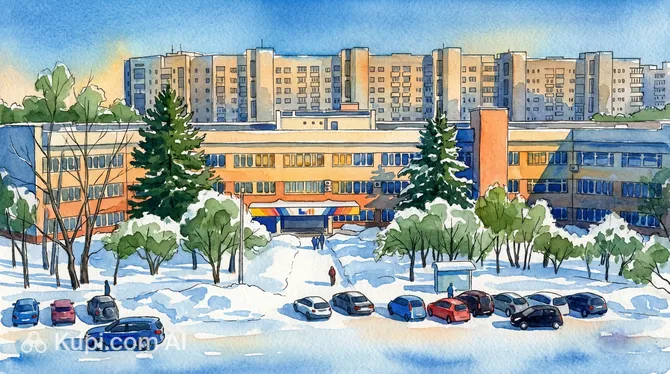
If you are interested in outdoor recreation or a comfortable stay, consider visiting Metallurg. Often associated with leisure and sports facilities in the region, this location is ideal for travelers looking to engage in recreational activities or simply enjoy a break from the urban bustle. It represents the active lifestyle that is popular in this part of the Russian Far East.

Metallurg. Source: Kupi.Binoculars

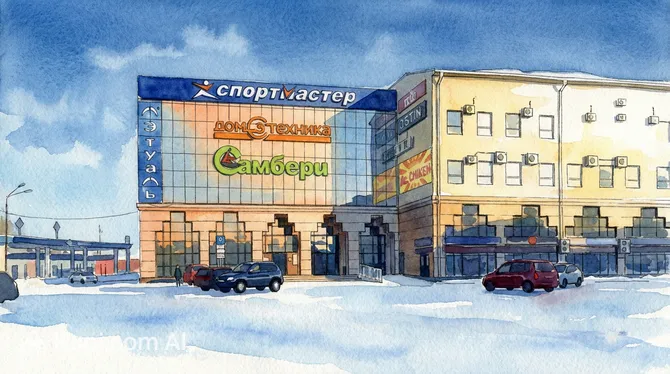
For a day of shopping and modern conveniences, the Bum Shopping Mall is one of the city's key commercial centers. Here, tourists can browse a wide range of stores, pick up souvenirs, or catch a movie. It serves as a convenient one-stop destination for entertainment and retail therapy, reflecting the modern development of Komsomolsk-on-Amur.

Local Cuisine

The culinary landscape of Komsomolsk-on-Amur is deeply shaped by its location on the banks of the mighty Amur River and its proximity to the wild taiga. The local cuisine is hearty and flavorful, designed to provide sustenance in the harsh continental climate. Fish is the undisputed king of the table here, with species like carp, silver carp, and pike featuring prominently in both home cooking and restaurant menus. A classic experience involves tasting Ukha, a rich traditional fish soup that is often cooked over an open fire.

For those seeking a truly authentic taste of the Russian Far East, Tala is a must-try dish. This indigenous specialty consists of raw, frozen fish—typically sturgeon or whitefish—that is thinly sliced and seasoned with vinegar, salt, pepper, and onions. Another unique local ingredient is the bracken fern (paporotnik), harvested from the surrounding forests. It is commonly served as a spicy salad with meat or garlic, offering a texture similar to mushrooms and a flavor that is distinct to the region.

The vast forests also provide an abundance of wild berries, such as lingonberries and cranberries. These are often used to make mors, a refreshing and vitamin-rich fruit drink that accompanies many meals. Herbal teas brewed with local plants, such as Schisandra (lemongrass), are also popular for their warming and restorative properties, especially during the cold winter months.

The city's dining scene offers a mix of Soviet-style canteens, cozy cafes, and modern eateries. Due to the region's geography, you can also find a strong influence of Asian cuisine, particularly Chinese dishes and steamed buns. For travelers looking for a familiar and quick bite in a modern setting, Dodo Pizza is a popular spot among locals, offering a consistent menu and a relaxed atmosphere perfect for a casual lunch.

Dodo Pizza. Source: Kupi.Binoculars

Whether you are sampling smoked fish at a local market or enjoying a hot meal in a downtown restaurant, the food in Komsomolsk-on-Amur offers a unique blend of Russian tradition and Far Eastern exoticism that is sure to leave a lasting impression.

Travel Tips

Visiting Komsomolsk-on-Amur offers a unique glimpse into life in the Russian Far East, but the remote location and distinct climate require some specific preparation. Here are some practical tips to ensure your journey to the "City of Youth" is comfortable and hassle-free.

  1. Clothing and Gear: The climate here is extreme. For winter visits, thermal underwear, a heavy down jacket, and insulated, non-slip boots are non-negotiable. In summer, light clothing is suitable, but you must bring high-quality insect repellent. The proximity to the Amur River means mosquitoes and midges (known locally as moshka) can be intense, especially in June and July.

  2. Transportation: The city is well-connected by a network of buses and trams. However, for ease of travel, using ride-hailing apps like Yandex Go is recommended, as it eliminates language barriers when giving directions. Be aware that the city is quite spread out, particularly between the central district and the Dzemgi district, so allow extra time for commuting.

  3. Finances: The local currency is the Russian Ruble. International bank cards may not be accepted in stores or ATMs, so it is highly advisable to carry sufficient cash. You can exchange major foreign currencies at local bank branches. Tipping in cafes and restaurants is appreciated but not mandatory; leaving about 10% is a standard gesture for good service.

  4. Health and Safety: Pharmacies (marked as Apteka) are easy to find, and some operate 24 hours a day. While the city is generally safe for tourists, it is best to drink bottled or boiled water rather than tap water. As in any city, exercise standard caution with your belongings in crowded areas or markets.

  5. Communication: English is not widely spoken outside of major hotels or tour agencies. It is essential to download an offline translation app and offline maps (such as 2GIS) before you arrive. Buying a local SIM card is straightforward at mobile shops; you will just need your passport for registration.

  6. Local Etiquette: If you are invited to a local's home, always remove your shoes at the entrance. It is also customary to bring a small gift, such as cake, chocolates, or flowers. In public transport, giving up your seat to elderly people or parents with small children is an expected social norm.

  7. What to Avoid: Be extremely cautious about photography near industrial sites. Komsomolsk-on-Amur is a major center for aviation and heavy industry; taking photos of factories, fences, or checkpoints can cause unnecessary suspicion and problems with security. Also, avoid drinking alcohol on the streets or in parks, as public consumption is prohibited by law.

  8. Seasonal Insight: If you travel during the height of summer, consider buying a vanilla-based spray locally or bringing a hat with a mosquito net. The biting gnats can be quite aggressive near the riverbank, and locals have specific remedies that work better than standard repellents.

With these preparations in mind, you will be ready to explore the wide avenues and wild nature of Komsomolsk-on-Amur with confidence. Embrace the local hospitality and the rugged charm of this Far Eastern outpost for a truly memorable adventure.

Entertainment & Nightlife

Entertainment in Komsomolsk-on-Amur is concentrated and cozy, reflecting the city's industrial rhythm and close-knit community. While the nightlife scene is more modest than in larger metropolises, it is spirited and welcoming, particularly on weekends. The main activity is centered in the Central District (Tsentralny Okrug), especially along the major arteries of Mira Avenue and Pervostroiteley Avenue. These streets form the social heart of the city, hosting a variety of cafes, bars, and entertainment venues where locals gather to unwind.

For those seeking a vibrant atmosphere with live music and dancing, the Inlife Concert Bar is the premier destination. This venue serves as a cultural hub for the city's youth and music lovers, functioning as a bar, nightclub, and concert hall all in one. Depending on the schedule, you might catch a performance by a touring band or a DJ set that keeps the energy high until the early morning. It is an excellent place to experience the local party vibe in a modern setting.

If you prefer a more relaxed evening that transitions smoothly from dinner to drinks, Gorodok offers a comfortable alternative. While primarily known for its dining, its warm ambiance makes it a popular spot for friends to spend a long evening chatting over good food and beverages before heading home or continuing the night elsewhere.

For a mix of shopping and entertainment that spans the afternoon and evening, the Bum Shopping Mall is a key location in the city center. It features a modern cinema complex where visitors can watch the latest movie releases. It is a convenient option for families or couples looking for a classic movie date night in a comfortable, climate-controlled environment.

Bum Shopping Mall. Source: Kupi.Binoculars

Beyond the nightlife, the city offers several cultural avenues for daytime leisure. The Drama Theater is a local institution, staging productions that range from Russian classics to contemporary plays. For history and art enthusiasts, the Museum of Fine Arts provides an insightful look into the region's cultural heritage. Nature lovers can also enjoy a peaceful walk in Silinsky Park, a natural forest area within the city limits that is perfect for a breath of fresh air before the evening begins.

Practical Tips for Nightlife:

  • Timing and Prices: The nightlife is most active on Fridays and Saturdays. Bars usually close around 01:00 or 02:00, while clubs may stay open until 05:00. Prices for entry and drinks are generally affordable and significantly lower than in Moscow.

  • Dress Code: Most popular venues enforce "face control." A smart-casual look is the best approach; avoid sportswear or unkempt clothing to ensure smooth entry.

  • Safety and Transport: The central streets are well-lit and safe for evening walks. However, the city is spread out, and walking between districts late at night is not recommended. The most reliable way to get around is by taxi; using apps like Yandex Go is advisable as it eliminates language barriers and ensures a fair price.

Parks & Museums

Komsomolsk-on-Amur surprises many visitors with its broad avenues and significant pockets of greenery that soften its industrial image. The city’s layout, designed to integrate urban living with the surrounding taiga, offers several parks and cultural institutions where travelers can explore the region's history and enjoy the outdoors.

One of the most unique natural areas is Silinsky Park. Unlike typical manicured city gardens, this is a preserved section of the natural taiga forest located right within the city limits. It offers a genuine connection to the wild landscape of the Russian Far East, featuring ancient trees and walking paths that feel miles away from the urban bustle. It is a favorite place for locals to escape the noise and enjoy the fresh, pine-scented air.

Another essential spot for walking is the Amur River Embankment. This riverside promenade serves as the city's "living room," offering sweeping views of the majestic Amur River and the distant hills. It is lined with monuments, including the iconic Memorial to the First Builders, and is the perfect location for a leisurely evening stroll to watch the sunset over the water.

For a deep dive into the city's past, the City Local Lore Museum is the primary destination. The museum houses extensive exhibits detailing the construction of the city in the 1930s by young volunteers, providing a candid look at the hardships and heroism of that era. Additionally, it features ethnographic collections dedicated to the indigenous Nanai people, showcasing their traditional clothing, tools, and way of life.

Art enthusiasts should visit the Museum of Fine Arts. This institution is a cultural beacon in the region, holding a respectable collection of Soviet and Russian art, as well as works by local painters who capture the stark beauty of the Far East. The museum frequently hosts temporary exhibitions and serves as an educational center, making it a vibrant part of the city's cultural landscape.

Architecturally, the city center is a monument in itself. The "House with a Spire" on Lenin Avenue is the unofficial symbol of Komsomolsk-on-Amur. Built in the grandiose "Stalinist Empire" style, it reflects the architectural ambitions of the Soviet era and gives the downtown area a classical atmosphere that is rare in this part of the country.

For those looking to extend their outdoor experience beyond the city parks, the surrounding area offers excellent opportunities for active recreation. Facilities like Metallurg serve as popular bases for skiing in the winter and hiking or relaxing in nature during the warmer months, providing a comfortable gateway to the rugged landscapes of the Khabarovsk Krai.

Insider Tip: If you are visiting with children or have an interest in wildlife, look for the "Python" Zoological Center. It is a small but well-maintained zoo that houses exotic animals and offers a chance to see local fauna up close, which is a rare treat in an industrial city setting.

Getting Around

The public transport system in Komsomolsk-on-Amur is functional and straightforward, relying primarily on a network of buses and fixed-route minivans known as marshrutkas. While the city historically had a tram network, operations have been suspended, so you should not expect to see trams running despite the presence of tracks in some areas. The bus and minibus routes cover the entire city, connecting the central downtown area with the Dzemgi district and other outlying neighborhoods.

For tourists, navigating the system is relatively easy, though it helps to know that route numbers are displayed on the front and sides of the vehicles. Large municipal buses generally follow a fixed schedule and stop at all designated bus stops. Marshrutkas, which are smaller vans, are faster and more frequent but can be more crowded. In a marshrutka, you may sometimes need to verbally request a stop if no one else is getting off, although they usually stop at all major points along the main avenues.

The payment system is predominantly based on direct transactions inside the vehicle. On large buses, there is often a conductor who will approach you to collect the fare and issue a paper ticket. If there is no conductor, you pay the driver. In marshrutkas, payment is typically made to the driver upon exiting or entering, depending on the specific driver's preference—watch what locals do. While contactless bank card terminals are becoming more common, they are not present in every vehicle. It is highly recommended to carry small amounts of cash (rubles) and coins to ensure you can pay without hassle.

Fares are affordable, making public transport a budget-friendly way to explore. Operating hours generally run from early morning, around 06:00, until approximately 21:00 or 22:00. After this time, the frequency of buses drops significantly, and it becomes difficult to find public transport. If you plan to stay out late, you should arrange for an alternative way to return to your accommodation.

For a more comfortable and flexible alternative, taxis are widely available and popular. The most convenient way for visitors to book a ride is through mobile apps like Yandex Go, which allows you to see the price upfront and pay via a linked card, eliminating the language barrier. Traditional car-sharing services and bike rentals are not widely developed in the city, so walking or taking a taxi remains the best option if you prefer not to use the bus.

A unique aspect of local transport during the navigation season (typically May to October) is the river fleet. From the River Station (Rechnoy Vokzal) on the embankment, you can catch passenger ferries and hydrofoils. While these are often used by locals to reach dacha settlements or nearby villages, a trip on the Amur River offers a scenic perspective of the city and is a pleasant experience in itself.

Accommodation

Where to Stay:

Accommodation in Komsomolsk-on-Amur is primarily functional, catering largely to business travelers and industrial specialists visiting the region. The city does not boast international 5-star luxury chains; instead, visitors will find a selection of solid mid-range hotels, renovated Soviet-era establishments, and an increasing number of modern mini-hotels. For those seeking a more home-like environment or traveling on a budget, short-term apartment rentals are widely available and are a popular alternative to traditional hotels.

For most tourists, the best area to stay is the Central District (Tsentralny Okrug). Choosing a hotel near Mira Avenue or Pervostroiteley Avenue places you within comfortable walking distance of the Amur River Embankment, the Drama Theater, and the city's main museums and restaurants. Conversely, the Leninsky District (locally known as Dzemgi) is located significantly further away, adjacent to the major aviation plant. Unless your visit is specifically related to the industrial facilities in that area, it is less convenient for sightseeing due to the commute time required to reach the city center.

Among the specific options available, Metallurg stands out for travelers interested in a mix of comfort and activity. Operating as a resort hotel, it offers accommodation combined with recreational and sports facilities, making it a suitable choice for those who want to relax or stay active during their visit, rather than just having a place to sleep.

Prices in the city are generally moderate and significantly lower than in major hubs like Moscow or Vladivostok. When planning your trip, it is advisable to book accommodation in advance, especially if you are visiting during local holidays or industrial conferences when the best rooms can fill up quickly. Since some major international booking platforms may have limited listings for this region, using Russian travel aggregators or contacting hotels directly via phone or their official websites is often the most reliable way to secure a reservation.

Nearby Cities

For those looking to explore the surroundings, Komsomolsk-on-Amur serves as an excellent base for day trips to several interesting nearby locations:

The most accessible destination for a true day trip is Amursk. Located just a short drive south along the river, this younger industrial city is famous for its surprising Botanical Garden. Despite the harsh climatic conditions of the region, the garden hosts a remarkable collection of exotic and tropical plants, making it a unique green oasis. The city also offers scenic views of the Amur River and a quieter atmosphere compared to its larger neighbor.

For travelers willing to undertake a longer journey or a short overnight visit, the regional capital of Khabarovsk is a major attraction. Although it requires a few hours of travel, it is the cultural and administrative heart of the Russian Far East. Visitors can explore the historic Amur Cliff, walk along the impressive embankment, and visit top-tier museums. Its 19th-century architecture and vibrant city life provide a stark and engaging contrast to the industrial focus of Komsomolsk-on-Amur.

City Population Distance (km)
Khabarovsk 616,242 269
Shakhtyorsk 210,000 401
Birobidzhan 73,623 352
Amursk 40,106 38
Sovetskaya Gavan 25,147 296

These nearby destinations offer a glimpse into the diverse culture and landscapes of the region.

Shopping & Souvenirs

Shopping:

Shopping in Komsomolsk-on-Amur is primarily a practical affair, catering to the daily needs of its residents rather than serving as a high-end fashion destination. However, visitors will find a sufficient range of modern retail options, from large shopping centers to small specialty boutiques. The city offers a good opportunity to purchase goods essential for the harsh climate, such as high-quality winter gear, as well as unique local products that reflect the region's industrial and natural heritage.

The main retail activity is concentrated in the Central District, particularly along the major thoroughfares of Mira Avenue (Prospekt Mira) and Lenin Avenue (Prospekt Lenina). These wide, Soviet-style boulevards are lined with a variety of shops selling clothing, electronics, books, and jewelry. Walking along these streets provides a pleasant window-shopping experience, allowing you to mix sightseeing with browsing local stores.

For a modern shopping experience under one roof, the Bum Shopping Mall is the city's most popular destination. It houses a collection of Russian and international chain stores, offering everything from apparel and accessories to cosmetics. It is a convenient stop for tourists who need to pick up travel essentials or simply want to see how the locals spend their leisure time.

To truly understand the flavor of the region, a visit to the Central Market is indispensable. This bustling marketplace is where the bounty of the Amur River and the surrounding taiga comes to customers. Here, you can find fresh produce, homemade preserves, and, most importantly, a wide selection of local honey and pine nuts. It is a lively spot where cash is the preferred method of payment, and a bit of friendly bargaining is not uncommon.

When it comes to souvenirs, Komsomolsk-on-Amur offers distinct items that you won't find in western Russia. The most popular edible souvenir is smoked fish (balyk) and red caviar, which are local staples of exceptional quality. For non-edible gifts, look for Nanai handicrafts. The Nanai are the indigenous people of the region, and their traditional items—such as embroidered slippers, fur amulets, and fish-skin art—make for culturally significant keepsakes. Additionally, given the city's status as an aviation hub, models of Sukhoi aircraft are popular collectors' items found in specialized hobby shops.

Store opening hours generally follow standard Russian schedules. Large shopping malls usually operate from 10:00 AM to 10:00 PM daily. Smaller street-side shops typically close earlier, around 7:00 PM or 8:00 PM. Markets are best visited in the morning and tend to wind down by late afternoon, around 5:00 PM or 6:00 PM. While credit cards are widely accepted in malls and supermarkets, carrying cash is essential for markets and smaller kiosks.

Regarding Tax-Free shopping, while the Russian Federation has a VAT refund system for foreign tourists, it is primarily operational in major tourist hubs like Moscow and St. Petersburg. In Komsomolsk-on-Amur, finding stores that participate in the Tax-Free scheme is rare, so visitors should not rely on obtaining a tax refund for purchases made in the city.

Reached the end of the page?

That means the route is fully explored