Support

Wudalianchi

About

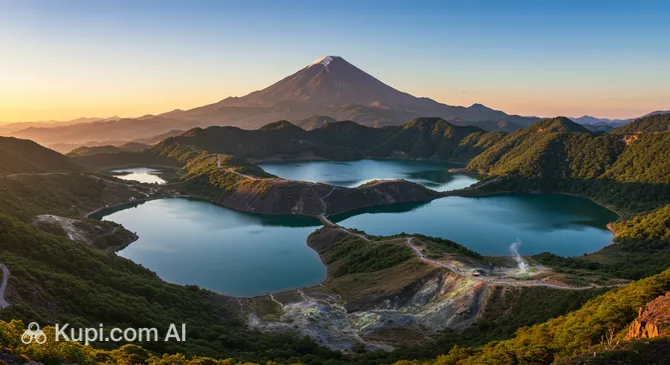
Wudalianchi is a captivating destination located in the northern part of China, renowned for its stunning volcanic landscapes and therapeutic mineral springs. Often referred to as a "Natural Volcano Museum," this city in Heilongjiang Province offers a unique blend of geological wonders and serene natural beauty that sets it apart from typical tourist spots.

Geographically, the area is defined by its dramatic terrain, formed by ancient volcanic eruptions. The city, home to a population of approximately 360,000 people, enjoys a cool climate that makes it a popular summer retreat. The landscape is dominated by 14 volcanoes and five interconnected barrier lakes, which give the city its name, meaning "Five Grand Connected Lakes."

Wudalianchi. Source: Kupi.Binoculars

The history of Wudalianchi is deeply etched into its rugged lava fields and basalt formations. Visitors are drawn here to explore the impressive Laohei Mountain, walk through the "Stone Sea" of solidified lava, and relax in the region's famous mineral water spas, which are believed to have healing properties. The contrast between the black volcanic rock and the crystal-clear waters creates a mesmerizing visual experience.

Whether you are seeking a health-focused getaway to soak in mineral springs or an adventure hiking among dormant craters, Wudalianchi offers a truly refreshing escape. It is an ideal stop for travelers looking to witness the raw power of nature and enjoy a peaceful atmosphere away from the bustling metropolises.

Weather Overview

The climate in Wudalianchi is characterized by distinct seasonal contrasts, offering travelers a different experience depending on when they visit. Winters are long, dry, and bitterly cold, with January being the coldest month, featuring average temperatures around -20.8°C. Conversely, summers are pleasantly warm and humid, with July bringing comfortable averages of 22.7°C, making it a popular time for exploring the volcanic landscapes.

Precipitation is concentrated in the warmer months, while the winter season remains mostly dry. You can expect warm summers with occasional rain, particularly in July and August, which see about 16 wet days each, whereas winter months typically experience minimal precipitation. To help plan your trip around these seasonal shifts, it is helpful to review the detailed weather in Wudalianchi to ensure you pack appropriately for the conditions.

Interesting Facts

Beyond the main attractions, Wudalianchi holds many fascinating secrets that reveal the unique interplay between fire and ice in this region. Here are some intriguing insights into what makes this volcanic city truly extraordinary:

  • Naturally Carbonated Cold Springs: Unlike the hot thermal waters typically associated with volcanic activity, the mineral springs here are famous for being cold and naturally carbonated. The water bubbles up from the ground at low temperatures and is rich in minerals, with a distinct taste often compared to beer or soda.

  • The Crystal Palace: Hidden beneath the sun-baked lava fields are lava tunnels that act as natural ice caves. Known as the Crystal Palace, these underground caverns maintain freezing temperatures year-round, allowing visitors to view spectacular ice formations and frost even during the warmest summer months.

  • Magnetic Stone Therapy: You may notice people lying flat on the black basalt rocks in the parks. This is a popular local therapy; the volcanic stones are believed to possess a strong magnetic field that helps treat rheumatism and other ailments, effectively turning the landscape into an open-air healing center.

  • A Geologically Recent Formation: Although the landscape appears ancient, the defining features of Wudalianchi are quite young. The last major eruptions of Laohei Mountain and Huoshao Mountain occurred between 1719 and 1721, blocking the Baihe River and forming the five interconnected lakes that give the city its name.

How to Get There

Reaching this volcanic destination requires a bit of planning, as it is located in a relatively remote part of Heilongjiang Province. Most travelers choose to fly into a regional hub in a neighboring city and complete the journey by road. For a comprehensive guide on planning your route, you can read more about how to get to Wudalianchi.

The city of Wudalianchi does not have its own major airport, but you can fly into Heihe Airport (HEK) in the city of Heihe, which is approximately 201 km from Wudalianchi. The journey by taxi or bus from there typically takes about 5 hours and 20 minutes. Another viable option is Daqing Shi Airport (DQA) in Daqing, located about 212 km away. Reaching Wudalianchi from Daqing generally takes roughly 5 hours and 40 minutes by road. Both airports serve as key entry points for visitors exploring this northern region.

For clarity, here is a summary of the main airports:

Airport Name City Passenger Traffic Km from City
Ignatyevo Blagoveshchensk Medium 229.6
Daqing Shi Airport Daqing Medium 212.1
Qiqihar Airport Qiqihar Medium 222.3
Jiagedaqi Airport Jiagedaqi Small 256.6
Heihe Airport Heihe Small 200.8

The city of Wudalianchi does not have a railway station listed in the immediate vicinity, but you can arrive at the Blagoveshchensk Railway Station in the city of Blagoveshchensk, which is about 220 km from Wudalianchi. From there, you can get a taxi or bus, which takes about 5 hours and 50 minutes. It is important to check the specific transport connections from the station to Wudalianchi when planning your arrival.

Below is a list of the nearest railway stations:

Station City Passenger Traffic Km to Center
Zavitaya Station Zavitinsk Small 295.6
Bureya Station Raychikhinsk Small 299.8
Blagoveshchensk Railway Station Blagoveshchensk 219.6

Main Attractions

Laohei Mountain, also known as Old Black Mountain, is arguably the most famous site in the geopark and a must-visit for anyone exploring the region. As one of the most recently erupted volcanoes in the area, it features a well-preserved crater and dramatic slopes covered in black pumice. Visitors can hike to the summit to enjoy panoramic views of the five interconnected lakes and the vast "Stone Sea" of solidified lava flows that stretch out below.

For a surreal experience, the Crystal Palace offers a glimpse into the freezing depths of the volcanic landscape. This underground lava tube acts as a natural ice cave, maintaining sub-zero temperatures throughout the year. Even in the height of summer, the walls are coated in frost and ice, and the interior is often decorated with beautiful ice sculptures, creating a magical, wintry atmosphere deep beneath the earth's surface.

The North and South Mineral Springs are the heart of Wudalianchi's wellness culture. These cold springs are rich in minerals and carbon dioxide, and locals have long believed in their healing properties. Tourists often visit to drink the naturally carbonated water directly from the source or to bathe in the spas. It is a unique cultural experience to join the crowds gathering with bottles to collect the "magic water."

Another geological marvel is the Longmen Stone Fortress, a vast landscape of blocky lava formations that resembles an ancient stone castle. Wooden boardwalks wind through this chaotic terrain, allowing visitors to walk amidst massive boulders and twisted rock shapes created by ancient eruptions. The contrast between the dark volcanic rock and the hardy green vegetation growing in the cracks makes it a photographer's paradise.

Local Cuisine

The local cuisine of Wudalianchi is inextricably linked to its most famous natural resource: volcanic mineral water. The food scene here is distinct from other parts of Heilongjiang Province because the mineral-rich water is used not just for drinking, but as a fundamental ingredient in cooking. This unique geological feature infuses the local dishes with specific nutrients and flavors, creating a "health food" culture that perfectly complements the city's reputation as a wellness destination.

The absolute signature dish that every visitor must try is Mineral Water Tofu. Unlike ordinary tofu, this local specialty is made using the water from the volcanic springs, which gives it a uniquely tender texture and a slightly greenish hue. It is renowned for being incredibly smooth and melting in the mouth. You will often find it served simply with dipping sauces to highlight its natural flavor, or braised in savory sauces that allow the bean curd to absorb rich aromatics.

Pairing perfectly with the tofu is the region's famous Mineral Water Fish. The fish are caught from the five interconnected volcanic barrier lakes, where the water is cold and rich in trace elements. Because the water temperature is low year-round, the fish grow slowly, resulting in meat that is firm, fresh, and free from the muddy taste often found in freshwater fish. The most popular way to enjoy this is a hearty stew combining the fresh lake fish with the mineral tofu, a dish known as "Fish Stewed with Tofu," which warms you up quickly in the cool climate.

When it comes to beverages, the choice is obvious: the natural mineral water itself. It is naturally carbonated and bubbles up from the ground, often compared to soda water. Locals and tourists alike drink it fresh from the source, sometimes mixing it with honey or sugar to balance the strong mineral taste. For an alcoholic option, local beer is often consumed, and some adventurous diners mix the local draft beer with the carbonated mineral water for a refreshing, bubbly drink unique to the area.

The dining culture in Wudalianchi is casual and centered around health and vitality. You will find numerous restaurants and "farmhouse" style eateries (Nongjiale) clustered near the scenic areas and in the city center. These places emphasize fresh, locally sourced ingredients, often serving large, sharing-style portions typical of Northeast China. Whether you are eating at a roadside stall or a larger restaurant, the focus is almost always on the therapeutic benefits of the ingredients, making every meal feel like part of the spa experience.

Travel Tips

Preparing for a trip to Wudalianchi requires a bit of foresight, especially regarding the distinct climate and local payment methods. These practical tips will help you navigate this unique volcanic city with ease and enjoy your visit to the fullest.

  1. Clothing and Gear: The weather dictates your wardrobe here. Winters are severe, so if you visit between October and April, bring heavy down jackets, thermal layers, and non-slip boots. In summer, the climate is mild, but you will need sturdy hiking shoes for walking on the jagged lava rocks and a light raincoat for occasional showers.
  2. Transportation: Wudalianchi is a relatively small city without a metro system. The most convenient way to get around is by taxi, which is generally affordable. Ride-hailing apps like DiDi are useful if you can navigate the interface, but hailing a cab on the street is also easy. Public buses are available but can be challenging to use if you do not read Chinese.
  3. Finances: The local currency is the Chinese Yuan (CNY). While high-end hotels might accept international credit cards, most local restaurants and shops do not. It is highly recommended to set up Alipay or WeChat Pay on your smartphone before you arrive, as mobile payments are the standard. Always carry some cash for smaller vendors who might not accept digital payments.
  4. Health and Safety: The city is generally very safe for tourists. Pharmacies are usually marked with a green cross, but language barriers can be an issue, so bring a translation app or your own supply of prescription medications. In summer, insect repellent is essential due to the proximity to the lakes and wetlands.
  5. Communication: English is not widely spoken outside of major hotels or tour groups. A reliable translation app (like Baidu Translate or a voice translator) is indispensable. Also, ensure you have a roaming plan or a local SIM card with data, and install a VPN prior to arrival if you need to access apps like Google, WhatsApp, or Instagram, which are blocked in China.
  6. Local Etiquette: The mineral springs are a place of healing for locals; respect the atmosphere by not being overly loud. When greeting people, a simple nod or "Ni hao" (Hello) is polite. Tipping is not part of the culture in China and is not expected in restaurants or taxis.
  7. What to Avoid: Do not drink tap water in your hotel unless it has been boiled. While the water from the specific mineral springs is potable and celebrated, the general tap water supply should be treated with caution. Also, avoid discussing sensitive political topics, which is a general rule of thumb for travel in the region.
  8. Mineral Water Hack: Bring a durable water bottle or a thermos with you. One of the best local experiences is filling up fresh, naturally carbonated mineral water directly from the source for free, just like the locals do every morning.

With these preparations in mind, you are ready to explore the "Natural Volcano Museum" without hassle. A little planning goes a long way in ensuring your adventure in Northern China is both comfortable and memorable.

Entertainment & Nightlife

Nightlife in Wudalianchi is distinctly different from the high-energy clubbing scenes found in China's major metropolises like Shanghai or Beijing. As a destination primarily focused on wellness, geology, and health tourism, the evening atmosphere here is laid-back, safe, and centered heavily around social dining and local culture. Instead of thumping bass and neon-lit dance floors, the "nightlife" is defined by bustling night markets, vibrant barbecue joints, and the popular Chinese pastime of Karaoke (KTV).

The main hub of activity after dark is typically found in the central town area, particularly along the main Commercial Street and near the larger hotels catering to tourists. Here, the streets come alive as the sun sets, with locals and visitors alike taking leisurely strolls. The vibe is casual and family-friendly. There is no strict dress code; comfortable walking clothes or smart-casual attire are perfectly acceptable everywhere. Most venues close earlier than in big cities, with activity winding down by 10:00 PM or 11:00 PM, though some KTVs and barbecue spots stay open later.

For a true taste of local evening entertainment, you must experience the Northeast China Barbecue (Shao Kao) culture. In Wudalianchi, barbecue is not just a meal; it is a social event. Groups of friends gather at roadside tables or inside lively restaurants to grill skewers of meat, vegetables, and seafood, often accompanied by local beer. The atmosphere is boisterous and friendly. Two specific types of venues dominate the scene:
1. Local BBQ Restaurants: Found on almost every block in the town center, these are the best places to mingle with locals.
2. KTV Clubs: Karaoke is the primary form of indoor nightlife. You will find several KTV establishments in the city center where you can rent a private room, sing your heart out, and order snacks and drinks.

One of the most enjoyable experiences is visiting the Wudalianchi Night Market (often located centrally or near the tourist service areas during peak season). This is where the city feels most alive at night. Vendors sell everything from grilled snacks and fresh fruits to volcanic stone souvenirs and Russian-style trinkets, reflecting the region's proximity to the border. It is a sensory delight with the smell of spices in the air and the hum of bargaining.

From a practical standpoint, Wudalianchi is a very safe city for night walks. The crime rate is low, and the main streets are well-lit. However, if you venture far from your hotel, it is advisable to have a taxi number or a ride-hailing app ready, as flagging a cab on the street late at night can be hit-or-miss in quieter areas. Prices for entertainment are generally lower than in Tier-1 cities. A night out with plenty of barbecue and beer is quite affordable.

While the nights are for relaxing, daytime entertainment in Wudalianchi offers educational and scenic diversions. Apart from the natural wonders, visitors can explore the Wudalianchi Volcano Museum, which provides fascinating insights into the geological history of the region. It is an excellent way to spend a few hours learning about the forces that shaped the dramatic landscapes you explore during the day.

Parks & Museums

Wudalianchi is primarily celebrated for its open-air geological wonders, but the city also offers structured green spaces and cultural venues that allow visitors to deepen their understanding of this unique volcanic region. While the entire area functions as a massive geopark, several specific sites provide a more curated experience of the local nature and history.

Longmen Stone Fortress serves as one of the most dramatic natural parks in the region. Unlike a traditional city park with manicured lawns, this area is a sprawling landscape of blocky shield lava that resembles a petrified forest or a medieval castle ruins. Wooden boardwalks wind through the chaotic rock formations, allowing tourists to walk comfortably amidst ancient birch trees and uniquely shaped boulders. It is an excellent place for photography and offers a stark, beautiful contrast between the black volcanic rock and the vibrant green vegetation.

For a more relaxing atmosphere, the South Mineral Spring Park offers a blend of wellness and leisure. This park is centered around one of the city's most famous cold mineral springs and features traditional Chinese pavilions, walking paths, and shaded seating areas. It is a social hub where locals gather to drink the healing waters, exercise, and socialize. The park's serene environment makes it a perfect spot for an afternoon stroll, offering a glimpse into the daily health rituals of the local residents.

The cultural highlight of the city is undoubtedly the Wudalianchi Volcano Museum. As the only museum of its kind in China, it offers a comprehensive look at the geological forces that shaped the region. The exhibits include detailed scale models of the volcanoes, samples of rare volcanic rocks, and interactive displays explaining the eruptions of 1719-1721. It is an essential stop for visitors who want to understand the science behind the scenery they are exploring outside.

Another significant site is the Zhongling Temple, located on the slopes of Yaoquan Mountain. This active Buddhist temple is a striking architectural landmark, perched on an extinct volcano. The complex features classic red-walled halls and golden roofs that stand out against the forested hillside. Climbing the steps to the temple not only offers a spiritual retreat but also provides a commanding view of the surrounding volcanic field and the city below.

For a truly authentic experience, try visiting the parks early in the morning, around 6:00 AM. This is when the city comes alive with locals practicing Tai Chi, dancing, or collecting fresh mineral water in large jugs. Joining them offers a unique insight into the community spirit and the deep connection the people of Wudalianchi have with their natural environment.

Getting Around

Navigating Wudalianchi is relatively straightforward, as the city and its surrounding scenic areas are compact compared to major metropolises. There is no metro or tram system here; instead, the public transport infrastructure relies primarily on a network of buses and an abundance of taxis. For tourists, the transport experience is often divided between the regular municipal buses serving the residential areas and the dedicated tourist shuttles that connect the various geological attractions within the Global Geopark.

The bus system is the most economical way to get around. Regular public bus lines operate within the town center and connect to nearby districts, typically running from early morning until around 6:00 PM or 7:00 PM. In addition to these standard routes, special tourist buses operate during the peak season. These shuttles are specifically designed to ferry visitors between key sites such as Laohei Mountain, the mineral springs, and the Crystal Palace. They are convenient because they bypass residential stops and drop you directly at the ticket gates of the attractions.

Taxis are the most popular and convenient option for travelers who value flexibility. You will find them easily at the airport, near the bus station, and circulating through the town center. Fares are generally quite affordable, with a low starting price for the first few kilometers. While most taxis are equipped with meters, it is not uncommon for drivers to negotiate a flat rate for longer trips to specific scenic spots or for a full day of hiring. It is highly advisable to agree on the price or ensure the meter is running before starting your journey.

When it comes to payment, the system is heavily digitized. While you can still pay for bus tickets with cash (usually dropping 1 or 2 CNY coins into a fare box), the preferred method is mobile payment. Nearly all buses and taxis accept Alipay or WeChat Pay. For tourists, setting up these apps on your smartphone is the single most useful preparation you can make. If you prefer cash, ensure you carry small denominations, as bus drivers do not give change, and taxi drivers may not always have change for large bills.

For a more leisurely pace, cycling is a fantastic alternative, especially around the scenic zones. During the warmer months, bike rental services are available near the main park entrances and larger hotels. Riding a bicycle allows you to explore the paths around the volcanic lakes and through the lava fields at your own speed. Additionally, the town center is small enough that many distances can be covered simply by walking, which offers the chance to soak in the local atmosphere.

A crucial piece of advice for international visitors is to have your destination written in Chinese characters. English is not widely spoken by bus drivers or taxi operators. Showing the driver the name of your hotel or the attraction you wish to visit on your phone or a piece of paper will ensure you get to the right place without confusion. Also, be aware that public transport frequency decreases significantly in the evening, so plan your return trips accordingly if you are staying out late.

Accommodation

Finding the right accommodation in Wudalianchi is a key part of the travel experience, as the city is not just a sightseeing destination but a renowned wellness retreat. The hotel scene here is heavily influenced by the region's volcanic mineral springs, meaning that many lodging options are integrated with spas, sanatoriums, or health centers. Whether you are looking for a luxury resort to relax in or a simple base for hiking the volcanoes, understanding the layout of the area is essential.

The most important thing for visitors to know is the distinction between Wudalianchi City (the administrative center) and the Wudalianchi Scenic Area (Wudalianchi Town). These two locations are approximately 20 to 30 kilometers apart. For tourism purposes, it is highly recommended to stay in the Scenic Area. This small town is located right next to the major attractions, including the mineral springs, Laohei Mountain, and the volcanic lakes. Staying here allows you to walk to many sites and soak in the resort atmosphere, whereas staying in the city center would require daily commuting by taxi or bus.

Given the area's reputation for healing, Sanatoriums and Wellness Resorts are the most distinctive form of accommodation. These establishments range from state-run facilities to modern private resorts. They typically offer rooms with direct access to mineral water baths, physiotherapy services, and traditional Chinese medicine treatments. Staying in one of these resorts is the best way to immerse yourself in the local "water cure" culture. Keep in mind that some older sanatoriums may have simpler, more utilitarian room furnishings compared to Western-style hotels, as the focus is primarily on health services.

For those who prefer standard lodging, there are numerous hotels and guesthouses clustered along the main streets of the Scenic Area town. These range from mid-range hotels with comfortable amenities to budget-friendly family-run guesthouses known as Nongjiale. The guesthouses often provide a warm, local experience, serving home-cooked meals featuring local mineral water tofu and fish. However, international travelers should check in advance if a specific guesthouse is authorized to host foreigners, as regulations can vary for smaller establishments.

When planning your stay, consider the seasonality of the region. During the peak summer months (June to August), Wudalianchi is a popular escape from the heat, and hotels can fill up quickly with domestic tourists and elderly visitors seeking health treatments. It is advisable to book well in advance during this period. Conversely, in winter, the town is much quieter, and while you can find great deals, some smaller seasonal guesthouses may close due to the extreme cold. Regardless of where you stay, ensure your hotel offers heating if you visit outside of summer, and check if they accept international credit cards or if you need to pay via mobile apps or cash.

Nearby Cities

For those looking to explore the surroundings, Wudalianchi serves as an excellent base for day trips to several interesting nearby locations:

One of the most intriguing destinations within reach is Heihe, located on the banks of the Amur River directly opposite the Russian city of Blagoveshchensk. This border city offers a fascinating blend of Chinese and Russian cultures, visible in its architecture and local markets. Visitors can enjoy a stroll along the riverfront promenade, shop for Russian goods, or take a boat cruise to see the international boundary up close.

Another excellent option for nature lovers is Qiqihar, famous for the Zhalong Nature Reserve. This vast wetland ecosystem is a sanctuary for the endangered red-crowned crane and numerous other bird species. It provides a stark contrast to the volcanic landscapes of Wudalianchi, offering serene marshlands and opportunities for birdwatching that are among the best in China.

For those interested in industrial history and modern relaxation, Daqing is known as China's "Oil Capital." Beyond its historical significance, the city has developed a reputation for its hot springs and wetland parks, making it a unique spot to unwind and explore the development of the region.

City Population Distance (km)
Suihua 5,418,153 215
Qiqihar 5,367,003 214
Daqing 2,904,532 230
Heihe 1,673,899 215
Hailun 850,000 131

These nearby destinations offer a glimpse into the diverse culture and landscapes of the region.

Shopping & Souvenirs

Shopping in Wudalianchi is a unique experience that mirrors the city's identity as a geological park and a border region. Unlike the sprawling luxury malls found in China's metropolises, the retail scene here is intimate, local, and centered around the area's natural resources. Visitors will find that the best shopping opportunities are focused on wellness products, geological curiosities, and regional specialties that reflect the rich soil of Heilongjiang and the influence of neighboring Russia.

The primary shopping destination for tourists is the Central Commercial Street located within the Wudalianchi Scenic Area. This bustling thoroughfare is lined with small shops, pharmacies, and specialty stores catering specifically to visitors. It is the perfect place to stroll after dinner, as the street remains lively into the evening. Here, you can browse through rows of vendors selling everything from local snacks to handcrafted stone souvenirs, all while soaking in the small-town atmosphere.

While Wudalianchi does not boast massive high-end shopping complexes, it does have functional retail centers where you can purchase daily necessities and local brands. The city center (distinct from the scenic area) hosts several local department stores and supermarkets. These venues are reliable for stocking up on groceries, outdoor gear for hiking, or warm clothing if you find yourself unprepared for the Heilongjiang chill.

Markets are the heart of the local trade. The Wudalianchi Night Market is a highlight, offering a vibrant mix of food stalls and trinket vendors. It is an excellent spot to hunt for bargains and observe local life. In the mornings, smaller open-air markets appear, selling fresh produce harvested from the nutrient-rich volcanic soil. You might find wild blueberries, hazelnuts, and various types of forest mushrooms that are prized in Chinese cooking.

When it comes to souvenirs, the choices are distinctively volcanic. Volcanic stones are the most popular item to take home. You can find them fashioned into foot scrubbers (pumice), massage tools, or intricate carvings. The local "magnetic stones" are also a top seller, believed by locals to have health benefits. Additionally, due to the proximity to the Russian border, many shops sell Russian goods such as chocolate, vodka, amber jewelry, and nesting dolls, often at very competitive prices.

Another excellent gift idea is the local mineral water or products derived from it. While you can drink from the springs for free, packaged mineral water and mineral-rich skincare products are available for purchase. Regional food specialties like dried black fungus (wood ear mushrooms) and locally caught fish (vacuum-packed) are also popular among domestic tourists who want to share the flavors of the north with friends back home.

Store hours in Wudalianchi generally follow a standard schedule, with most shops opening around 9:00 AM and closing by 8:00 PM or 9:00 PM. Convenience stores and some supermarkets may stay open later. Payment methods are heavily digitized; while cash is accepted, the vast majority of transactions are done via WeChat Pay or Alipay. It is highly recommended to have one of these apps set up on your phone, as smaller vendors at the night market may not have change for large banknotes.

Regarding tax refunds, Wudalianchi is not a designated tax-free shopping zone for international tourists. The Tax-Free Shopping (TFS) scheme in China is currently limited to specific large cities and designated stores, so visitors should not expect to claim VAT refunds on purchases made in this region.
Reached the end of the page?

That means the route is fully explored