Support

Zalantun

About

Welcome to Zalantun, a captivating city nestled in the Hulunbuir region of Inner Mongolia. Known for its breathtaking natural scenery and tranquil atmosphere, this destination is often referred to as the "Garden City beyond the Great Wall." It serves as a refreshing retreat for travelers exploring the vast landscapes of China.
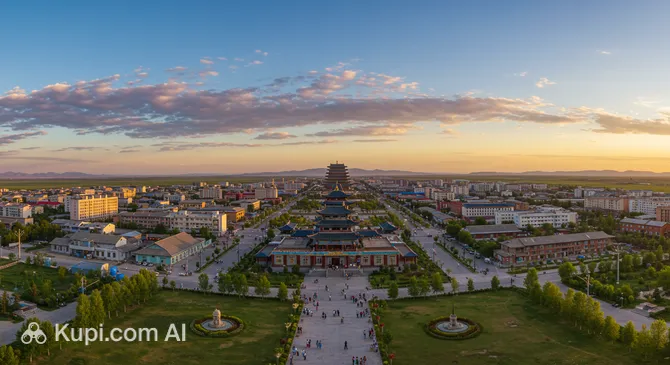
Zalantun. Source: Kupi.Binoculars

Geographically, Zalantun is situated at the southeastern foot of the Greater Khingan Mountains, providing it with a pleasant climate and abundant lush vegetation. With a population of approximately 319,000 residents, it balances the amenities of a modern city with the charm of a countryside getaway. The surrounding environment is characterized by rolling hills and pristine waters, creating a picturesque setting that changes beautifully with the seasons.

The city boasts a rich cultural background influenced by its strategic location. Those curious about the history of Zalantun will find that it was significantly shaped by the construction of the Middle East Railway in the early 20th century, which left behind unique architectural elements and a blend of cultural traditions. Today, it stands as a testament to the harmony between nature and historical development.

Visitors are drawn to Zalantun for its outdoor attractions, particularly the famous Suspension Bridge Park (Diaociao Park), which features a historic bridge and ancient trees. In winter, the region transforms into a snowy wonderland, making it a popular spot for skiing and winter sports enthusiasts. Whether you are seeking a peaceful hike or an adventure on the slopes, Zalantun offers a memorable experience for every nature lover.

Weather Overview

Zalantun experiences a distinct continental climate characterized by four well-defined seasons, offering different experiences depending on when you visit. The local weather patterns are heavily influenced by the surrounding mountains, resulting in a generally cool and refreshing atmosphere. For travelers preparing for their journey, understanding the weather in Zalantun is key to packing the right gear.

Winters here are long, cold, and dry, making the region a destination for snow sports enthusiasts. January is typically the coldest month, with average temperatures dropping to around -17.2°C and lows reaching as far as -22.4°C. Despite the freezing temperatures, precipitation is minimal during the winter months, often resulting in crisp, clear days.

In contrast, summers are mild and pleasant, providing a welcome escape from the intense heat found in other parts of China. July is the warmest month, seeing average temperatures of 21.7°C and highs peaking at a comfortable 26.6°C. This season also brings the most moisture, with August seeing up to 16 wet days, so carrying an umbrella is advisable. Expect warm summers with frequent rain showers and very cold, dry winters.

Interesting Facts

Beyond the main attractions, Zalantun holds many fascinating secrets that reveal its unique blend of culture and geology. This city is not just a scenic stop but a place with deep historical roots and rare natural phenomena that often surprise visitors.
  • Volcanic Wonders: The city administers the Chaihe Scenic Area, often referred to as "Moon Town." This area is home to the rare Moon Heavenly Lake, a stunning body of water located inside a high-altitude volcanic crater. It is considered one of the most beautiful hidden gems in China due to its pristine condition and resemblance to the Alps.

  • A Military Name: The name "Zalantun" has a specific historical origin dating back to the Qing Dynasty. It is derived from the Manchu word "Zalan," which was a title for a vice-commander rank. The area was originally the garrison station for a Zalan official tasked with guarding the local hunting grounds.

  • Historic Resort Town: In the early 20th century, following the construction of the Chinese Eastern Railway, Zalantun was explicitly developed as a holiday resort for railway employees and international residents. This history has left the city with a unique collection of Russian-style Art Nouveau architecture that gives the streets a distinct European charm.

  • A Century-Old Park: The famous Suspension Bridge Park (Diaociao Park) is one of the earliest public parks established in the region, dating back to 1905. It features a historic chain bridge and is populated by massive elm and poplar trees that are over a hundred years old, standing as living witnesses to the city's past.

How to Get There

Reaching this scenic destination in Inner Mongolia is relatively straightforward, with options to suit different itineraries. For a complete guide on routes and transportation advice, you can read more about how to get to Zalantun.

The most direct way to arrive is by flying into the city's own airport, Zalantun Chengjisihan (NZL). Located just 16.5 km from the city center, it is the most convenient hub for travelers. The drive from the airport to downtown typically takes about 45 minutes by taxi. While it is a smaller regional facility with an annual passenger traffic of around 150,000, it offers essential connections for those wishing to land directly in the area.

If flight options to Zalantun are limited, a viable alternative is Qiqihar Airport (NDG), located in the city of Qiqihar. This airport is approximately 123.6 km away from Zalantun. It handles a larger volume of passengers, which may provide more schedule flexibility. Travelers choosing this route should expect a ground transfer time of roughly 3.5 hours to reach Zalantun.

For clarity, here is a summary of the main airports:

Airport Name City Passenger Traffic Km from City
Ulanhot AirportUlanhotMedium221.5
Daqing Shi AirportDaqingMedium229.3
Qiqihar AirportQiqiharMedium123.6
Zalantun ChengjisihanZalantunSmall16.5
Arxan Yiershi AirportArxanSmall226.3

Rail travel is another excellent way to reach the city, as Zalantun is a significant stop on the historic railway line connecting Harbin and Manzhouli. Trains offer a reliable and scenic method of transport, frequently connecting the city with major regional hubs. Visitors can enjoy views of the changing landscapes of Inner Mongolia from the comfort of their carriage before arriving at the local railway station.

Main Attractions

Zalantun offers a delightful mix of historical landmarks and spectacular natural landscapes, earning its reputation as a "Garden City." From century-old parks to dramatic volcanic scenery, the attractions here cater to history buffs, nature lovers, and adventure seekers alike. The city serves as an excellent base for exploring the diverse beauty of the Greater Khingan Mountains.

Suspension Bridge Park (Diaociao Park) is the city's most iconic landmark and a must-visit for anyone traveling to the region. Dating back to 1905, this park centers around a historic chain suspension bridge that sways gently over the river. It is renowned for its ancient elm and poplar trees, which provide a lush, green canopy during the summer and a stark, beautiful silhouette in winter. Tourists enjoy the park for its tranquil atmosphere, making it perfect for leisurely strolls and capturing classic photos of the city's heritage.

For those willing to venture a bit further into the surrounding region, the Chaihe Scenic Area is an absolute jewel. Often called "Moon Town," this area is famous for its volcanic geology and the breathtaking Moon Heavenly Lake. Nestled within a volcanic crater, the lake is surrounded by dense forests and offers scenery that rivals the most picturesque alpine regions. It is a prime destination for hiking and witnessing the raw, untouched beauty of Inner Mongolia's volcanic history.

In the colder months, Jinlongshan Ski Resort becomes a hub of activity. Located just a short drive from the city center, this resort takes advantage of the region's long, snowy winters to provide excellent conditions for skiing and snowboarding. It features varying slopes suitable for both beginners and experienced athletes. Visitors flock here to enjoy the crisp mountain air and the thrill of winter sports, making it a key part of Zalantun's appeal as a four-season destination.

Another delightful spot is the Xiushui Scenic Area (Beautiful Water Park), which offers a refreshing escape along the riverbanks. This scenic belt is characterized by its clear waters, charming pavilions, and well-paved walking paths that wind through the landscape. It is a favorite location for both locals and visitors to enjoy boating, picnicking, or simply relaxing by the water, providing a perfect counterpoint to the city's more rugged mountain attractions.

Local Cuisine

The culinary landscape of Zalantun is a hearty fusion of traditional Inner Mongolian flavors and the robust cooking styles of Northeastern China (Dongbei). Situated at the foot of the Greater Khingan Mountains, the city is famous for its "Green Food"—organic ingredients sourced directly from the pristine forests and grasslands. Visitors can expect generous portions, savory meat dishes, and an abundance of wild mountain delicacies that define the local palate.

Meat lovers will feel right at home here, as mutton is a staple of the local diet. A must-try dish is Hand-stripped Mutton (Shouba Rou), where tender chunks of lamb are boiled in plain water to preserve their natural flavor and eaten by hand, often dipped in a simple mix of salt and wild chives. For a taste of the region's forest bounty, look for Stewed Chicken with Hazel Mushrooms. This classic dish uses wild mushrooms gathered from the nearby mountains, imparting an earthy, aromatic depth to the savory broth that is perfect for cold weather.

Zalantun is also renowned for its wild vegetables, particularly the local Bracken Fern. Often referred to as "mountain treasures," these ferns are typically served stir-fried with pork or as a refreshing cold salad. They offer a unique, crisp texture and are considered a healthy, organic specialty of the region. Additionally, the rivers flowing through the area provide excellent fresh fish, which is often braised in rich soy-based sauces or stewed in large iron pots with tofu and glass noodles.

When it comes to beverages, the local culture leans towards the warming and traditional. Salty Milk Tea is a ubiquitous drink, often served in bowls and enjoyed with fried millet or dairy snacks. It is a savory, comforting beverage that locals drink throughout the day. For something non-alcoholic and unique to the forest region, try the Wild Blueberry Juice or lingonberry beverages. These tart, vitamin-rich drinks are made from berries harvested in the Greater Khingan forests and provide a refreshing contrast to the rich, meaty meals.

The dining atmosphere in Zalantun is casual and communal. In the city center, you will find bustling restaurants serving "Iron Pot Stews," where diners gather around a table with a large stove built into the center. During the summer months, the night markets come alive with the scent of Charcoal Grilled Skewers (Chuan'r), seasoned with cumin and chili. For a more immersive experience, many tourists visit "Nongjiale" (farmhouse joy) restaurants on the outskirts, where they can enjoy home-cooked meals featuring fresh, locally grown produce in a rustic setting.

Travel Tips

Visiting Zalantun offers a unique glimpse into the "Garden City" of Inner Mongolia, but being prepared for its distinct climate and local customs ensures a smoother journey. These practical tips are designed to help you navigate daily life and make the most of your adventure in this scenic region.

  1. Clothing and Gear: Your packing list should depend heavily on the season. If visiting in winter, bring heavy thermal layers, a down jacket, gloves, and non-slip boots to handle temperatures well below freezing. For summer trips, lightweight, breathable clothing is best, but always carry a sturdy umbrella or raincoat, as August can be quite wet. Since many attractions like the Chaihe Scenic Area involve walking, comfortable hiking shoes are essential regardless of the season.

  2. Transportation: Taxis are the most convenient and affordable way to navigate the city center. While public buses are available, routes are often only in Chinese, which can be challenging for international visitors. Ride-hailing apps like DiDi are widely used and can be linked to international numbers, offering a reliable alternative to flagging down cabs on the street.

  3. Finances: The local currency is the Chinese Yuan (RMB). While cash is accepted, mobile payments via Alipay or WeChat Pay are the norm even in small shops and markets; it is highly recommended to set up the "Tour Pass" feature on these apps before arrival. International credit cards are rarely accepted outside of major hotels, so carry enough cash for emergencies or use ATMs at major branches like the Bank of China to withdraw funds.

  4. Health and Safety: Zalantun is generally very safe for tourists. Pharmacies are easily identifiable by a green cross sign, though you should have a translation app ready to describe your symptoms. If you are visiting in winter, the air can be extremely dry, so bring high-quality moisturizers and lip balm to protect your skin from the harsh elements.

  5. Communication: English is not widely spoken in Zalantun compared to major metropolises like Beijing or Shanghai. It is crucial to have a translation app (such as Baidu Translate or a localized version of Google Translate) downloaded on your phone. Purchasing a local SIM card upon arrival in China is advisable to ensure you have data access for maps and translation tools.

  6. Local Etiquette: Inner Mongolian hospitality is warm and often involves food. When dining communally, wait for the host or the eldest person to start eating. If you are offered a toast, it is polite to accept, even if you only take a small sip. Always remove your shoes when entering a private home, and avoid leaving your chopsticks sticking upright in a bowl of rice, as this resembles incense burning for the deceased.

  7. What to Avoid: Do not drink tap water directly; always opt for bottled or boiled water. Additionally, avoid relying solely on western map applications like Google Maps, as they may not be accurate or accessible; local alternatives like Amap (Gaode Ditu) or Baidu Maps are far more reliable for navigation.

  8. Shopping Tip: Zalantun is famous for its "mountain treasures." If you are looking for authentic souvenirs, visit local markets to buy dried hazelnuts, wild mushrooms, or locally produced berry juices. These items are distinct to the Greater Khingan region and make for excellent, practical gifts.

With these preparations in mind, you are ready to immerse yourself in the natural beauty and warm hospitality of Zalantun. Enjoy your trip to this hidden gem beyond the Great Wall!

Entertainment & Nightlife

Nightlife in Zalantun is distinct from the high-energy clubbing scenes of China's major metropolises. Instead of sprawling dance floors and international DJ sets, the evening entertainment here is deeply rooted in local culture, revolving around social dining, singing, and enjoying the outdoors. The atmosphere is friendly, casual, and centered on relaxation after a day of exploring the Greater Khingan mountains.

The heart of the city's evening activity is undoubtedly the Pedestrian Street (Walking Street). As the sun sets, this district comes alive with neon lights and a bustling crowd of locals. It is the perfect place to immerse yourself in the local vibe, with shops staying open late and street vendors selling everything from snacks to souvenirs. This area serves as the primary social hub where friends gather to shop, chat, and decide on their plans for the night.

For a true taste of Inner Mongolian nightlife, you must experience the local Night Markets. In the warmer months, the air is filled with the smoky aroma of charcoal and cumin as outdoor barbecue stalls (Shao Kao) set up shop. Here, the "club" is a plastic table under the stars, where you can enjoy skewers of lamb, grilled vegetables, and cold local beer. It is a lively, noisy, and welcoming environment where the dress code is strictly casual, and the focus is on hearty food and good company.

If you prefer indoor entertainment, KTV (Karaoke TV) is the most popular pastime for residents. You will find numerous KTV venues scattered around the city center, particularly near the commercial districts. These venues offer private rooms where groups can sing their hearts out in a comfortable, private setting. It is an affordable way to spend an evening, often accompanied by fruit platters and drinks, and is a great way to bond with fellow travelers or local friends.

For a more tranquil evening experience, a walk through Suspension Bridge Park (Diaociao Park) is highly recommended. While it is a famous daytime attraction, the park takes on a different charm at night when the historic bridge and pathways are illuminated. The reflection of the lights on the water creates a romantic and peaceful atmosphere, making it a favorite spot for couples and families to take a leisurely post-dinner stroll along the riverbanks.

Safety is rarely a concern in Zalantun, making it a comfortable city for night walks. The streets are generally well-lit and safe, even for solo travelers. Getting around is easy, with taxis being plentiful and inexpensive; you can easily flag one down or use a ride-hailing app. Most evening venues close around 10:00 PM or 11:00 PM, though KTVs and some barbecue spots may stay open later into the night.

When the sun is up, the city offers several cultural and recreational options to fill your day. The Zalantun Museum is an excellent place to learn about the region's history, including its railway heritage and nomadic roots. For nature enthusiasts, a day trip to the surrounding scenic areas or a visit to the ski slopes in winter provides plenty of excitement before settling in for a relaxing evening in the city.

Parks & Museums

Zalantun is rightfully celebrated as a "Garden City," offering a harmonious blend of lush green spaces and rich cultural heritage. Visitors will find that the city’s parks are not just recreational areas but living historical sites, while its cultural venues provide a deep dive into the region's unique identity as a crossroads of railway history and nomadic traditions.

The crown jewel of the city’s green spaces is the Suspension Bridge Park (Diaociao Park). Established in 1905, it is one of the oldest parks in Inner Mongolia and serves as a botanical treasure trove. The park is famous for its century-old elm and poplar trees, which create a dense, cooling canopy during the summer months. Its centerpiece is the historic chain suspension bridge that spans the river, offering a picturesque setting that has become the symbol of the city. It is a perfect spot for a leisurely morning walk to admire the diverse plant life and the serene water.

For those seeking a more expansive natural retreat, the Xiushui Scenic Area offers a delightful escape along the riverbanks. Known as the "Beautiful Water" park, it features paved walking paths, charming pavilions, and carefully landscaped gardens that integrate seamlessly with the natural river flow. It is a favorite among locals for picnicking and boating, providing a tranquil environment where the sound of flowing water accompanies your exploration of the local flora.

To understand the cultural fabric of the region, a visit to the Zalantun Museum is essential. This facility houses a comprehensive collection that chronicles the area's development, with a special focus on the construction of the Chinese Eastern Railway. The exhibits often include historical artifacts, photographs, and maps that tell the story of how this railway town came to be. Additionally, the museum showcases the folk customs of the ethnic minorities in the Greater Khingan range, offering insights into their traditional clothing, tools, and way of life.

Beyond traditional museums, the city itself serves as an open-air gallery of Russian Art Nouveau architecture. Walking through the older districts, you will encounter numerous well-preserved buildings from the early 20th century, characterized by their yellow walls, white trim, and distinctive roofs. These structures, originally built for railway staff and international residents, are now protected cultural sites. Exploring these streets offers a tangible connection to the city's past as a cosmopolitan resort town.

For a truly authentic experience, take a stroll through the smaller community squares in the early morning. You will often find locals practicing Tai Chi or traditional fan dances amidst the greenery. It is a wonderful opportunity to witness the relaxed pace of life in this mountain city and perhaps engage with the friendly residents who take great pride in their beautiful environment.

Getting Around

Navigating Zalantun is remarkably straightforward and stress-free compared to the bustling metropolises of the region. As a smaller city, it does not have a metro, tram, or trolleybus system. Instead, the public transport network relies entirely on a comprehensive bus system and a large fleet of taxis. For most tourists, the city center is compact enough to explore partially on foot, but for reaching specific scenic spots or moving between districts, motorized transport is efficient and affordable.

The public bus system serves as the primary mode of mass transit for locals. The buses are generally modern and clean, covering the main thoroughfares and connecting key locations such as the railway station, the city center, and major parks like the Suspension Bridge Park. Bus routes are numbered, but information at stops is almost exclusively in Chinese. It is highly advisable to have your destination written in Chinese characters to show the driver or to use a local navigation app to identify the correct route number before you head out.

Payment on buses is simple but requires preparation if you do not have local mobile payment apps. The fare is typically a flat rate, usually 1 RMB per ride, regardless of distance, though this can sometimes increase to 2 RMB during air-conditioned or heating seasons. You must pay upon boarding at the front door. If paying by cash, you need exact change as drivers do not carry money and ticket machines do not give change; simply drop the coins or notes into the fare box. For those with access to Chinese mobile apps, scanning a QR code via WeChat Pay or Alipay is the standard cashless method.

Operating hours for buses in Zalantun are shorter than in larger cities. Most lines begin running around 6:00 AM or 6:30 AM and cease operations relatively early, often between 6:00 PM and 7:00 PM. While some main routes may run slightly later, tourists should not rely on buses for evening travel. If you are planning dinner or night activities, be prepared to take a taxi back to your accommodation.

Taxis are the most popular and convenient alternative for visitors. They are plentiful, easy to flag down on the street, and extremely affordable by international standards. The flag-down rate is low, making even trips across the city very budget-friendly. Most drivers use the taximeter, but for longer trips to scenic areas outside the city limits, such as the Jinlongshan Ski Resort, you may need to negotiate a flat fare in advance. Ride-hailing apps like DiDi are also operational and offer the advantage of overcoming language barriers by allowing you to input your destination digitally.

For short distances within the downtown area, shared bicycles are often available. These can be unlocked using the same mobile payment apps used for other purchases. However, given the region's hilly terrain towards the outskirts and the severe cold in winter, cycling is primarily a fair-weather option for the flat city center. There are no tourist-specific transport passes, so paying per ride for both buses and taxis is the standard practice.

Accommodation

Accommodation in Zalantun caters largely to domestic tourists and nature enthusiasts, offering a range of options that prioritize practicality and comfort. Visitors will primarily find standard mid-range hotels, budget-friendly business inns, and local guesthouses. While major international luxury chains are not prevalent, the local establishments are generally clean, well-equipped, and accustomed to receiving travelers exploring the Greater Khingan region.

For most travelers, the City Center is the most convenient area to establish a base. Staying downtown places you within walking distance of the Pedestrian Street and a wide variety of restaurants, making it easy to experience the local dining culture and nightlife. This central location also ensures easy access to taxis and public transport, which is helpful for reaching the railway station or heading out to the scenic parks. Alternatively, visitors focused on nature or winter sports might prefer lodgings closer to the outskirts near the ski resorts or the Chaihe Scenic Area, though these spots can be more isolated from evening amenities.

Booking Tips: Zalantun has two distinct peak seasons: the summer months (July and August), when tourists flock to the city to escape the heat, and the winter season (December and January) for skiing. During these times, rooms can fill up quickly, so it is highly recommended to book your accommodation at least a few weeks in advance. For the best selection, consider using major travel platforms that specialize in the region, such as Trip.com, as they often have more comprehensive listings than general international sites.

The general price range for lodging is quite affordable compared to China's Tier 1 cities. Budget travelers can find comfortable rooms in guesthouses for very reasonable rates, while mid-range hotels—often rated as 3 or 4 stars locally—provide amenities like on-site dining and breakfast buffets at moderate prices. Whether you choose a simple inn or a larger city hotel, you will typically find warm hospitality and reliable heating, which is essential during the cold winter months.

Nearby Cities

For those looking to explore the surroundings, Zalantun serves as an excellent base for day trips to several interesting nearby locations.

One of the most popular excursions is to Qiqihar, located approximately 115 kilometers away. As the second-largest city in Heilongjiang province, it is renowned for the Zhalong Nature Reserve, a vast wetland habitat that is globally famous for being home to the endangered red-crowned cranes. It offers a perfect mix of urban history and unique wildlife observation opportunities, making it a favorite for nature lovers.

Another worthwhile destination is Daqing, often referred to as the "Oil Capital" of China. Beyond its industrial significance, the city boasts extensive wetlands and numerous natural hot springs. Visitors can explore the history of China's oil industry at local museums or simply relax in the thermal waters, providing a unique contrast between modern development and leisure.

For a glimpse into the agricultural heartland of the region, the city of Nehe offers a quieter experience. Situated along the Nen River, it provides a more local perspective on life in this northern frontier, known for its production of soybeans and potatoes. It serves as a peaceful stop for those traveling through the diverse landscapes of the area.

City Population Distance (km)
Qiqihar 5,367,003 115
Baicheng 3,669,400 266
Daqing 2,904,532 239
Nehe 740,000 168
Anda 520,000 265

These nearby destinations offer a glimpse into the diverse culture and landscapes of the region.

Shopping & Souvenirs

Shopping:

Shopping in Zalantun offers a distinct experience that reflects the city's location at the foot of the Greater Khingan Mountains. Unlike the high-end luxury retail found in China's massive metropolises, the shopping scene here is grounded in local culture and agriculture. Visitors will find a mix of modern commercial centers and traditional bustling markets. The city is particularly famous for its "mountain treasures"—organic products harvested from the surrounding forests—which make for the most authentic purchases.

The heartbeat of the city's retail activity is the Pedestrian Street (Walking Street) located in the city center. This vibrant thoroughfare is lined with a variety of clothing boutiques, sportswear outlets, and specialty shops. It serves as a popular gathering place for locals, especially in the evenings. Strolling down this street allows tourists to browse affordable fashion, pick up daily necessities, and soak in the lively atmosphere of downtown Zalantun.

For a more concentrated shopping experience, visitors can head to the Zalantun Department Store (Baihuo Dalou) or similar commercial buildings in the central district. These multi-story venues typically house everything from cosmetics and jewelry on the ground floor to electronics, household goods, and apparel on the upper levels. They provide a reliable place to find standard brands and are a good option if you need to purchase warmer clothing for the region's cold winters.

Markets play a crucial role in daily life here. The Morning Markets are a spectacle worth waking up early for. Opening at dawn, these open-air markets are where farmers sell fresh produce, wild vegetables, and local snacks. It is an excellent place to see the variety of ingredients used in local cuisine. In the warmer months, Night Markets appear, focusing more on inexpensive clothes, accessories, and street food, offering a fun and casual shopping environment.

When it comes to souvenirs, the best items to bring back are the region's renowned edible specialties. Zalantun Hazelnuts are a protected geographical indication product and are widely considered some of the best in the country. Other popular "mountain treasures" include dried black fungus (wood ear mushrooms) and wild mushrooms, which are lightweight and easy to pack. Locally produced wild blueberry and lingonberry products, such as dried berries, jams, or juices, are also unique gifts that capture the flavor of the Greater Khingan forests.

Most shops in the city center open around 9:00 AM and close between 8:30 PM and 9:00 PM, though supermarkets and convenience stores may operate later. Payment methods are consistent with the rest of the country; while cash is accepted, mobile payments via WeChat Pay and Alipay are the standard everywhere, from large malls to small market stalls. International credit cards are generally not accepted in local shops, so carrying some cash or having a mobile payment solution is essential.

Travelers should be aware that Zalantun is not a major international shopping hub, and Tax-Free shopping services (VAT refunds) are generally not available for tourists in this city. It is best to view shopping here as an opportunity to discover unique local goods and agricultural products rather than a chance to buy duty-free luxury items.

Reached the end of the page?

That means the route is fully explored