Support

Ulanhot

About

Welcome to Ulanhot, a captivating destination whose name translates to "Red City" in the Mongolian language. Situated in the eastern part of the Inner Mongolia Autonomous Region, this city serves as the political, economic, and cultural center of the Hinggan League. As you explore its streets, you will encounter a fascinating blend of traditional Mongolian heritage and modern development, set against the backdrop of northeastern China.

Geographically, Ulanhot is nestled at the convergence of the Tao'er and Emule rivers, providing a scenic environment that changes beautifully with the seasons. With a population of approximately 327,000 residents, it maintains a welcoming atmosphere that is neither too crowded nor too quiet. The local climate is continental, featuring warm summers perfect for sightseeing and crisp winters that transform the landscape.
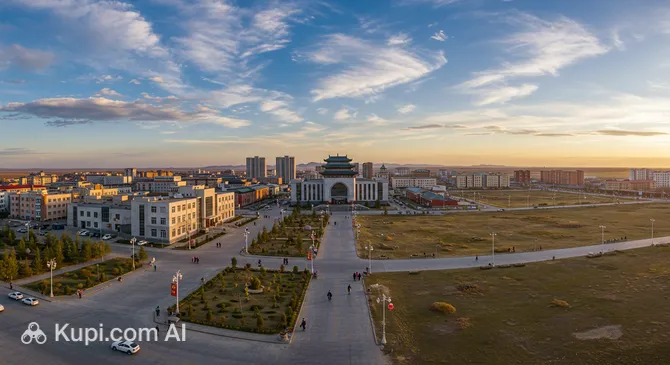
Ulanhot. Source: Kupi.Binoculars

The city holds a special place in the region's chronicles. Visitors keen to understand the local heritage should explore the history of Ulanhot, which is distinguished by its role as the site where the Inner Mongolia Autonomous Region was founded. This legacy is preserved in various monuments and cultural sites throughout the area.

Among the top attractions, the majestic Genghis Khan Temple stands out as a unique architectural marvel and a center for paying homage to the legendary figure. It is a rare temple dedicated to Genghis Khan that serves solely as a memorial rather than a mausoleum. Nature lovers will also appreciate the city's proximity to the lush landscapes of the Greater Khingan mountains, offering opportunities for refreshing outdoor adventures.

Whether you are drawn by cultural curiosity or the desire to see a different side of the region, Ulanhot offers a memorable experience. Plan your visit to discover the warmth of its people and the richness of its storied past.

Weather Overview

The climate in Ulanhot is characterized by distinct seasonal variations, typical of a continental environment. Winters are generally long, cold, and dry, with January being the coldest month, featuring an average temperature of -13.6°C and lows dropping to -18.7°C. In contrast, spring sees a gradual warming, with temperatures rising from an average of 0.1°C in March to a comfortable 14.9°C by May.

Summer brings the warmest weather and the most moisture to the region. July is typically the hottest month, with average temperatures around 23.4°C and highs reaching 27.9°C. This season also corresponds with the highest frequency of precipitation; for instance, July sees approximately 15 wet days. Generally, you can expect warm summers with occasional rain and cold, dry winters. To help you pack the right gear for your trip, we recommend checking the detailed weather in Ulanhot before you travel.

Interesting Facts

Beyond the main attractions, Ulanhot holds many fascinating secrets that reveal the depth of its cultural and historical tapestry. From its agricultural surprises to unique architectural blends, there is much more to this city than meets the eye.
  • Before it was renamed Ulanhot, the city was historically known as Wangyemiao, which translates to "Temple of the Prince." This name was derived from the Puhui Temple, a significant structure built in the 17th century by a local noble, around which the original settlement developed.

  • Although the region is often associated with vast grasslands and livestock, Ulanhot is a surprising hub for high-quality rice cultivation. The city produces the famous "Hinggan Rice," which thrives in the area's pure water and fertile soil, challenging the stereotype of the northern steppes.

  • The city is frequently referred to as the "Yan'an of Inner Mongolia" due to its pivotal role in revolutionary history. It was here that the very first minority autonomous region in China was established in 1947, predating the founding of the People's Republic.

  • The architecture of the Genghis Khan Temple is a deliberate and rare fusion of three distinct styles. It features the top of a Mongolian yurt, the body of a traditional Han hall, and the stylistic elements of a Tibetan temple, symbolizing a harmonious blend of the diverse cultures found in the region.

How to Get There

Reaching this part of Inner Mongolia is relatively straightforward, primarily due to the availability of local air connections. For travelers looking to plan their journey in detail, you can find more about how to get to Ulanhot and the various transport options available.

The most convenient entry point is the city's own Ulanhot Airport (HLH). Located just 6 km from the city center, it offers a quick and easy transfer for visitors. A taxi or bus ride from the airport to downtown typically takes around 30 minutes. This regional hub handles a moderate volume of passengers and connects the city with several major destinations across China.

As an alternative, travelers might consider Qiqihar Airport (NDG), located in the city of Qiqihar. However, it is important to note that this airport is situated approximately 190 km away from Ulanhot. Choosing this option would require a subsequent ground transfer taking about 5 hours, so it is generally recommended only if direct flights to Ulanhot are unavailable.

For clarity, here is a summary of the main airports:

Airport Name City Passenger Traffic Km from City
Ulanhot Airport Ulanhot Medium 6.0
Qiqihar Airport Qiqihar Medium 190.6
Songyuan Chaganhu Airport Songyuan Small 207.1
Zalantun Chengjisihan Zalantun Small 205.8
Arxan Yiershi Airport Arxan Small 216.3

Main Attractions

Ulanhot offers a compelling mix of historical depth and natural beauty, making it a unique stop for travelers exploring the region. The city is best known for its significant role in the history of Inner Mongolia, but it also features serene parks and architectural landmarks that reflect the local culture. Here are some of the most interesting places to visit during your stay.

One of the most iconic sites is the Genghis Khan Temple, perched atop Hanshan Mountain in the northern part of the city. Unlike the mausoleum in Ordos, this temple serves purely as a memorial and is renowned for its distinctive architectural style. The structure harmoniously blends Mongolian, Han, and Tibetan design elements, featuring a yurt-shaped top and a traditional hall body. Visitors can climb the steps to the temple not only to pay respects to the legendary figure but also to enjoy panoramic views of the entire city from the summit.

For those interested in the region's political heritage, the Inner Mongolia National Liberation Memorial Hall is an essential stop. Ulanhot is known as the "Red City" because it was here that the Inner Mongolia Autonomous Region was founded, predating the establishment of the People's Republic of China. This spacious museum offers a comprehensive look at this pivotal era through photographs, artifacts, and detailed exhibits, helping tourists understand the modern history of the area.

Nature lovers should head to the Tao'er River National Wetland Park. This expansive natural area provides a refreshing escape from the urban environment, featuring winding waterways, lush vegetation, and diverse birdlife. It is a perfect spot for a leisurely walk, photography, or simply enjoying the fresh air along the riverbanks. The park showcases the softer, greener side of the local landscape, contrasting beautifully with the surrounding steppe geography.

Another historically significant location is the May 1st Meeting Site (Ulanhu Office). This modest yet important building is where the meeting that established the autonomous region took place in 1947. Preserved to look as it did during that time, it offers an intimate glimpse into the past. Walking through the rooms, visitors can see the simple furnishings and office setups used by the leaders of that period, providing a tangible connection to the events that shaped modern Inner Mongolia.

Local Cuisine

The culinary landscape of Ulanhot offers a delicious journey that mirrors its geography, blending the hearty traditions of the Mongolian steppes with the robust flavors of Northeastern China. Meat lovers will feel right at home here, as lamb and mutton feature prominently on almost every menu. One of the most authentic dishes to try is Shouba Rou, or "hand-held mutton." This dish consists of large chunks of mutton boiled simply to preserve its natural flavor, eaten with your hands and dipped in a savory mix of salt, garlic, and soy sauce.

Another local specialty that surprises many visitors is the high-quality Hinggan Rice. Grown in the region's fertile soil and pristine waters, this rice is renowned for its oily sheen, fragrance, and soft texture. It is often served alongside rich stews or braised dishes, providing a perfect balance to the meat-heavy local diet. For a casual evening meal, look for local barbecue joints serving Chuan'r (skewers). These are typically seasoned generously with cumin and chili powder, offering a spicy kick that is particularly satisfying during the cooler months.

When it comes to beverages, the local culture is best experienced through a bowl of salty milk tea. Unlike the sweet versions found elsewhere, this traditional Mongolian drink is savory, brewed with brick tea and fresh milk, and often enriched with puffed millet, butter, or dried cheese curds. It serves as both a drink and a soup, warming you from the inside out. For those looking to toast with locals, strong distilled spirits like Baijiu are common, playing a central role in the warm hospitality you will encounter in the city.

Dining in Ulanhot ranges from unique yurt-style restaurants, where you can enjoy traditional folk songs with your meal, to bustling street markets perfect for a quick bite. The atmosphere is generally casual and communal, with dishes often served in large portions meant for sharing. Whether you are sampling street food or sitting down for a formal banquet, the food here is hearty, unpretentious, and deeply satisfying.

Travel Tips

To ensure your journey to Ulanhot is as smooth and enjoyable as possible, we have compiled a list of essential practical advice. Whether you are visiting to explore the historic Genghis Khan Temple or to experience the unique blend of Mongolian and Han cultures, these tips will help you navigate the city with confidence.

  1. Clothing and Gear: The weather in Ulanhot varies significantly by season. If visiting in winter (November to March), you must pack heavy-duty thermal wear, a down jacket, gloves, and insulated boots, as temperatures often drop well below freezing. For summer trips, light and breathable clothing is suitable, but bring a raincoat or umbrella since July and August see the most rainfall. Comfortable walking shoes are a must year-round for exploring parks and temple grounds.

  2. Transportation: Taxis are the most convenient way to get around the city and are relatively inexpensive. Ride-hailing apps like DiDi are widely used and can be easier for non-Chinese speakers as they allow you to input destinations in English or via map pins. Public buses are available and very cheap, but routes are displayed only in Chinese and Mongolian, making them challenging for tourists to navigate without a translation app.

  3. Finances: The local currency is the Renminbi (RMB). While cash is accepted, China has largely moved to mobile payments. It is highly recommended to set up Alipay or WeChat Pay on your phone before arrival, as they can now link to international credit cards. International bank cards are rarely accepted directly in local shops or restaurants in Ulanhot, so keep some cash on hand for small vendors or emergencies.

  4. Health and Safety: Ulanhot is a safe city for travelers, but standard precautions against pickpocketing in crowded markets apply. Tap water is not safe to drink directly; always buy bottled water or boil tap water before consumption. Pharmacies are marked with a green cross, but prescription labels will be in Chinese, so bring a sufficient supply of any personal medications you require.

  5. Communication: The primary languages are Mandarin Chinese and Mongolian. English is not widely spoken outside of major transport hubs or high-end hotels. It is essential to download a translation app that works offline (like a specialized dictionary or a translation tool) before you arrive. Purchasing a local SIM card with data is crucial for navigation and translation; these can be bought at the airport or official telecom stores with your passport.

  6. Local Etiquette: When interacting with locals, especially those of Mongolian heritage, it is polite to receive or give items (like a cup of tea or a business card) using both hands or your right hand supported by your left. If you visit a traditional yurt or a local home, never step on the threshold when entering; always step over it, as touching it is considered bad luck.

  7. What to Avoid: Avoid touching people on the head, including children, as this is considered disrespectful in Mongolian culture. Additionally, refrain from sticking your chopsticks upright in a bowl of rice, as this resembles incense burned for the dead and is seen as a bad omen.

  8. Local Insight: Embrace the local tea culture. When dining out, you will likely be served salty milk tea instead of water or green tea. It is a staple of the local diet and is excellent for hydration in the dry climate. Don't be afraid to try it—it’s a warm gesture of hospitality.

By keeping these practical tips in mind, you will be well-prepared to immerse yourself in the rich history and welcoming atmosphere of Ulanhot. We hope these suggestions help you focus less on logistics and more on creating unforgettable memories in this fascinating part of Inner Mongolia.

Entertainment & Nightlife

While Ulanhot may not possess the high-energy nightlife found in China's mega-cities, it offers a charming and authentic array of entertainment options that reflect the local lifestyle. The city's leisure activities are a blend of modern amenities and traditional community gatherings, providing visitors with a chance to unwind and mingle with the friendly local population.

The center of social life in the evenings is undoubtedly Genghis Khan Square. As the sun sets, this expansive plaza transforms into a vibrant hub of activity. It is the perfect place to witness the popular tradition of "square dancing" (guangchang wu), where residents of all ages gather to dance to a mix of traditional Mongolian music and modern pop tunes. The atmosphere is festive and welcoming, and the square is beautifully illuminated at night, making it an ideal spot for a relaxing after-dinner stroll or for flying kites, a popular local pastime.

For a more modern entertainment experience, Wanda Plaza serves as the city's premier commercial and leisure complex. Located in the bustling downtown area, it offers a variety of international and domestic fashion brands, a large cinema showing the latest releases, and numerous dining options. It is a one-stop destination for travelers looking to do some shopping, escape the weather, or enjoy a movie in a comfortable, contemporary setting.

Nightlife in Ulanhot is heavily centered around culinary experiences. The local night markets and barbecue streets come alive after dark, offering a sensory delight of sights and smells. Sitting outdoors on small stools to enjoy spicy skewers (chuan'r) and cold local beer is the quintessential evening activity in this region. For those seeking indoor fun, KTV (Karaoke) is extremely popular. You will find numerous venues across the city where you can rent a private room and sing with friends, which is the preferred way for locals to celebrate and socialize.

If your visit coincides with traditional celebrations, such as the regional Naadam festivals, the entertainment landscape expands to include thrilling displays of horse racing, Mongolian wrestling, and archery. However, even on regular days, the city offers a relaxed pace where the best entertainment is often found in simply observing the harmonious blend of cultures and participating in the daily joys of local life.

Parks & Museums

Exploring Ulanhot offers a distinct balance between immersion in "Red" revolutionary history and relaxation amidst "Green" natural landscapes. The city's layout integrates cultural education with scenic recreational spaces, allowing visitors to transition seamlessly from learning about the region's pivotal past to enjoying the tranquility of its rivers and mountains.

For nature enthusiasts, Hanshan Park is the city's premier green space. Dominating the northern skyline, this park is not only the setting for the famous Genghis Khan Temple but also a favorite recreational spot for locals. The mountainside features a network of paved paths and stone steps that lead through forested areas, offering a moderately challenging hike. Reaching the summit rewards you with a panoramic view of the urban grid and the winding rivers below. It is particularly lively in the early morning when residents gather for exercise, providing a glimpse into the daily life of the community.

Another significant natural area is the Tao'er River National Wetland Park. Stretching along the banks of the city's mother river, this ecological corridor is a haven for biodiversity. Wooden boardwalks and viewing platforms allow visitors to wander through reed marshes and willow groves without disturbing the habitat. It is an excellent location for birdwatching, especially during migration seasons, and offers a peaceful escape from the city noise. The park's design emphasizes the harmony between water and vegetation, making it a perfect spot for a sunset walk or a picnic.

Delving into the cultural side, the Inner Mongolia National Liberation Memorial Hall is the most comprehensive museum in the city. As the site where the autonomous region was founded, Ulanhot takes great pride in this institution. The museum houses an extensive collection of historical photographs, documents, and relics from the late 1940s. The exhibits are arranged to tell the story of the region's political transformation, offering tourists a deep dive into the events that shaped modern Inner Mongolia. The architecture of the building itself is grand and imposing, reflecting the solemnity of the history it preserves.

Complementing the larger museum is the Ulanhu Office, also known as the May 1st Meeting Site. While smaller, this site functions as a house museum, preserving the specific building where key historical decisions were made. The interior has been restored to its original state, featuring period furniture, maps, and office supplies used by the leadership in 1947. It offers a more intimate and atmospheric experience compared to the larger memorial hall, allowing visitors to step back in time and sense the environment of that era.

For a lesser-known experience, look for the smaller community parks scattered along the riverfront. These unpretentious green belts often feature traditional pavilions and are great places to see local musicians practicing the Morin Khuur (horsehead fiddle) in a casual, open-air setting.

Getting Around

Navigating Ulanhot is straightforward and affordable, reflecting the city's manageable size and layout. Unlike China's sprawling metropolises, there is no subway or light rail system here. Instead, the public transport network relies entirely on a comprehensive bus system, supported by a large fleet of taxis and ride-hailing services. For most visitors, a combination of taxis for convenience and walking for short distances is the most practical way to get around.

Public buses are the primary mode of mass transit, crisscrossing the city and connecting major residential areas with commercial hubs and tourist sites like Genghis Khan Square. Fares are extremely low, typically costing just 1 RMB per ride regardless of the distance. Payment is usually made upon boarding. While locals scan QR codes via WeChat or Alipay, the specific local transit codes can be difficult for short-term visitors to activate without a Chinese ID. Therefore, it is highly advisable to carry small change (1 RMB coins or notes) to drop into the fare box next to the driver.

Taxis are ubiquitous and represent the most convenient option for tourists. You can easily hail them on the street, and they are distinctively painted, making them hard to miss. Fares are metered and very reasonable compared to larger cities, with a low flag-fall price that covers the first few kilometers. Most drivers accept mobile payments (WeChat Pay or Alipay), but carrying cash is always a safe backup. Since very few drivers speak English, you should have your destination written in Chinese characters or marked on a map on your phone to show the driver.

Ride-hailing apps, particularly DiDi Chuxing (often accessible via the Alipay app in English), are an excellent alternative to street taxis. The advantage of using an app is that you can input your destination in English (or select it on a map), which eliminates the language barrier with the driver. The app also provides an estimated fare and route beforehand, adding a layer of transparency and security to your journey.

For shorter trips within the city center, shared bicycles are available and can be found parked on sidewalks. These can be unlocked by scanning a QR code with Alipay or WeChat. They are perfect for leisurely exploring the riverbanks or moving between nearby attractions when the weather is pleasant. However, be aware that you need mobile data and a configured payment method to use them.

A crucial piece of advice for using public transport in Ulanhot is to rely on navigation apps like Baidu Maps or Amap (Gaode Maps). While the interfaces are primarily in Chinese, they offer the most accurate bus route information and real-time traffic updates. If you plan to take the bus, check the operating hours; most lines stop running earlier than in big cities, often winding down between 7:00 PM and 8:00 PM, though some main routes may run a bit later.

Accommodation

Accommodation in Ulanhot primarily caters to domestic travelers and business visitors, offering a range of options that are generally practical and comfortable. The city does not feature many ultra-luxury international hotel chains; instead, visitors will find a solid selection of standard 3-star and 4-star hotels, reputable local brands, and budget-friendly inns. For those seeking a more authentic or economical stay, there are also numerous smaller guesthouses available, though amenities in these may be more basic compared to larger cities.

For the most convenient experience, travelers are advised to look for lodging in the city center, particularly near Genghis Khan Square or the commercial districts around Wanda Plaza. Staying in this area places you within walking distance of major shopping centers, diverse dining options, and vibrant night markets. It also serves as a central point for catching taxis or buses to attractions like the Genghis Khan Temple. Alternatively, the area around the railway station offers practical transit hotels for those with early morning connections, though it is slightly removed from the main leisure activities.

Booking Tip: Ulanhot experiences a significant surge in tourism during the summer months, especially in July and August, when the weather is most favorable and nearby grasslands are lush. During this peak season, rooms fill up quickly, and prices can rise. It is highly recommended to book your accommodation at least a few weeks in advance if you plan to visit during this period to ensure availability and secure better rates.

In terms of pricing, Ulanhot is generally quite affordable compared to China's major metropolises. A comfortable mid-range hotel room typically costs a fraction of what you would pay in Beijing or Shanghai. Most hotels can be booked through major international travel platforms, which is advisable for non-Chinese speakers to ensure the property is licensed to host foreign guests. While walk-ins are possible, using an app allows you to check reviews and confirm that the hotel accepts international passports.

Nearby Cities

Ulanhot is strategically located in the eastern part of Inner Mongolia, positioning it as a convenient gateway between the autonomous region and the neighboring provinces of Jilin and Heilongjiang. This geographic proximity allows travelers to easily expand their itinerary to include other major urban centers in Northeast China, ranging from industrial hubs to cities rich in wetlands and nature reserves.

The closest city to Ulanhot is Baicheng, situated just across the border in Jilin province, less than 100 kilometers away. For those willing to travel a bit further, the historic city of Qiqihar and the oil-rich city of Daqing in Heilongjiang offer distinct cultural experiences. Below is a table of nearby cities, along with their distance and population, to help you plan your regional travels.

City Population Distance (km)
Baicheng 3,669,400 77
Qiqihar 5,367,003 199
Songyuan 2,880,000 237
Daqing 2,904,532 239
Tongliao 3,139,153 269

Shopping & Souvenirs

Shopping in Ulanhot offers a delightful mix of modern convenience and traditional local flavor. While the city may not be a global fashion capital, it provides a genuine glimpse into the lifestyle of Inner Mongolia. Visitors can expect to find everything from contemporary clothing brands in large shopping complexes to unique regional specialties in bustling local markets. The shopping scene here is heavily influenced by the surrounding geography, with a strong focus on agricultural products from the fertile soils and goods that reflect the area's Mongolian heritage.

The main commercial activity is concentrated in the downtown area, particularly around the major intersections and squares. The streets surrounding Genghis Khan Square are often lined with smaller boutiques and specialty shops selling local handicrafts and souvenirs. Walking through these central districts allows tourists to browse for goods while soaking in the city's energetic atmosphere. It is here that you will find the highest density of stores, ranging from sportswear outlets to jewelry shops featuring traditional designs.

For a modern retail experience, Wanda Plaza stands out as the city's premier shopping destination. Located in the heart of the city, this large complex is a one-stop shop for travelers. Inside, you will find a wide array of domestic and international fashion brands, electronics, and lifestyle stores. It provides a comfortable, climate-controlled environment, which is particularly welcome during the cold winters or hot summer afternoons. The mall also features a supermarket, making it a convenient spot to stock up on daily necessities or snacks.

To experience the local culture more intimately, visiting a local market is a must. These markets are vibrant and colorful, overflowing with fresh produce and regional ingredients. You can find stalls selling wild vegetables, mushrooms, and berries harvested from the nearby Greater Khingan mountains. The atmosphere is lively, with vendors calling out their wares, offering a stark contrast to the quiet order of the shopping malls. Night markets also appear in the evenings, offering not just food but also inexpensive clothes, accessories, and knick-knacks.

When it comes to souvenirs, Ulanhot has several distinct specialties worth bringing home. Mongolian beef jerky is a top choice; it is flavorful, durable, and deeply rooted in the local diet. Dairy products, such as dried cheese curds and milk tea powder, are also popular and easy to pack. Additionally, the region is famous for its high-quality Hinggan Rice and organic forest products like dried black fungus and mushrooms. For non-food items, look for Mongolian-style silverware, leather goods, or intricate paper-cutting art, which make for meaningful keepsakes.

Most shops in Ulanhot operate from around 9:00 AM or 10:00 AM until 9:00 PM or 10:00 PM, though smaller street vendors may stay open later, especially in summer. Payment methods have largely shifted to digital platforms. While some larger supermarkets and hotels accept credit cards, the vast majority of transactions—from mall boutiques to market stalls—are conducted via WeChat Pay or Alipay. It is highly recommended to have these apps set up on your phone. Cash is generally accepted but is becoming less common for small purchases.

Travelers should note that Ulanhot is not typically a destination for tax-free shopping. Unlike major international hubs such as Shanghai or Beijing, the tax refund systems for tourists are generally not available in local stores here. Prices are displayed inclusive of tax, and bargaining is acceptable in markets and independent stalls, but not in department stores or branded chains.

Reached the end of the page?

That means the route is fully explored