Support

Arxan

About

Nestled in the lush landscapes of the Inner Mongolia Autonomous Region, Arxan is a captivating destination that feels like a world away from the bustling metropolises of China. Known for its pristine environment and remarkably fresh air, this city offers a serene escape into nature. Despite holding the administrative status of a city, Arxan is delightfully intimate, with a population of approximately 70,000 people, making it one of the smallest and most charming urban centers in the country.

Geographically, Arxan is situated at the southwest foot of the Greater Khingan Range, bordering Mongolia to the west. Its location endows it with a unique climate characterized by cool, refreshing summers and snowy, picturesque winters. The history of Arxan is deeply intertwined with the region's forestry and railway development, which is most visibly preserved in its architecture. The iconic Arxan Railway Station, built in the 1930s, stands as a stunning example of this heritage, often celebrated as one of the most beautiful train stations in the nation.

Arxan. Source: Kupi.Binoculars

The name "Arxan" is an abbreviation of a Mongolian phrase meaning "Hot Magic Spring," highlighting one of the city's most famous features: its mineral-rich hot springs. These thermal waters have drawn visitors for centuries, seeking relaxation and healing. Beyond the springs, the city serves as the gateway to the breathtaking Arxan National Forest Park. This vast natural reserve is renowned for its volcanic landscapes, including the mesmerizing Heavenly Pool, a crater lake that mirrors the changing skies.

Whether you are eager to explore dormant volcanic craters, relax in therapeutic waters, or simply enjoy the tranquility of a snowy winter wonderland, Arxan is a destination that promises to enchant. It is the perfect spot for travelers seeking a unique and peaceful adventure off the beaten path.

Weather Overview

The climate in Arxan is defined by its distinct seasonal contrasts, featuring long, freezing winters and short, pleasantly cool summers. Travelers visiting between December and February must be prepared for harsh conditions, as average temperatures can drop to -21.7°C in January, with lows occasionally reaching nearly -27°C. Despite the biting cold, these winter months are exceptionally dry, with almost zero precipitation recorded, creating crisp and clear days suitable for viewing the snowy landscapes.

Summer, spanning from June to August, brings a refreshing change with mild warmth that is ideal for outdoor activities. July is typically the warmest month, yet the average highs hover around 23°C, ensuring the weather remains comfortable rather than sweltering. This season also brings the majority of the region's moisture; you can expect up to 16 wet days per month during peak summer, so carrying rain gear is essential for any outdoor plans.

Spring and autumn are brief but scenic transition periods. May and September offer moderate averages around 9°C to 10°C, though the air remains brisk. By October, temperatures drop sharply towards freezing, signaling the early arrival of the cold season. Overall, visitors should expect mild, breezy summers with frequent showers and bitterly cold, dry winters.

Interesting Facts

Beyond the main attractions, Arxan holds many fascinating secrets that make it a truly unique destination in Northern China. From geological marvels that defy the laws of winter to its curious demographic status, this city is full of surprises waiting to be discovered.

  • The "Smallest City" Paradox: While the administrative region has a population of around 70,000, the actual urban core of Arxan is home to fewer than 10,000 residents. This unique demographic quirk has earned it the nickname of "China's Tiniest City," creating an intimate, village-like atmosphere that is incredibly rare for a Chinese municipality.

  • The Unfrozen River: One of the city's most baffling natural phenomena is the Budonghe, or "Never-Frozen River." Even when winter temperatures plummet to a bone-chilling -40°C, a specific 20-kilometer stretch of the Halha River remains completely liquid and flowing. This is due to intense geothermal activity beneath the riverbed, which keeps the water warm enough to support grazing cattle and green aquatic plants even in the depths of winter.

  • A Living Volcanic Museum: Arxan is often described by geologists as an "encyclopedia of volcanoes." The area boasts one of the best-preserved volcanic landforms in Asia, featuring over 50 volcanic cones and a multitude of crater lakes. Unlike typical conical volcanoes, many here present unique shapes and formations that allow visitors to walk directly on ancient lava flows.

  • The "Switzerland of the East": Due to its alpine architecture, snow-capped peaks, and endless forests, Arxan is frequently compared to the Swiss Alps. During the winter, the city transforms into a snow kingdom that lasts for nearly seven months, from October to May, making it a premier but lesser-known destination for winter sports enthusiasts seeking pristine powder snow.

How to Get There

Reaching the remote and picturesque city of Arxan requires a bit of planning, but the journey is part of the adventure. Located in the Greater Khingan Range, the city is accessible by air and land, with flights being the most time-efficient option for most travelers. For a complete breakdown of routes and travel tips, you can read more about how to get to Arxan.

The most convenient entry point is Arxan Yiershi Airport (YIE), which is situated directly within the administrative area of Arxan. Located just 15 km from the city center, this airport allows you to land right at the doorstep of the region's natural wonders. A taxi or shuttle ride from the airport to the downtown area typically takes between 20 and 30 minutes. While it is a smaller airport with a passenger volume of around 41,000 annually, it provides vital links for tourists.

If direct flights to Arxan are unavailable, a common alternative is to fly into Ulanhot Airport (HLH) in the city of Ulanhot. This is a significantly larger regional hub, handling over a million passengers each year, which often means more flight schedules and connections. However, Ulanhot is about 200 km away from Arxan. Travelers choosing this route should be prepared for a transfer: traveling by road generally takes 2 to 3 hours, while taking the train is a slower but scenic option lasting approximately 4 to 5 hours.

For clarity, here is a summary of the main airports serving the region:

Airport Name City Passenger Traffic Km from City
Ulanhot Airport Ulanhot Large 200.0
Zalantun Chengjisihan Zalantun Medium 225.8
Arxan Yiershi Airport Arxan Small 15.0

In addition to air travel, Arxan is well-connected by rail and road, which are popular options for those who wish to enjoy the scenic landscapes of Inner Mongolia. The train journey, in particular, is favored by many for the chance to see the famous historic railway station in the city center. While slower than flying, overland transport offers a unique perspective on the vast forests and grasslands surrounding the city.

Main Attractions

The crown jewel of the region is undoubtedly the Arxan National Forest Park. This expansive nature reserve is a geological wonderland, boasting a high concentration of volcanic landforms, dense forests, and crystal-clear rivers. It is a place where visitors can immerse themselves in the raw beauty of nature, breathing in air that is incredibly pure. The park is vast, so travelers typically spend a full day or two exploring its various scenic spots, which range from serene lakes to rugged lava fields.

One of the most spectacular sights within the park is the Camel Peak Heavenly Pool (Tuofengling Tianchi). Located at a higher altitude, this crater lake is shaped like a giant footprint and is surrounded by rolling hills that turn golden in autumn and lush green in summer. Standing on the viewing platform offers a panoramic view of the deep blue water reflecting the sky, a sight that many photographers consider superior even to the park's main Heavenly Pool due to its untouched and dramatic setting.

For those interested in unique geological formations, Shitanglin, or the Stone Pond Forest, is a must-see. This area features a landscape of solidified basalt lava formed by volcanic eruptions thousands of years ago. What makes it truly fascinating is the resilience of life here; hardy larch trees and vibrant mosses grow directly out of the cracks in the dark volcanic rock, creating a stunning contrast between the stark stone and the vibrant greenery.

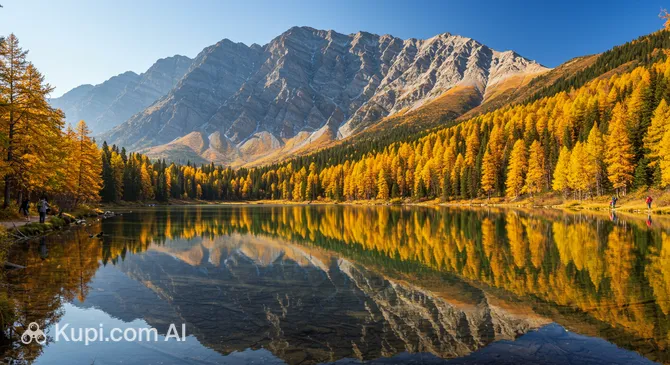
Another highlight is Dujuan Lake, named after the azalea flowers that bloom profusely along its shores in spring. This volcanic barrier lake is renowned for its tranquil beauty, particularly during sunrise and sunset when the water mirrors the colorful hues of the sky. In autumn, the lake is framed by golden forests, making it a favorite spot for nature lovers seeking a peaceful retreat.

Back in the city center, the Arxan Railway Station serves as a functioning historical monument. Built in 1937, this small but exquisite station features distinctive Japanese-style architecture with a low-hanging roof and intricate wooden details. It is often cited as one of the most beautiful railway stations in the country, providing a nostalgic glimpse into the past and serving as a perfect backdrop for memorable travel photos.

Local Cuisine

The local cuisine of Arxan is a delightful fusion of hearty Northeastern Chinese (Dongbei) flavors and traditional Mongolian influences, all underpinned by the region's abundance of natural resources. Due to its location in the Greater Khingan Range, the local diet is heavily focused on "Mountain Treasures"—wild ingredients foraged directly from the surrounding unpolluted forests. Visitors can expect meals that are organic, fresh, and designed to provide warmth and energy in the cold climate.

One of the most distinctive culinary highlights is the array of wild vegetable and mushroom dishes. Local specialties often feature stir-fried bracken fern (jue cai) and various wild fungi like hazel mushrooms and black wood ear. These ingredients are praised for their intense, earthy flavors and nutritional value. Another must-try is the cold-water fish from the pristine Halha River. Because the water is icy and pure, the fish grows slowly, resulting in meat that is exceptionally tender and free of earthy tastes. It is typically served stewed with local tofu in a savory broth, a dish that perfectly captures the essence of the region.

Given its proximity to the grasslands, Arxan also excels in Mongolian-style meat dishes. Hand-held mutton (shou pa rou) is a staple, where premium lamb is boiled simply to preserve its natural flavor and eaten with the hands, often dipped in a savory sauce. For larger groups, roasted whole lamb or leg of lamb offers a festive and aromatic dining experience, seasoned with cumin and local spices that make the meat succulent and fragrant.

When it comes to beverages, the city is famous across China for its water. Arxan Mineral Water is sourced from deep underground springs and is considered some of the finest drinking water in the country; you will find it bottled everywhere, and locals use it for cooking and tea. For something stronger, the adventurous can try Ant Wine (Yi Li Shen). Arxan is known as a "hometown of ants," and this unique medicinal liquor, infused with wild wood ants, is believed by locals to help dispel cold and boost energy.

The food culture in Arxan is rustic and welcoming. Instead of fancy fine dining, the best meals are often found in "Nong Jia Le" (farmhouse restaurants) run by local families. These establishments offer a cozy atmosphere where you can sit on heated kang beds (traditional stove-heated platforms) while enjoying generous portions of stew and wild vegetables. It is an unpretentious and authentic way to experience the local lifestyle, especially during the snowy winter months.

Travel Tips

Visiting Arxan is a journey into one of the most pristine and remote corners of Northern China, and a little preparation goes a long way in ensuring a smooth adventure. Because of its unique climate and secluded location near the Mongolian border, packing the right gear and knowing local logistics will help you fully enjoy the stunning volcanic landscapes and therapeutic hot springs without worry.

  1. Prepare for Extreme Climates: The weather here dictates your packing list. If you visit in winter (October to April), you must bring professional-grade cold-weather gear, including thermal underwear, a down parka, windproof trousers, and anti-slip snow boots, as temperatures frequently drop below -30°C. In summer, the weather is mild and pleasant, but temperatures can fluctuate significantly between day and night. Bring layers, a waterproof jacket for sudden showers, and sturdy hiking shoes for walking on volcanic rock.

  2. Transportation Logistics: Arxan is a small city, and there is no metro system. Taxis are available and affordable within the town, but they do not run on meters, so negotiate the fare before getting in. To explore the Arxan National Forest Park, which is about an hour's drive from the city center, it is highly recommended to hire a private driver or join a local tour group for the day. Once inside the park, private vehicles are prohibited, and you must use the park's eco-shuttle buses to move between scenic spots.

  3. Managing Finances: While major hotels may accept international credit cards, Arxan is a remote area where cash (RMB) and mobile payments are the norm. Small restaurants, shops, and taxi drivers will almost exclusively use WeChat Pay or Alipay. It is wise to withdraw sufficient cash in a major city before arriving or use ATMs in the Arxan city center, as banking facilities are scarce near the forest park and scenic areas.

  4. Health and Safety: Pharmacies are available in the town center, but they may not carry specific international brands or have English-speaking staff. Bring a personal medical kit with essentials like painkillers, cold medicine, and stomach remedies. If you plan to hike in the forest during summer, carry strong insect repellent to protect against ticks and mosquitoes. In winter, frostbite is a real risk; cover all exposed skin and avoid staying outdoors motionless for too long.

  5. Communication Hurdles: English is rarely spoken in Arxan, even by service staff in hotels. It is essential to have a translation app installed on your phone that works offline or with data. Learning a few basic Mandarin phrases like "Ni hao" (Hello) and "Xie xie" (Thank you) will be appreciated. Ensure you have a working SIM card with data roaming or purchase a local Chinese SIM card upon arrival in China, as public Wi-Fi can be spotty in remote areas.

  6. Respecting Local Customs: Arxan is located in the Inner Mongolia Autonomous Region, and you may encounter Mongolian customs. When visiting local homes or yurts, it is polite to accept food or drink offered to you with both hands or your right hand. Avoid stepping on the threshold when entering a room, as this is considered bad luck. The locals are generally warm and hospitable, and a smile often bridges the language gap.

  7. Fire Safety Awareness: The region is heavily forested and is a critical fire prevention zone. Smoking is strictly prohibited outdoors in the forest park and many scenic areas. Carrying lighters or matches into the mountain areas is often forbidden and checks may be conducted at park entrances. Always adhere to these rules strictly to avoid heavy fines and to protect the environment.

  8. Park Ticket Validity: A useful tip for the Arxan National Forest Park is that the entrance ticket is typically valid for two days. The park is massive, and trying to see everything in one day can be exhausting. Plan to stay overnight in the accommodation areas within or near the park (like Tianchi Service Area) to explore at a leisurely pace and catch both the sunrise and sunset over the volcanic lakes.

By keeping these practical tips in mind, you can navigate the unique challenges of this northern frontier with ease. Whether you are soaking in the hot springs or marveling at the frozen rivers, Arxan offers a safe and deeply rewarding experience for those who come prepared.

Entertainment & Nightlife

As a small and remote border city, Arxan does not offer the pulsing nightclubs or high-end cocktail bars found in China's major metropolises. Instead, the nightlife here is subdued, authentic, and deeply centered around socializing, warmth, and relaxation. The evening atmosphere is rustic and friendly, reflecting the local lifestyle where entertainment is often synonymous with sharing a hearty meal or singing songs with friends. For tourists, the "nightlife" is less about partying until dawn and more about experiencing the local culture of the Northeast.

The heart of the evening activity is concentrated in the central downtown area (Arxan City), particularly along the main streets lined with restaurants and small shops. Here, the most popular form of nightlife is undoubtedly the BBQ (Shao Kao) restaurants. In these establishments, the atmosphere is lively and noisy in the best possible way. Locals gather around tables piled high with skewers of lamb, beef, and vegetables, often accompanied by cases of local beer or strong Baijiu. These venues typically stay open late, serving as the primary social hubs where travelers can mingle with residents.

For those looking for entertainment beyond dining, KTV (Karaoke) is the go-to activity. Like much of China, even a small town like Arxan has several KTV parlors where groups can rent private rooms to sing their hearts out. These venues range from somewhat flashy to very modest, but they offer a warm refuge from the cold nights. Additionally, many visitors choose to spend their evenings at the hot spring resorts. Soaking in the mineral-rich waters of the Arxan Hot Spring Museum (often open into the evening) is a quintessential nighttime activity here, offering a relaxing way to unwind after a day of hiking.

Practical advice for enjoying a night out in Arxan is simple: dress for the weather. Even in summer, evenings can become quite cool, and in winter, they are dangerously cold. Taxis are the best way to get around at night; they are generally safe and easy to flag down on the main street, though you should agree on a fare before starting the trip as meters are rarely used. The city is very safe for night walks, with low crime rates, but stick to well-lit areas to avoid slipping on icy patches in winter.

During the daytime, entertainment options shift towards cultural and outdoor experiences. Before the sun sets, visitors can explore the Arxan Volcanic Museum to understand the region's geology or visit the small but culturally significant local exhibitions detailing the forestry history. In the winter months, the Arxan Ski Resort becomes the center of action, offering excellent slopes for skiing and snowboarding enthusiasts, often keeping the energy high well before the quiet evening sets in.

Parks & Museums

Arxan is a city defined by its breathtaking natural environment rather than a dense urban sprawl, making its "green spaces" some of the most spectacular in the country. The city serves as a gateway to vast primordial forests and volcanic landscapes, offering a cultural experience deeply rooted in the history of forestry and geology.

The most significant natural area is undoubtedly the Arxan National Forest Park. While often cited as the region's main attraction, it functions as a colossal green lung for the area. Covering thousands of hectares, it is a sanctuary of dense larch forests, volcanic crater lakes, and lava fields. It is not just a park for sightseeing but a haven for hiking and breathing in air that is famed for its high negative oxygen ion content. Another striking natural site is Rose Peak (Meigui Feng), located about 25 kilometers north of the city. This area features magnificent reddish granite rock formations that resemble majestic castles or blooming roses when viewed from a distance. It is a favorite spot for climbers and photographers, offering panoramic views of the surrounding river valley and woodlands.

For those interested in the science behind the scenery, the Arxan Geopark Museum is a key educational stop. This facility provides a fascinating insight into the volcanic history of the Greater Khingan Range. Through geological exhibits, rock samples, and diagrams, visitors can learn how the region's unique landscape of crater lakes and lava terraces was formed over millennia. Another unique venue is the China Hot Spring Museum. Although it functions primarily as a massive therapeutic spa resort, it is named a "museum" because it houses dozens of natural spring pools with varying temperatures and mineral compositions. It showcases the region's geothermal heritage, allowing visitors to experience the "exhibits" firsthand by soaking in the healing waters.

In terms of historical architecture, the Arxan Railway Station stands as the city's most iconic cultural landmark. Constructed in 1937, this small but exquisite station is a masterpiece of Japanese-style architecture, featuring a multi-tiered roof and intricate wooden craftsmanship. It remains fully operational and is considered one of the most beautiful railway stations in China, symbolizing the city's origins as a forestry and transport hub. Nearby, you can observe preserved colonial-era buildings that add a nostalgic charm to the city streets.

For a truly authentic local experience, head to Wuliquan (Five Mile Spring). Located just outside the city center, this is not a typical tourist trap but a beloved spot where locals go daily to fetch fresh drinking water. The water here flows naturally from underground, is ice-cold even in summer, and is renowned for its sweet, crisp taste. Stopping here to taste the water or watch the daily routine of the residents offers a simple yet genuine glimpse into life in this remote border town.

Getting Around

Navigating Arxan is significantly different from moving around China’s sprawling metropolises. Due to its small population and compact urban center, the city does not have a metro system, tram network, or complex transit zones. Instead, the public transport infrastructure is simple and functional, designed primarily for local commuting rather than heavy tourism flows. For visitors, getting around often involves a mix of walking, taking taxis, and hiring private vehicles to reach the distant scenic spots.

Public buses are the most economical way to travel within the city limits. The network is small, consisting of just a few lines that connect key locations such as the Arxan Railway Station, the bus terminal, and major residential areas. Buses typically operate from early morning until around 6:00 PM or 7:00 PM. The fare is incredibly affordable, usually a flat rate of 1 RMB or 2 RMB regardless of distance. While the buses are clean and reliable, signage is almost exclusively in Chinese, so it is helpful to have your destination written down in Mandarin to show the driver.

For most tourists, taxis are the primary mode of transport. Unlike in larger cities where meters are strictly used, taxis in Arxan often operate on a flat-rate basis for trips within the downtown area. It is common practice to agree on the price before getting into the vehicle to avoid misunderstandings. A short trip across town is generally inexpensive. However, if you plan to visit attractions outside the city center, such as the hot springs or the airport, you will need to negotiate a specific fare or hire the taxi for a half-day or full-day excursion.

When it comes to payment, digital wallets are the standard. Almost all bus drivers and taxi operators accept WeChat Pay and Alipay. While cash is still legally accepted, drivers may not always have small change, so carrying exact amounts is advisable if you prefer physical currency. There are no specific "tourist travel cards" or transit passes for the city, given the simplicity of the system. You simply scan the QR code on the bus or in the taxi to pay as you go.

A crucial aspect of local transport involves visiting the Arxan National Forest Park. Private vehicles are generally not allowed to drive freely inside the reserve. Instead, tourists must use the park's dedicated eco-shuttle buses. These buses are included in the price of the park entrance ticket (or charged as a mandatory supplement) and run on fixed routes between major scenic spots like the Heavenly Pool and the Stone Pond Forest. They are efficient and frequent during the peak summer season but run on reduced schedules in winter.

For a more flexible experience, chartering a car (hiring a private driver) is highly recommended. Since the attractions in the Greater Khingan Range are spread out over vast distances, having a dedicated driver allows you to explore at your own pace and stop for photos whenever you wish. This service can usually be arranged through your hotel or local travel agencies. Ridesharing apps like Didi are available but can be less reliable than in big cities, so securing a driver in advance is often the safer bet.

Lastly, the city center itself is small enough to be explored on foot. Walking is a pleasant option, especially in the summer when the weather is cool. You can easily stroll from the historic railway station to local restaurants and shops without the need for any vehicle. However, in winter, the extreme cold and icy roads make walking for extended periods challenging, so hopping into a heated taxi is the sensible choice.

Accommodation

Accommodation in Arxan reflects the city's character as a remote nature retreat rather than a bustling metropolis. Visitors will not find an abundance of international luxury hotel chains here. Instead, the lodging landscape is dominated by domestic hotels, charming family-run guesthouses, and specialized resorts that focus on the region's famous hot springs. Options generally range from budget-friendly hostels to comfortable mid-range hotels, with a few higher-end establishments offering resort-style amenities.

When choosing where to stay, location is the most critical factor. There are two primary areas for tourists: the Arxan City Center (downtown) and the service areas within the Arxan National Forest Park. Staying in the city center, particularly near the historic Arxan Railway Station, offers the most convenience. Here, you have easy access to restaurants, supermarkets, and transportation. It is the best base if you plan to visit multiple different attractions or need access to the airport and train station.

Alternatively, many nature lovers prefer to stay directly inside the National Forest Park, usually in the Tianchi Service Area or Xing'an Service Area. These locations are approximately an hour's drive from the city center. Accommodation here is often more rustic, ranging from simple wooden cabins to local guesthouses. The major advantage of staying in the park is the ability to catch the sunrise over the crater lakes and avoid the daily commute from the city, allowing for a more immersive experience in the wild.

For a unique local experience, look for traditional "Nong Jia Le" (farmhouse guesthouses). In these family-run establishments, especially during the freezing winter months, you might have the chance to sleep on a kang—a heatable brick bed platform common in Northern China. This provides a cozy and authentic way to stay warm while interacting with local hosts. On the other end of the spectrum, travelers seeking relaxation should consider the specialized hot spring resorts located on the outskirts of the city, where you can bathe in mineral waters right at your hotel.

Booking Tips: Arxan is a highly seasonal destination. During the peak summer months (July and August) and the prime winter season (December and January), rooms can fill up rapidly, and prices can double or triple. It is strongly recommended to book your accommodation at least a few weeks in advance. While larger hotels can be booked via major international platforms, many smaller local guesthouses are only listed on Chinese apps, so you may need to ask a travel agent or a Chinese-speaking friend for assistance if you want to access the full range of budget options.

Price Range: Generally, accommodation in Arxan is affordable compared to China's Tier-1 cities. Budget guesthouses can cost as little as 100–200 RMB per night, while mid-range hotels typically fall between 300–600 RMB. Luxury or specialized hot spring resorts during peak season can exceed 1,000 RMB per night. Be aware that many smaller lodgings may not accept international credit cards, so having Alipay, WeChat Pay, or sufficient cash is essential upon arrival.

Nearby Cities

For those looking to explore the surroundings, Arxan serves as an excellent base for day trips to several interesting nearby locations. Given the vastness of the region, these cities offer a change of pace and scenery, transitioning from the volcanic forests of Arxan to the wetlands and plains of neighboring provinces.

Baicheng, located in Jilin Province, is a notable destination for nature enthusiasts. It is home to the Momoge National Nature Reserve, a critical stopover for migratory birds, including the rare Siberian crane. A visit here offers a serene experience amidst sprawling wetlands and marshes, contrasting with the mountainous terrain of Arxan.

Another prominent option is Qiqihar, the second-largest city in Heilongjiang Province. Known as the "City of Cranes," it is famous for the Zhalong Nature Reserve, the world's largest habitat for wild red-crowned cranes. Beyond its natural wonders, Qiqihar offers a mix of history and culture, with architecture and cuisine that reflect the diverse influences of Northeast China.

City Population Distance (km)
Qiqihar 5,367,003 301
Baicheng 3,669,400 282
Tongliao 3,139,153 431
Daqing 2,904,532 399
Songyuan 2,880,000 440

These nearby destinations offer a glimpse into the diverse culture and landscapes of the region.

Shopping & Souvenirs

Shopping in Arxan is a delightful reflection of its natural surroundings and unique location. Unlike the sprawling commercial hubs found in China's major metropolises, the retail experience here is intimate, authentic, and focused heavily on local specialties. Visitors will not find high-end luxury fashion boutiques or massive international chain stores. Instead, the city offers a selection of charming shops and markets that specialize in "Mountain Treasures"—goods foraged from the surrounding forests—as well as traditional handicrafts that celebrate the region's cultural heritage.

The main commercial activity is concentrated in the compact downtown area, particularly along Wenquan Street (Hot Spring Street). This central avenue serves as the lifeline of the city, lined with a variety of restaurants, convenience stores, and souvenir shops. Strolling down this street offers a convenient way to browse for local goods while soaking in the small-town atmosphere. The area is easily walkable, allowing tourists to hop from shop to shop without the need for transportation.

Given the city's small population, Arxan does not host large-scale modern shopping malls. The retail landscape is dominated by smaller commercial buildings, supermarkets, and independent stores. Visitors looking for daily necessities or snacks for their hiking trips can find well-stocked supermarkets in the city center. These establishments often have dedicated sections for local souvenirs, making them a one-stop destination for travelers who want to purchase gifts without hunting through multiple specialty stalls.

For a more traditional experience, local markets and roadside stalls provide a glimpse into the daily life of the residents. During the harvest season in late summer and autumn, you will often find vendors selling fresh wild berries, such as blueberries and lingonberries, directly on the street corners. These impromptu markets are excellent places to try fresh produce that is difficult to find elsewhere. Additionally, near the entrance of the Arxan National Forest Park, numerous stalls cater specifically to tourists, selling dried goods and handicrafts.

When it comes to souvenirs, Arxan offers several unique items that are worth bringing home. The most famous local products are the wild mushrooms and fungi gathered from the Greater Khingan Range. Dried hazel mushrooms and black wood ear fungus are prized for their nutritional value and deep flavor, making them excellent gifts for foodies. Another distinctive local craft is birch bark painting. Artists use the natural textures of birch bark to create intricate landscapes and figures, a traditional art form in Northern China. Additionally, Arxan Mineral Water is renowned across the country; while heavy to carry, a bottle serves as a refreshing memento of your trip.

Most shops in Arxan operate from around 9:00 AM to 8:00 PM, though supermarkets and convenience stores may stay open later, especially in the summer tourist season. Payment methods are consistent with the rest of the country, with WeChat Pay and Alipay being the primary and preferred options everywhere, from established stores to small street vendors. Cash is generally accepted, but digital payments are far more convenient. International credit cards are rarely accepted in local shops, so it is advisable to have a mobile payment app set up or carry sufficient RMB cash.

As Arxan is a remote border city and not a major international shopping destination, Tax-Free shopping services for tourists are generally not available. Visitors should not expect VAT refund counters or duty-free shops within the city. The prices, however, are typically reasonable and reflect the local cost of living, offering good value for the unique, high-quality natural products available.
Reached the end of the page?

That means the route is fully explored