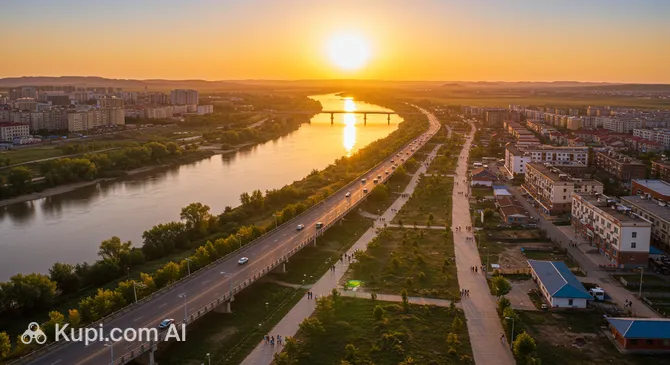
Nehe is a dynamic industrial and agricultural hub located in northeast China in Heilongjiang Province. Part of the Qiqihar administrative region, the city is a quintessential example of a northern industrial center where daily life is closely intertwined with coal mining and farming. It is home to approximately 740,000 people, making it a significant yet quiet settlement far from the glitz of major metropolises.
Nehe. Illustration.
Source: Kupi.com AI
Geographically, Nehe stretches across the flat expanses of the Neijiang Plain. This location is not often frequented by foreign tourists, allowing visitors to see an authentic, working-class China without any artifice. The rich history of Nehe is linked to the region's industrial development, and the city's architectural appearance combines functional buildings with modern residential quarters.
Key features of the city include its large-scale coal enterprises and the endless rice fields surrounding residential areas. While the city often serves as a transit point, it attracts those interested in industrial heritage and the authentic atmosphere of northern provinces. A visit here is an opportunity to get to know the lifestyle of Heilongjiang Province and enjoy the hospitality of locals away from popular tourist routes.
Weather Overview
The climate in Nehe is distinctly continental, which implies sharp temperature fluctuations between seasons. Winters here are severe, dry, and long: in January, the average temperature stays around -19.6°C, and on particularly cold nights, the thermometer can drop to -27°C or lower. During this period, precipitation is minimal, and frosty fogs often hang over the city.
Summer in the city is warm but short and quite humid. July and August are considered the rainiest months, when up to 150 mm of precipitation falls, bringing long-awaited freshness. The average daytime temperature in July is about +23°C, sometimes reaching +29°C. When planning your trip, be sure to check the current forecast to know what the weather in Nehe will be like in the coming days.
An important feature of the local ecology is the influence of the industrial zone and coal mines. Due to the flat terrain on windless days, especially in winter, air quality can deteriorate. Nevertheless, the proximity of the Neijiang River and the abundance of agricultural land around the city soften the climatic conditions, making spring and early autumn the most favorable periods for a visit.
Average monthly temperature
Average monthly precipitation
Interesting Facts
Nehe is one of the pillars of the region's energy sector: annual coal production here exceeds 10 million tons, providing fuel for many enterprises in Heilongjiang Province.
Local coal seams hide scientific treasures—paleontologists find unique fossils from the Cretaceous period here, which have high scientific value.
Despite the harsh northern climate, the city's surroundings are famous for their agriculture: up to 500,000 tons of high-quality rice are produced here annually.
The city carefully preserves its heritage, including rare elements of Manchu culture—the indigenous people whose traditions are still reflected in local life.
In recent decades, Nehe has become a platform for implementing eco-friendly technologies, actively working to reduce methane emissions as part of the modernization of its mines.
How to Get There
Transport accessibility to Nehe is provided mainly by a developed railway network that connects this industrial hub with key cities in the province. Travelers should keep in mind that the city is distant from major international hubs, so route planning will require transfers in nearby metropolises. Detailed information on how to get to Nehe will help you better plan your travel time.
The city does not have its own airport, so air travelers most often use Qiqihar Sanjiazi Airport. It is located about two hours away by bus or taxi. If you are arriving on an international flight, it is most convenient to fly into Harbin, from where you can reach the city by high-speed train in 4–5 hours or by car via the G10 highway in about 5–6 hours.
The city's main transport hub is the Nehe Railway Station. Trains arrive here from Qiqihar (travel time is about an hour) and direct trains from Beijing, which take between 10 to 12 hours. The railway remains the most reliable and popular way to travel in this region, especially during the winter period when weather conditions can affect road quality.
Station
Passenger traffic
Distance
Nenjiang Railway Station
3
81 km
Qiqihar railway station
7
144 km
Zhalantun Station
2
168 km
Daqing railway station
5
210 km
Jiagedaqi Railway Station
4
222 km
Main Attractions
Since Nehe is primarily an industrial center, it is difficult to find classic architectural masterpieces here; however, the city offers several locations that reflect its character. Nehe City Square is the heart of public life, where residents gather for walks and relaxation in the evenings. It is an excellent place to observe the daily rhythm of the local population and soak in the atmosphere of a northern Chinese city.
For those interested in the industrial past and present of the region, the Coal Mining Museum is open to visitors. The museum is dedicated to the history of coal mining in the province and clearly demonstrates how the city developed thanks to its natural wealth. The exhibition includes equipment from past years and materials telling the story of the miners' hard work, making it an important educational site in the city.
Those who enjoy local flavor should stop by the Agricultural Market. It is not just a market, but a true center of trade where the gifts of Heilongjiang's fertile lands are presented. Here you can see the full variety of local products, from the famous rice to seasonal vegetables, and feel the vibrant energy of the trading stalls that has remained unchanged for decades.
Local Cuisine
The gastronomy of Nehe reflects the spirit of Northeast China, offering hearty and warming dishes perfect for the local climate. The diet is based on pork, river fish caught in the Neijiang River, and the famous local rice. The cuisine here is simple and utilitarian, with an emphasis on the natural taste of ingredients and seasonality.
Be sure to try goubuuli—traditional steamed buns with meat filling—as well as Dongbei (hot pot), which is especially popular during the winter months. It is also worth trying the duck meat in a thick sauce and fried rice noodles. Local establishments, such as the Lao Changchun restaurant chain, offer a classic Heilongjiang menu in a cozy setting.
The food culture in the city is closely linked to street markets and small cafes where the locals eat. For breakfast, jianbing pancakes are often served, and outdoor snacks are popular throughout the day. Among the drinks, traditional green tea and the local Snow beer brand stand out, perfectly complementing the spicy and salty dishes of northern cuisine.
Travel Tips
Preparing for a trip to such a unique industrial center like Nehe requires attention to detail. These practical tips will help you feel confident and avoid unpleasant surprises during your journey.
Clothing and Gear: Consider the sharp continental climate. In winter, you will need serious protection from the cold (down jackets, thermal underwear), and in summer, light clothing and mandatory insect repellent for mosquitoes, which are numerous near the rivers. Footwear should be as comfortable as possible for walking on flat terrain.
Transport and Navigation: Be sure to install Baidu Maps or Amap, as standard Western maps do not work correctly here. Use the Didi app to call a taxi.
Finances: Although cash is accepted in the city, the basis for payments is QR codes via WeChat Pay and Alipay. International cards rarely work, so it is better to have a supply of cash RMB.
Health: In areas near the mines, the air can be dusty, especially in winter. People with sensitive lungs are recommended to use protective masks. Pharmacies can be found in the city center, but medication names will be in Chinese.
Communication: English is practically not spoken in the city. Download an offline translator in advance and save your hotel address in Chinese characters to show to a taxi driver.
Etiquette: Locals are friendly but value politeness and calm. Greet people with a slight nod. Tipping is not customary in restaurants—it may even embarrass the staff.
Safety: The city is generally safe, but it is better to avoid the outskirts of industrial zones at night due to poor lighting and lack of sidewalks. Stick to the central illuminated streets.
Additional Tip: If you plan to travel by train, buy tickets in advance via the 12306 app or at the station, as seats sell out quickly during peak periods.
May your introduction to this working region be comfortable and bring only positive impressions of immersion into the real life of provincial China!
Entertainment & Nightlife
The entertainment scene in Nehe is geared primarily towards locals and family recreation, so do not expect a vibrant nightlife with an abundance of clubs. The main places for evening leisure are modern shopping centers housing cinemas and numerous karaoke bars (KTV), which are extremely popular in this part of the country. This is a great opportunity to spend an evening with friends singing favorite songs in traditional Chinese style.
During the summer period, the central square becomes the epicenter of activity, sometimes hosting spontaneous fairs and festive events. Residents often spend time here with their families, participating in public dancing or simply enjoying the cool air after a hot day. The atmosphere of such gatherings is always friendly and calm, typical of the industrial towns of the province.
If you are looking for larger-scale entertainment, such as major concerts or professional theater productions, locals usually recommend heading to neighboring Qiqihar or Harbin. However, for those who appreciate comfort and a slower pace, Nehe offers honest and accessible leisure based on the simple joys of socializing and traditional forms of relaxation.
Parks & Museums
Green zones in Nehe are not extensive, but they play an important role in the life of the residents. The main place for outdoor recreation is People's Park, located on the riverbank. This is a classic city park with walking paths and small attractions, which becomes especially lively on weekends. Although the city's landscaping still lags behind the population's needs, this park remains a favorite spot for picnics and morning exercises.
A cultural program in the city is impossible without a visit to the Nehe Coal History Museum. This museum is key to understanding the city's identity, exhibiting rare artifacts related to coal mining. For those who want to learn more about the general development of the region, there is a small local history museum in the city center where exhibits detailing the nature and lifestyle of the peoples of Heilongjiang are presented.
An interesting feature of the surroundings is the forested areas outside the city limits, which locals use for countryside getaways. Since there is a shortage of park areas within the city blocks, such trips into nature are very popular. Visiting these places gives tourists the opportunity to see not only the industrial side of the region but also its natural, untouched beauty.
Getting Around
The public transport system in Nehe is primarily represented by an extensive network of buses and route taxis that connect the central districts with the outskirts and industrial zones. The fare is extremely low, usually 1–2 RMB, making buses the most accessible way to get around. There is no metro in the city, so ground transport remains the only option for mass transit.
For more comfortable trips, tourists and locals actively use taxis. It is most convenient to call a car through the Didi app, and an average trip around the city will cost between 10–20 RMB. It is worth remembering that during peak hours—from 7 to 9 AM and from 5 to 7 PM—traffic jams can occur on main roads, and public transport can be overcrowded, so it is better to plan trips in advance.
During the warmer months, bicycles and electric scooters are popular on the city streets, allowing for easy maneuvering through city traffic. In winter, the intensity of two-wheeled transport decreases due to snow and cold; however, the city's road services work efficiently to ensure the main routes are kept clear. For paying bus fares, it is convenient to use mobile apps, but it is recommended to have small coins or bills with you just in case.
Accommodation
The hotel infrastructure in Nehe is primarily oriented towards business travelers and those passing through the city. The budget segment and mid-range hotels predominate, offering a basic set of amenities for a comfortable stay. There are virtually no luxury five-star complexes in the city, but quality chain hotels provide a decent level of service.
The most convenient area to stay is the city center, especially the blocks in the immediate vicinity of the railway station. Chain hotels popular in China, such as Hanting Hotel, are located here, offering clean and modern rooms at affordable prices. Staying in the center provides easy access to markets, shopping malls, and public transport.
When planning a visit, it is recommended to book accommodation in advance, especially during holiday periods or large industrial forums when the demand for rooms increases. For finding options, it is convenient to use popular booking services oriented towards the Asian market, as international platforms may offer a limited selection in this region. Prices for accommodation here remain very democratic, starting from 100 RMB per night in budget guesthouses.
Nearby Cities
Nehe is a convenient starting point for exploring other cities and natural attractions in northern Heilongjiang Province. Despite the region's industrial specialization, neighboring areas offer interesting opportunities for day trips and immersion into the atmosphere of Northern China.
Just 82 kilometers away is the city of Nenjiang, and 98 kilometers away is the famous balneological resort Wudalianchi, known for its unique volcanic landscapes and healing springs. It is also worth paying attention to Bei'an, which is 122 kilometers away and offers a look at the development of the region's agricultural industry.
For larger-scale shopping or visiting major medical centers, locals often travel to Qiqihar, which is about an hour away by train. If you are interested in cultural life and architecture with Russian influence, a four-hour trip will take you to Harbin. Exploring the surroundings will allow you to see the contrast between industrial centers and the picturesque natural zones of the country's northeast.
Shopping & Souvenirs
Shopping in Nehe is primarily an opportunity to purchase high-quality local products and everyday goods at very democratic prices. The main commercial activity is concentrated around large hypermarkets and markets where you can find everything from modern clothing to traditional Chinese remedies. The RT-Mart shopping center is popular in the city, serving as the main place for comprehensive shopping for locals.
If you are looking for an authentic experience, head to the Nehe Night Market. Life is in full swing here: vendors offer inexpensive clothing, accessories, and a huge variety of street food. It is the best place to feel the rhythm of the city, haggle, and find interesting household trifles. Prices at the markets are significantly lower than in larger cities, although the quality of goods can vary.
As souvenirs from this region, local agricultural products are most often brought home. Premium rice grown in the fields around the city is particularly popular, as is natural honey. Unique gifts can include crafts made from coal, which local artisans create in memory of the city's main industry. Most shops are open from morning until late evening, and WeChat Pay and Alipay are accepted everywhere, though it is also worth having cash RMB with you.