Support

Qingdao

About

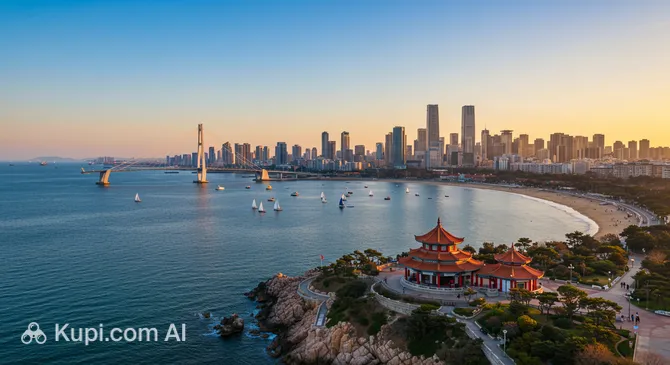
Located on the southern coast of the Shandong Peninsula, Qingdao is a vibrant seaside city that offers a refreshing escape from the hustle and bustle of inland metropolises. With a population of over 5.8 million, this major port city in China is renowned for its harmonious blend of mountain scenery, ocean vistas, and urban sophistication. Its name, which literally translates to "Green Island," perfectly captures the lush, verdant atmosphere that welcomes visitors year-round.

Qingdao. Source: Kupi.Binoculars

What sets Qingdao apart is its unique architectural landscape, heavily influenced by its past. The history of Qingdao is visibly etched into the city's streets, where charming German-style buildings with red-tiled roofs stand in stark contrast to modern skyscrapers. This distinctive European flair, combined with leafy avenues and a stunning coastline along the Yellow Sea, has earned it the nickname "Switzerland of the Orient."

Travelers are drawn to Qingdao not just for its beauty, but for its spirited culture and famous local produce. The city is the birthplace of the world-famous Tsingtao Brewery, and beer lovers flock here annually for the lively International Beer Festival. Beyond the brew, nature enthusiasts can explore the majestic Mount Lao (Laoshan), a significant site in Taoism that towers over the sea, or relax on the sandy shores of the Number One Bathing Beach.

Whether you are strolling along the scenic Zhanqiao Pier, indulging in fresh seafood, or hiking through misty peaks, Qingdao promises a memorable journey. It is an ideal destination for those seeking a mix of cultural heritage, seaside relaxation, and culinary delights.

Weather Overview

Qingdao experiences a temperate climate with four distinct seasons, heavily influenced by its location on the Yellow Sea. The ocean breeze helps moderate the temperature, often keeping the city cooler in summer and warmer in winter compared to inland areas of Shandong. For travelers planning their itinerary, checking the typical weather in Qingdao is essential for packing the right gear.

The summer months, particularly July and August, are the warmest time of the year, with average temperatures ranging from 26.0°C to 26.5°C and highs reaching nearly 29°C. This season also brings the most moisture; July and August are the wettest months, each averaging about 14 days with precipitation. Conversely, winter is chilly but very dry. January is typically the coldest month, seeing average temperatures around 0.6°C and lows dipping to -2.9°C, with almost no precipitation recorded.

Spring and autumn offer mild and comfortable transitions. May is pleasant with an average temperature of 18.3°C, while September retains some of the summer's warmth at 22.9°C before cooling down later in the season. Overall, you can expect warm summers with occasional rain and cold, dry winters.

Interesting Facts

Beyond the scenic beaches and colonial architecture, Qingdao holds a treasure trove of fascinating local customs and urban legends. Here are a few unique details that reveal the true character of this coastal metropolis.
  • Beer in a Plastic Bag: One of the most distinct local sights is people walking down the street carrying plastic bags filled with golden liquid. This is fresh draft beer, often sourced from the Tsingtao Brewery Museum or street-side kegs, which is sold by weight and consumed casually by locals, sometimes even through a straw.

  • Home of the Facekini: The viral beach accessory known as the "Facekini"—a nylon mask covering the entire head to protect against sunburn and jellyfish—was invented in this city. It has become a unique cultural phenomenon on the local public beaches, worn proudly by swimmers of all ages.

  • The Sewer System Legend: A popular urban legend claims that the city's underground drainage system, built during the German colonial era, is remarkably resilient. The story goes that when a maintenance issue finally arose decades later, engineers found a stash of perfectly preserved spare parts wrapped in oil paper nearby, highlighting the enduring myth of the city's engineering quality.

  • Olympic Legacy: Known as China's "Sailing City," Qingdao hosted the sailing competitions for the 2008 Summer Olympics. The wind conditions and modern marina facilities near May Fourth Square continue to attract international regattas and water sports enthusiasts from around the world.

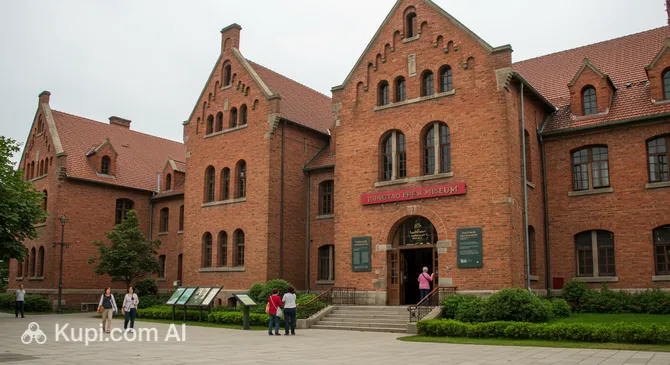
Tsingtao Brewery Museum. Source: Kupi.Binoculars

How to Get There

Reaching this coastal metropolis is convenient thanks to its well-developed transport network, serving both domestic and international travelers. Whether you prefer flying or taking the train, there are multiple options to suit your itinerary. For a detailed breakdown of all available routes and tips, you can read more about how to get to Qingdao.

The most direct way to arrive is via Qingdao Jiaodong International Airport (IATA: TAO). This major hub is located within the city limits, approximately 22 km from the downtown area. It handles a large volume of passengers annually and offers excellent connections. A taxi or car transfer from here to the city center typically takes under an hour. Visitors exploring the broader Shandong region might also consider airports in neighboring cities, though they are significantly further away. For instance, Shanzihe airport (IATA: RIZ) is located in Rizhao, about 120 km from Qingdao. Similarly, Weifang Airport (IATA: WEF) in Weifang is around 130 km away, requiring a longer ground transfer to reach the coast.

For clarity, here is a summary of the main airports:

Airport Name City Passenger Traffic Km from City
Qingdao Jiaodong International Airport Qingdao High 22.3
Weihai International Airport Weihai Medium 206.7
Linyi Airport Linyi Medium 211.7
Shanzihe Rizhao Low 120.0
Weifang Airport Weifang Low 130.5

In addition to air travel, Qingdao is a major hub for China's high-speed railway network. The city is well-connected to key destinations like Beijing and Shanghai, making train travel a popular and efficient choice for many tourists. The railway stations in the city offer modern facilities and frequent services, providing a scenic and comfortable alternative to flying.

Main Attractions

Qingdao offers a delightful mix of European charm, modern vibrancy, and natural beauty. From its beer heritage to its scenic mountains, the city provides a diverse range of experiences for travelers. Here are some of the must-visit highlights to include in your itinerary.

A trip to the city would be incomplete without visiting the Tsingtao Brewery Museum. Housed in the original red-brick factory built by German settlers in 1903, this museum celebrates the history of China's most iconic beer. Visitors can tour the production lines to see how the brewing process has evolved over a century and enjoy a tasting of fresh, unpasteurized draft beer. It is a lively and interactive experience that captures the spirited culture of the city.

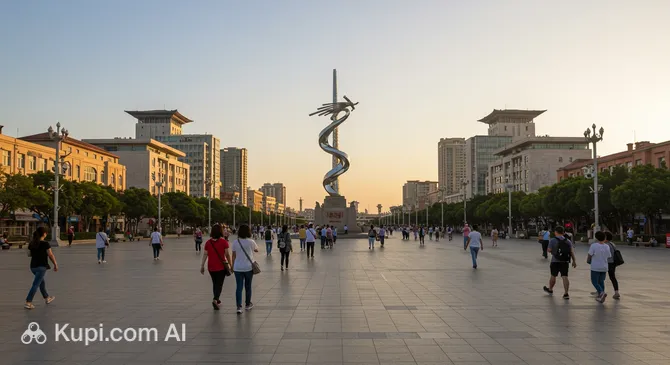
For a glimpse of the city's modern face, head to May Fourth Square. Located in the central business district, this expansive waterfront plaza is best known for the "Wind of May," a large, spiraling red sculpture that has become a symbol of modern Qingdao. The square offers excellent views of the coastline and the city's skyline, and it becomes especially spectacular at night when the surrounding skyscrapers are illuminated by a dazzling light show.

May Fourth Square. Source: Kupi.Binoculars

Another historic landmark is the Zhanqiao Pier, which stretches 440 meters into Qingdao Bay. Originally built as a naval pier in the late 19th century, it is now a popular pedestrian promenade. At the southern end of the pier stands the Huilan Pavilion, a traditional octagonal structure that appears on the label of Tsingtao beer bottles. A walk here offers a refreshing sea breeze and a perfect vantage point to look back at the city's hillside architecture.

Nature lovers and history buffs alike will appreciate the Badaguan Scenic Area, often referred to as the "Eight Great Passes." This unique neighborhood is renowned for its garden villas and diverse European architectural styles, including Russian, English, French, and German designs. The streets here are lined with various species of trees and flowers, making it a picturesque spot for a leisurely stroll in any season.

Finally, just a short distance from the city center lies the majestic Mount Lao (Laoshan). As the highest coastal mountain in China and a significant site for Taoism, it offers a stunning combination of granite peaks and ocean views. Visitors can hike ancient paths, visit secluded temples, and admire the waterfalls and strange rock formations that have inspired legends for centuries.

Local Cuisine

As a coastal city in the Shandong province, Qingdao boasts a culinary scene heavily defined by the Yellow Sea. The local food culture is a sub-branch of Lu Cuisine, known as Jiaodong style, which places a premium on freshness, light seasoning, and the natural savory flavors of ingredients. For seafood lovers, this city is a paradise where the catch of the day travels straight from the fishing boats to the kitchen woks.

The undisputed king of the local table is Spicy Clams (La Chao Gala). You cannot visit Qingdao without seeing plates piled high with these small, flavorful shellfish, stir-fried with chili, garlic, and spring onions. Another signature dish is Mackerel Dumplings. Unlike traditional pork dumplings, these are filled with a delicate mousse made from fresh Spanish mackerel, offering a unique, tender texture and a burst of oceanic flavor. For a more substantial meal, braised prawns and sea cucumbers are also staples of formal banquets.

When it comes to drinks, the city is synonymous with its world-famous beer. Dining here often involves ordering fresh draft beer, which is famously sold by weight and sometimes carried home in plastic bags. For the ultimate experience, many travelers head to Dengzhou Road, also known as "Beer Street," located right next to the historic Tsingtao Brewery Museum. Here, restaurants line the street serving the freshest pitchers alongside hearty seafood platters.

For non-alcoholic options, visitors should try Laoshan Cola. This carbonated beverage was introduced in the 1950s and is brewed with mineral water from Mount Lao and herbal ingredients like dates and cloves, giving it a distinctive, slightly medicinal, yet refreshing taste. It is a nostalgic favorite among locals and a unique find for tourists.

The dining atmosphere in Qingdao ranges from bustling night markets to upscale seaside restaurants. Pichai Yuan (Firewood Court) is a historic street popular with tourists for its street food stalls, offering everything from grilled squid to more adventurous snacks like starfish. However, the true spirit of the city is best experienced at a local barbecue joint (Shao Kao), where friends gather on low stools to enjoy "eating clams and drinking beer"—a lifestyle phrase that perfectly sums up Qingdao’s relaxed and convivial food culture.

Travel Tips

Planning a trip to Qingdao is an exciting prospect, but a few local insights can make your journey much smoother and more enjoyable. From navigating the city's unique hilly terrain to mastering digital payments, here are some practical tips to help you explore this coastal gem with the confidence of an experienced traveler.

  1. Clothing and Gear: Qingdao is famous for its hills, so packing your most comfortable walking shoes is non-negotiable; you will likely be climbing many steps and navigating sloping streets. In summer, the humidity calls for light, breathable fabrics, while spring and autumn can bring chilly sea breezes, making a windproof jacket or layers essential. If you plan to visit temples or religious sites, modest clothing that covers shoulders and knees is respectful.

  2. Transportation: The Metro is the most tourist-friendly way to get around, efficiently connecting the railway station, downtown, and major beaches. For direct travel, ride-hailing apps like DiDi (often accessible via Alipay) are more convenient than flagging taxis, especially during rush hour. Renting a car is generally not recommended for visitors due to complex traffic conditions and the requirement for a local driving license.

  3. Finances: The local currency is the Renminbi (RMB). While cash is accepted, the economy is heavily digitized. It is highly recommended to download Alipay or WeChat Pay and link your international bank card before arrival, as this is how you will pay for everything from street food to bus fares. ATMs are available, but tipping is not part of the local culture and is not expected.

  4. Health and Safety: Qingdao is a very safe city for tourists. Pharmacies are easily identifiable by a green cross sign, though few are open 24/7 outside of major hospital areas. Do not drink tap water; always rely on bottled or boiled water. If you swim during the peak summer months, keep an eye out for jellyfish warnings at the public bathing beaches.

  5. Communication: Mandarin is the primary language, often spoken with a distinct local accent. English is not widely spoken by taxi drivers or shopkeepers, so having a translation app on your phone is crucial. To access international maps and social media apps, ensure you have a roaming plan or a travel SIM card that supports data usage in China.

  6. Local Etiquette: Beer is central to Qingdao's social life. If you are dining with locals, be prepared for a convivial atmosphere; if someone toasts you, it is polite to make eye contact and take a sip. When handing over a business card or payment, use both hands as a sign of respect.

  7. What to Avoid: Avoid visiting the popular Number One Bathing Beach on weekends in July and August if you dislike extreme crowds; locals jokingly compare the scene to "dumplings in boiling water." Also, never leave your chopsticks sticking vertically upright in a bowl of rice, as this resembles incense burned for the dead and is considered very bad luck.

  8. Local Insight: Don't be surprised if you see people carrying golden liquid in plastic bags—this is fresh draft beer sold by weight from street-side kegs. It is a safe, authentic, and beloved local tradition, so feel free to buy a bag and enjoy it with some spicy clams like a true local.

With these practical tips in hand, you are well-prepared to navigate the charming streets and golden shores of the city. Embrace the relaxed seaside lifestyle, enjoy the fresh flavors, and have a wonderful time discovering all that Qingdao has to offer.

Entertainment & Nightlife

As the sun sets over the Yellow Sea, Qingdao transforms from a relaxed coastal resort into a lively hub of evening entertainment. The city's nightlife is distinctively centered around its beer culture, owing to its heritage as the home of China's most famous brewery. Unlike the high-octane club scenes in Shanghai or Beijing, the atmosphere here is often more convivial and social, dominated by open-air drinking, seafood feasts, and scenic night walks, although there are plenty of modern bars and clubs for those seeking a party vibe.

The epicenter of the city's evening culture is undoubtedly Dengzhou Road, affectionately known as "Beer Street." Located right next to the historic Tsingtao Brewery Museum, this strip comes alive at night with neon lights and the clinking of glasses. The street is lined with dozens of restaurants serving fresh seafood and pitchers of draft beer straight from the factory. It is a touristy but essential experience where the crowd is loud, happy, and diverse. For a more local flavor, the Taidong Pedestrian Street offers a bustling night market experience. Here, you can navigate through crowds to buy cheap clothes, souvenirs, and an endless variety of street snacks, from grilled squid to bubble tea.

For a more sophisticated evening, the Central Business District near May Fourth Square provides a stunning backdrop. Every evening, the skyscrapers surrounding the square light up in a synchronized LED light show that reflects beautifully off the water. It is a popular spot for a romantic stroll or for families to enjoy the cool sea breeze. Nearby, the area around Yan'erdao Road and Jiangxi Road is where you will find a concentration of modern bars, western-style pubs, and nightclubs. These venues tend to open late, often around 8:00 PM, and stay active until the early hours of the morning, attracting a younger crowd of locals and expatriates.

Practical advice for a night out in Qingdao is straightforward. The dress code is generally casual; smart-casual is sufficient for even the upscale bars. Prices are reasonable compared to China's tier-one cities, with a pint of local draft beer costing significantly less than imported brands. Public transport winds down around 10:00 PM or 11:00 PM, so for late-night travel, taxis or ride-hailing apps like DiDi are the best options. The city is very safe for night walks, even in quieter areas, but it is always wise to have your destination written in Chinese for the driver.

While the nights are for socializing, daytime entertainment in Qingdao offers a different pace. Visitors can explore the city's rich history at various colonial-era museums, relax at the numerous bathing beaches, or enjoy family-friendly fun at attractions like the Qingdao Underwater World. Whether you are hiking the trails of the nearby mountains or enjoying a concert at the Grand Theatre, the city provides ample activities to fill the daylight hours before the beer starts flowing again.

Parks & Museums

Beyond its golden beaches and bustling avenues, Qingdao offers a wealth of serene green spaces and cultural institutions that showcase the city's diverse heritage. From hillside gardens offering panoramic views to museums documenting naval history and industrial achievements, there are plenty of opportunities to explore the quieter and more educational side of this coastal metropolis.

One of the most beloved natural areas is Zhongshan Park, the largest and oldest park in the city. Surrounded by mountains and facing the sea, it is famous for its spectacular Cherry Blossom Festival in April, when the 600-meter-long Cherry Blossom Road transforms into a tunnel of pink and white flowers. Nearby, Luxun Park offers a different kind of beauty. Located along the rocky coastline, this park features unique red reefs, jagged rocks, and a dense forest of black pines. It is an ideal spot for a scenic walk, combining the sound of crashing waves with the shade of ancient trees.

For those seeking the best vantage point in the city, Signal Hill Park (Xinhaoshan) is a must-visit. Recognizable by its three red mushroom-shaped domes, this hilltop park provides a breathtaking 360-degree view of Qingdao. From the rotating observation deck, visitors can see the perfect contrast between the red-roofed German colonial buildings and the blue expanse of the Yellow Sea, making it a favorite spot for photographers.

Qingdao's museums are equally captivating, reflecting its maritime significance and colonial past. The most famous institution is undoubtedly the Tsingtao Brewery Museum, located at the site of the original 1903 factory. It offers an immersive look into the history of beer making in China, complete with antique equipment and tastings. While this is the headline attraction, history buffs should not miss the Qingdao Naval Museum. As the only military museum organized by the Chinese Navy, it displays an impressive collection of decommissioned warships, submarines, and aircraft, allowing visitors to walk the decks of historic vessels.

For a broader understanding of the region's art and history, the Qingdao Municipal Museum is an excellent stop. Housed in a massive modern facility in the eastern district, it holds a vast collection of artifacts ranging from ancient pottery and calligraphy to exhibits detailing the city's urbanization. Another cultural gem is the Former German Governor's Residence, now a museum itself. This architectural masterpiece, designed in the style of a German palace, features lavish Art Nouveau interiors that have remained largely intact for over a century.

For a quieter, more authentic experience, consider visiting Xiao Qingdao (Little Qingdao Isle). This small, violin-shaped island offers a peaceful respite from the crowds at May Fourth Square. With its white lighthouse and gentle walking paths, it is a charming spot to watch the sunset and enjoy a moment of tranquility amidst the city's lively atmosphere.

Getting Around

Navigating Qingdao is relatively easy and efficient, thanks to a rapidly expanding public transport network that connects the historic German quarter, the modern business district, and the scenic coastline. For most tourists, the Qingdao Metro is the most convenient option. It is modern, clean, and avoids the city's frequent traffic jams. The subway system links major hubs such as the railway stations, the airport, and popular tourist sites like May Fourth Square and the bathing beaches. Station announcements and signs are available in English, making it user-friendly for international visitors.

The city also boasts an extensive bus network that reaches corners of the city not yet served by the metro. While buses are an economical way to travel, they can be challenging for those who do not read Chinese, as route maps are rarely translated. However, taking a bus along the coastal roads offers a fantastic and affordable sightseeing experience. For a more specialized journey, tourists can look for the designated sightseeing buses that run along the waterfront, stopping at key attractions from the Zhanqiao Pier to the eastern beaches.

When it comes to payment, Qingdao, like the rest of China, is a digital-first society. The most common way to pay for both the metro and buses is by scanning a QR code using Alipay or WeChat Pay. You can activate a "Transport Code" within these apps, which links to your international credit card. If you prefer physical media, you can purchase a "Qingdao Tong" transport card at metro stations, though this requires a deposit. Single-journey tickets can also be bought with cash at metro vending machines, but be aware that buses require exact change (usually 1 or 2 RMB) if you are paying with coins or notes.

Taxis and ride-hailing services are excellent alternatives, especially given the city's hilly terrain which can make walking long distances tiring. Taxis are generally inexpensive by international standards and can be hailed on the street. However, most locals and savvy travelers prefer using ride-hailing apps like DiDi (often integrated into Alipay). This eliminates the language barrier, as you can input your destination in English and pay automatically through the app. It is a stress-free way to get from point A to point B without worrying about explaining directions.

For a unique travel experience, consider taking a ferry across Jiaozhou Bay to the Huangdao district. Before the construction of the bridge and undersea tunnel, this was the main link between the two sides of the city. Today, it serves as a nostalgic and scenic ride, offering panoramic views of the skyline from the water. Additionally, while not a form of public transport, shared bicycles are available, though they are less ubiquitous here than in flatter Chinese cities due to Qingdao's steep slopes.

A few practical tips will ensure a smooth journey: avoid public transport during the morning and evening rush hours (roughly 7:30–9:00 AM and 5:00–6:30 PM) when carriages can be extremely crowded. Most public transport stops operating earlier than in some western capitals, with the metro typically shutting down between 10:30 PM and 11:00 PM. Always have a translation app ready if you plan to take a bus or taxi, and ensure your phone is charged, as your mobile device is your ticket to getting around.

Accommodation

Where to Stay:

Finding the perfect place to stay in Qingdao is relatively easy, as the city offers a wide spectrum of accommodation options ranging from budget-friendly youth hostels to opulent seaside resorts. Whether you are looking for a backpacker’s bunk, a comfortable mid-range business hotel, or a luxury suite with panoramic ocean views, the city’s well-developed hospitality sector caters to all travel styles and budgets.

The choice of location largely depends on the type of experience you seek. For those who want to be in the heart of the action, the Shinan District is the most popular choice. This area is split into two distinct vibes: the western "Old Town" near the railway station and the eastern "New Central Business District" (CBD). Staying in the Old Town places you within walking distance of historic German architecture, the Tsingtao Brewery Museum, and traditional street food markets. It is charming, generally more affordable, and offers a strong sense of local culture.

In contrast, the eastern CBD area, surrounding May Fourth Square and the Olympic Sailing Center, is the hub of modern luxury. Here, you will find high-end international hotel chains and modern skyscrapers. This area is convenient for shopping at major malls like The MixC and offers easy access to the city's cleaner, more modern bathing beaches. For a quieter, resort-style experience, travelers often look further east toward the Laoshan District, where hotels are nestled near the mountains and offer a more tranquil retreat away from the urban bustle.

Booking Tips and Prices:

Prices in Qingdao are generally reasonable but fluctuate significantly with the seasons. Budget travelers can find hostels or economy hotels for approximately $20 to $40 USD per night. Mid-range options typically range from $50 to $100 USD, while luxury 5-star properties usually start around $120 USD and go up depending on the view and brand.

Important: The peak tourist season is July and August, coinciding with the warm swimming weather and the International Beer Festival. During this period, hotel rates can double or triple, and rooms sell out weeks in advance. It is highly recommended to book your accommodation as early as possible if you plan to visit in summer. For booking, international platforms like Trip.com or Booking.com are widely used and reliable. When checking in, remember that hotels in China are required to register foreign guests with the police, so always have your passport ready.

Nearby Cities

For those looking to explore the surroundings, Qingdao serves as an excellent base for day trips to several interesting nearby locations. The high-speed rail network makes it easy to venture out and discover the diverse character of the Shandong Peninsula.

One of the most culturally significant destinations nearby is Weifang, widely known as the "Kite Capital of the World." Visitors here can immerse themselves in the rich tradition of Chinese folk arts and visit the fascinating World Kite Museum. For a different coastal vibe, Yantai offers a blend of seaside charm and viticulture; it is famous for its apple orchards and as the cradle of modern Chinese wine production. Closer to home, Rizhao lives up to its name, which translates to "Sunshine," offering extensive sandy beaches and a relaxed atmosphere perfect for water sports enthusiasts.

City Population Distance (km)
Lianyungang 4,700,000 194
Rizhao 2,968,365 106
Weifang 2,636,154 131
Yantai 2,511,053 182
Pingdu 1,378,900 88

These nearby destinations offer a glimpse into the diverse culture and landscapes of the region, allowing travelers to extend their journey beyond the city limits of Qingdao.

Shopping & Souvenirs

Shopping in Qingdao is a delightful exploration that mirrors the city's dual character: a blend of modern sophistication and grounded, traditional charm. As a major port city with strong trade ties, particularly with South Korea and Japan, visitors will find an impressive array of imported goods alongside local specialties. From high-end luxury malls in the eastern business district to bustling street markets filled with the aroma of spices and the ocean, the city offers a diverse retail therapy experience suitable for every budget.

For a lively and authentic local experience, Taidong Pedestrian Street is the place to be. This sprawling commercial area comes alive in the late afternoon and stays vibrant well into the night. It is famous for its night market, where hundreds of stalls sell everything from trendy clothing and accessories to household gadgets. The atmosphere here is electric, with the scent of street food wafting through the air, making it a perfect spot to shop for bargains and snack simultaneously. Another historically significant area is Zhongshan Road near the railway station. Once the commercial heart of the colonial era, it retains a nostalgic charm with many shops specializing in traditional dried seafood and local crafts.

Travelers looking for a more contemporary and upscale environment should head to the city's modern shopping complexes. The MixC (Wanxiangcheng), located near May Fourth Square, is one of the largest and most popular malls in the region. It houses a vast selection of international fashion brands, a large ice skating rink, and a wide variety of dining options. For luxury seekers, Hisense Plaza offers a premium collection of top-tier designer boutiques and high-end cosmetics, catering to a sophisticated clientele.

If you are hunting for souvenirs and curiosities, the Jimo Road Small Commodities Market is a treasure trove. Often compared to the famous silk markets in Beijing or Shanghai, this multi-story indoor market is the go-to place for pearls, jade, handicrafts, and affordable accessories. It is an excellent spot to practice your bargaining skills. For a more sensory experience, a visit to a local "wet market" like Nanshan Market offers a glimpse into daily life, with endless rows of fresh and dried seafood, although it is more for looking than buying for the average tourist.

When it comes to souvenirs, Qingdao has several signature items that make for perfect gifts. Laoshan Tea, grown on the misty slopes of the nearby mountains, is renowned for its pea-like aroma and enduring flavor. Shell carvings are another unique local craft, utilizing the abundance of sea shells to create intricate landscapes and figures. Of course, no trip is complete without bringing back something related to the city's beer culture, such as unique merchandise from the Tsingtao Brewery Museum or the distinct "drunken" spicy dried fish snacks found in almost every convenience store.

Most shopping malls and department stores are open daily from 10:00 AM to 10:00 PM, while smaller street shops may close earlier or later depending on the season and location. Digital payment is the norm here; Alipay and WeChat Pay are accepted almost everywhere, from luxury boutiques to small street stalls. While major malls accept international credit cards, carrying some cash is advisable for small purchases in markets. Bargaining is expected in markets like Jimo Road but is not practiced in department stores or supermarkets.

For international tourists, a Tax-Free refund scheme is available at select large department stores and shopping malls for purchases exceeding a certain amount (usually 500 RMB). Look for the "Tax Free" signage at the entrance or service desk. To claim a refund, you will need your passport and the original tax invoice, so be sure to inquire about the specific process at the customer service center before making significant purchases.
Reached the end of the page?

That means the route is fully explored