Support

Fuyang

About

Fuyang is a bustling and historically significant metropolis located in the northwestern part of the Anhui province. As one of the most populous cities in China, with a population exceeding 8 million, it serves as a vital transportation and commercial hub in the region. The city sits on the north bank of the Huai River, offering a distinct blend of northern and southern Chinese cultural elements due to its unique geographical position.

Travelers interested in the past will find the history of Fuyang deeply fascinating, as the area has been a center of culture and administration for millennia. The city was once home to famous poets and scholars, leaving behind a legacy that permeates its streets and landmarks. Today, Fuyang balances this rich heritage with rapid modernization, creating a dynamic atmosphere for visitors.

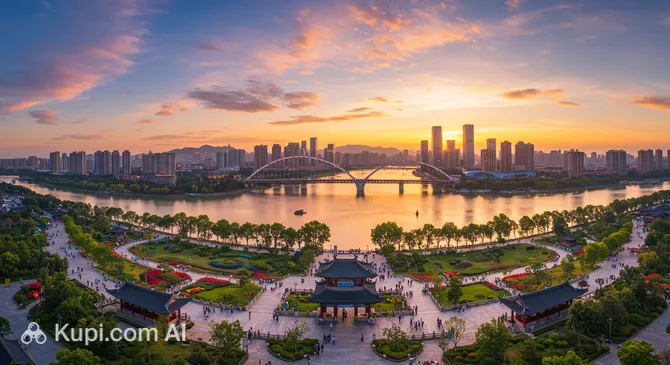
Fuyang. Source: Kupi.Binoculars

Among the city's highlights is the scenic Yingzhou West Lake, a place of natural beauty that has inspired artists for centuries. Another must-see is the Wenfeng Pagoda, an architectural gem that stands as a symbol of the city's cultural endurance. For those seeking a mix of relaxation and exploration, the Fuyang Ecological Park offers lush green spaces and leisure activities.

Whether you are passing through on a journey across the province or planning a dedicated stop, Fuyang offers a unique glimpse into the heart of Anhui. Its warm hospitality, delicious local cuisine, and vibrant street life make it a destination worth discovering.

Weather Overview

Fuyang experiences a temperate climate with four distinct seasons, making it important to pack according to the time of year you plan to visit. For a more detailed forecast and historical data to help schedule your trip, you can consult the guide to the weather in Fuyang.

The summer months, particularly from June to August, are the hottest and wettest part of the year. July is typically the peak of the heat, with an average temperature of 28.5°C and highs reaching approximately 31.9°C. This season also brings the most moisture; July alone sees about 16 wet days and the highest precipitation levels of the year.

In contrast, winters are cold and significantly drier. January is usually the coldest month, with average temperatures dropping to 2.8°C and minimums often falling below freezing to -1.6°C. Precipitation is minimal during winter, with months like December and January recording only about 1mm of rainfall.

The transitional seasons of spring and autumn offer pleasant weather, with temperatures rising to a comfortable 22.5°C in May and cooling to 17.3°C in October. Generally, travelers can expect warm summers with occasional rain and cold, dry winters.

Interesting Facts

Beyond the main attractions, Fuyang holds many fascinating secrets that reveal its deep cultural roots and unique standing in the region. Digging a little deeper uncovers stories of ancient rivalries and artistic mastery that define the local identity.

  • A Tale of Two Lakes: While Hangzhou is globally famous for its West Lake, Fuyang boasts its own ancient counterpart, the Yingzhou West Lake. Historically, scholars and poets considered them to be of equal beauty, and during the Song Dynasty, the renowned poet Ouyang Xiu wrote extensively about its charm, cementing its place in literary history.

  • The City of Willows: Fuyang is sometimes affectionately referred to as the "City of Willows." This nickname stems from the legacy of Ouyang Xiu, who, during his tenure as a local official, encouraged the planting of willow trees along the riverbanks and lakes, creating a picturesque landscape that endures in local memory.

  • Masters of Paper: The city is a recognized hub for the traditional art of paper cutting. Fuyang paper cutting is distinct for its bold styles and intricate patterns, often depicting scenes from local folklore and daily life. It has been listed as a national intangible cultural heritage in China, reflecting the region's artistic spirit.

  • A Massive Workforce: Fuyang is known for having one of the largest populations in the province, but a lesser-known fact is its significant role as a labor hub. It is one of the largest sources of migrant workers in the country, meaning the culture and dialect of Fuyang have quietly influenced many major economic centers where its people live and work.

How to Get There

Reaching Fuyang is convenient thanks to a variety of transport options connecting it to other parts of China. Whether you prefer flying directly into the city or taking a scenic train ride to a nearby regional hub, there are routes to suit different travel styles. For a complete overview of transportation schedules and routes, you can read more about how to get to Fuyang.

The most direct way to arrive is via Fuyang Airport (IATA: FUG), which is located just 7.4 km from the city center. This proximity makes it an excellent choice for travelers, with a quick transit time of approximately 30 minutes by taxi or bus to the downtown area. For those who cannot find a direct flight, Hefei Xinqiao Airport (IATA: HFE) in Hefei serves as a major alternative. Situated about 147 km away, this larger international airport offers more extensive connections. From Hefei, you can expect a travel time of around 4 hours by road to reach Fuyang.

For clarity, here is a summary of the main airports:

Airport Name City Passenger Traffic Km from City
Hefei Xinqiao Airport Hefei Large 147.4
Xuzhou Guanyin Airport Xuzhou Medium 207.2
Fuyang Airport Fuyang Medium 7.4
Xinyang Minggang Xinyang Small 167.3
Bozhou Airport Bozhou Small 113.3

Travelers exploring the region by train may also transit through major railway hubs in neighboring cities. Lu'an Railway Station (IATA: LLQ) in Lu'an is one of the closest options listed in the surrounding area, located approximately 145 km from Fuyang. A transfer by taxi or bus from there would take about 4 hours. Another significant transport node is Hefei Railway Station (IATA: KFI) in Hefei, situated roughly 179 km away. While these stations are not in Fuyang itself, they serve as key entry points to the Anhui province, allowing visitors to connect to Fuyang via ground transport.

Below is a list of railway stations in the wider region:

Station City Passenger Traffic Km to Center
Xinyang East Railway Station Xinyang Large 182.4
Hefei Railway Station Hefei Large 179.4
Lu'an Railway Station Lu'an Medium 145.0
Macheng North Railway Station Macheng Medium 209.4
Xiaogan North Railway Station Guangshui Medium 208.2

Main Attractions

Fuyang offers a diverse array of attractions that blend ancient history with modern leisure, ranging from serene lakes and historic pagodas to expansive scenic parks. Whether you are interested in exploring cultural heritage or enjoying nature with family, the city and its surrounding counties provide memorable experiences for every type of traveler.

One of the most prestigious destinations in the region is the Bali River Scenic Area (Balihe), a top-rated 5A tourist attraction located in Yingshang County. This massive park is famous for its unique combination of global cultures and natural beauty. Visitors can explore the "World Scenery" section, which features miniature replicas of famous international landmarks such as the Greek Temple of Zeus and the French Arc de Triomphe. The "Splendid China" area showcases traditional Chinese architecture and gardens, while the onsite zoo and amusement facilities make it a perfect spot for a full day of family entertainment.

For those seeking historical depth, Yingzhou West Lake is a must-visit. Historically celebrated alongside Hangzhou's famous West Lake, this scenic spot has been a source of inspiration for poets and scholars for centuries, including the renowned Ouyang Xiu. The lake area is known for its tranquil waters, weeping willows, and lotus ponds that bloom vibrantly in summer. Walking through its pavilions and ancient-style gardens offers a peaceful retreat and a glimpse into the region's rich literary past.

Standing tall in the city center is the Wenfeng Pagoda, a significant architectural landmark dating back to the Qing Dynasty. Built in 1796, this seven-story brick pagoda was originally constructed to improve the city's feng shui and encourage the success of local scholars in imperial examinations. Its exquisite brick carvings and imposing structure make it a fascinating stop for history buffs interested in traditional Chinese architecture and local beliefs.

Nature lovers and families will also enjoy the Fuyang Ecological Park. This 4A-level attraction is designed as a comprehensive space for agricultural tourism, ecological education, and leisure. The park features a zoo, a tropical botanical garden, and beautiful seasonal landscapes, such as a cherry blossom avenue and a red maple valley. It serves as a green lung for the city, offering a refreshing escape where visitors can learn about local flora and fauna while enjoying the outdoors.

Local Cuisine

The local cuisine of Fuyang offers a distinct taste of northern Anhui, characterized by hearty flavors, a love for wheat-based dishes, and a generous use of spices. Unlike the sweeter and lighter dishes found in the south of the province, the food here is robust and savory, reflecting the region's agricultural roots and its position on the energetic Central Plains. Visitors will find that dining in Fuyang is as much about the lively atmosphere as it is about the delicious, filling meals.

One of the most famous local specialties is Gelatiao, a beloved street food found throughout the city. These thick, chewy noodles are typically served dry rather than in soup, generously mixed with rich sesame paste and spicy chili oil to create a flavorful, textured experience. For those who prefer a savory broth, Taihe Banmian is another essential noodle dish originating from the nearby Taihe County. It features noodles served in a rich, spicy bone stock, often topped with minced garlic and coriander. Another culinary icon is the Zhentou Mo, or "Pillow Bread." True to its name, this steamed bun is massive, shaped like a sleeping pillow, and has a dense texture that pairs perfectly with braised meats. It has a history dating back centuries and was traditionally used as travel food due to its long shelf life.

Breakfast is a serious affair in Fuyang, and the star of the morning table is often Fenji. This unique dish consists of tender strips of chicken coated in starch or rice flour and boiled until they achieve a smooth, slippery texture. It is usually served in a light, savory soup with vinegar and white pepper, providing a warming start to the day. Locals often pair it with Sa soup, a thick, peppery egg drop soup that is popular across the region.

When it comes to drinks, the dining culture is often accompanied by local spirits. Baijiu, a potent traditional grain liquor, is a common sight at dinner gatherings and celebrations, reflecting the warm hospitality of the hosts. For those preferring non-alcoholic options, local tea houses provide a relaxing environment to enjoy fresh green tea, which helps balance the rich and salty flavors of the local cuisine.

To truly experience the food culture, tourists should venture beyond hotel restaurants and explore the city's bustling night markets and street stalls. This is where the heart of Fuyang's gastronomy beats, with vendors selling everything from grilled skewers to steaming bowls of noodles late into the night. The atmosphere is casual and communal, offering a perfect opportunity to mingle with locals and observe the vibrant daily life of the city.

Travel Tips

Visiting Fuyang offers a fascinating dive into the rich culture of Anhui, but a little preparation goes a long way in ensuring a smooth journey. To help you navigate the city like a pro, here are some practical tips covering everything from packing essentials to local customs.

  1. Clothing and Gear: The climate in Fuyang features four distinct seasons, so check the forecast before you pack. Summers are hot and humid, often exceeding 30°C, so bring breathable fabrics and a sturdy umbrella for the rainy season. Winters can be quite cold, dropping below freezing, requiring a warm down jacket and layers. Comfortable walking shoes are a must for exploring expansive spots like the Bali River Scenic Area.

  2. Transportation: The most convenient way for tourists to get around is by taxi or ride-hailing apps like Didi Chuxing, which are affordable and reliable. Public buses are extensive and very cheap (usually 1 or 2 RMB), but routes are typically listed only in Chinese, making navigation a bit challenging without a translation app.

  3. Finances: The local currency is the Renminbi (RMB). While China is rapidly becoming a cashless society dominated by mobile payment platforms like Alipay and WeChat Pay, international credit cards are rarely accepted outside of 5-star hotels. It is highly recommended to set up a mobile payment account tailored for international visitors or carry sufficient cash in smaller denominations.

  4. Health and Safety: Fuyang is generally a very safe city for travelers. However, tap water is not potable, so you should always buy bottled water or boil it before drinking. Pharmacies are widely available and can be identified by a green cross sign, though having a translation of your specific medication needs is advisable.

  5. Communication: Mandarin is the primary language, and the local dialect can be quite distinct. English is not widely spoken outside of major transport hubs or luxury hotels. Downloading an offline translation app and having the Chinese names of your hotel and destinations written down will be incredibly helpful.

  6. Local Etiquette: Politeness is valued, and a simple nod or handshake is the standard greeting. If you are invited to a meal, remember that dining is a communal affair; wait for the host to start eating or offer a toast before you begin. When using chopsticks, never stick them vertically into a bowl of rice, as this resembles incense burning for the deceased.

  7. What to Avoid: Avoid getting into loud arguments or displaying excessive anger in public. The concept of "face" (mianzi) is important, and causing someone to lose face by shouting or being aggressive is considered very rude and unconstructive.

  8. Culinary Tip: When trying the famous local street food, Gelatiao, be aware that it is traditionally served quite spicy. If you have a low tolerance for heat, you can ask the vendor for "wei la" (mild spicy) or "bu la" (no spice) to enjoy the texture without the burn.

By keeping these practical points in mind, you will be well-equipped to enjoy the warm hospitality and unique sights of Fuyang. Embrace the local pace of life, and you are sure to have a memorable and hassle-free experience.

Entertainment & Nightlife

Nightlife in Fuyang is a vibrant reflection of the city's unique character, blending the energetic atmosphere of modern entertainment hubs with the traditional charm of illuminated ancient streets. While it may not have the massive clubbing scene of China's largest metropolises, the city comes alive after dark with a mix of lively night markets, karaoke (KTV) venues, and stylish bars that cater to both locals and visitors.

For a truly atmospheric experience, the undisputed highlight is Guanzhong Old Street. As the sun sets, this historic area transforms into a dazzling display of red lanterns and ancient-style architecture, reminiscent of the Ming and Qing dynasties. It is the perfect place for a leisurely night walk where you can soak in the "lantern festival" vibe, watch traditional sugar painting demonstrations, and sample local snacks from street vendors. The crowd here is diverse, ranging from families enjoying an evening stroll to young people taking photos in traditional Hanfu clothing.

If you are looking for a more modern pulse, the commercial districts in Yingzhou District, particularly around Wanda Plaza, are the center of action. This area is a one-stop destination for entertainment, housing a variety of bars, cinemas, and KTV clubs where locals gather to unwind. The atmosphere here is casual and lively, with venues typically staying open late into the night. There is generally no strict dress code for bars in Fuyang; smart-casual attire is perfectly acceptable for almost any venue.

Dining is an integral part of the nightlife here, and the city's "night market culture" is strong. Streets around major residential and commercial blocks often fill with vendors selling barbecue skewers (shao kao) and spicy crayfish, which are local favorites for a late-night meal accompanied by cold beer. These spots are bustling, loud, and incredibly friendly, offering an authentic taste of local life that you won't find in upscale restaurants.

Practical advice for a night out includes using ride-hailing apps like Didi Chuxing, which are widely available and affordable; a ride across the city center usually costs very little. Fuyang is generally very safe at night, and walking in well-lit, populated areas like Guanzhong Old Street or near the shopping malls is secure. However, as few taxi drivers speak English, having your hotel address written in Chinese is essential for a smooth return trip.

During the daytime, the city offers a different kind of entertainment centered on culture and arts. Visitors can explore the rich heritage at the Fuyang Museum, which houses thousands of artifacts detailing the region's history. For those interested in the performing arts, the Fuyang Grand Theater is a modern architectural landmark that regularly hosts concerts, plays, and traditional operas, providing a sophisticated venue to enjoy an evening of high-quality performances.

Parks & Museums

Fuyang presents a harmonious blend of natural landscapes and rich cultural heritage, offering visitors a chance to explore serene green spaces alongside institutions preserving the region's long history. The city's parks are not just places for relaxation but are often steeped in literary significance, while its museums provide deep insights into the civilization that flourished along the Huai River.

One of the most culturally significant green spaces is Yingzhou West Lake. While it shares its name with the famous lake in Hangzhou, this scenic area has its own unique charm and history, dating back to ancient times. It is renowned for its weeping willows and expansive lotus ponds that come alive in the summer. Walking along its banks, visitors can immerse themselves in a landscape that once inspired the Song Dynasty poet Ouyang Xiu. The park is dotted with traditional pavilions and stone bridges, making it an ideal spot for a quiet, reflective stroll away from the urban bustle.

For a more central experience, Wenfeng Park serves as a vibrant community hub in the heart of the city. This park is beautifully landscaped with manicured gardens and shaded paths, but its most striking feature is the historic pagoda that rises from its grounds. It is a favorite location for locals to gather for morning exercises, playing traditional instruments, or practicing Tai Chi. The atmosphere here is lively and authentic, offering tourists a genuine glimpse into the daily leisure lives of Fuyang's residents.

Families and nature enthusiasts will appreciate the Fuyang Ecological Park. This expansive area is designed to be both educational and recreational, featuring a diverse botanical garden and sections dedicated to agricultural tourism. It serves as a green lung for the city, showcasing a variety of plant species that change with the seasons, from cherry blossoms in spring to colorful foliage in autumn. The park also includes leisure facilities, making it a perfect destination for a full afternoon of outdoor activities.

Delving into the city's past, the Fuyang Museum is the premier institution for understanding the region's historical timeline. The museum houses a vast collection of artifacts, including ancient bronze ware, ceramics, and jade pieces unearthed from the surrounding areas. The exhibits are curated to tell the story of the Huai River civilization, highlighting Fuyang's strategic importance throughout various dynasties. It is an essential stop for anyone wishing to comprehend the depth of culture that underpins this modern metropolis.

Given Fuyang's reputation as the "Home of Calligraphy and Painting," the city is also home to numerous smaller galleries and the Fuyang Calligraphy and Painting Museum. These venues celebrate the local artistic tradition, displaying works by both ancient masters and contemporary local artists. Visitors can often see intricate examples of traditional Chinese calligraphy, reflecting the scholarly spirit that has defined the city for centuries.

Among the historical landmarks, the Wenfeng Pagoda stands out not only as an architectural feat but as a symbol of the city's reverence for education and culture. Located within Wenfeng Park, this seven-story brick structure dates back to the Qing Dynasty. Its intricate brick carvings and imposing height were originally intended to improve the city's feng shui and bring luck to students taking imperial examinations, a legacy that continues to resonate today.

For a truly authentic experience, try visiting Yingzhou West Lake or Wenfeng Park shortly after sunrise. This is when the parks are most atmospheric, filled with locals practicing "water calligraphy"—writing poetry on the pavement with large water brushes—a fleeting art form that perfectly captures the city's poetic soul.

Getting Around

Navigating Fuyang is relatively straightforward, with a public transport system primarily reliant on an extensive network of buses and a fleet of taxis. While the city does not currently have an operational metro system, the bus lines are well-developed, covering all major districts, commercial centers, and tourist attractions such as Wenfeng Pagoda and the ecological parks. For most visitors, a combination of buses for general travel and taxis for convenience is the best way to get around.

The public bus system is the backbone of local transit. Buses are modern, air-conditioned, and frequent, making them a reliable option for budget-conscious travelers. The routes are numbered, and digital displays at bus stops often indicate arrival times. Operating hours generally run from early morning, around 6:00 AM, until late evening, typically ending between 9:00 PM and 10:00 PM, though some major routes may run slightly later. It is important to note that bus stop signs are predominantly in Chinese, so having a navigation app or a translated map is highly recommended.

Payment for public transport has gone largely digital. The fare is very affordable, usually costing 1 or 2 RMB per ride regardless of distance. While you can still pay with cash, you must have the exact change as drivers do not carry money to provide change. The most common payment method is scanning a QR code using mobile apps like Alipay or WeChat Pay, which have dedicated "Transport" mini-apps within them. Physical transport cards exist for locals, but for short-term visitors, mobile payment or coins are the most practical solutions.

For a more direct and comfortable alternative, taxis are ubiquitous and can be hailed on the street or found at designated stands near train stations and shopping malls. They are metered, and it is advisable to ensure the driver turns the meter on at the start of the journey. Ride-hailing apps, particularly Didi Chuxing, are extremely popular and often more convenient for tourists because they allow you to input your destination in English (in the app) and pay automatically, bypassing the language barrier with the driver.

For short distances or leisurely exploration, shared bicycles are a fantastic option. You will see colorful bikes parked on sidewalks throughout the city, operated by companies like HelloBike or Meituan. To use them, you simply scan the QR code on the bike using the respective app or through Alipay/WeChat. This is an eco-friendly way to travel between nearby attractions or to bridge the gap between a bus stop and your final destination, offering a street-level view of the local life.

Travelers arriving at the Fuyang West Railway Station or the airport will find dedicated shuttle buses and taxi queues connecting these hubs to the city center. When planning your daily travel, try to avoid the morning and evening rush hours (roughly 7:30-9:00 AM and 5:30-7:00 PM), as traffic congestion can significantly increase travel time. Always have the name of your hotel or destination written in Chinese characters to show to taxi drivers or to cross-reference with bus signs, ensuring a smooth and stress-free journey.

Accommodation

Accommodation in Fuyang caters to a wide spectrum of travelers, ranging from modern luxury establishments to cost-effective business hotels and traditional guesthouses. As a developing metropolis in Anhui, the city has seen a rise in high-quality lodging options, particularly from well-known domestic hotel chains. Whether you are visiting for business or exploring the scenic attractions, you will find suitable places to stay that offer comfortable amenities and warm local hospitality.

For most tourists, the most convenient area to stay is the Yingzhou District, which serves as the city's commercial and administrative heart. Staying here places you within easy reach of shopping centers like Wanda Plaza, diverse dining options, and key landmarks such as the Wenfeng Pagoda. The central district is bustling and vibrant, making it easy to hail taxis or find buses to other parts of the city. Alternatively, if your primary destination is the Bali River Scenic Area, you might consider finding accommodation in Yingshang County. This area offers a more relaxed atmosphere and allows for quicker access to the park, although it is further from the main city center.

The price range for accommodation in Fuyang is generally quite affordable compared to China's first-tier cities. Budget options, such as express hotels and smaller inns, typically cost between 100 and 200 RMB per night. Mid-range hotels, which often include breakfast and better amenities, usually range from 200 to 400 RMB. Luxury or high-end hotels can go upwards of 400 RMB, offering premium services, swimming pools, and extensive business facilities. Booking is most easily done through major online travel platforms, which allow you to compare prices and read reviews in English.

A crucial tip for international travelers is to verify that your chosen hotel is licensed to accept foreign guests. In China, not all accommodation providers have the authorization to host non-mainland citizens, so it is advisable to check the policy listing on booking sites or contact the hotel directly before confirming your reservation. Additionally, if you plan to visit during peak travel periods such as the Chinese New Year or the National Day Golden Week in October, booking several weeks in advance is highly recommended to secure your preferred room.

Nearby Cities

For those looking to explore the surroundings, Fuyang serves as an excellent base for day trips to several interesting nearby locations:

One of the most culturally rich destinations nearby is Bozhou, located approximately 106 km away. Known as the "Capital of Traditional Chinese Medicine," it boasts the largest herbal medicine market in the country. Bozhou is also deeply rooted in history as the hometown of the famous warlord Cao Cao and the legendary physician Hua Tuo. Visitors can explore the fascinating Underground Troop Tunnel, a military defense network from the Han Dynasty, or admire the intricate carvings at the Huaxi Tower.

For nature lovers and tea enthusiasts, Lu'an offers a refreshing escape about 144 km from Fuyang. Situated near the majestic Dabie Mountains, this city is renowned for producing "Lu'an Guapian," one of China's top ten famous teas. The region features scenic landscapes, including the Wanfo Lake, which is perfect for boat rides and enjoying the tranquil water views surrounded by lush greenery.

Another worthwhile stop is Bengbu, often referred to as the "Pearl City" on the banks of the Huai River. Roughly 147 km away, it serves as a geographic dividing line between northern and southern China. Travelers can visit the Longzi Lake Scenic Area for a relaxing day outdoors or explore the Bengbu Museum to learn about the ancient Huai River culture and local archaeological discoveries.

City Population Distance (km)
Zhoukou 9026015 132
Zhumadian 7231234 168
Lu'an 5611701 144
Bozhou 4996844 106
Bengbu 3296408 147

These nearby destinations offer a glimpse into the diverse culture and landscapes of the region.

Shopping & Souvenirs

Shopping in Fuyang offers a vibrant mix of modern retail experiences and traditional local commerce. As a major commercial hub in northern Anhui, the city caters to both fashion-forward shoppers looking for international brands and visitors seeking authentic local crafts. The retail landscape ranges from gleaming, multi-story shopping complexes to bustling street markets where the city's trading heritage comes to life.

For a concentrated shopping experience, the Yingzhou District serves as the primary commercial heart of the city. The area around Renmin Road and the central intersections is lined with department stores, boutique clothing shops, and electronics retailers. Walking through these busy streets allows tourists to feel the pulse of the city, with plenty of options for window shopping and trying local snacks between purchases.

Travelers looking for a one-stop destination for shopping, dining, and entertainment should visit Fuyang Wanda Plaza. Located in the city center, this large modern mall houses a wide array of domestic and international fashion brands, cosmetics, and lifestyle stores. It provides a comfortable, climate-controlled environment perfect for families, with the added convenience of a supermarket and a cinema on the upper floors.

To experience the more traditional side of local commerce, a visit to Guanzhong Old Street is highly recommended. While it is famous for its nightlife, during the day and early evening, it is an excellent place to browse for handicrafts and local specialties. The architecture here mimics the style of the Ming and Qing dynasties, creating a picturesque backdrop for shopping. You can find vendors selling handmade items, traditional sugar paintings, and various Anhui-style snacks that make for great gifts.

When it comes to souvenirs, Fuyang has several unique cultural products worth bringing home. The region is renowned for Fuyang Paper Cutting, a folk art listed as a national intangible cultural heritage. These intricate red paper designs often depict auspicious symbols or scenes from daily life and are lightweight, making them perfect for packing. Another local specialty is willow weaving from the nearby Funan County, where skilled artisans craft beautiful baskets, furniture, and decorative items from locally grown willow.

Most shopping malls and major department stores in Fuyang operate from around 10:00 AM to 10:00 PM daily. Smaller independent shops may have more flexible hours, often staying open later in the evening, especially in busy districts. Payment is almost exclusively digital; while some large supermarkets may accept credit cards, the vast majority of vendors—from mall outlets to street stalls—rely on mobile payment platforms like Alipay and WeChat Pay. It is advisable to have one of these apps set up on your phone, although carrying a small amount of cash is useful for very small transactions.

Tax-free shopping for tourists is not widely available in Fuyang compared to major international gateways like Shanghai or Beijing. Visitors should not expect to find "Tax Free" counters in most local malls. Prices are generally fixed in department stores and malls, but bargaining is common and expected in independent clothing boutiques, wholesale markets, and street stalls.

Reached the end of the page?

That means the route is fully explored