Support

Bozhou

About

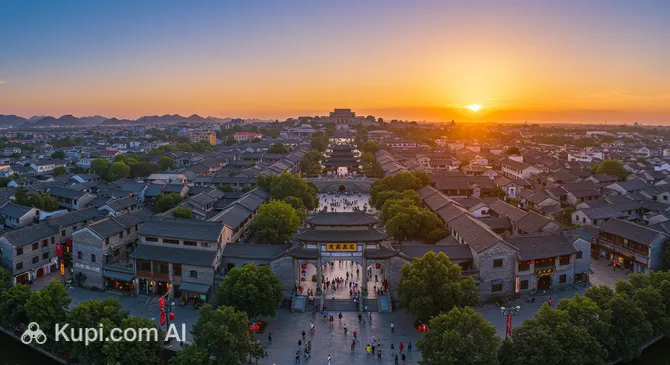
Immerse yourself in the rich cultural tapestry of Bozhou, a city that stands as a testament to the enduring legacy of ancient traditions. Located in the northwestern part of the Anhui province in China, this bustling metropolis is home to approximately 5 million residents. Bozhou is renowned globally as the Capital of Traditional Chinese Medicine, offering a unique atmosphere where the scent of herbal remedies fills the air and the past feels remarkably present.

Bozhou. Source: Kupi.Binoculars

The history of Bozhou is deeply intertwined with legendary figures such as the famous warlord Cao Cao and the celebrated physician Hua Tuo. Travelers can explore this heritage by descending into the Cao Cao Underground Troop Tunnel, an ancient subterranean defense system that serves as a marvel of military engineering. Another architectural gem is the Huaxi Lou (Great Guildhall), which captivates visitors with its exquisite wood carvings and intricate design.

Beyond its historical sites, the city is a vibrant center for commerce and culture. It hosts the largest market for traditional Chinese medicine materials in the country, attracting visitors interested in wellness and ancient healing practices. Whether you are a history enthusiast or simply curious about authentic local customs, Bozhou invites you to discover its hidden treasures and experience its welcoming spirit.

Weather Overview

The climate in this region is characterized by four distinct seasons, offering a variety of experiences depending on when you visit. Generally, travelers can expect hot summers with increased rainfall and cold, dry winters. To help plan your itinerary and pack effectively, it is helpful to consult the current weather in Bozhou before your departure.

Summers are typically warm, with July being the hottest month, averaging 28.2°C and seeing the most precipitation with about 15 wet days. Conversely, January is the coldest time of year, with average temperatures dropping to 2.2°C and nighttime lows often reaching below freezing. For those preferring milder conditions, spring and autumn are excellent choices; May and September offer pleasant average temperatures of around 23°C, creating a comfortable environment for exploring the city.

Interesting Facts

Beyond the main attractions, Bozhou holds many fascinating secrets that reveal the depth of its cultural heritage. Here are a few unique aspects of the city that often surprise visitors:

  • The Legend of Mulan: While her origins are a subject of debate, Bozhou is widely celebrated as the hometown of Hua Mulan, the legendary heroine who joined the army in her father's place. The city honors her bravery with the Mulan Temple, which is built on what is believed to be the site of her former residence.

  • Ancient Tribute Liquor: The city is the birthplace of Gujing Gongjiu, one of China's most famous spirits. This baijiu is brewed using water from a well that dates back to the Northern Wei Dynasty and was historically renowned as a tribute dedicated to imperial families.

  • Five-Animal Frolics: Although the physician Hua Tuo is a known figure, his specific contribution of Wuqinxi is a local cultural staple. These therapeutic exercises, which mimic the movements of a tiger, deer, bear, monkey, and bird, are still practiced daily by locals in city parks to maintain health and vitality.

  • Birthplace of Taoism: The region is strongly associated with Laozi, the ancient philosopher and founder of Taoism. The Tianjing Palace in Bozhou stands as a monumental tribute to his legacy, attracting scholars and pilgrims seeking to connect with the roots of Taoist philosophy.

How to Get There

Reaching this historic destination is the first step in your journey to exploring the "Capital of Traditional Chinese Medicine." Whether you prefer air travel or rail, there are several options available to suit your itinerary. For a comprehensive guide on all available transport methods, you can read more about how to get to Bozhou.

The most convenient way to arrive is by flying directly into Bozhou Airport (BZJ). Located just 7.9 km from the city center, this airport allows for a quick and easy transfer to your accommodation. Although it handles a smaller volume of passengers compared to major international hubs, it offers the distinct advantage of landing right at your destination, saving significant travel time.

Alternatively, travelers can choose to fly into Fuyang Airport (FUG), situated in the neighboring city of Fuyang. This airport is approximately 107 km away from Bozhou. Upon arrival, you can proceed to the city by taxi or bus, a trip that requires a transfer by road. Another option is Xuzhou Guanyin Airport (XUZ) in Xuzhou, located about 166 km away, which serves a larger number of passengers annually.

For clarity, here is a summary of the main airports in the region:

Airport Name City Passenger Traffic Km from City
Xuzhou Guanyin AirportXuzhouLarge165.8
Jining AirportJiningMedium168.5
Fuyang AirportFuyangMedium107.1
MudanHezeMedium151.9
Bozhou AirportBozhouSmall7.9

If you are exploring the wider region by train, you may arrive at one of the major railway hubs in nearby cities. The Zhengzhou Railway Station is a significant transport node located in Zhengzhou, approximately 211 km from Bozhou. From there, you will need to arrange an onward journey by road. Another major option is the Hefei Railway Station in the provincial capital of Hefei, about 260 km away. While these stations are not within Bozhou itself, they serve as key entry points for long-distance travelers to the area.

Below is a list of major railway stations in the vicinity:

Station City Passenger Traffic Km to Center
Xinyang East Railway StationXinyangLarge248.7
Hefei Railway StationHefeiLarge260.2
Lu'an Railway StationLu'anLarge245.3
Xiaogan North Railway StationGuangshuiMedium289.5
Zhengzhou Railway StationZhengzhouUnknown210.8

Main Attractions

Bozhou is a city where history comes alive, offering visitors a unique journey through the Three Kingdoms period and the ancient world of traditional healing. The city's attractions are deeply rooted in its heritage, providing a fascinating glimpse into the lives of legendary figures and age-old customs.

One of the most spectacular architectural highlights is Huaxi Lou, also known as the Great Guildhall. Originally built during the Qing Dynasty as a meeting place for merchants from Shanxi and Shaanxi, this complex is celebrated for its breathtaking craftsmanship. Visitors are often mesmerized by the intricate brick, wood, and stone carvings that adorn the gates and theater stage, depicting scenes from Chinese folklore and history with remarkable detail. It stands not just as a building, but as a masterpiece of artistic expression from a bygone era.

For a truly immersive historical experience, the Cao Cao Underground Troop Tunnel is an unmissable site. Often referred to as the "Underground Great Wall," this extensive network of subterranean passages was constructed over 1,800 years ago by the warlord Cao Cao to move troops secretly and store supplies. Walking through the dimly lit brick tunnels, visitors can see command posts, traps, and ventilation systems that showcase the advanced military engineering and strategic brilliance of the Three Kingdoms period.

As the capital of traditional medicine, no trip to Bozhou is complete without visiting the Bozhou International Traditional Chinese Medicine Center. This is one of the largest markets of its kind in the world, where the air is thick with the aroma of thousands of different herbs and spices. It offers a sensory-rich experience where tourists can observe the bustling trade of exotic ingredients, ranging from common roots to rare medicinal items, reflecting a practice that has sustained the health of the nation for millennia.

To pay homage to the "Divine Physician," travelers should visit Huazu An, the memorial temple dedicated to Hua Tuo. Set within tranquil gardens, this site honors the legacy of the pioneer of surgery and anesthesia. The temple complex features statues, historical records, and the medicinal garden, offering a peaceful retreat where visitors can learn about Hua Tuo's contributions to medical science and his famous "Five-Animal Frolics" exercise.

Local Cuisine

The local cuisine of Bozhou is a delightful reflection of its location in northern Anhui and its enduring reputation as the capital of traditional medicine. Unlike the lighter, sweeter flavors found in southern China, the culinary style here favors salty, hearty, and distinctively aromatic dishes. A unique feature of the city's food scene is the integration of "medicinal cuisine" (Yaoshan), where therapeutic herbs are expertly blended with ingredients to create meals that are both delicious and nourishing.

One of the most iconic dishes you must try is Cao Cao Chicken. Named after the legendary warlord who hailed from this region, the dish involves marinating local hens in a secret blend of traditional spices and medicinal herbs before cooking. The result is meat that is incredibly tender and infused with a complex, savory fragrance. Another local favorite, particularly among street food enthusiasts, is Bozhou Beef Mo (Niu Rou Mo). This is a type of pan-fried pastry filled with minced beef and vermicelli; it is famous for its crispy, golden crust and juicy, flavorful interior.

Breakfast is a significant part of the daily routine here, with Sa Soup (Sa Tang) being the morning staple. This thick, savory broth is typically made from beef or chicken bones and ingredients like wheat gluten, often served with a raw egg cracked into the boiling hot soup to cook instantly. It is best enjoyed with fried dough sticks or steamed buns, providing a warming start to the day.

When it comes to drinks, Bozhou is the proud home of Gujing Gongjiu, one of the most famous brands of baijiu (white liquor) in the country. Known as the "Peony of Liquor," it has a history dating back over a thousand years. For those preferring non-alcoholic options, the city's herbal heritage means that various herbal teas are widely available. These teas are often custom-blended to suit the season or specific health needs, reflecting the local philosophy that food and drink are essential to well-being.

The food culture in Bozhou is vibrant and accessible, ranging from lively night markets to specialized wellness restaurants. Locals enjoy gathering at street stalls to socialize over hot plates of dumplings and beef patties, creating a bustling atmosphere. For tourists, dining here offers a unique opportunity to experience the ancient concept of "food as medicine" in a setting that feels authentic and welcoming.

Travel Tips

Visiting Bozhou offers a fascinating glimpse into China's ancient heritage, but navigating a city so deeply rooted in tradition requires a bit of insider knowledge. To help you make the most of your journey through the "Capital of Traditional Chinese Medicine," here are some practical tips to ensure a smooth and enjoyable experience.

  1. Clothing and Gear: The city experiences four distinct seasons, so pack accordingly. Summers are hot and humid, requiring light, breathable fabrics, while winters can drop below freezing, making thermal layers and a heavy coat essential. Since you will likely be exploring the Cao Cao Underground Troop Tunnel and the sprawling medicine markets on foot, bring sturdy, comfortable walking shoes. If you plan to visit religious sites like the Tianjing Palace, dress modestly by covering your shoulders and knees.
  2. Transportation: Public buses are available and very affordable, but they can be challenging to navigate without reading Chinese. The most convenient way to get around is by using taxis or ride-hailing apps like DiDi (the local equivalent of Uber). Taxis are generally inexpensive, but drivers rarely speak English, so always have your destination written in Chinese characters to show them. Car rental is not recommended due to complex traffic conditions and licensing requirements.
  3. Finances: The local currency is the Renminbi (RMB). While credit cards are accepted at high-end hotels, daily life in Bozhou runs almost entirely on mobile payments. It is highly advisable to set up Alipay or WeChat Pay on your phone before arrival, as even small street vendors prefer these methods over cash. ATMs are available at major bank branches for withdrawing cash, and tipping is not customary in restaurants or taxis.
  4. Health and Safety: Bozhou is generally a very safe city for tourists. Given its status as a hub for medicine, pharmacies are abundant and often stock both Western and traditional remedies. However, for serious medical issues, head to a major public hospital. Tap water is not safe to drink; always purchase bottled water or boil it first. As a precaution, carry a small travel kit with essentials, though you are never far from a herbal remedy here!
  5. Communication: Mandarin is the primary language, and English proficiency is limited outside of major hotels. A reliable offline translation app is your best friend for reading menus and asking for directions. You can buy a local SIM card at the airport or official telecom stores (bring your passport). Be aware that many Western social media apps and websites are blocked in China, so prepare your connectivity tools (like roaming packages or specific software) in advance.
  6. Local Etiquette: When greeting locals, a polite nod or a handshake is standard; close physical contact like hugging is reserved for family. If you are dining with a group, it is polite to wait for the host or the eldest person to start eating. Never stick your chopsticks vertically into a bowl of rice, as this resembles incense burning at a funeral and is considered very bad luck.
  7. What to Avoid: Avoid losing your temper or shouting in public. Chinese culture places high value on "saving face," and public confrontation causes embarrassment for everyone involved. Also, refrain from taking photos of government buildings or military personnel, and always ask for permission before photographing locals, especially the elderly.
  8. Local Insight: Embrace the local rhythm by waking up early to visit the city parks. You will likely see residents practicing the Five-Animal Frolics (Wuqinxi), the ancient exercise developed by Hua Tuo. It is a wonderful cultural spectacle, and locals are often delighted if you show an interest in their wellness traditions.

By keeping these practicalities in mind, you will be well-prepared to navigate the streets of Bozhou with confidence and respect. Whether you are haggling in the aromatic medicine market or marveling at Han Dynasty architecture, a little preparation goes a long way in connecting with the heart of this historic city.

Entertainment & Nightlife

While Bozhou is deeply rooted in history and tradition, its nightlife offers a vibrant and authentic glimpse into modern Chinese leisure. The city does not boast the frenetic clubbing scene of Shanghai or Beijing; instead, the evening atmosphere is relaxed, social, and centered heavily around food and camaraderie. As the sun sets, the streets come alive with glowing lanterns, the scent of spiced barbecue, and the sound of locals enjoying their time off.

The heart of the evening action is often found in the Old Town area, particularly around the historic Nandajie (South Street). This district transforms at night, blending the charm of ancient architecture with the buzz of contemporary commerce. Here, you will find a mix of tea houses, small local bars, and souvenir shops that stay open late. It is an excellent place for a night walk, where the illuminated facades of traditional buildings like the Huaxi Lou create a stunning backdrop for photography.

For a more modern entertainment experience, travelers should head to the Bozhou Wanda Plaza district. As is common in many Chinese cities, this large commercial complex serves as a primary hub for nightlife. It houses a variety of entertainment options including a state-of-the-art cinema, video arcades, and numerous restaurants on the upper floors. Surrounding the plaza, you can often find a cluster of casual bars and lounges where younger locals gather to enjoy imported beers and cocktails in a stylish setting.

A quintessential part of Bozhou's nightlife is KTV (Karaoke). Singing is a favorite pastime here, and venues range from opulent, palace-like establishments to smaller, budget-friendly parlors. If you want to experience how locals truly party, booking a private room at a major KTV venue is a must. These places usually offer lavish fruit platters, snacks, and drinks, providing a private space to socialize and sing the night away.

The true soul of the city after dark, however, lies in its night markets and street food vendors. Streets like Guangming Road often teem with activity as vendors set up grills for Shao Kao (Chinese BBQ). The atmosphere is noisy and cheerful, with patrons sitting on small plastic stools, enjoying skewers of lamb, beef, and vegetables accompanied by local beer. The dress code is entirely casual, and the prices are incredibly affordable, making it accessible for everyone.

Regarding safety, Bozhou is very safe for tourists at night. The main streets are well-lit and monitored, and violent crime is rare. You can feel comfortable walking around the city center or the old districts until late. Getting around is easy; taxis are plentiful and can be hailed on the street, or you can use a ride-hailing app. Most drivers will not speak English, so have your hotel address written in Chinese.

For those interested in daytime entertainment beyond the historical sites, the city offers several cultural venues. The Bozhou City Museum provides a deeper dive into the region's past, while the Bozhou Grand Theater occasionally hosts performances ranging from traditional opera to modern concerts. Families might enjoy the local amusement parks or a relaxing boat ride on the river, which offers a different perspective of the city's unique blend of the ancient and the new.
Parks & Museums

Parks and Museums:

While Bozhou is celebrated for its bustling medicine markets and ancient tunnels, the city also offers serene green spaces and insightful museums that provide a quieter perspective on its heritage. Visitors looking to balance their historical exploration with relaxation will find that the city's parks and cultural galleries perfectly complement its more famous monuments, offering deep dives into local history and peaceful retreats from the urban energy.

One of the most significant green spaces is Cao Cao Park, a unique destination that blends natural beauty with profound historical importance. Spanning a large area, this park is not merely a recreational ground but also the site of the Cao Family Tombs. Visitors can stroll through Han-style architecture, admire stone carvings, and walk along cypress-lined paths that create a solemn yet tranquil atmosphere. It is an excellent place to appreciate the scale of the region's history while enjoying a quiet afternoon outdoors.

For those who enjoy waterfront walks, the Guo River Scenic Belt offers a picturesque escape right in the city. Stretching along the banks of the Guo River, this linear park is a favorite among locals for evening strolls and morning exercises. The area features well-maintained walking paths, lush landscaping, and views of the water, making it an ideal spot to observe local life and enjoy the cooling river breeze after a day of sightseeing.

To delve deeper into the region's rich past, a visit to the Bozhou City Museum is essential. This facility houses a comprehensive collection of artifacts that trace the city's development over 3,000 years, from the Shang and Zhou dynasties to the present day. The exhibits include ancient pottery, bronze ware, and jade items unearthed from local tombs, providing context to the historical sites you may have already visited. It serves as an educational hub that connects the dots between the legends of Cao Cao and the tangible history of Anhui.

Another cultural gem is the Nanjing Alley Bank Museum, located in a beautifully preserved courtyard compound. As one of the best-preserved ancient banks in China, it offers a fascinating glimpse into the commercial history of the Qing Dynasty. Tourists can explore the intricate architecture of the building, view old currency and banking tools, and learn about the financial systems that supported Bozhou's rise as a major trading center. The authentic atmosphere makes you feel as though you have stepped back in time.

For a truly authentic experience, try visiting these parks shortly after sunrise. This is when the city's elderly residents gather to practice Wuqinxi (Five-Animal Frolics), the therapeutic exercise developed by the local physician Hua Tuo. Watching these synchronized movements in the mist of the early morning is a memorable cultural encounter that few tourists get to see.

Getting Around

Navigating Bozhou is a relatively straightforward experience, primarily relying on an extensive bus network and a fleet of taxis, as the city does not currently operate a metro system. The public bus system serves as the backbone of local transportation, connecting the main railway stations, the historic Old Town, and major attractions like the Huaxi Lou and the medicine markets. Buses are modern and generally air-conditioned, making them a comfortable option for getting around the city center and its immediate suburbs.

For most tourists, the payment system is digital-first. While you can still pay with cash, it is essential to have exact change—usually 1 or 2 RMB coins or notes—as drivers do not carry money and fare boxes do not dispense change. However, the most convenient method is to use a mobile payment app like Alipay or WeChat Pay. These apps have "Transport" features that generate a QR code, which you simply scan at the card reader upon boarding. Physical transit cards are available for residents but are rarely practical for short-term visitors compared to the ease of mobile scanning.

When using public buses, it is important to note that operating hours typically run from around 6:00 AM to 7:00 PM or 8:00 PM for most standard routes. Some major lines may run a bit later, but night service is limited. Since bus stop signs and route information are almost exclusively in Chinese, it is highly recommended to have a navigation app installed on your phone. Apps like Amap or Baidu Maps are the most accurate, though Apple Maps can also be reliable for basic routing in English.

Taxis offer a flexible and affordable alternative to buses, especially for travelers who are not fluent in the local language. You can hail taxis on the street, which are usually easily identifiable by their green or yellow coloring. All legitimate taxis are metered, and you should ensure the driver engages the meter at the start of the trip. For a more seamless experience, ride-hailing apps like DiDi (accessible via a standalone app or within Alipay/WeChat) allow you to input your destination in English or by pinning a location on the map, removing the language barrier and handling payment automatically.

For short distances or exploring the city at a leisurely pace, shared bicycles are extremely popular and can be found on nearly every street corner. These bikes, operated by companies like HelloBike or Meituan, can be unlocked by scanning a QR code with your mobile payment app. They are an excellent way to travel between close attractions, such as moving from the Cao Cao Underground Troop Tunnel to a nearby restaurant, allowing you to soak in the local street atmosphere along the way.

Accommodation

Finding the perfect place to stay in Bozhou is relatively easy, as the city offers a diverse range of accommodations to suit various budgets and travel styles. Whether you are visiting to explore the ancient history of the Three Kingdoms or to conduct business at the bustling medicine markets, the hospitality sector here is well-developed. While you may not find as many Western luxury chains as in Shanghai or Beijing, the city boasts a strong selection of high-quality domestic brands that provide excellent service and modern amenities.

For tourists focused on sightseeing, the best area to stay is in the Qiaocheng District, particularly near the city center. Staying here places you within walking distance or a short taxi ride of major attractions like the Huaxi Lou and the Cao Cao Underground Troop Tunnel. This area is vibrant and convenient, surrounded by restaurants, shops, and the lively atmosphere of the Old Town, allowing you to immerse yourself in the local culture right from your doorstep.

Business travelers, especially those involved in the pharmaceutical trade, often prefer accommodations near the Bozhou International Traditional Chinese Medicine Center. Hotels in this vicinity are designed with commerce in mind, often featuring meeting rooms, business centers, and quick access to the exhibition halls. This area is slightly removed from the main historical sites but offers a focused environment for professionals and easy access to the main transportation arteries.

A crucial tip for international visitors traveling to smaller Chinese cities like Bozhou is to check the hotel's policy regarding foreign guests. In China, not all hotels are licensed to host non-mainland citizens; these authorized establishments are often referred to as "shewai" hotels. It is highly recommended to confirm this status before booking to avoid any inconvenience upon arrival. Generally, 4-star and 5-star hotels are authorized to accept international passports, while smaller budget guesthouses may not be.

In terms of pricing, accommodation in Bozhou is generally more affordable than in the country's Tier 1 metropolises. Travelers can expect to find spacious, well-appointed rooms at very reasonable rates. High-end hotels often include lavish breakfast buffets featuring both Western and local Anhui dishes, providing a comfortable and flavorful start to your day of exploration.

Nearby Cities

For those looking to explore the surroundings, Bozhou serves as an excellent base for day trips to several interesting nearby locations:

City Population Distance (km)
Xuzhou 9,259,000 145
Zhoukou 9,026,015 103
Heze 8,795,939 156
Fuyang 8,200,264 106
Shangqiu 7,816,831 64

Shangqiu is the closest major city and a fantastic destination for history buffs. Located just about an hour away, it is renowned as one of the cradles of Chinese civilization and the birthplace of the Shang Dynasty. Visitors can explore the well-preserved Ancient City of Shangqiu, which features a unique layout shaped like an ancient coin, or visit the Fire God Platform (Ebo Tai), one of the oldest observatories in China.

To the south lies Fuyang, a city that offers a blend of cultural heritage and natural beauty. It is famous for the Yingzhou West Lake, a scenic area that has inspired poets for centuries and offers a tranquil escape with its willow-lined banks and historic pavilions. Fuyang is also known for its local cuisine and the Wenfeng Pagoda, making it a pleasant spot for a relaxed day trip.

For those willing to travel a bit further, Xuzhou presents a deep dive into the Han Dynasty culture. As a major historical hub, it boasts an impressive array of Han tombs and the famous Xuzhou Museum. A highlight here is the Han Dynasty Terracotta Warrior Museum, which displays thousands of miniature terracotta figures that are distinct from the larger ones found in Xi'an, offering a unique perspective on ancient military art.

These nearby destinations offer a glimpse into the diverse culture and landscapes of the region.

Shopping & Souvenirs

Shopping in Bozhou offers a distinct experience that contrasts with the high-end luxury retail of China's coastal metropolises. While you can certainly find modern fashion and electronics, the city's true commercial soul lies in its specialized local products. As the "Capital of Traditional Chinese Medicine," the shopping scene is heavily influenced by health and wellness, offering visitors a chance to purchase items that are deeply rooted in Chinese culture and history.

For a blend of browsing and sightseeing, the Old Town area, particularly around Nandajie (South Street), is the most atmospheric place to start. This district retains the charm of ancient Bozhou, lined with traditional shophouses that sell everything from local handicrafts to tea. Walking down these streets allows you to explore smaller, family-run businesses where you might find unique wood carvings or paper-cutting art, reflecting the region's artistic heritage.

If you are looking for a modern retail experience, Bozhou Wanda Plaza is the city's premier shopping destination. Located in the Qiaocheng District, this large complex houses a wide array of international and domestic fashion brands, sportswear, and cosmetics. It provides a comfortable, climate-controlled environment where you can shop for clothes, enjoy a meal at one of the many restaurants, or simply take a break from the outdoor heat.

The most famous and culturally significant market in the city is undoubtedly the Bozhou International Traditional Chinese Medicine Center. It is not just a wholesale hub but a fascinating spectacle for tourists. Here, you can wander through aisles filled with thousands of different herbs, roots, dried flowers, and spices. Even if you are not an expert in herbalism, the sights and smells are unforgettable, and vendors often sell pre-packaged herbal teas or common wellness ingredients like goji berries and ginseng that make for excellent gifts.

When it comes to souvenirs, Bozhou offers items you won't easily find elsewhere. Traditional Chinese Medicine (TCM) products are the top choice; look for high-quality herbal tea blends designed for relaxation or energy. Another iconic local product is Gujing Gongjiu, a prestigious brand of baijiu (white liquor) produced in the region. For foodies, vacuum-packed Bozhou spiced beef is a savory treat that allows you to bring a taste of Anhui cuisine home.

Most shopping malls and department stores typically operate from 10:00 AM to 10:00 PM. However, the medicine trading center operates on a different schedule, often bustling in the very early morning and winding down by the afternoon. In terms of payment, mobile payments via Alipay and WeChat Pay are the standard everywhere, from high-end boutiques to street stalls. International credit cards are rarely accepted outside of major hotels or large mall chains, so it is advisable to have mobile payment apps set up or carry sufficient cash (Renminbi).

Regarding tax refunds, Bozhou is not typically a designated hub for tax-free shopping for international tourists, unlike major cities such as Beijing or Shanghai. Visitors should not expect to find "Tax Free" counters or refund services in local stores. Prices are generally fixed in malls, but bargaining is acceptable and expected in markets and smaller independent shops, especially when buying souvenirs or bulk items.

Reached the end of the page?

That means the route is fully explored