Support

Zhengzhou

About

Zhengzhou is a bustling metropolis and the vibrant capital of Henan Province, serving as a pivotal transportation hub in the heart of China. Often referred to as the "Golden Throat" due to its strategic central location, the city is a major intersection for high-speed railways and highways connecting the north, south, east, and west of the country. With a population of over 5.6 million, Zhengzhou offers a dynamic atmosphere where rapid modernization meets a deep sense of tradition.

Situated just south of the majestic Yellow River and east of the Songshan Mountains, the city enjoys a temperate climate with four distinct seasons. While it is a modern economic powerhouse today, the area has been inhabited for thousands of years. Travelers interested in the history of Zhengzhou will be fascinated to discover that it was once an ancient capital during the Shang Dynasty. Remnants of the old city walls can still be found, standing as silent witnesses to the region's enduring legacy amidst the rising skyscrapers.

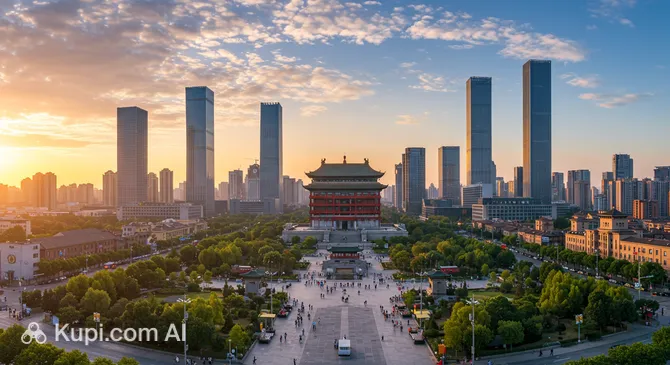
Zhengzhou. Source: Kupi.Binoculars

The city is perhaps best known internationally as the gateway to the legendary Shaolin Temple, the cradle of Chinese martial arts, located in the nearby Songshan Mountains. Within the city limits, the Henan Museum is a must-visit for culture enthusiasts, housing a spectacular collection of prehistoric artifacts and bronze vessels that showcase the roots of Chinese civilization. For those seeking natural beauty, the Yellow River Scenic Area offers breathtaking views of the "Mother River" and provides a serene escape from the urban hustle.

Whether you are transiting through its busy stations or planning a dedicated exploration of Henan's treasures, Zhengzhou welcomes visitors with its unique blend of ancient heritage and contemporary energy. It is a destination that invites you to witness the unfolding story of a city that honors its past while boldly stepping into the future.

Weather Overview

The city experiences a temperate continental climate characterized by four distinct seasons. For travelers planning a visit, understanding the weather in Zhengzhou is key to packing the right gear. Generally, you can expect hot, humid summers and cold, dry winters, with pleasant transitions during spring and autumn.

Summer is the warmest time of year, with average temperatures peaking in July at 28.3°C and daily highs often reaching 32.4°C. This season also brings the most moisture; July and August see the highest frequency of rainfall, with up to 14 wet days in July alone. In contrast, winters are chilly and arid. January is typically the coldest month, with an average temperature of 1.7°C and lows dipping to -3.1°C. Snow is possible but relatively rare due to the dry conditions, with December seeing as few as 2 wet days.

Spring and autumn offer milder conditions, making them popular times for sightseeing. May warms up nicely to an average of 23.0°C, while October provides crisp, comfortable air with averages around 16.1°C. Whether you visit during the vibrant heat of summer or the cool quiet of winter, the city's climate is manageable with appropriate clothing.

Interesting Facts

Beyond the main attractions, Zhengzhou holds many fascinating secrets that reveal its depth as both an ancient capital and a modern powerhouse. Here are some intriguing details about the city that might surprise you.

  • The Giants of the Yellow River: Overlooking the river stands a colossal sculpture of Emperors Yan and Huang. At 106 meters tall, these statues are significantly higher than the Statue of Liberty and serve as a stunning tribute to the legendary ancestors of the Chinese people.

  • iPhone City: While it is an ancient cultural hub, the city is also a titan of modern technology. It is home to the world's largest iPhone manufacturing facility, earning it the nickname "iPhone City," where a vast percentage of these global devices are assembled.

  • The Magic Slope: Located in the suburbs, there is a peculiar spot known as the "Guipo" or Magic Slope. Due to a strange optical illusion created by the surrounding terrain, cars in neutral gear appear to roll uphill, and water seems to flow upwards, baffling visitors for years.

  • A Twin Tower Icon: The Erqi Memorial Tower is the city's most distinct landmark, built to commemorate a historic railway workers' strike. What makes it unique is its twin-tower structure, which is joined at the top, allowing visitors to ascend one side and descend the other.

How to Get There

As a major transportation hub often referred to as the "heart" of China's transport network, reaching this dynamic metropolis is relatively straightforward. Whether you are arriving by air or rail, the city is well-connected to the rest of the country. For a detailed breakdown of routes and travel tips, you can read more about how to get to Zhengzhou on our dedicated page.

The primary gateway for air travelers is Zhengzhou Xinzheng Airport (CGO). This large international airport serves as a critical node in central China, offering numerous domestic and international connections. It is located approximately 32 km from the city center. A taxi ride from the airport to the downtown area typically takes around 70 minutes, depending on traffic conditions. The airport is modern and well-equipped, handling a significant volume of passengers annually.

Another option for travelers is Luoyang Beijiao Airport (LYA). However, please note that this airport is not in Zhengzhou itself but in the neighboring city of Luoyang, which is about 114 km away. It serves as a regional hub and might be a convenient alternative if you are planning to visit the Longmen Grottoes before heading to Zhengzhou. The journey by road from Luoyang Beijiao Airport to Zhengzhou takes approximately 3 hours.

For clarity, here is a summary of the main airports:

Airport Name City Passenger Traffic Km from City
Zhengzhou Xinzheng Airport Zhengzhou Very High 32.1
Luoyang Beijiao Airport Luoyang Medium 113.6
Mudan Heze Medium 199.6
Changzhi Airport Changzhi Medium 172.5
Anyang Hongqiqu Airport Anyang Low 146.1

Zhengzhou is historically and currently one of the most important railway hubs in China, where major north-south and east-west lines intersect. The most central and significant station for visitors is Zhengzhou Railway Station (TTZ). Located within the city limits, it is approximately 14 km from the specific city center coordinates. A taxi ride from here to the main downtown attractions usually takes about 40 minutes. This station is a hive of activity, connecting the city to virtually every corner of the nation.

Below is a list of nearby railway stations:

Station City Passenger Traffic Km to Center
Xinyang East Railway Station Xinyang High 297.9
Xingtai Railway Station Xingtai Medium 269.2
Zhengzhou Railway Station Zhengzhou 13.6

Main Attractions

Zhengzhou offers a fascinating mix of ancient history and natural wonders, serving as a perfect base for exploring the roots of Chinese civilization. From world-famous temples to extensive archaeological sites right in the city center, there is much to discover. Here are some of the main attractions that should be on every traveler's itinerary.

Shaolin Temple is undoubtedly the most famous attraction in the region, located at the foot of Mount Song. Known globally as the birthplace of Shaolin Kung Fu and Zen Buddhism, this temple complex attracts visitors who want to witness authentic martial arts performances and explore its deep spiritual heritage. A highlight of the visit is the Pagoda Forest, a UNESCO World Heritage site containing hundreds of stone pagodas built over a span of a thousand years to honor eminent monks.

For those interested in the rich tapestry of local history, the Henan Museum is an essential stop. It is one of the oldest and largest museums in China, housing a staggering collection of over 130,000 cultural relics. The exhibits take you on a journey through prehistoric times, the Shang and Zhou dynasties, and beyond. Visitors are often particularly impressed by the ancient bronze wares, jade artifacts, and the unique collection of historical musical instruments that are occasionally played in live performances.

The Yellow River Scenic Area provides a magnificent opportunity to see the "Mother River" of China up close. Located about 30 kilometers from the city center, this vast park features the majestic statues of Emperors Yan and Huang, carved into a mountain. Tourists can enjoy a unique experience by taking a hovercraft ride on the river, allowing them to traverse both the water and the muddy sandbanks while taking in the grand scale of the landscape.

Right in the heart of the modern city lies the Zhengzhou Shang City Ruins, a remarkable archaeological site that dates back roughly 3,600 years. These massive earthen walls are remnants of an ancient capital from the Shang Dynasty. Today, they have been transformed into a linear park where history meets daily life. Walking along these ancient ramparts offers a surreal contrast between the millennia-old fortifications and the bustling contemporary skyscrapers that surround them.

Local Cuisine

The culinary landscape of Zhengzhou is the beating heart of Henan cuisine, also known as Yu cuisine. As a central transportation hub, the city's food culture is a melting pot of flavors, but it retains a distinct character focused on hearty wheat-based dishes, rich soups, and seasonal ingredients. The local palate generally prefers savory and moderate tastes, avoiding the extreme spice or sweetness found in other Chinese regions, making it very accessible to travelers.

The absolute undisputed king of the local food scene is Zhengzhou Hui Mian (Braised Noodles). You cannot visit the city without seeing locals slurping down bowls of this comfort food on nearly every street corner. It features wide, hand-pulled noodles served in a milky, nutritious broth made from slow-simmered lamb bones and Chinese herbs. Typically topped with slices of mutton, quail eggs, kelp, and cilantro, it is a filling meal that perfectly represents the city's love for noodle culture.

For a true local breakfast experience, adventurous foodies should try Hulatang, or Spicy Pepper Soup. This thick, dark brown soup is famous for its intense peppery kick and is usually packed with beef, vermicelli, and gluten. It is traditionally eaten with you tiao (fried dough sticks) or flatbread to soak up the savory liquid. Another regional specialty worth seeking out is the Yellow River Carp. Given the city's proximity to the famous river, this fish is prized for its tender meat and is often served braised or in a sweet and sour sauce, symbolizing abundance and prosperity.

When it comes to beverages, the province is home to one of China's top ten teas, Xinyang Maojian. This green tea is renowned for its delicate aroma and refreshing taste, providing a perfect counterbalance to the hearty local meals. For those interested in alcoholic drinks, the region has a deep history of winemaking, with local brands of baijiu (a strong sorghum spirit) being a staple at celebratory dinners and banquets.

The food culture in Zhengzhou is unpretentious and vibrant. While there are plenty of upscale restaurants, the soul of the city is found in its bustling night markets and street food stalls. As the sun sets, the streets come alive with the aroma of roasting skewers and steaming pots. Locals often gather at small outdoor tables, sitting on low stools to enjoy barbecue and beer, creating a lively and communal atmosphere that welcomes visitors to join in the feast.

Travel Tips

Planning a trip to Zhengzhou, the dynamic capital of Henan Province, is an exciting venture into the heart of China's transportation and cultural network. To ensure your journey through this ancient-meets-modern metropolis is as smooth as possible, here are some essential practical tips to help you navigate the city like a pro.

  1. Clothing and Gear: The city has four distinct seasons, so packing depends heavily on when you visit. Summers are hot and humid, requiring breathable fabrics, while winters can be quite cold and dry, making thermal layers and a heavy coat necessary. Since visiting the Shaolin Temple or the massive Henan Museum involves a lot of walking, sturdy, comfortable shoes are non-negotiable. If you plan to visit temples, remember to dress modestly; cover your shoulders and knees to show respect.

  2. Transportation: The Zhengzhou Metro is the most efficient way to get around; it is modern, clean, and has signage in English. For destinations not near a subway station, ride-hailing apps are very convenient and often easier than hailing a street taxi. If you do take a regular taxi, always have your destination written in Chinese characters (Hanzi) to show the driver, as most do not speak English. Car rental is generally not recommended for tourists due to complex traffic conditions.

  3. Finances: The local currency is the Renminbi (RMB). China is rapidly becoming a cashless society, and Zhengzhou is no exception. While major hotels may accept international credit cards, most shops and restaurants do not. It is highly recommended to set up Alipay or WeChat Pay on your phone and link your international card before you arrive. Carry a small amount of cash for emergencies, but rely on mobile payments for daily ease.

  4. Health and Safety: Zhengzhou is generally very safe for travelers. Pharmacies are marked with a green cross, and many basic medicines are available over the counter, though labels will be in Chinese. Do not drink tap water; always opt for bottled water or boiled water provided in hotels. It is also wise to carry a pack of tissues and hand sanitizer, as some public restrooms may not provide them.

  5. Communication: Mandarin is the primary language, and the local Henan dialect is also common. English proficiency is limited outside of high-end hotels and major tourist sites. A translation app that works offline (or one that translates voice) is your best friend here. Buying a local SIM card at the airport or using an eSIM with data roaming is crucial for accessing maps and translation tools, as many Western apps may be blocked without a roaming plan or VPN.

  6. Local Etiquette: Greetings are usually formal; a nod or a handshake is standard. When dining, it is polite to try a bit of everything served. If you are sharing a meal, use the serving chopsticks provided rather than your own to pick up food. Public displays of affection are generally modest. Also, be patient in queues; while lines are respected, personal space might be smaller than what you are used to.

  7. What to Avoid: Never leave your chopsticks sticking vertically upright in a bowl of rice; this resembles incense burnt for the dead and is considered very bad luck. Additionally, avoid raising your voice or getting angry in public disputes, as "saving face" is a critical cultural concept; remaining calm will get you much further.

  8. Local Insight: If you want to experience the city like a local, wake up early and head to a nearby park. You will see residents practicing Tai Chi, dancing, or writing calligraphy with water on the pavement. It is a heartwarming and authentic slice of daily life that costs nothing to enjoy.

Zhengzhou is a city that rewards the curious and the prepared. By keeping these practical tips in mind, you will be well-equipped to look past the logistics and fully immerse yourself in the rich history, delicious noodles, and warm hospitality that this central Chinese hub has to offer.

Entertainment & Nightlife

As the sun sets over the Yellow River, Zhengzhou transforms from a busy commercial hub into a city pulsing with energy and neon lights. The nightlife scene here has evolved rapidly, offering a diverse mix of entertainment that ranges from thumping dance clubs to laid-back lounges and bustling night markets. For travelers looking to unwind after a day of sightseeing, the city provides plenty of options to experience the local "night owl" culture.

The epicenter of the city's evening entertainment is undoubtedly Nongke Road, widely known as "Bar Street." Located in the Jinshui District, this strip is packed with Western-style pubs, karaoke (KTV) joints, and high-energy nightclubs. The atmosphere here is electric, drawing a young and fashionable crowd. Venues typically open around 8:00 PM, but the real action begins after 10:00 PM and continues until the early hours of the morning. Whether you are looking for a quiet pint of craft beer or a DJ set to dance the night away, Nongke Road is the place to be.

For a more upscale and scenic experience, head to the Zhengdong New District (CBD). This modern area, surrounding the iconic "Big Corn" building (Greenland Plaza), offers sophisticated rooftop bars and lounges with stunning views of the illuminated skyline and the man-made lake. It is a perfect spot for a cocktail in a more relaxed, conversational setting. The dress code in these venues tends to be smart-casual, and prices are slightly higher than in other parts of the city.

Those seeking a cultural twist to their evening should visit Jianye • H. Brothers Movie Town. While it is a popular attraction during the day, it takes on a magical quality at night. The vintage architecture is beautifully lit, and the park often hosts immersive theatrical performances and light shows that transport visitors back to the glamour of 1930s China. It is a fantastic venue for evening photography and enjoying a unique, cinematic atmosphere.

If you prefer street food over cocktails, the Dehua Pedestrian Street near Erqi Square is a must-visit. As night falls, the area buzzes with activity, offering rows of stalls selling local snacks like spicy skewers, grilled oysters, and stinky tofu. Another popular spot is the Health Road (Jiankang Lu) Night Market, which is famous for its chaotic but charming mix of cheap clothes, gadgets, and delicious late-night bites. It is an authentic slice of local life where you can mingle with residents and practice your bargaining skills.

Practicalities for a night out in Zhengzhou are straightforward. The city is generally very safe for night walks, even in the early hours, though standard precautions with personal belongings apply. Taxis and ride-hailing services like DiDi are plentiful and affordable; a ride across the city center at night rarely costs more than 30-40 RMB. Most bars and clubs do not have a strict entry fee unless there is a special event, but booking a table at popular clubs on weekends is recommended.

Before the sun goes down, Zhengzhou offers ample daytime entertainment beyond its historical sites. Fantawild Adventure is a top-tier amusement park featuring high-tech rides and Chinese culture-themed attractions, making it a favorite for families and thrill-seekers. For nature lovers, the Zhengzhou Zoo and the city's aquarium provide relaxing ways to spend an afternoon before the nightlife begins.

Parks & Museums

While Zhengzhou is often recognized for its rapid urban development and transportation networks, the city also dedicates significant space to green lungs and cultural repositories. Beyond the skyscrapers, visitors will find serene gardens that offer a respite from the bustle, alongside specialized museums that delve deeper into the region's specific contributions to Chinese civilization.

Renmin Park (People's Park) is one of the most vibrant green spaces in the city center, offering a genuine slice of local life. Unlike quiet western parks, this area is a hub of activity where residents gather to practice Tai Chi, dance, and play traditional instruments. The park features beautiful landscaping with bamboo groves and flower gardens, but the real attraction is the energetic atmosphere of the community enjoying their leisure time.

Another historically significant green space is Bishagang Park. Originally built as a memorial cemetery for officers of the Northern Expedition, it has been transformed into a lush public park known for its springtime blossoms. The park is expansive, filled with cypress and pine trees, and hosts an annual flower show that draws crowds from all over the city. It serves as both a recreational area and a place of remembrance, blending natural beauty with modern history.

For those looking to explore the city's specific heritage beyond the massive Henan Museum, the Zhengzhou Museum is an excellent destination. It focuses on the city's evolution from an ancient Shang Dynasty capital to a modern metropolis. The exhibits include exquisite bronze vessels, pottery, and jade artifacts excavated locally, providing a focused narrative on how Zhengzhou shaped early Chinese history.

Given the city's intrinsic link to the "Mother River," the Yellow River Museum offers a unique educational experience. This museum is dedicated entirely to the geography, history, and management of the Yellow River. Through detailed models, historical photographs, and artifacts, visitors can learn about the river's frequent floods, the engineering feats achieved to control them, and the river's pivotal role in nurturing Chinese agriculture and culture.

In terms of historical architecture, the City God Temple (Chenghuang Miao) stands as a remarkable example of Ming and Qing dynasty style. Tucked away in the bustling city, this temple complex features intricate wood carvings, glazed tile roofs, and peaceful courtyards. It remains an active place of worship, particularly during local festivals when fairs are held, offering a colorful glimpse into traditional folk religion.

For a more contemporary but authentic experience, take a stroll around Ruyi Lake in the Zhengdong New District. While not a traditional park, the boardwalks here offer stunning views of the modern skyline reflected in the water. It is a favorite spot for locals to enjoy an evening walk, often accompanied by light shows from the surrounding buildings, providing a perfect contrast to the ancient sites.

Getting Around

Navigating Zhengzhou is surprisingly convenient for travelers, thanks to its status as a major national transportation hub. The city boasts a modern and rapidly expanding public transport network that connects the historic districts, the central business areas, and the suburbs efficiently. The backbone of this system is the Zhengzhou Metro, which is generally the fastest and most user-friendly option for visitors. The subway stations are clean, safe, and feature signage in both Chinese and English, making it relatively easy for international tourists to find their way.

The metro network currently consists of multiple lines, including a loop line (Line 5) that circles the city center and the Chengjiao Line which extends directly to the airport. Fares are distance-based, typically starting at a low price of around 2 RMB and increasing slightly for longer journeys. Operating hours generally run from 6:00 AM to 11:00 PM, though this can vary slightly by line and holidays. For most tourist attractions, including the Erqi Memorial Tower and the connection to the high-speed railway stations, the metro is your best bet to avoid surface traffic.

Complementing the subway is an extensive bus system, which includes a highly efficient Bus Rapid Transit (BRT) network. The BRT buses run in dedicated lanes, allowing them to bypass congestion, and stops are often substantial platforms rather than simple roadside signs. Regular city buses cover virtually every corner of the city that the metro does not reach. Bus fares are incredibly affordable, usually a flat rate of 1 RMB for standard lines, though you must have exact change if paying with cash, as drivers do not provide change.

When it comes to payment, Zhengzhou is a digital-first city. While you can purchase single-journey tokens at metro stations using cash or buy a rechargeable "Green City Pass" (Zhengzhou Tong) at customer service centers, the most convenient method is mobile payment. Tourists are highly advised to set up Alipay or WeChat Pay on their smartphones. Both apps have "Transport" mini-programs that generate a QR code, which you can simply scan at metro turnstiles or bus card readers. This saves you the hassle of queuing for ticket machines or carrying coins.

For a more direct and private mode of transport, taxis and ride-hailing services are plentiful. Regular taxis are colored (usually green or blue) and run on a meter; always ensure the driver turns it on when you enter. However, the language barrier can be a challenge. A better alternative is using a ride-hailing app like DiDi (often accessible via the Alipay interface in English), which allows you to input your destination in English and pays the driver automatically, eliminating communication issues.

For short distances or the "last mile" from a metro station to your hotel, the city is filled with shared bicycles. You will see rows of blue, green, and yellow bikes on sidewalks everywhere. These can be unlocked by scanning the QR code on the bike using the associated apps (Alipay often works for the blue HelloBikes). It is an eco-friendly and inexpensive way to see the city at street level, provided you stick to the designated bike lanes.

A few practical tips will ensure a smooth experience: try to avoid the morning (7:30–9:00 AM) and evening (5:30–7:00 PM) rush hours, as the metro and buses can become extremely crowded. If you plan to use the bus, be aware that stop names are usually announced in Chinese only, so following your route on a map app is crucial. Finally, security checks are mandatory at all metro entrances, so travel light and be prepared to have your bag scanned before entering the station.

Accommodation

Zhengzhou offers a diverse array of accommodation options catering to all budgets and travel styles. As a major provincial capital and a pivotal transportation hub, the city is well-equipped with everything from opulent five-star international hotels to comfortable mid-range business lodgings and budget-friendly youth hostels. Whether you are stopping over for a quick transit or planning an extended exploration of Henan's rich history, you will easily find a place to stay that suits your needs.

When choosing where to stay, location is key. For most leisure tourists, the Guancheng District near Erqi Square is the most convenient choice. This area serves as the commercial heart of the city, bustling with shopping malls, restaurants, and street food, all while being close to the main Zhengzhou Railway Station. It is perfect for those who want to be in the middle of the action. Alternatively, business travelers and those seeking a more upscale environment often prefer the Zhengdong New District (CBD). This modern zone features glitzy skyscrapers, scenic lakes, and wider streets, located conveniently near the high-speed Zhengzhou East Railway Station and the convention center.

The city hosts numerous internationally recognized hotel brands, particularly in the CBD area, which are known for their high standards of service and English-speaking staff. In the older city center, you will find a mix of established domestic chains and boutique hotels that provide excellent value for money. These local options often offer a more authentic experience of the city's daily rhythm, though language barriers may be slightly more common.

A crucial tip for international travelers is to ensure your chosen accommodation is authorized to host foreigners. While most mid-to-high-end hotels can process foreign passports, some smaller budget inns or family-run guesthouses may not have the requisite license or equipment to register non-Chinese guests with the local police. It is always wise to confirm this policy before booking. Additionally, reserving your room well in advance is highly recommended if you are visiting during major Chinese holidays like the Spring Festival or National Day week, when demand spikes significantly.

In terms of cost, accommodation in Zhengzhou is generally quite affordable compared to top-tier cities like Beijing or Shanghai. Budget travelers can find decent hostels or economy rooms for roughly 150–250 RMB per night. Mid-range options, which offer substantial comfort and amenities, typically range from 300 to 500 RMB. Luxury stays usually start from 600 RMB and increase depending on the brand and season. Booking is best done through major international online platforms to ensure reliability and ease of communication.

Nearby Cities

For those looking to explore the surroundings, Zhengzhou serves as an excellent base for day trips to several interesting nearby locations.

One of the most essential visits is to Luoyang, a city that rivals Zhengzhou in historical significance as another of China's ancient capitals. It is world-renowned for the Longmen Grottoes, a UNESCO World Heritage site where over 100,000 Buddhist statues were carved into the limestone cliffs along the Yi River centuries ago. Additionally, the city is home to the White Horse Temple, traditionally recognized as the first Buddhist temple established in China.

For travelers seeking natural beauty, Jiaozuo offers a stunning contrast to the urban plains. It serves as the gateway to the Yuntai Mountain Global Geopark, a landscape famous for its deep red sandstone gorges, misty waterfalls, and lush vegetation. The park's dramatic scenery, particularly the Red Stone Gorge, makes it a favorite spot for hiking and photography enthusiasts looking for fresh air and spectacular views.

Another intriguing destination is Pingdingshan, known for housing the colossal Spring Temple Buddha. This statue is one of the tallest in the world, standing majestically atop a lotus throne. The sheer scale of the monument is breathtaking, and the surrounding scenic area provides a peaceful environment for contemplation, making it a worthwhile journey for those interested in monumental architecture and spiritual sites.

City Population Distance (km)
Pingdingshan 4,904,701 116
Zhumadian 4,379,998 86
Jiaozuo 3,590,700 63
Luohe 2,544,266 134
Luoyang 2,372,571 108

These nearby destinations offer a glimpse into the diverse culture and landscapes of the region.

Shopping & Souvenirs

Shopping in Zhengzhou offers a dynamic blend of ultra-modern retail experiences and bustling traditional commerce. As a major national logistics and transportation hub, the city is awash with goods from all over China and the world, often at very competitive prices. Visitors can expect a diverse scene ranging from high-end luxury shopping centers in the new districts to chaotic, energetic wholesale markets where bargaining is the norm. Whether you are looking for international fashion brands, local handicrafts, or wholesale clothing, Zhengzhou provides a comprehensive shopping environment.

The commercial heart of the city beats strongest around Erqi Square. This area is anchored by the iconic Erqi Memorial Tower and serves as the traditional downtown shopping district. Radiating from the square is the famous Dehua Pedestrian Street, a century-old commercial corridor that has been modernized into a vibrant walking street. Here, tourists can wander through hundreds of shops selling everything from trendy apparel and shoes to local snacks and gold jewelry. It is a crowded, lively place that perfectly captures the energy of the city's retail culture.

For those seeking a more contemporary and upscale experience, the city boasts several world-class shopping malls. David Plaza (Danis) is widely considered the premier luxury destination in Zhengzhou, hosting top-tier international designer brands, a high-end supermarket, and excellent dining options. Another popular spot is CityOn in the Zhengdong New District, a massive complex that caters to families and fashion lovers with a mix of fast-fashion brands and lifestyle stores. The MixC is also a favorite, offering a sleek environment for shopping, entertainment, and leisure.

Zhengzhou is historically famous for its wholesale markets, particularly for textiles and clothing. Yinji Commercial City (often called Silver Base) near the railway station is a legendary wholesale clothing market. It is a massive, multi-story hive of activity where buyers from across the country come to source fashion. While it can be overwhelming, it is a fascinating place to see the scale of Chinese commerce. For culture enthusiasts, the Zhengzhou Antique City is the place to hunt for curios, traditional paintings, calligraphy, and vintage collectibles.

When it comes to souvenirs, the region offers several unique local specialties. Tang Sancai (Tri-colored Glazed Pottery) replicas are a popular choice, reflecting the rich artistic heritage of Henan Province. Yellow River Inkstones, crafted from the mud of the famous river, make for distinctively cultural gifts. Food items are also excellent souvenirs; look for Xinyang Maojian Tea, one of China's top green teas, or Xinzheng Red Dates, which are renowned for their sweetness and nutritional value. Shaolin themed memorabilia, such as miniature statues or training gear, are also widely available.

Standard opening hours for large shopping malls are typically from 10:00 AM to 10:00 PM, seven days a week. Street shops and smaller boutiques may open earlier and close later, depending on the season and customer flow. Payment methods are heavily digital; Alipay and WeChat Pay are the primary ways to pay for almost everything, from a bottle of water to a luxury handbag. While major malls and international brands accept foreign credit cards, cash or mobile payments are essential for markets and smaller vendors.

Tax-free shopping is available for international tourists at select designated large department stores and malls in Zhengzhou. To qualify for a VAT refund, you usually need to spend a minimum amount (often around 500 RMB) in a single day at one store and present your passport. Look for the "Tax Free" signage at the entrance or customer service desk, but be aware that the refund process is generally completed at the airport before departure.
Reached the end of the page?

That means the route is fully explored