Support

Xuzhou

About

Xuzhou is a captivating city that serves as a vital gateway between the north and south of China. Situated in the northwestern part of **Jiangsu Province**, this bustling metropolis is renowned for its strategic importance as a national transportation hub and its profound historical legacy. It offers a unique atmosphere where ancient traditions coexist with the energy of a rapidly developing modern urban center.
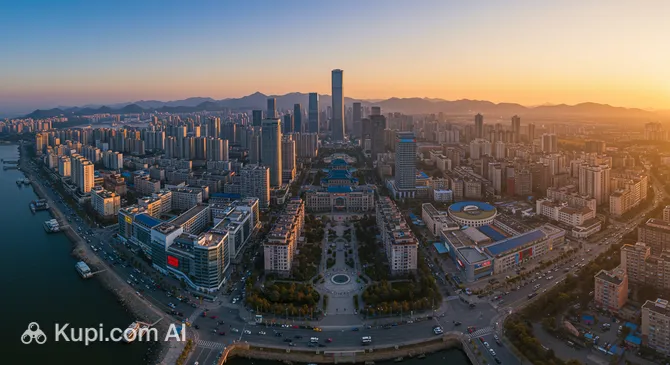
Xuzhou. Source: Kupi.Binoculars

With a population exceeding **9 million people**, Xuzhou is a significant demographic and economic force in the region. Its geographical location is particularly unique, as it sits at the intersection of Jiangsu, Shandong, Henan, and Anhui provinces. This "thoroughfare of five provinces" status has shaped its character over centuries, creating a diverse and dynamic environment that welcomes visitors from all directions.

The city is widely celebrated as the birthplace of **Han culture**. The long and storied history of Xuzhou is intimately connected to the Han Dynasty, as it was the hometown of its founding emperor, Liu Bang. Today, the city takes great pride in preserving this heritage, offering travelers a rare opportunity to explore the roots of one of the most influential eras in Chinese civilization through its well-preserved relics and sites.

Among its top attractions, the **Xuzhou Museum** and the impressive **Museum of Terra-cotta Warriors and Horses of the Han Dynasty** stand out, showcasing thousands of miniature clay figures that are distinct from the famous warriors of Xi'an. For those seeking natural beauty, **Yunlong Lake** provides a scenic retreat with its tranquil waters and surrounding hills, perfect for a relaxing afternoon amidst nature.

Whether you are a history enthusiast eager to explore ancient royal tombs or a traveler looking to experience authentic local culture, Xuzhou promises a memorable journey. We invite you to discover the charm of this historic city and experience its rich cultural tapestry firsthand.

Weather Overview

Xuzhou experiences a temperate climate with four distinct seasons, characterized by hot, humid summers and cold, dry winters. The weather in Xuzhou varies significantly throughout the year, so packing according to the season is essential for a comfortable trip.

Summers are generally warm, with August being the hottest month, averaging around 28.1°C and daily highs reaching nearly 32°C. This season also brings the most rainfall, particularly in July, which sees approximately 18 wet days and the highest precipitation levels of the year. Travelers visiting during this time should be prepared for heat and occasional showers.

In contrast, winters are chilly and much drier. January is typically the coldest month, with average temperatures dropping to 2.2°C and minimums dipping to -2.3°C. Precipitation is minimal during the winter months, with December and January seeing very little rain. The shoulder seasons of spring and autumn offer mild and pleasant temperatures, making months like May and September ideal for outdoor exploration.

Interesting Facts

Beyond the well-known historic sites, Xuzhou holds several fascinating secrets that offer a deeper glimpse into its past and local culture. Here are some intriguing facts about this ancient city:

  • A City Beneath a City: Due to the historical flooding of the Yellow River, the ancient city of Xuzhou was buried and rebuilt on the same site multiple times. Archaeologists have confirmed that the modern metropolis sits atop layers of previous cities, creating a literal stack of history where ruins from the Ming and Han dynasties lie preserved underground.

  • Birthplace of Cooking: Xuzhou is legendary as the home of Peng Zu, the "God of Longevity" and the reputed founder of Chinese culinary arts. His influence is celebrated through the local tradition of eating mutton soup, particularly during the Fu Yang Festival in summer, a dietary practice believed to improve health that dates back thousands of years.

  • Jade Treasures: While the terracotta warriors are famous, the region is also renowned for the discovery of exquisite jade burial suits. These protective casings, made of thousands of small jade plaques tied with gold, silver, or copper wire, were crafted for the Kings of Chu and are considered some of the finest national treasures in China.

  • Martial Arts Legacy: Historically a strategic military stronghold, the city fostered a deep-rooted culture of self-defense among its civilians. Today, it is officially recognized as a "Hometown of Martial Arts," where traditional combat styles are still widely practiced by locals in parks and public squares.

How to Get There

Xuzhou is strategically located as a transportation hub in eastern China, making it relatively easy to reach from various parts of the country. Whether you prefer flying or taking the train, there are multiple options to suit your travel plans. For a complete overview of routes and transport modes, you can check our detailed guide on how to get to Xuzhou.

The most convenient way to arrive by air is via Xuzhou Guanyin Airport (IATA: XUZ). Located approximately 29.7 km from the city center, it serves as the primary aviation gateway for the region. The journey from the airport to downtown Xuzhou typically takes about 65 minutes by taxi or airport shuttle bus. As a key regional hub with an annual passenger traffic of around 3 million, it offers connections to many major Chinese cities.

Alternatively, travelers can fly into Linyi Airport (IATA: LYI), situated in the neighboring city of Linyi. It is about 139 km away from Xuzhou. While less direct, this option might be useful if flights to Xuzhou are unavailable. The transfer from Linyi to Xuzhou is quite long, taking approximately 3 hours and 50 minutes by road, so planning a connecting train or bus is advisable.

For clarity, here is a summary of the main airports serving the region:

Airport Name City Passenger Traffic Km from City
Xuzhou Guanyin AirportXuzhouMedium29.7
Linyi AirportLinyiMedium139.1
Lianyungang AirportLianyungangMedium176.2
Jining AirportJiningMedium148.9
Bozhou AirportBozhouSmall146.0

While Xuzhou is known as a major railway intersection with its own busy stations, travelers exploring the wider region may also find themselves passing through other significant hubs in neighboring provinces. For instance, Hefei Railway Station is a large transport center in the city of Hefei. It is located approximately 257 km from Xuzhou. If you arrive here, you would need to arrange an onward high-speed train or long-distance bus to reach Xuzhou, as a taxi ride would take roughly 6 hours and 45 minutes.

Below is a list of major railway stations in the broader vicinity:

Station City Passenger Traffic Km to Center
Hefei Railway StationHefeiLarge257.0
Lu'an Railway StationLu'anLarge285.6
Zhenjiang Railway StationZhenjiangMedium298.8

Main Attractions

Xuzhou is often referred to as the "City of Emperors" and boasts a wealth of historical sites that rival some of China's most famous destinations. The city's deep connection to the Han Dynasty has left behind a legacy of royal tombs, ancient relics, and scenic landscapes that offer a fascinating glimpse into the past. Here are some of the most captivating places to visit during your stay.

One of the city's most significant highlights is the Museum of Terra-cotta Warriors and Horses of the Han Dynasty. Unlike the life-sized figures found in Xi'an, the warriors here are miniature in scale but are no less impressive in terms of artistic detail and historical value. Discovered in the 1980s, these thousands of clay figures represent the army of a Chu King and are displayed in their original pits. The museum provides a unique perspective on the military formation and artistic style of the Western Han period, making it a must-visit for history buffs.

For those who appreciate ancient engineering marvels, the Guishan Han Tomb is an architectural wonder that continues to baffle experts. Carved directly into the heart of Gui Mountain, this resting place of Liu Zhu, the sixth King of Chu, and his wife features two parallel passageways that are almost perfectly aligned, with a deviation of only a few millimeters over their entire length. Exploring the cool, stone chambers of this underground palace offers an atmospheric journey into the mysteries of ancient Chinese construction and burial customs.

Nature lovers will find a peaceful retreat at Yunlong Lake, a stunning expanse of water surrounded by rolling hills. Often compared to the West Lake in Hangzhou for its beauty, it is the centerpiece of Xuzhou's scenic offerings. Visitors can enjoy a leisurely boat ride, walk along the causeways lined with willow trees, or visit the lotus scenic area in the summer. The lake area is also home to several cultural sites, blending natural tranquility with the region's rich heritage.

Another site of great historical importance is Ximatai, also known as the Horse Training Terrace. It is traditionally associated with Xiang Yu, the prominent warlord and Hegemon-King of Western Chu who competed with Liu Bang for control of China. Perched on a hill, this site offers panoramic views of the city and features ancient pavilions and stone inscriptions. It serves as a poignant reminder of the turbulent times that shaped the foundation of the Han Dynasty.

Local Cuisine

Xuzhou's culinary scene is a delightful deviation from the sweetness typically associated with Jiangsu cuisine. Situated at the convergence of northern and southern China, the local palate leans heavily towards the robust, salty, and spicy flavors characteristic of the north. This unique fusion has given rise to Xu Cuisine, a hearty style of cooking that emphasizes soups, stews, and the generous use of spices like chili and coriander, reflecting the city's historic role as a crossroads of cultures.

One dish you absolutely cannot miss is Di Guo Ji, or Ground Pot Chicken. This rustic delicacy features chicken braised in a rich, savory sauce within a large iron wok. The signature element of this dish is the ring of small, flat dough cakes plastered onto the inner side of the pot. As the dish simmers, these cakes absorb the flavorful gravy while remaining slightly crispy on the side touching the iron, creating a perfect texture combination that defines Xuzhou comfort food.

Mutton is the soul of the city's gastronomy. Locals have a deep-rooted passion for Mutton Soup, which is enjoyed year-round but is particularly famous during the summer months. The soup is typically milky white, intensely aromatic, and served with plenty of chili oil and fresh herbs. It is often accompanied by Shaobing, a type of baked layered flatbread that is perfect for dipping into the rich broth. This dietary habit is not just a meal but a cultural ritual believed to drive away dampness and cold from the body.

For breakfast, the locals prefer a steaming bowl of Sha Tang. This thick, savory soup is traditionally made with chicken or pheasant broth, thickened with wheat starch, and swirled with egg drops. It possesses a distinctive spicy kick from black pepper and is renowned for its warming properties. Starting the day with Sha Tang and a side of fried dough sticks (Youtiao) or fried dumplings is a quintessential experience for any visitor.

The dining culture in Xuzhou is convivial and spirited, often centered around bustling street markets and lively restaurants where noise and laughter are part of the ambiance. To complement the heavy and spicy dishes, strong Chinese spirits, or Baijiu, are a common sight at dinner tables. For non-alcoholic options, locals often drink warm soybean milk or refreshing mung bean soup, which helps to cool the palate after a spicy meal.

Travel Tips

Planning a trip to Xuzhou is an exciting prospect, as this historic transportation hub offers a unique blend of ancient Han heritage and modern vitality. To help you navigate the city with ease and make the most of your journey, we have compiled a list of essential practical tips.

  1. Clothing and Gear: Since Xuzhou has four distinct seasons, your packing list should depend heavily on when you visit. Summers are hot and humid, so breathable, light fabrics are a must, while winters can be freezing, requiring thermal layers and a heavy coat. Regardless of the season, bring a pair of sturdy, comfortable walking shoes, as exploring the vast Han dynasty tombs and the scenic trails around Yunlong Lake involves a fair amount of walking.
  2. Transportation: Getting around is convenient thanks to the growing Xuzhou Metro system, which connects major attractions and transport hubs. For destinations not on the subway line, ride-hailing apps like DiDi are affordable and reliable alternatives to traditional taxis. If you plan to use public buses, have small change ready or set up a transit QR code on your phone, as cash is becoming less common.
  3. Finances: The local currency is the Renminbi (RMB). While major hotels may accept international credit cards, daily life in China is dominated by mobile payments. It is highly recommended to download Alipay or WeChat and link your foreign card before arrival. Keep a small amount of cash for older vendors or small shops, but do not rely on it exclusively. Tipping is generally not expected in restaurants or taxis.
  4. Health and Safety: Xuzhou is generally a very safe city for tourists. Pharmacies are easy to identify by a green cross sign, and many basic medications are available over the counter, though carrying a translation app is helpful to explain your symptoms. Tap water is not safe for direct consumption; always drink bottled water or water that has been boiled.
  5. Communication: Mandarin is the primary language, and while you may hear the local Xuzhou dialect, standard Mandarin is understood by everyone. English proficiency is limited outside of high-end hotels, so installing a translation app like Baidu Translate or a voice translation tool is essential. Ensure you have a roaming plan or a local SIM card with data to access maps and translation tools on the go.
  6. Local Etiquette: Dining is a communal affair here. When eating with locals, wait for the host or the eldest person to start before you begin. It is polite to try a bit of everything served. If you are visiting during the summer, you might encounter the local custom of eating mutton soup; participating in this tradition is a great way to bond with residents and show appreciation for their culture.
  7. What to Avoid: Avoid losing your temper or shouting in public, as "saving face" is a crucial cultural concept; public confrontation will likely result in an unhelpful outcome. Additionally, do not leave your chopsticks sticking vertically into a bowl of rice, as this resembles incense burning for the dead and is considered very taboo.
  8. Seasonal Insight: If you visit in mid-summer (July), be prepared for the bustling atmosphere of the Fu Yang Festival. While it is a fascinating cultural event centered around medicinal cuisine, restaurants will be incredibly crowded. Booking tables in advance or dining slightly off-peak hours can save you from long waits.

By keeping these practical tips in mind, you will be well-prepared to immerse yourself in the rich history and vibrant daily life of Xuzhou. Embrace the local customs, stay curious, and enjoy your adventure in this fascinating "City of Emperors."

Entertainment & Nightlife

Xuzhou comes alive after sunset, transforming from a historic cultural hub into a vibrant city of neon lights and bustling activity. The nightlife here is less about exclusive high-end clubs and more about social dining, lively night markets, and a growing scene of modern bars. For most locals, a perfect evening involves strolling through crowded pedestrian streets, enjoying spicy street food, and gathering with friends until the early hours.

The epicenter of evening entertainment is undoubtedly the area around Pengcheng Square and the nearby Hubu Hill (Hubushan) district. While Hubu Hill is famous for its ancient architecture by day, at night it offers a unique atmosphere where traditional tea houses and antique stalls sit alongside modern bistros. It is a fantastic place to walk around, soaking in the contrast between the illuminated old-style buildings and the energy of the city center.

For those seeking a true feast for the senses, 1818 Food Street (often referred to as the Yiba Night Market) is an absolute must-visit. This place pulsates with a "cyberpunk" vibe, thanks to its dazzling neon signs and industrial decor. It is a haven for foodies, where the air is thick with the aroma of charcoal-grilled skewers and spicy crayfish. The crowd here is young and energetic, often staying out late to enjoy local favorites like stinky tofu and Xuzhou-style barbecue. It is loud, crowded, and incredibly fun—a quintessential Chinese night market experience.

If you prefer a drink over street food, the city's bar scene has evolved significantly. You can find sophisticated spots like Suit Cocktail Bar or Amber's Bistro, which are known for their relaxed ambiance and professionally crafted drinks. These venues typically have a smart-casual dress code and offer a quieter environment suitable for conversation, contrasting with the high-decibel energy of the outdoor markets. For a more raucous night out, there are several KTV (karaoke) clubs and larger dance venues scattered around the commercial districts, where booking a table in advance is often recommended.

Practical Advice: Xuzhou is very safe at night, and it is common to see families and groups of friends walking around well past midnight. Taxis are plentiful, but using a ride-hailing app like DiDi is the most convenient way to get around, especially late at night when public transport frequency drops. Prices for entertainment are generally moderate compared to major hubs like Shanghai; a night out with food and drinks is quite affordable. Summer evenings can be hot, so dress lightly, but be prepared for cooler breezes if you are near Yunlong Lake.

While the nights are for socializing, daytime entertainment in Xuzhou offers its own thrills. Beyond the historical museums, thrill-seekers can head to Xuzhou Fantawild Adventure, a large-scale theme park featuring high-tech rides and cultural shows. It is a great spot for families or anyone looking to take a break from history tours and enjoy some adrenaline-pumping fun before the sun goes down.

Parks & Museums

Xuzhou offers a harmonious blend of natural beauty and profound historical depth, making it a delight for travelers who enjoy both scenic walks and cultural exploration. The city is dotted with expansive green spaces that provide a refreshing escape from the urban bustle, while its world-class museums safeguard the artistic and archaeological treasures of the Han Dynasty.

For nature lovers, the Yunlong Lake Scenic Area is the undisputed crown jewel of the city. Often compared to the famous West Lake in Hangzhou, this vast park features a stunning combination of water, hills, and ancient architecture. Visitors can stroll along the ten-mile dike, admire the blooming lotus flowers in summer, or take a boat ride to explore the serene waters. The park is not just a natural retreat but also a cultural hub, home to several historical pavilions and stone inscriptions that add a layer of poetic charm to the landscape.

Adjacent to the lake lies Quanshan National Forest Park, a verdant paradise often referred to as the city's "natural oxygen bar." This expansive forest covers five mountains and is renowned for its rich biodiversity, housing thousands of plant species and various wildlife. It is an ideal spot for hiking enthusiasts, offering winding trails that lead through dense woods to panoramic viewpoints. Within the park, you can also find the Xuzhou Zoo, making it a perfect destination for families seeking an active day out in nature.

Delving into the city's rich past, the Xuzhou Museum is an essential stop for anyone wanting to understand the region's history. Located at the northern foot of Yunlong Mountain, this comprehensive museum was built on the site of Emperor Qianlong's temporary palace. It houses an extraordinary collection of artifacts, including the famous jade burial suits stitched with gold wire, which are considered national treasures. The exhibitions are well-curated, guiding visitors through the evolution of local civilization from the Neolithic age to the Ming and Qing dynasties.

Another unique cultural venue is the Xuzhou Han Stone Art Museum. Xuzhou is famous for its "Three Treasures of the Han Dynasty"—terracotta warriors, royal tombs, and stone relief carvings. This museum is dedicated to the latter, showcasing an impressive array of stone engravings that depict scenes of daily life, mythology, and celestial beliefs from two thousand years ago. The intricate craftsmanship provides a vivid "picture book" of history, offering a rare glimpse into the spiritual and secular world of the Han people.

For a truly authentic experience, consider hiking up Yunlong Mountain early in the morning. Not only will you catch a breathtaking sunrise over the city and the lake, but you will also encounter locals practicing Tai Chi, singing opera, or engaging in calligraphy with water on the pavement. It is a wonderful way to connect with the local community and witness the living culture of Xuzhou against a backdrop of ancient temples and lush greenery.

Getting Around

Navigating Xuzhou is becoming increasingly convenient thanks to its rapidly modernizing public transport network. The backbone of the city's transit system is the Xuzhou Metro. Currently, there are several operational lines (Lines 1, 2, and 3) that connect key transportation hubs, such as the railway stations, with the city center and major commercial districts. The metro is clean, efficient, and tourist-friendly, with station announcements and signs available in English. Trains typically run from around 6:00 AM to 10:30 PM, making it the most reliable option for getting around the main urban areas.

For destinations not covered by the subway, the public bus system offers extensive coverage. Buses reach almost every corner of the city, including suburban scenic spots. The fare is very affordable, usually costing 1 or 2 RMB per ride, regardless of distance. However, buses can be crowded during peak hours (7:30–9:00 AM and 5:00–6:30 PM), and traffic congestion may affect travel times. Bus stops generally display route information in Chinese, so having a translation app or a map on your phone is highly recommended to ensure you are boarding the correct vehicle.

When it comes to paying for rides, digital payments are the norm. While you can still use cash (coins or small notes) on buses and purchase single-journey tokens at metro stations, it requires exact change, which can be inconvenient. The most practical method for visitors is to use the Alipay or WeChat apps. Both platforms have a "Transport" or "Ride Code" feature that generates a QR code, which you simply scan at the metro turnstile or the bus card reader. If you plan to stay longer, you might consider buying a physical Xuzhou Transport Card (Huimin Card), but for short trips, mobile payment is far easier.

If you prefer a more direct and private mode of travel, taxis are plentiful and relatively inexpensive compared to Western standards. You can hail them on the street, and they use a meter system. However, few drivers speak English, so it is essential to have your destination written down in Chinese characters. A popular alternative is using ride-hailing apps like DiDi (often accessible via Alipay/WeChat or a standalone English app). DiDi eliminates the language barrier since you input your destination digitally, and the payment is handled automatically through the app.

For short distances or the "last mile" from a metro station to your hotel, shared bicycles are a fantastic option. You will see blue (HelloBike), yellow (Meituan), and green (Qingju) bikes parked on sidewalks throughout the city. To use them, you scan the QR code on the bike using the corresponding app or Alipay/WeChat. It is a cheap and healthy way to explore the city at your own pace, especially around the scenic Yunlong Lake area where cycling paths are available.

Accommodation

Xuzhou offers a diverse array of accommodation options suitable for every type of traveler, ranging from luxurious international chains to budget-friendly business hotels. As a rapidly developing transportation hub, the city has seen a surge in modern hospitality facilities, ensuring that visitors can find comfortable lodging whether they are here for a quick layover or an extended cultural exploration. The local hospitality sector is well-regarded for its service and value, often providing high-quality amenities at prices significantly lower than in China's first-tier cities.

For most tourists, the most convenient area to stay is the City Center, particularly around Pengcheng Square. This district places you right in the middle of the commercial action, with easy access to major shopping malls, local restaurants, and the metro system. Staying here means you are within walking distance of historical sites like the Xuzhou Museum and can easily soak up the vibrant urban atmosphere. It is an excellent choice for first-time visitors who want to minimize travel time between attractions.

If you prefer a more scenic and tranquil environment, consider booking a hotel near Yunlong Lake. This area is home to several upscale resorts and mid-range hotels that offer stunning views of the water and the surrounding hills. It is a perfect retreat for those looking to escape the noise of the downtown core while still being close enough to enjoy the city's main scenic spots. Waking up to a view of the misty lake and taking a morning stroll along the embankment is a highlight for many travelers staying in this zone.

Another popular option, especially for business travelers or those in transit, is the New District (East District) near the Xuzhou East Railway Station. This area features many modern high-rise hotels and is incredibly convenient if you are arriving or departing by high-speed train. While it is a bit further from the historical center, the efficient metro lines connect it seamlessly to the rest of the city.

Booking Tips and Costs: Accommodation prices in Xuzhou are generally very reasonable. A stay in a standard mid-range hotel typically costs between 200 to 400 RMB per night, while luxury 5-star experiences can be found for around 600 to 900 RMB. It is highly recommended to book your room in advance, especially if you are visiting during major Chinese holidays like the Spring Festival or the National Day "Golden Week" in October, when demand spikes. International booking platforms and local apps are widely used and often offer discounts for advance reservations.

Nearby Cities

For those looking to explore the surroundings, Xuzhou serves as an excellent base for day trips to several interesting nearby locations. The region surrounding the city is rich in cultural heritage and natural beauty, offering diverse experiences just a short train or car ride away.

One of the most culturally significant destinations nearby is Jining. Located to the north, it is renowned worldwide as the "Hometown of Confucius and Mencius." Visitors can explore the UNESCO World Heritage sites in Qufu (administered by Jining), including the Temple of Confucius, the Kong Family Mansion, and the Cemetery of Confucius. It is an essential stop for anyone interested in understanding the philosophical foundations of Chinese civilization.

To the southeast lies Suqian, a city with a deep historical connection to Xuzhou. It is the birthplace of Xiang Yu, the famous Hegemon-King of Western Chu. History enthusiasts can visit the majestic Hometown of King Xiang scenic area. Additionally, Suqian is known for its ecological beauty, particularly the wetlands around Luoma Lake and Hongze Lake, which offer peaceful landscapes perfect for nature lovers.

Another fascinating option is Bozhou, situated to the west in Anhui Province. This ancient city is famous as the "Capital of Traditional Chinese Medicine" and boasts the largest herbal medicine market in the world. It is also the hometown of Cao Cao, a prominent warlord from the Three Kingdoms period, and Hua Tuo, a legendary physician. The city's underground troop tunnels and various temples make it a unique destination for history buffs.

City Population Distance (km)
Linyi11018365140
Jining9120000149
Shangqiu7816831152
Bozhou4996844145
Suqian498619295

These nearby destinations offer a glimpse into the diverse culture and landscapes of the region, allowing travelers to expand their journey beyond Xuzhou's city limits.

Shopping & Souvenirs

Shopping in Xuzhou offers a dynamic mix of high-end modern retail and bustling traditional commerce. As the central city of the Huaihai Economic Zone, it attracts shoppers from neighboring provinces, resulting in a vibrant commercial atmosphere. Visitors can find everything from luxury international brands in gleaming skyscrapers to affordable local goods in wholesale markets, making it a satisfying destination for those looking to engage in some retail therapy.

The heart of the city's commercial activity is centered around Pengcheng Square. This area serves as the primary downtown district and is surrounded by major department stores and commercial complexes. Radiating from the square, Huaihai Road is the most famous commercial street in the city, lined with shops, boutiques, and restaurants. Walking down this bustling avenue provides a perfect snapshot of modern Xuzhou life, where fashion and commerce intersect.

For a modern shopping experience, Suning Plaza is the city's undisputed landmark. As the tallest building in Xuzhou, it houses a high-end shopping mall featuring luxury fashion brands, electronics, and a wide array of dining options. Another top destination is the Golden Eagle International Shopping Center, a favorite among locals for its premium cosmetics, fashion labels, and imported goods. These malls provide a comfortable, climate-controlled environment perfect for spending an afternoon.

Travelers looking for bargains and a more local experience should visit Xuanwu Trade City. This is not just a market but a massive wholesale and retail hub that is famous throughout the region. Here, you can find an overwhelming variety of clothing, accessories, luggage, and small commodities at very low prices. It is a great place to practice your bargaining skills and find inexpensive items, though it can be quite crowded and chaotic compared to the polished malls.

When searching for unique keepsakes, the Xuzhou Sachet (Xiangbao) is the quintessential local souvenir. These colorful, embroidered pouches are filled with aromatic herbal powders and are considered a National Intangible Cultural Heritage. They are traditionally worn to ward off evil and bring good luck. Additionally, given the city's history, replicas of Han Dynasty stone reliefs or terracotta warriors make for culturally significant gifts. Local food products, such as gingko nuts from the surrounding areas or crisp peanut candies, are also popular choices.

Most large shopping malls and department stores in Xuzhou operate daily from around 10:00 AM to 10:00 PM. Independent street shops may have more flexible hours, often staying open later in the evening. Payment is overwhelmingly digital; WeChat Pay and Alipay are accepted almost everywhere, from luxury counters to street stalls. While major shopping centers usually accept international credit cards, it is advisable to have mobile payment apps set up or carry some cash for smaller vendors.

Regarding tax refunds, tourists may be eligible for a tax refund on purchases made at designated "Tax Free" stores, primarily found in large, high-end shopping malls. To qualify, you typically need to spend a minimum amount (often 500 RMB) and present your passport. However, the availability of this service can vary, so it is best to inquire at the service desk of major department stores like Golden Eagle before making significant purchases.

Reached the end of the page?

That means the route is fully explored