Support

Huaian

About

Huaian is a captivating destination located in the Jiangsu province of China. Situated on the banks of the Huai River and along the route of the famous Beijing-Hangzhou Grand Canal, this city serves as a fascinating geographic and cultural bridge between the northern and southern regions of the country. With a population of over 2.6 million residents, it is a bustling hub that nevertheless manages to retain a distinct sense of tranquility and tradition.

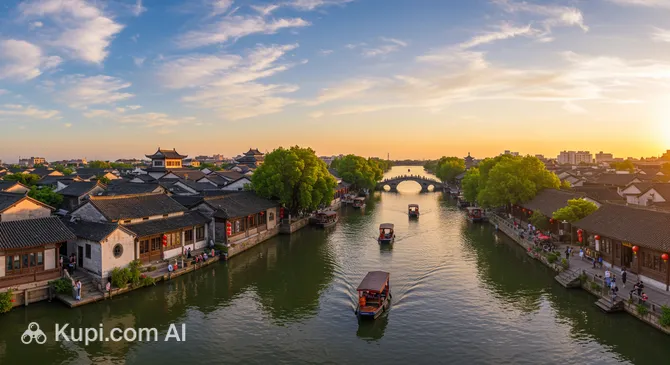
Huaian. Source: Kupi.Binoculars

The deep historical heritage of Huaian is evident in its well-preserved architecture and ancient waterways. For centuries, the city thrived as a critical center for water transportation and the salt trade, a legacy that has shaped its unique urban landscape. Today, visitors can explore the charming Hexia Ancient Town, where cobblestone streets and traditional buildings offer a glimpse into the past.

One of the city's most celebrated claims to fame is its status as the cradle of Huaiyang cuisine, recognized as one of the four major cooking traditions in the nation. Food lovers will delight in the delicate flavors and exquisite presentation of local dishes, which are a highlight of any visit. Whether you are strolling through the serene Qingyan Garden or admiring the scenic views along the canal, Huaian offers a rich tapestry of experiences that invites travelers to explore its hidden gems.

Weather Overview

Huaian experiences a temperate climate with four distinct seasons, offering a variety of atmospheric conditions for travelers throughout the year. When planning your trip, it is helpful to review the weather in Huaian to ensure you pack appropriately. Generally, visitors can expect warm summers with occasional rain and cold, dry winters, while spring and autumn provide mild and comfortable transitions.

The summer months, particularly June through August, are the warmest time of the year. Average temperatures in July and August hover around 28°C, with daily highs frequently exceeding 30°C. This period also sees the most frequent rainfall; July is notably the wettest month, recording approximately 18 wet days. Travelers visiting during this season should be prepared for humidity and regular showers.

In contrast, winter brings crisp and chilly weather. January is typically the coldest month, with an average temperature of 2.3°C and lows that can dip to -2.1°C. However, the winter months are quite dry, with December and January seeing only a few wet days each. This makes it a good time for those who prefer exploring without the interruption of rain, provided they have warm clothing.

Spring and autumn are often considered the ideal times for outdoor activities due to their moderate temperatures. May and September are particularly pleasant, with average temperatures ranging from 21°C to 23°C. These months avoid the temperature extremes of summer and winter, offering a balanced climate for sightseeing around the city's historic canals and gardens.

Interesting Facts

Beyond its scenic waterways and celebrated gardens, Huaian holds several fascinating cultural and geographical secrets that surprise many visitors. From literary legends to unique geographical markers, the city offers more than meets the eye.
  • Birthplace of a Legend: Huaian is the hometown of Wu Cheng'en, the renowned author of one of China's Four Great Classical Novels, Journey to the West. Visitors can explore his former residence, which has been preserved as a museum, offering a unique glimpse into the life of the man who created the iconic Monkey King.

  • Dividing Line of China: The city sits directly on the Huai River, which, along with the Qinling Mountains, forms the official geographical boundary between Northern and Southern China. There is a specific landmark in the city where you can technically stand with one foot in the north and the other in the south, experiencing the transition between the two major climate zones.

  • UNESCO City of Gastronomy: While many know the city is famous for Huaiyang cuisine, fewer realize that in 2021, Huaian was officially designated as a UNESCO City of Gastronomy. It is one of only a handful of cities in the country to hold this prestigious title, recognizing its centuries-old culinary traditions and its role in shaping national dining culture.

  • General Han Xin's Legacy: The city is the ancestral home of Han Xin, a legendary general who helped found the Han Dynasty. He is the subject of a famous Chinese idiom regarding "enduring the humiliation of crawling between someone's legs," a story of patience and ambition that originated from his youth in this very region.

How to Get There

Reaching this historic destination is straightforward, thanks to a variety of transport options connecting it to the rest of the country. Whether you prefer the speed of air travel or an overland journey through the province, you can easily find a route that suits your itinerary. For a comprehensive guide on all available modes of transport, you can read more about how to get to Huaian.

The most direct way to arrive is via the city's own Huai'an Lianshui Airport (IATA: HIA). Situated approximately 26.2 km from the city center, this airport is the primary gateway for visitors. A journey by taxi or airport shuttle from the terminal to the downtown area typically takes about 60 minutes. It handles a significant number of regional flights, making it a convenient choice for travelers.

If flights to the local airport are unavailable, you might consider flying into Lianyungang Airport (IATA: LYG), located in the city of Lianyungang, about 95.4 km away. Another viable alternative is the Yancheng Nanyang International Airport (IATA: YNZ) in Yancheng, which is roughly 102.0 km from Huaian. From either of these neighboring airports, you can continue your journey by intercity bus or taxi, which will take approximately 2.5 to 3 hours.

For clarity, here is a summary of the main airports:

Airport Name City Passenger Traffic Km from City
Yangzhou Taizhou Airport Yangzhou Medium 123.3
Xuzhou Guanyin Airport Xuzhou Medium 154.8
Yancheng Nanyang International Airport Yancheng Medium 102.0
Huai'an Lianshui Airport Huaian Medium 26.2
Lianyungang Airport Lianyungang Medium 95.4

Travelers exploring the wider region by train may also utilize major railway hubs in nearby cities. One such option is the Zhenjiang Railway Station (IATA: ZUJ) in the city of Zhenjiang, located approximately 152.7 km from Huaian. From there, you can transfer to a long-distance bus or take a taxi, a trip that generally takes around 4 hours depending on traffic conditions.

Below is an overview of regional railway stations:

Station City Passenger Traffic Km to Center
Hefei Railway Station Hefei Large 250.1
Zhenjiang Railway Station Zhenjiang Large 152.7
Suzhou Yuanqu Railway Station Suzhou Medium 283.5

Main Attractions

Huaian is a city where history breathes through every street corner and garden path, offering visitors a profound connection to China's cultural past. One of the most significant sites is the Zhou Enlai Memorial Hall, dedicated to the beloved first Premier of the People's Republic of China, who was born in this city. Located in a serene setting surrounded by water, the complex includes a main memorial building and a faithful replica of the Xihua Hall in Beijing where he worked. It serves not only as a tribute to his life and legacy but also as a peaceful place for reflection, drawing countless visitors who come to pay their respects and learn about modern Chinese history.

For literature enthusiasts, the Former Residence of Wu Cheng'en is an absolute must-visit. This well-preserved Ming Dynasty-style compound was the home of the renowned author of Journey to the West, one of China's Four Great Classical Novels. Walking through the courtyards, you can explore various exhibition halls that detail the author's life and the creation of the legendary Monkey King. The residence offers a fascinating glimpse into the environment that inspired such a timeless masterpiece, making it a magical stop for fans of the epic story.

Nature and architecture lovers will find solace in Qingyan Garden, often hailed as the "First Garden of Jianghuai." With a history spanning over 300 years, it was once the official garden for the Governor-General of Water Transport during the Qing Dynasty. The park masterfully blends the grandeur of northern architecture with the delicate beauty of southern landscaping. Visitors can wander among exquisite rockeries, pavilions, and lotus ponds, enjoying a tranquil atmosphere that feels worlds away from the bustling city outside.

To truly step back in time, a trip to Hexia Ancient Town is essential. This historic district boasts thousands of years of history and is famous for being the cradle of many scholars and generals throughout the dynasties. The town features beautifully preserved stone streets, ancient bridges, and traditional buildings that showcase the architectural style of the region. It is also a fantastic place to sample authentic local snacks and witness traditional craftsmanship, offering a lively and immersive cultural experience.

Local Cuisine

As a designated UNESCO City of Gastronomy, Huaian is a paradise for food lovers and a cornerstone of Chinese culinary history. It is one of the birthplaces of Huaiyang cuisine, which is celebrated as one of the Four Great Traditions in Chinese cooking. This culinary style is renowned for its meticulous knife skills, strict selection of fresh ingredients, and an emphasis on retaining the natural flavors of the food. Dishes here are typically light, savory, and visually artistic, often resembling edible landscapes on a plate.

Visitors simply cannot leave without trying Pingqiao Tofu, a legendary dish that was reportedly a favorite of Emperor Qianlong. It features silken tofu cut into delicate diamond shapes and stewed in a rich, savory broth made with chicken, mushrooms, and seafood; while it looks simple, the technique required to maintain the tofu's texture is masterful. Another signature delicacy is the Soft-Pocket Long Fish (braised eel). The region's abundant waterways provide high-quality eel, which chefs debone and cook until it is incredibly tender and aromatic. For those visiting in the summer months, Xuyi Crayfish is a local obsession. Cooked with a secret blend of "thirteen spices," these spicy crustaceans are a social phenomenon, best enjoyed with friends and plenty of napkins.

In terms of beverages, the local dining culture is deeply intertwined with Baijiu, a potent Chinese white spirit. Huaian is the home of the famous Guoyuan (King's Luck) liquor, which is a staple at banquets and family gatherings. Its smooth and fragrant profile makes it a source of local pride. For a non-alcoholic alternative, the region's green teas are excellent for cleansing the palate. Locals often enjoy tea during "morning tea" (Zaocan), a tradition similar to Cantonese dim sum where tea is paired with steamed buns and dumplings.

The food culture in Huaian caters to all styles of dining, from high-end banquets to vibrant street food. To experience the elegance of Huaiyang cuisine, visitors should seek out established restaurants in the city center where the presentation is paramount. Conversely, the night markets offer a lively atmosphere where you can sit on small stools and enjoy spicy crayfish and barbecue outdoors. For a taste of history, a trip to Hexia Ancient Town offers the chance to sample traditional street snacks like Crab Yellow Soup Dumplings (Tangbao), allowing you to savor the authentic flavors of the past in a charming, historic setting.

Travel Tips

Traveling to Huaian offers a unique window into authentic Chinese culture, blending deep historical roots with modern development. To help you navigate the city with ease and focus on the incredible food and heritage, here are some essential practical tips for your journey.

  1. Clothing and Gear: Your wardrobe should depend heavily on the season. Summers (June to August) are hot and humid, so breathable, light fabrics are essential. Winters (December to February) can feel piercingly cold due to the dampness, so bring thermal layers and a heavy coat. Since you will likely be walking a lot in places like Hexia Ancient Town or the large garden complexes, comfortable walking shoes are a must.

  2. Transportation: The city has an efficient public transport network, including a modern tram system that connects key tourist areas like the Zhou Enlai Memorial Hall. Taxis are affordable and plentiful, but for ease of use, download a ride-hailing app like DiDi (the local equivalent of Uber), which often features an English interface. Renting a car is generally not recommended unless you possess a Chinese driver's license.

  3. Finances: The local currency is the Renminbi (RMB). While high-end hotels may accept international credit cards, daily life in Huaian runs almost exclusively on mobile payments. It is highly recommended to set up Alipay or WeChat Pay (international versions) on your phone before arrival. Carry some cash for small vendors, but do not rely on finding ATMs that accept foreign cards on every corner.

  4. Health and Safety: Huaian is generally a very safe city for tourists. Pharmacies are widely available and can be identified by a green cross sign, though English-speaking staff may be rare. A crucial health tip is to never drink tap water; always opt for bottled or boiled water. Bringing a small supply of digestion aids is also wise, as you will likely be sampling a variety of rich local dishes.

  5. Communication: Mandarin is the primary language, and English is not widely spoken outside of major hotels. A reliable translation app on your phone is indispensable for reading menus and asking for directions. Ensure you have a roaming plan or buy a local SIM card/eSIM, as you will need mobile data to use maps and translation tools constantly.

  6. Local Etiquette: Politeness is highly valued. When handing something to someone—be it money, a business card, or a gift—use both hands as a sign of respect. When dining, wait for the host or the eldest person to start eating before you begin, and never leave your chopsticks sticking vertically into a bowl of rice, as this is a taboo associated with funeral rituals.

  7. What to Avoid: Avoid visiting popular attractions during major Chinese holidays, such as the National Day "Golden Week" (first week of October) or the Spring Festival, as crowds can be overwhelming. Additionally, avoid getting angry or raising your voice in public disputes; maintaining "face" and composure is culturally important and will resolve issues faster than confrontation.

  8. Tram Sightseeing: Take advantage of the Huaian Tram line not just for transport, but for sightseeing. It is one of the few tram systems in the region and offers a smooth, scenic, and battery-powered (wire-free in parts) ride through both the modern districts and the historic quarters, providing a relaxed way to view the cityscape.

With these practicalities in mind, you are well-prepared to explore the hidden gems of this historic city. Whether you are navigating the canals or savoring the exquisite Huaiyang cuisine, a little local know-how will ensure your trip to Huaian is as smooth as it is memorable.

Entertainment & Nightlife

While Huaian is steeped in history, its energy does not fade when the sun goes down. The city offers a vibrant mix of modern entertainment and traditional charm after dark, catering to both those seeking a lively party atmosphere and those preferring a relaxing evening by the water. From bustling commercial districts filled with neon lights to ancient streets illuminated by red lanterns, the nightlife here is diverse and welcoming.

For a taste of the modern city pulse, the Shuidukou CBD and the area around Wanda Plaza are the primary hotspots. This district transforms at night into a hub of activity, teeming with young locals and visitors. Here, you will find a concentration of Western-style bars, trendy lounges, and karaoke (KTV) clubs, which are the cornerstone of Chinese nightlife. The atmosphere is energetic but friendly, with venues often staying open until 2:00 AM or later. The dress code is generally smart-casual; while you don't need formal wear, looking neat is appreciated in the more upscale bars.

If you prefer a more cultural and atmospheric experience, Hexia Ancient Town is an unmissable destination for an evening stroll. Unlike the thumping bass of the city center, Hexia offers a nostalgic vibe where centuries-old architecture is beautifully lit by traditional lanterns. The narrow stone streets come alive with night markets selling local handicrafts and snacks. It is the perfect place to find a quiet tea house or a small folk bar to enjoy a drink while soaking in the history. The shops here typically close earlier, around 10:00 PM, so it is best to arrive in the early evening.

For unique entertainment, the Xiyou World of Adventure (Journey to the West Theme Park) is a standout venue. Dedicated to the famous novel written by local author Wu Cheng'en, the park frequently hosts spectacular night parades and light shows that bring the mythological stories to life. Another fantastic option is the Li Canal Cultural Corridor, where you can take a night boat tour. Drifting along the illuminated canal offers a stunning perspective of the city's bridges and landmarks, blending the ancient waterways with modern lighting effects.

Practically speaking, enjoying the nightlife in Huaian is very safe. The city center and major tourist areas are well-lit and monitored, making night walks comfortable for travelers. Taxis are plentiful and affordable, and ride-hailing apps like DiDi are the most convenient way to get around late at night. Average prices for drinks in bars are reasonable compared to larger metropolises like Shanghai, with a beer typically costing between 30 to 50 RMB. While the nightlife is the focus here, don't forget that during the day, the city offers rich cultural experiences like the Zhou Enlai Memorial Hall and the Huaian Museum, which provide context to the history you see illuminated at night.

Parks & Museums

While Huaian is celebrated for its historical figures and culinary heritage, the city also boasts an impressive array of green spaces and specialized museums that offer a deeper understanding of its local culture. Visitors looking to balance their itinerary between relaxing nature walks and educational exhibits will find plenty of options that highlight the region's unique geography and artistic traditions.

Among the city's most beloved natural retreats is Bowl Pool Mountain Park (Bochishan Park). Located in the heart of the city, this park is named for its unique topography, which resembles a large basin with high surroundings and a low center. It is a favorite spot for locals to exercise and relax, featuring lush forested areas, winding paths, and a central lake that reflects the changing seasons. The park is built on a site of historical significance and offers a peaceful escape from the urban bustle, making it perfect for a leisurely afternoon stroll or a morning jog.

For those interested in the city's vital connection to water, the Huaihe Cultural Scenic Belt offers a vast ecological corridor along the riverbanks. This area combines natural scenery with cultural landmarks, providing wide promenades for walking and cycling. It serves as a living gallery of the city's relationship with the Huai River, featuring sculptures and landscaped gardens that celebrate the waterway's role in shaping the region's prosperity. It is an excellent location for watching the sunset and observing local life along the waterfront.

Delving into the city's identity as the "Canal Capital," the China Water Transport Museum is a must-visit institution. Uniquely designed to integrate with the surrounding landscape, often partially underground or featuring striking modern architecture, this museum is the only one of its kind in China dedicated to the history of water transport. The exhibits extensively cover the development of the Grand Canal, the salt trade, and the intricate system of locks and levees that defined Huaian's economy for centuries. Through detailed models and artifacts, visitors gain insight into the engineering marvels of ancient China.

As a UNESCO City of Gastronomy, no trip is complete without exploring the China Huaiyang Cuisine Culture Museum. This venue is a feast for the eyes, dedicated entirely to one of the country's four major culinary traditions. The museum showcases the history, cooking techniques, and cultural significance of Huaiyang cuisine. One of the highlights is the display of lifelike replicas of famous banquets, including the "Manchu-Han Imperial Feast," which illustrates the exquisite presentation and artistry involved in this cooking style.

For a comprehensive overview of the region's past, the Huaian Museum offers a broad collection of artifacts ranging from neolithic pottery to Ming and Qing dynasty porcelain. The museum provides a chronological narrative of the city's evolution, highlighting its strategic importance as a grain transport hub and a center of literacy. It is an excellent starting point for history buffs wanting to contextualize the various sites they will see around the city.

Insider Tip: If you visit the China Huaiyang Cuisine Culture Museum, try to go around lunch or dinner time. The museum is often located near or associated with high-quality restaurants where you can immediately taste the dishes you just learned about, turning the educational experience into a delicious reality.

Getting Around

Navigating Huaian is relatively straightforward thanks to an evolving public transport network that connects the bustling modern districts with the city's historic quarters. The system is designed to be affordable and efficient, primarily relying on an extensive bus network and a distinctive modern tram line. While the city does not currently have an operational metro subway system, the combination of buses, trams, and readily available taxis ensures that visitors can reach major attractions like the Zhou Enlai Memorial Hall and Hexia Ancient Town with ease.

The crown jewel of the local transport infrastructure is the Huaian Modern Tram. Line 1 serves as a key artery, linking the commercial center in the north with the cultural sites in the south. This tram is particularly tourist-friendly as it passes near many scenic spots and government buildings. It is notable for being a "catenary-free" system in many sections, meaning it runs on battery power to avoid cluttering the skyline with overhead wires. The ride is smooth and quiet, offering a pleasant sightseeing opportunity as you travel between districts.

Complementing the tram is a comprehensive public bus system that covers virtually every corner of the city. Buses are the most common way for locals to get around. Most lines operate from early morning, around 6:00 AM, until early evening, typically winding down between 7:00 PM and 9:00 PM, though some major routes may run slightly later. The buses are generally air-conditioned and well-maintained. Route information at stops is usually in Chinese, so using a navigation map app on your phone is essential to identify the correct bus number and direction.

Regarding payment, the system is heavily digitized. The most convenient method for international travelers is to use Alipay or WeChat Pay. Both apps have "Transport Code" mini-programs (often searchable as "Huaian Public Transport" or similar) that generate a QR code you simply scan upon boarding. Fares are very affordable, typically costing 2 RMB for a bus ride and slightly more for the tram, depending on the distance. If you prefer to pay with cash, you must have the exact change ready in coins or small notes, as drivers do not carry change. Physical IC transport cards exist but are generally not necessary for short-term visitors given the ease of mobile payments.

For those seeking more flexibility, taxis and ride-hailing services are excellent alternatives. Taxis can be hailed on the street and are metered; rates are quite reasonable compared to larger metropolises. However, few drivers speak English, so it is crucial to have your destination written in Chinese characters to show the driver. Alternatively, ride-hailing apps like DiDi (accessible via a standalone app or within WeChat/Alipay) are highly recommended. They allow you to input your destination in English (in the English version of the app) and pay automatically, removing the language barrier and the need for cash.

For short distances, shared bicycles are ubiquitous throughout the city. You will see rows of blue (HelloBike), yellow (Meituan), or green (DiDi) bikes parked on sidewalks. These can be unlocked by scanning the QR code on the bike using the respective app or Alipay/WeChat. They offer a leisurely way to explore the canal-side paths or move between closely clustered attractions, providing a fun and healthy alternative to motorized transport.

Accommodation

Finding suitable accommodation in Huaian is generally a straightforward process, with options ranging from high-end international chains to budget-friendly local guesthouses. As a developing tourist destination, the city has seen a rise in modern facilities that cater to both business travelers and vacationers. Whether you are looking for the luxury of a five-star hotel with river views or a simple, clean room near the transport hubs, the city offers a variety of choices to match different travel styles and budgets.

For most visitors, the most convenient area to stay is in the Qingjiangpu District, particularly around the commercial centers like Wanda Plaza or the Shuidukou business district. Staying here places you in the heart of the modern city, with easy access to shopping malls, restaurants, and the tram line. This area is ideal for those who prioritize connectivity and want to be close to the vibrant nightlife and major transport links.

Travelers seeking a more cultural and atmospheric experience might consider looking for accommodation near Hexia Ancient Town. While options directly inside the historic zone may be more limited compared to the city center, there are often boutique inns or smaller hotels in the vicinity. Staying in this area allows for early morning or late evening walks through the ancient streets when the day-trippers have left, offering a quieter and more immersive connection to the city's history.

Booking Tip: A crucial detail for international travelers in China is to confirm that your chosen hotel is licensed to accept foreign guests. Not all budget or mid-range properties have the necessary permits to register non-Chinese citizens with the local police. It is highly recommended to book through major international travel platforms or large Chinese booking apps that explicitly state whether a property welcomes foreign nationals.

In terms of pricing, accommodation in Huaian is generally very reasonable, especially when compared to major metropolises like Shanghai or Beijing. You can often find excellent value for money, with high-quality, mid-range hotels costing significantly less than they would in Tier 1 cities. It is advisable to book in advance if you plan to visit during Chinese public holidays, such as the Spring Festival or the National Day Golden Week in October, as prices can spike and availability may become limited.

Nearby Cities

For those looking to explore the surroundings, Huaian serves as an excellent base for day trips to several interesting nearby locations:

One of the most culturally rich destinations nearby is Yangzhou. Renowned for its exquisite gardens, such as the famous Slender West Lake, and its well-preserved historic architecture, this city offers a deep dive into traditional Chinese aesthetics and lifestyle. It is also a fantastic place to enjoy a leisurely morning tea and sample more of the region's celebrated cuisine.

For travelers interested in mythology and coastal scenery, Lianyungang is a perfect choice. Located by the Yellow Sea, it is home to Mount Huaguo (Huaguoshan), the legendary home of the Monkey King from Journey to the West. The combination of mountain trails, seaside views, and literary history makes it a unique spot for nature lovers and cultural enthusiasts alike.

Another fascinating option is Suqian, the youngest prefecture-level city in the province but one with deep historical roots. It is the birthplace of Xiang Yu, the famous Hegemon-King of Western Chu. Visitors can explore the majestic Luoma Lake or visit the well-maintained memorial dedicated to this legendary warlord.

City Population Distance (km)
Yancheng 7,260,240 100
Suqian 4,986,192 90
Lianyungang 4,700,000 116
Yangzhou 4,559,797 131
Chuzhou 3,987,054 162

These nearby destinations offer a glimpse into the diverse culture and landscapes of the region, allowing visitors to expand their journey beyond the city limits of Huaian.

Shopping & Souvenirs

General Overview: Shopping in Huaian reflects the city's dual identity as a rapidly developing modern hub and a center of deep historical significance. Visitors will find a convenient blend of experiences, ranging from expansive, air-conditioned shopping malls housing international fashion brands to traditional streets lined with local vendors. While the city may not have the overwhelming retail density of Shanghai, it offers a relaxed and authentic atmosphere where you can easily find everything from high-end cosmetics to unique regional handicrafts.

Main Shopping Areas/Streets: The commercial heartbeat of the city is located in the Qingjiangpu District, with Huaihai Road serving as the primary artery. This bustling thoroughfare is the traditional downtown center, flanked by department stores, electronics shops, and clothing boutiques. It is a lively area day and night, perfect for those who enjoy the energy of city life. Walking along this road allows you to explore various standalone shops while being close to major dining and entertainment options.

Shopping Malls: For a modern "one-stop" retail experience, Wanda Plaza is the most popular destination for both locals and tourists. It features a vast array of mid-range to high-end clothing stores, a cinema, and a comprehensive floor dedicated to restaurants. Another prominent complex is the Golden Eagle International Shopping Center, which typically caters to a more upscale clientele, offering luxury cosmetics, jewelry, and designer fashion. These malls provide a comfortable escape from the weather and are excellent places to find reliable international goods.

Markets: To find items with more local character, the best "market" experience is found within the streets of Hexia Ancient Town. Unlike the modern commercial centers, the narrow lanes here are filled with small shops selling traditional crafts, paper cuttings, and calligraphy supplies. It is also the ideal place to browse for local food products. The atmosphere here is vibrant and nostalgic, making the act of shopping feel like a cultural exploration.

Souvenirs: Huaian offers several unique options for keepsakes. As the hometown of Wu Cheng'en, the author of Journey to the West, Monkey King memorabilia—such as figurines, masks, or illustrated books—is a culturally significant souvenir. For those who appreciate fine spirits, a bottle of Guoyuan Liquor (King's Luck) is a prestigious local gift. Additionally, visitors often buy vacuum-packed Huaiyang cuisine specialties, such as braised eel or savory pastries, to bring the flavors of the region home to friends and family.

Opening Hours and Payment: Major shopping malls and department stores generally operate from 10:00 AM to 10:00 PM daily. independent street shops may open earlier, around 9:00 AM, and close slightly earlier in the evening. The payment landscape is dominated by mobile platforms; Alipay and WeChat Pay are accepted almost everywhere, from high-end counters to small street stalls. International credit cards are rarely accepted outside of major hotels and the largest malls, so it is essential to have mobile payments set up or carry sufficient cash (RMB).

Tax-Free: VAT refund services for international tourists are typically found only in China's largest Tier 1 cities. In Huaian, tax-free shopping is generally not available for standard retail purchases. Visitors should assume that the price listed is the final price and not count on obtaining a tax refund at the airport for goods bought in the city.
Reached the end of the page?

That means the route is fully explored