Support

Nanjing

About

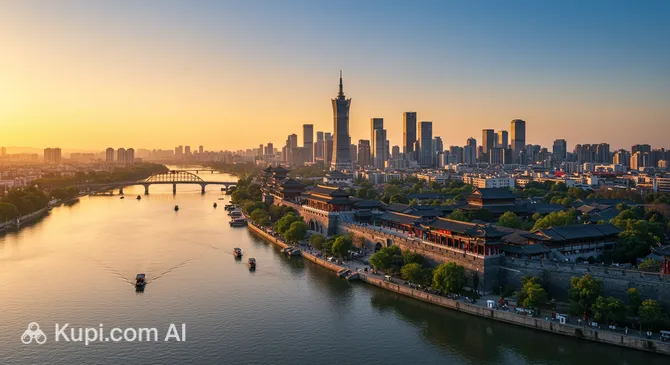
Nanjing, the capital of Jiangsu province, is a vibrant metropolis that seamlessly blends ancient heritage with modern innovation. Situated in eastern China along the banks of the majestic Yangtze River, this city holds a special place in the nation's heart. With a population exceeding 8 million, it serves as a bustling hub of culture, education, and economy, offering a sophisticated yet welcoming atmosphere to all who visit.

Nanjing. Source: Kupi.Binoculars

The city's name literally translates to "Southern Capital," reflecting its prestigious past as one of the Four Great Ancient Capitals. Travelers can delve deep into the rich history of Nanjing, which spans thousands of years and has witnessed the rise and fall of several dynasties. Despite its size, the city maintains a distinctively elegant charm, characterized by beautiful tree-lined avenues and a slightly more relaxed pace of life compared to other Chinese megacities.

Nanjing offers a wealth of sights for travelers. The impressive City Wall of Nanjing, one of the longest and best-preserved ancient city walls in the world, invites visitors for a scenic walk with panoramic views. Nature and history converge at the Sun Yat-sen Mausoleum, a grand memorial set amidst the lush greenery of the Purple Mountain. For a taste of local culture and bustling street life, the Confucius Temple area along the Qinhuai River is a must-visit, especially when the traditional lanterns light up the water at night.

Whether you are a history buff, a nature lover, or a foodie looking to explore authentic local cuisine, Nanjing welcomes you with open arms. It is a destination where every corner tells a story, promising an unforgettable journey through time and culture.

Weather Overview

Nanjing experiences four distinct seasons, offering a climate that ranges from cold winters to hot, humid summers. To ensure you pack appropriate clothing for your trip, it is recommended to check the current weather in Nanjing before your departure. The city generally sees significant temperature shifts throughout the year, making the timing of your visit an important factor.

The summer months, particularly July and August, are the warmest, with average temperatures hovering around 28°C to 29°C and daily highs often exceeding 31°C. This season is also the wettest, with July seeing up to 18 wet days, so carrying an umbrella is essential. In contrast, winters are much colder and drier. January is typically the coldest month, with average temperatures dropping to 3.7°C and minimums occasionally dipping below freezing.

Spring and autumn are often considered the most pleasant times to explore the city. April and October offer mild and comfortable conditions, with average temperatures ranging from 16°C to 18°C. Overall, travelers should expect warm summers with occasional rain and cold, dry winters.

Interesting Facts

Beyond the main attractions, Nanjing holds many fascinating secrets and unique cultural quirks that surprise many visitors. From culinary obsessions to ancient quality control methods, the city offers layers of history waiting to be uncovered.
  • Nanjing is often affectionately called the "Duck Capital" of China due to the locals' immense love for duck dishes. It is estimated that the city consumes huge quantities of duck daily, with Nanjing Salted Duck being a signature dish that actually predates the globally famous Peking Duck.

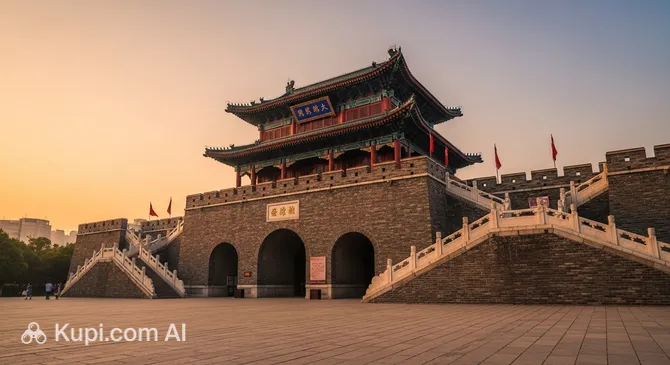
  • The ancient city wall, which features the formidable Zhonghua Gate, was built using a rigorous quality assurance system. Each brick was stamped with the names of the official, the kiln master, and the maker; if a brick failed, the responsible individuals could be traced and punished, which explains why the wall remains so well-preserved today.

  • The city is famous for its stunning "green tunnels" formed by French plane trees lining the streets. Many of these were planted in the late 1920s to create a shaded avenue leading to Dr. Sun Yat-sen's Mausoleum, providing a romantic canopy that shields residents from the intense summer sun.

  • Nanjing was once home to the Porcelain Tower, a 15th-century pagoda that was considered one of the wonders of the medieval world. Although the original structure was destroyed, its legendary status fascinated European travelers for centuries and inspired numerous artistic reproductions in the West.

Zhonghua Gate. Source: Kupi.Binoculars

How to Get There

Reaching Nanjing is convenient thanks to its strategic location and well-developed transport network. Whether you are arriving from within China or from abroad, there are multiple entry points to choose from. For a detailed guide on all available transport options, you can read more about how to get to Nanjing.

The primary gateway for air travelers is Nanjing Lukou International Airport (NKG). This major international airport serves as a key hub for the region and is located approximately 35.6 km from the city center. The journey by taxi or bus typically takes around 75 minutes, depending on traffic conditions. With a large volume of annual passengers, it offers extensive connections to numerous domestic and international destinations.

Alternatively, travelers can fly into Changzhou Airport (CZX), situated in the neighboring city of Changzhou. This airport is about 94.1 km away from Nanjing. While it is a smaller regional hub, it provides a viable option for those exploring the wider Jiangsu province. A transfer from Changzhou to Nanjing by road takes approximately 2 hours and 40 minutes.

For clarity, here is a summary of the main airports:

Airport Name City Passenger Traffic Km from City
Nanjing Lukou International Airport Nanjing Large 35.6
Sunan Shuofang International Airport Wuxi Medium 166.8
Changzhou Airport Changzhou Medium 94.1
Yangzhou Taizhou Airport Yangzhou Medium 103.3
Wuhu Xuanzhou Airport Wuhu Small 106.4

For those preferring rail travel, the region is well-served by a dense railway network. While Nanjing itself is a major rail hub, you might also find yourself arriving at the Zhenjiang Railway Station (ZUJ) in the nearby city of Zhenjiang, which is located about 61.5 km from Nanjing. From there, a taxi or bus transfer to Nanjing takes approximately 1 hour and 50 minutes. Another significant option is the Hefei Railway Station (KFI) in Hefei, situated roughly 141.6 km away, which serves as a major transit point for travelers coming from the west.

Below is a list of nearby railway stations that can serve as entry points to the region:

Station City Passenger Traffic Km to Center
Huzhou Railway Station Huzhou High 176.0
Hefei Railway Station Hefei Medium 141.6
Lu'an Railway Station Lu'an Medium 220.9
Zhenjiang Railway Station Zhenjiang Medium 61.5
Suzhou Yuanqu Railway Station Suzhou Small 189.8

Main Attractions

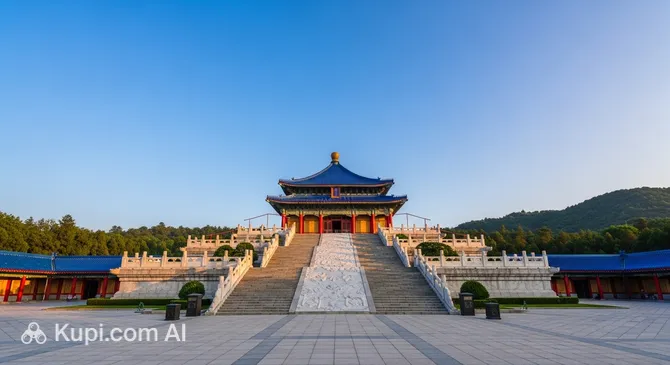
One of the most significant landmarks in the city is Dr. Sun Yat-sen's Mausoleum, situated on the scenic slopes of the Purple Mountain. This majestic site honors the "Father of Modern China" and features a striking combination of traditional imperial architecture and modern design elements. Visitors can climb the grand stone staircase of 392 steps to reach the memorial hall, where they are greeted by a breathtaking view of the surrounding forests and the city skyline.

Dr. Sun Yat-sen's Mausoleum. Source: Kupi.Binoculars

For those interested in military history and ancient engineering, Zhonghua Gate is an essential stop. As the southern gate of Nanjing's historic city wall, it is a massive defensive structure known for its intricate "barbican" design, which includes multiple courtyards meant to trap invaders. Walking along the top of the ramparts allows tourists to appreciate the scale of the fortification and explore the cavernous soldier hideouts preserved within the walls.

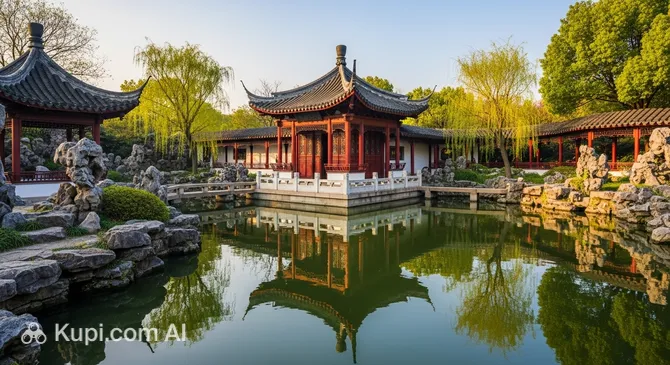
A visit to Zhanyuan Garden offers a delightful contrast to the city's monumental stone structures. This classical garden, the oldest in Nanjing, dates back to the Ming Dynasty and is celebrated for its exquisite layout. The grounds are filled with elegant pavilions, zigzagging bridges, and artfully arranged limestone rockeries reflecting in quiet ponds, providing a tranquil atmosphere that captures the essence of traditional Chinese landscaping.

Zhanyuan Garden. Source: Kupi.Binoculars

Local Cuisine

Nanjing's culinary landscape, often referred to as Jinling cuisine, is a delightful exploration of texture and flavor that centers heavily on one specific ingredient: the duck. The city is famously known as the "Duck Capital" of China, and locals jokingly claim that no duck can escape the city alive. Beyond this poultry obsession, the local food scene is characterized by its emphasis on fresh, seasonal ingredients, meticulous knife work, and a delicate balance of salty and sweet profiles.

The absolute must-try dish is Nanjing Salted Duck (Yanshui Ya). Unlike the roasted version found in Beijing, this signature dish is boiled in a brine spiced with aromatics, resulting in cold, tender slices with a clean, savory taste and creamy fat. Another local staple is Duck Blood and Vermicelli Soup, a comforting bowl featuring silky cubes of congealed blood, tofu, and vermicelli noodles in a rich broth. For those seeking a crunchy treat, Pan-fried Beef Dumplings (Niurou Guotie) are legendary here, offering a golden, crispy skin filled with juicy, savory beef.

To wash down these rich flavors, locals often turn to Yuhua Tea (Rain Flower Tea), one of China's most prestigious green teas. Grown in the Rain Flower Terrace area, its leaves are processed to resemble pine needles and produce a refreshing, slightly floral brew that acts as a perfect palate cleanser. In the evenings, you might also find sweet fermented glutinous rice wine or drinks infused with fragrant osmanthus flowers, which bloom profusely across the city in autumn.

The heart of Nanjing's food culture beats strongest in its bustling street markets and snack stalls. The area surrounding the Confucius Temple along the Qinhuai River is the epicenter of gastronomic tourism, famous for the "Qinhuai Eight Treasures," a selection of traditional snack sets. Here, tourists and locals alike gather to enjoy everything from steaming buns to sesame pancakes, soaking in the lively atmosphere where centuries-old culinary traditions meet modern vibrancy.

Travel Tips

Planning a trip to the ancient "Southern Capital" requires a bit of insider knowledge to ensure a smooth and enjoyable experience. Here are some practical tips to help you navigate Nanjing’s streets with confidence and immerse yourself fully in the local culture.

  1. Smart Packing: Nanjing's climate is characterized by significant extremes; summers are notoriously hot and humid, so bring breathable, quick-drying fabrics and a sturdy umbrella for sudden downpours. Conversely, winters can feel penetratingly cold due to the humidity, so pack thermal layers and a warm coat. Comfortable walking shoes are a non-negotiable item, as exploring the massive City Wall and the expansive Purple Mountain area involves plenty of steps.

  2. Getting Around: The city boasts an exceptionally clean and efficient Metro system that connects most major attractions, including the railway stations and the airport. For direct routes, ride-hailing apps are widely used and often more convenient than hailing traditional taxis on the street; just be sure to have your destination address written in Chinese characters to show the driver if you don't speak the language.

  3. Payment Methods: While high-end hotels and restaurants may accept international credit cards, daily life in Nanjing—from street food stalls to convenience stores—runs on mobile payments like Alipay and WeChat Pay. It is highly recommended to set up the international version of these apps before you arrive. Carrying some cash (Renminbi) is still wise as a backup for smaller vendors or in case of technical glitches.

  4. Stay Safe and Healthy: Nanjing is generally a very safe city for tourists, even when walking around at night. Pharmacies are easily identifiable by a green cross symbol, but staff may not speak English, so having a translation app or photos of your required medication is essential. Tap water is not potable; always drink bottled or boiled water to avoid stomach issues.

  5. Language and Connectivity: English proficiency can be limited outside of major hotels and tourist centers. downloading a reliable translation app and an offline map is crucial for independent exploration. Additionally, ensure you have a roaming plan or purchase a local SIM card upon arrival to stay connected, as many Western apps and maps may not function without specific network arrangements.

  6. Cultural Norms: Politeness is highly valued; when handing over money, a business card, or a gift, use two hands as a sign of respect. Public displays of affection are generally modest. If you are invited to a local's home, remember to take off your shoes at the door, as this is a standard practice in Chinese households.

  7. Dining Don'ts: Never leave your chopsticks sticking vertically into a bowl of rice, as this resembles incense burning for the dead and is considered highly inauspicious. Also, avoid tipping in restaurants or taxis; it is not part of the local culture and can sometimes cause confusion or be refused.

  8. Seasonal Spectacles: If your visit falls in late winter or early spring (typically February to March), make time for the International Plum Blossom Festival at Plum Blossom Hill. It is a beloved local tradition to view the sea of pink and white blooms, offering a quintessential Nanjing experience that goes beyond the standard guidebook itinerary.

Armed with these practical insights, you are ready to delve into the rich tapestry of Nanjing's history and modern life without the stress of logistical surprises. Embrace the local customs, navigate the city like a pro, and enjoy every moment of your journey in this magnificent metropolis.

Entertainment & Nightlife

As the sun sets over the Yangtze River, Nanjing transforms from a historical capital into a bustling hub of evening entertainment. The city's nightlife is a vibrant mix of modern chic and traditional charm, catering to everyone from university students and expatriates to tourists seeking a sophisticated night out. Whether you are looking for a high-energy dance club, a quiet jazz bar, or a lively night market, the "Southern Capital" offers plenty of options to keep you entertained well past midnight.

The epicenter of upscale nightlife is undoubtedly the Nanjing 1912 District. Located adjacent to the Presidential Palace, this area features Republican-era architecture repurposed into a stylish collection of bars, clubs, and restaurants. The atmosphere here is trendy and cosmopolitan, with neon lights illuminating the gray brick buildings. It is the perfect place to dress up slightly—smart casual is the norm—and enjoy cocktails or live bands. For a more relaxed and bohemian vibe, head to Shanghai Road (Shanghai Lu). This area is a favorite among the city's large international student population and expats, lined with cozy pubs, sports bars, and cafes that offer a welcoming, unpretentious environment.

For those seeking specific recommendations, Blue Marlin in the 1912 District is a staple for live music enthusiasts and those craving Western comfort food and imported beers. It offers a classic pub atmosphere with a consistent quality that appeals to international travelers. Another legendary spot, particularly for the younger crowd, is Ellen’s Bar. Known for its rustic wooden decor, graffiti-covered walls, and incredibly affordable drinks, it is a bustling venue where travelers can easily strike up conversations with locals and students. While these venues do not require reservations on weekdays, they can get quite packed on Friday and Saturday nights.

If you prefer a cultural experience over clubbing, the area around the Confucius Temple (Fuzimiao) and the Qinhuai River offers a spectacular night view. The riverbanks come alive with illuminated traditional buildings and red lanterns reflecting on the water. Here, you can explore bustling night markets selling local handicrafts and snacks, or take a night cruise on a painted boat. While the temples themselves may close early, the surrounding commercial streets remain lively until late, offering a feast for the senses.

Regarding practicalities, Nanjing is a very safe city for night walks, even in the early hours of the morning. The main nightlife districts like 1912 and Shanghai Road are well-patrolled and brightly lit. Public transport, including the metro, typically shuts down around 11:00 PM, so you will likely need a taxi or a ride-hailing car to get back to your hotel late at night. Taxis are generally affordable and easy to flag down in busy areas, but having your destination written in Chinese is highly recommended.

During the daytime, the city offers a different array of entertainment. Culture lovers can spend hours at the Nanjing Museum or the Jiangsu Art Museum, while families might enjoy the thrills at Happy Valley Nanjing amusement park. Traditional performing arts fans can also look for shows at the Jiangsu Grand Theatre. However, it is the transition from these daytime cultural explorations to the electric energy of the night that truly defines the modern Nanjing experience.
Parks & Museums

Nanjing is a city where nature and culture intertwine effortlessly, offering visitors a refreshing escape into lush landscapes and a deep dive into centuries of artistic and intellectual heritage. Beyond its bustling streets, the city is dotted with expansive lakes, forested mountains, and world-class museums that preserve the treasures of its imperial past.

For a quintessential experience of the city's natural beauty, Xuanwu Lake Park is an absolute must. Located just outside the city center and bordered by the ancient city wall, this massive urban park is composed of five islands connected by arched bridges. It is a favorite spot for locals to jog, fly kites, or enjoy a leisurely boat ride. In summer, the lake is filled with blooming lotus flowers, creating a picturesque scene against the backdrop of the modern skyline and the distant mountains.

Another ecological gem is the Purple Mountain (Zhongshan Mountain National Park), often referred to as the "Green Lung" of Nanjing. This vast area is not only a natural sanctuary filled with dense forests and winding trails but also a repository of significant historical sites. While many visitors flock to the famous Dr. Sun Yat-sen's Mausoleum located here, the mountain is also home to the UNESCO-listed Ming Xiaoling Tomb and the serene Linggu Temple. It offers a perfect blend of hiking and history, with paths shaded by century-old plane trees.

To understand the depth of the region's history, a visit to the Nanjing Museum is essential. As one of the largest museums in China, it houses a staggering collection of over 400,000 artifacts, ranging from dinosaur fossils to exquisite Ming dynasty porcelain. One of its highlights is the Republic of China Street, an immersive underground exhibit that recreates the atmosphere of 1930s Nanjing with vintage storefronts and period architecture.

For art and history enthusiasts, the Six Dynasties Museum (The Oriental Metropolitan Museum) offers a more focused look at the era when Nanjing was the center of Chinese civilization (3rd to 6th centuries). Designed by the son of the renowned architect I.M. Pei, the building itself is a masterpiece of light and geometry. Inside, the exhibits showcase elegant calligraphy, paintings, and celadon pottery, reflecting the sophisticated aesthetics of that period.

Among the city's architectural landmarks, Jiming Temple stands out with its vibrant yellow walls and scenic location overlooking Xuanwu Lake. One of the oldest temples in the area, it is particularly stunning in spring when the road leading up to it is lined with blossoming cherry trees. Climbing to the top of the temple provides a sweeping view of the lake and the city wall, offering a peaceful moment above the urban fray.

For a unique cultural experience away from the main tourist crowds, explore the Yihe Road area. This neighborhood is a living museum of Republican-era architecture, featuring hundreds of well-preserved villas that once housed diplomats and officials. Walking under the canopy of plane trees here feels like stepping onto a movie set, offering a quiet and atmospheric glimpse into the city's stylish past.

Getting Around

Navigating Nanjing is remarkably easy and efficient, thanks to a modern public transportation infrastructure that rivals many global metropolises. The backbone of the city's transit network is the Nanjing Metro, which is clean, punctual, and extensive. With multiple lines connecting the airport, high-speed railway stations, and major tourist attractions like the Confucius Temple and Purple Mountain, it is the preferred choice for most travelers. The stations and trains feature clear signage and announcements in English, making it very user-friendly for international visitors. Trains typically run from around 6:00 AM to 11:00 PM, though times can vary slightly by line.

For destinations not directly served by the subway, the city's bus system offers comprehensive coverage. There are hundreds of routes crisscrossing the city, including special sightseeing lines that loop around key landmarks. While buses are an affordable option, usually costing just 2 RMB per ride, navigating them can be slightly more challenging due to fewer English signs compared to the metro. It is advisable to use a navigation app to track your route and stops in real-time.

When it comes to paying for rides, convenience is key. Most locals use mobile payment apps like Alipay or WeChat Pay, which generate a "Transport QR Code" that can be scanned at metro turnstiles and on bus card readers. For tourists who prefer a physical card, the Jinling Tong (Public Utility IC Card) is a great option. These rechargeable cards can be purchased at metro stations and convenience stores and are valid on the metro, buses, taxis, and even the ferry. If you prefer cash, you can buy single-journey plastic tokens at automatic ticket machines in metro stations, but be sure to have small bills or coins handy. For buses, exact change is required if paying with cash.

If you prefer a more direct mode of travel, taxis are plentiful and relatively inexpensive. You can flag down a standard taxi on the street—usually colored yellow, green, or blue—or use a ride-hailing app like DiDi, which is often integrated into Alipay with an English interface. This is particularly useful for late-night travel or when carrying heavy luggage. For short distances, the city is filled with shared bicycles (such as HelloBike or Meituan Bike) parked along sidewalks. These can be unlocked via their respective apps and are a fantastic way to bridge the "last mile" between a metro station and your final destination while enjoying the street scenery.

For a unique and nostalgic travel experience, consider taking the Yangtze River Ferry. Operating primarily from the historic Zhongshan Wharf, this ferry service transports passengers across the mighty river to the Pukou district. It is not just a mode of transport but a scenic journey that offers a glimpse into the city's past, recalling the days before the grand bridges spanned the river. The ride is incredibly cheap and provides excellent views of the river traffic and the expanding skyline.

Accommodation

Where to Stay:

Finding the perfect place to stay in Nanjing is relatively easy, as the city offers a diverse spectrum of accommodation options to suit every budget and travel style. From opulent five-star hotels run by international chains to efficient business hotels and budget-friendly youth hostels, the choices are plentiful. Whether you prefer the ultra-modern comforts of a high-rise tower or the charm of a boutique guesthouse nestled in a historic alleyway, Nanjing has something to offer.

For most travelers, the most convenient area to base yourself is Xinjiekou. As the commercial center and transportation hub of the city, it sits at the intersection of the main metro lines. Staying here puts you within walking distance of major shopping malls, countless restaurants, and easy transit links to almost every tourist attraction. It is the best choice for those who want to be in the middle of the action and value efficiency.

If you are looking for a more atmospheric and culturally immersive experience, consider the area around the Confucius Temple (Fuzimiao) and the Qinhuai River. This district is bustling with traditional architecture, lantern-lit streets, and night markets. While it can be a bit noisier and more tourist-heavy than the city center, the opportunity to step out of your hotel and immediately be surrounded by the city's historic charm is a major draw for many visitors.

Accommodation prices in Nanjing are generally reasonable compared to Shanghai or Beijing. Budget travelers can find clean hostels or budget chain hotels for roughly $20 to $40 USD per night. Mid-range options, often providing excellent amenities and breakfast, typically range from $50 to $100 USD. Luxury stays can start from $120 USD and go up significantly depending on the brand and location. Booking is best done through major international platforms like Trip.com or Booking.com, which usually indicate whether a property is authorized to host foreign guests—an important detail to check in China.

Booking Tip: Nanjing is a popular domestic tourist destination. If you plan to visit during major Chinese holidays, such as the National Day "Golden Week" in October or the Spring Festival, it is crucial to book your accommodation several months in advance. During these peak times, prices can double, and the best rooms sell out quickly.

Nearby Cities

For those looking to explore the surroundings, Nanjing serves as an excellent base for day trips to several interesting nearby locations:

One of the most popular choices is Yangzhou, a city celebrated for its exquisite gardens and relaxed pace of life. Just a short journey away, it offers visitors the chance to stroll along the famous Slender West Lake and experience the traditional "morning tea" culture that defines the region. It is a perfect destination for those seeking a deeper dive into classical Chinese aesthetics and history.

Zhenjiang is another fantastic option, located comfortably close to Nanjing. Known historically as a key transport hub where the Grand Canal meets the Yangtze River, it is famous for its fragrant black vinegar and the hillside Jinshan Temple. The city provides a scenic mix of river views and cultural heritage, making it an easy and rewarding excursion.

For a blend of ancient spirituality and modern entertainment, travelers might consider Changzhou. The city is home to the imposing Tianning Temple, which boasts the tallest wooden pagoda in the world, as well as the China Dinosaur Park, a massive theme park that appeals to families and thrill-seekers alike.

City Population Distance (km)
Yangzhou 4,559,797 69
Chuzhou 3,987,054 49
Wuhu 3,842,100 86
Changzhou 3,601,079 115
Zhenjiang 3,210,418 61

These nearby destinations offer a glimpse into the diverse culture and landscapes of the region.

Shopping & Souvenirs

Shopping in Nanjing offers a delightful mix of modern luxury and traditional charm, making it a paradise for both fashion enthusiasts and souvenir hunters. As a major commercial hub in eastern China, the city boasts an impressive array of retail options, ranging from colossal high-end malls to bustling pedestrian streets filled with local handicrafts. Whether you are looking for international designer brands or unique cultural artifacts, the city's diverse shopping scene caters to every taste and budget.

The undisputed heart of the city's commercial life is the Xinjiekou district. Often referred to as the "Number One Circle of China," this bustling area is located at the intersection of several major roads and metro lines. It is home to a staggering concentration of department stores and shopping centers. Beneath the surface, an extensive underground network of shops connects the various malls, allowing shoppers to browse endlessly without ever stepping outside—a perfect option during hot summers or rainy days.

For those seeking a premium shopping experience, Deji Plaza in Xinjiekou is the premier destination, housing top-tier international luxury brands and upscale dining options. Alternatively, for a more family-friendly and lifestyle-oriented atmosphere, Aqua City near the Confucius Temple area is a popular choice. It features a wide range of fashion retailers, a cinema, and numerous restaurants, all arranged around a central fountain plaza that often hosts performances.

To experience the traditional side of Nanjing's commerce, head to the bustling streets surrounding the Confucius Temple (Fuzimiao). This pedestrian-friendly area is not only a cultural landmark but also a vibrant marketplace. Here, you can wander through narrow lanes lined with shops selling traditional Chinese garments, calligraphy supplies, and local snacks. It is the ideal place to soak up the lively atmosphere and practice your bargaining skills at smaller stalls.

When it comes to souvenirs, Nanjing has several unique specialties worth taking home. The city is famous for Nanjing Cloud Brocade (Yunjin), a luxurious silk fabric with intricate patterns that was once reserved for emperors. Another popular keepsake is the Rain Flower Stone (Yuhua Stone), a type of colorful, smooth pebble found in the region, often sold in water-filled bowls to showcase their vibrant patterns. Foodies might also consider buying vacuum-packed Nanjing Salted Duck, a savory local delicacy that travels well.

Most shopping malls and large department stores are open daily from roughly 10:00 AM to 10:00 PM. Payment convenience is high, with mobile payment platforms like Alipay and WeChat Pay being the standard almost everywhere, from high-end boutiques to street vendors. While major malls accept international credit cards, it is advisable to carry some cash (RMB) for smaller purchases in markets. Additionally, many large shopping centers offer tax-free shopping services for international tourists; look for the "Tax Free" signage at customer service desks to process your refund on eligible purchases.

Reached the end of the page?

That means the route is fully explored