Support

Jiangyin

About

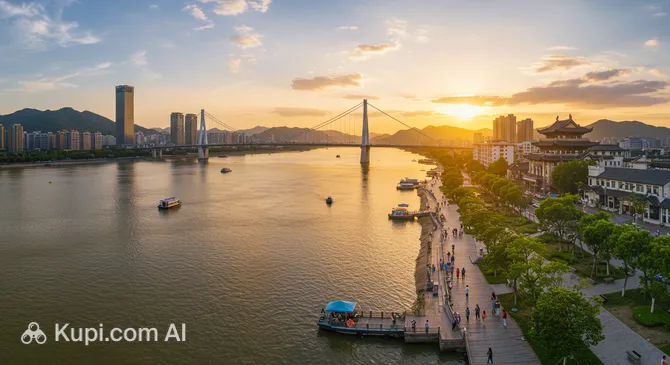
Jiangyin is a thriving port city located on the southern bank of the Yangtze River in Jiangsu Province, China. Often referred to as the "Gateway to the River and Sea," it is a dynamic urban center known for its robust economy and strategic importance as a transportation hub. With a population of over 1.2 million, the city offers a fascinating blend of modern industrial development and scenic riverside landscapes.

Jiangyin. Source: Kupi.Binoculars

The city's geographical position has played a crucial role in its development over the centuries. Because of its location at a narrow point of the Yangtze, it has historically served as a vital military fortress and a center for trade. Visitors can delve deeper into the region's past by exploring the history of Jiangyin, which reveals stories of ancient fortifications and the city's evolution into a modern powerhouse.

Travelers to Jiangyin will find several impressive attractions to explore. The majestic Jiangyin Yangtze River Bridge is an engineering marvel and one of the longest suspension bridges in the world, dominating the skyline. For those seeking nature and culture, the Huangshan Fort Park offers a unique combination of lush greenery and historical military relics, providing panoramic views of the river. The city is also home to well-maintained waterfront parks that are perfect for a relaxing evening stroll.

Whether you are interested in engineering feats, historical sites, or simply experiencing the energy of the Yangtze River Delta, Jiangyin is a destination worth discovering. Its welcoming atmosphere and unique riverside charm make it an excellent stop for any traveler exploring the region.

Weather Overview

Understanding the local climate is essential for planning a comfortable trip to this riverside city. The weather in Jiangyin features four distinct seasons, ranging from hot, humid summers to chilly winters. Travelers should expect warm summers with occasional rain and cold, drier winters, with spring and autumn offering moderate transition periods.

The summer months, particularly July and August, are the warmest, with average temperatures hovering around 29°C and daily maximums often exceeding 30°C. This is also the wettest time of the year; July typically records the highest frequency of precipitation with approximately 17 wet days.

In contrast, the winter season brings significantly cooler temperatures. January is usually the coldest month, with an average temperature of 4.3°C and lows dipping near freezing. Precipitation is less frequent during this time, with December seeing only about 6 wet days, making it the driest month of the year.

Interesting Facts

Beyond its busy port and industrial skyline, Jiangyin harbors a collection of surprising records and cultural curiosities that few travelers know about. From a village with its own skyscraper to a surreal European-style town, the city offers unique glimpses into the ambition and history of China.

  • The Village with a Skyline: Jiangyin is home to Huaxi Village, widely known as the "Number One Village Under the Sky." Once a humble farming community, it transformed into a collective economic powerhouse that famously boasts its own 328-meter tall skyscraper, the Longxi International Hotel. The village is a unique social phenomenon, featuring rows of identical villas and even a park filled with replicas of world monuments like the Great Wall and the Arc de Triomphe.

  • A Slice of Venice and Horses: In a surprising twist of architecture, the city features the Hailan Pegasus Watertown, a massive complex built by a local textile giant. This attraction resembles a European water town complete with gondolas, neoclassical buildings, and a world-class equestrian museum. It is a surreal and photogenic experience to find a "Venice of the East" dedicated to horse culture in the heart of an industrial Chinese city.

  • Birthplace of the "Saint of Travel": The city is the hometown of Xu Xiake, the legendary Ming Dynasty geographer and explorer. He is often compared to a Chinese Indiana Jones, having spent over 30 years hiking across the empire to document karst landscapes and river sources long before modern science caught up. His extensive travelogues are still revered today, and his former residence in Jiangyin remains a site of pilgrimage for history buffs.

  • The "River Shield" Legacy: While the name "Jiangyin" literally translates to "South of the River," it was historically known as the "River Shield" due to its critical military position guarding the Yangtze. A local legend—rooted in historical fact—celebrates the city's fierce spirit; in the 17th century, the residents held out against a massive besieging army for 81 days, a feat that cemented the city's reputation for loyalty and resilience.

How to Get There

Reaching Jiangyin is relatively straightforward thanks to the dense transportation network of the Yangtze River Delta. While the city relies on neighboring hubs for major air connections, it is well-integrated into the regional transit system. Travelers can find all ways to reach the city and plan their transfer accordingly.

For air travel, the most convenient option is Sunan Shuofang International Airport (WUX) in Wuxi, located approximately 49 km from the city center. It serves as a significant regional hub with frequent connections. Another excellent alternative is Changzhou Airport (CZX), situated about 48 km away, offering quick access to the area. For those arriving from international destinations, Shanghai Hongqiao International Airport (SHA) is a major gateway. Although it is located roughly 128 km from Jiangyin, it provides extensive global flight options and seamless transfers.

The following table summarizes the main airports serving the region:

Airport Name City Passenger Traffic Km from City
Shanghai Hongqiao International AirportShanghaiVery High128.0
Sunan Shuofang International AirportWuxiHigh49.1
Changzhou AirportChangzhouMedium47.8
Nantong Xingdong AirportNantongMedium67.5
Yangzhou Taizhou AirportYangzhouMedium89.1

Travelers can also access the region via railway stations in nearby cities, which offer high-speed connections to the broader network. Suzhou Yuanqu Railway Station (YUQ) in Suzhou is a viable option, located approximately 72 km away. Additionally, the Zhenjiang Railway Station (ZUJ) provides another entry point, situated about 87 km from Jiangyin, allowing for a scenic transfer by road.

Below is a list of railway stations in the surrounding area:

Station City Passenger Traffic Km to Center
Huzhou Railway StationHuzhouHigh119.6
Zhenjiang Railway StationZhenjiangMedium86.8
Tongxiang Railway StationNanqiaotouMedium155.3
Jiaxing South Railway StationShenjiabangMedium144.4
Suzhou Yuanqu Railway StationSuzhouLow72.1

Main Attractions

Jiangyin offers a diverse array of attractions that reflect its rich history as a strategic port and its vibrant cultural heritage. From scenic riverside parks to ancient temples and museums dedicated to legendary explorers, the city provides travelers with a unique mix of nature and tradition. Below are some of the top places to visit during your stay.

E'bizui Park, also known as "Goose Nose Mouth Park," is one of the most scenic spots in the city. Located at the foot of Huangshan Mountain, this park gets its whimsical name from its geographical shape, which extends into the Yangtze River like the nose of a goose. It is widely considered the best vantage point for admiring the majestic Jiangyin Yangtze River Bridge and the busy river traffic. Visitors can wander through lush trails, explore ancient stone inscriptions, and enjoy the cooling river breeze, making it a perfect spot for photography and relaxation.

For those interested in history and local culture, the Jiangyin Museum is a must-visit destination. This modern facility houses an impressive collection of artifacts that trace the region's development from the Neolithic age to the present day. The museum is particularly renowned for its exquisite collection of gold and silver wares from the Song and Ming dynasties, as well as relics unearthed from local archaeological sites. It provides a fascinating deep dive into the artistic and social evolution of this prosperous riverside city.

A significant spiritual landmark in the area is the Wukong Temple. Originally built during the Southern Dynasties, this temple has a history spanning over a millennium. It is famous for the stunning Huazang Tower, a pagoda that soars into the sky and serves as a symbol of the temple's grandeur. The complex features beautiful traditional architecture, serene courtyards, and valuable Buddhist relics, offering a peaceful retreat from the bustling city center.

Travelers seeking to walk in the footsteps of a legend should explore the Xu Xiake Memorial Hall. Dedicated to the famous Ming Dynasty geographer and travel writer Xu Xiake, this site celebrates his life and his extensive journeys across China. The memorial hall is built in a classic architectural style, featuring tranquil gardens, exhibition rooms displaying his travelogues and maps, and a collection of stone tablets. It is an inspiring destination that honors the spirit of exploration and discovery.

Local Cuisine

The culinary landscape of Jiangyin is deeply defined by its location along the Yangtze River, making it a premier destination for "River Food." The local cuisine is a sub-branch of the renowned Huaiyang cuisine, characterized by fresh ingredients, delicate knife work, and a flavor profile that balances sweetness and saltiness. For gastronomic travelers, the city offers a unique opportunity to taste the freshest aquatic delicacies, often steamed or braised to preserve their natural taste.

The undisputed star of Jiangyin's food scene is the Pufferfish (Hetun). Known as the "Hometown of Pufferfish," the city attracts gourmets from all over the country who come to experience this daring delicacy safely. Prepared by specially licensed chefs, the fish is typically served braised in a rich, golden sauce or stewed as a white, milky soup. It is often enjoyed alongside other seasonal river treasures, such as the succulent Reeves' Shad and the delicate Knife-fish, which together form the legendary "Three Fresh Delicacies of the Yangtze."

Beyond high-end river seafood, the city is famous for its savory snacks. Jiangyin Soup Dumplings (Xiaolongbao) are a breakfast staple that rivals those of Shanghai. These dumplings are known for their incredibly thin skins and generous fillings, often featuring a mixture of pork and rich crab roe, bursting with hot, savory broth. Another must-try local specialty is Tuolu Cake, a traditional pastry with a crispy, golden crust and a sweet or savory filling, perfect for a midday treat.

In the colder months, the local palate shifts toward warming dishes, with Mazhen Mutton being a regional favorite. This dish features tender, slow-cooked lamb, often served as a jellied loaf or in a hearty soup, celebrated for its ability to ward off the winter chill. To accompany these rich meals, locals typically enjoy Yellow Rice Wine (Huangjiu). This amber-colored alcoholic beverage is served warm and is believed to balance the "cooling" properties of river seafood, enhancing the dining experience with its mellow and aromatic finish.

The food culture in Jiangyin is best experienced in the bustling restaurants along the riverside, where diners can enjoy views of the Yangtze while feasting. For a more casual atmosphere, the city's old streets offer numerous stalls selling fresh dumplings, noodles, and pastries. Whether you are sitting down for a banquet of rare fish or grabbing a hot cake on the go, the flavors of Jiangyin offer a delicious insight into life by the river.

Travel Tips

Welcome to Jiangyin! To ensure your journey through this dynamic "Gateway to the River and Sea" is as seamless as it is memorable, we have compiled a set of essential guidelines. These practical tips will help you navigate local customs, logistics, and daily life with ease.

  1. Clothing and Gear: The climate varies significantly by season. Summers are hot and humid, so pack lightweight, breathable fabrics and a sturdy umbrella for sudden downpours. Winters can feel penetratingly damp and cold, so bring thermal layers and a heavy coat. Comfortable walking shoes are essential for exploring the extensive riverside parks and hiking up Huangshan Fort.
  2. Transportation: The most convenient way to get around the city is by taxi or using ride-hailing apps like DiDi (the local equivalent of Uber), which are affordable and reliable. While public buses are extensive, the routes can be confusing for non-Chinese speakers. For travel to nearby Wuxi, the S1 rail line offers a fast and modern connection to the regional metro network.
  3. Finances: The local currency is the Renminbi (RMB). China is a leader in cashless transactions, so it is highly recommended to set up Alipay or WeChat Pay on your phone before arrival; these are accepted almost everywhere, from malls to street stalls. International credit cards are rarely accepted outside of major hotels, so keep some cash handy for emergencies.
  4. Health and Safety: Jiangyin is a very safe city for travelers, with low crime rates. Pharmacies are easily recognizable by a green cross sign, and many basic medications are available over the counter. Tap water is not safe for direct consumption; always opt for bottled or boiled water to avoid stomach issues.
  5. Communication: Mandarin is the standard language, though you will hear locals speaking the specific Jiangyin dialect (a branch of Wu Chinese). English is not widely spoken outside of luxury hotels and international business areas. A reliable translation app is indispensable for daily interactions. Also, consider purchasing a local SIM card with a data plan immediately upon arrival to stay connected.
  6. Local Etiquette: Politeness is highly valued. When handing over a business card, money, or a gift, use both hands as a sign of respect. In public, avoid loud or boisterous behavior. If you are invited to a meal, it is polite to sample every dish served, but you do not need to clear your plate completely; leaving a small amount indicates you were fed generously.
  7. What to Avoid: Never stick your chopsticks vertically into a bowl of rice. This visual resembles incense burned for the dead and is considered a serious taboo. Additionally, avoid tipping in restaurants or taxis; it is not part of the local culture and can sometimes be seen as rude or confusing.
  8. Local Insight: Don't miss the Jiangyin Greenway. This impressive network of elevated walkways and trails connects several major parks and offers a traffic-free way to explore the city. It is a favorite spot for locals, especially in the early evening, providing a great opportunity to observe authentic daily life.

By keeping these tips in mind, you will be well-prepared to experience the best of Jiangyin. Embrace the local lifestyle, enjoy the river breeze, and have a safe and wonderful trip!

Entertainment & Nightlife

Jiangyin may be known for its industrial prowess, but its nightlife scene is surprisingly vibrant and diverse. As the sun sets over the Yangtze River, the city transforms, offering everything from energetic dance clubs and karaoke lounges to laid-back riverside bars. Whether you are looking to party until dawn or simply enjoy a quiet cocktail with a view, the city provides ample opportunities to unwind after a day of exploration.

For those seeking the heart of the action, Jiangyin Bar Street and ZhanQian Road are the primary destinations. These districts are lined with neon-lit venues ranging from noisy pubs to sophisticated lounges. The atmosphere here is electric, attracting a mix of local youth and international visitors. Another popular area is the XinTianDi Pub Street, which offers a more concentrated cluster of western-style bars and is a favorite spot for the city's expat community to gather.

If you are looking for specific venues to experience the local vibe, 99 Club is a well-known establishment for those who want to dance to DJ sets and experience a high-energy environment. For a more relaxed evening, the Mingdu Cheng Leisure Town is a comprehensive entertainment complex that features karaoke (KTV) rooms, casual pubs, and cafes, making it a one-stop destination for groups with different tastes. Food lovers should not miss the Jianhui Night Market, a bustling street filled with stalls selling spicy skewers, grilled oysters, and local snacks late into the night.

Most nightlife venues in Jiangyin open around 8:00 PM, but the real crowd typically arrives after 10:00 PM. Dress codes are generally casual, though some high-end clubs may expect smart-casual attire. Prices are reasonable compared to Shanghai, with a beer costing around 30-50 RMB in a bar. For transportation, DiDi (the local ride-hailing app) is the most convenient way to get around at night, as taxis are plentiful and safe. The city is very safe for night walks, even in the early hours.

Beyond the nightlife, Jiangyin offers enriching daytime entertainment options. The Jiangyin Grand Theatre is a cultural landmark where visitors can catch traditional operas, concerts, and modern theatrical performances. For a more casual day out, the city's modern shopping malls, such as Wanda Plaza, offer expansive cinemas and indoor amusement arcades that are perfect for families or a rainy afternoon.

Parks & Museums

While Jiangyin is celebrated for its industrial might and busy port, the city dedicates significant space to lush greenery and the preservation of its rich heritage. Visitors will find a surprising number of well-manicured parks that offer respite from the urban bustle, alongside museums that carefully chronicle the region's transformation from a military fortress to a modern economic hub.

Huangshan Fort Park is one of the city's most prominent natural and historical sites. Perched atop a hill overlooking the Yangtze River, this park combines scenic hiking trails with genuine military history. Visitors can walk among restored cannon emplacements and fortifications that once guarded the river entrance. The climb to the summit is rewarded with sweeping panoramic views of the river traffic and the massive suspension bridge, making it a favorite spot for photographers and history enthusiasts alike.

For a more leisurely experience, Binjiang Park (Riverside Park) offers a sprawling green belt that stretches for kilometers along the waterfront. Known locally as the "Bund of Jiangyin," this park features beautifully landscaped gardens, open plazas, and walking paths right by the water's edge. It is the perfect place to witness the sheer scale of the Yangtze, watch ships pass by, or enjoy a sunset picnic. The park is a hub of local life, often filled with residents flying kites, practicing Tai Chi, or enjoying evening strolls.

The cultural heart of the city is undoubtedly the Jiangyin Museum. Housed in a modern architectural complex, the museum boasts an extensive collection that spans the Neolithic Majiabang culture to the Ming and Qing dynasties. Highlights include exquisite calligraphy, ancient ceramics, and relics unearthed from local sites that tell the story of the "River Shield." It provides a comprehensive overview of how the city's strategic location has shaped its identity over thousands of years.

Another essential cultural venue is the Xu Xiake Memorial Hall, dedicated to the Ming Dynasty geographer and explorer who is Jiangyin's most famous son. Unlike a typical museum, this site is a reconstructed residence set within a tranquil garden. Inside, visitors can view woodblock prints, maps, and stone tablets that document Xu Xiake's legendary travels across China. It offers an intimate look at the life of a scholar who devoted his life to understanding the natural world.

Among the city's historical landmarks, the Xingguo Temple Pagoda stands out as a poignant architectural marvel. Originally built during the Northern Song Dynasty, the pagoda was severely damaged by cannon fire during a battle in the 1920s, leaving it with a missing top and a distinct "broken" appearance. Despite the damage, the structure remains standing and has been preserved as a symbol of the city's resilience. It is a striking sight and a powerful reminder of the region's turbulent past.

For a unique perspective on the city, seek out the Jiangyin Greenway. This 30-kilometer loop includes elevated steel walkways that weave through forests, over roads, and along the river, connecting several major parks. It is widely considered one of the best examples of urban green infrastructure in the country and offers a fantastic, traffic-free way to explore the city on foot or by bicycle.

Getting Around

The public transport landscape in Jiangyin has been significantly modernized with the introduction of the S1 line, also known as the Wuxi-Jiangyin Intercity Railway. This rapid transit system serves as the city's rail backbone, seamlessly connecting downtown Jiangyin with the neighboring metro network of Wuxi. For tourists, this is the most efficient way to travel regionally or reach the city center from the south, offering a fast, comfortable, and punctual service with stations located near major commercial districts and landmarks.

For navigating within the city limits, the public bus network remains the most extensive and accessible option. The fleet is modern, consisting largely of electric vehicles that are clean and air-conditioned. Bus routes cover the entire urban area and extend to suburban towns, making it possible to reach almost any attraction or park. Stops are generally well-marked, although route maps are predominantly in Chinese, so using a navigation app to identify the correct bus number is highly recommended for visitors.

Paying for fares is incredibly convenient, as the system is fully integrated into the digital economy. While traditional cash (coins or small bills) is still accepted on buses—usually requiring exact change of 1 or 2 RMB—the preferred method is scanning a QR code via Alipay or WeChat Pay. Tourists can easily activate the "Transport" feature within these apps to generate a code that works on both buses and the metro. Alternatively, physical transportation cards, such as the Taihu Traffic Card or any card bearing the "China T-Union" logo, can be purchased and topped up at metro stations and select convenience stores.

For those seeking more direct or private transport, taxis are plentiful and relatively inexpensive. They can be hailed on the street, but using ride-hailing apps like DiDi is often easier for non-local speakers, as it allows you to input your destination in English and pay automatically without language barriers. Additionally, the city is very bike-friendly. Shared dockless bicycles are scattered throughout the streets and can be unlocked via mobile apps, offering a leisurely and flexible way to travel short distances or explore the scenic riverside paths.

A unique feature of the local transport system is the ferry service across the Yangtze River. While primarily used by locals commuting to the northern bank, the ferry offers a distinctive experience for travelers. It provides a practical crossing while simultaneously serving as a scenic journey, allowing passengers to view the busy river traffic and the massive bridges from the water. Operating hours for most public transport run from early morning, typically around 6:00 AM, until late evening, though night bus services are limited.

Accommodation

Finding a place to stay in Jiangyin is relatively straightforward, as the city’s status as a prosperous economic hub has led to a well-developed hospitality sector. The accommodation landscape is dominated by business hotels and high-end establishments designed to cater to corporate travelers and tourists alike. Visitors can expect a range of options, from luxurious international chain hotels offering five-star amenities to clean, reliable mid-range chains and budget-friendly guesthouses.

For most travelers, the best area to stay is the City Center (Downtown). This location places you within walking distance of major shopping districts, pedestrian streets, and a variety of dining options, making it convenient for both sightseeing and evening entertainment. Alternatively, the Riverside Area is an excellent choice for those seeking a more scenic environment. Hotels here often offer sweeping views of the Yangtze River and easy access to waterfront attractions like Binjiang Park and the Huangshan Fort, providing a quieter, more resort-like atmosphere.

When planning your trip, it is a good general rule to book your accommodation in advance. While room availability is usually good on weekdays, the best hotels can fill up quickly during major trade fairs or national holidays such as the Spring Festival and Golden Week. Securing a reservation early ensures you get the best rates and your preferred location.

In terms of pricing, Jiangyin offers great value compared to nearby metropolises like Shanghai or Suzhou. Luxury stays are surprisingly affordable, while mid-range options are very budget-friendly. Most hotels can be easily booked through major international travel platforms or Chinese apps. However, it is worth noting that some smaller, budget guesthouses may not be authorized to host foreign guests, so sticking to established hotels or checking the policy beforehand is recommended.

Nearby Cities

For those looking to explore the surroundings, Jiangyin serves as an excellent base for day trips to several interesting nearby locations. Situated in the heart of the Yangtze River Delta, the city is surrounded by some of China's most culturally rich and historically significant destinations.

Just a short distance to the south lies Wuxi, the administrative center of the region. It is famous for the stunning Taihu Lake, one of the largest freshwater lakes in China, where visitors can enjoy the scenic beauty of Yuantouzhu (Turtle Head Isle). The city is also home to the colossal Lingshan Grand Buddha, a spiritual landmark that attracts pilgrims and tourists from around the world.

Another unmissable destination is Suzhou, often referred to as the "Venice of the East." Known for its exquisite UNESCO-listed classical gardens, such as the Humble Administrator's Garden, and its intricate network of canals and stone bridges, it offers a perfect glimpse into traditional Chinese aesthetics and water town culture.

For families or those interested in a mix of ancient and modern attractions, Changzhou is an ideal choice. It boasts the China Dinosaurs Park, a massive theme park that is popular with children, as well as the Tianning Temple, which features the tallest wooden pagoda in the world, offering spectacular views of the city.

City Population Distance (km)
Suzhou 5,352,924 74
Yangzhou 4,559,797 98
Changzhou 3,601,079 32
Wuxi 3,245,179 48
Zhenjiang 3,210,418 87

These nearby destinations offer a glimpse into the diverse culture and landscapes of the region, making them perfect additions to your travel itinerary.

Shopping & Souvenirs

Shopping in Jiangyin offers a delightful mix of modern convenience and local flavor, reflecting the city's status as a prosperous economic hub in the Yangtze River Delta. Visitors can expect a retail landscape that ranges from high-end international brands housed in gleaming shopping centers to bustling pedestrian streets filled with traditional snacks and independent boutiques. Whether you are looking for the latest fashion, local handicrafts, or unique food souvenirs, the city provides a satisfying experience for every type of shopper.

The heart of the city's commercial life is undoubtedly the Renmin Road Pedestrian Street. This vibrant thoroughfare is the go-to destination for locals and tourists alike, lined with a dense array of clothing stores, jewelry shops, and eateries. Walking down this street offers a lively atmosphere, especially in the evenings when neon lights illuminate the area. It is an excellent place to browse for mid-range fashion, pick up affordable accessories, and soak in the energetic urban vibe of downtown Jiangyin.

For a more comprehensive and modern shopping experience, Wanda Plaza is the city's premier lifestyle destination. Like its counterparts across China, this massive complex houses everything under one roof, including international fashion chains, electronics stores, a cinema, and a wide variety of restaurants. It is a popular spot for families and young people, offering a comfortable, air-conditioned environment perfect for spending a leisurely afternoon. Another notable mention is Intime City, which offers a similar mix of retail and entertainment options, often featuring upscale brands and department stores.

Travelers interested in a more traditional or chaotic shopping environment should explore the local markets. While traditional wet markets are primarily for residents buying fresh produce, the night markets, such as the one on Jianhui Road, offer a fun glimpse into local life. Here, you can find stalls selling inexpensive gadgets, phone accessories, clothing, and an endless variety of street food. It is a great place to practice your bargaining skills and pick up small, quirky items.

When it comes to souvenirs, Jiangyin has several unique specialties worth taking home. Tuolu Cake is a famous local pastry with a crispy crust and savory or sweet filling that travels relatively well if packaged correctly. Given the region's reputation for textiles, high-quality silk products are also a popular choice. Additionally, as the hometown of the legendary explorer Xu Xiake, you can find culturally significant items such as books, calligraphy, or small statues dedicated to his legacy in museum shops or cultural stores.

Most shopping malls and department stores in Jiangyin operate from approximately 10:00 AM to 10:00 PM daily. Smaller street shops may open earlier and close later, depending on the flow of customers. Payment methods are heavily digital; while major shopping centers accept credit cards (UnionPay is standard, Visa/Mastercard less so), Alipay and WeChat Pay are the primary ways to pay for everything from luxury goods to street snacks. It is highly recommended to have one of these apps set up on your phone. Cash is accepted but is becoming less common for small transactions.

Regarding tax refunds, Jiangyin is not a primary destination for tax-free shopping compared to major metropolises like Shanghai or Beijing. While some large international retailers in major malls might have the infrastructure to process tax refunds for tourists, it is not widespread. Visitors should look for "Tax Free" signage at the entrance of stores or inquire at the customer service desk of large shopping centers, but it is best not to rely on it for general shopping.
Reached the end of the page?

That means the route is fully explored