Support

Zhoushan

About

Welcome to Zhoushan, a captivating archipelago city that offers a unique escape from the hustle and bustle of mainland life. Located in the northeastern part of Zhejiang Province in China, this remarkable destination is the only prefecture-level city in the country established entirely on islands. Situated at the mouth of the Yangtze River and facing the vast East China Sea, Zhoushan is renowned for its stunning seascapes, fresh air, and distinct maritime culture.

Comprising over 1,300 islands of various sizes, the city is a haven for nature lovers and those seeking spiritual tranquility. The local climate is generally mild and humid, influenced heavily by the surrounding ocean, making it a pleasant destination year-round. With a population of nearly 900,000 residents, it balances the charm of a laid-back island community with the vibrancy of a modern port city.
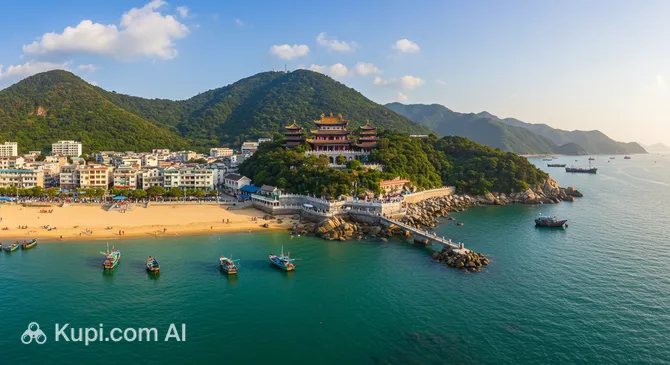
Zhoushan. Source: Kupi.Binoculars

The history of Zhoushan is deeply intertwined with the ocean, evolving from a quiet fishing region into a bustling center of maritime commerce and culture. Today, it is famously known as the "Fishing Capital of China," boasting the renowned Shenjiamen Fishing Port, where visitors can witness a spectacular fleet of fishing vessels and enjoy some of the freshest seafood in the world.

One of the city's most significant highlights is Mount Putuo (Putuoshan), one of the four sacred mountains of Buddhism in China. This spiritual sanctuary attracts pilgrims and tourists alike with its ancient temples, serene atmosphere, and lush landscapes. Additionally, the scenic Zhujiajian Island offers beautiful beaches and impressive sand sculptures, making it a perfect spot for leisure and recreation.

Whether you are looking to explore sacred Buddhist sites, indulge in a culinary adventure with exquisite local seafood, or simply relax by the sea, Zhoushan welcomes you with open arms. It is a destination where the blue sky meets the azure sea, promising an unforgettable travel experience.
Weather Overview

Zhoushan experiences a marine monsoon climate, characterized by moderate temperatures and plenty of moisture throughout the year. Because it is an archipelago, the ocean regulates the weather, preventing extreme heat in summer and severe cold in winter. For travelers planning their trip, checking the current weather in Zhoushan is recommended to pack appropriately.

Summers are generally warm, with August being the hottest month, reaching average highs of around 30.0°C. June is typically the wettest month, featuring about 17 rainy days, so travelers should be prepared for frequent showers during this time. Winters are mild compared to inland cities at the same latitude; January sees the lowest temperatures, averaging 7.9°C, though it rarely drops significantly below freezing.

The transitional seasons of spring and autumn offer some of the most pleasant conditions for sightseeing. May brings comfortable warmth with an average of 20.1°C, while October remains mild at 21.2°C before the cooler air sets in. Overall, you can expect warm summers with occasional rain and cool winters, making the islands accessible year-round.

Interesting Facts

Beyond the scenic beaches and bustling ports, Zhoushan holds many fascinating secrets that surprise even seasoned travelers. This archipelago is a place where ancient spiritual traditions meet modern engineering marvels and unique cultural phenomena.
  • The city is connected to the mainland by the Zhoushan Trans-oceanic Bridge, which is not just a single structure but a complex of five consecutive bridges. Spanning nearly 50 kilometers, it is one of the longest cross-sea bridge groups in the world, transforming the once-isolated islands into an accessible hub.

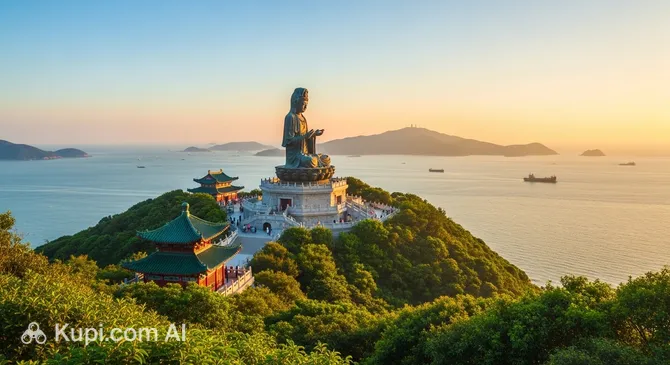
  • On the sacred island of Mount Putuo, you will find a towering 33-meter high statue of Guanyin, the Goddess of Mercy, standing at the edge of the sea. The specific height is no coincidence; it symbolizes the 33 different manifestations of the Bodhisattva as described in Buddhist scriptures.

  • Zhoushan is home to a rather unusual attraction on Xiushan Island: a theme park entirely dedicated to mud. Visitors flock here not just to get dirty, but to engage in mud wrestling and sliding, as the mineral-rich mud is believed to have therapeutic properties for the skin.

  • The easternmost inhabited island of the archipelago, Dongji Island, became a sensation among domestic travelers after being featured in the popular road-trip movie "The Continent" (Houhui Wuqi). It is now celebrated as one of the best places in China to witness the first sunrise of the day.

Mount Putuo. Source: Kupi.Binoculars

How to Get There

Reaching this archipelago city has become increasingly convenient with the development of modern bridges and transport networks. While it is an island destination, it is well-connected to the mainland. For a complete overview of travel options, you can read more about how to get to Zhoushan, including details on buses and ferries.

The most convenient option for air travelers is Putuoshan Airport (HSN), located directly in Zhoushan. It is a regional airport situated approximately 16 km from the city center, and a taxi ride typically takes around 45 minutes. It offers connections to several major Chinese cities, making it the fastest entry point.

For international travelers or those coming from further afield, flying into a nearby major hub is often a better choice. Ningbo Airport (NGB) in the city of Ningbo is about 74 km away; the transfer by road takes roughly 2 hours via the cross-sea bridge. Another significant option is Shanghai Pudong International Airport (PVG) in Shanghai, located 134 km away. As one of China's busiest aviation hubs, it offers extensive global connections, though the journey to Zhoushan from here takes about 3.5 to 4 hours by car or bus.

For clarity, here is a summary of the main airports:

Airport Name City Passenger Traffic Km from City
Shanghai Pudong International AirportShanghaiVery High134.1
Shanghai Hongqiao International AirportShanghaiHigh158.3
Hangzhou Xiaoshan International AirportHangzhouHigh173.0
Ningbo AirportNingboMedium74.1
Putuoshan AirportZhoushanLow15.9

The city of Zhoushan does not have its own railway station, as it is situated on islands. Travelers preferring rail transport typically arrive at stations in neighboring cities and transfer to a long-distance bus. The closest station listed is Yuyao North Railway Station in Yuyao, which is about 101 km from Zhoushan. The travel time from there by road is approximately 3 hours. Another option further away is Linhai Railway Station in Linhai, located 154 km from the city.

Below is a list of nearby railway stations that can serve as transit points:

Station City Passenger Traffic Km to Center
Yuyao North Railway StationYuyaoMedium101.5
Linhai Railway StationLinhaiMedium154.0
Tongxiang Railway StationNanqiaotouMedium169.7
Shaoxing Railway StationShaoxingMedium157.5
Jiaxing South Railway StationShenjiabangMedium156.8

Main Attractions

Zhoushan is a destination defined by its intimate relationship with the sea, offering a diverse array of attractions that range from spiritual sanctuaries to vibrant fishing ports. The archipelago's unique geography allows visitors to experience island hopping, where each stop reveals a different facet of local culture and natural beauty. Whether you are seeking religious enlightenment, beachside relaxation, or culinary delights, the city's top sights promise a memorable journey.

Undoubtedly the most famous landmark is Mount Putuo, situated on a small island that holds immense significance in Chinese Buddhism. As one of the Four Sacred Mountains of Buddhism in China, it is the dedicated dojo of Guanyin, the Goddess of Mercy. Visitors can explore a multitude of ancient temples nestled among century-old camphor trees, including the majestic Puji Temple and Fayu Temple. The island's serene atmosphere, combined with the sound of chanting and crashing waves, creates a profound sense of peace for pilgrims and tourists alike.

Mount Putuo. Source: Kupi.Binoculars

For those who love the sun and sand, Zhujiajian Island is a must-visit location connected to the main island by a bridge. It is celebrated for its "Ten Miles of Golden Sand," a stretch of pristine beaches that rival any in the region. Nansha Beach is particularly popular, not only for swimming but also as the host site for the annual Zhoushan International Sand Sculpture Festival. Here, artists from around the globe transform the fine sand into intricate, large-scale works of art that are beautifully illuminated at night.

To experience the authentic maritime lifestyle of the region, a trip to Shenjiamen Fishing Port is essential. Often cited as one of the three largest fishing ports in the world, it offers a spectacular view of thousands of fishing vessels docked in the harbor, especially during the fishing moratorium or just before the fleets set sail. As evening falls, the waterfront comes alive with bustling seafood stalls (yepaidang), where you can dine on freshly caught crabs, shrimp, and fish while soaking in the lively, salty breeze of the harbor.

Another gem in the archipelago is Taohua Island, or "Peach Blossom Island," which has gained legendary status through the martial arts novels of Louis Cha (Jin Yong). Beyond its literary fame, the island boasts fascinating geological formations and rugged coastal scenery. Places like the Taohuayu Scenic Area offer strange rock formations and sweeping ocean views, making it a perfect spot for hiking and photography enthusiasts looking to step into a real-world wuxia fantasy.

Local Cuisine

As the "Fishing Capital of China," Zhoushan offers a culinary landscape defined almost entirely by the bounty of the East China Sea. The local cuisine emphasizes freshness above all else, with simple cooking methods like steaming and poaching designed to preserve the natural briny sweetness of the ingredients. The region is famously associated with the "Four Treasures of the East China Sea"—large yellow croaker, small yellow croaker, hairtail fish, and cuttlefish—which form the backbone of many local menus.

Among the must-try dishes is the Zhoushan Swimming Crab, a local delicacy prized for its thin shell and plump, tender meat. It is most commonly served steamed with a dipping sauce of vinegar and ginger, or stir-fried with scallions for a more robust flavor. Another signature dish is the Large Yellow Croaker, often braised in soy sauce or cooked in a soup with pickled vegetables (xuecai) to create a rich, savory broth that locals adore. For a casual yet delicious meal, a bowl of seafood noodles topped with fresh clams, shrimp, and fish is a ubiquitous staple found throughout the islands.

To complement the rich seafood, locals enjoy specific beverages that balance the meal. Putuo Buddha Tea, a rare green tea cultivated on the misty slopes of Mount Putuo, is renowned for its orchid-like fragrance and is considered a perfect digestive aid. On the alcoholic side, warm Shaoxing yellow wine (Huangjiu) is the traditional pairing of choice. This amber-colored rice wine is believed to balance the "cooling" properties of seafood in Traditional Chinese Medicine, making it a popular accompaniment at dinner tables.

The food culture in Zhoushan is vibrant and social, best experienced at the famous Shenjiamen Night Stalls (Yepaidang). Located along the waterfront, this stretch of open-air restaurants comes alive at night with bright lights and the aroma of grilling fish. Here, tourists can engage in the local ritual of selecting live seafood directly from glass tanks before having it cooked to order. For a completely different gastronomic experience, the temples on Mount Putuo offer exquisite vegetarian banquets, where tofu and gluten are artfully crafted to resemble meat and fish, reflecting the area's deep Buddhist heritage.

Travel Tips

To ensure your journey to the stunning archipelago of Zhoushan is as smooth as the calm waters of the East China Sea, a little preparation goes a long way. Whether you are here for a spiritual pilgrimage to Mount Putuo or a seafood feast in Shenjiamen, keeping these practical tips in mind will help you navigate the islands like a pro.

  1. Clothing and Temple Attire
    Since Zhoushan is a coastal city, the weather can be changeable with frequent sea breezes. It is advisable to bring a windbreaker or a light jacket, even in summer evenings. Comfortable walking shoes are essential, especially if you plan to hike the trails of Mount Putuo or explore the rocky coasts. If you are visiting religious sites, remember to dress modestly; avoid sleeveless tops and short skirts or shorts to show respect in the temples.

  2. Navigating the Islands
    Transportation in Zhoushan is unique due to its geography. While the main islands are connected by magnificent bridges, you will likely need to use ferries to reach specific destinations like Mount Putuo or Dongji Island. Ferry schedules are strictly adhered to but can be disrupted by weather. On the main island, taxis and ride-hailing apps (like DiDi) are the most convenient ways to get around. There is no metro system, but an extensive bus network connects major scenic spots.

  3. Money Matters
    The local currency is the Chinese Yuan (RMB). While international credit cards are accepted in high-end hotels, daily life in Zhoushan runs on mobile payments like Alipay or WeChat Pay. It is highly recommended to set up the international version of these apps on your phone before arrival. However, keep some cash handy, particularly small denominations, for bus fares, small ferry tickets, or making donations in temple donation boxes.

  4. Health and Safety
    Zhoushan is a very safe city for tourists. Pharmacies are easy to find and marked with a green cross, though 24-hour services might be limited to the city center. Since much of your travel may involve boats, bringing motion sickness medication is a smart move if you are prone to seasickness. Also, the island sun can be strong, so pack sunscreen and insect repellent for outdoor excursions.

  5. Staying Connected
    Mandarin is the official language, though locals often speak the Zhoushan dialect, which can be hard to understand even for Mandarin speakers. English is not widely spoken outside of major hotels and the main tourist center of Mount Putuo. Download an offline translation app for Chinese before you arrive. Buying a local SIM card with data is crucial for using maps and translation tools effectively; you can find these at major airports or official telecom stores in the city.

  6. Temple Etiquette
    When visiting Buddhist sites, maintaining a respectful demeanor is paramount. Do not step on the raised threshold of temple doors; step over it. Inside the temple halls, taking photos of the Buddha statues is generally prohibited and considered disrespectful. Silence your phone and avoid loud conversations. If you see monks, it is polite to give them space; do not photograph them without permission.

  7. Dining Precautions
    When eating at the famous seafood stalls (yepaidang), always confirm the price of seafood before ordering. Prices are typically quoted per jin (500 grams), not per kilogram or per serving. To avoid misunderstandings, ask the vendor to weigh the item and state the total price upfront. Also, avoid drinking tap water; stick to bottled or boiled water.

  8. Watch the Weather Forecast
    This is a vital tip for an island city: ferry services to outlying islands like Mount Putuo or Shengsi are entirely dependent on sea conditions. Typhoons or heavy fog can lead to sudden cancellations. Always check the weather forecast and have a backup plan, especially if you are traveling during the typhoon season (typically July to September).

By keeping these tips in your pocket, you are all set to embrace the charm of Zhoushan without the stress. From the misty peaks of its sacred mountains to the savory delights of its fishing ports, enjoy every moment of your island adventure!

Entertainment & Nightlife

Entertainment in Zhoushan is deeply rooted in its maritime heritage and Buddhist culture, offering visitors unique experiences that go beyond typical sightseeing. One of the most spectacular evening activities is the Impression Putuo show. Co-directed by the acclaimed filmmaker Zhang Yimou, this outdoor extravaganza takes place on Zhujiajian Island. Set against a backdrop of real mountains and sea, the performance utilizes a 360-degree rotating auditorium and dazzling light effects to tell stories of Buddhist history and local folklore. It is a visually stunning way to end a day of exploration.

If you are visiting during the warmer months, the Zhoushan International Sand Sculpture Festival is a highlight. Held annually at Nansha Beach, this event attracts artists from around the globe who transform the golden sands into massive, intricate masterpieces. The festival often runs from summer through autumn, featuring not just the sculptures but also music performances and beach parties. At night, the sculptures are illuminated, creating a magical atmosphere by the waves.

For those seeking a taste of local nightlife, the waterfront at Shenjiamen Fishing Port offers a lively scene that is authentically Zhoushan. As the sun sets, the harbor lights up, and the famous open-air seafood stalls (yepaidang) bustle with activity. It is the perfect place to enjoy a cold beer, savor fresh catch, and soak in the energetic harbor vibes. For a more contemporary night out, the urban centers of Dinghai and Lincheng feature a growing number of bars, lounges, and karaoke (KTV) clubs where you can unwind.

Shopping in Zhoushan is an adventure in itself, particularly for foodies. A visit to the Zhoushan International Seafood City allows tourists to browse an overwhelming variety of dried seafood, from squid and shrimp to scallops and seaweed, which make for excellent gifts. For non-food souvenirs, look for delicate shell carvings, a traditional local craft that turns seashells into intricate landscapes and figures. Additionally, visitors often bring home Putuo Buddha Tea, a specialized green tea grown on Mount Putuo, known for its refreshing taste and cultural significance.

Parks & Museums

While Zhoushan is primarily defined by its ocean vistas, the city also boasts a collection of verdant parks and cultural institutions that offer a deeper dive into its heritage. Beyond the sandy beaches, visitors can find tranquility in lush, forested hills and gain insight into the region's maritime legacy through its museums. Exploring these spaces provides a well-rounded perspective of the archipelago's history and natural beauty.

For nature enthusiasts, Mount Putuo is not only a spiritual sanctuary but also a magnificent natural park. The island is covered in rich vegetation, including ancient camphor trees that have stood for centuries. Walking along its shaded paths, travelers can enjoy the "Botanical Garden of the South China Sea," where strange rock formations and purple bamboo groves create a serene environment. Another significant green space is the Opium War Ruins Park in the Dinghai District. Situated on a hill, this park serves as a memorial to the city's historical defense in the 19th century. Apart from its historical monuments, it offers some of the best panoramic views of Dinghai City and the busy harbor, making it a popular spot for both history buffs and hikers seeking a vantage point.

In the modern district of Lincheng, the Seaview Park (Haibin Park) offers a more contemporary leisure experience. Stretching along the coastline, this expansive green belt is perfect for a relaxing afternoon stroll or kite flying. It features manicured gardens, sculptures, and a long promenade that looks out towards the sea and the majestic bridges connecting the islands, providing a perfect backdrop for sunset photography.

To understand the soul of the city, a visit to the Zhoushan Museum is essential. Located in the cultural hub of Lincheng, this modern facility showcases the archipelago's development from prehistoric times to the present. Its exhibits focus heavily on marine culture, displaying traditional fishing tools, intricate ship models, and artifacts recovered from the sea. It highlights the unique "island lifestyle" and the resilience of the local people. Nearby, you might also find the Zhoushan City Exhibition Hall, which uses multimedia displays to present the urban planning and future vision of this island metropolis.

Another unique cultural venue is the China Lighthouse Museum, located in Daishan County. As the first museum of its kind in the country, it is dedicated to the history and technology of lighthouses, which have been crucial for navigation in these waters for centuries. It features a collection of historic lighthouse equipment and offers a fascinating look at maritime safety history.

For a truly authentic experience, take a walk along the Dinghai Ancient City area near the parks. Unlike the polished tourist zones, this neighborhood retains some of the old architecture and narrow alleys where locals live, offering a quiet glimpse into the everyday life of Zhoushan before its modernization.

Getting Around

Navigating Zhoushan is a unique experience compared to many other mainland cities, primarily because the public transport network is designed around its geography as an archipelago. There is currently no metro, tram, or train system operating within the city limits. Instead, the public transportation infrastructure relies heavily on an extensive bus network on the main islands and a robust ferry system connecting the various outlying islands.

The bus system is the most common way to get around the main island of Zhoushan and the connected island of Zhujiajian. The buses are generally modern, air-conditioned, and cover most major residential areas, commercial districts, and tourist attractions. For visitors, the "Tourist Lines" are particularly useful; these dedicated routes connect key transit hubs like the bus stations and ferry terminals directly to scenic spots, making travel between points of interest relatively straightforward.

Given the city's island nature, ferries are not just a tourist attraction but a vital mode of public transport. This is the special feature of the local transit system. To reach famous destinations like Mount Putuo or Dongji Island, you must travel by boat. The main ferry terminals, such as Banshengdong Wharf in the Putuo District and Wugongzhi Wharf on Zhujiajian Island, operate like busy bus stations. There are different types of vessels ranging from slower car ferries to high-speed passenger boats, offering scenic views along the way.

When it comes to paying for rides, digital payments are the norm. The most convenient method for tourists is to use the transport mini-apps within Alipay or WeChat Pay. You can activate a "Zhoushan Public Transport Card" electronically within these apps, which generates a QR code to scan upon boarding buses. Physical transit cards exist for residents but are generally unnecessary for short-term visitors. If you prefer not to use apps, buses still accept cash, but you must have the exact fare (usually 2 to 5 RMB depending on the distance) as drivers cannot give change.

Taxis and ride-hailing services offer a flexible alternative to buses. Standard taxis are easy to hail on the street and are metered, while ride-hailing apps like DiDi are widely used and often overcome language barriers since you can input your destination in the app. For short distances within urban areas, shared bicycles are available, though they are less common than in flatter, larger metropolises. They are a good option for leisurely exploring the waterfront promenades.

For a smooth journey, it is important to note that bus operations typically end earlier than in major hubs like Shanghai, with many lines ceasing service around 6:00 PM or 7:00 PM, although some main routes run later. Ferry schedules are strictly enforced but are highly weather-dependent; strong winds or heavy fog can lead to sudden cancellations. Tourists are advised to buy ferry tickets in advance through official WeChat accounts or at the terminal ticket windows, especially during peak seasons or holidays, to ensure a seat.

Accommodation

Finding the perfect place to stay in Zhoushan is relatively easy, as the city offers a diverse range of accommodation options tailored to different travel styles and budgets. Whether you are seeking a luxurious seaside resort, a convenient business hotel in the city center, or a traditional fisherman's guesthouse (known locally as "nongjiale"), the archipelago has something to offer every visitor.

The choice of location largely depends on your itinerary, as the city is spread across several islands. For those focusing on a spiritual journey, staying directly on Mount Putuo is highly recommended. The island offers various hotels and guesthouses, allowing visitors to experience the serene atmosphere after the day-trippers have left. However, accommodation here tends to be pricier and fills up quickly, especially during religious festivals.

Travelers looking for a beach holiday often prefer Zhujiajian Island. This area is home to numerous resorts and mid-range hotels located close to the sandy shores of Nansha and the Daqing Mountain scenic area. It is an excellent base for families and those attending the Sand Sculpture Festival. Alternatively, the Shenjiamen area is perfect for food lovers and those needing easy access to ferries. Staying here places you right next to the famous seafood night stalls and the main ferry terminal to Mount Putuo.

For a more authentic local experience, consider booking a stay in a family-run guesthouse on one of the smaller outlying islands like Dongji or Shengsi. These accommodations are often simple but provide a warm welcome and a chance to live like a local islander. In contrast, the urban districts of Dinghai and Lincheng offer modern, high-standard hotels suitable for business travelers or those who prefer staying on the main island with easy access to shopping malls and museums.

Booking Tip: Zhoushan is a very popular destination, particularly on weekends and during Chinese national holidays. Rooms on Mount Putuo and popular beachside resorts can sell out weeks in advance. It is strongly advised to book your accommodation as early as possible. Additionally, if you plan to stay on an outlying island, remember that ferry services stop at night, so coordinate your hotel check-in with the ferry schedule.

Prices in Zhoushan can fluctuate significantly based on the season. During the peak summer months and holidays, rates for seaside and island accommodations can double. Generally, you can find budget-friendly guesthouses for a modest fee, while high-end resorts offer premium services at international standard rates. Most accommodations can be easily booked through major online travel platforms, which is recommended to secure the best deals and guarantee availability.

Nearby Cities

For those looking to explore the surroundings, Zhoushan serves as an excellent base for day trips to several interesting nearby locations:

City Population Distance (km)
Shanghai 24,073,000 155
Pudong 5,681,512 151
Taizhou 5,031,000 166
Ningbo 4,087,523 65
Shaoxing 2,521,964 156

Among the most convenient destinations is Ningbo, located just across the magnificent cross-sea bridge. As one of China's oldest cities, it offers a rich blend of history and modernity. Visitors can explore the Tianyi Pavilion, the oldest existing private library in Asia, or stroll along the Old Bund (Laowaitan), a lively waterfront area featuring colonial architecture, bars, and restaurants. Its close proximity makes it an effortless choice for a spontaneous day trip.

For travelers interested in traditional Chinese culture, Shaoxing is a delightful option. Known as a "Museum without Walls," this city is famous for its intricate network of canals, stone bridges, and white-washed buildings. It is the birthplace of the famous writer Lu Xun and is renowned for its yellow rice wine. A boat ride through the ancient waterways provides a peaceful contrast to the ocean views of Zhoushan.

Although a bit further away, the global metropolis of Shanghai is accessible for those willing to start their day early. As one of the world's most dynamic cities, it boasts the iconic Bund skyline, the towering skyscrapers of Pudong, and the historic Yu Garden. It offers a completely different pace of life, filled with endless shopping, dining, and entertainment possibilities.

These nearby destinations offer a glimpse into the diverse culture and landscapes of the region.

Shopping & Souvenirs

Shopping in Zhoushan offers a distinct experience that reflects the city's identity as a thriving archipelago. While you can find modern fashion and electronics in the city centers, the true joy of shopping here lies in discovering local maritime specialties and traditional crafts. The retail scene is a mix of contemporary department stores, bustling commercial streets, and specialized markets where the bounty of the East China Sea takes center stage.

For a modern retail experience, the Dinghai District serves as the traditional commercial hub. The area around East Jiefang Road is lined with various shops, boutiques, and eateries, making it a lively place for a stroll. In the newer Lincheng District and Putuo District (Donggang area), you will find large shopping complexes such as the Intime Department Store and Kaihong Plaza. These malls provide a one-stop destination for international brands, cosmetics, cinema, and dining, offering a familiar environment for travelers looking for standard urban conveniences.

The most iconic shopping destination in the city is undoubtedly the Zhoushan International Seafood City in the Putuo District. This massive market is a paradise for food lovers, featuring row upon row of vendors selling dried seafood. Here, you can purchase high-quality dried croaker, squid, shrimp, and eel, all vacuum-packed and ready for travel. It is not just a market but a cultural window into the local diet, where the sheer variety of marine products is astonishing.

When it comes to souvenirs, dried seafood tops the list for most visitors, but there are other unique local treasures to consider. Shell carvings are a famous handicraft of the region, where skilled artisans shape colorful seashells into intricate landscapes, flowers, and figurines. Another cultural gem is the Zhoushan Fisherman Painting. These vibrant, folk-art style paintings depict scenes of life at sea with bold colors and exaggerated forms, making for a fantastic artistic memento.

For those interested in tea culture, Putuo Buddha Tea is a prestigious local product grown on the misty slopes of Mount Putuo. Known for its unique shape—resembling a tadpole or a coiled dragon—and its refreshing, lingering aftertaste, it is highly prized and makes for an elegant gift. You can find this tea in specialized tea shops throughout the city or in souvenir stores near the ferry terminals.

Most shopping malls and department stores operate daily from around 10:00 AM to 10:00 PM. Smaller independent shops may close a bit earlier. As with most of China, mobile payment methods like Alipay and WeChat Pay are the standard and are accepted almost everywhere, from high-end boutiques to market stalls. While major credit cards are accepted in large malls, carrying some cash is advisable for smaller purchases in traditional markets.

Regarding tax refunds, while China has a tax-free shopping policy for international tourists in designated stores (mostly in major hubs like Shanghai or Beijing), it is less common in smaller cities like Zhoushan. Visitors should look for the "Tax Free" signage at the entrance of large department stores, but it is best not to rely on it for general shopping in this region.

Reached the end of the page?

That means the route is fully explored