Support

Wenzhou

About

Wenzhou is a vibrant coastal city located in the southeastern part of the Zhejiang province. Known for its dynamic economy and rich cultural heritage, it stands as a testament to the entrepreneurial spirit of China. Often referred to as a city of merchants, it offers a unique blend of bustling urban energy and serene natural beauty, making it a fascinating destination for travelers seeking an authentic experience.
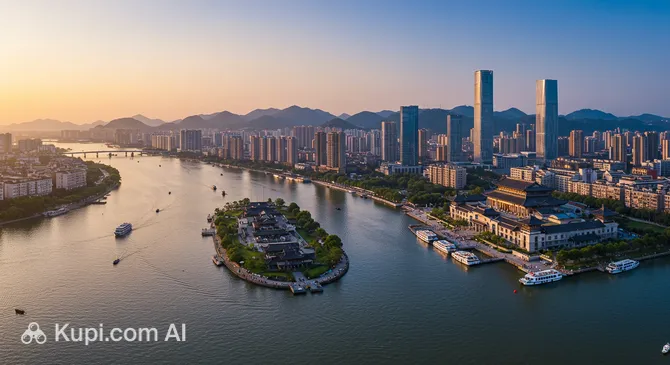
Wenzhou. Source: Kupi.Binoculars

Situated along the banks of the Ou River near the East China Sea, the city enjoys a humid subtropical climate with distinct seasons and abundant rainfall. With a population of over **3.6 million** people, Wenzhou is a major regional hub that seamlessly integrates modern infrastructure with its mountainous backdrop. Its geographical position has historically made it a vital port, connecting the interior of the province with the open ocean.

The region boasts a legacy that dates back thousands of years, having served as a prosperous center for trade and craftsmanship. Exploring the history of Wenzhou reveals a captivating journey from its origins as a producer of celadon pottery to its status as a modern commercial powerhouse. This deep-rooted connection to the sea and commerce has shaped the local culture, dialect, and cuisine, setting it apart from its neighbors.

Visitors are often drawn to the spectacular **Yandang Mountain**, a geological wonder known for its sharp peaks, caves, and waterfalls. For a touch of tranquility within the city, **Jiangxin Island** offers a historic retreat featuring ancient pagodas and lush gardens right in the middle of the river. Additionally, the scenic **Nanxi River** is perfect for bamboo rafting, allowing tourists to drift past traditional villages and dramatic rock formations.

Whether you are a nature enthusiast eager to hike scenic trails or a culture seeker looking to understand local traditions, Wenzhou has something special to offer. We invite you to discover the charm of this coastal gem, where ancient history and modern life coexist in harmony.

Weather Overview

Wenzhou experiences a distinct humid subtropical climate, offering a variety of atmospheric conditions depending on when you visit. For travelers planning their itinerary, checking the current weather in Wenzhou is highly recommended to ensure you are prepared. Generally, the city is characterized by warm, humid summers with frequent rain and cool, drier winters.

The summer months, spanning from June to August, are the hottest time of the year. July sees the highest average temperatures at approximately 28.4°C, with daily maximums often reaching 31.3°C. This season is also quite damp; June is particularly notable for having the highest frequency of precipitation, recording up to 23 wet days. Travelers visiting during this period should be prepared for both heat and regular rainfall.

In contrast, winter (December to February) brings cooler temperatures, though it rarely gets freezing. January is typically the coldest month, with an average temperature of 8.7°C and lows dipping to around 5.0°C. While the volume of precipitation is lower compared to summer, the city still experiences between 9 and 13 wet days per month during this season, so keeping an umbrella handy is always a good idea.

Spring and autumn serve as pleasant transition periods. May offers comfortable warmth with an average of 21.7°C, though it comes with about 18 wet days. October is often considered one of the most agreeable months for travel, featuring mild temperatures around 20.3°C and fewer rainy days compared to the spring and summer peaks.

Interesting Facts

Beyond the main attractions, Wenzhou holds many fascinating secrets that reveal the unique character of its people and history. Here are some intriguing facts that highlight the city's distinct identity within China.

  • The "Devil's Language": The local dialect, Wenzhounese, is considered one of the most difficult dialects to learn and understand, even for native Mandarin speakers. It is so complex and distinct that it was famously used as a code during wartime military communications because it was virtually impossible for outsiders to decipher.

  • A Global Merchant Hub: The people of Wenzhou are renowned for their exceptional entrepreneurial spirit, often referred to as the "Jews of the Orient" in a business context. There is a saying that you can find a Wenzhou merchant in every corner of the world, as they have established vast trade networks and communities globally.

  • Cradle of Mathematicians: Despite its strong reputation for commerce and trade, the city is also known as the "Hometown of Mathematicians." In the past century, Wenzhou has produced a disproportionately large number of prominent mathematicians who have made significant contributions to the field both domestically and internationally.

  • The Button Capital: The region is a powerhouse of specialized manufacturing. The town of Qiaotou, located within Wenzhou, is famously known as the "Button Capital of China." It produces a staggering majority of the buttons and zippers used in clothing worldwide, showcasing the city's dominance in niche industrial markets.

How to Get There

Reaching this coastal hub is relatively straightforward thanks to its well-developed transport infrastructure. Whether you prefer flying or taking the train, there are multiple options to suit your itinerary. For a comprehensive guide on all available routes and travel tips, you can read more about how to get to Wenzhou to plan your journey effectively.

The most convenient way to arrive by air is via Wenzhou Longwan International Airport (WNZ). Located just 17.6 km from the city center, it is a major hub serving over 11 million passengers annually. A taxi ride from the airport to downtown typically takes around 45 to 50 minutes, depending on traffic. This airport offers excellent connections and is the primary gateway for international and domestic travelers visiting the region.

If direct flights are unavailable, you might consider flying into Luqiao Airport (HYN), situated in the neighboring city of Taizhou. This airport is approximately 95.3 km away from Wenzhou. While it is a smaller regional airport, it serves as a viable alternative. Traveling from Luqiao Airport to Wenzhou by road takes roughly 2 hours and 45 minutes. Another option is Yiwu Airport (YIW) in Yiwu, located about 163.2 km away, which would require a transfer time of approximately 4.5 hours by car.

For clarity, here is a summary of the main airports:

Airport Name City Passenger Traffic Km from City
Wenzhou Longwan International AirportWenzhouLarge17.6
Yiwu AirportYiwuMedium163.2
Luqiao AirportTaizhouMedium95.3
Quzhou AirportQuzhouMedium206.5
Dongyang Hengdian AirportDongyang133.0

Travelers arriving by rail can access the region through several stations in the surrounding province. While direct connections to the city center are common, you may also arrive at Wenling Railway Station in the city of Wenling, which is about 81.4 km from Wenzhou. From there, you can get a taxi or bus, which takes about 2 hours and 20 minutes. Another nearby option is Linhai Railway Station in Linhai, located approximately 111.9 km away, offering further connectivity to the wider rail network.

Below is a list of regional railway stations that can serve as transit points:

Station City Passenger Traffic Km to Center
Hangzhou Railway StationHangzhouVery Large259.2
Yuyao North Railway StationYuyaoLarge237.7
Linhai Railway StationLinhaiMedium111.9
Shaoxing Railway StationShaoxingMedium224.4
Wenling Railway StationWenlingMedium81.4

Main Attractions

Wenzhou offers a diverse range of experiences, from dramatic geological wonders to serene river islands and bustling historic streets. Whether you are a nature lover or a culture enthusiast, the city's top attractions provide a deep dive into the region's unique heritage and natural beauty.

Yandang Mountain is arguably the most famous landmark in the region, recognized as a UNESCO Global Geopark. This spectacular range is renowned for its ancient volcanic origins, dating back over 120 million years. Visitors are captivated by its sharp peaks, strange rock formations, and deep caves. The area is particularly interesting for its "Big Dragon Pond" (Dalongqiu) waterfall, which plunges 197 meters, and the "Spirit Peak," which offers different silhouettes by day and night. It is a must-visit for hikers and photographers seeking dramatic Chinese landscape scenery.

Located right in the middle of the Ou River, Jiangxin Island is a poetic retreat often called the "Garden on the Sea." This historic islet is famous for its twin pagodas, the East Pagoda and West Pagoda, which have stood as navigational landmarks for centuries. Tourists enjoy exploring the ancient Jiangxin Temple and the former British Consulate, which add layers of colonial history to the site. It is an excellent spot for a peaceful walk, offering a blend of cultural relics and lush gardens just a short ferry ride from the city center.

For a relaxing escape into rural beauty, the Nanxi River is the perfect destination. Known as the "Cradle of Chinese Landscape Painting," this scenic area is celebrated for its crystal-clear waters and traditional bamboo rafting experiences. Visitors can drift slowly down the river, passing by dramatic cliffs and ancient villages like Furong and Cangpo that have preserved their architectural style for hundreds of years. The river's tranquility and the surrounding limestone peaks make it a favorite for those looking to experience the idyllic side of the Chinese countryside.

Back in the heart of the city, Wuma Street (Five Horses Street) offers a vibrant mix of history and commerce. As Wenzhou's most famous pedestrian street, it is lined with buildings that showcase a unique blend of traditional Chinese and Western architectural styles. It is a fascinating place to stroll, shop for local brands, and taste authentic Wenzhou snacks. The street's lively atmosphere and historical significance make it a great place to understand the city's commercial spirit and daily life.

Local Cuisine

Wenzhou cuisine, often referred to as "Ou Cuisine," is a distinctive branch of the broader Zhejiang culinary tradition, celebrated for its emphasis on fresh seafood and light, savory flavors. Thanks to its coastal location, the city offers an abundance of marine ingredients, and local chefs prioritize the concept of "Xian"—a term describing the ultimate freshness and natural umami of food. Rather than masking ingredients with heavy spices, the culinary style here focuses on preserving original textures and tastes, making it a paradise for seafood lovers.

One of the most iconic dishes you simply cannot miss is Wenzhou Fish Balls (Yu Yuan). Unlike the smooth, round fish balls found in other parts of Asia, the local version is made by scraping fresh fish meat into irregular, chewy chunks. They are typically served in a clear, hot soup seasoned with vinegar, scallions, and a dash of pepper, offering a tart and refreshing flavor profile. Another staple, particularly for breakfast, is Glutinous Rice (Nuomi Fan). This comforting bowl consists of steamed sticky rice topped with savory minced pork sauce and crunchy bits of deep-fried dough (youtiao), creating a delightful contrast of textures to start the day.

For those who enjoy unique local snacks, Duck Tongue is a famous Wenzhou specialty that has gained popularity across the country. Braised in soy sauce, slightly dried, and seasoned with local spices, it has a firm, chewy texture and a rich, savory-sweet taste. It is often served as a cold appetizer or a snack to accompany drinks. Visitors will also find an array of raw marinated seafood dishes, such as crab or shrimp soaked in rice wine and vinegar, which are beloved by locals for their intense freshness.

Dining in Wenzhou is a social affair, often centered around large round tables filled with various dishes. To accompany the meal, locals frequently enjoy Yellow Rice Wine, a traditional alcoholic beverage that pairs exceptionally well with seafood. The city's food culture is vibrant and accessible, ranging from high-end restaurants to bustling street food stalls known as "Da Pai Dang." In the evenings, these open-air stalls come alive, allowing diners to choose live seafood fresh from the tanks to be cooked to order, providing an authentic and immersive gastronomic experience.

Travel Tips

Preparing for a trip to Wenzhou requires a bit of local know-how to navigate its bustling streets and distinct culture effectively. To help you make the most of your visit to this dynamic coastal hub, we have compiled a list of essential practical tips for a smooth and enjoyable journey.

  1. Clothing and Gear: Since Wenzhou has a humid subtropical climate, packing layers is key. Summers are hot and humid, so bring breathable, quick-drying fabrics and a sturdy umbrella, as rain is frequent. Winters are cool but not freezing; a medium-weight jacket or coat is sufficient. If you plan to hike Yandang Mountain, ensure you have comfortable, non-slip walking shoes.

  2. Transportation: While public buses are extensive, they can be confusing if you don't read Chinese. The most convenient way to get around is by using ride-hailing apps like DiDi (often accessible via Alipay in English), which save you the hassle of explaining destinations. Taxis are also plentiful, but always have your destination written in Chinese characters to show the driver.

  3. Finances: Wenzhou, like much of China, is an almost entirely cashless society. Before you arrive, download Alipay or WeChat and link your international credit card to their "Tour Card" or wallet features. While carrying a small amount of cash (Renminbi/CNY) is wise for emergencies, most vendors, including small street stalls, prefer mobile payments. Tipping is not customary and is generally not expected.

  4. Health and Safety: The city is generally very safe for tourists. Pharmacies are marked with a green cross, but prescription medication should be brought from home. Always drink bottled or boiled water, as tap water is not safe for direct consumption. In summer, mosquito repellent is highly recommended, especially if you are visiting river areas or parks.

  5. Communication: Mandarin is the standard language, though locals often speak Wenzhounese, a dialect notoriously difficult for outsiders to understand. English proficiency is limited outside of major hotels and business centers. It is essential to download an offline translation app and a map app before you go. Also, consider purchasing an eSIM or setting up roaming to bypass internet restrictions and access international apps.

  6. Local Etiquette: Wenzhou is a city of business. If you meet locals in a formal setting, exchanging business cards is common; always present and receive cards with two hands as a sign of respect. When dining, wait for the host to start eating or drinking before you do, and avoid sticking your chopsticks upright in a rice bowl, as this resembles incense burning for the dead.

  7. What to Avoid: Avoid losing your temper or shouting in public. Causing a "loss of face" for yourself or others is considered very rude and will not help resolve problems. Additionally, do not rely solely on credit cards; very few places outside of luxury hotels accept international cards like Visa or Mastercard directly.

  8. Local Insight: Embrace the nightlife! Wenzhou comes alive after dark, particularly around Wuma Street and the riverside. Shops and restaurants often stay open late, and the "Da Pai Dang" (open-air food stalls) are the best places to experience the true local atmosphere and fresh seafood late into the night.

By keeping these practicalities in mind, you will be well-equipped to navigate the city with confidence and ease. Wenzhou is a place that rewards curiosity, so step out, explore the local lifestyle, and enjoy the unique energy of this entrepreneurial city.

Entertainment & Nightlife

To experience the true pulse of Wenzhou, you must venture out after sunset. The city is famous for its thriving "night-time economy," where the industrious spirit of the day gives way to a vibrant and energetic social scene. From high-end lounges and riverside promenades to bustling street food markets, the nightlife here caters to both the business elite and the younger, trendy crowd.

One of the most popular districts for evening entertainment is the European City (Ouzhou Cheng). Designed with distinct Western-style architecture, this area is a dense hub of bars, pubs, and nightclubs. It creates a unique atmosphere where you can stroll past Romanesque columns while deciding between a quiet whisky bar or a pulsating dance club. Another key area is Nantang Street, often referred to as the "living room" of the city. At night, the traditional buildings are beautifully illuminated, and the area fills with locals enjoying dinner, drinks, and the scenic views along the river.

For those seeking specific venues, The Loft is a standout choice. Known for its industrial-chic design and artfully crafted cocktails, it attracts a stylish crowd looking for a sophisticated yet relaxed vibe. If you prefer a more speakeasy-style atmosphere, Vault Bar near the commercial center is highly recommended for its extensive drink menu and intimate setting. For a more casual night out centered around food, the Sanyang Night Market offers an incredible array of local snacks and bustling energy, perfect for satisfying late-night cravings.

The atmosphere in Wenzhou's nightlife spots is generally welcoming but can lean towards the dressier side, especially in clubs and high-end bars where "smart casual" is the norm. Business entertainment is a significant part of the local culture, so don't be surprised to see large groups toasting with expensive cognacs or heading to luxurious KTV (karaoke) private rooms, which are a staple of Chinese nightlife.

For a smooth evening, keep in mind that the night starts relatively late. Dinner usually runs until 9:00 PM, after which people head to bars, with clubs typically filling up around 11:00 PM. Getting around is easy; taxis and ride-hailing apps like DiDi are plentiful and safe. The city is very secure for night walks, particularly along Jiangbin Road, which is well-lit and popular for evening strolls to watch the stunning light shows across the Oujiang River.

While the night belongs to revelry, daytime in Wenzhou offers its own cultural entertainments. The Wenzhou Grand Theater, shaped like a golden carp, hosts world-class operas, concerts, and plays. For history buffs, the Wenzhou Museum provides a fascinating look into the region's maritime past and local folk traditions, making for a perfect afternoon activity before the sun goes down.

Parks & Museums

Wenzhou seamlessly blends its energetic urban landscape with serene green spaces and rich cultural repositories, offering visitors a chance to slow down and appreciate the region's heritage. The city is dotted with lush parks that serve as community hubs, while its museums provide deep insights into the local history, craftsmanship, and the celebrated entrepreneurial spirit of its people.

For a breath of fresh air right in the city center, Bailuzhou Park is the premier destination. Often described as the "green lung" of Wenzhou, this expansive park combines manicured gardens with vast water features, reflecting the city's relationship with the river. It is a favorite spot for locals to jog, fly kites, or enjoy a boat ride on the calm waters. Another excellent option is Jingshan Park, which sits atop a hill and offers panoramic views of the sprawling cityscape and the Oujiang River. The climb to the top is rewarded with lush vegetation and a peaceful atmosphere, making it a perfect escape from the bustling streets below.

To understand the depth of the region's culture, a visit to the Wenzhou Museum is essential. Located near the city's administrative center, its architectural design is inspired by the rugged peaks of Yandang Mountain. Inside, you will find an impressive collection of ceramics, bronze wares, and exhibits detailing the rise of the "Wenzhou Model" of economic development. For those interested in traditional arts, the Wenzhou Intangible Cultural Heritage Museum showcases the area's exquisite craftsmanship. Here, you can admire detailed boxwood carvings, intricate Ou embroidery, and fine paper-cutting art, all of which are defining elements of the local folk culture.

History enthusiasts should not miss the architectural marvels on Jiangxin Island. While the island itself is a park, its crowning glories are the East and West Pagodas. These ancient structures, dating back to the Tang and Song dynasties, have withstood the test of time and served as navigational beacons for ships for over a millennium. Their distinct architectural styles offer a tangible link to the city's maritime past.

For a truly authentic experience, try visiting one of the city's parks in the early morning, around 7:00 AM. You will witness a vibrant scene of locals practicing Tai Chi, ballroom dancing, or playing traditional instruments—a heartwarming display of community life that often goes unseen by the average tourist.

Getting Around

Navigating Wenzhou is becoming increasingly convenient thanks to its rapidly developing and modern public transport infrastructure. The city has invested heavily in connecting its various districts, making it relatively easy for visitors to move between commercial centers, scenic spots, and transport hubs. The backbone of this system is the Wenzhou Rail Transit, which currently operates the S1 and S2 lines. These lines function somewhat like a cross between a subway and a commuter train, efficiently linking the airport, high-speed railway stations, and key urban areas. The trains are modern, clean, and bilingual, with announcements and signs in English, ensuring a smooth experience for international travelers.

For reaching areas not covered by the rail network, the city boasts an extensive bus system, including a highly efficient Bus Rapid Transit (BRT) network. The BRT buses run on dedicated lanes, allowing them to bypass traffic congestion and providing a faster alternative to regular buses. Standard bus routes cover nearly every corner of the city. Additionally, given the city's location along the Oujiang River, ferries are both a practical mode of transport and a scenic experience. The most popular ferry route connects the city center to Jiangxin Island, offering a quick and enjoyable ride across the water.

When it comes to paying for rides, digital payments are the norm. The most convenient method for tourists is to use the "Transport" mini-apps within Alipay or WeChat. By activating the Wenzhou public transport code in these apps, you can simply scan a QR code at metro turnstiles or on bus card readers. Physical single-journey tickets can be purchased at ticket machines in rail stations using cash or mobile payment. If you choose to take the bus and do not have mobile payment set up, you must pay with cash. Be aware that buses operate on an exact change system, usually costing around 2 RMB per ride, so keep small coins and notes handy.

Taxis and ride-hailing services offer a comfortable alternative for direct travel. Traditional taxis are plentiful and can be hailed on the street; they are generally metered and safe. However, most locals prefer using ride-hailing apps like DiDi (often accessible via Alipay), which allow you to input your destination in English and pay automatically. This is particularly helpful to overcome language barriers with drivers. For short distances, the city is filled with shared bicycles (such as HelloBike or Meituan Bikes). These can be unlocked via their respective apps and are perfect for "last-mile" trips from a station to your hotel.

To have the best experience, try to avoid traveling during peak rush hours, typically from 7:30 AM to 9:00 AM and 5:00 PM to 7:00 PM, when buses and trains can get quite crowded. Most public transport operates from early morning, around 6:00 AM, until approximately 10:00 PM or 11:00 PM, though schedules can vary by line. Downloading a navigation app that works locally is highly recommended to plan your routes effectively, as it will provide real-time updates on bus arrivals and the fastest transit options.

Accommodation

Where to Stay:

Accommodation in Wenzhou caters primarily to its steady stream of business travelers, meaning the city is well-stocked with high-quality hotels ranging from efficient mid-range options to opulent luxury resorts. While it may not have the backpacker hostel culture found in major tourist hubs like Beijing or Shanghai, visitors will find a wide selection of comfortable and modern places to stay. The hospitality standards here are generally high, with many properties offering amenities designed for international trade visitors, such as reliable Wi-Fi, meeting rooms, and extensive breakfast buffets.

For most tourists, the best area to stay is within the Lucheng District, particularly near the city center and Wuma Street. Staying here places you within walking distance of the best shopping, local eateries, and historical sites. It is the vibrant heart of the city, ensuring you are never far from the action. Alternatively, if you prefer a room with a view, consider the areas along the Oujiang River. The riverside district features several upscale high-rise hotels that offer stunning panoramas of the water and the nightly light shows, providing a more scenic and serene base.

Travelers seeking convenience might also look at the Ouzhou Cheng (European City) area. This district is not only a hub for nightlife and dining but also hosts a variety of boutique and business hotels. It is an excellent choice for those who want to be close to the city's evening entertainment options. For those on a quick transit stop, the areas surrounding the Wenzhou Railway Station and the Longwan International Airport offer practical, albeit less scenic, lodging options to ensure you catch your connection on time.

When it comes to booking, it is advisable to reserve your accommodation in advance, especially during major Chinese holidays or local trade fairs when rooms can fill up quickly and prices rise. Most hotels in Wenzhou can be booked via major international platforms, but using apps specialized in the Asian market often yields better rates and more choices. Prices are generally reasonable compared to China's tier-one cities; you can expect to find excellent mid-range hotels for $50–$80 USD per night, while luxury 5-star experiences are often available for $100–$150 USD, offering great value for the level of service provided.

Nearby Cities

For those looking to explore the surroundings, Wenzhou serves as an excellent base for day trips to several interesting nearby locations:

City Population Distance (km)
Taizhou 5,031,000 102
Lishui 2,507,396 92
Jinhua 1,463,990 158
Ruian 1,424,667 24
Wenling 1,416,199 79

Located just a short distance away, Ruian is an ideal destination for a quick excursion. As a historic county-level city under Wenzhou's administration, it is renowned for its rich cultural heritage, including the famous Yuhai Library and the preservation of ancient wooden movable-type printing techniques. Visitors can explore its traditional streets and enjoy a slightly more relaxed pace while remaining very close to the main city hub.

For those seeking immersion in nature, Lishui is often referred to as the "Green Valley of Zhejiang." It is celebrated for its pristine environment, featuring attractions such as the Ancient Weir-Painting Village and the spectacular Yunhe Rice Terraces. It offers a refreshing escape into lush landscapes and is a photographer's paradise, showcasing the harmonious relationship between traditional rural life and the natural world.

Heading north along the coast, Taizhou offers a mix of dramatic mountain scenery and coastal charm. It is home to Tiantai Mountain, a significant site for Buddhism in East Asia, and the breathtaking Shenxianju scenic area with its high-altitude walkways. The city is also famous for its abundant seafood and citrus fruits, making it a rewarding trip for both spiritual seekers and food lovers.

These nearby destinations offer a glimpse into the diverse culture and landscapes of the region.

Shopping & Souvenirs

Shopping in Wenzhou is a reflection of the city's status as a commercial powerhouse and the birthplace of private economy in China. Known globally as the "Shoe Capital," the city offers an impressive array of leather goods, apparel, and small commodities, often at very competitive prices. The retail landscape here is a fascinating mix of modern luxury, bustling wholesale energy, and historic pedestrian charm, making it a paradise for those looking for both high-end brands and local bargains.

The heart of the city's retail scene is undoubtedly Wuma Street (Five Horses Street). As the most famous pedestrian street in Wenzhou, it has been a commercial center for centuries. The street is lined with buildings that feature a unique blend of traditional Chinese and European architectural styles, housing everything from time-honored local shops to international sportswear brands. Walking here is as much a cultural experience as it is a shopping trip, especially in the evening when the neon lights illuminate the historic facades.

For a modern, high-end shopping experience, The MixC Wenzhou is one of the premier destinations. This expansive shopping mall gathers luxury international fashion houses, trendy lifestyle brands, and a wide variety of dining options under one roof. Another popular spot is the Intime Department Store (Shimao Center), which is a favorite among locals for cosmetics, fashion, and accessories. These malls provide a comfortable, air-conditioned environment perfect for browsing the latest trends.

Wenzhou is also famous for its wholesale culture, which spills over into its markets. While many specialized markets focus on bulk trade for shoes and buttons, visitors can explore the Wenzhou Flower and Bird Market for a more local and colorful atmosphere. Here, you can find plants, pets, aquariums, and traditional curiosities. It offers a lively glimpse into the hobbies and daily lives of the local residents, distinct from the glossy malls.

When it comes to souvenirs, the region's craftsmanship takes center stage. Ou Embroidery is a celebrated local art form known for its delicate and intricate designs, making for a sophisticated gift. Boxwood carvings are another traditional specialty, prized for their smooth finish and detailed figures. For something more practical, a high-quality pair of leather shoes is a signature purchase given the city's industrial fame. Foodies might consider bringing back vacuum-packed duck tongue or dried seafood, which are beloved local delicacies.

Most shopping malls and brand stores operate from roughly 10:00 AM to 10:00 PM daily. Street shops and markets may have more flexible hours, often staying open late into the night. Payment is almost exclusively digital; Alipay and WeChat Pay are accepted everywhere, from luxury counters to small street stalls. While major malls accept international credit cards, it is highly recommended to have a mobile payment app set up on your phone for a seamless experience. Cash is accepted but rarely used.

Tax-free shopping is available for international tourists at select large department stores and shopping centers. Look for the "Tax Free" signage at the entrance or customer service desks. To claim a refund, you will typically need to present your passport and a valid entry stamp. However, the service is less widespread compared to major tourist hubs like Shanghai or Beijing, so it is best to inquire specifically at the service counter before making large purchases.

Reached the end of the page?

That means the route is fully explored