Support

Shangrao

About

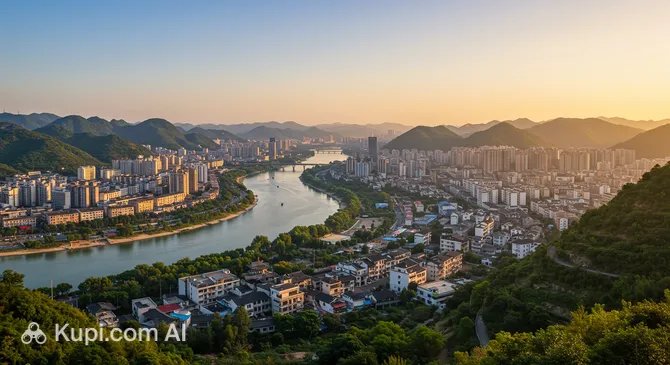
Shangrao is a captivating destination located in the northeastern part of the Jiangxi province in China. Known for its strategic geographical position, the city serves as a vital transportation hub connecting multiple regions, earning it the reputation as the "Thoroughfare of Four Provinces." With a bustling population of over 6.8 million people, Shangrao offers a dynamic blend of modern urban energy and access to some of the country's most stunning natural landscapes.

The region boasts a deep cultural heritage that dates back to the Tang Dynasty. Visitors can delve into the rich history of Shangrao to understand its evolution from a historic commercial center to a contemporary metropolis. The city's past is beautifully preserved in its surrounding ancient villages and local traditions, providing a glimpse into the authentic lifestyle of southeastern China.

Shangrao. Source: Kupi.Binoculars

Travelers are primarily drawn to Shangrao for its proximity to world-class scenic spots. Mount Sanqing (Sanqingshan), a UNESCO World Heritage site, is a highlight for many, offering breathtaking views of unique granite peaks and a sea of clouds. Additionally, the nearby Wuyuan County is often celebrated as one of the most beautiful countryside areas in the nation, famous for its well-preserved Hui-style architecture and vibrant fields of rapeseed flowers that bloom in the spring.

Whether you are a nature enthusiast eager to hike through mystical mountains or a culture seeker looking to explore picturesque rural settlements, Shangrao is a destination that promises an unforgettable journey. It is an excellent choice for anyone wishing to experience the diverse beauty and charm of the region.

Weather Overview

Shangrao experiences a humid subtropical climate with four distinct seasons, offering a variety of atmospheric backdrops for your travels. When planning a trip, it is helpful to check the weather in Shangrao to ensure you pack appropriately for the conditions. Generally, the region is known for having hot, humid summers and cool, damper winters.

The summer months, particularly July and August, are the hottest, with average temperatures rising to around 30°C and daily highs often reaching 34°C. This period can also be quite wet; June is typically the rainiest month, seeing approximately 21 wet days. Travelers visiting during this time should be prepared for both heat and frequent showers.

Winters are significantly cooler, with January being the coldest month, averaging 7.6°C and lows dipping to around 3.7°C. While rainfall generally decreases during the colder months, the city still experiences a fair number of wet days. For many, autumn is an ideal time to visit, especially October, which offers pleasant average temperatures of roughly 20.6°C and fewer rainy days compared to the rest of the year.

Interesting Facts

  • Unique Railway Hub: The city is home to a distinctive transport landmark where two major high-speed rail lines intersect. The Hefei-Fuzhou High-Speed Railway crosses vertically over the Shanghai-Kunming High-Speed Railway at Shangrao Station, making it a pivotal junction in the national network.
  • Copper Capital: Rich in mineral resources, the region is often referred to as the "Copper Capital of China." It houses the Dexing Copper Mine, which is the largest open-pit copper mine in Asia and a significant industrial site.
  • Huizhou Heritage: Although administratively part of Jiangxi today, Wuyuan County was historically part of the ancient Huizhou prefecture. This connection explains the prevalence of distinct Hui-style architecture—characterized by white walls and black tiles—that is famous throughout the area.
  • Migratory Sanctuary: Shangrao borders Poyang Lake, the largest freshwater lake in the country. This vast wetland is a critical wintering habitat for hundreds of thousands of migratory birds, including the rare Siberian crane, making it a prime spot for birdwatching.
  • Tea Tradition: The region boasts a tea culture that dates back over a millennium. Wuyuan Green Tea is particularly celebrated and was historically praised by Lu Yu, the "Sage of Tea," in his classic writings during the Tang Dynasty.

How to Get There

Reaching this dynamic city in Jiangxi province is relatively straightforward, thanks to its developing transport infrastructure and proximity to several regional hubs. Whether you prefer flying or taking the train, there are various options to suit your itinerary. For a comprehensive guide on all available routes and travel tips, you can read more about how to get to Shangrao.

For air travel, the most convenient option is the local Shangrao Sanqingshan Airport (SQD). Located directly in Shangrao, it is situated just 8.6 km from the city center. A trip by taxi or bus from the airport to downtown typically takes about 35 minutes. This facility handles a moderate volume of passengers annually, connecting the city to key destinations across the country. If you cannot find a direct flight, you might consider flying into Wuyishan Airport (WUS) in the city of Wuyishan. It is approximately 83.6 km away, and the transfer by road takes roughly 2.5 hours.

For clarity, here is a summary of the main airports serving the region:

Airport Name City Annual Passengers Km from City
Quzhou AirportQuzhou1,030,000109.2
Huangshan Tunxi International AirportHuangshan869,600144.6
Shangrao Sanqingshan AirportShangrao609,7008.6
Jingdezhen AirportJingdezhen488,000123.3
Wuyishan AirportWuyishan262,92083.6

Travelers exploring the wider region by train may find themselves transiting through major railway hubs in neighboring cities. You can arrive at the Nanchang Railway Station (NHG) in the city of Nanchang, which is a significant transport node. However, please note that it is about 211.9 km from Shangrao. From there, ground transport or a transfer takes approximately 3 hours. Alternatively, the Hangzhou Railway Station (HZD) in Hangzhou serves a massive number of passengers but is located 299.8 km away, meaning a subsequent journey by road would take around 3.5 to 4 hours.

Below is a list of these major railway stations located in the vicinity:

Station City Annual Passengers Km to Center
Hangzhou Railway StationHangzhou100,000,000299.8
Nanchang Railway StationNanchang16,296,000211.9
Jiujiang Railway StationJiujiangUnknown234.5

Main Attractions

Mount Sanqing National Park is arguably the crown jewel of the region's tourism. Recognized as a UNESCO World Heritage site, this Taoist mountain is renowned for its exceptional scenic quality, characterized by granite peaks and pillars that have been shaped by nature into fantastical forms. Tourists are drawn here to witness the "Oriental Goddess" and "Giant Boa" rock formations, walk along the high-altitude plank roads that cling to the cliff faces, and experience the ethereal sea of clouds that often shrouds the peaks.

For those seeking cultural depth and pastoral beauty, Wuyuan County is an essential stop. Often hailed as the "most beautiful countryside in China," it is famous for its well-preserved ancient villages featuring classic Hui-style architecture with white walls and dark eaves. The area is particularly popular in early spring when vast fields of bright yellow rapeseed flowers bloom, creating a stunning contrast against the historic buildings. It offers a perfect setting for photography and a peaceful retreat into rural life.

Guifeng Scenic Area, located in Yiyang County, offers a different geological spectacle. Part of the China Danxia World Heritage listing, it is known for its red sandstone landforms. The area gets its name, which translates to "Turtle Peak," from a massive rock formation that vividly resembles a giant turtle raising its head. It is a fascinating destination for hikers and geology enthusiasts who can explore its numerous caves, stone forests, and steep cliffs.

Another rapidly emerging destination is Wangxian Valley. Built around a historic canyon, this scenic spot has been transformed into a magical village with hanging houses suspended on cliff edges. It is especially captivating at night when the entire valley is illuminated with warm lights, creating a dreamlike atmosphere reminiscent of fantasy worlds. Visitors come here to experience local folk customs, enjoy the dramatic gorge views, and stay in unique cliffside accommodations.

Local Cuisine

The local cuisine in Shangrao is a vibrant reflection of the broader Jiangxi culinary tradition, known as Gan cuisine, which is famous for its bold, spicy flavors and savory richness. Food lovers visiting the city should be prepared for dishes that liberally use chili peppers, oil, and fresh ingredients sourced from the region's abundant mountains and lakes. The food here is unpretentious yet deeply satisfying, offering a "numbing and spicy" kick that rivals neighboring cuisines.

One of the most iconic street foods you must try is the Shangrao Grilled Chicken Leg. These large, succulent drumsticks are marinated in a special blend of spices and roasted until the skin is crispy and the meat is tender. They are so popular that they have become a symbol of the city's snack culture, often found in night markets and near train stations. For a more traditional meal, taste the Yiyang Rice Cake. These chewy, soft cakes are typically sliced and stir-fried with pork, bamboo shoots, and vegetables, creating a comforting dish that locals have cherished for generations.

If you are exploring the countryside, particularly around Wuyuan, you will encounter dishes influenced by Hui cuisine, such as Steamed Pork with Rice Flour. Served in bamboo steamers, the meat is coated in seasoned rice powder and steamed until it melts in your mouth, often accompanied by fresh local vegetables like fern root or spring bamboo shoots. Fish is also a staple, with spicy stewed fish heads being a common delicacy due to the city's proximity to freshwater sources.

To complement the spicy food, locals often turn to tea rather than heavy alcohol. The region is the home of Wuyuan Green Tea, a celebrated beverage with a history dating back to the Tang Dynasty. It is known for its clear color and refreshing, lasting fragrance. For those seeking something stronger, homemade rice wine is widely available in rural farmhouses (Nongjiale), offering a sweet and mellow taste that pairs perfectly with rustic country dishes.

The dining scene in Shangrao ranges from bustling street stalls to authentic farmhouse restaurants. In the city center, night markets come alive with vendors selling spicy snacks and grilled skewers. Meanwhile, in scenic areas, tourists are encouraged to eat at local guesthouses where the vegetables are freshly picked from the garden, providing a true farm-to-table experience that highlights the natural bounty of southeastern China.

Travel Tips

To ensure your journey through the scenic landscapes and historic villages of Shangrao is as smooth as possible, we have compiled a set of essential travel guidelines. These practical tips will help you navigate local customs, logistics, and the unique environment of this fascinating part of Jiangxi province.

  1. Clothing and Gear: Since the region has a humid subtropical climate, lightweight and breathable fabrics are best for summer, while warm layers are necessary for the damp, cool winters. If you plan to hike Mount Sanqing, bring sturdy walking boots and a waterproof jacket, as mountain weather can change rapidly. Don't forget a universal power adapter; China uses Type A, C, and I plugs.
  2. Transportation: Within the city center, taxis and ride-hailing apps like DiDi (accessible via Alipay) are the most convenient ways to get around. For visiting outlying attractions like Wuyuan or Sanqingshan, the high-speed train network is excellent; Shangrao Station is a major hub connecting these areas efficiently. Car rental is generally not recommended for tourists unless you have a valid Chinese driving license.
  3. Finances: The local currency is the Chinese Yuan (CNY). While cash is still accepted, China is a digital-first society. It is highly recommended to set up Alipay or WeChat Pay and link your international credit card before arrival, as even small street vendors prefer mobile payments. Tipping is not part of the local culture and is not expected in restaurants or taxis.
  4. Health and Safety: Shangrao is generally very safe for travelers. Pharmacies are widely available and can be identified by a green cross sign, though few staff will speak English. Always drink bottled water rather than tap water. If you are exploring the countryside or mountains in summer, carry insect repellent to protect against mosquitoes.
  5. Communication: English is not widely spoken outside of major hotels and tourist centers. It is essential to have a translation app installed on your phone; apps that work offline or with image recognition are particularly useful for reading menus and signs. Purchasing a local SIM card or an eSIM with data roaming is vital for staying connected and using navigation maps.
  6. Local Etiquette: When dining, it is polite to try a bit of everything if dishes are shared family-style. Never stick your chopsticks vertically into a bowl of rice, as this resembles incense burning for the dead and is considered bad luck. A simple nod or a smile is a common and polite way to greet locals.
  7. What to Avoid: Avoid taking "black taxis" (unlicensed cabs) that often linger outside train stations or tourist sites; they may overcharge foreigners. Stick to official taxi queues or ride-hailing apps. Also, try to avoid traveling during major Chinese holidays like the Golden Week in early October, as popular spots like Wuyuan become extremely crowded.
  8. Seasonal Planning: If your goal is to see the famous rapeseed flowers in Wuyuan, timing is everything. They typically bloom from early March to early April. During this peak season, hotels and trains fill up weeks in advance, so booking your accommodation and transport early is a crucial life hack for this specific trip.

By keeping these tips in mind, you will be well-prepared to embrace the natural beauty and cultural richness of Shangrao. Enjoy your adventure in this dynamic "Thoroughfare of Four Provinces" and the unforgettable memories it is sure to provide!

Entertainment & Nightlife

Shangrao comes alive after dark, offering a nightlife experience that blends modern urban entertainment with breathtaking, illuminated cultural landscapes. Unlike the intense clubbing scenes of China's largest metropolises, the evening atmosphere here is characterized by immersive scenic tours, lively food streets, and spectacular light shows that transform ancient-style villages into dreamlike wonderlands.

The undisputed highlight of Shangrao's nightlife is Wangxian Valley (Wangxiangu). As the sun sets, this cliffside scenic area turns into a real-life fairytale world with thousands of warm lights glowing from hanging houses and pavilions. For a drink and a lively atmosphere, head straight to Zuixian Street (Drunk Immortal Street) within the valley. This designated bar street is packed with pubs, wine bars, and barbecue spots where you can enjoy local craft beers while overlooking the dramatic gorge. The vibe here is enchanting and bustling, often filled with visitors wearing traditional Hanfu clothing, adding to the immersive "wuxia" fantasy feel.

Another spectacular destination for evening entertainment is Wunvzhou Resort in Wuyuan County. Famous for its dazzling night scenery, it features grand light shows and water performances that illuminate the classic Hui-style architecture. Visitors can take boat rides on the glowing river or explore the resort's bustling night market, which offers everything from handicrafts to local snacks. The atmosphere is vibrant and family-friendly, making it a perfect spot for those who want to experience a mix of culture and modern visual arts.

For a more traditional urban night out, the area around Wanda Plaza in the city center is a reliable hub. Here, you will find a concentration of KTV (karaoke) lounges, cinema complexes, and modern bars frequented by the local youth. If you are a food enthusiast, the local night markets offer a sensory adventure. Streets fill with the aroma of spicy grilled skewers, stinky tofu, and the famous Shangrao grilled chicken legs. These markets are casual, noisy, and incredibly welcoming, offering a slice of authentic local life.

When planning your night out, keep in mind that the major scenic nightlife spots like Wangxian Valley and Wunvzhou are best visited starting from late afternoon (around 4:00 PM) to witness the transition from day to night. Ticket prices for these resorts typically range from 100 to 150 CNY. In the city center, prices for drinks and food are generally moderate and lower than in Tier-1 cities. Ride-hailing apps like DiDi are the most convenient way to get around at night, as taxis are plentiful and safe.

Shangrao is a very safe city for evening walks, even late at night. The main tourist areas are well-patrolled and brightly lit. While nightlife is the focus here, don't forget that the city offers excellent daytime diversions as well. You can explore the rich history at the Shangrao Museum or enjoy a relaxing afternoon in Citizen Park before the evening festivities begin.

Parks & Museums

Shangrao offers a harmonious blend of breathtaking natural landscapes and profound cultural depth. From vast wetland reserves teeming with wildlife to museums that house centuries of artistic treasures, the city provides diverse spaces for relaxation and learning. Whether you are looking to immerse yourself in nature or explore the region's intellectual heritage, there are plenty of green spaces and galleries to fill your itinerary.

Poyang Lake National Wetland Park is a must-visit for nature lovers, situated on the eastern shore of China's largest freshwater lake. As one of the most significant wetland ecosystems in the world, it serves as a vital sanctuary for migratory birds, particularly during the winter months when thousands of white cranes arrive. Visitors can take boat tours through the labyrinth of waterways, observe rare bird species in their natural habitat, and enjoy the tranquil scenery of reeds swaying in the wind. It is an ecological treasure that highlights the biodiversity of the Jiangxi province.

For those staying within the city limits, Yunbi Peak Forest Park offers a refreshing escape without traveling far. Located on the south bank of the Xin River, this urban park features lush forests, winding hiking trails, and the towering Yunbi Pavilion. A climb to the top rewards hikers with a panoramic view of the Shangrao skyline and the winding river below. It is a popular spot for locals to exercise, practice Tai Chi, and enjoy a quiet moment away from the urban bustle.

Wuyuan Museum is widely regarded as one of the finest county-level museums in China. Located in the culturally rich Wuyuan County, the museum's architecture itself is a masterpiece, blending traditional Hui-style elements with modern design. Inside, it houses a remarkable collection of over 10,000 cultural relics, including ceramics, jade, and ancient calligraphy. It is particularly famous for its exquisite collection of historical paintings and artifacts that trace the lineage of the region's scholarly families.

In the heart of the city, the Shangrao Museum stands as a modern tribute to the area's long history. The exhibits guide visitors through the timeline of the region, from prehistoric times to its development as a major transportation hub. The galleries showcase local folk customs, intangible cultural heritage, and archaeological finds that tell the story of the people who have called this land home for millennia. It provides excellent context for understanding the unique local traditions you will encounter during your trip.

A significant historical landmark is the Xinjiang Academy (Xinjiang Shuyuan), located in the central district. Established during the Qing Dynasty, it was one of the four great academies of Jiangxi and served as a prestigious center for classical learning. The complex is well-preserved, featuring elegant courtyards, lecture halls, and stone inscriptions. Walking through its quiet corridors offers a glimpse into the academic life of ancient China and the reverence for education that defines the region's culture.

For a truly authentic experience, consider visiting the tea plantations around Wuyuan in the early morning. While not a formal park, these terraced fields offer a serene environment where you can watch the mist rise over the mountains and see farmers harvesting tea leaves. Some local estates allow visitors to participate in the picking process and learn about the traditional methods of roasting Wuyuan Green Tea, providing a hands-on connection to the land.

Getting Around

The public transport system in Shangrao is primarily road-based, relying heavily on an extensive network of buses and taxis. Unlike China's mega-cities, Shangrao does not currently have an operational urban metro or subway system. For tourists, navigating the city is relatively straightforward, though it requires some preparation regarding payment methods and language apps.

Public Buses are the most economical way to get around the city districts and reach major transport hubs like the Shangrao Railway Station and Sanqingshan Airport. The bus network covers the main urban areas of Xinzhou and Guangxin. Most city buses are modern and air-conditioned. In addition to standard routes, there are dedicated Tourist Shuttle Buses that depart from the Shangrao East Bus Station (located right next to the High-Speed Railway Station). These shuttles are essential for visitors, connecting the city center directly to major scenic spots such as Mount Sanqing, Wangxian Valley, and Wuyuan.

Taxis and Ride-Hailing services offer a more flexible and comfortable alternative. Regular taxis are plentiful and can be hailed on the street; they are usually distinctively colored (often green or yellow). Drivers generally use the meter, and the starting fare is quite affordable compared to Western standards. For a more seamless experience, the DiDi app (the local equivalent of Uber) is highly recommended. It is available in English and allows you to input your destination and pay automatically, effectively bypassing the language barrier.

The payment system in Shangrao, like the rest of the country, is overwhelmingly digital. While city buses typically accept exact change in cash (usually 1 or 2 CNY per ride), carrying coins can be inconvenient. The most convenient method is to use Alipay or WeChat Pay. Within these apps, you can activate a "Transport QR Code" specific to Shangrao or Jiangxi province, which you simply scan when boarding the bus. For intercity or tourist shuttle buses, tickets can often be booked via WeChat mini-programs like "Ganyuexing" or purchased at the station counters.

For short distances within the city, Shared Bicycles and electric scooters are a popular and eco-friendly option. You will see blue (HelloBike), yellow (Meituan), or green (DiDi) bikes parked on sidewalks. To use them, you simply scan the QR code on the bike using the Alipay or WeChat app. This is a great way to explore parks or travel between your hotel and a nearby restaurant, provided the weather is pleasant.

Here are a few practical tips for using transport in Shangrao:
1. Language Preparation: Few taxi or bus drivers speak English. Always have your destination name and address written in Chinese characters on your phone to show the driver.
2. Operating Hours: City buses typically run from around 6:00 AM to 9:00 PM, though some major routes may run later. If you are traveling late at night, rely on taxis.
3. Navigation: Download a map app like Amap (Gaode Maps) or Baidu Maps. Even if you don't read Chinese, the visual interface is often intuitive enough to track your bus route or taxi ride in real-time.

Accommodation

Accommodation options in Shangrao are diverse and rapidly expanding, catering to everyone from backpackers to luxury travelers. The city and its surrounding counties offer a broad spectrum of choices, ranging from modern high-rise hotels and business chains in the urban center to rustic guesthouses and high-end boutique resorts located within the scenic areas. Whether you are looking for a convenient stopover near the transport hubs or an immersive stay in the countryside, you will find suitable facilities to match your travel style.

For visitors prioritizing convenience and connectivity, the City Center (Xinzhou District) and the area surrounding the Shangrao Railway Station are the most practical locations. Staying here places you close to major shopping malls like Wanda Plaza, local night markets, and the central bus station for easy transfers to outlying attractions. This area is populated with reliable domestic and international hotel chains that offer comfortable amenities, English-speaking staff, and consistent service standards.

If your itinerary focuses on nature and culture, staying outside the main city is highly recommended. In Wuyuan County, the accommodation experience is a highlight in itself. Here, travelers can stay in beautifully restored Hui-style ancient residences that have been converted into boutique homestays. These lodgings often feature traditional courtyards, wooden carvings, and a peaceful atmosphere. Similarly, near Mount Sanqing and Wangxian Valley, you can find cliffside resorts and mountain villas that offer stunning views right from your window, allowing you to wake up to a sea of clouds or a dramatic gorge.

Booking Tip: Shangrao is a seasonal destination. If you plan to visit Wuyuan during the peak rapeseed flower season (early March to early April) or during Chinese public holidays, it is essential to book your accommodation at least one to two months in advance. The most popular boutique hotels in the ancient villages sell out very quickly during these times.

In terms of pricing, Shangrao is generally more affordable than China's Tier-1 cities. Budget travelers can find clean hostels and basic guesthouses for under 150 CNY per night, while mid-range hotels typically range from 250 to 500 CNY. Luxury resorts in scenic areas can go upwards of 1,000 CNY, particularly those with unique features like cliff views or hot springs. Most accommodations can be easily booked via major international online platforms, though using Chinese apps (or their international versions) often provides a wider selection of local guesthouses.

Nearby Cities

For those looking to explore the surroundings, Shangrao serves as an excellent base for day trips to several interesting nearby locations:

One of the most culturally significant neighbors is Jingdezhen, located just over 100 kilometers away. Known globally as the "Porcelain Capital," this city has been producing fine ceramics for over 1,700 years. Visitors can explore ancient kiln sites, visit master workshops to see the crafting process firsthand, and shop for exquisite pottery at the bustling creative markets.

Another major destination is Huangshan, home to the legendary Yellow Mountain. This UNESCO World Heritage site is famous for its dramatic granite peaks, twisted pine trees, and the ethereal sea of clouds. It offers some of the most spectacular hiking scenery in China and is a bucket-list destination for nature lovers and photographers alike.

For those interested in Taoist culture and unique geology, Yingtan is a fantastic choice. It is the gateway to Mount Longhu (Dragon Tiger Mountain), known for its distinct red sandstone Danxia landforms and the ancient mystery of hanging coffins tucked into high cliffs along the Luxi River.

City Population Distance (km)
Yushan 2,092,496 56
Jingdezhen 1,673,200 117
Huangshan 1,358,980 145
Yingtan 1,175,000 88
Quzhou 902,767 105

These nearby destinations offer a glimpse into the diverse culture and landscapes of the region.

Shopping & Souvenirs

Shopping in Shangrao offers a pleasant mix of modern retail convenience and traditional local charm. While the city is not a global fashion capital like Shanghai, it serves as a major commercial hub for northeastern Jiangxi province. Visitors can expect to find large, air-conditioned malls housing international and domestic brands, alongside bustling local markets where regional specialties and handicrafts take center stage. The experience provides a great opportunity to purchase authentic local goods at reasonable prices.

The primary shopping action is concentrated in the Xinzhou District, particularly around the city center. The streets surrounding the central square and the pedestrian areas near the Xin River are lively spots where locals gather. Here, you can wander through rows of clothing boutiques, sportswear outlets, and jewelry stores. In the evenings, these streets often fill with vendors selling small accessories and phone gadgets, creating a vibrant atmosphere perfect for a casual stroll.

For a comprehensive modern shopping experience, Shangrao Wanda Plaza is the go-to destination. Located in the heart of the city, this large complex follows the standard high-quality format found across China. It houses a wide array of fashion retailers, electronics stores, and a cinema. It is also an excellent place to escape the summer heat or winter chill, offering plenty of dining options on the upper floors where you can refuel after a spree.

Local markets play a significant role in the daily life of residents. While there are standard fresh produce markets, tourists will find the night markets most interesting. These evening bazaars are not just for food; they often feature stalls selling inexpensive clothes, toys, and local handicrafts. For those interested in antiques or curios, smaller specialized markets or independent shops near cultural sites often sell items like old coins, porcelain, and wood carvings, though bargaining is expected and necessary.

When it comes to souvenirs, Shangrao has several distinctive local products that make for excellent gifts. The most famous is Wuyuan Green Tea, celebrated for its clarity and fragrance; buying it directly from a local tea shop ensures freshness and quality. Another culturally significant item is the She Inkstone (Sheyan), one of China's four famous inkstones, which originates from the region. These are prized by calligraphers and collectors for their exquisite craftsmanship. Additionally, products made from camphor wood and bamboo are common, reflecting the abundant natural resources of the area.

Most retail stores in Shangrao operate daily from around 10:00 AM to 10:00 PM, including weekends. Convenience stores and some small local shops may stay open later. Payment methods are overwhelmingly digital; cash is accepted, but carrying large amounts of change can be inconvenient. Virtually all vendors, from high-end mall stores to street stalls, prefer Alipay or WeChat Pay. It is highly recommended to have these apps set up on your phone before you go shopping.

Regarding tax refunds, Shangrao is not a major international duty-free hub. While some high-end stores in large malls may display "Tax Free" signage for eligible foreign tourists, the service is not as widespread or streamlined as in Tier-1 cities like Beijing or Shanghai. It is best not to rely on obtaining a tax refund for general purchases and to check with the specific store's service desk before buying expensive items.
Reached the end of the page?

That means the route is fully explored