Hangzhou is widely regarded as one of the most beautiful and prosperous cities in China, often celebrated for its harmonious blend of natural scenery and urban sophistication. Historically praised by Marco Polo as "the finest and most splendid city in the world," it continues to enchant visitors with its poetic landscapes and vibrant culture. As the capital of Zhejiang Province, it serves as a major economic and cultural hub in the eastern part of the country.
Hangzhou. Source: Kupi.Binoculars
Home to over 9.5 million residents, this bustling metropolis is strategically located at the southern terminus of the ancient Grand Canal. Despite its modern development and large population, the city maintains a serene atmosphere, largely due to its lush greenery and water features. The history of Hangzhou is deeply woven into the fabric of the city, having served as the capital of the Southern Song Dynasty, which left behind a legacy of exquisite art, literature, and architecture.
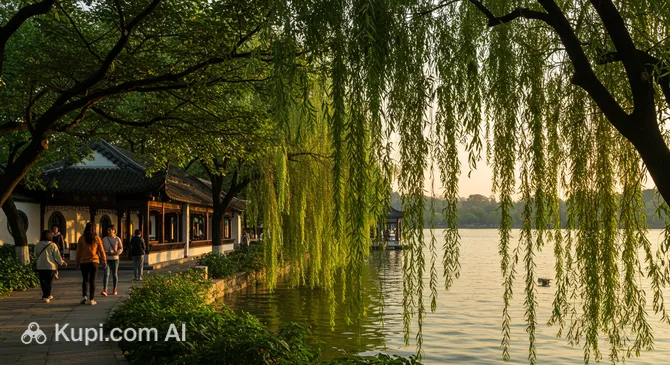
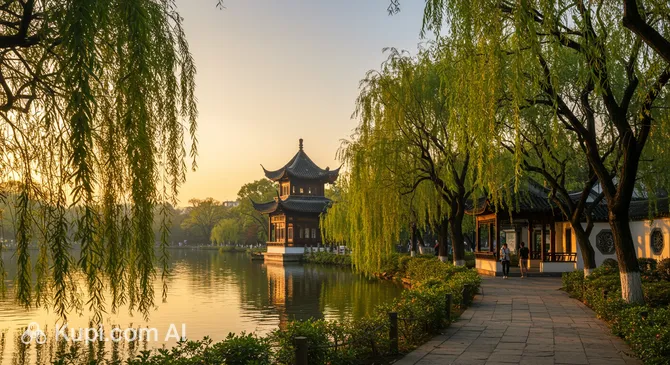
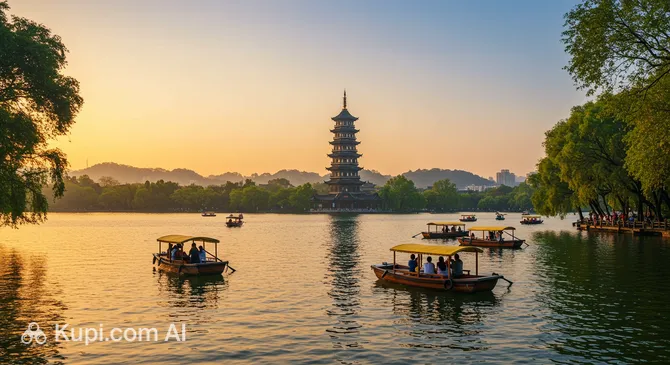
Travelers are primarily drawn to the iconic West Lake, a UNESCO World Heritage site that has inspired poets and artists for centuries with its willow-lined banks and pagodas. The city is also famous for its Longjing Tea (Dragon Well Tea) plantations, where visitors can experience traditional tea culture firsthand. Additionally, the magnificent Lingyin Temple offers a spiritual retreat amidst the hills, showcasing intricate rock carvings and ancient Buddhist statues.
Whether you are seeking a peaceful stroll along the lake, a deep dive into ancient traditions, or a taste of authentic local cuisine, Hangzhou promises an unforgettable experience. It is a destination where the elegance of the past meets the dynamism of the present, making it a must-visit stop on any journey through the region.
Weather Overview
Hangzhou experiences a humid subtropical climate with four distinct seasons, offering a variety of atmospheric backdrops for your visit. To ensure you pack appropriately, it is recommended to check the current weather in Hangzhou before your trip. Generally, travelers can expect warm, humid summers with occasional rain and cold, relatively dry winters.
The summer months, spanning from June to August, are the warmest time of the year. During this period, average temperatures peak at approximately 29.7°C, with daily maximums often reaching 33.5°C. This season also brings the most moisture; June is particularly notable as the wettest month, featuring the highest precipitation volume and around 19 wet days, so an umbrella is an essential travel companion.
Winter brings a distinct chill to the city. January is typically the coldest month, with average temperatures dropping to 5.5°C and minimums reaching down to 1.7°C. Although precipitation volume is lower during winter (around 2mm to 3mm), damp days are still frequent. For many, the transitional seasons of spring and autumn offer the most comfortable conditions, with moderate temperatures ranging between 12°C and 25°C.
Interesting Facts
Beyond the celebrated scenery of West Lake, Hangzhou holds a treasure trove of fascinating stories and modern marvels that often surprise first-time visitors.
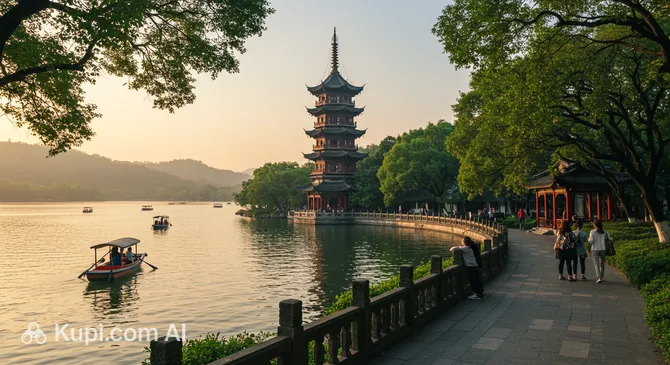
Leifeng Pagoda. Source: Kupi.Binoculars
The city is the setting for one of China's most beloved folktales, the Legend of the White Snake. This romantic tragedy centers around the Leifeng Pagoda, where a white snake spirit was famously imprisoned for falling in love with a mortal man.
Despite its name, the Remnant Snow on the Broken Bridge is not actually a damaged structure. The name describes a poetic optical illusion that occurs in winter: when snow on the sunny side melts first, the bridge appears severed from a distance while the shaded side remains white.
Hangzhou marks the southern terminus of the Grand Canal, the longest artificial river in the world. This ancient engineering feat stretches all the way to Beijing and has served as a vital commercial lifeline connecting northern and southern China for over 1,400 years.
While steeped in history, the city is also a global leader in modern convenience, boasting one of the world's largest public bicycle-sharing systems. With tens of thousands of bikes available, cycling has become a primary and eco-friendly way for locals and tourists to navigate the urban landscape.
How to Get There
Reaching this scenic destination is quite straightforward thanks to its well-developed transport network, which connects it efficiently to major hubs across the region. For a detailed guide on logistics and route planning, you can read more about how to get to Hangzhou.
The primary gateway for air travelers is Hangzhou Xiaoshan International Airport (HGH). Located approximately 27 km from the city center, it is a major international facility serving a vast number of passengers annually. A taxi or bus ride from here to the downtown area typically takes about 60 minutes, depending on traffic conditions. It offers a wide range of domestic and international connections, making it the most convenient option for most visitors.
If direct flights are unavailable, you might consider arriving at Yiwu Airport (YIW) in the city of Yiwu. This regional airport is situated about 104 km from Hangzhou; a transfer by road from here would take approximately 3 hours. Another viable alternative is Ningbo Airport (NGB) in Ningbo. Located roughly 135 km away, it is a significant transport hub, though the journey to Hangzhou will take around 3.5 to 4 hours by car.
For clarity, here is a summary of the main airports:
Airport Name
City
Passenger Traffic
Km from City
Hangzhou Xiaoshan International Airport
Hangzhou
Very High
27.3
Ningbo Airport
Ningbo
High
135.4
Sunan Shuofang International Airport
Wuxi
Medium
137.8
Yiwu Airport
Yiwu
Medium
103.7
Dongyang Hengdian Airport
Dongyang
Unknown
127.6
The city is also exceptionally well-connected by rail, which is a popular choice for many travelers exploring China. The Hangzhou Railway Station (HZD) is centrally located just 5.6 km from the heart of the city. As a major hub with immense passenger volume, it hosts frequent high-speed and conventional trains. The short distance to the city center means you can reach your hotel or major attractions in about 30 minutes by taxi.
Below is an overview of the nearest railway stations:
Station
City
Passenger Traffic
Km to Center
Hangzhou Railway Station
Hangzhou
Very High
5.6
Huzhou Railway Station
Huzhou
High
66.8
Tongxiang Railway Station
Nanqiaotou
Medium
49.0
Shaoxing Railway Station
Shaoxing
Medium
49.5
Jiaxing South Railway Station
Shenjiabang
Medium
77.0
Main Attractions
Hangzhou is a city where natural beauty and cultural heritage coexist seamlessly, offering visitors a wide array of captivating sights. Beyond the famous scenic vistas, the city is home to ancient religious sites, vibrant historic districts, and spectacular modern performances that bring local legends to life.
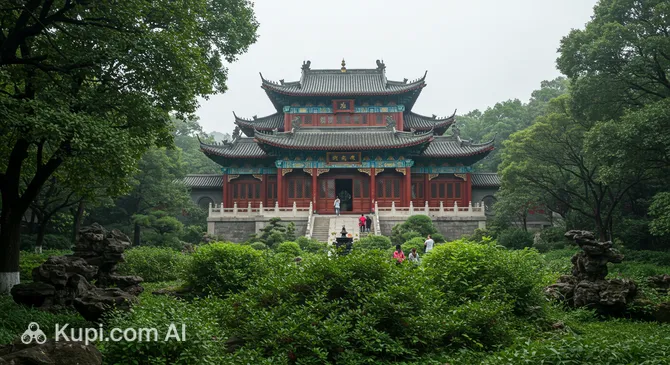
One of the most profound spiritual destinations in the region is the Lingyin Temple. Also known as the Temple of the Soul's Retreat, it is one of the largest and wealthiest Buddhist temples in China. Visitors are often awestruck by the Feilai Feng grottos located nearby, which feature hundreds of intricate Buddhist carvings etched directly into the limestone cliffs. The temple grounds provide a serene atmosphere for contemplation, surrounded by forested hills and ancient trees.
Lingyin Temple. Source: Kupi.Binoculars
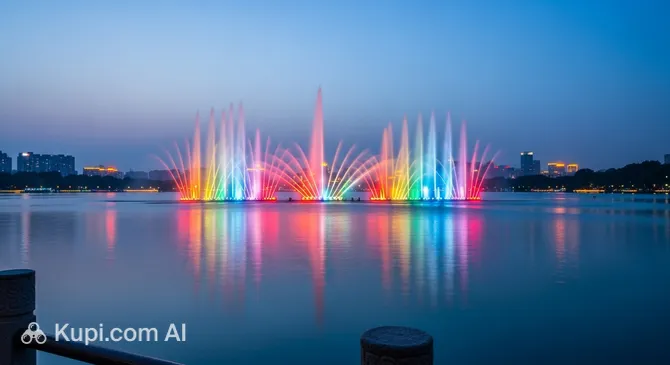
For a dazzling evening experience, the West Lake Musical Fountain is a must-see spectacle. Located near Lakeside Third Park, this attraction draws crowds with its choreographed water dance, synchronized to a blend of traditional Chinese music and Western classics. The interplay of colorful lights, music, and water jets creates a mesmerizing visual feast against the backdrop of the night sky and the tranquil lake.
West Lake Musical Fountain. Source: Kupi.Binoculars
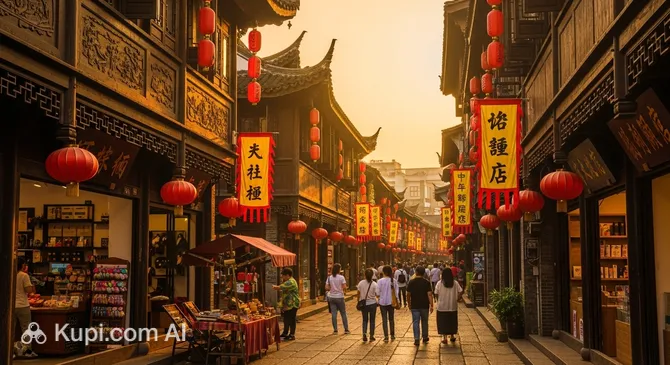
Travelers looking to step back in time should explore Qinghefang Historic Street. This well-preserved pedestrian street offers a glimpse into the city's past, lined with traditional architecture that houses century-old shops, tea houses, and pharmacies. It is an excellent spot to sample local snacks, buy unique handicrafts, or simply soak in the lively atmosphere of old Hangzhou.
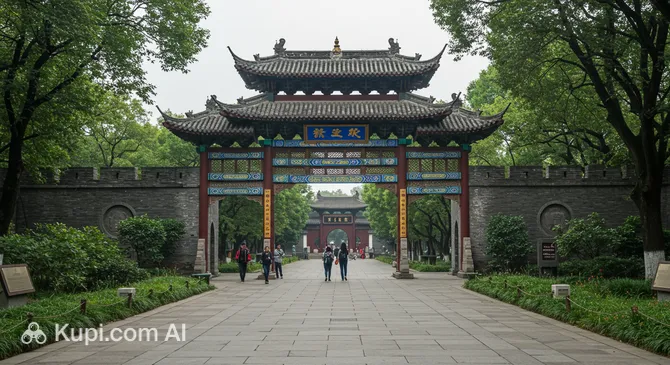
Those interested in immersive entertainment will find Songcheng fascinating. This large theme park is dedicated to recreating the culture and lifestyle of the Song Dynasty. The highlight for many is the "Romance of the Song Dynasty" show, a grand theatrical production featuring elaborate costumes, lasers, and acrobatics that narrates the history and legends of the area in a spectacular fashion.
Songcheng. Source: Kupi.Binoculars
Local Cuisine
Hangzhou offers a culinary experience that is as refined and poetic as its scenery. Known as Hangbang Cai, the local cuisine is a significant branch of the Zhejiang culinary tradition, characterized by its freshness, lightness, and delicate presentation. Unlike the spicy flavors found in other parts of the country, dishes here focus on preserving the natural taste of ingredients, often incorporating freshwater fish, bamboo shoots, and lotus roots from the surrounding region.
One of the most famous dishes you must try is Dongpo Pork. Named after the celebrated poet and statesman Su Dongpo, this dish features pork belly that is pan-fried and then braised for hours. The result is a cube of meat that is rich and savory without being greasy, with a texture so tender it almost melts in your mouth. It is typically served in small clay pots to maintain its warmth and aroma.
Given the city's fame for tea, it is no surprise that tea leaves find their way into the kitchen. Longjing Shrimp is a classic example, combining fresh river shrimp with the fragrant, tender leaves of Dragon Well tea. The dish is known for its elegant appearance—white shrimp against green tea leaves—and its subtle, refreshing flavor that perfectly captures the essence of the city.
For those interested in culinary legends, Beggar's Chicken is a dish with a fascinating backstory. A whole marinated chicken is wrapped in lotus leaves and packed in clay or mud before being baked. This unique cooking method locks in the juices and infuses the meat with the scent of the lotus leaves, resulting in an incredibly aromatic and succulent meal.
To sample a variety of local snacks, a visit to Qinghefang Historic Street is highly recommended. Here, amidst the traditional architecture, you can taste street food delights such as Congbaohui (shallot stuffed pancakes) and sweet lotus root cakes. It is the perfect place to explore the vibrant food culture that has thrived in this city for centuries.
Visiting Hangzhou is a journey into a living painting, but navigating a modern Chinese metropolis requires some specific know-how to ensure a smooth experience. Here are some practical tips to help you prepare for your trip to this lakeside city, ensuring your adventure is as comfortable as it is scenic.
Clothing and Essentials: The weather varies significantly by season. Summers are hot and humid, requiring breathable fabrics, while winters are damp and chilly, so a warm coat and layers are essential. Since exploring West Lake and the tea plantations involves a lot of walking, bring sturdy, comfortable shoes. If you plan to visit religious sites like Lingyin Temple, dress modestly by covering your shoulders and knees.
Transportation: The metro system is modern, efficient, and features English signage, making it the best way to avoid traffic. For taxis, it is highly recommended to download the DiDi app (the local equivalent of Uber), which has an English interface; hailing a cab on the street can be difficult. Hangzhou is also incredibly bike-friendly, so consider using the public red bikes or dockless shared bikes for short distances.
Money Matters: China is rapidly becoming a cashless society. While the local currency is the Renminbi (RMB), most transactions are done via Alipay or WeChat Pay. It is crucial to download the international version of Alipay and link your foreign credit card before you arrive. International cards (Visa/Mastercard) are rarely accepted outside of 5-star hotels, and even cash can be inconvenient in some smaller shops.
Health and Safety: Hangzhou is generally very safe for tourists. Pharmacies are easily identifiable by a green cross sign. A critical rule is to never drink tap water; always rely on bottled water or boiled water provided in your hotel. Additionally, bring a universal power adapter, as China uses Type A, C, and I plugs.
Staying Connected: Be aware that many Western apps (Google, WhatsApp, Instagram) are blocked by the "Great Firewall." To stay connected, install a VPN on your phone before entering the country, or purchase an eSIM with a roaming data package that bypasses these restrictions. A translation app with offline capabilities is also indispensable, as English proficiency varies among taxi drivers and shopkeepers.
Local Etiquette: Politeness is paramount. When handing over a business card, money, or a gift, use both hands as a sign of respect. In restaurants, tipping is not part of the culture and is generally not expected. If you are sharing a meal, it is polite to serve others tea or food before serving yourself.
What to Avoid: Try to avoid visiting major attractions like the Broken Bridge during Chinese national holidays (such as Golden Week in October), as the crowds can be overwhelming. Also, avoid losing your temper in public; getting angry or shouting causes a "loss of face" for everyone involved and rarely resolves issues.
Local Insight: To experience the true soul of the city, visit the lakeside parks at sunrise. You will beat the tour groups and witness a charming scene of locals practicing Tai Chi, ballroom dancing, and calligraphy with water on the pavement, offering a unique glimpse into daily life.
With these practicalities sorted, you are fully equipped to navigate the city with confidence and ease. Embrace the blend of ancient tradition and digital convenience, and get ready to create unforgettable memories in one of China's most enchanting destinations.
Entertainment & Nightlife
As the sun sets over the West Lake, Hangzhou transforms from a tranquil historic capital into a vibrant metropolis pulsing with energy. The city offers a diverse nightlife scene that caters to all tastes, ranging from sophisticated lakeside lounges and bustling night markets to energetic dance clubs. Whether you prefer sipping a cocktail with a view of the illuminated pagodas or dancing until dawn, the city has something to offer.
One of the most popular areas for an evening out is the district surrounding Nanshan Road, often referred to as the city's "Bar Street." Located along the southern edge of the lake, this tree-lined avenue is famous for its chic atmosphere and artistic vibe. Here, you can find live jazz bands, western-style pubs, and elegant wine bars. It is a favorite spot for both expats and locals who appreciate a more relaxed and upscale environment. Venues like Eudora Station are well-known in this area, offering a mix of hearty food, live music, and a terrace with scenic views.
For a more energetic and youthful crowd, the Shuguang Road area near the Yellow Dragon Stadium is the place to be. This district is known for its concentration of nightclubs and KTV (karaoke) lounges. It draws a lively mix of university students and young professionals. If you are looking for a high-energy clubbing experience, SOS Club is a legendary venue in the city, known for its massive dance floor, international DJs, and pumping electronic music.
If you prefer an evening that blends nature with urban excitement, a stroll through Lakeside Park is a perfect start. The Hubin district nearby is a commercial powerhouse that stays awake late, featuring high-end shopping malls and rooftop bars that offer panoramic views of the water. The area is bustling with activity, and the cool evening breeze from the lake makes it an ideal location for a night walk.
Lakeside Park. Source: Kupi.Binoculars
For a taste of traditional local life, the night markets are unmissable. Qinghefang Historic Street comes alive at night with glowing lanterns and the aroma of street food. It is a fantastic place to shop for souvenirs, tea, and crafts while soaking in the old-world architecture. Another option is the Wushan Night Market, where you can haggle for clothes, accessories, and electronics in a chaotic but fun atmosphere.
Practical Advice: Nightlife in Hangzhou typically kicks off around 9:00 PM, with clubs getting busy after 11:00 PM. Most bars stay open until 2:00 AM, while clubs often go until sunrise. The dress code is generally casual, though "smart casual" is recommended for upscale bars on Nanshan Road. Prices are comparable to other major Chinese cities; expect to pay around 40-60 RMB for a beer and 70-100 RMB for a cocktail.
Safety and Transport: The city is extremely safe at night, even for solo travelers. The main challenge is transportation, as the metro closes around 11:00 PM or midnight. Taxis and ride-hailing apps like DiDi are the best way to get around late at night. Be sure to have your destination address written in Chinese to show the driver.
While the nights are electric, daytime entertainment is equally enriching. Visitors can explore the China National Silk Museum to understand the region's textile heritage or visit the China National Tea Museum. For families, numerous amusement parks and the zoo offer fun diversions before the sun goes down.
Parks & Museums
Hangzhou is frequently described as a "city of gardens," where urban life is deeply intertwined with lush greenery and tranquil waters. Beyond the immediate allure of the West Lake, the city boasts an impressive array of manicured parks, ecological wetlands, and world-class museums that preserve its rich heritage as a capital of the Southern Song Dynasty and a hub of the Silk Road.
One of the most poetic spots to experience the city's natural beauty is Orioles Singing in the Willows. Recognized as one of the classic "Ten Scenes of West Lake," this park is located on the southeastern shore and was once an imperial garden. As the name suggests, it is famous for its weeping willows that drape elegantly over the water and the melodic songs of orioles that can often be heard in spring. It offers a peaceful respite with winding paths, pavilions, and open lawns perfect for a leisurely afternoon walk.
Orioles Singing in the Willows. Source: Kupi.Binoculars
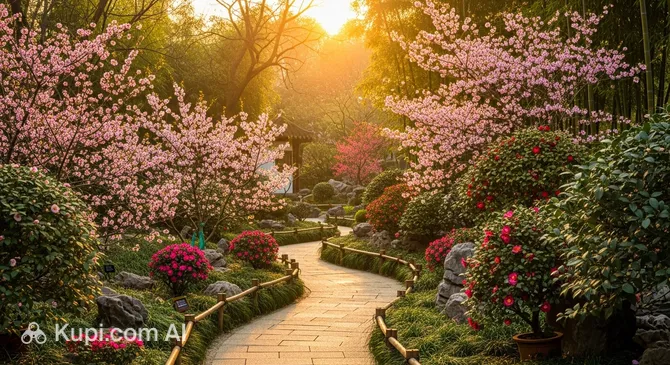
For those interested in plant diversity and forest landscapes, the Hangzhou Botanical Garden is an essential stop. Situated in the hills northwest of the lake, this vast green space covers over 200 hectares and is home to thousands of plant species. Highlights include the Bamboo Garden, the Medicinal Herb Garden, and the stunning Plum Blossom Hill, which bursts into color during late winter and early spring. It is a fantastic place to escape the denser tourist crowds and enjoy fresh mountain air.
Another ecological marvel is the Xixi National Wetland Park. Located in the western part of the city, this extensive network of rivers, ponds, and marshes is the first national wetland park in China. Visitors can take traditional sculling boats through the waterways to observe local wildlife, ancient fishing villages, and traditional farming culture, offering a stark contrast to the bustling city center.
Hangzhou's museums are equally compelling, reflecting its status as a historical cultural center. The China National Silk Museum is the largest of its kind in the world, fitting for a city known as the "Home of Silk." Located near the West Lake, it traces the 5,000-year history of silk production and the legendary Silk Road. The exhibits feature ancient preserved fabrics, traditional looms, and dazzling displays of fashion through the dynasties.
Given the region's fame for Longjing tea, the China National Tea Museum is another cultural highlight. Uniquely, this museum has no walls enclosing its grounds; it is an open-air complex nestled right among the tea plantations. Here, you can learn about the evolution of tea drinking, view exquisite tea sets, and participate in traditional tea ceremonies while surrounded by the very fields where the leaves are grown.
For a comprehensive look at the region's history, the Zhejiang Provincial Museum on Gushan Island (Solitary Hill) is highly recommended. It houses tens of thousands of cultural relics, including Hemudu Neolithic artifacts and celadon ceramics. The museum's location itself is scenic, surrounded by historic library buildings and offering lovely views of the lake.
Insider Tip: For a truly authentic and quiet garden experience, seek out Guo's Villa (Guozhuang). Unlike the public parks which can get crowded, this beautifully preserved private garden from the Qing Dynasty requires a small entry fee, which keeps it serene. It features classic Chinese garden architecture with ponds, rockeries, and covered corridors, framing perfect views of the West Lake and the distant Leifeng Pagoda.
Getting Around
Navigating Hangzhou is remarkably convenient thanks to its modern, integrated, and extensive public transportation network. As a major metropolitan hub, the city has invested heavily in infrastructure that connects the historic lakeside districts with the bustling business centers and suburban areas. For tourists, the system is affordable, relatively easy to use with English signage, and offers a variety of modes to suit different travel styles.
The Hangzhou Metro is the backbone of the city's transit system and is generally the fastest way to move around, especially during peak traffic hours. The network has expanded rapidly in recent years, linking key locations such as the main railway stations, the airport, and major tourist attractions near the West Lake. Trains are clean, punctual, and air-conditioned, with announcements and signs provided in both Mandarin and English. Operating hours typically run from around 6:00 AM to 11:00 PM, though this can vary slightly by line and holidays.
Complementing the subway is an extensive public bus system. Buses reach virtually every corner of the city, including areas not yet served by the metro. The fleet is largely electric and modern. Route numbers can give you a clue about the service: "K" prefixes usually denote air-conditioned buses (though almost all are now), while "Y" lines (Tourism Lines) are specifically designed to connect popular scenic spots. While buses are slower due to traffic, they offer a scenic way to view the city streets. Be aware that bus stops are often announced in English, but having your destination written in Chinese is helpful if you need to ask a driver.
A unique and scenic feature of the local transport is the Water Bus. Unlike the tourist cruises on the lake, these are functional public transit ferries that operate primarily along the ancient Grand Canal. They provide a traffic-free and picturesque commute for locals and a charming experience for visitors. Taking a water bus is an inexpensive way to see the historic canal architecture from a different perspective, costing only a few RMB.
Cycling is an integral part of the local lifestyle, and the city is famous for having one of the world's largest public bicycle-sharing systems. You will see the distinctive red public bikes docked at thousands of stations throughout the city. While these red bikes often require a transport card or a specific deposit process, tourists may find it easier to use the dockless shared bikes (such as HelloBike or Meituan bikes) found on sidewalks. These can be unlocked simply by scanning a QR code with a smartphone app.
For payment, the city is a global leader in digital transactions. The most convenient method for tourists is to use Alipay (which has a "Transport" feature that generates a QR code for scanning at metro turnstiles and on buses) or WeChat Pay. If you prefer a physical card, you can purchase a Hangzhou Tong smart card at metro stations, which works on the metro, buses, water buses, and even some taxis. If you rely on cash, note that ticket machines in the metro accept small bills and coins, but for buses, you must have the exact change (usually 2 or 3 RMB) to drop into the fare box.
Taxis and ride-hailing services offer a comfortable alternative. Traditional taxis are green or blue and can be flagged down, but during rush hour or rain, they can be scarce. The most popular way to get a car is via the DiDi app (similar to Uber), which is available in English and allows you to pay digitally. This eliminates the language barrier regarding your destination and payment.
Practical advice for travelers includes avoiding surface transport during the morning (7:30 AM – 9:00 AM) and evening (5:00 PM – 6:30 PM) rush hours, when gridlock is common. The metro is crowded but reliable during these times. Finally, always download a reliable map app before you head out; while Google Maps works with a VPN, local apps like Amap (Gaode Maps) or Baidu Maps are more accurate, and Apple Maps is a good middle ground for English speakers.
Accommodation
Finding the perfect place to stay in Hangzhou is relatively easy, as the city boasts a well-developed hospitality sector catering to all budgets and preferences. Whether you are looking for an opulent lakeside resort, a modern business hotel in the city center, or a quaint guesthouse tucked away in the tea hills, the options are plentiful. The choice of location largely depends on the type of experience you seek, be it scenic relaxation or urban convenience.
For most first-time visitors, the area surrounding West Lake is the most coveted location. Staying here places you within walking distance of the city's primary scenic attractions. The Hubin District, located on the eastern shore, is particularly popular for its blend of convenience and scenery. It offers easy access to the metro, high-end shopping malls, and the famous West Lake Musical Fountain. This area is bustling and vibrant, making it an excellent choice for those who want to be in the heart of the action.
If you prefer a quieter, more romantic atmosphere, consider the accommodations along Nanshan Road or Beishan Road. These tree-lined avenues on the southern and northern edges of the lake feature boutique hotels and historic villas. The vibe here is more relaxed, often with views of the water and easy access to art galleries, bars, and cafes. It is an ideal setting for travelers who wish to enjoy evening strolls along the lake away from the densest commercial crowds.
A truly unique Hangzhou experience can be found in the tea villages located in the hills southwest of the lake, such as Manjuelong, Longjing, or near the Lingyin Temple. These areas are famous for their "minsu" (local guesthouses), which range from simple family-run homes to stylish, design-forward lodges. Staying here allows you to wake up to the scent of tea leaves and fresh mountain air, offering a peaceful retreat that feels worlds away from the city center, yet is only a short taxi ride away.
For business travelers or those who prefer modern luxury, the Qianjiang New Town (CBD) is the place to look. Located near the Qiantang River, this futuristic district is home to international five-star hotel chains and skyscrapers. While it is further from the traditional scenic spots, it offers spectacular views of the river and the city's light shows, along with state-of-the-art amenities and proximity to major convention centers.
Travelers on a budget or those prioritizing transport links might consider the Wulin Square area. As the traditional commercial center of the city, it is a major transportation hub with excellent metro connections and airport shuttle bus services. The area is packed with department stores, restaurants, and a wide variety of mid-range and budget hotels, providing a practical base for exploring the wider region.
Important Considerations: Hotel prices in Hangzhou can fluctuate significantly based on the season. Peak tourist times, such as national holidays and spring weekends, see high demand and elevated rates, so booking well in advance is essential. Additionally, ensure that your chosen accommodation is licensed to accept foreign guests, as regulations can vary for smaller guesthouses.
Nearby Cities
For those looking to explore the surroundings, Hangzhou serves as an excellent base for day trips to several interesting nearby locations:
Suzhou is arguably the most famous neighbor, often referred to as the "Venice of the East." Renowned for its classical Chinese gardens, many of which are UNESCO World Heritage Sites, and its intricate network of canals and stone bridges, it offers a glimpse into the refined lifestyle of ancient scholars. It is also a center for silk production, making it a great spot for cultural shopping.
Located just a short distance away, Shaoxing is a water town with a deep cultural heritage. It is famous for its traditional white-walled houses, the production of "yellow wine" (Huangjiu), and for being the birthplace of Lu Xun, one of China's most celebrated modern writers. A boat ride on its narrow canals in a black-awning boat is a quintessential local experience.
Jiaxing is another worthy destination, particularly known for the scenic South Lake and its proximity to famous ancient water towns like Wuzhen and Xitang. These preservation areas allow visitors to step back in time and wander through cobblestone streets lined with historic wooden architecture, offering a perfect contrast to the modern pace of city life.
These nearby destinations offer a glimpse into the diverse culture and landscapes of the region.
Shopping & Souvenirs
Hangzhou is a premier shopping destination in eastern China, offering a seamless mix of high-end luxury, trendy street fashion, and centuries-old craftsmanship. Whether you are looking for the latest international designer brands or seeking out traditional cultural souvenirs, the city’s diverse retail landscape caters to every taste and budget.
The commercial heart of the city beats along Yan'an Road, a bustling 3-kilometer avenue that connects the northern Wulin Square commercial district with the southern Lakeside (Hubin) district. Here, you will find massive shopping complexes like the Hangzhou Tower and Intime Department Store, which house global luxury brands and popular fashion labels. The Hubin In77 complex, located right next to the water, is particularly popular for its open-air design, trendy boutiques, and dining options, allowing you to shop with a view of the scenic West Lake.
For those interested in the city’s most famous export, a visit to China Silk City on Xinhua Road is essential. As the historic "Silk Capital," Hangzhou produces some of the finest silk in the world. This dedicated pedestrian street features over 600 shops selling everything from raw silk fabric and bedding to intricate scarfs and traditional qipaos. It is the perfect place to find high-quality gifts, though bargaining is often expected and part of the experience.
No shopping trip is complete without exploring the local handicrafts. Qinghefang Historic Street is the go-to destination for traditional souvenirs. Amidst the ancient architecture, you can find time-honored shops selling the "Five Hangs" (five famous local products): scissors, fans, chopsticks, silk, and tea. Look out for Wang Xing Ji fans, known for their delicate craftsmanship, and Zhang Xiaoquan scissors, a brand with a history dating back to the 1600s.
Longjing Tea (Dragon Well Tea) is arguably the most coveted purchase for visitors. While it is available in supermarkets and tea shops across the city, buying it from specialized tea houses ensures authenticity. For a premium experience, you can visit the tea villages, but reputable stores in the city center also offer vacuum-packed high-grade leaves that make for excellent gifts.
Here is a quick guide to the city's specialties:
Silk Products: Best found at China Silk City. Look for the "100% Silk" label to ensure quality.
Dragon Well Tea: Available at specialized tea shops; the spring harvest is considered the highest grade.
Traditional Fans: Wang Xing Ji offers exquisite fans made of black paper, sandalwood, and silk.
Local Snacks: Sweet lotus root powder and walnut cakes are popular edible souvenirs found in the historic districts.
Payment Tip: Like dining and transport, shopping in Hangzhou is largely cashless. Major malls and international brand stores usually accept credit cards, but smaller boutiques and market stalls rely heavily on Alipay or WeChat Pay. It is advisable to have one of these apps set up on your phone to ensure a smooth shopping experience.