Support

Ningbo

About

Ningbo is a vibrant and historically significant port city located in the northeast of Zhejiang province, along the coast of the East China Sea. Known for its bustling harbor, which is among the busiest in the world, the city offers a fascinating blend of ancient culture and modern economic power. As a key destination in eastern China, it serves as an important gateway to the Yangtze River Delta, boasting a unique atmosphere where skyscrapers stand alongside centuries-old temples.

Geographically, the city enjoys a strategic position south of Shanghai, separated by Hangzhou Bay. With a population exceeding 4 million residents, it is a lively metropolis that thrives on trade and industry. The region experiences a humid subtropical climate, characterized by distinctive seasons that bring lush greenery to its surrounding mountains and waterways, making it a picturesque location for exploration year-round.
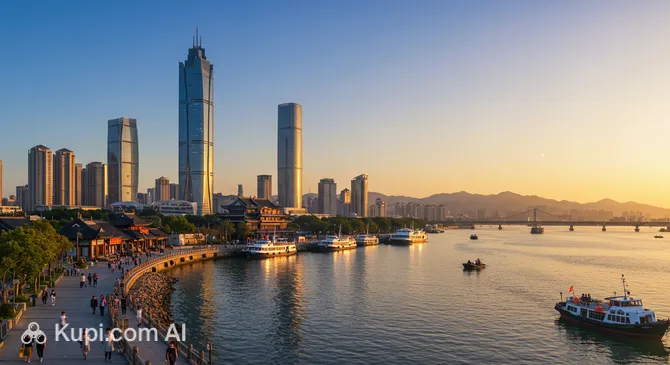
Ningbo. Source: Kupi.Binoculars

The city's heritage is profound, dating back over 7,000 years to the Hemudu culture. As one of the starting points of the Maritime Silk Road, the history of Ningbo is deeply intertwined with international trade and cultural exchange. This rich past is best exemplified by the Tianyi Pavilion, the oldest existing private library in the country, which sits in a tranquil garden setting and houses a vast collection of ancient books and manuscripts.

Beyond its historical treasures, the city offers a variety of attractions for modern travelers. The Old Bund (Lao Waitan) features colonial-era architecture converted into trendy bars and restaurants, offering a lively nightlife scene by the river. Meanwhile, nature lovers can visit the serene Moon Lake Park or explore the ancient wooden architecture of the Baoguo Temple, one of the oldest preserved wooden structures in the region.

Whether you are drawn by its maritime legacy, its culinary delights—such as the famous Ningbo glutinous rice balls—or its scenic beauty, this dynamic city welcomes visitors with open arms. A trip to Ningbo promises an enriching journey through time, culture, and coastal charm.

Weather Overview

Ningbo experiences a humid subtropical climate with four distinct seasons, offering a variety of atmospheric conditions depending on when you visit. The weather in Ningbo generally features hot summers and cool winters. July and August are typically the warmest months, with average temperatures reaching around 29°C and daily highs climbing to 32°C.

Rainfall is a common occurrence throughout the year, but it peaks during the early summer. June is the wettest month, recording approximately 20 wet days, while the winter months like December and January are significantly cooler, with average temperatures dropping to between 6°C and 8°C. Expect hot summers with frequent rain and cool winters with moderate precipitation.

Interesting Facts

Beyond the scenic harbor and historic temples, Ningbo holds fascinating secrets that often escape the casual visitor's eye. This city is not just a commercial hub but a cradle of cultural phenomena and engineering triumphs that have shaped the region.

  • Birthplace of Mahjong: It is widely believed that the iconic tile-based game Mahjong originated in this city during the mid-19th century. A local official named Chen Yumen is credited with inventing the game, and its name is said to derive from the local dialect's word for "sparrow," mimicking the clicking sound of the tiles.

  • The Eastern Romeo and Juliet: Ningbo is the setting for one of China's most famous folktales, the Legend of the Butterfly Lovers (Liang Zhu). The city hosts a dedicated cultural park and the tomb of Liang Shanbo, celebrating the tragic romance that has captivated audiences for centuries.

  • An Engineering Marvel: The city is connected to Shanghai by the Hangzhou Bay Bridge, which is among the longest trans-oceanic bridges in the world. Spanning 36 kilometers, this S-shaped structure conquered complex tides and typhoons to drastically reduce travel time across the delta.

  • The Power of the "Ningbo Bang": Historically, merchants from this city, known as the "Ningbo Bang," were instrumental in the economic rise of modern Shanghai and Hong Kong. Their business acumen and influence in banking and shipping laid the foundation for much of the region's industrial success.

How to Get There

Reaching this bustling port city is convenient thanks to its modern infrastructure and proximity to major transportation hubs in the Yangtze River Delta. Whether you are arriving directly or transiting through neighboring metropolises, there are several efficient ways to begin your journey. You can read more about how to get to Ningbo to plan the best route for your itinerary.

The most direct way to arrive is via Ningbo Airport (NGB), situated just 9.2 km from the city center. This facility handles a significant volume of regional and international flights, making it a primary gateway for visitors. Upon arrival, a taxi or bus ride to the downtown area typically takes about 35 minutes, offering a quick transition from the tarmac to your hotel.

For travelers coming from further afield, Hangzhou Xiaoshan International Airport (HGH) in Hangzhou is a popular alternative. Located approximately 114.2 km away, it serves as a major regional hub with extensive connections. The transfer to Ningbo by road usually takes around 3 hours and 10 minutes. Additionally, the massive Shanghai Pudong International Airport (PVG) in Shanghai, about 143.6 km away, offers a vast array of global connections, with a travel time of roughly 4 hours by car to Ningbo.

For clarity, here is a summary of the main airports:

Airport Name City Passenger Traffic Km from City
Shanghai Pudong International Airport Shanghai Very High 143.6
Hangzhou Xiaoshan International Airport Hangzhou High 114.2
Ningbo Airport Ningbo Medium 9.2
Putuoshan Airport Zhoushan Low 79.3
Luqiao Airport Taizhou Low 145.0

If you are traveling by rail within the province, you might utilize stations in the greater municipal area. Yuyao North Railway Station (YYP) is a significant stop located in the city of Yuyao, approximately 44.8 km from central Ningbo. It serves as a key connector for the northern part of the region. From here, a taxi or bus transfer to the heart of Ningbo takes about 1 hour and 30 minutes. Another option for those exploring the wider area is Shaoxing Railway Station (RNX) in Shaoxing, situated roughly 94.9 km away.

Below is a list of nearby railway stations that facilitate travel to the region:

Station City Passenger Traffic Km to Center
Yuyao North Railway Station Yuyao Medium 44.8
Linhai Railway Station Linhai Medium 113.1
Tongxiang Railway Station Nanqiaotou Medium 120.2
Shaoxing Railway Station Shaoxing Medium 94.9
Jiaxing South Railway Station Shenjiabang Medium 116.3

Main Attractions

While the city is famous for its ancient library and bustling port, the list of places to visit extends far beyond the well-trodden paths. Visitors will find a fascinating mix of avant-garde architecture, serene natural landscapes, and deep spiritual heritage that define the region's character.

One of the most striking landmarks is the Ningbo Museum. Designed by Wang Shu, the first Chinese citizen to win the Pritzker Architecture Prize, the building itself is a masterpiece. Its unique façade is constructed from recycled tiles and bricks collected from demolished traditional villages, creating a texture that speaks to the city's memory. Inside, visitors can explore extensive exhibits detailing the area's cultural evolution and maritime history, making it a visual and educational highlight.

For a peaceful escape from the urban center, Dongqian Lake offers a vast expanse of freshwater that is significantly larger than Hangzhou's famous West Lake. It is a favorite spot for locals to enjoy cycling, boating, and leisurely walks along the dikes. The lake is surrounded by rolling hills and features the charming "Little Putuo," an islet with a temple that adds a spiritual touch to the scenic beauty, making it perfect for outdoor enthusiasts.

Nestled at the foot of Taibai Mountain, Tiantong Temple serves as a significant pilgrimage site. As one of the most important Zen Buddhist temples in the country, it boasts a history spanning over 1,700 years. The complex is enveloped by a lush bamboo forest, offering a tranquil atmosphere where travelers can admire ancient architecture, wander through quiet courtyards, and observe the daily lives of the resident monks.

Those looking to experience the local lifestyle should head to Nantang Old Street. This restored historical block stretches along the river and showcases traditional architecture from the Ming and Qing dynasties. It is the ideal place to sample authentic local snacks, including the city's famous glutinous rice balls, while soaking in the lively atmosphere of heritage shops and tea houses.

Local Cuisine

The culinary landscape of Ningbo is a delightful exploration of "Zhe cuisine," one of the eight great culinary traditions of China. Given its coastal location and major port status, it comes as no surprise that the local palate is dominated by the fruits of the sea. The flavor profile here is often described as xian—a unique combination of fresh and salty that highlights the natural taste of the ingredients rather than masking them with heavy spices. Seafood lovers will find themselves in paradise, with menus featuring everything from clams and razor shells to crabs and fish, all prepared with meticulous attention to freshness.

One of the absolute must-try dishes is Yellow Croaker with Pickled Greens. This signature specialty combines the tender, white flesh of the fish with the savory tang of local potherb mustard, creating a broth that is both comforting and flavorful. For those seeking a more rustic and chewy texture, Ningbo Nian Gao (rice cakes) are iconic. Unlike the sweet versions found elsewhere, these are typically stir-fried in a savory style with shepherd's purse, shredded pork, or seafood, offering a satisfying meal that locals have cherished for centuries.

For the adventurous gourmet, the city offers its famous Salted Raw Crab (Qiang Xie). Marinated in a brine of salt, ginger, and wine, the crab is served raw, preserving the delicate sweetness of the meat while infusing it with a sharp, savory kick. If you prefer something sweet to finish your meal, you cannot leave without tasting Ningbo Tangyuan. These glutinous rice balls, traditionally filled with a rich mixture of black sesame and lard, originated here. Served in a hot, slightly sweet soup, they are soft, smooth, and symbolize family unity.

To accompany these rich flavors, locals often turn to Yellow Rice Wine (Huangjiu). While the neighboring city of Shaoxing is famous for it, this warm, amber-colored alcohol is a staple at Ningbo dinner tables, pairing perfectly with heavy seafood dishes. For a non-alcoholic option, the region's tea culture is profound, with locally grown varieties from the Siming Mountains offering a refreshing palate cleanser after a hearty meal.

The dining experience in Ningbo is as much about the atmosphere as it is about the food. The city is dotted with bustling seafood restaurants where patrons often choose their dinner from rows of tanks filled with live catch near the entrance. For a more casual vibe, the street food scene is vibrant, particularly in restored heritage areas where vendors sell steaming baskets of dumplings and fried snacks. Whether you are dining in a high-end banquet hall or snacking at a lively night market, the emphasis is always on the impeccable quality of the ingredients.

Travel Tips

To ensure your visit to this bustling port city is as smooth as its famous silk, a little preparation goes a long way. Here are some essential practical tips to help you navigate local customs and logistics like a pro.

  1. Clothing and Gear: Ningbo has distinct seasons, so pack accordingly. Summers are hot and humid, requiring breathable fabrics, while winters can be damp and chilly, making a warm coat and layers necessary. Since rain is frequent, especially in early summer, always carry a compact umbrella or raincoat. Comfortable walking shoes are essential for exploring areas like Moon Lake, and if you plan to visit religious sites like Tiantong Temple, dress modestly by covering your shoulders and knees.
  2. Transportation: The most efficient way to get around is the Ningbo Rail Transit (metro), which connects major attractions, the railway station, and the airport. Taxis are widely available and affordable, but most drivers do not speak English, so have your destination written in Chinese characters. Ride-hailing apps like DiDi are very convenient if you can download the English version. Car rental is generally not recommended for short-term visitors due to complex traffic and licensing requirements.
  3. Finances: The local currency is the Renminbi (RMB/CNY). While credit cards are accepted at major international hotels, daily life in China is dominated by mobile payments. It is highly advisable to set up Alipay or WeChat Pay with your international card before arrival, as even small street vendors prefer digital wallets. Keep some cash for emergencies, but don't rely on it exclusively. Tipping is not part of the culture and is generally not expected.
  4. Health and Safety: Ningbo is a very safe city for tourists, but standard precautions against petty theft in crowded areas apply. Pharmacies are marked with a green cross, and many basic medications are available over the counter, though labels will be in Chinese. Do not drink tap water; stick to bottled or boiled water. In case of a medical emergency, head to a major public hospital, which often has an international department.
  5. Communication: Mandarin is the official language, though locals also speak the Ningbo dialect. English proficiency is limited outside of high-end hotels and major tourist spots. Download an offline translation app and a map app that works locally (like Baidu Maps or Amap) before you arrive. Buying a local SIM card at the airport or using a roaming package is crucial for staying connected and accessing the internet without restrictions.
  6. Local Etiquette: Greetings are usually formal; a nod or a handshake is appropriate. When exchanging business cards or receiving a gift, always use two hands as a sign of respect. Dining etiquette is important: wait for the host to start eating, and try a bit of everything offered. It is polite to leave a small amount of food on your plate to show you were well-fed, though finishing everything is also acceptable in casual settings.
  7. What to Avoid: Never leave your chopsticks sticking upright in a bowl of rice, as this resembles incense burned for the dead and is considered very bad luck. additionally, avoid raising your voice or getting angry in public; causing someone to "lose face" is a significant social faux pas and will not help resolve problems.
  8. Additional Tip: If you plan to visit the popular Ningbo Museum, be aware that while entry is free, you often need to make a reservation in advance through their official WeChat account or website, especially during weekends and holidays. Bring your passport with you, as it is required for entry verification.

By keeping these practicalities in mind, you can focus on enjoying the rich history and delicious seafood that make Ningbo such a rewarding destination. A respectful and prepared attitude will open many doors and ensure a memorable experience in this dynamic coastal metropolis.

Entertainment & Nightlife

As the sun sets over the port, Ningbo transforms from a busy industrial hub into a city with a vibrant and diverse nightlife scene. While it may not have the overwhelming scale of Shanghai, the city offers a sophisticated mix of entertainment options that cater to both locals and the growing expat community. The atmosphere is generally relaxed yet lively, with a blend of trendy nightclubs, cozy pubs, and bustling night markets that stay awake well into the early hours.

The epicenter of evening entertainment is undoubtedly the Old Bund (Lao Waitan). Located at the confluence of the Yong and Yao rivers, this area predates Shanghai's Bund and features charming colonial-era architecture that has been revitalized into a stylish district of bars and restaurants. The cobblestone streets here are pedestrian-friendly and safe, making it the perfect place for a night walk. You will find a distinct "East meets West" vibe, where live bands play classic rock in one venue while electronic beats thump from a modern club next door.

For those seeking a classic pub experience, O'Reilly's Irish Pub in Lao Waitan is a local institution. It is a favorite meeting spot for the international community, known for its friendly atmosphere, live sports screenings, and wide selection of draught beers. If you prefer a more high-energy environment, MKD Club near the Heyi Avenue shopping area offers a massive dance floor, impressive light shows, and guest DJs that attract a fashionable younger crowd. Another popular spot is Le Cargo, a long-standing bar that offers a more intimate setting with a distinct personality, often hosting themed nights and drawing a loyal following.

If partying isn't your preference, the city offers excellent alternatives for a cultural evening. Nantang Old Street is a fantastic destination for foodies and night owls who enjoy a more traditional atmosphere. The street is lined with heritage buildings and comes alive at night with red lanterns and the aroma of local snacks. It is an ideal spot to stroll, sample freshly made dumplings, and shop for handicrafts without the loud music of the bar districts.

Practicalities for a night out in Ningbo are straightforward. The city is extremely safe, and walking between venues in major districts like Lao Waitan or Tianyi Square is common. For transportation, taxis are plentiful, but few drivers speak English. It is highly recommended to use a ride-hailing app like DiDi (which has an English interface) or have your destination written in Chinese characters to show the driver. Prices are generally reasonable; expect to pay between 30 to 60 RMB for a beer or cocktail in most western-style bars, though high-end clubs may charge more for entry or tables.

During the daylight hours, the entertainment options are equally engaging. Families and thrill-seekers should visit Romon U-Park, one of the largest indoor theme parks in the world, which allows for fun regardless of the weather. For a deeper dive into culture, the city boasts several modern cinemas and grand theaters, such as the Ningbo Grand Theatre, which hosts concerts and plays. Whether you are riding roller coasters by day or sipping cocktails by the river at night, the city ensures there is never a dull moment.

Parks & Museums

Ningbo seamlessly intertwines its bustling urban energy with tranquil green spaces and institutions dedicated to preserving its rich heritage. For travelers, this means the opportunity to step away from the commercial districts and immerse themselves in lush gardens or explore museums that narrate the city's journey from an ancient trading post to a modern maritime giant.

Among the city's green lungs, Moon Lake Park (Yuehu Park) stands out as a historical and recreational centerpiece. Shaped like a crescent moon, this expansive park has been a hub for scholars and poets for centuries. It is not merely a collection of trees and lawns but a cultural landscape dotted with traditional pavilions, stone bridges, and restored villas. Visitors can rent a boat to drift along the calm waters or simply stroll along the willow-lined embankments, observing locals practicing Tai Chi or playing traditional instruments.

Another significant natural area is the Liangzhu Cultural Park, dedicated to the legendary romance of Liang Shanbo and Zhu Yingtai, often referred to as the "Romeo and Juliet" of the East. This themed park combines scenic beauty with storytelling, featuring classic Chinese gardening styles with winding paths, lotus ponds, and statues depicting scenes from the folktale. It offers a romantic and serene atmosphere, making it a perfect spot for a leisurely afternoon walk while learning about one of the region's most cherished myths.

For art enthusiasts, the Ningbo Museum of Art offers a striking visual experience right on the waterfront of the Old Bund. Housed in a building that was once a port terminal, the architecture itself is a nod to the city's industrial past, blending raw concrete with modern glass elements. Inside, the gallery showcases a diverse collection of contemporary Chinese art, local calligraphy, and temporary international exhibitions. Its location makes it an easy cultural stop before enjoying the nearby riverside dining scene.

Given the city's status as a global shipping hub, the China Port Museum is a must-visit for those interested in maritime history. Located in the Beilun district, this massive facility is the largest of its kind in the country. It provides a comprehensive look at the evolution of ports and trade, featuring interactive exhibits, ancient ship models, and artifacts recovered from the sea. It vividly illustrates how the ocean has shaped the economic and cultural identity of the region over thousands of years.

In terms of historical architecture, the Qita Temple (Seven Pagoda Temple) is a spiritual sanctuary nestled within the downtown area. Unlike the more remote mountain temples, Qita is easily accessible and remains an active place of worship. The complex is renowned for its well-preserved Zen architecture, an impressive library of sutras, and the seven stone pagodas that give the temple its name. It offers a quiet respite from the city noise, allowing visitors to admire intricate wood carvings and observe Buddhist rituals.

For families or those interested in wildlife, the Youngor Zoo offers a distinct experience. Set within the scenic Dongqian Lake area, it is designed to allow animals more freedom of movement compared to traditional city zoos. Visitors can take a boat tour or walk on elevated wooden paths to observe diverse species, including Golden Monkeys and Giant Pandas, in environments that closely mimic their natural habitats.

For a truly authentic experience, venture to the Zhaobaoshan Scenic Area near the estuary of the Yong River. Historically a strategic coastal defense point, it offers a mix of hiking trails, ancient cannon forts, and temples. The climb to the top rewards you with panoramic views of the busy port and the sea, providing a unique perspective on the scale of Ningbo's maritime operations that few tourists get to see.

Getting Around

Navigating Ningbo is remarkably straightforward, thanks to a modern and integrated public transport network that serves both the bustling city center and the suburban districts. The system is designed to handle a large volume of commuters efficiently, making it easy for visitors to move between historical sites, shopping districts, and transportation hubs without needing a private vehicle.

The backbone of the local transit infrastructure is the Ningbo Rail Transit (metro). This rapidly expanding subway system connects critical locations, including the airport, the railway station, and major tourist spots like Tianyi Square and the Drum Tower. The trains are clean, punctual, and air-conditioned, offering a comfortable escape from the city's humidity. Station announcements and signs are available in English, which significantly eases the navigation process for international travelers. Operating hours generally run from around 6:00 AM to 10:00 PM, though lines may run later on weekends or holidays.

For destinations not covered by the metro, the city boasts an extensive bus network. Buses reach every corner of the municipality, including scenic areas like Dongqian Lake and the foothills of nearby mountains. While the bus system is comprehensive and affordable, it can be slightly more challenging for non-Chinese speakers as route maps at stops are predominantly in local characters. However, most buses now feature digital displays and audio announcements indicating the next stop.

When it comes to payment, digital methods are king. The most convenient way to pay for both the metro and buses is via mobile apps like Alipay or WeChat Pay, which generate a "Transport QR Code" that you simply scan at the turnstile or upon boarding the bus. For those planning a longer stay, purchasing a Ningbo Citizen Card (Yong Cheng Tong) is a good option; these rechargeable smart cards can be bought at metro stations and convenience stores. If you prefer not to use digital payments, single-journey ticket machines are available at all metro stations, accepting cash and coins. For buses, if you do not have a card or app, you must have exact change ready for the fare box, as drivers cannot provide change.

Taxis and ride-hailing services provide a comfortable alternative for direct travel. Traditional taxis are teal, yellow, or blue and can be easily hailed on the street or found at designated stands. They are metered and regulated, ensuring fair pricing. Alternatively, ride-hailing apps like DiDi are extremely popular and often more convenient for foreigners, as the app allows you to input your destination in English and pay automatically, bypassing the language barrier with drivers.

A unique feature of Ningbo is its pioneering public bicycle system. As one of the first cities in the region to implement a large-scale bike-sharing program, it offers thousands of docking stations where you can rent an orange public bike using a transport card or mobile app. In addition to the docked system, dockless shared bikes (typically blue or yellow) from private companies are scattered throughout the city. Cycling is a fantastic way to explore the flat, tree-lined streets of the city center or to bridge the "last mile" from a metro station to your hotel.

Practical advice for tourists includes avoiding the morning and evening rush hours (roughly 7:30-9:00 AM and 5:00-7:00 PM) when trains and buses can become extremely crowded. When using the metro, you will need to pass your bag through an X-ray security scanner at the entrance. Always keep your ticket or phone battery charged until you exit the station, as you will need to scan out to complete your journey. With these options at your disposal, getting around the city is safe, affordable, and efficient.

Accommodation

As a major economic hub in eastern China, Ningbo offers a diverse and sophisticated range of accommodation options that cater to business tycoons, leisure travelers, and backpackers alike. The city’s hospitality sector has grown significantly in recent years, blending international standards with local charm. Whether you are looking for a high-rise room with a view of the bustling harbor or a quiet retreat near a scenic lake, finding the right place to stay is relatively easy.

For those seeking luxury and world-class service, the city center—particularly around the confluence of the three rivers (Sanjiangkou) and the vibrant Tianyi Square—is home to several renowned international brands. Properties such as the Shangri-La, Westin, and Sheraton dominate the skyline, offering lavish amenities and convenient access to premium shopping and dining districts. Another hotspot for high-end travelers is the Dongqian Lake area, which serves as a resort destination. Here, you can find exclusive retreats like the Park Hyatt Ningbo, which is celebrated for its traditional village-style architecture and serene waterfront setting.

Mid-range travelers will find an abundance of choices that offer excellent value for money. The districts of Haishu and Yinzhou are dotted with modern business hotels and reputable domestic chains like Atour and Ji Hotel. These establishments typically provide clean, comfortable rooms with reliable Wi-Fi and breakfast, making them perfect for visitors who plan to spend most of their day exploring. Staying near the Ningbo Railway Station or along the metro lines is highly recommended for easy access to the city’s transportation network.

Budget-conscious visitors and backpackers have fewer options compared to major tourist hubs like Beijing or Shanghai, but there are still decent choices available. Several youth hostels are located near the Old Bund (Lao Waitan) and the Drum Tower area, offering a social atmosphere and affordable dorm beds. Additionally, budget hotel chains such as Home Inn and Jinjiang Inn provide standardized, no-frills private rooms at very competitive rates.

When planning your accommodation, consider the purpose of your trip to choose the best location:

  • City Center (Haishu & Jiangbei): The best choice for first-time visitors who want to be close to historical sites like the Tianyi Pavilion, the Old Bund nightlife, and the main shopping streets.
  • Yinzhou District: Ideal for business travelers and those visiting the Ningbo Museum or the Southern Business District. It offers a more modern, spacious urban feel.
  • Dongqian Lake: Perfect for a relaxing getaway, focusing on nature, wellness, and outdoor activities, though it is further from the downtown core.

A crucial tip for international travelers in China is to verify that your chosen hotel is licensed to accept foreign guests. While most 4 and 5-star hotels automatically have this qualification, some smaller budget inns and local guesthouses may not. It is advisable to check this detail on booking platforms or contact the property directly before arrival. Furthermore, hotels will require your passport for registration upon check-in and may ask for a deposit, which is fully refundable upon check-out.

Nearby Cities

For those looking to explore the surroundings, Ningbo serves as an excellent base for day trips to several interesting nearby locations.

One of the most renowned destinations is Hangzhou, the provincial capital located less than an hour away by high-speed train. It is famous for the stunning West Lake, a UNESCO World Heritage site, and its lush tea plantations, making it a perfect spot for nature and culture lovers. Another captivating option is Shaoxing, often described as a "museum without walls." This charming city is celebrated for its traditional water town atmosphere, ancient canals, and as the home of the famous Chinese yellow wine.

City Population Distance (km)
Hangzhou 9,523,000 141
Taizhou 5,031,000 135
Shaoxing 2,521,964 94
Jiaxing 1,518,654 124
Zhuji 1,157,938 128

These nearby destinations offer a glimpse into the diverse culture and landscapes of the region.

Shopping & Souvenirs

Shopping in Ningbo offers a dynamic mix of high-end luxury, modern retail therapy, and traditional charm. As a prosperous port city, it boasts a thriving commercial scene where gleaming shopping complexes stand just a stone's throw from historic market streets. Whether you are looking for international designer brands, local handicrafts, or the freshest seafood products, the city provides a diverse array of options to satisfy every kind of shopper.

The undisputed heart of the city's retail action is Tianyi Square. This massive open-air plaza is not just a shopping destination but a social hub, surrounded by department stores, electronics retailers, and fashion boutiques. In the evenings, the square comes alive with a musical fountain show, making it a pleasant place to browse and stroll. Adjacent to this is Heyi Avenue, a premier location for luxury shopping. Situated along the river, this stylish strip features flagship stores of top-tier global brands, offering an upscale experience in a sophisticated setting.

For those who prefer the convenience of large indoor complexes, the city is dotted with comprehensive shopping malls. Ningbo Yinzhou Wanda Plaza is a popular choice among locals, offering a vast selection of mid-range fashion brands, a cinema, and numerous dining options under one roof. Another notable destination is Raffles City, located near the Old Bund. This modern mall combines trendy retail outlets with striking architecture, catering to a younger, fashion-forward crowd.

To experience the more traditional side of commerce, visitors should head to the City God Temple (Chenghuang Temple) area. The streets surrounding this historic site are a bustling warren of small shops and stalls selling everything from clothing and accessories to gold jewelry and local snacks. Similarly, Nantang Old Street is an essential stop for market lovers. While famous for its food, it is also an excellent place to find traditional crafts, heritage brands, and nostalgic items in a picturesque, historical atmosphere.

When it comes to souvenirs, Ningbo has several distinct specialties worth taking home. The region is renowned for its traditional bone-inlaid wooden furniture and carvings, which display exquisite craftsmanship. Straw mats and woven products are another historic local trade. For food-related gifts, high-quality dried seafood is a staple purchase, while boxes of locally grown tea from the surrounding mountains make for a fragrant reminder of your trip.

Most shops and malls typically operate from around 10:00 AM to 10:00 PM daily. While major department stores and international brands accept credit cards, the most common payment methods are digital wallets like Alipay and WeChat Pay. It is highly recommended to have these apps set up on your phone, as even smaller market vendors often prefer them over cash.

International tourists visiting Ningbo may be eligible for a tax refund on purchases made at designated "Tax Free" stores, provided they meet the minimum spending requirement. Look for the tax-free signage at the entrance or customer service desk of large department stores in the Tianyi Square area, and ensure you have your passport handy to process the necessary forms.

Reached the end of the page?

That means the route is fully explored