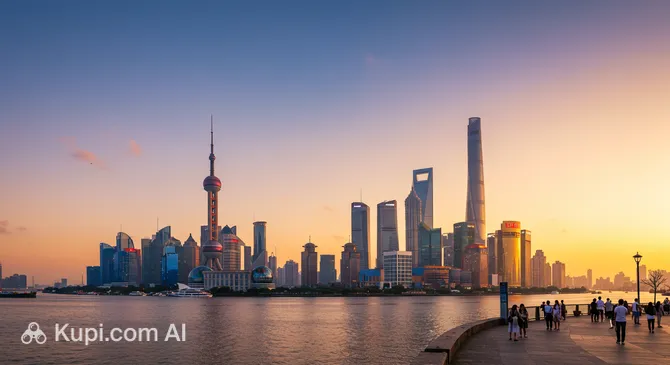
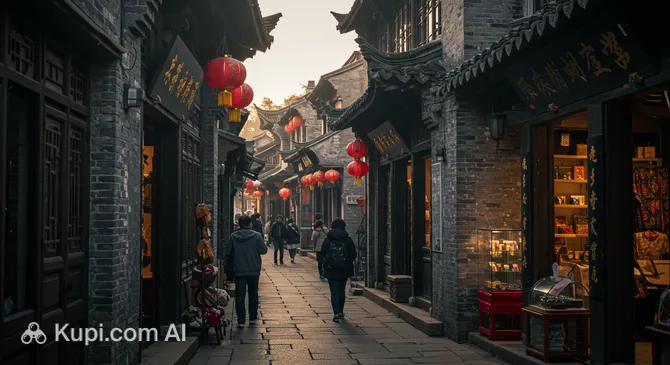
Shanghai is a dazzling metropolis that perfectly embodies the rapid evolution and dynamic energy of China. As a global financial hub and a major cultural center, the city offers a fascinating blend of East and West, where traditional lanes known as shikumen coexist with towering skyscrapers. Situated on the estuary of the Yangtze River, this bustling port city is home to over 24 million people, making it one of the most populous and vibrant urban areas in the world.
While the city is famous for its futuristic skyline, exploring the history of Shanghai reveals a deep and complex past, from its origins as a humble fishing village to its rise as a cosmopolitan center of trade in the 19th and 20th centuries. This unique heritage is reflected in the city's diverse architecture and multicultural atmosphere, which continues to draw travelers from across the globe.
Shanghai. Illustration.
Source: Kupi.com AI
Visitors are often captivated by The Bund, a famous waterfront promenade lined with colonial-era buildings that contrasts sharply with the ultra-modern skyline of the Pudong district across the river. Iconic structures like the Oriental Pearl Tower dominate the view, symbolizing the city's modern ambitions. For those seeking tranquility amidst the urban hustle, the classical Yu Garden offers a serene escape with its exquisite pavilions, rockeries, and ponds.
Whether you are looking to indulge in world-class shopping, taste diverse culinary delights, or simply marvel at the neon lights reflecting on the Huangpu River, Shanghai promises an unforgettable journey. It is a city that never sleeps and always has something new to discover.
Weather Overview
Shanghai experiences four distinct seasons, offering a different atmosphere depending on when you visit. The weather in Shanghai ranges from chilly, damp winters to hot, humid summers, so it is always wise to check the forecast before your trip.
Winters, spanning from December to February, are generally cold with average temperatures hovering around 5°C to 7°C. While these months are drier compared to summer, the chill can be penetrating, especially in January when lows drop to nearly 2°C. In contrast, summers (June to August) are hot and wet, with average highs reaching 32°C and up to 16 wet days in July.
The transitional seasons of spring and autumn are often considered the most comfortable times for sightseeing. April and May see temperatures rising pleasantly to averages of 16°C to 21°C, while October offers crisp, enjoyable weather with an average of 19.5°C and fewer rainy days.
Average monthly temperature
Average monthly precipitation
Interesting Facts
Beyond the glittering skyline and bustling streets, Shanghai holds a treasure trove of fascinating stories and unique cultural quirks. Here are a few surprising details that reveal the city's distinct character and local legends.
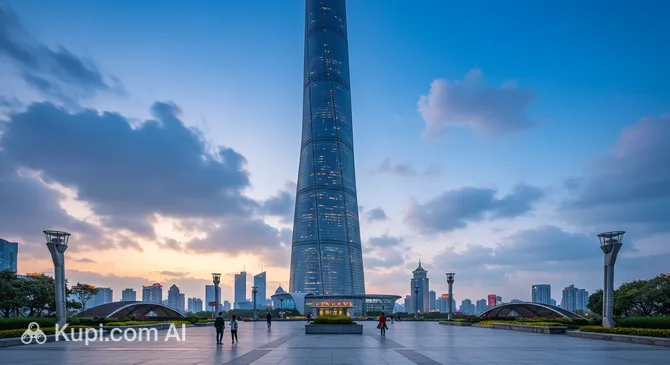
The "Kitchen Utensils" Skyline: Locals have affectionately nicknamed the trio of supertall skyscrapers in Lujiazui the "Kitchen Utensils" due to their unique shapes. The Shanghai Tower is often called the "whisk," the Shanghai World Financial Center resembles a "bottle opener," and the Jin Mao Tower is likened to a "cooking syringe."
A Marriage Market in the Park: Every weekend, the People's Park transforms into a bustling matchmaking hub. Parents gather here to display resumes of their unmarried children on umbrellas, listing details like age, height, education, and income in hopes of finding a suitable partner for them.
Big Ben's Musical Cousin: The iconic Custom House clock on The Bund was patterned after Big Ben in London. However, instead of the Westminster Quarters, it chimes the tune of the famous Chinese song "The East is Red" every hour.
Flying on the Ground: Shanghai is home to the world's fastest commercial electric train, the Maglev. Connecting the international airport to the city outskirts, this magnetic levitation train reaches a staggering top speed of 431 km/h (268 mph), covering 30 kilometers in just over 7 minutes.
Shanghai Tower. Illustration.
Source: Kupi.com AI
Traveler photos:
How to Get There
As a major global metropolis, Shanghai is exceptionally well-connected and accessible to travelers from all over the world. Whether you are arriving by air or exploring the region by train, there are numerous options to reach this vibrant city. For a comprehensive guide on all transport modes, you can read more about how to get to Shanghai.
The city is primarily served by two major international airports. The most prominent is Shanghai Pudong International Airport (PVG), located approximately 33 km from the city center. It handles a massive volume of international flights and is one of the busiest aviation hubs in Asia. A journey by taxi or bus from Pudong to downtown typically takes around 70 minutes, depending on traffic. Closer to the city center is Shanghai Hongqiao International Airport (SHA), situated just 13.6 km away. This airport mainly serves domestic flights and some regional international routes. Reaching the city center from here is quick, taking about 40 minutes by road.
For clarity, here is a summary of the main airports:
While Shanghai itself is a major railway hub, travelers exploring the broader Yangtze River Delta region might also utilize stations in neighboring cities. For instance, Suzhou Yuanqu Railway Station (YUQ) is located in the city of Suzhou, about 83 km from Shanghai. From there, a transfer by road would take approximately 145 minutes. Another nearby option is Jiaxing South Railway Station (JXS) in Shenjiabang, which is about 88 km away from Shanghai, with a similar travel time by car.
Below is a list of regional railway stations that can serve as entry points to the area:
Shanghai is a city where history and modernity converge, offering travelers a diverse range of experiences from ancient gardens to futuristic skyscrapers. Exploring these landmarks provides a deeper understanding of the city's unique character and its rapid transformation into a global metropolis.
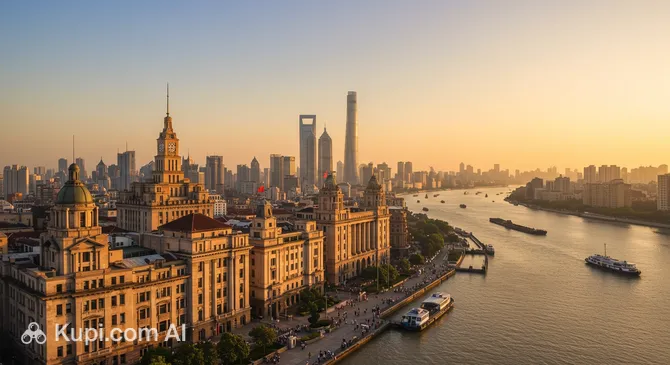
One of the most famous sights is The Bund, a mile-long waterfront promenade along the Huangpu River. It is renowned for its dozens of historical buildings that showcase a variety of architectural styles, including Gothic, Baroque, and Art Deco. Walking here offers a stunning visual contrast between the colonial-era charm on one side of the river and the ultra-modern skyline of Pudong on the other, making it a favorite spot for photography and evening strolls.
The Bund. Illustration.
Source: Kupi.com AI
Traveler photos:
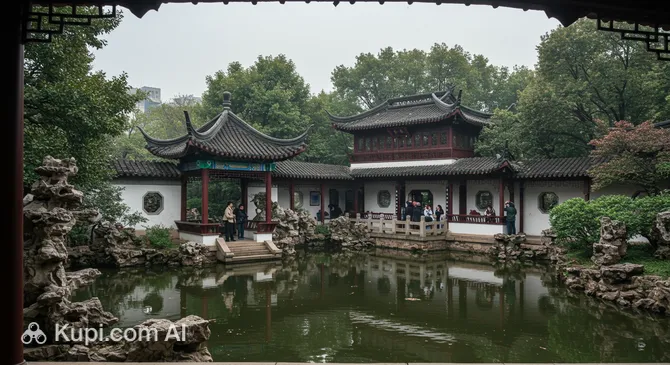
For a serene escape into traditional culture, Yu Garden is an architectural masterpiece dating back to the Ming Dynasty. This classical Chinese garden is a labyrinth of exquisite pavilions, rockeries, zigzag bridges, and dragon walls, all centered around glittering ponds. Adjacent to the garden is a vibrant bazaar where visitors can sample local snacks and shop for traditional handicrafts, adding a lively atmosphere to the historical setting.
Yu Garden. Illustration.
Source: Kupi.com AI
Traveler photos:
Dominating the city's skyline is the Oriental Pearl Tower, a symbol of modern Shanghai. Standing 468 meters tall, its unique design features eleven spheres of different sizes linked by columns. Tourists flock here to enjoy panoramic views of the city from its transparent observatory deck or to visit the Shanghai History Museum located at its base, which chronicles the city's evolution.
Families and entertainment seekers will find endless fun at Shanghai Disneyland. As the first Disney park in mainland China, it blends classic Disney magic with distinct Chinese cultural elements. The park features the largest enchanted castle in the world, six themed lands, and thrilling rides like the TRON Lightcycle Power Run, ensuring a memorable experience for visitors of all ages.
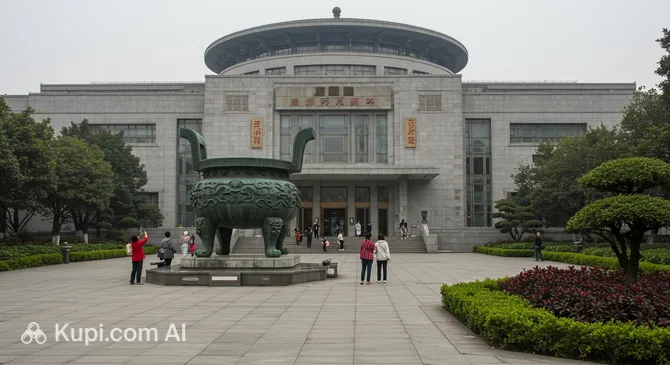
Those interested in art and history should visit the Shanghai Museum in People's Square. Designed to resemble an ancient bronze cooking vessel, this world-class museum houses a vast collection of rare cultural relics, including ancient bronzes, ceramics, calligraphy, and jade. It provides a comprehensive overview of Chinese civilization and is widely regarded as one of the best museums in the country.
Shanghai Museum. Illustration.
Source: Kupi.com AI
Traveler photos:
Local Cuisine
Shanghai's culinary landscape, known locally as Benbang cuisine, is a delightful exploration of sweet and savory flavors. The local cooking style is famous for its "red braised" dishes, where meats and vegetables are slow-cooked in a rich mixture of soy sauce and sugar, creating a dark, caramelized glaze. This distinct balance of sweetness and saltiness sets it apart from the spicier palates found in other regions of China.
No visit to the city is complete without tasting Xiao Long Bao, the iconic soup dumplings. These delicate, steamed buns are filled with juicy pork and a burst of hot, savory broth, requiring a careful bite to enjoy the soup without spilling it. Another must-try street food is Shengjian Bao, which are pan-fried buns featuring a crispy bottom, fluffy top, and a succulent meat filling, often garnished with sesame seeds and fresh scallions. During the autumn months, the city goes crazy for Hairy Crab, a seasonal delicacy prized for its rich, creamy roe.
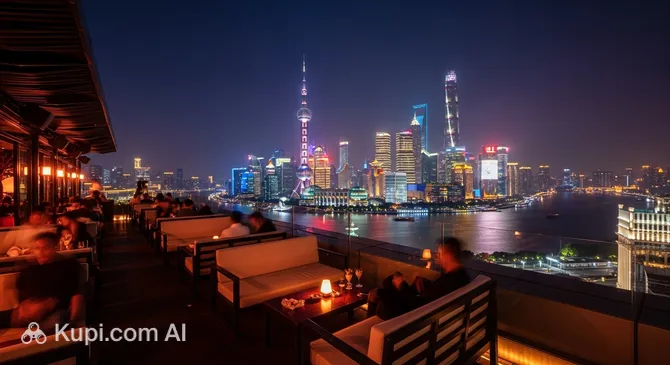
The beverage culture in Shanghai is equally diverse. Traditionalists often enjoy Yellow Wine (Huangjiu), a fermented rice wine that is typically served warm and is believed to pair perfectly with crab dishes. Tea culture also runs deep, with numerous teahouses offering a quiet respite. However, the city is also a global cocktail destination. For a drink with a view, travelers often head to Bar Rouge, a venue that combines sophisticated mixology with a stunning panorama of the skyline.
Yuyuan Old Street. Illustration.
Source: Kupi.com AI
Traveler photos:
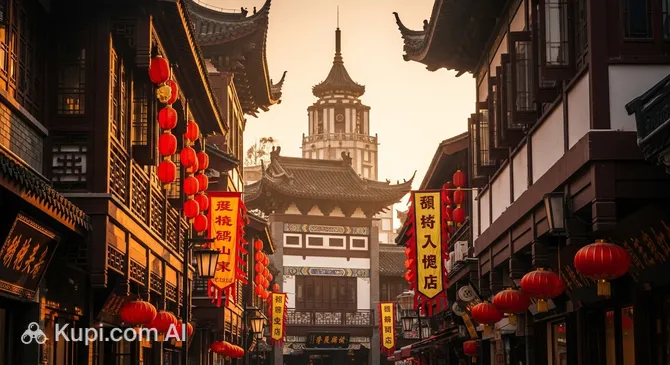
Dining in Shanghai offers a spectrum of experiences, from humble roadside stalls to high-end Michelin-starred establishments. Locals love to gather in bustling neighborhoods where the aroma of frying snacks fills the air. A fantastic place to dive into this atmosphere is Yuyuan Old Street. This vibrant area is lined with traditional architecture and countless vendors selling local favorites like crab-yellow pastries, glutinous rice balls, and stink tofu, making it a perfect spot for a gastronomic walking tour.
Travel Tips
Welcome to Shanghai, a city where the future meets tradition in the most spectacular way. To help you navigate this bustling metropolis with ease and confidence, we have compiled a list of essential practical advice that will ensure your journey is as smooth as it is memorable.
Pack for the Season and Walkability: Shanghai has four distinct seasons. Summers are hot and humid, requiring breathable fabrics, while winters are damp and chilly, so thermal layers are a must. Since you will likely do a lot of walking along The Bund or in the French Concession, bring sturdy, comfortable walking shoes. Also, pack a universal power adapter; China typically uses two-pin (Type A/C) and three-pin (Type I) plugs.
Mastering Transportation: The Shanghai Metro is clean, efficient, and the best way to beat traffic. Download an app like "MetroMan" to navigate the extensive network easily, as signs are available in English. For private transport, ride-hailing is convenient; the local equivalent of Uber is DiDi, which is often integrated into Alipay and has an English interface. Avoid renting a car due to complex traffic rules and congestion.
Go Cashless but Carry Backup: China is a leader in mobile payments. Most vendors, from high-end malls to street food stalls, prefer Alipay or WeChat Pay. You can now link international credit cards to these apps, which is highly recommended. While cash is legally accepted, it is rarely used, so keep small denominations just in case. Tipping is not part of the local culture and is generally not expected.
Stay Connected and Prepared: Many Western apps (Google, WhatsApp, Instagram) are blocked by the "Great Firewall." To stay connected, you must install a reliable VPN (Virtual Private Network) on your devices before you arrive in China. Additionally, download a translation app like Google Translate (with offline Chinese downloaded) or Baidu Translate to bridge the language gap.
Health and Safety Basics: Shanghai is very safe for tourists, but traffic can be chaotic. Be vigilant when crossing streets, as electric scooters often ride silently on sidewalks. Pharmacies are marked with a green cross sign; many have basic over-the-counter medicines, but it is wise to bring your own prescription meds with their original labels.
Local Etiquette Matters: When handing over or receiving anything, especially business cards or money, use two hands as a sign of respect. At the dining table, never stick your chopsticks vertically into a bowl of rice, as this resembles incense burning for the dead and is considered very bad luck.
Beware of the "Tea House Scam": Be cautious if overly friendly strangers (often young students or couples) approach you in popular tourist areas like People's Square or The Bund inviting you to practice English or attend a traditional tea ceremony. This is a common tourist trap where you may be left with an exorbitant bill. Politely decline and walk away.
Carry Your Own Essentials: Public restrooms are widely available, but they often do not provide toilet paper or hand soap. It is a smart "life hack" to carry a small pack of tissues and hand sanitizer with you at all times while exploring the city.
Armed with these tips, you are ready to dive into the vibrant energy of Shanghai without the usual travel hiccups. Embrace the fast-paced lifestyle, try the digital conveniences, and enjoy every moment of your adventure in the "Pearl of the Orient."
Entertainment & Nightlife
Shanghai transforms into a mesmerizing spectacle of neon and energy once the sun sets, justifying its reputation as a city that never sleeps. The nightlife scene here is incredibly diverse, catering to everything from high-end luxury seekers to those looking for a relaxed evening in a historic setting. Whether you want to sip cocktails with a skyline view or dance until dawn, the city offers an electric atmosphere that rivals any global metropolis.
For the quintessential Shanghai experience, the area along The Bund is the place to be. This district is home to some of the most exclusive clubs and rooftop bars in Asia, offering breathtaking views of the illuminated Lujiazui skyline across the river. A legendary name in this scene is Bar Rouge. Famous for its glamorous terrace, sophisticated crowd, and top-tier DJs, it sets the standard for nightlife luxury. The dress code here and in surrounding venues is generally "dress to impress," so smart casual or cocktail attire is recommended.
Bar Rouge. Illustration.
Source: Kupi.com AI
Traveler photos:
If you prefer a blend of history and modern chic, head to the Xintiandi district. This pedestrian-friendly area features restored shikumen (stone gate) houses that have been converted into trendy bars, international restaurants, and live music venues. It attracts a mix of expatriates and locals, offering a lively yet polished vibe. For a more bohemian and artsy atmosphere, Tianzifang in the Former French Concession is a maze of narrow alleyways packed with craft beer bars, cozy pubs, and unique boutiques. It is perfect for an evening stroll and a casual drink.
Tianzifang. Illustration.
Source: Kupi.com AI
Traveler photos:
Another hotspot for night owls is Found 158, often referred to as "Magic City's" underground nightlife hub. Located in a sunken plaza, it hosts a variety of restaurants and clubs that stay open late, drawing a younger, energetic crowd. When planning your night out, keep in mind that clubs usually pick up steam after 11:00 PM, while bars are busy from 9:00 PM onwards. Prices in prestigious areas like The Bund can be high, comparable to New York or London, while spots in the French Concession offer more moderate pricing.
Shanghai is generally very safe for night walks, even in the late hours. Main streets are well-lit and patrolled. Getting around at night is easiest via taxi or ride-hailing apps like DiDi. While the metro closes around 10:30 PM or 11:00 PM, taxis are plentiful, though it is wise to have your destination written in Chinese for the driver.
While the nights are for partying, the city offers world-class entertainment during the day as well. Culture enthusiasts can explore the vast collections at the Shanghai Museum, while families and thrill-seekers should not miss a day trip to Shanghai Disneyland. From the tranquility of ancient art to the magic of modern theme parks, the city ensures your itinerary is packed from morning until the early hours of the next day.
Parks & Museums
Beyond its gleaming skyscrapers and bustling commercial districts, Shanghai offers a wealth of cultural treasures and green sanctuaries that provide a deeper look into the city's soul. From world-class museums housed in architectural marvels to expansive parks where nature and local life intersect, the city invites travelers to explore its artistic heritage and relax in its vibrant outdoor spaces.
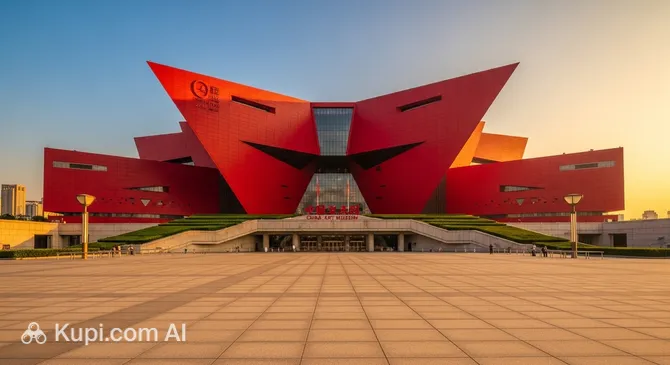
For art enthusiasts, the China Art Museum is an unmissable landmark. Housed in the iconic "Oriental Crown," a striking red inverted pyramid originally built as the China Pavilion for the 2010 World Expo, this massive gallery focuses on modern Chinese art. Its vast collection chronicles the evolution of Chinese creativity, blending traditional techniques with contemporary themes, making it a visual and architectural feast.
China Art Museum. Illustration.
Source: Kupi.com AI
Traveler photos:
To understand the sheer scale and ambition of this metropolis, a visit to the Shanghai Urban Planning Exhibition Center is essential. Located near People's Square, its centerpiece is a colossal scale model of the entire city, detailing existing buildings and future developments. It offers a fascinating bird's-eye view of Shanghai’s rapid transformation and future urban strategies, providing context to the streets you explore outside.
Another cultural gem is the Shanghai Natural History Museum, situated within the Jing'an Sculpture Park. The building itself is a masterpiece of bioclimatic design, inspired by the structure of a nautilus shell. Inside, visitors can marvel at an extensive collection of fossils, including dinosaurs from the Sichuan province, and exhibits that beautifully narrate the history of life on Earth.
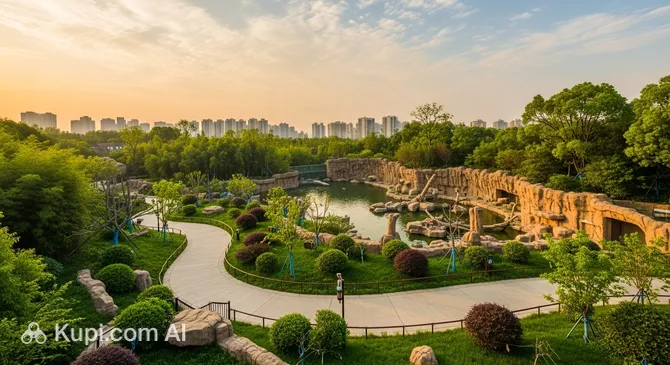
When it comes to nature and wildlife, the Shanghai Wild Animal Park offers an adventurous day out away from the city center. As one of the largest wild animal parks in China, it features a dedicated area for giant pandas and a safari zone where you can ride a bus through enclosures of free-roaming lions, tigers, and bears. It is a fantastic spot for families to observe wildlife in a setting that mimics their natural habitats.
Shanghai Wild Animal Park. Illustration.
Source: Kupi.com AI
Traveler photos:
Closer to the downtown area, Fuxing Park offers a unique glimpse into the local lifestyle amidst a historical setting. Located in the former French Concession, this park retains a distinct French style with its fountains and flowerbeds. It is famous for its vibrant morning scene, where locals gather to practice tai chi, ballroom dancing, and calligraphy on the pavement, offering a truly authentic cultural experience.
For a lesser-known cultural stop, seek out the Shanghai Propaganda Poster Art Centre located in the basement of an apartment complex. This private museum holds a rare and colorful collection of posters from the 20th century, offering a fascinating artistic perspective on a specific era of history that is rarely showcased elsewhere.
Getting Around
Navigating Shanghai is surprisingly easy and efficient, thanks to its massive and modern public transport network. The backbone of the city's transit is the Shanghai Metro, which boasts one of the longest subway systems in the world. It is the most convenient choice for tourists, connecting nearly all major attractions, shopping districts, and transport hubs. The system is user-friendly, with signs, ticket machines, and station announcements available in English. Trains typically operate from around 5:30 AM until 10:30 PM or 11:00 PM, though it is wise to check the specific timetable for your line, as last train times vary.
For a unique and futuristic start to your trip, the Maglev train is a must-try experience. Connecting Pudong International Airport to Longyang Road station on the outskirts of the city center, this magnetic levitation train reaches speeds of up to 431 km/h (268 mph), turning a long commute into an exciting eight-minute ride. Once in the city, you can also utilize the extensive bus and trolleybus network. While buses are incredibly cheap, they can be challenging for non-local speakers due to limited English signage. A more scenic and practical alternative for crossing the Huangpu River is the public ferry system, which offers stunning views of the skyline for a fraction of the price of a tourist cruise.
Paying for transport is seamless and flexible. The most practical option for visitors is the Shanghai Public Transportation Card (SPTCC). This physical, reloadable smart card can be purchased at metro service centers and convenience stores with a small refundable deposit. It is valid on the metro, buses, ferries, and even in most taxis. If you prefer digital solutions, the transport QR codes available within the Alipay or WeChat apps are widely used. You simply scan the code at the turnstile to enter and exit. For single journeys, ticket vending machines at metro stations accept cash and mobile payments.
If you prefer door-to-door comfort, taxis are plentiful and relatively affordable compared to Western cities. It is essential to have your destination written in Chinese characters, as most drivers do not speak English. Alternatively, the ride-hailing app DiDi is highly recommended for tourists; it features an English interface, tracks your journey, and handles payment automatically, bridging the language gap. For short distances, the city is filled with dockless shared bicycles. These colorful bikes can be unlocked using mini-programs in Alipay or WeChat, providing a fun and healthy way to explore the tree-lined streets of the former French Concession.
When planning your travel, try to avoid the morning (7:30 AM to 9:30 AM) and evening (5:00 PM to 7:00 PM) rush hours, when the metro and roads can become extremely crowded. Also, remember that while the Shanghai Public Transportation Card offers transfer discounts between different modes of transport, standard single-journey tickets do not. Whether you are zipping through the underground tunnels or taking a leisurely ferry ride across the river, the city's transport system is designed to keep you moving.
Accommodation
Finding the perfect place to stay in Shanghai is an adventure in itself, as the city offers an impressive spectrum of accommodation options to suit every budget and style. From luxurious five-star hotels perched on the upper floors of skyscrapers to charming boutique guesthouses tucked away in historic alleyways, the choices are virtually endless. Whether you are a backpacker looking for a social hostel or a luxury traveler seeking world-class service, Shanghai has a room for you.
For most first-time visitors, the best areas to stay are located in Puxi, the historic center west of the Huangpu River. The districts around The Bund and Nanjing Road are incredibly convenient, placing you right in the heart of the action with easy access to major attractions, shopping, and the metro. If you prefer a more romantic and tree-lined atmosphere, the Former French Concession is a fantastic choice. Here, you can find unique boutique hotels and serviced apartments set in renovated colonial-era villas, surrounded by trendy cafes and wine bars.
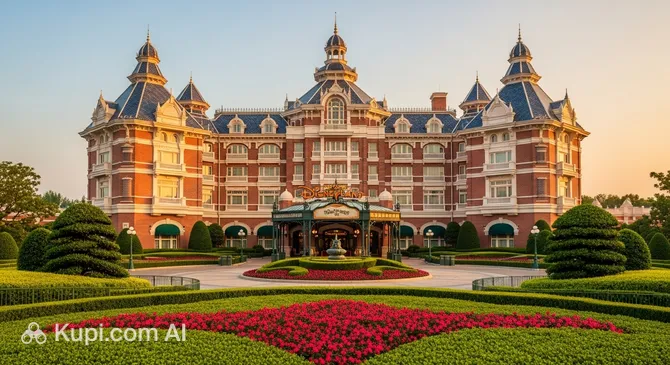
On the other side of the river lies Pudong, the city's modern financial district. This area is ideal for business travelers or those who want to wake up to sweeping views of the historic Bund from a high-rise window. It is home to many of the city's most prestigious international hotel brands. For families planning a dedicated trip to the theme park, staying at the Shanghai Disney Resort is highly recommended. Located near the park entrance, it offers immersive themed rooms and convenient access, allowing you to beat the morning crowds.
Shanghai Disney Resort. Illustration.
Source: Kupi.com AI
Traveler photos:
When it comes to booking, it is essential to plan ahead, especially if you are visiting during major Chinese holidays like the Spring Festival (Chinese New Year) or the National Day "Golden Week" in October. During these times, prices skyrocket, and rooms sell out weeks in advance. Most international travelers use major online booking platforms like Trip.com, Booking.com, or Agoda. Upon check-in, you will be required to present your passport for mandatory police registration, and hotels often ask for a deposit, which can be paid via credit card or cash.
The price range for accommodation varies significantly. Budget travelers can find well-equipped hostels and budget hotel chains for approximately $20 to $50 USD per night. Mid-range hotels, offering comfortable amenities and good locations, typically range from $60 to $120 USD. For a luxury experience in one of the city's iconic skyscrapers or historic heritage buildings, expect to pay upwards of $200 USD per night. Regardless of where you choose to stay, the high standard of hospitality in Shanghai ensures a comfortable visit.
Nearby Cities
For those looking to explore the surroundings, Shanghai serves as an excellent base for day trips to several interesting nearby locations. The region is well-connected by high-speed rail, making it easy to discover the rich history and natural beauty of the Yangtze River Delta.
One of the most popular choices is Suzhou, often celebrated as the "Venice of the East." Located just a short train ride away, it is world-renowned for its exquisite classical gardens, such as the Humble Administrator's Garden, and its picturesque network of canals and ancient stone bridges. It offers a serene and culturally rich atmosphere that contrasts beautifully with the modern pace of Shanghai.
Another fantastic option is Wuxi, situated on the shores of the vast Taihu Lake. This city is a blend of natural splendor and spiritual grandeur, most notably featuring the towering Grand Buddha at Ling Shan, which stands over 88 meters tall. Visitors also flock to Yuantouzhu (Turtle Head Isle) to enjoy stunning lake views, especially during the cherry blossom season.
These nearby destinations offer a glimpse into the diverse culture and landscapes of the region.
Shopping & Souvenirs
Shanghai is widely regarded as the "Paris of the East," offering a shopping experience that rivals any global capital. The city is a dynamic retail paradise where centuries-old traditions meet cutting-edge fashion. From glittering luxury malls and flagship designer stores to bustling local markets and quaint alleyway boutiques, the shopping landscape here is diverse and exciting. Whether you are looking for high-end international brands, bespoke tailoring, or unique local handicrafts, the city caters to every taste and budget.
The undisputed center of commercial life is Nanjing Road. It is divided into two distinct sections: Nanjing Road East and Nanjing Road West. The eastern part, leading up to the waterfront, is a bustling pedestrian street illuminated by neon signs and packed with historic department stores and souvenir shops. In contrast, Nanjing Road West is known for its upscale vibe, featuring luxury boutiques and premium shopping centers. Another premier destination is Huaihai Road, often compared to the Champs-Élysées, which offers a more elegant and trendy atmosphere preferred by local fashionistas.
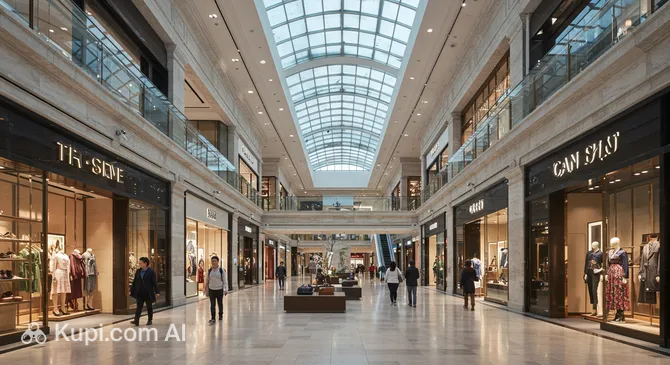
For those who prefer a modern, all-in-one shopping experience, the city boasts an impressive array of world-class malls. One of the most prestigious is the IFC Mall, located in the heart of the Lujiazui financial district. It houses a vast collection of luxury brands, fine dining establishments, and a cinema, all within a sleek, architectural masterpiece that mirrors the modernity of the Pudong skyline.
IFC Mall. Illustration.
Source: Kupi.com AI
Traveler photos:
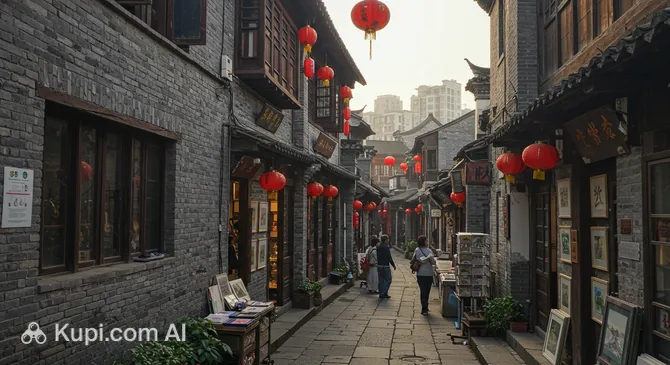
To dive into the local culture, visiting the city's markets is a must. Shanghai Old Street (Fangbang Middle Road) transports visitors back in time with its Ming and Qing dynasty-style architecture. Here, you can browse through a variety of antiques, calligraphy, jade, and traditional curios. For a more artistic flair, Tianzifang offers a maze of narrow alleyways filled with craft shops, galleries, and boutiques selling handmade jewelry and creative souvenirs, making it a perfect spot to find something truly unique.
Shanghai Old Street. Illustration.
Source: Kupi.com AI
Traveler photos:
When it comes to souvenirs, Shanghai has several signature items worth bringing home. Silk products, such as scarves and pajamas, are of exceptional quality and are a classic choice. Chinese tea, particularly Longjing (Dragon Well) green tea, is another popular purchase, often sold in beautiful gift tins. For a taste of nostalgia, look for White Rabbit creamy candy, a beloved local treat. Additionally, the city is famous for its bespoke tailoring; getting a custom-made suit or a traditional qipao dress at the fabric markets is a memorable experience.
Most shopping malls and department stores are open daily from 10:00 AM to 10:00 PM. While major international credit cards are accepted in large malls and luxury stores, smaller shops and markets primarily rely on mobile payments like Alipay and WeChat Pay. Cash is becoming less common but is still legally accepted. It is advisable to set up a mobile payment method on your phone before arriving to ensure smooth transactions everywhere you go.
International tourists visiting Shanghai can take advantage of the Tax Refund Scheme (TRS). Visitors who spend a minimum of CNY 500 on tax-free goods at designated stores in a single day are eligible for a VAT refund, typically around 11%. Look for the "Tax Free" signage in shop windows and ensure you request the necessary refund forms and invoices at the time of purchase to process them at the airport or other refund points upon departure.