Support

Wuxi

About

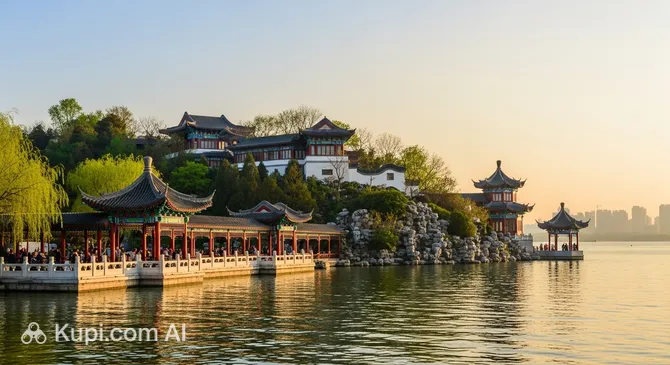
Welcome to Wuxi, a captivating city often referred to as the "Pearl of Lake Taihu." Nestled in the southern part of Jiangsu Province, this bustling metropolis offers a harmonious blend of ancient cultural heritage and modern urban vitality. With a population of over 3 million residents, Wuxi is a significant hub in the Yangtze River Delta, located just a short distance from Shanghai. It is celebrated for its scenic beauty, thriving economy, and its reputation as the "Land of Fish and Rice," reflecting its long-standing agricultural abundance.

Geographically, the city is defined by its proximity to the majestic Lake Taihu, one of the largest freshwater lakes in China. This location not only shapes the local climate, which is generally mild and humid with distinct seasons, but also provides a stunning natural backdrop to the city's skyline. The expansive water views and lush landscapes make it a refreshing destination for travelers seeking both relaxation and exploration.

Wuxi. Source: Kupi.Binoculars

The rich history of Wuxi spans over 3,000 years, making it one of the cradles of Wu culture. Visitors can feel the echoes of the past while strolling through its well-preserved gardens and along the ancient waterways. The city is famously bisected by the Grand Canal, a UNESCO World Heritage site, which still buzzes with life and traditional boat traffic, offering a glimpse into the region's historical importance as a trade route.

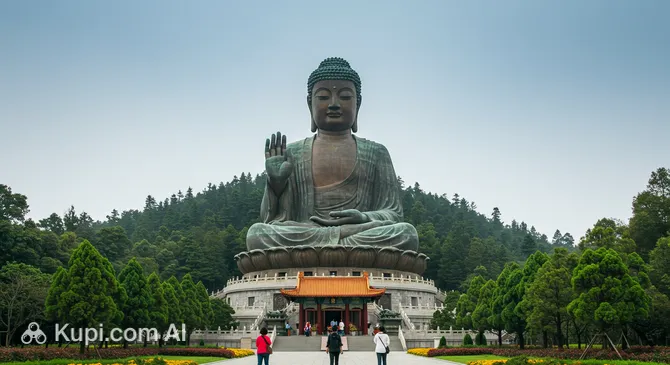
Among the city's must-see attractions is the awe-inspiring Lingshan Grand Buddha, one of the largest bronze Buddha statues in the world, standing tall at 88 meters. Another highlight is the Yuantouzhu (Turtle Head Isle) park, which offers the best vantage points for admiring the misty beauty of Lake Taihu, especially during the cherry blossom season. For those who appreciate classical architecture, the Jichang Garden provides a serene escape with its exquisite rockeries and pavilions.

Whether you are drawn by the spiritual serenity of its temples, the charm of its water towns, or its vibrant modern amenities, Wuxi promises an unforgettable experience. We invite you to discover the unique atmosphere of this dynamic city, where tradition and progress exist side by side.
Weather Overview

Wuxi experiences a distinct four-season climate characterized by significant seasonal variations. The weather in Wuxi is generally mild, though travelers should be prepared for high humidity throughout the year. Expect warm, humid summers with occasional rain and cold, drier winters.

The summer months, particularly July and August, are the warmest, with average temperatures reaching around 29.5°C and daily highs often exceeding 32°C. This period also sees the most frequent rainfall, with up to 16 wet days in July. Conversely, winter brings a chill to the city; in January, the average temperature drops to 4.6°C, with lows hovering near 1.5°C. Spring and autumn serve as pleasant transition periods, offering comfortable temperatures between 12°C and 22°C, making them ideal times for sightseeing.

Interesting Facts

Beyond the main attractions, Wuxi holds many fascinating secrets that reveal the depth of its culture and history. Here are some intriguing facts that make this city truly unique.

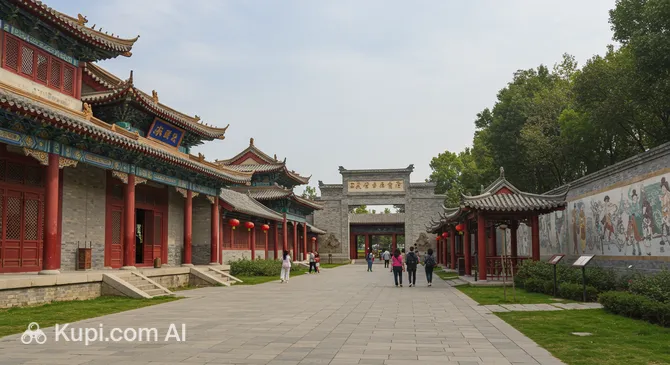
  • The "Hollywood" of the East: The sprawling Three Kingdoms City is not an ancient ruin, but actually a massive film set built in 1994 for the CCTV television series The Romance of the Three Kingdoms. It remains a fully functioning production base where visitors might stumble upon a movie crew filming a period drama or watch live reenactments of historic naval battles on Lake Taihu.

  • A Sweet Tooth’s Haven: Wuxi cuisine is distinct within the broader Jiangsu culinary tradition for its pronounced sweetness. The city is famous for Wuxi Spare Ribs (Wuxi Paigu), a dish where the meat is braised in a reddish sauce that contains a surprising amount of sugar, creating a flavor profile that is much sweeter than typical savory dishes in other parts of China.

  • Legendary Clay Figurines: The city is the birthplace of the famous Huishan Clay Figurines, a folk art form with over 400 years of history. The most iconic figures are the Da A Fu, a pair of chubby, smiling children holding a legendary beast, which are sculpted from the specific black mud found at the foot of the local Huishan Mountain to symbolize peace and prosperity.

  • "Little Shanghai": In the early 20th century, Wuxi was known as "Little Shanghai" due to its booming economy and rapid modernization. It is often celebrated as the cradle of China's national industry and commerce, having been a powerhouse for textile and flour manufacturing long before the modern era.

Three Kingdoms City. Source: Kupi.Binoculars

How to Get There

Reaching this vibrant city in Jiangsu Province is quite convenient thanks to its strategic location in the Yangtze River Delta. Whether you are flying in from afar or traveling by land from neighboring cities, there are multiple options to suit your itinerary. For detailed information on routes and transportation modes, you can read more about how to get to Wuxi to plan your journey effectively.

For air travelers, the most direct entry point is Sunan Shuofang International Airport (IATA: WUX), located right in Wuxi, approximately 11 km from the city center. A taxi or bus ride from here typically takes around 37 minutes. Alternatively, many visitors choose to fly into the massive Shanghai Hongqiao International Airport (IATA: SHA) in Shanghai. Although it is situated about 103 km away, it serves as a major regional hub with extensive connections. The journey by road from Shanghai Hongqiao to Wuxi takes approximately 3 hours, though high-speed trains often provide a faster link between the cities.

For clarity, here is a summary of the main airports:

Airport Name City Passenger Traffic Km from City
Shanghai Hongqiao International AirportShanghaiLarge102.7
Sunan Shuofang International AirportWuxiMedium11.1
Changzhou AirportChangzhouMedium69.4
Nantong Xingdong AirportNantongMedium89.9
Yangzhou Taizhou AirportYangzhouMedium131.4

If you are exploring the wider region by train, you might find yourself arriving at stations in nearby cities. For instance, Suzhou Yuanqu Railway Station (IATA: YUQ) is located in Suzhou, roughly 33 km from Wuxi. From there, a taxi ride to Wuxi takes about 1 hour and 10 minutes. Another significant hub in the vicinity is Huzhou Railway Station (IATA: HZC) in Huzhou, which handles a large volume of passengers. Situated about 75 km away, the transfer by road would take approximately 2 hours and 12 minutes.

Here is a list of railway stations in the surrounding area:

Station City Passenger Traffic Km to Center
Huzhou Railway StationHuzhouLarge74.8
Zhenjiang Railway StationZhenjiangMedium114.9
Tongxiang Railway StationNanqiaotouMedium108.2
Jiaxing South Railway StationShenjiabangMedium99.8
Suzhou Yuanqu Railway StationSuzhouSmall33.3

Main Attractions

Wuxi is a destination where natural splendor meets rich cultural history, offering visitors a variety of memorable experiences. From towering spiritual monuments to serene lakeside parks, the city's main sights are sure to leave a lasting impression on any traveler.

One of the most iconic landmarks is the Grand Buddha at Ling Shan, a majestic bronze statue that stands 88 meters tall. Located on the northern shore of Lake Taihu, it is a symbol of peace and prosperity. Tourists are drawn here not only by the sheer scale of the statue but also by the immersive cultural experience offered at the Lingshan Buddhist Scenic Spot. Highlights include the spectacular "Nine Dragons Bathing Sakyamuni" musical fountain performance and the intricate architecture of the Brahma Palace, which showcases exquisite art and craftsmanship.

Grand Buddha at Ling Shan. Source: Kupi.Binoculars

For those seeking the quintessential scenery of the region, Yuantouzhu (Turtle Head Isle) is an absolute must-visit. This peninsula, shaped like a turtle's head submerged in water, is widely considered the best place to admire the beauty of Lake Taihu. The park is particularly famous for its breathtaking cherry blossom festival in spring, where thousands of trees create a sea of pink and white clouds. Visitors can stroll through classic gardens, take a ferry ride on the lake, and enjoy the poetic landscape that has inspired painters and poets for centuries.

Yuantouzhu (Turtle Head Isle). Source: Kupi.Binoculars

Another fascinating stop is Three Kingdoms City, a renowned film and television base constructed by CCTV. Stepping into this attraction feels like traveling back in time to the Han Dynasty. It features grand palaces, ancient warships, and military encampments that bring the epic history of the Three Kingdoms period to life. Tourists enjoy the daily live performances, including horse battles and traditional dances, which add a dynamic and entertaining layer to the historical architecture.

Local Cuisine

The local cuisine of Wuxi is a delightful exploration of the "Bang" flavor profile, a sub-branch of the famous Su cuisine (Jiangsu cuisine). Known for its emphasis on fresh aquatic ingredients and a distinctive fondness for sweetness, the food here is characterized by its rich, savory-sweet sauces and meticulous preparation. Travelers will find that the city's culinary identity is deeply intertwined with the bounty of nearby Lake Taihu, earning it the reputation of a true "Land of Fish and Rice."

No culinary tour of the city is complete without trying the famous Wuxi Xiaolongbao. Unlike their Shanghai counterparts, these soup dumplings are known for their thinner skins, larger size, and a filling that is noticeably sweeter. The rich pork broth trapped inside is seasoned with soy sauce and sugar, creating a burst of flavor with every bite. Another iconic dish is the Three Whites of Taihu (Taihu Sanbai), a trio consisting of white fish, white shrimp, and silver fish. These are typically prepared using simple methods like steaming or blanching to preserve their delicate natural freshness and tender texture.

For those who enjoy meat dishes, the celebrated Wuxi Spare Ribs are a must-try. Braised to perfection in a thick, glossy red sauce, the meat is incredibly tender, often falling off the bone effortlessly. The flavor is a bold combination of savory soy and rock sugar, offering a caramelized taste that defines the region's palate. Visitors exploring the city can often find authentic versions of these dishes in traditional restaurants near major landmarks, including the area around Three Kingdoms City, where historical ambiance meets local gastronomy.

To complement the meal, locals often turn to the region's excellent beverages. Green tea is a staple here, with tea leaves grown in the misty hills around Lake Taihu being particularly prized for their fragrance and clarity. For something stronger, Huangjiu (yellow wine) is the traditional alcoholic choice. Served warm or at room temperature, this amber-colored rice wine has a mellow, slightly sweet taste that pairs wonderfully with the rich flavors of the local cuisine.

The food culture in Wuxi is vibrant and accessible, ranging from high-end banquet halls to bustling street food stalls. The areas around Nanchan Temple and Chong'an Temple are particularly popular with both locals and tourists. Here, you can wander through pedestrian streets lined with vendors selling everything from gluten puffs (Mian Jin) to tofu pudding, allowing you to sample a wide variety of snacks in a lively atmosphere. Whether you are sitting down for a formal banquet or grabbing a quick bite on the go, the sweetness and freshness of Wuxi's food scene are sure to leave a lasting impression.

Travel Tips

To ensure your journey to the "Pearl of Lake Taihu" is as smooth and enjoyable as possible, we have compiled a list of essential travel advice. These practical tips will help you navigate local customs, transportation, and daily logistics, allowing you to focus on the beauty and culture of Wuxi.

  1. Clothing and Gear: The climate in Wuxi is distinct, with hot, humid summers and chilly, damp winters. If visiting in summer, bring breathable, quick-drying fabrics and a raincoat. For winter trips, thermal layers and a heavy coat are necessary due to the lack of central heating in some older buildings. Comfortable walking shoes are a must for exploring expansive sites like the Lingshan Grand Buddha. When visiting religious sites, dress modestly by covering your shoulders and knees.

  2. Transportation: The Wuxi Metro is the most convenient way to travel between major attractions and the city center; it is modern, bilingual, and easy to navigate. Taxis are plentiful, but ride-hailing apps (accessible via Alipay) are often more reliable for tourists. Buses are an economical option, though routes can be complex for non-Chinese speakers. Car rental is generally not recommended due to traffic density and different driving regulations.

  3. Finances: The local currency is the Renminbi (RMB). While major hotels may accept international credit cards, daily life in China is dominated by mobile payments. It is highly advisable to download Alipay or WeChat Pay and link your international bank card before arrival, as even small street vendors prefer digital payments. Tipping is not part of the local culture and is not expected in restaurants or taxis.

  4. Health and Safety: Wuxi is a very safe city for travelers, but standard precautions against pickpocketing in crowded areas apply. Do not drink tap water; always purchase bottled water or use a kettle to boil it first. Pharmacies are easily engaging and marked with a green cross, but carrying a small personal kit with remedies for digestion or colds is wise, as specific western brands may be unavailable.

  5. Communication: Mandarin is the official language, though locals also speak the Wuxi dialect. English proficiency is generally low outside of 5-star hotels and major tourist hubs. It is crucial to download a translation app that works offline or a VPN-enabled SIM card/eSIM to access western maps and messaging apps, as many foreign websites are blocked. having your hotel address written in Chinese is essential for taxi drivers.

  6. Local Etiquette: Politeness is highly valued. When handing over a business card, money, or a gift, use both hands as a sign of respect. In restaurants, avoid sticking your chopsticks vertically into a bowl of rice, as this resembles incense burning for the dead. Public displays of affection should be kept modest.

  7. What to Avoid: Avoid losing your temper or shouting in public, as causing someone to "lose face" is considered extremely rude and will not help resolve problems. Also, try not to visit popular parks like Yuantouzhu during major national holidays (such as the Golden Week in October) unless you are prepared for extremely large crowds.

  8. Local Insight: Be prepared for the sweetness of the local cuisine. Wuxi food is famous for being much sweeter than food in other parts of the country, especially the spare ribs and soup dumplings. If you do not have a sweet tooth, you might want to ask for recommendations for "savory" dishes or explore broader Jiangsu cuisine options.

By keeping these tips in mind, you will be well-prepared to embrace the unique charm and rhythm of Wuxi. We hope these suggestions help you create a hassle-free itinerary and unforgettable memories in this beautiful lakeside city.

Entertainment & Nightlife

Entertainment and Nightlife:

While Wuxi may not rival the frenetic energy of nearby Shanghai, its nightlife scene has evolved into a sophisticated mix of lively bar districts, riverside lounges, and vibrant night markets. The city offers a balanced evening experience where you can choose between high-energy dance clubs or a relaxing drink by the ancient canals. The atmosphere is generally welcoming and safe, catering to both the local youth and the city's growing expatriate community.

The epicenter of Wuxi's nightlife is undoubtedly the 1912 Bar Street, located near the railway station. This district is a dedicated entertainment hub housed in stylish, colonial-era inspired buildings. Here, neon lights illuminate a strip of pubs, dance clubs, and KTV (karaoke) lounges. It is the perfect place to bar-hop, as the venues are clustered close together. Another popular area is the Nanchan Temple district, which transforms at night into a bustling pedestrian zone filled with street food vendors, bright lights, and open-air teahouses along the canal.

For those seeking specific venues, Blue Marlin is a long-standing favorite among international travelers and expats. Located in the 1912 district, it offers a classic pub atmosphere with live bands, a wide selection of imported beers, and Western comfort food. If you are looking for a more intense clubbing experience, venues like Dr. Oscar are known for their theatrical interiors, pumping electronic dance music, and energetic crowds. These clubs typically open around 9:00 PM and stay busy until the early hours of the morning.

For a more cultural evening, a night stroll or a boat ride along the Grand Canal near Nanchang Street is highly recommended. The traditional architecture is beautifully lit, creating a romantic backdrop for an evening out. Night markets in this area are bustling but safe. Travelers should feel comfortable walking in these well-lit districts. To get around, taxis are plentiful and affordable, though using a ride-hailing app like DiDi is often more convenient for non-Chinese speakers to overcome language barriers.

Before the night begins, Wuxi offers a variety of daytime entertainment options to fill your schedule. Families and thrill-seekers can visit Sunac Land, a massive amusement park featuring roller coasters and themed zones. Culture enthusiasts might enjoy the Wuxi Museum for a deep dive into local art and history. A popular itinerary often involves spending the day exploring the vast Three Kingdoms City to watch the live action shows, before returning to the city center to enjoy a relaxing dinner and drinks in the 1912 district.

Most bars and clubs do not have a strict dress code, though "smart casual" is the norm for the more upscale nightclubs. Prices in Wuxi are generally lower than in Shanghai, with a beer in a bar costing between 30 to 60 RMB. Whether you prefer sipping a cocktail while listening to a Filipino cover band or exploring the sensory overload of a Chinese night market, Wuxi provides a memorable night out.

Parks & Museums

Wuxi is a city where nature and culture intertwine seamlessly, offering visitors a wealth of lush green spaces and institutions dedicated to preserving its rich heritage. From classical gardens that inspired emperors to modern museums showcasing local artistry, the city provides ample opportunities to explore its scenic and historical depth.

Among the city's most celebrated natural areas is Liyuan Garden (Li Garden), located on the shores of Lake Taihu. Named after Fan Li, a legendary politician from the Spring and Autumn Period, this garden is a masterpiece of rockeries, long corridors, and tranquil water features. It is particularly enchanting in summer when the lotus flowers are in full bloom, creating a picturesque setting that blends legend with landscape. Another essential stop is Yuantouzhu (Turtle Head Isle), which serves as a premier park for witnessing the grandeur of the lake. While famous for its cherry blossoms, the park is a year-round retreat featuring classic pavilions, tea houses, and boat connections to the fantastical celestial islands of Taihu.

For those who appreciate floral beauty and history, the Plum Garden (Meiyuan) offers a unique experience. Originally built by the prominent Rong family in the early 20th century, this expansive park is renowned for its thousands of plum trees that burst into color in late winter and early spring. Beyond the blossoms, the garden features historical villas and pagodas that offer insight into the lives of Wuxi's industrial pioneers.

To delve into the region's past, a visit to the Wuxi Museum is highly recommended. This comprehensive venue combines local history, science, and art under one roof. Its exhibits range from ancient jade and ceramics to displays detailing the city's revolutionary history and its rise as a center of commerce. For a more specialized cultural experience, the China Clay Figurine Museum in Huishan is fascinating. It is dedicated to the city's most famous folk craft, displaying intricate clay sculptures that have been a symbol of Wuxi for centuries.

History enthusiasts should not miss Huishan Ancient Town, an open-air museum of ancestral halls and traditional architecture nestled at the foot of Huishan Mountain. Within this area lies the exquisite Jichang Garden, a classical garden so beautiful that it was visited multiple times by Emperor Qianlong of the Qing Dynasty, who even ordered a replica to be built in the Summer Palace in Beijing. The area preserves the old-world charm of the region, with its narrow stone pathways and preserved shrines.

For a truly authentic experience, take a quiet morning walk along the Qingming Bridge Historical Block along the Grand Canal. While it can be busy at night, visiting early in the day allows you to see the locals going about their daily routines against the backdrop of whitewashed houses and ancient stone bridges, offering a peaceful glimpse into the "Water Alley" life of old Wuxi.

Getting Around

Navigating Wuxi is remarkably convenient for tourists, thanks to a modern and well-integrated public transportation network. The backbone of the city's transit system is the Wuxi Metro, which is clean, efficient, and user-friendly. Currently, several lines connect major districts, railway stations, and key attractions. For international visitors, the metro is the easiest option as stations feature bilingual signage in English and Chinese, and announcements are made in both languages. Line 1 and Line 2 form the core cross, while Line 3 connects the airport to the railway stations, making arrival and departure seamless.

Complementing the subway is an extensive public bus network. Buses in Wuxi reach virtually every corner of the city, including scenic spots like the Lingshan Grand Buddha and Yuantouzhu that might be further from metro stations. While buses are an economical way to travel, route maps at stops are often only in Chinese. It is highly recommended to check your route beforehand using a navigation app. Most buses are air-conditioned and operate frequently, providing a comfortable ride even during warmer months.

For payment, the system is highly digitized. The most convenient method for tourists is using mobile payments via Alipay or WeChat Pay. Both apps have "Transport Code" mini-programs that allow you to scan a QR code at metro turnstiles or upon boarding a bus. If you prefer a physical card, you can purchase a Wuxi Citizen Card (Taihu Transportation Card) at metro service centers; this rechargeable smart card works on buses, the metro, and even some taxis, offering a small discount on fares. Single-journey tickets for the metro can also be bought at station vending machines, which accept cash and mobile payments.

Fares are very affordable, typically calculated based on distance. Metro rides generally range from 2 to 8 RMB, while most bus fares are a flat rate of 2 RMB. If you are paying by cash on a bus, be aware that drivers do not carry change, so you must have the exact amount ready in coins or small notes to drop into the fare box.

If you prefer a more direct and private mode of transport, taxis are plentiful and relatively inexpensive compared to Western standards. You can flag them down on the street, but it is often easier to use ride-hailing apps like DiDi (accessible within the Alipay interface), which allow you to input your destination in English and pay automatically. This eliminates language barriers with drivers. Official taxis are metered; always ensure the driver turns the meter on at the start of the trip.

For short distances, Wuxi offers an excellent shared bike system. Dockless bicycles from companies like HelloBike and Meituan are scattered throughout the city. To unlock them, you simply scan the QR code on the bike using the respective app or Alipay. This is a popular way to explore the city's scenic lakeside paths or to bridge the "last mile" gap between a metro station and your hotel.

The public transport system generally operates from around 6:00 AM to 10:30 PM, though times can vary slightly by line and season. Tourists should try to avoid the morning and evening rush hours (roughly 7:30–9:00 AM and 5:00–6:30 PM) when carriages and buses can become quite crowded. With a mix of metro, bus, and convenient digital tools, getting around this dynamic city is a smooth and stress-free experience.

Accommodation

Where to Stay:

Finding the perfect place to stay in Wuxi is relatively easy, as the city offers a wide spectrum of accommodation options to suit every budget and travel style. Whether you are looking for the opulence of international luxury brands, the convenience of modern mid-range business hotels, or the affordability of clean, comfortable hostels, the city is well-equipped to host its millions of annual visitors. The hospitality standards here are generally high, particularly in establishments catering to international travelers.

When choosing a location, most tourists gravitate towards two main areas. The City Center (Chong'an and Nanchang districts) is the best choice for those who want to be in the heart of the action. Staying here places you within walking distance of major shopping streets, the vibrant nightlife of the 1912 district, and the main metro lines, making it incredibly convenient for urban exploration and dining. Alternatively, if you prefer a serene retreat with scenic views, the Lake Taihu area (Binhu District) is ideal. This zone is home to numerous upscale resorts and is much closer to major scenic spots like Yuantouzhu (Turtle Head Isle) and the Grand Buddha at Ling Shan, offering a peaceful escape from the downtown bustle.

Price Range and Booking: Accommodation prices in Wuxi are generally reasonable compared to Shanghai. Budget travelers can find hostels or budget hotel chains ranging from 150 to 300 RMB per night. Mid-range options, which offer excellent amenities, typically cost between 400 and 800 RMB. Luxury resorts and high-end international hotels usually start from 1,000 RMB and can go higher depending on the season. It is highly recommended to book your stay through major international platforms like Trip.com or Booking.com, as they ensure the hotel is licensed to accept foreign guests.

Booking Tip: Wuxi is a very popular destination for domestic tourism, especially during the cherry blossom season in March and April and national holidays like the Golden Week in October. During these peak times, rooms near the lake can sell out weeks in advance, and prices may surge. To secure the best rates and locations, it is wise to book your accommodation at least a month prior to your trip.

Nearby Cities

For those looking to explore the surroundings, Wuxi serves as an excellent base for day trips to several interesting nearby locations. The Yangtze River Delta is densely packed with historic towns and modern cities, making it easy to hop on a high-speed train and find yourself in a completely different atmosphere within minutes.

One of the most popular choices is Suzhou, often hailed as the "Venice of the East." Located just a stone's throw away, it is world-renowned for its UNESCO-listed classical gardens, such as the Humble Administrator's Garden, and its picturesque network of canals lined with white-washed traditional houses. It offers a deep dive into sophisticated Chinese culture, silk production, and architectural beauty.

Another fantastic option is Changzhou, which sits to the northwest of Wuxi. This city is a hit with families thanks to the sprawling China Dinosaurs Park, a theme park that combines museum exhibits with thrilling rides. For those interested in spiritual sites, Changzhou is also home to the Tianning Temple, which boasts the tallest wooden pagoda in the world, offering panoramic views of the city.

For a more nature-oriented excursion, Changshu offers a serene escape. Known for the scenic Yushan Mountain and the tranquil Shanghu Lake, it provides a quieter pace compared to the larger metropolitan areas. It is an ideal spot for hiking, enjoying tea by the lake, and exploring local legends.

City Population Distance (km)
Suzhou 5,352,924 33
Changzhou 3,601,079 48
Nantong 2,261,382 77
Changshu 1,677,050 45
Huzhou 1,558,826 70

These nearby destinations offer a glimpse into the diverse culture and landscapes of the region, allowing travelers to experience everything from ancient gardens to modern theme parks just a short distance from Wuxi.

Shopping & Souvenirs

Shopping in Wuxi offers a delightful mix of modern luxury and traditional charm, reflecting the city's status as a prosperous economic hub in the Yangtze River Delta. Visitors can expect a diverse retail landscape ranging from gleaming high-rise malls carrying international designer labels to quaint riverside streets lined with vendors selling local handicrafts. Whether you are looking for high-end fashion or unique cultural souvenirs, the city provides ample opportunities to indulge in some retail therapy.

The commercial heart of the city beats strongest along Zhongshan Road. This bustling thoroughfare is the primary shopping district, densely packed with large department stores, boutique shops, and brand-name outlets. It is a pedestrian-friendly area where tourists can easily spend hours browsing through fashion, electronics, and cosmetics. For a more scenic and historical shopping experience, Nanchang Street is the place to go. Set along the ancient canal, this area features shops housed in traditional architectural styles, offering a blend of trendy lifestyle stores, souvenir shops, and creative boutiques amidst a romantic old-world atmosphere.

For those who prefer a comprehensive, modern shopping environment, Wuxi boasts several impressive malls. Center 66 is widely regarded as the premier destination for luxury shopping, hosting a vast array of high-end international brands and fine dining options in a sophisticated setting. Another prominent complex is Suning Plaza, which dominates the skyline with its twin towers and offers a wide selection of mid-range to upscale brands, along with a cinema and numerous restaurants, making it a popular one-stop spot for entertainment and shopping.

To experience the local hustle and bustle, a visit to the markets around Nanchan Temple is essential. This vibrant area functions as a cultural market where you can find an eclectic mix of goods, including antiques, calligraphy, flowers, birds, and pets. It is also an excellent place to hunt for inexpensive trinkets, traditional crafts, and second-hand curiosities while enjoying the lively street atmosphere and snacking on local treats.

When it comes to souvenirs, Wuxi is famous for several unique local products that make for perfect gifts. The most iconic are the Huishan Clay Figurines, colorful and rounded folk art sculptures that symbolize good fortune and happiness. Another world-renowned specialty is the Yixing Zisha Teapot; since Yixing is under Wuxi's administration, these purple clay teapots are widely available and highly prized by tea connoisseurs. Additionally, as the city sits on the shores of Lake Taihu, freshwater pearls are a popular buy, offering high quality at reasonable prices compared to other regions.

Most shopping malls and department stores in Wuxi typically operate from 10:00 AM to 10:00 PM, though some smaller independent shops may close slightly earlier. Payment methods are heavily digitized, with Alipay and WeChat Pay being the standard everywhere, from high-end boutiques to street stalls. While major shopping centers usually accept international credit cards, it is advisable to have mobile payment apps set up on your phone for convenience. Cash is accepted but is becoming less common in daily transactions.

International tourists may be eligible for a tax refund on purchases made at designated "Tax Free" stores, provided the spending exceeds a certain threshold (usually 500 RMB) in a single day. Look for the "Tax Free" signage at the entrance or service counters of large department stores and malls, and remember to carry your passport to process the refund forms if you plan to take advantage of this service.

Reached the end of the page?

That means the route is fully explored