Support

Matsu

About

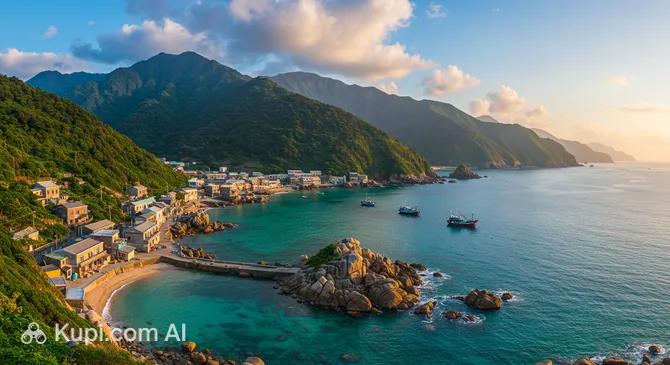
Welcome to Matsu, a captivating archipelago that offers a unique blend of breathtaking coastal scenery, traditional architecture, and a tranquil atmosphere. Far removed from the hustle and bustle of modern metropolises, this destination is composed of dozens of islands and islets, providing visitors with a distinct sense of escape and discovery. Administratively known as Lienchiang County, it is an outlying territory of Taiwan, Republic of China, situated just off the coast of Fujian.

The geography of Matsu is defined by its hilly terrain, granite cliffs, and pristine shorelines. Despite its small size, with a population of approximately 13,000 residents, the islands possess a rich character shaped by the ocean. The climate here is generally mild, though the islands are known for their misty springs and cool, breezy autumns, which add a layer of mystique to the landscape.
Matsu. Source: Kupi.Binoculars

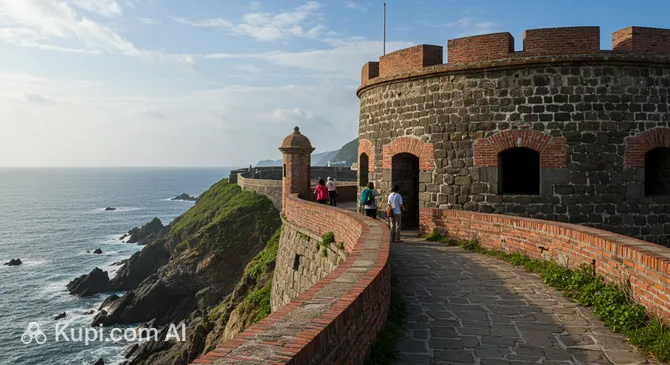
The history of Matsu is deeply etched into its landscape, transforming former military strongholds into fascinating tourist attractions. Visitors can explore an extensive network of underground tunnels, such as the famous Beihai Tunnel, which was carved out of solid granite to hide vessels. Beyond its martial heritage, the islands are celebrated for the well-preserved Qinbi Village on Beigan Island. With its traditional stone houses cascading down the hillside towards the sea, it is often affectionately compared to a Mediterranean village.

One of the most spectacular natural phenomena drawing travelers to Matsu is the "Blue Tears". Occurring mostly in spring and early summer, this mesmerizing display of bioluminescence lights up the shorelines with a glowing blue hue, creating a magical nighttime experience. Whether you are exploring historical fortifications, enjoying the local seafood, or chasing the glowing waves, Matsu invites you to experience a side of island life that is both serene and unforgettable.
Weather Overview

The climate in Matsu is characterized by distinct seasonal changes, offering a variety of atmospheric conditions depending on when you travel. To help plan your trip, you can view the detailed forecast for the weather in Matsu. Generally, the archipelago experiences warm, humid summers and cool winters, often accompanied by the region's signature misty conditions.

During the peak of summer, particularly in July and August, average temperatures rise to around 28°C, with maximums occasionally touching 29°C. Conversely, the winter months of January and February are the coldest, with average temperatures dipping to roughly 11°C. Throughout the year, visitors should be prepared for frequent dampness; despite relatively low total precipitation volume, the region experiences between 10 and 16 wet days each month, making an umbrella or raincoat a useful travel companion.

Interesting Facts

Beyond the scenic coastlines and military history, Matsu holds fascinating cultural secrets and ecological marvels that often surprise visitors. Here are some unique insights into this captivating archipelago:
  • The islands are named after Mazu, the revered Goddess of the Sea. According to local legend, her body washed ashore on Nangan Island after she died saving her father at sea. Today, a colossal statue of the goddess stands on the island, symbolically watching over the fishermen and the ocean.

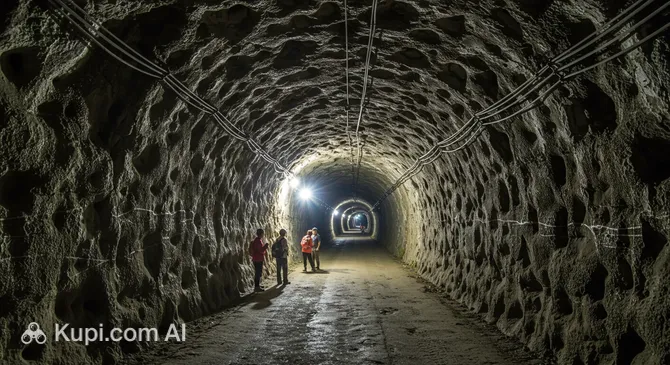
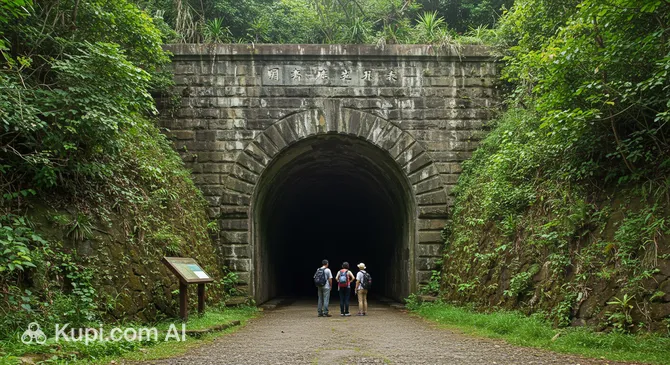
  • The Baba Tunnel, once a strategic military passage for tanks, has been repurposed into a massive cellar for aging the famous Matsu Kaoliang liquor. The tunnel's constant cool temperature and humidity create the perfect conditions for fermentation, filling the air inside with a rich, heady aroma.

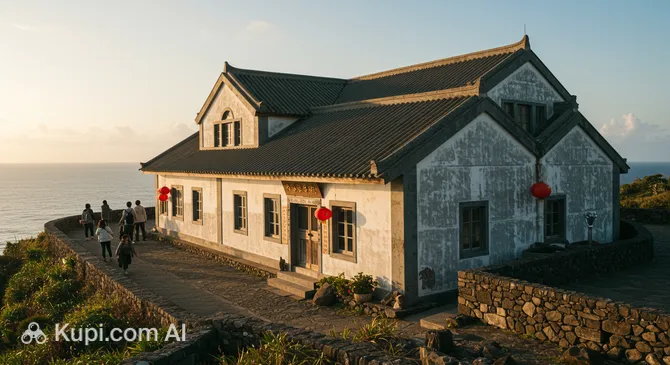
  • Traditional stone houses in Matsu feature a distinctive architectural element known as "breathing roofs." Residents place heavy rocks on top of the roof tiles to weigh them down against strong seasonal winds rather than sealing them with mortar, giving the rooftops a unique, rugged appearance.

  • Matsu is one of the few places on Earth where you can spot the "Mythical Bird," the Chinese Crested Tern. This rare species was believed to be extinct for over 60 years until it was miraculously rediscovered nesting on the uninhabited islets of the archipelago in the early 2000s.

Baba Tunnel. Source: Kupi.Binoculars

How to Get There

Reaching the Matsu archipelago is an adventure in itself, primarily involving air travel or ferries, as the islands are situated off the coast of Fujian. For travelers planning their journey, you can find detailed information on how to get to Matsu to help organize your trip seamlessly.

The most direct way to arrive is by flying into one of the local airports. Matsu Nangan Airport (IATA: LZN) is the busiest hub serving the islands. Located in Nangan, just 0.7 km from the town center, it offers convenient access to the main administrative area. The short distance means a taxi or shuttle ride takes only about 20 minutes, or you can even reach nearby accommodations quickly on foot or by scooter.

Another option is Matsu Beigan Airport (IATA: MFK), situated on Beigan Island. This airport is approximately 8.7 km from the main center of Matsu, serving as a key entry point for visitors wishing to explore the northern islands first. A transfer from here by taxi or local bus typically takes around 35 minutes. Both airports are small regional hubs, handling a modest volume of passenger traffic essential for island connectivity.

For international travelers, the journey usually begins at Taiwan Taoyuan International Airport (IATA: TPE) in Taipei, which is about 176 km away. While you cannot drive directly to Matsu from there, this large international airport connects you to Taiwan, from where you can transfer to a domestic flight (usually from Taipei Songshan Airport) or a ferry to reach the archipelago.

For clarity, here is a summary of the main airports:

Airport Name City Passenger Traffic Km from City
Taiwan Taoyuan International Airport Taipei Large 175.9
Changle International Airport Fuzhou Large 38.1
Taipei Songshan Airport Taipei Medium 201.3
Matsu Nangan Airport Nangan Small 0.7
Matsu Beigan Airport Matsu Small 8.7

Since Matsu is an archipelago, it does not have its own railway network. The city of Matsu does not have a railway station, but the data lists the Wenling Railway Station (IATA: WLI) in the city of Wenling as a regional reference point. However, it is located about 290.8 km away across the sea. Travelers should note that trains are not a viable method for direct travel to the islands, and reaching Matsu from such distant mainland stations would require extensive additional travel by road and ferry.

Below is the information regarding the regional railway station:

Station City Passenger Traffic Km to Center
Wenling Railway Station Wenling Medium 290.8

Main Attractions

Exploring Matsu is a journey through a unique landscape where military history blends seamlessly with stunning natural beauty. The islands are dotted with former strongholds, tunnels, and cultural sites that tell the story of the region's resilient past. Whether you are interested in wartime heritage or breathtaking coastal views, the archipelago offers a diverse range of experiences for every traveler.

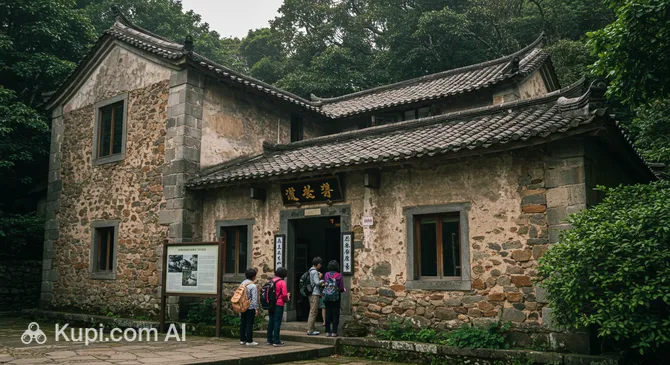
One of the best places to understand the local lifestyle and traditions is the Matsu Folklore Culture Museum. Located in Nangan, this facility provides a deep dive into the islands' architectural styles, festivals, and the daily lives of the residents. It serves as an excellent introduction to the cultural fabric of the area, showcasing artifacts that span generations.

Matsu Folklore Culture Museum. Source: Kupi.Binoculars

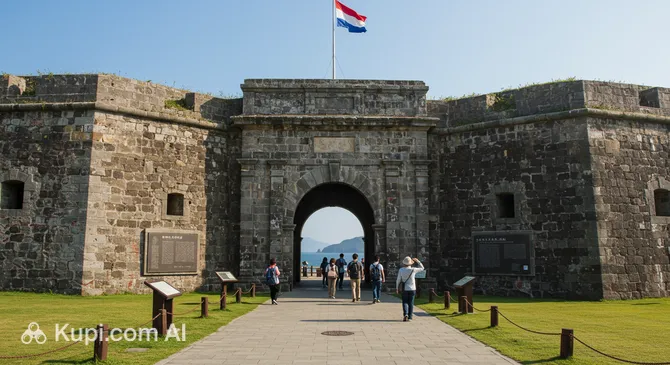
For those fascinated by military history, the Victory Fort (Matsu War and Cultural Museum) is a must-visit destination. This site has been transformed from a defensive position into a museum displaying various weapons, uniforms, and documents from the military era. It offers visitors a chance to walk through history and gain insight into the strategic importance of these islands.

Victory Fort (Matsu War and Cultural Museum). Source: Kupi.Binoculars

Nature lovers and hikers should make their way to Yuntai Mountain. As one of the highest points in the region, it offers panoramic views of the surrounding ocean and islets. On clear days, the visibility is exceptional, making it a perfect spot for photography and enjoying the serene atmosphere of the archipelago from above.

Yuntai Mountain. Source: Kupi.Binoculars

Another remarkable site is the Dahan Stronghold, located near the southern tip of Nangan. This three-level tunnel complex was carved into the granite coast and features gun emplacements and ammunition depots. Walking through its damp, echoing corridors leads you to openings that frame dramatic views of the crashing waves and rocky cliffs outside.

While exploring, visitors often stop at the Zhenge Daidan Memorial Park, a quiet space dedicated to historical reflection. For a taste of local cuisine after a day of sightseeing, the Shrimp Village Eatery is a popular spot to enjoy fresh seafood dishes that highlight the region's culinary specialties. Of course, no trip is complete without revisiting the famous Beihai Tunnel and Baba Tunnel, which remain the most iconic symbols of Matsu's engineering marvels.

Local Cuisine

The culinary landscape of Matsu is a delightful reflection of its island geography and its cultural roots in Fuzhou. Heavily influenced by the ocean, the local diet is rich in fresh seafood, fermented flavors, and warming ingredients designed to combat the misty, cool weather. For food lovers, exploring the archipelago offers a chance to taste dishes that are distinct from those found on the main island of Taiwan, characterized by savory soups, unique noodle textures, and the aromatic use of locally aged wines.

One of the most iconic dishes you must try is Matsu Old Wine Noodles (Lao Jiu Mian). This comforting bowl features thin vermicelli served in a rich broth infused with the region's signature aged rice wine. Typically topped with a fried egg, meat, and seasonal vegetables, it is traditionally eaten by locals to keep warm and is considered a nourishing staple. Another gastronomic specialty is Fish Noodles, which are made from a paste of fresh fish and flour. These noodles have a delightfully chewy texture and a subtle oceanic flavor, often served in a clear soup or stir-fried with vegetables and clams.

For a unique local snack, look for Jiguang Bing, often referred to as the "Matsu Burger." This sesame-crusted flatbread is baked in a charcoal oven until crispy on the outside and soft on the inside. It is commonly sliced open and filled with savory ingredients like oyster omelets or stir-fried pork, making it a popular street food choice. Seafood enthusiasts will also appreciate the abundance of fresh mussels, which are plump, sweet, and often simply boiled to highlight their natural taste.

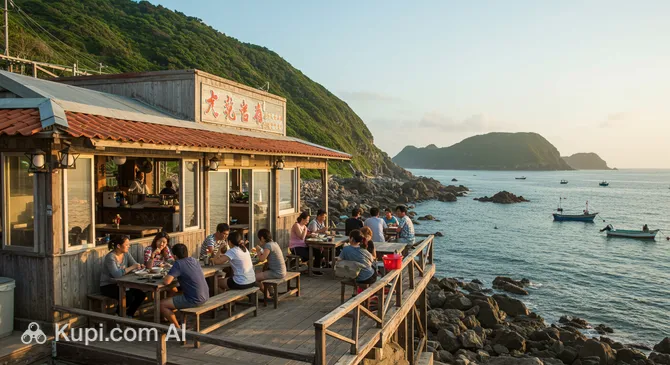
Dining in Matsu ranges from casual street stalls to cozy family-run restaurants. A great place to experience authentic local flavors is the Shrimp Village Eatery. Known for its fresh ingredients and traditional preparation methods, this spot allows visitors to sample a variety of regional classics in a welcoming atmosphere.

Shrimp Village Eatery. Source: Kupi.Binoculars

When it comes to beverages, the islands are famous for their alcohol production. Matsu Old Wine is a fermented glutinous rice wine with a lower alcohol content, often drunk warm or used generously in cooking. For something stronger, the region is renowned for its Kaoliang Liquor, a clear, potent spirit made from sorghum. This high-proof liquor is smooth and fragrant, often aged in the cool temperatures of former military tunnels, and serves as both a popular drink at banquets and a prized souvenir for travelers.

Travel Tips

Visiting Matsu is a distinct experience compared to the rest of Taiwan, offering a slower pace of life amidst rugged landscapes and rich military history. To help you navigate the archipelago's unique terrain and local customs smoothly, here are some practical tips to keep in mind while planning your journey.

  1. Clothing and Gear: The weather in Matsu can be unpredictable, often shifting from sunny to misty and windy within hours. Bring a windbreaker or waterproof jacket, especially if you visit during the "Blue Tears" season (spring and early summer) when humidity and fog are high. Since the islands are very hilly with steep slopes and stone staircases, sturdy, comfortable walking shoes are essential. When visiting temples, dress modestly out of respect for local religious customs.

  2. Transportation: The most popular and convenient way to explore the islands is by renting a scooter. The terrain is mountainous, and attractions are scattered, making scooters the most efficient option for getting around. Taxis are available, primarily on Nangan and Beigan, but can be costly for full-day touring. To travel between the different islands (e.g., Nangan to Beigan or Juguang), rely on the inter-island ferries; be sure to check the schedules daily as they can change with sea conditions.

  3. Finances: The local currency is the New Taiwan Dollar (TWD). While some larger hotels and souvenir shops may accept credit cards, cash is king in Matsu, especially at small eateries, street stalls, and for scooter rentals. ATMs are widely available at post offices and convenience stores (like 7-Eleven or FamilyMart) in the main villages, accepting most major international cards.

  4. Health and Safety: Matsu is an incredibly safe destination with very low crime rates. However, the rocky coastlines can be slippery, so exercise caution near the water, especially at night. For medical needs, the main facility is the Lienchiang County Hospital on Nangan Island, and there are smaller health centers on other islands. Pharmacies are available in the main towns but may not be open 24/7, so bring personal prescriptions with you.

  5. Communication: The primary language is Mandarin Chinese, while locals often speak the Matsu dialect (a branch of the Fuzhou dialect). English proficiency is generally lower here than in Taipei, so having a translation app or a few written phrases in Traditional Chinese is very helpful. You can purchase SIM cards at the airport or convenience stores, though internet coverage is generally good across the populated areas.

  6. Local Etiquette: The people of Matsu are known for their hospitality. A simple nod or smile goes a long way. When entering traditional stone houses or temples, check if you need to remove your shoes. It is polite to ask for permission before taking close-up photos of locals, particularly the elderly, as they go about their daily lives.

  7. What to Avoid: Do not photograph military zones. Matsu has a high concentration of active military bases and outposts. If you see signs indicating a military area or "No Photography," adhere to them strictly to avoid legal trouble or confiscation of your equipment.

  8. Travel Planning Tip: Be prepared for the "Fog Season," which typically runs from March to May. Heavy fog often leads to flight cancellations or delays at Nangan and Beigan airports. It is wise to have a flexible schedule and travel insurance during these months, or consider the ferry from Keelung (Taiwan) as a backup transport option.

By packing the right gear and respecting the local guidelines, you are set for a memorable adventure in this hidden gem of the Taiwan Strait. Embrace the island pace, enjoy the fresh sea breeze, and let the unique charm of Matsu unfold around you.

Entertainment & Nightlife

Nightlife in Matsu is a world away from the neon-lit bustle of major cities. Instead of thumping nightclubs and sprawling party districts, the archipelago offers a serene and atmospheric evening experience that aligns with its laid-back island lifestyle. The primary hub for evening activities is Nangan Island, particularly around Jieshou Village and the harbor area, where you will find a selection of cozy bistros, karaoke (KTV) venues, and local eateries that stay open a bit later than usual.

The atmosphere here is incredibly casual and welcoming. There is no strict dress code; jeans and a comfortable shirt are perfect for a night out. Locals and visitors alike gather to enjoy a relaxed drink, often sipping on the famous Matsu Kaoliang liquor or Old Wine. For a memorable evening meal that transitions into a relaxed night out, the Shrimp Village Eatery is a popular choice. It offers a lively environment where you can savor local seafood dishes before heading out for a stroll along the coast.

One of the most unique "nightlife" experiences in Matsu is strictly seasonal and nature-based. During the "Blue Tears" season (typically April to August), the Beihai Tunnel opens its gates for special night tours. Visitors can hop on traditional sampan boats and glide through the pitch-black waterway. Agitating the water with paddles creates a magical, glowing blue luminescence, offering a surreal experience that rivals any light show.

Beihai Tunnel. Source: Kupi.Binoculars

For those who prefer panoramic views over drinks, a trip to Yuntai Mountain after dark is highly recommended. As one of the highest points in the region, the observation deck provides a stunning vantage point to see the twinkling lights of the villages below and the distant glow of ships on the ocean. It is a peaceful spot for stargazing and enjoying the cool sea breeze away from the town center.

Practicality is key when planning a night out in Matsu. Public transportation ceases early in the evening, and taxis can be difficult to hail on the street after 9:00 PM. It is advisable to have the number of a local taxi dispatch or, better yet, rent a scooter to ensure you can return to your accommodation easily. The islands are exceptionally safe for night walks, with virtually no crime, allowing you to explore the quiet streets with peace of mind.

While the nights are tranquil, daytime entertainment in Matsu focuses on cultural and historical immersion rather than commercial amusement parks. Visitors can spend their days exploring the Matsu Folklore Culture Museum to learn about the island's heritage or visiting the Victory Lodge, a historical site that offers insight into the region's past. These venues provide a rich context to the island's identity before the sun sets and the quiet charm of the evening takes over.

Parks & Museums

While Matsu is renowned for its rugged coastline and military tunnels, the archipelago also offers serene green spaces and cultural institutions that provide a deeper understanding of its heritage. The city's parks often blend natural beauty with historical significance, while its museums serve as custodians of the unique Eastern Min culture and the region's complex wartime past.

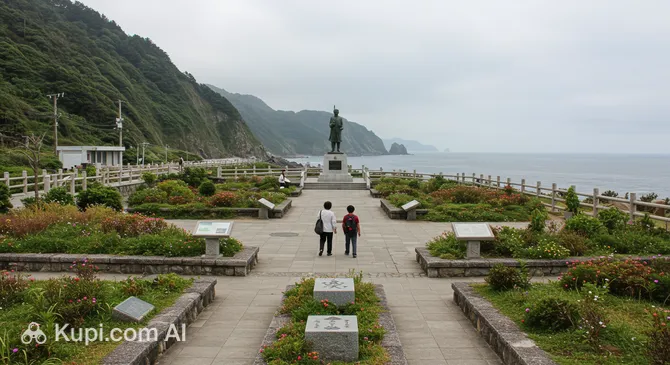
One of the most prominent open spaces on Nangan Island is the Zhenge Daidan Memorial Park. Located near Fu'ao Harbor, this park is famous for its massive inscription wall bearing the slogan "Zhenge Daidan," which translates to "Sleep on Spears, Await the Dawn," symbolizing readiness for battle. Beyond its historical message, the park serves as a pleasant green area where visitors can enjoy panoramic views of the harbor and the sea, making it a perfect spot for a relaxing stroll and photography.

Zhenge Daidan Memorial Park. Source: Kupi.Binoculars

For those seeking a mix of hiking and history, the area surrounding the Dahan Stronghold offers spectacular coastal scenery. While the stronghold itself is a military marvel, the trails leading to it wind through rocky cliffs and lush vegetation, providing uninterrupted views of the ocean. It is an excellent location to appreciate the raw natural beauty of Matsu's geology while breathing in the fresh sea air.

Dahan Stronghold. Source: Kupi.Binoculars

To truly appreciate the local way of life, a visit to the Matsu Folklore Culture Museum is essential. This multi-story venue is dedicated to preserving the islands' distinct traditions, which differ significantly from those on the main island of Taiwan. Exhibits cover everything from traditional Fujian-style architecture and culinary history to religious festivals, offering a comprehensive overview of the "Matsu identity."

Another significant cultural site is the Victory Lodge. Carved partially into a rocky hillside, this historical building once served as a reception center for high-ranking officials and dignitaries, including President Chiang Kai-shek. Today, it functions as a museum where visitors can explore the preserved rooms and learn about the political and military decisions that shaped the region during the Cold War era.

Victory Lodge. Source: Kupi.Binoculars

Dedicated specifically to the islands' martial history, the Victory Fort (Matsu War and Cultural Museum) stands as a testament to the period of military administration. The museum displays a collection of decommissioned weapons, uniforms, and historical photographs. It allows tourists to walk through former defensive positions, offering a tangible connection to the time when these islands were the front line of defense.

For a quieter, more authentic experience, explore the walking paths around the Shengli Reservoir near the Victory Lodge. This area is often less crowded than the main tourist spots and offers a peaceful environment where you can observe local birdlife and enjoy the reflection of the surrounding hills on the water.

Getting Around

Public transport in Matsu is relatively simple and scaled to the size of the archipelago. Due to the hilly terrain and the scattered nature of the islands, there is no metro, tram, or railway system. Instead, the transportation network relies heavily on a combination of local buses, inter-island ferries, and private vehicle rentals, which are essential for navigating between the different townships and scenic spots.

Buses differ slightly depending on the island. On the main islands of Nangan and Beigan, public buses operate on fixed coastal routes connecting major villages and the airport. These buses are clean and reliable but run with limited frequency, often once every 30 to 60 minutes. For visitors, the Taiwan Tourist Shuttle service is a highly recommended option. These tourist-specific buses run on set schedules that align with popular attractions, offering a convenient hop-on, hop-off style experience without the hassle of navigating complex local timetables.

The payment system is straightforward. Local buses and the Tourist Shuttle accept cash (coins) and electronic smart cards. The most widely used card is the EasyCard (the same one used in Taipei), though iPass is also generally accepted. If paying by cash, you must have the exact fare ready as drivers do not carry change. Fares are very affordable, typically costing around 15 TWD per ride for local buses, while the Tourist Shuttle offers day passes that provide unlimited rides for a flat fee, making it an economical choice for a full day of sightseeing.

Since Matsu is an archipelago, ferries are the "metro" of the region, connecting Nangan, Beigan, Juguang (Dongju and Xiju), and Dongyin. The ferry ride between Nangan and Beigan is short, taking only about 15–20 minutes, and runs frequently throughout the day. Tickets can be purchased at the harbor terminals using cash or credit cards. It is crucial to check the daily sailing schedule, as ferry operations are strictly dependent on sea conditions and can be cancelled if the waves are too high.

For those seeking more flexibility, scooter rentals are the most popular alternative and are widely considered the best way to explore Matsu. Rental shops are abundant near the airports and harbors. Be aware that the terrain is extremely steep with sharp turns, so confidence in riding is necessary. Taxis are also available, primarily on Nangan and Beigan. They can be hailed at the airport or harbor, or booked by phone. Drivers often offer fixed-rate tours for half-day or full-day excursions, which can be a comfortable option if you prefer not to drive.

Practical advice for tourists: Public transport, including buses, typically stops running early in the evening, often around 5:30 PM or 6:00 PM. If you plan to stay out for dinner or night views, ensure you have a scooter or a taxi number handy. Always carry a physical EasyCard and top it up at convenience stores like 7-Eleven or FamilyMart before heading to more remote areas. Lastly, if you are prone to seasickness, prepare medication before taking the inter-island ferries, as the waters in the Taiwan Strait can be choppy.

Accommodation

Where to Stay:

Finding accommodation in Matsu is less about choosing between international hotel chains and more about immersing yourself in the local culture. The archipelago primarily offers homestays (minsu) and bed-and-breakfasts, many of which are family-run. These establishments provide a warm, personal touch that larger hotels often lack. For a truly unique experience, visitors can stay in traditional Fujian-style stone houses that have been beautifully renovated into comfortable guest rooms. These historic structures, with their granite walls and tiled roofs, offer a chance to sleep within the architectural heritage of the islands.

When deciding on an area to stay, Nangan is the most practical choice for first-time visitors. As the administrative center and transportation hub, it offers the widest selection of standard hotels and inns, along with easy access to the main airport and ferry terminal. Staying here ensures you are close to restaurants, convenience stores, and rental shops. For those seeking a more scenic and atmospheric stay, Beigan is highly recommended. It is home to the famous Qinbi Village, where traditional stone houses cascade down the hillside facing the sea, offering breathtaking views that many travelers compare to the Mediterranean coast.

For the adventurous traveler looking to get off the beaten path, the outlying islands of Dongju, Xiju, and Dongyin offer simpler, more rustic accommodation options. These areas are quieter and perfect for those who want to disconnect and enjoy the raw natural beauty of the archipelago, though amenities here are more basic compared to Nangan and Beigan.

Booking Tips: Accommodation in Matsu can fill up extremely fast, particularly during the "Blue Tears" season (April to August). It is strongly advised to book your room at least two to three months in advance if you plan to travel during this peak period. During the winter months, availability is generally better, but some smaller homestays may take a seasonal break.

Prices and Payment: The price range for accommodation is generally moderate. A standard double room in a homestay or mid-range hotel typically costs between 1,500 and 3,000 TWD per night. While major booking platforms are increasingly used, many smaller, traditional homestays still rely on direct bookings via phone or messaging apps. It is also important to note that while some larger establishments accept credit cards, many smaller B&Bs prefer cash, so it is wise to have sufficient local currency on hand when checking in.

Nearby Cities

For those looking to explore the surroundings, Matsu serves as an excellent base for connecting to several interesting nearby locations. While the archipelago itself offers a secluded island experience, regular air and transport links make the vibrant cities of Northern Taiwan accessible for travelers wishing to experience a different pace of life or explore major cultural hubs.

Taoyuan is frequently the primary gateway for visitors and offers much more than just transit connections. The city is home to the historic Daxi Old Street, where travelers can admire preserved Baroque-style architecture and sample traditional bean curd snacks. For nature lovers, the scenic Shihmen Reservoir provides lush landscapes and hiking trails, offering a delightful contrast to the coastal terrain of Matsu.

Located in the heart of New Taipei City, Banqiao is a bustling urban district known for its blend of modernity and tradition. A key attraction here is the Lin Family Mansion and Garden, one of the most exquisite and best-preserved examples of classical Chinese garden architecture in the region. The area is also famous for its vibrant Christmasland events and lively shopping districts, making it a dynamic destination for a city excursion.

Known as the "Windy City," Hsinchu offers a rich cultural experience centered around the magnificent Hsinchu City God Temple. This temple is not only a spiritual center but also a culinary hotspot, surrounded by stalls serving famous local specialties like rice noodles and pork balls. The city also features unique museums dedicated to its history of glass craftsmanship, adding an artistic flair to a visit.

City Population Distance (km)
Zhongli 1,632,616 182
Banqiao 550,000 198
Hsinchu 499,348 181
Taoyuan 443,273 187
Zhubei 211,746 181

These nearby destinations offer a glimpse into the diverse culture and landscapes of the region, allowing travelers to easily combine the tranquility of the islands with the energy of Taiwan's major cities.

Shopping & Souvenirs

Shopping in Matsu offers a distinct departure from the commercialized retail experiences of big cities. Instead of sprawling malls and luxury boutiques, the islands provide a charming selection of local specialty shops, family-run businesses, and traditional markets. The retail scene here is intimately tied to the local culture and geography, focusing heavily on agricultural products, seafood delicacies, and the region's renowned liquor production.

The most bustling commercial hub in the archipelago is Jieshou Village on Nangan Island. Often referred to as the "Ximending of Matsu" by locals, this area concentrates the majority of souvenir stores, convenience shops, and local eateries. It is the best place to browse for regional goods and soak in the town's atmosphere. On Beigan Island, the streets surrounding the airport and the main village of Tangqi also offer a modest selection of shops catering to tourists.

Travelers should note that there are no large shopping malls or department stores in Matsu. The retail landscape is defined by small, independent storefronts. However, for those looking for luxury goods or tax-free items, the Everrich Duty Free Shop located near the Fu'ao Harbor in Nangan serves as the primary destination. It offers a range of international cosmetics, perfumes, and tobacco, alongside high-end local souvenirs.

For an authentic slice of local life, a visit to the Jieshou Lion Market (Shizi Market) in Nangan is essential. It is a traditional morning market where locals gather to buy fresh produce, seafood, and breakfast items. The upper floor is known for food stalls selling freshly made specialties, while the ground floor features vendors selling fresh catches from the surrounding sea. It is a vibrant spot to explore in the early morning hours to see the daily rhythm of the islanders.

Matsu is famous for its unique culinary souvenirs. The top choice for many is Matsu Kaoliang Liquor and Old Wine, both of which are celebrated for their quality and are often aged in local military tunnels like the Baba Tunnel. Other popular items include Fish Noodles, which are dried and packaged for easy transport, and Golden Dumplings made from sweet potatoes. Don't forget to look for Jiguang Bing (Matsu Bagels), a savory sesame flatbread that is a local staple.

Business hours in Matsu are generally shorter than in major Taiwanese cities. Most souvenir shops and local stores open around 09:00 AM and close by 18:00 or 19:00 PM. Convenience stores like 7-Eleven and FamilyMart operate 24 hours a day and are good for basic necessities. Cash is the primary method of payment for most small vendors and markets. While the duty-free shop and larger souvenir stores accept credit cards, it is advisable to carry sufficient New Taiwan Dollars (TWD) for smaller purchases.

As an offshore island, Matsu has specific tax incentives. Visitors traveling back to the main island of Taiwan or internationally can purchase certain goods tax-free. The main location for this is the designated duty-free complex near the harbor. You will typically need to present your flight or ferry ticket and identification to make purchases, which can then be picked up at the departure point.

Reached the end of the page?

That means the route is fully explored