Support

Taipei

About

Welcome to Taipei, a mesmerizing metropolis where centuries-old traditions blend seamlessly with futuristic modernity. As the cultural, economic, and political heart of Taiwan, Republic of China, this vibrant city offers a unique sensory experience for every traveler. From the steam rising off street food stalls to the neon lights of shopping districts, Taipei pulses with an energy that is both frenetic and welcoming.
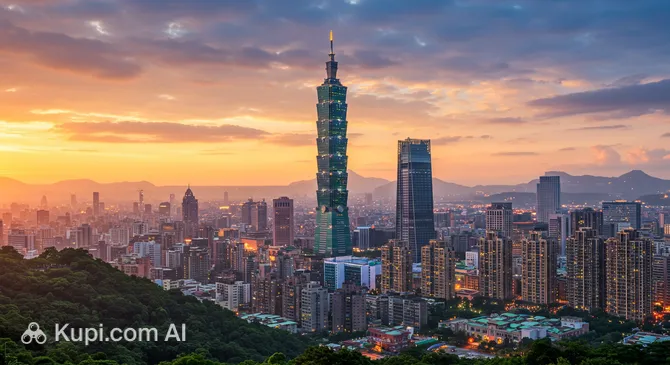
Taipei. Source: Kupi.Binoculars

Geographically, the city is situated in the Taipei Basin in the northern part of the island, surrounded by verdant mountains that offer a quick escape from the urban jungle. The climate is subtropical, characterized by hot, humid summers and mild winters, making it a year-round destination. The greater metropolitan area is a bustling hub, home to approximately 9 million people, contributing to the city's dynamic and cosmopolitan atmosphere.

Delving into the history of Taipei reveals a fascinating evolution from a river port settlement to a global technology leader. This rich heritage is visible in the architectural landscape, where historical landmarks like the intricate Longshan Temple coexist with contemporary marvels. The city respects its past while eagerly embracing the future.

Among the top attractions, the iconic Taipei 101 stands out as a symbol of the city; the observatory offers breathtaking panoramic views that are not to be missed. For food enthusiasts, the city is a paradise, famous for its lively night markets such as Shilin, where you can sample an array of local delicacies. Additionally, the National Palace Museum houses one of the largest collections of Chinese imperial artifacts in the world, offering a deep dive into art and culture.

Whether you are hiking up Elephant Mountain for the perfect skyline photo or sipping bubble tea in Ximending, Taipei promises an unforgettable journey. It is a safe, friendly, and incredibly diverse destination that invites you to explore its many wonders.
Weather Overview

Taipei experiences a humid subtropical climate, characterized by long, hot summers and generally mild winters. Because the city is situated in a basin, humidity can often feel quite high, and rainfall is a frequent occurrence throughout the year. To help you decide on the best time for your visit, you can consult the detailed guide to the weather in Taipei.

During the summer months of June through August, the city is at its warmest, with average temperatures ranging from 26.9°C to 28.4°C and maximums often exceeding 30°C. This period is also quite wet, with approximately 19 to 20 rainy days per month. In contrast, winters are cooler but rarely freezing; average temperatures in January and February sit around 15°C to 16°C, though dampness can make it feel cooler.

Travelers should be prepared for precipitation at any time of year, as even the transitional months like March and April see about 15 wet days. Overall, you can expect warm, humid summers with regular showers and mild winters that remain relatively rainy.

Interesting Facts

Beyond the bustling night markets and towering skyscrapers, Taipei hides a treasure trove of unique quirks and fascinating secrets waiting to be discovered. Here are a few surprising details that make this city truly one of a kind.

  • Musical Garbage Trucks: Unlike in many other cities, waste management in Taipei is a melodious affair. Garbage trucks play classical music, typically Beethoven’s "Für Elise" or Badarzewska’s "A Maiden’s Prayer," prompting residents to gather and dispose of their trash, turning a chore into a community event.

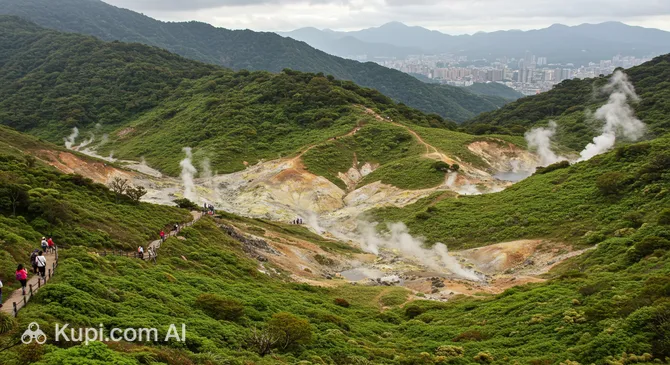
  • A Volcano in the Backyard: It is rare for a capital city to have an active volcanic area within its limits, but Yangmingshan National Park offers exactly that. Located just a short journey from the city center, this park features smoking fumaroles, hot springs, and hiking trails, providing a wild escape from the urban jungle.

  • The World's Largest Damper: Inside the iconic Taipei 101, a massive 660-tonne steel sphere hangs between the 87th and 92nd floors. This tuned mass damper is not just an engineering marvel designed to stabilize the building against typhoons and earthquakes; it is also a public attraction with its own mascot, the "Damper Baby."

  • Convenience Store Density: Taipei boasts one of the highest concentrations of convenience stores in the world. These shops are not just for snacks; they are neighborhood hubs where you can pay bills, ship packages, buy concert tickets, and even print documents 24/7.

  • Wishes on the Rails: Just outside the main city center at Shifen Old Street, visitors participate in a unique tradition of releasing sky lanterns. What makes this experience surreal is that the lanterns are painted and released right on the operational railway tracks, with crowds scattering only when the train whistle blows.

Yangmingshan National Park. Source: Kupi.Binoculars

How to Get There

Reaching this bustling metropolis is a straightforward experience, thanks to its well-connected transport hubs. Whether you are arriving from a neighboring country or halfway across the globe, the city offers excellent accessibility. For a detailed overview of all travel options, you can read more about how to get to Taipei on our dedicated page.

The primary gateway for international travelers is Taiwan Taoyuan International Airport (TPE). Although it serves the capital, it is located approximately 34 km from the city center. It is a major hub with extensive global connections. The journey to downtown typically takes about an hour by taxi or bus, depending on traffic conditions. For those flying regionally or domestically, Taipei Songshan Airport (TSA) is an incredibly convenient option. Situated just 4 km from the heart of the city, it allows for a quick transfer, with a taxi ride taking only around 20 to 30 minutes.

For clarity, here is a summary of the main airports:

Airport Name City Passenger Traffic Km from City
Taiwan Taoyuan International Airport Taipei Large 33.9
Taipei Songshan Airport Taipei Medium 3.8
Taichung International Airport Shalu Medium 127.7
Taichung Airport Taichung Medium 135.0
Hualien Airport Hualien Small 111.9

Main Attractions

Taipei is a city where every corner offers a new discovery, from spiritual sanctuaries and historical treasures to dazzling modern landmarks. Exploring its diverse districts reveals a captivating mix of the old and the new, ensuring that every traveler finds something to marvel at.

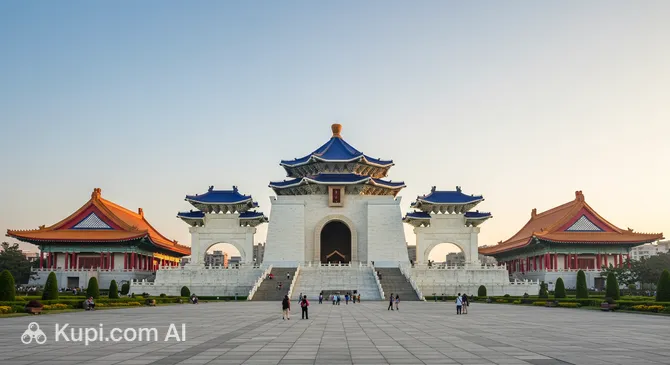
One of the most imposing and culturally significant sites is the Chiang Kai-shek Memorial Hall. This majestic monument, characterized by its brilliant blue octagonal roof and white marble walls, stands prominently at the east end of Liberty Square. Surrounded by manicured gardens and peaceful ponds, it is a space for both reflection and public events. Visitors often gather to watch the precise changing of the guard ceremony, which takes place hourly in the main hall.

Chiang Kai-shek Memorial Hall. Source: Kupi.Binoculars

For art and history lovers, the National Palace Museum is an absolute must-visit. Nestled against a lush hillside, this world-class institution houses one of the largest collections of Chinese imperial artifacts in existence. The exhibits span thousands of years and include ancient jades, bronzes, calligraphy, and ceramics, many of which were originally from the Forbidden City. It provides an unparalleled window into the rich heritage of Chinese culture.

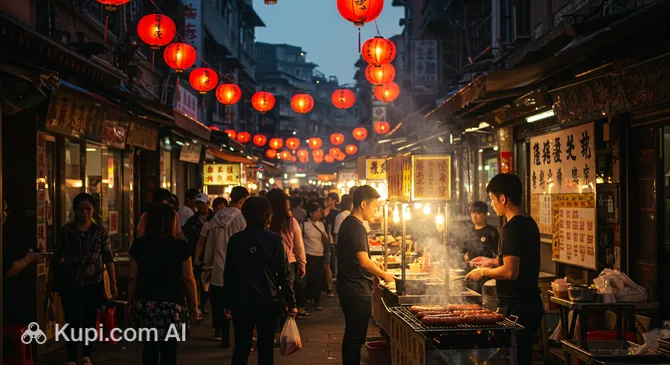
No trip to the city is complete without experiencing its vibrant nightlife and culinary scene. The Raohe Street Night Market offers a quintessential Taiwanese experience. Located near the ornate Ciyou Temple, this single pedestrian street is packed with stalls selling everything from pepper buns and stinky tofu to bubble tea and herbal pork ribs. It is a fantastic place to soak up the local atmosphere and taste authentic street food under the glow of traditional lanterns.

Raohe Street Night Market. Source: Kupi.Binoculars

Dominated by the iconic skyscraper that once held the title of the world's tallest building, the Taipei 101 Mall is the premier destination for luxury shopping and dining. While the observatory offers sky-high views, the mall at the base features high-end international brands, a massive food court, and gourmet restaurants. It is a perfect spot to enjoy modern Taipei's sophisticated lifestyle after a day of sightseeing.

If you have time for a scenic excursion, venture out to Jiufen Old Street. Perched on a mountainside overlooking the ocean, this former gold mining town is famous for its narrow alleyways, red lanterns, and traditional tea houses. The nostalgic atmosphere, often compared to scenes from animated films, makes it one of the most photogenic and enchanting spots in the region.

Local Cuisine

Taipei is widely regarded as one of the culinary capitals of Asia, offering a gastronomic landscape that ranges from humble street stalls to Michelin-starred establishments. The city's food culture is a melting pot of influences, blending traditional Fujianese and Hakka flavors with Japanese techniques and mainland Chinese recipes. For any visitor, the day often begins with a savory breakfast of Shao Bing You Tiao (roasted flatbread with fried dough sticks) paired with fresh soy milk, setting the tone for a day of delicious exploration.

No culinary journey here is complete without trying the city's most iconic dish, Beef Noodle Soup. This hearty bowl features tender braised beef, rich aromatic broth, and chewy hand-pulled noodles, often served with pickled greens. Another staple comfort food is Lu Rou Fan (braised pork rice), a simple yet flavorful bowl of minced pork belly simmered in soy sauce and spices, served over steamed rice. It is a beloved dish found on almost every corner, cherished for its savory depth and affordability.

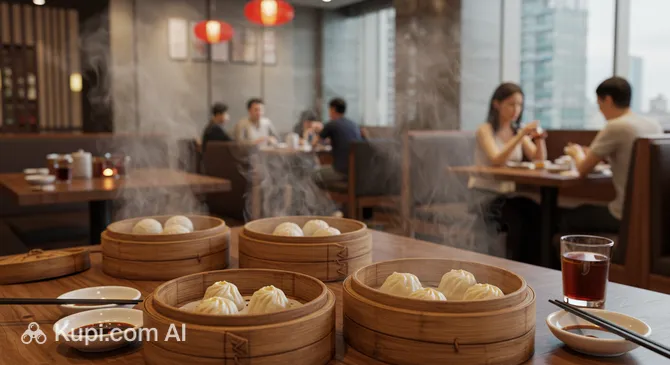
For those seeking world-renowned delicacies, the delicate Xiao Long Bao (soup dumplings) are a must. These thin-skinned dumplings filled with juicy pork and hot broth are an art form in themselves. You can experience the gold standard of this dish at Din Tai Fung Taipei 101, where the precision of the chefs is on full display. Watching the intricate folding process before enjoying the steaming baskets is a highlight for many travelers.

Din Tai Fung Taipei 101. Source: Kupi.Binoculars

Street food is the beating heart of Taipei's dining scene. Adventurous eaters should head to Shenkeng Old Street, often referred to as the "Tofu Capital," to try various preparations of Stinky Tofu. While the pungent aroma can be challenging for first-timers, the crispy skin and soft interior make it a local favorite. For a seaside snacking experience, Tamsui Old Street offers unique treats like "Ah-Gei" (fried tofu stuffed with glass noodles) and the chewy "Iron Eggs."

When it comes to beverages, Taipei is the undisputed birthplace of Bubble Tea (Pearl Milk Tea). You will find countless shops serving this sweet, milky tea loaded with chewy tapioca pearls. For a more traditional experience, visit the historic Dihua Street, where you can sample premium Oolong teas in beautifully preserved heritage buildings. In the evenings, locals often enjoy a cold Taiwan Beer, a crisp lager that pairs perfectly with the salty and fried dishes found at the city's lively "rechao" (stir-fry) restaurants.

Travel Tips

Preparing for a trip to Taipei is an exciting endeavor, but having a few insider tips up your sleeve can transform a good vacation into a seamless and stress-free adventure. From navigating the remarkably efficient public transport to understanding the nuances of local etiquette, this practical guide will help you blend in and enjoy the city like a local.

  1. Pack for Humidity and Rain: Taipei’s climate is subtropical and often humid. In summer, bring lightweight, breathable clothing to cope with the heat, while a light jacket is necessary for the strong air conditioning indoors. Winters are mild but can feel damp, so layers are key. Regardless of the season, an umbrella or a raincoat is an absolute essential, as showers can be sudden. Comfortable walking shoes are a must, as you will likely be on your feet exploring temples and markets.

  2. Master the MRT with an EasyCard: The Taipei Metro (MRT) is one of the cleanest and most reliable systems in the world. Purchase an EasyCard (or iPass) at any station or convenience store upon arrival. This contactless smart card covers the MRT, buses, YouBike rentals, and can even be used for payments at convenience stores. Taxis are affordable and safe, and apps like Uber are widely available, so there is absolutely no need to rent a car within the city.

  3. Cash is King for Street Food: The local currency is the New Taiwan Dollar (TWD). While department stores and hotels accept credit cards, cash is essential for night markets, small eateries, and street vendors. ATMs are ubiquitous, found in almost every 7-Eleven or FamilyMart, and usually accept international cards. Tipping is not part of the culture in Taiwan; a service charge is often included in high-end restaurants, but leaving extra cash is generally not expected.

  4. Health and Safety: Taipei is incredibly safe for tourists, even at night. Pharmacies like Watsons and Cosmed are easy to find and stock many Western brands. If you need medical help, hospitals are modern and efficient. The emergency number for police is 110 and for ambulance or fire is 119. As a precaution against dengue fever, especially in summer, carrying mosquito repellent is advisable if you plan to hike.

  5. Overcoming Language Barriers: The official language is Mandarin Chinese. While English is widely spoken in hotels and major tourist spots, it may be less common in local mom-and-pop shops. Installing Google Translate and Google Maps will be lifesavers. It is highly recommended to buy a 4G SIM card with unlimited data at the airport upon arrival, as connectivity makes navigating the city much easier.

  6. Respect the Queue and Escalator Etiquette: Order and politeness are highly valued. Locals always queue neatly for the MRT and elevators; never cut in line. On escalators, the convention has long been to stand on the right and walk on the left, although recent safety campaigns encourage standing on both sides. Inside the train, keep your voice down and never sit in the dark blue "Priority Seats" unless you are elderly, pregnant, or have a disability.

  7. Strictly No Eating on the MRT: This is the most critical rule to remember. Eating, drinking (even water), and chewing gum are strictly prohibited within the paid areas of MRT stations and on the trains. Violators face hefty fines, and this rule is rigorously enforced to keep the system spotless. Save your snacks for the park or the night market.

  8. Embrace the Convenience Store Culture: Convenience stores here are a cultural phenomenon. Open 24/7, they are not just for buying snacks; you can print documents, call a taxi, pay bills, and use clean restrooms. A great local life hack is to use them as a safe haven to rest, cool down, or grab a quick, high-quality meal if you are in a rush.

By keeping these practicalities in mind, you will be well-equipped to navigate the bustling streets of Taipei with confidence and ease. The city is renowned for its hospitality, so do not hesitate to ask for help if you are lost—you will likely be met with a friendly smile and a helping hand.

Entertainment & Nightlife

Taipei transforms when the sun goes down, shifting from a bustling business hub to a playground of neon lights, culinary delights, and vibrant entertainment. The city’s nightlife is legendary in Asia, offering everything from high-energy nightclubs and sophisticated rooftop bars to the culturally ingrained tradition of late-night markets. Whether you are looking to dance until dawn or simply enjoy a quiet drink by the river, the capital has a spot for you.

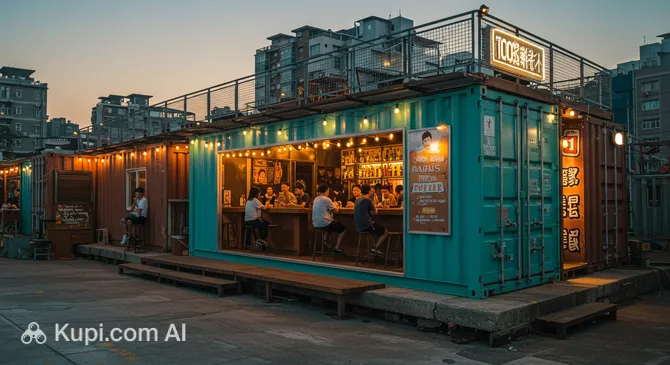
For those seeking a glamorous night out, the Xinyi District is the undisputed epicenter of upscale entertainment. Here, in the shadow of Taipei 101, you will find a concentration of chic lounges and world-class nightclubs. The crowd is stylish, and the dress code is generally "dress to impress," so leave the flip-flops at home. If you prefer a more relaxed, open-air atmosphere, head towards the river. The Dadaocheng Wharf Container Market is a trendy destination where you can sip cocktails from pop-up bars while watching the sunset reflect off the Tamsui River. It is a favorite among young locals and expats for its chill vibes and stunning views.

Dadaocheng Wharf Container Market. Source: Kupi.Binoculars

A quintessential Taiwanese nightlife experience that cannot be missed is Karaoke (KTV). Unlike the open-mic bars found in the West, KTV here involves renting private rooms with friends, complete with food and alcohol service. It is a beloved pastime for locals of all ages. Venues are opulent and often open 24/7. If you find yourself in the Xinzhuang area, YES KTV Xinzhuang is a popular choice to sing your heart out in a comfortable setting.

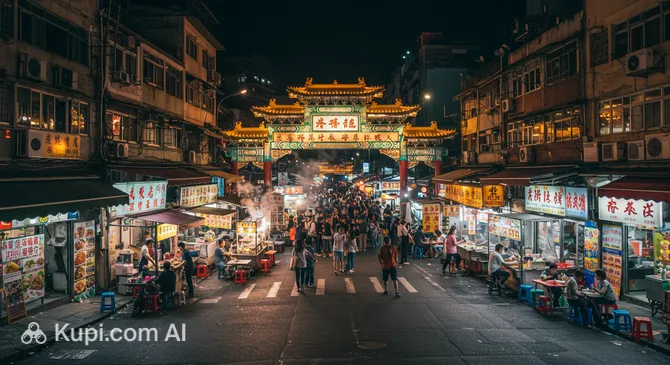
For a more traditional and bustling evening, night markets are the soul of the city's nightlife. While some markets are tourist-heavy, others offer a more local flavor. Lehua Night Market in the Yonghe district is a fantastic place to immerse yourself in the local scene. Open until around midnight, it is packed with stalls offering games, fashion, and an endless array of snacks. It is lively, noisy, and incredibly fun, perfect for travelers wanting an authentic taste of Taiwan after dark.

Lehua Night Market. Source: Kupi.Binoculars

If you prefer high culture over clubbing, the city offers superb artistic performances. The magnificent National Concert Hall at Liberty Square hosts regular performances ranging from classical orchestras to traditional Chinese music. The architecture alone, with its traditional palace-style roof, is worth seeing illuminated at night.

Practical Advice and Safety: Taipei is one of the safest cities in the world, and walking alone at night is generally very safe, even in quiet alleys. The MRT (subway) typically runs until midnight, after which taxis and Uber are the best ways to get around. Taxis are abundant, safe, and relatively inexpensive; just have your destination address written in Chinese if possible. Convenience stores are open 24/7, providing safe havens and late-night snacks.

While the night is exciting, daytime entertainment is equally diverse. Families will enjoy the retro charm of the Ferris Wheel at Taipei Children's Amusement Park, while art enthusiasts can spend hours exploring the contemporary exhibits at the Taipei Fine Arts Museum. Whether by day or night, the city's energy is infectious.

Parks & Museums

Parks and Museums:

Beyond its bustling night markets and soaring skyscrapers, Taipei is a city that deeply values its green spaces and cultural heritage. The metropolis is dotted with tranquil parks, creative hubs, and world-class museums that offer a refreshing escape from the urban rush, inviting visitors to explore the artistic and natural soul of the capital.

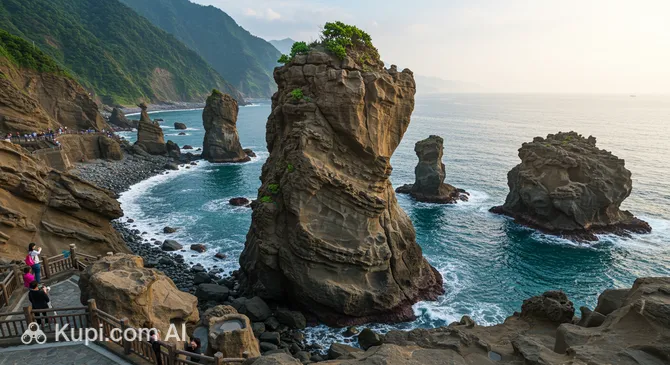
For nature lovers willing to venture just outside the city center, the Yehliu Geopark is a geological wonder that should not be missed. Located on the north coast, this cape is famous for its otherworldly rock formations created by sea erosion and wind. The most iconic of these is the "Queen's Head," a rock that bears a striking resemblance to Queen Elizabeth I. Walking through this landscape feels like stepping onto another planet, making it a paradise for photographers.

Yehliu Geopark. Source: Kupi.Binoculars

In the heart of the city, the Huashan 1914 Creative Park offers a perfect blend of history and modern leisure. Once a wine factory, this industrial heritage site has been transformed into a vibrant cultural venue. Old warehouses now host art exhibitions, indie design shops, and hip cafes. It is a favorite spot for locals to relax on the grassy lawns or catch a live performance, showcasing the city's youthful and artistic energy. Another breathtaking natural site is the Shifen Waterfall, often called the "Little Niagara of Taiwan," known for its broad cascade and scenic surroundings.

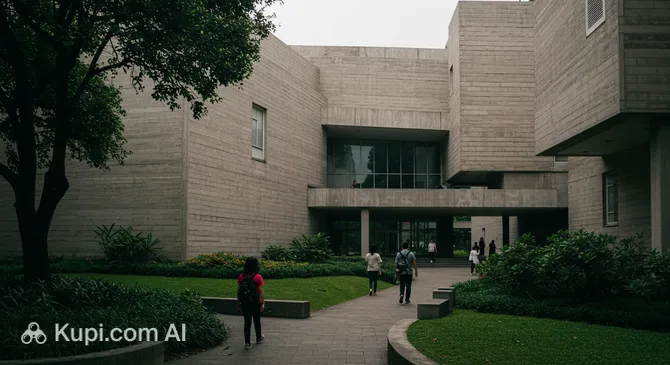
Taipei's museum scene is equally impressive. While the National Palace Museum holds ancient treasures, the Taipei Fine Arts Museum focuses on the contemporary. Housed in a striking modernist building, it exhibits cutting-edge works by Taiwanese and international artists. It is a hub for modern creativity and offers a distinct perspective on the island's evolving identity. For families and science enthusiasts, the Taipei Astronomical Museum provides an educational journey through the cosmos with interactive exhibits and a dome theater.

Taipei Fine Arts Museum. Source: Kupi.Binoculars

History buffs will appreciate the solemn grandeur of the National Revolutionary Martyrs' Shrine. Built in the architectural style of the Forbidden City's Hall of Supreme Harmony, this shrine honors the fallen heroes of the Republic of China. The changing of the guard ceremony here is as precise and impressive as the one at the Chiang Kai-shek Memorial Hall but often takes place in a more serene and less crowded atmosphere.

For a fun day out, the Taipei Zoo is one of the largest in Asia and a leader in conservation. It is famously home to giant pandas and a diverse range of tropical animals. As an insider tip, consider visiting the Hongludi Nanshan Fude Temple in the evening. Perched on a mountain in the Zhonghe district, this temple is not only a place to pray for wealth but also offers one of the most stunning panoramic night views of the entire Taipei basin, far away from the typical tourist crowds.

Getting Around

Navigating Taipei is a remarkably smooth experience, thanks to one of the most efficient, clean, and user-friendly public transport networks in the world. The backbone of the city's transit is the Mass Rapid Transit (MRT) system, often simply called the Metro. It connects nearly every major district, tourist attraction, and shopping hub with punctuality and ease. The stations are well-marked with color-coded lines and bilingual signs in English and Chinese, making it incredibly easy for international visitors to find their way around without fear of getting lost.

Complementing the metro is an extensive bus network that reaches corners of the city where the trains do not go. While the bus system might seem daunting at first due to the sheer number of routes, most buses now feature English signage and announcements. A helpful feature to look for is the LED sign above the driver, which indicates whether you should pay when getting on or getting off—though in many cases, tapping your card both times is the standard practice to avoid confusion.

The key to unlocking the city's transport is the EasyCard (or the similar iPass). This rechargeable smart card is an absolute essential for any tourist. You can purchase one at any MRT station service counter or at ubiquitous convenience stores like 7-Eleven and FamilyMart. The card costs a small non-refundable fee, after which you load it with credit. It offers a seamless "tap-and-go" experience for the MRT, buses, and even ferries. Fares are very affordable, and using the card often provides a discount compared to buying single-journey tokens, as well as transfer discounts when switching between the metro and buses within a certain timeframe.

For short distances, the city offers a fantastic public bicycle rental system known as YouBike. You will see these distinctive yellow and white bikes docked at stations outside almost every MRT stop and major landmark. To use them, you can register your EasyCard with a local phone number at the kiosk or use a credit card for a single rental. It is a healthy, eco-friendly, and inexpensive way to explore the streets at your own pace, with dedicated cycling lanes available in many areas.

If you prefer a more direct route or are traveling late at night, taxis are plentiful and reasonably priced. You can easily hail the yellow cabs on the street, and they all run on meters, so there is no need to haggle. Most drivers are honest and professional, though having your destination written in Chinese can be helpful. Alternatively, ride-hailing apps like Uber are widely available and operate efficiently within the city, offering a convenient option if you prefer to handle payment and navigation via your smartphone.

A unique feature of the transport landscape is the Maokong Gondola. While it serves as a legitimate transport link to the mountainous Maokong area, it is also a major attraction in itself. This cable car system offers stunning aerial views of the city and lush tea plantations. For a thrilling experience, you can wait for a "Crystal Cabin," which features a glass bottom, allowing you to see the forest canopy passing directly beneath your feet.

Practicality is a hallmark of the system. The MRT typically operates from 6:00 AM to midnight, with trains arriving every few minutes during peak hours. Buses run on similar schedules, though some routes have night services. When using the escalators in stations, the local convention is to stand on the right to let people pass on the left, although safety guidelines increasingly encourage standing on both sides. Always remember to validate your ticket or tap your card at the sensor gates when entering and exiting stations to ensure the correct fare is deducted.

Accommodation

Finding the perfect place to stay in Taipei is an effortless part of the travel experience, as the city offers a diverse spectrum of accommodation to suit every preference and budget. Whether you are a backpacker looking for a vibrant social scene, a business traveler seeking efficiency, or a luxury seeker desiring world-class amenities, the options are plentiful. The landscape ranges from affordable, high-quality hostels and capsule hotels to mid-range boutique inns and opulent five-star resorts.

Choosing the right neighborhood is key to maximizing your time. For those who prioritize convenience and connectivity, the area around Taipei Main Station is unbeatable, serving as the central hub for trains, buses, and the MRT. If you prefer a lively, youthful atmosphere with endless street food and shopping at your doorstep, Ximending is the place to be. Conversely, the Xinyi District, home to Taipei 101, offers a sophisticated environment with luxury hotels and upscale malls. For a more relaxing retreat, the Beitou district is famous for its hot springs and resort-style living, located just a short metro ride from the city center.

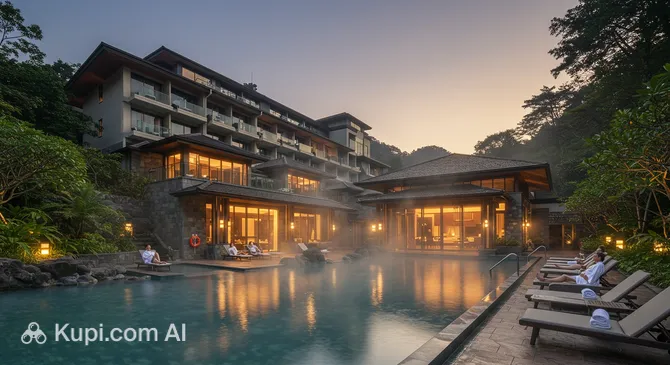
Among the notable establishments that cater to travelers seeking comfort and style, Wellspring offers a refined experience in the heart of the city. For those specifically looking to indulge in the city's famous hot spring culture, Wellspring Beitou provides a tranquil escape where guests can soak in mineral-rich waters within the privacy of their accommodation or in beautifully designed public pools.

Wellspring Beitou. Source: Kupi.Binoculars

In terms of pricing, Taipei is generally considered to offer great value compared to other major Asian capitals. Budget travelers can find clean and safe dormitory beds for a very low cost, while mid-range hotels offer excellent amenities at reasonable rates. It is highly recommended to book in advance, especially if you plan to visit during major holidays like the Lunar New Year or Golden Week, as popular spots fill up quickly. Most accommodations can be easily secured through major online booking platforms, often allowing for flexible cancellation policies.

Nearby Cities

For those looking to explore the surroundings, Taipei serves as an excellent base for day trips to several interesting nearby locations:

City Population Distance (km)
Zhongli 1,632,616 37
Banqiao 550,000 11
Yilan 500,000 41
Taoyuan 443,273 27
Keelung 370,155 20

Among these accessible destinations, Keelung is a standout choice for a day trip. Known as the "Rainy Port," this historic city offers a unique maritime atmosphere and is home to the famous Miaokou Night Market, which is widely considered one of the best culinary hotspots in Taiwan. Visitors can also explore the colorful Zhengbin Fishing Harbor, a picturesque spot that highlights the area's charm.

Another excellent option is Yilan, located on the northeast coast. It provides a more relaxed pace compared to the capital and is a favorite destination for nature lovers. The region is renowned for the therapeutic hot springs in Jiaoxi and the striking architecture of the Lanyang Museum, making it an ideal place to unwind and enjoy the coastal scenery.

These nearby destinations offer a glimpse into the diverse culture and landscapes of the region.

Shopping & Souvenirs

Taipei is a shopper’s nirvana, offering a dizzying array of options that range from ultra-modern luxury malls to bustling traditional markets. Whether you are hunting for the latest high-tech gadgets, designer fashion, or quirky local souvenirs, the city provides a retail experience that caters to every taste and budget. Shopping here is not just a transaction; it is a cultural immersion.

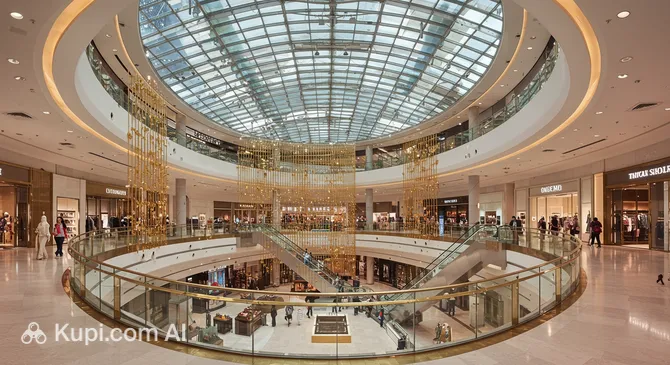
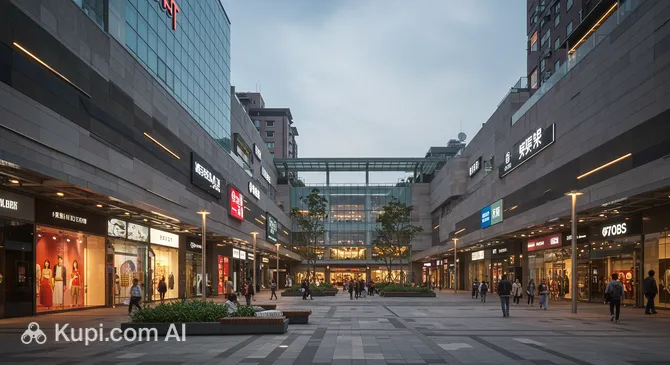
For high-end retail therapy, the Xinyi District is the premier destination. This area is packed with department stores and upscale boutiques connected by convenient skybridges. At its center stands the iconic Taipei 101 Mall. While the tower soars above, the podium at its base houses prestigious international brands, luxury flagships, and gourmet dining. It is the perfect place to find exclusive goods in a sophisticated setting.

Taipei 101 Mall. Source: Kupi.Binoculars

Tech enthusiasts will find themselves in heaven in the Guanghua Commercial Zone. The crown jewel here is Syntrend, a "creative park" dedicated to technology and lifestyle. Unlike a typical electronics market, this twelve-story complex offers an experiential retail environment, featuring everything from the latest computers and gaming gear to anime collectibles and maker spaces. It is a must-visit for anyone interested in the digital culture of Taiwan.

Syntrend. Source: Kupi.Binoculars

If you are looking for youth fashion and pop culture, head to the pedestrian-friendly streets of Ximending. Often compared to Tokyo's Harajuku, this vibrant district is always crowded with young people and street performers. Here, you can find trendy clothing, unique accessories, and an endless supply of claw machine arcades. It is also a great spot to pick up affordable items and soak in the energetic atmosphere.

For a taste of old Taipei, a visit to Dihua Street is essential. Walking past the beautifully preserved colonial baroque architecture, you will find shops selling traditional goods that have been trading for generations. This is the best place to buy premium Oolong tea, dried fruits, Chinese herbal medicines, and high-quality fabrics. The atmosphere here contrasts sharply with the neon lights of the modern city, offering a glimpse into the island's trading past.

When it comes to souvenirs, no trip is complete without purchasing pineapple cakes, the country's most famous pastry. These buttery, jam-filled treats are available everywhere, from convenience stores to specialty bakeries. Other popular items to bring home include local jade, ceramic tea sets, and Taiwanese cosmetics. Visitors should also note that many larger stores offer VAT refunds for foreign travelers on purchases over a certain amount, so be sure to carry your passport when shopping.

Reached the end of the page?

That means the route is fully explored